-
-
atomix
Inspiration
A couple of weeks ago, I made a cross-chain transfer of $5 from USTC to USDT, which cost me a $1 service charge 😵💫. This was the main reason I started thinking about better, low-cost, and secure cross-chain swap solutions, and decided to experiment. With the growing difficulty of managing assets across multiple blockchain systems and the rise of DeFi (Decentralized Finance), users need an easy way to move assets between different blockchains while accessing DeFi services without relying on centralized exchanges or bridge solutions. We wanted to create a solution that would give users trustless, secure, multi-asset atomic swaps peer-to-peer.
What it Does
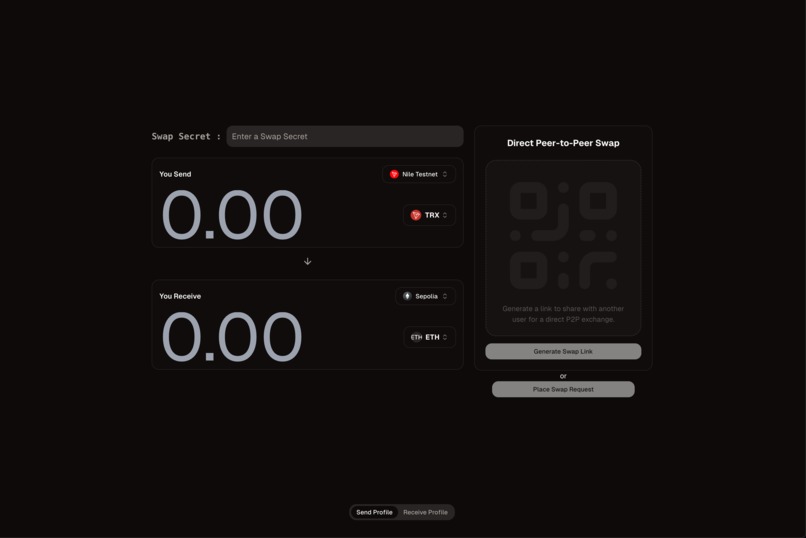
Atomix aims to revolutionize decentralized finance by enabling trustless, peer-to-peer atomic swaps across multiple blockchains. Using Hash Time-Locked Contracts (HTLCs), Atomix ensures secure, direct exchanges of tokens between different chains without the need for intermediaries, custodians, liquidity pools, or bridges. This solution simplifies cross-chain token exchanges while maintaining user control and minimizing transaction complexity.
Atomix unlocks a new era of interoperability within DeFi by allowing users to swap NFTs, coins, and tokens across chains natively, without the need to wrap tokens or pass through centralized bridges. The protocol’s core value lies in its ability to enable seamless cross-chain trading, preserving decentralization by keeping users in control of their private keys throughout the swap process. This innovation increases liquidity access and offers a secure, transparent way for users to engage in DeFi across blockchains without the risk of third-party failure or custody issues.
How We Built It
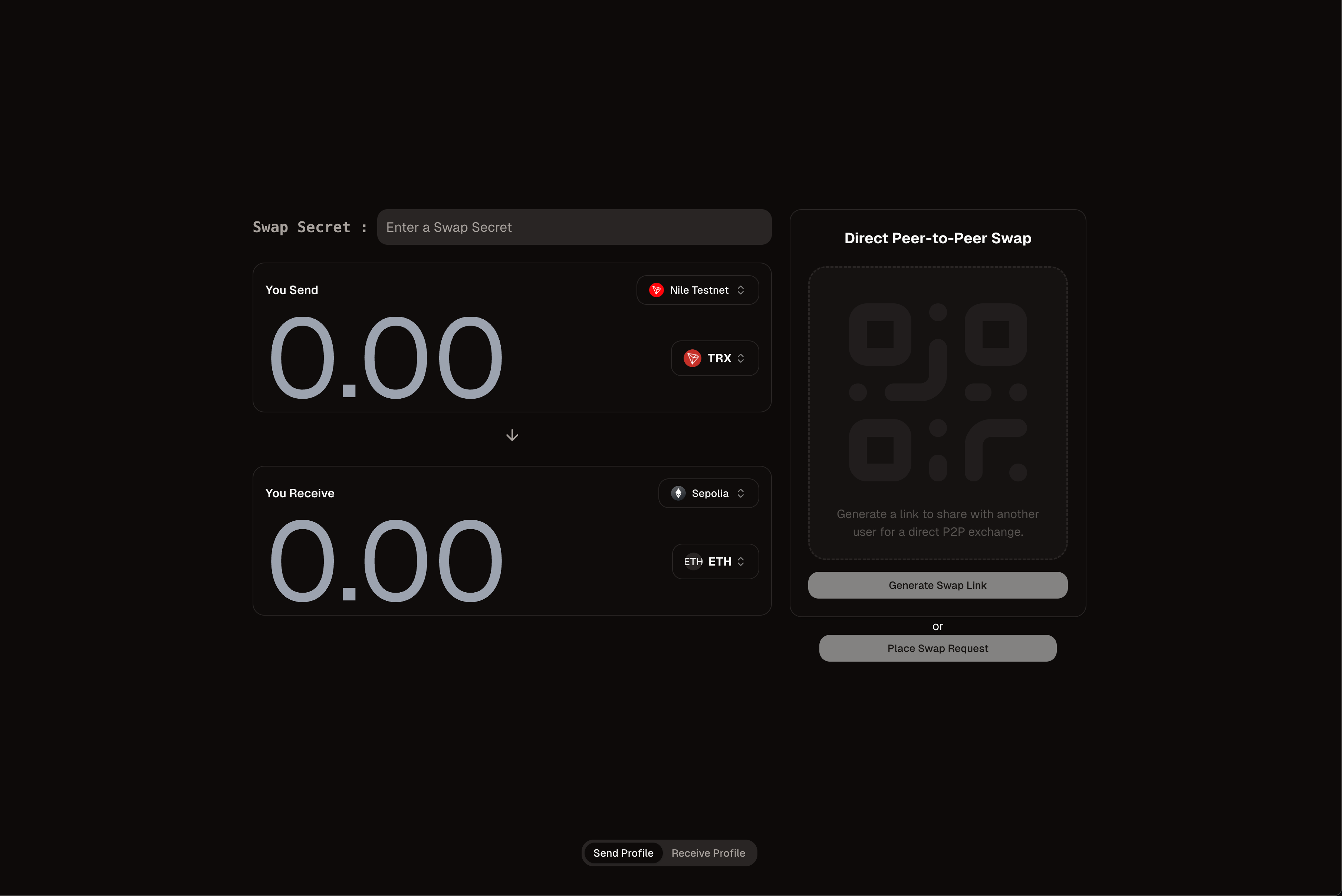
We built Atomix using smart contracts based on Hashed Time-Locked Contracts (HTLCs) to ensure atomicity and security of swaps. The project was developed using Solidity and deployed on the Tron, Ethereum, and Binance Smart Chain test networks. We integrated cross-chain capabilities to make swaps possible and developed smart contracts to handle DeFi interactions after swaps. The front-end UI was designed to be simple for users, allowing them to easily swap tokens and interact with DeFi services.
Challenges We Ran Into
One of the biggest challenges was formulating this idea properly 😅 and, of course, bringing it to life. It was complex to come up with a proper and safe cross-chain HTLC algorithm and ensure cross-chain compatibility and atomic swap security. Implementing HTLCs in a multi-chain setup required extensive testing to ensure funds were securely locked and released based on agreed conditions. Additionally, I found out about the hackathon just 10 days before the submission date, which made it very challenging to think, learn, and build quickly and alone.
Accomplishments That We’re Proud Of
We are especially proud of successfully building a fully decentralized cross-chain atomic swap system that supports different types of tokens, coins, and NFTs. By eliminating intermediaries, we have created a trustless, non-custodial solution that lets users experience DeFi across blockchains smoothly. We are also proud of our creative and user-friendly interface, which makes what is usually a complex process easy for everyone.
What We Learned
Building Atomix taught us how DeFi actually works, including the different logic and algorithms behind various centralized and decentralized exchanges (CEX and DEX) and how the cryptocurrency market functions in the backend. We also gained a deeper understanding of the true beauty and purpose of cryptocurrencies and decentralization. We learned the importance of security and trustlessness. Additionally, we learned a lot about managing cross-chain swaps and the difficulties of ensuring compatibility between different chains. We gained insights into DeFi composability, understanding how crucial it is for users to not only move assets between chains but also interact with DeFi services without friction.
Benefits of the Atomix Protocol
- Decentralization: Atomix removes the need for centralized custodians or liquidity pools. Swaps are directly handled by users, ensuring decentralization and user control.
- Security: Using HTLCs means that users maintain control of their assets throughout the swap process. If one party does not follow through, the funds are automatically returned to the original owners.
- No Third Party Risk: There are no intermediaries, bridges, or custodians involved, removing the risks of hacks, fraud, or mismanagement.
- Low Fees: Since Atomix does not rely on bridges, liquidity providers, or centralized exchanges, users only pay normal gas fees for blockchain transactions. There are no extra fees for swapping.
- Cross Chain Compatibility: Atomix supports many blockchains, including Tron, Ethereum, Binance Smart Chain, and Polygon, allowing users to swap assets easily without the need for wrapped tokens or bridges.
- User Controlled Swaps: Users have full control over their assets and swap terms. Whether users want to swap TRC 20, ERC 20, or BEP 20 tokens, the process is smooth and user-driven.
- Cross Chain and Multi Asset Support: In addition to token swaps, Atomix plans to support NFTs and other digital assets, allowing different assets to move freely across various blockchains.
What’s Next for Atomix
- Milestone 1: Automation & NFT Swap: Automate the sharing of secret hash information, add cross-chain NFT swaps, and introduce a counter-offer feature. Expected completion: 11/10 (⏳ In Progress).
- Milestone 2: Multi Asset & New Chains: Support token-for-NFT swaps, improve the user interface, and add support for more blockchains like Polygon, Avalanche, and Fantom. Expected completion: 15/10 (⏳ Planned).
- Milestone 3: Liquidity Pool Option: Add optional decentralized liquidity pools, allow users to define their swap preferences, and add more analytics features. Expected completion: 22/10 (⏳ Planned).
- Milestone 4: Full Public Release: Launch the system on the mainnet for Tron, Ethereum, Binance Smart Chain, Polygon, Avalanche, and Fantom, and improve performance for handling high transaction volumes. Expected completion: 10/11 (⏳ Planned).
Built With
- nextjs

Log in or sign up for Devpost to join the conversation.