-
-
-
-
Introduction
-
-
-
-
-
Inspiration
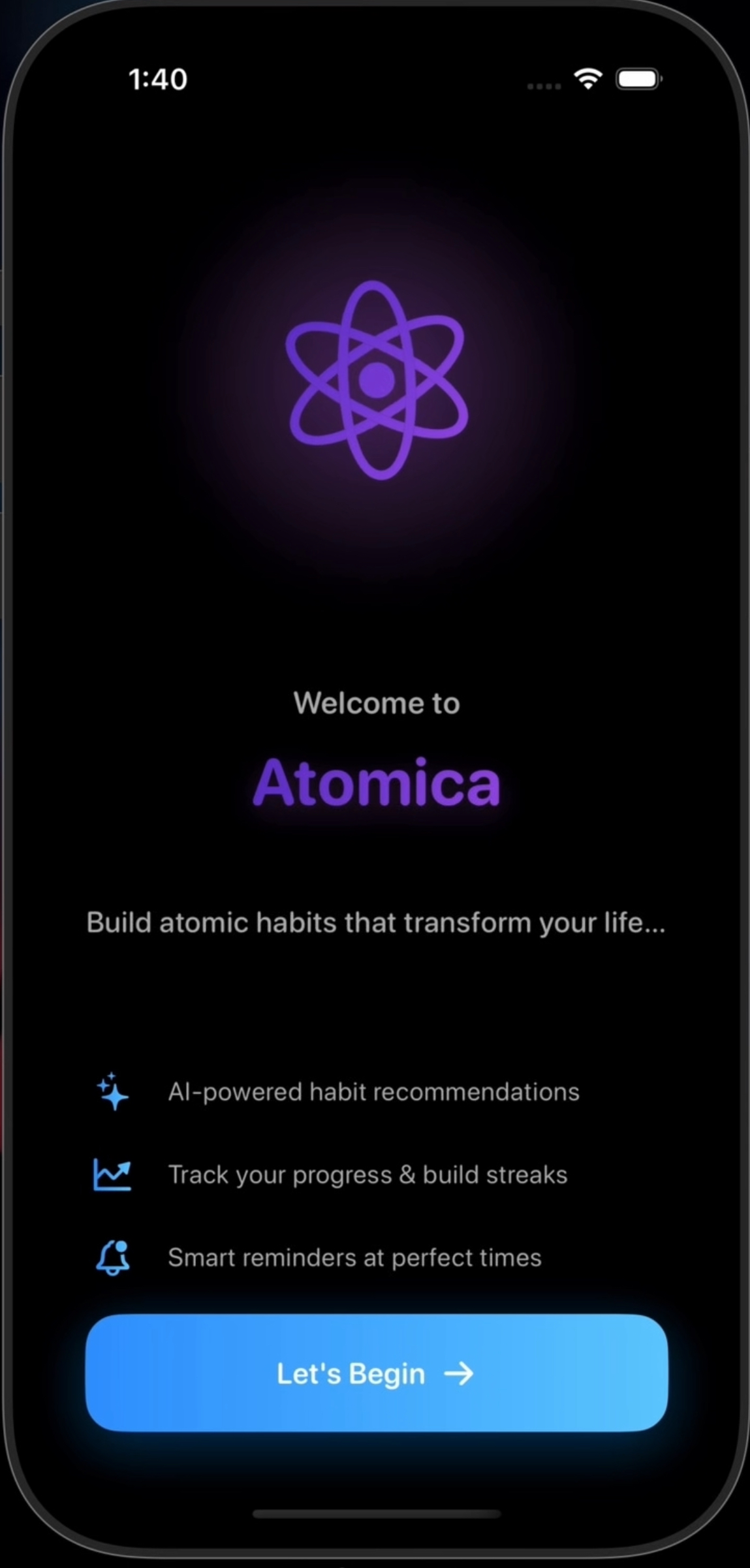
We started Atomica with a simple idea, "what if personal growth felt natural instead of forced?"
Most productivity and habit apps tell users what to do, but few adapt to how you live. We wanted to build an assistant that understands your time, energy, and motivation — then generates the right habits and learning steps for you.
What it does
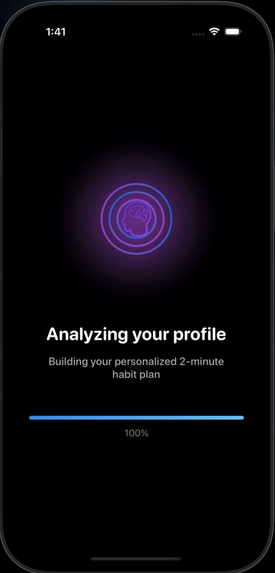
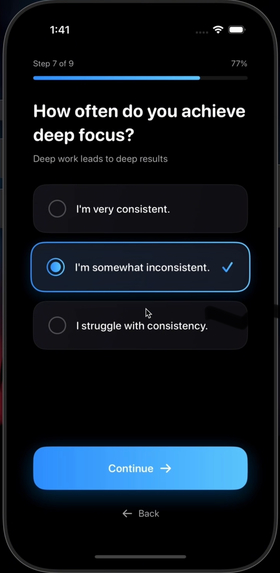
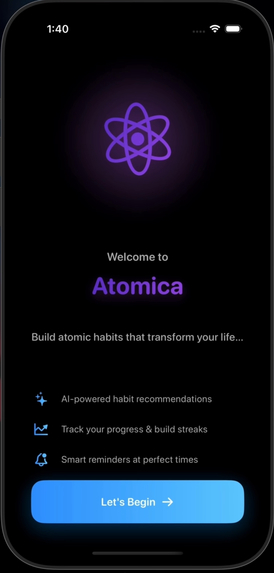
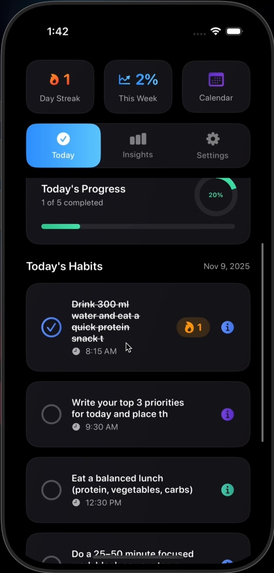
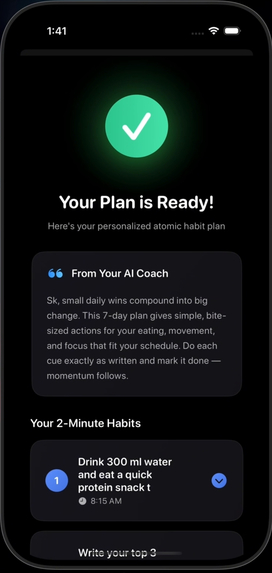
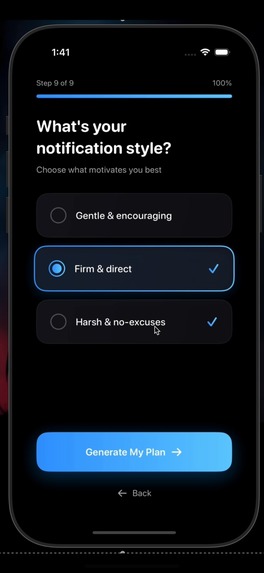
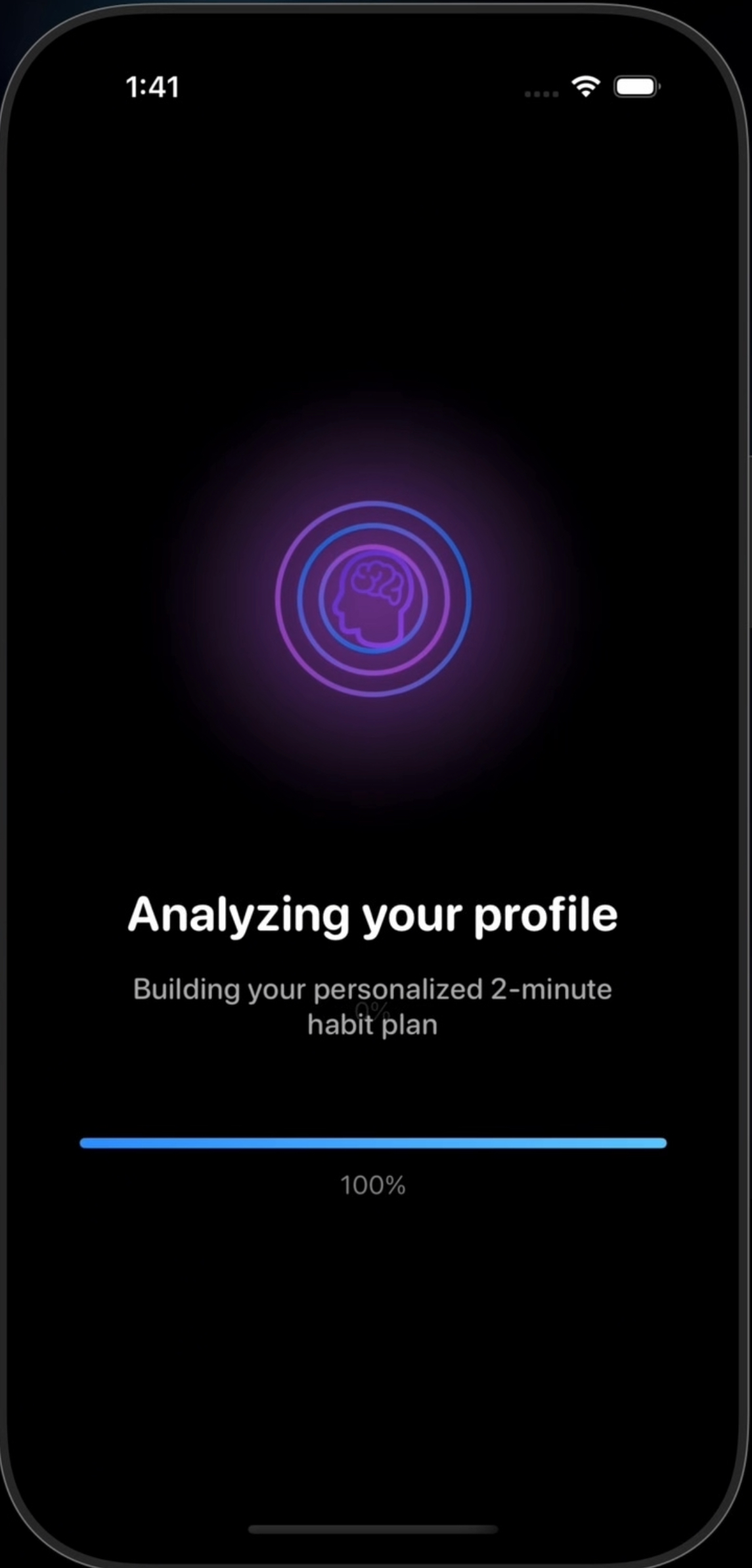
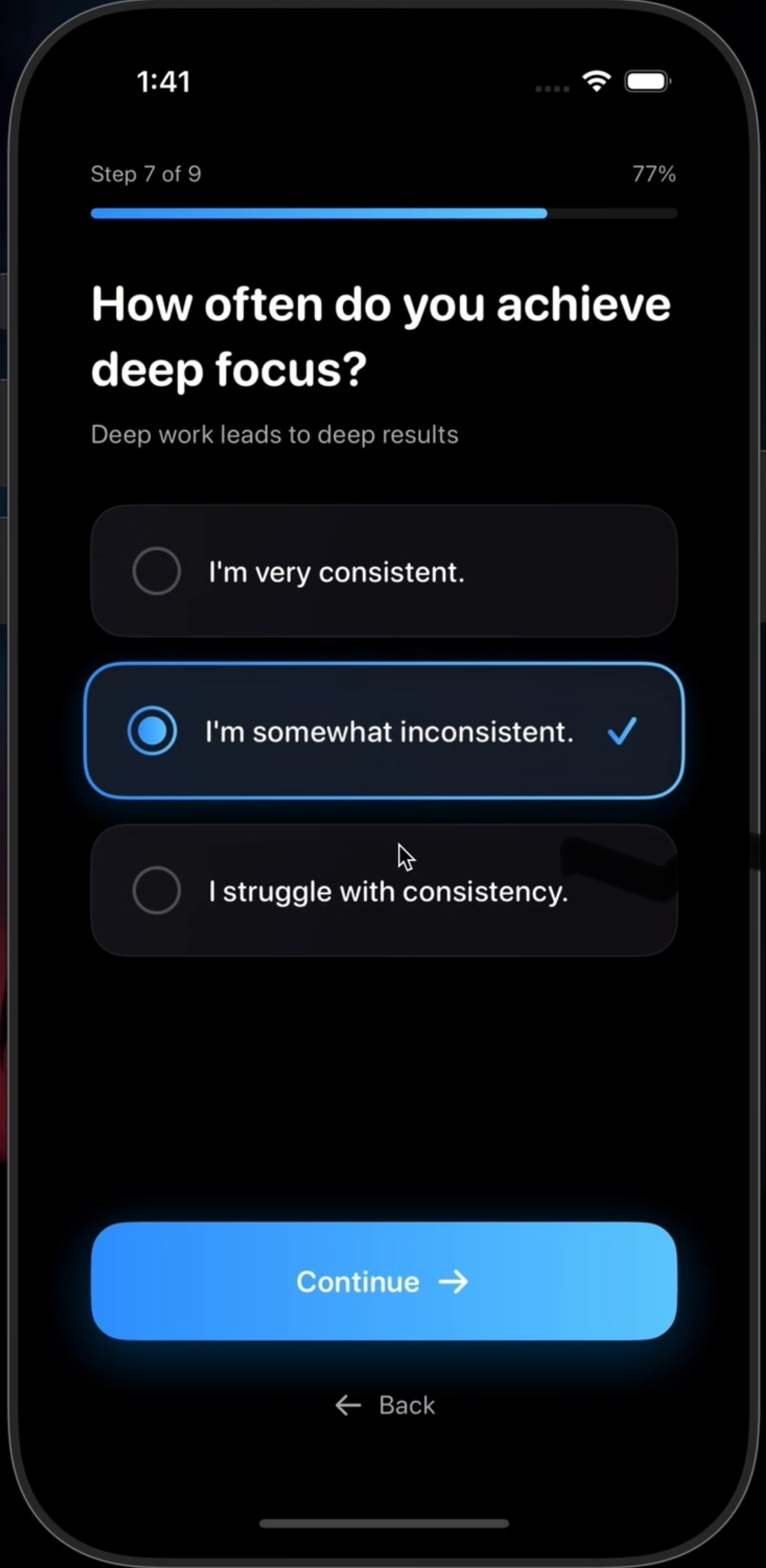
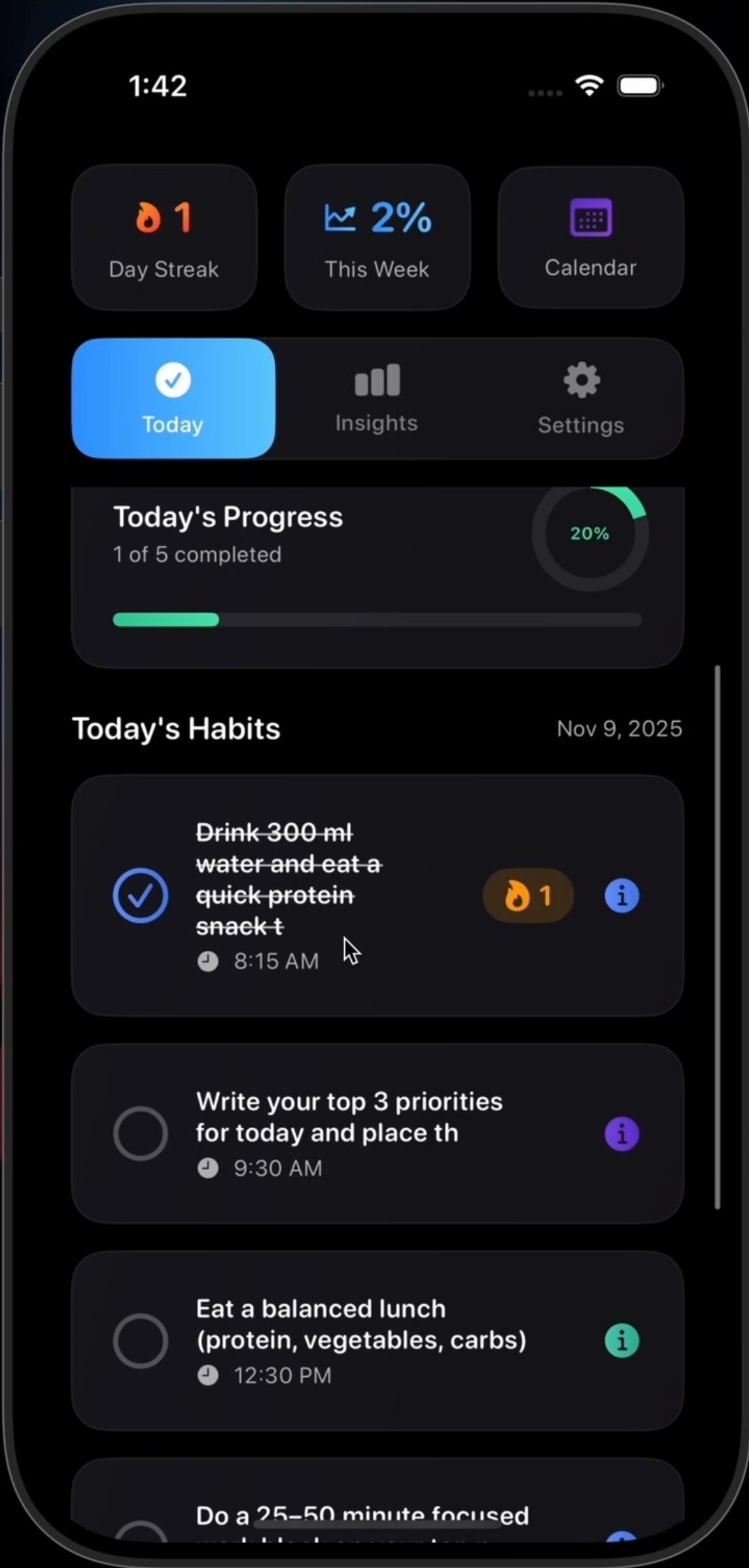
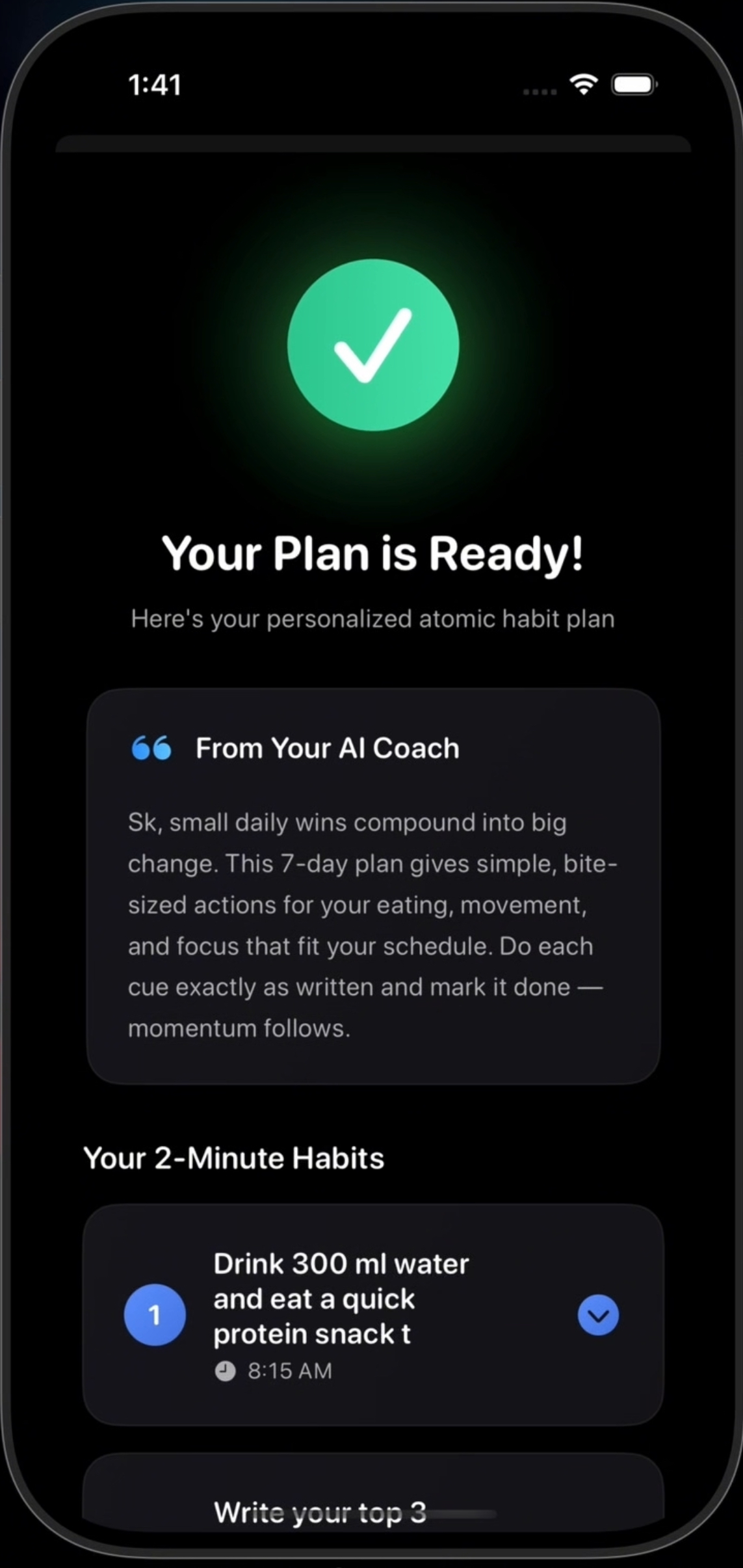
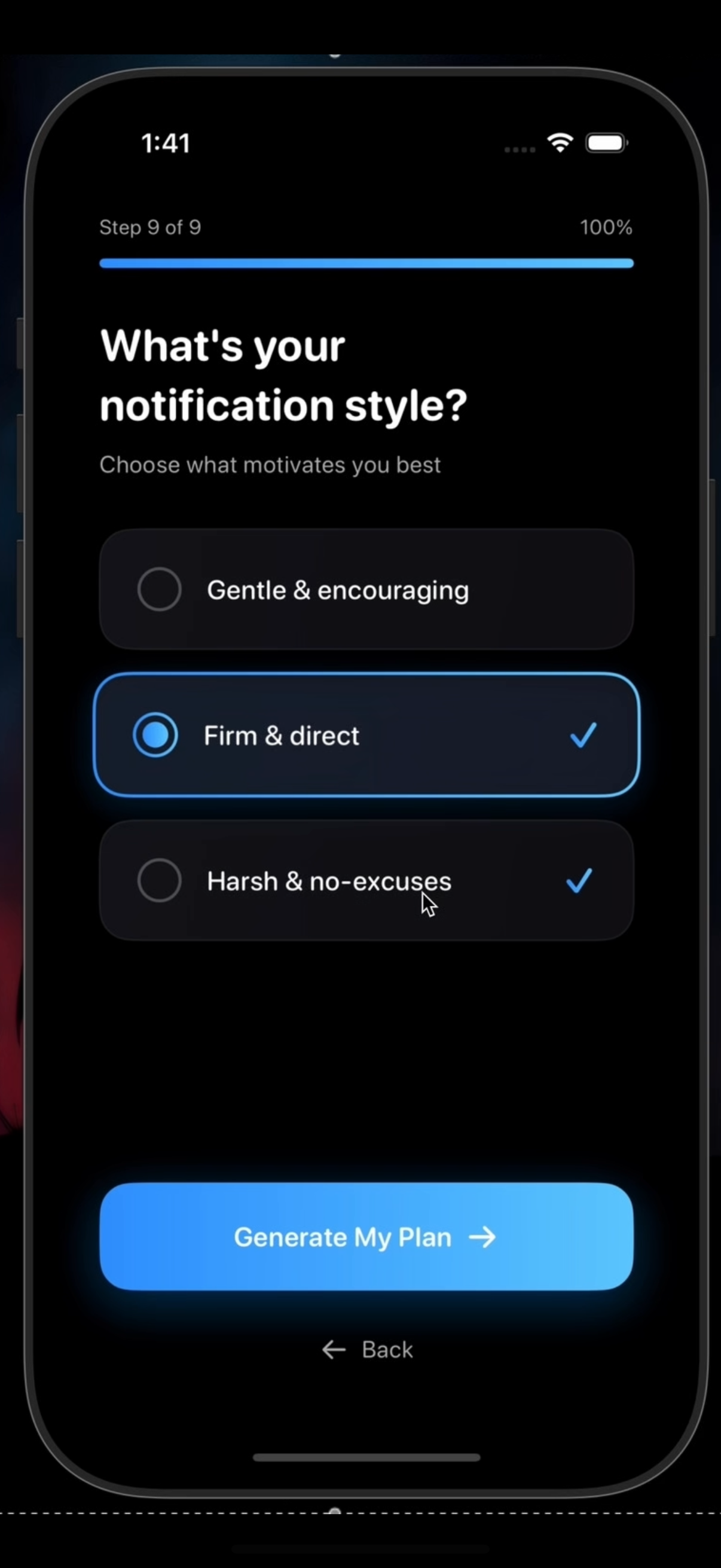
Atomica is an AI-powered iOS app that helps users build habits and learn new skills through personalized, time-based tasks and reminders. It analyzes user inputs such as wake-up time, focus levels, and daily consistency, to generate an adaptive plan for you.
Behind the scenes, Atomica connects a Swift-based frontend to a Flask-powered backend hosted on Render, which interfaces with a Dedalus MCP server and the Gemini API to produce and format personalized habit recommendations.
How we built it
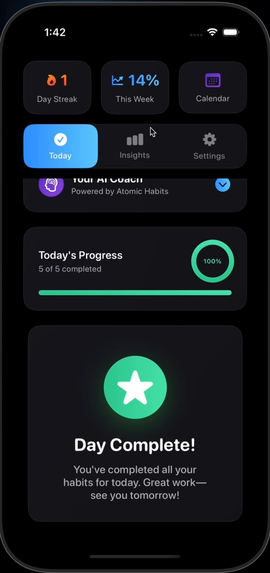
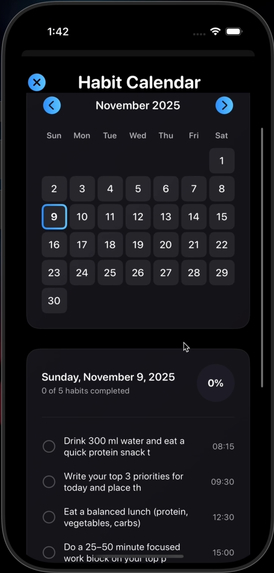
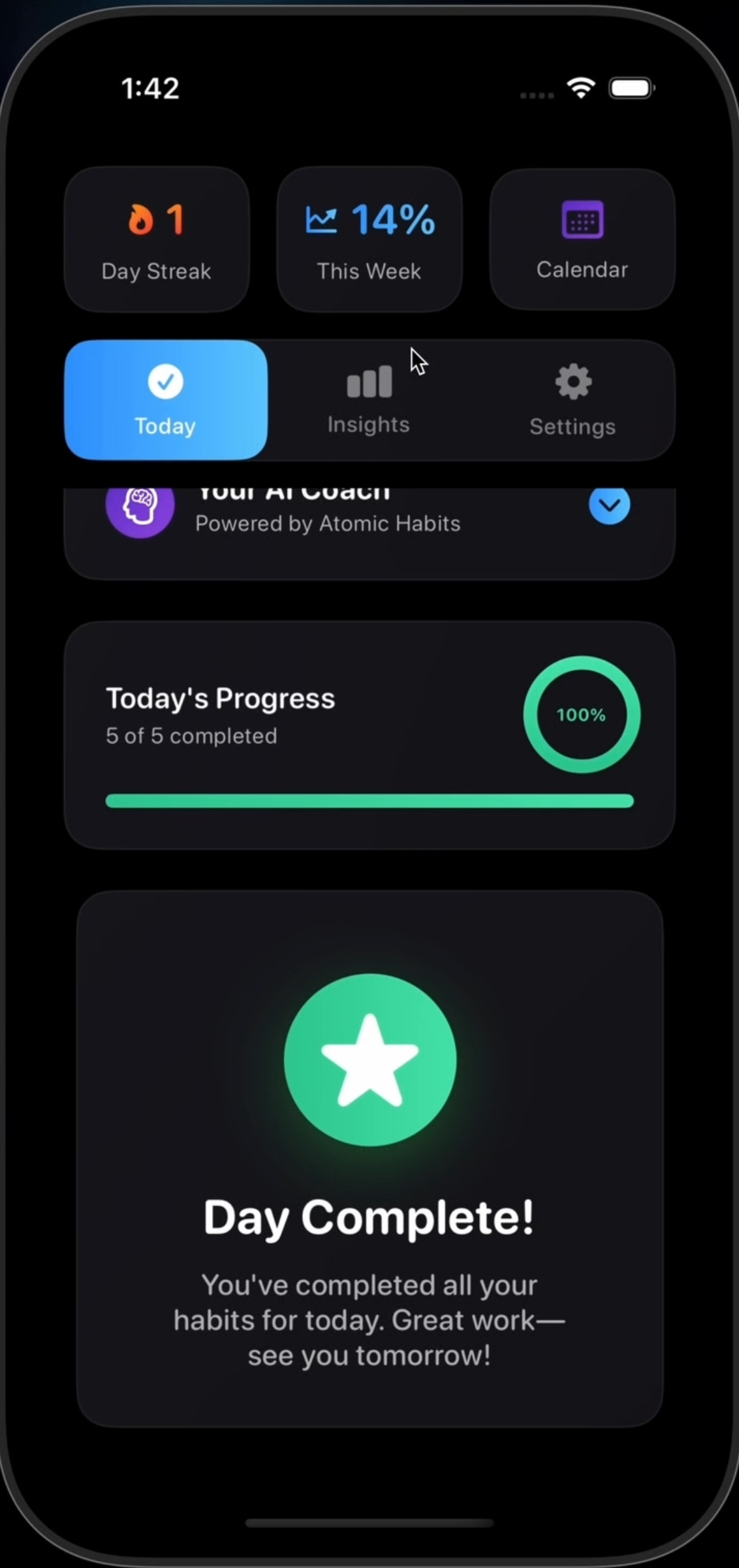
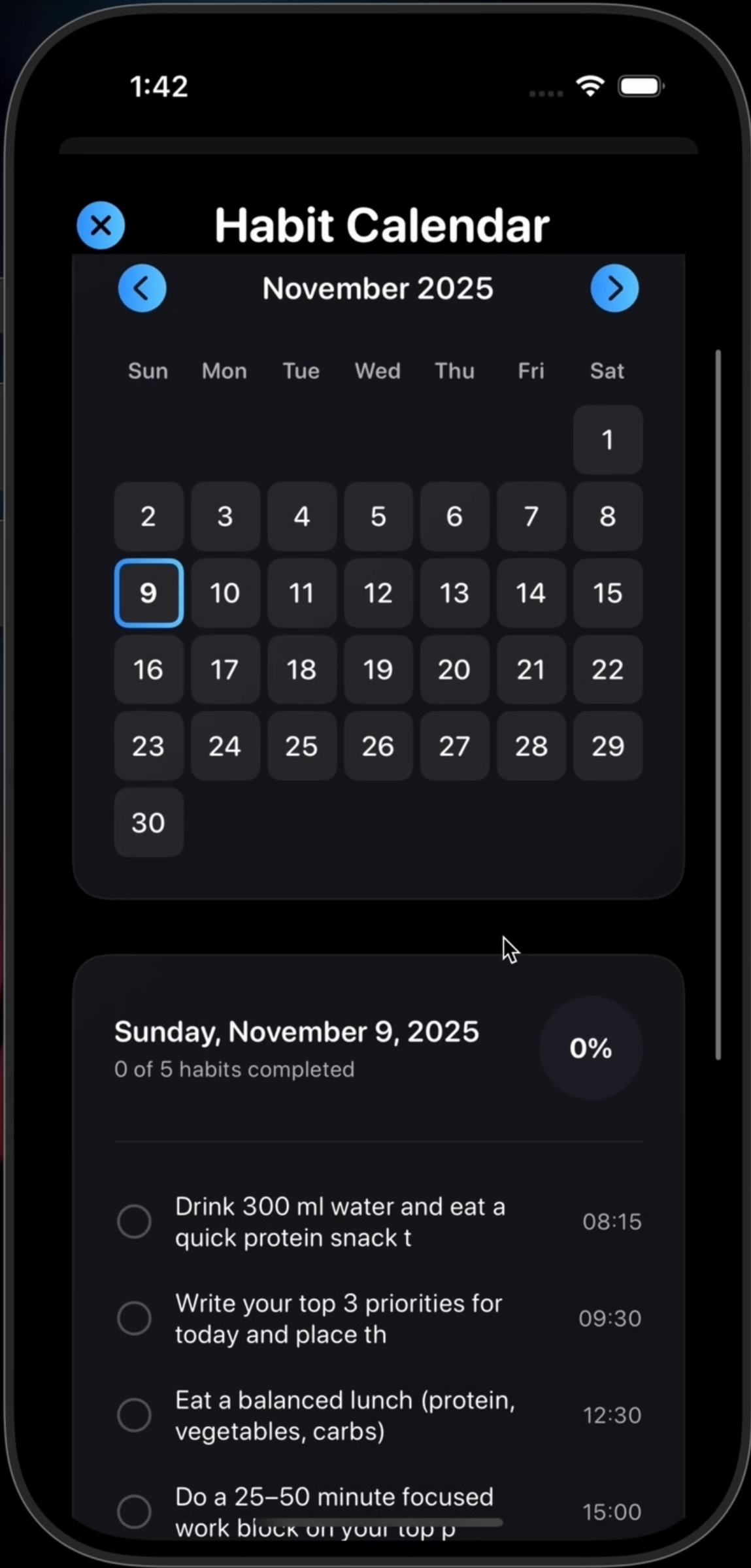
Frontend (Swift iOS App): Designed an intuitive user interface for inputting lifestyle data and visualizing generated plans.
Backend (Flask + Render): Created secure endpoints for processing user data and returning AI-generated schedules.
AI Pipeline: Used the Dedalus MCP server as a middleware to structure context and prompt engineering, integrating the Gemini API for dynamic text generation.
Iteration Handling: Implemented a multi-stage loop that generates the plan in 7-day buckets, ensuring stable output within model constraints.
Testing: Used Postman and local HTTPS (self-signed certificates) before deploying to Render for production access by the iOS app.
Challenges we ran into
- Handling SSL certificate and network restrictions when connecting iOS simulators to Flask servers during local testing.
- Managing large model responses by batching requests to avoid truncation.
- Ensuring consistent JSON output for Swift’s Codable decoder.
- Synchronizing user inputs across devices and maintaining consistent state between app sessions.
Accomplishments that we're proud of
- The importance of clear API contracts between the app and backend — small mismatches can break decoding.
- How to integrate AI model responses into structured data workflows instead of free text.
- How to deploy a scalable backend pipeline using Render with HTTPS and custom endpoints.
- How AI can be used not just to predict but to coach behavior through adaptive planning.
What's next for Atomica
We’re working to expand Atomica’s adaptive engine by incorporating:
- Progress tracking via user feedback loops.
- Multi-week habit evolution with memory-aware AI planning.
- Integration with Apple Health and Calendar APIs for richer personalization.


Log in or sign up for Devpost to join the conversation.