-
-

-
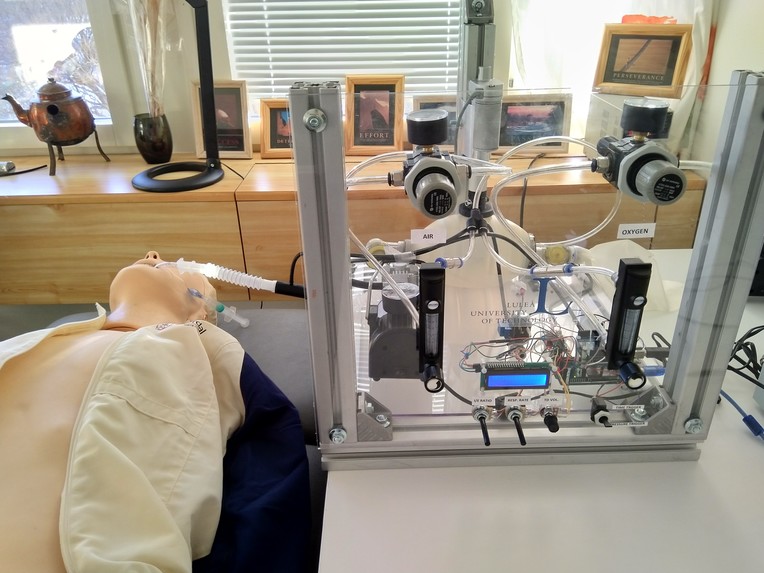
V2.0
-
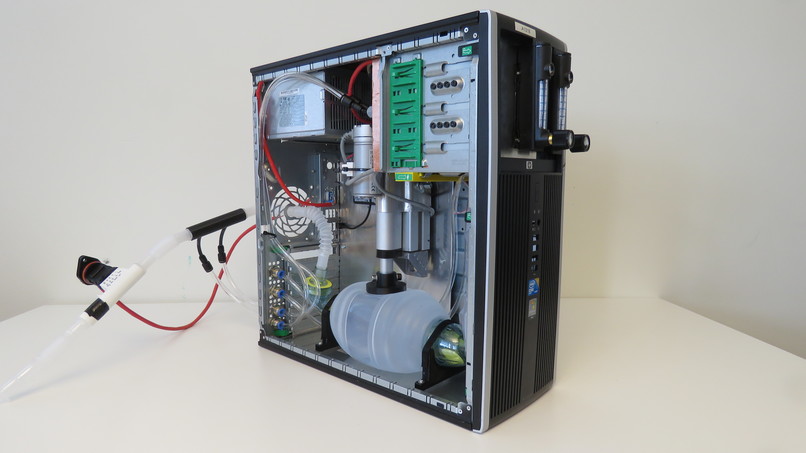
V3.0
-
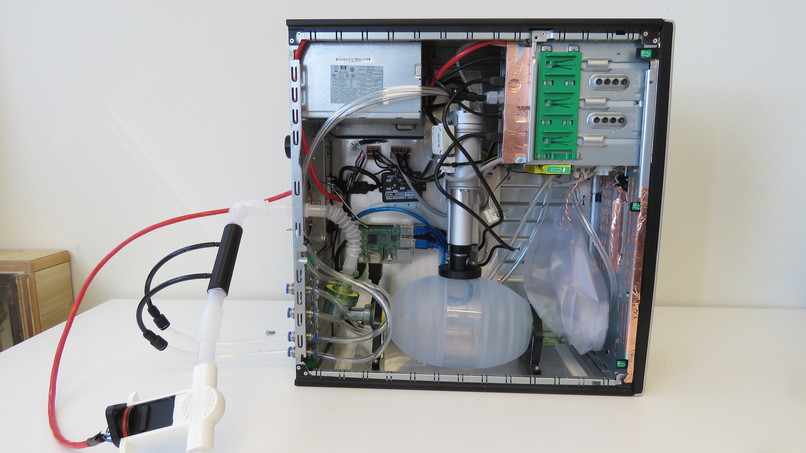
V3.0
-
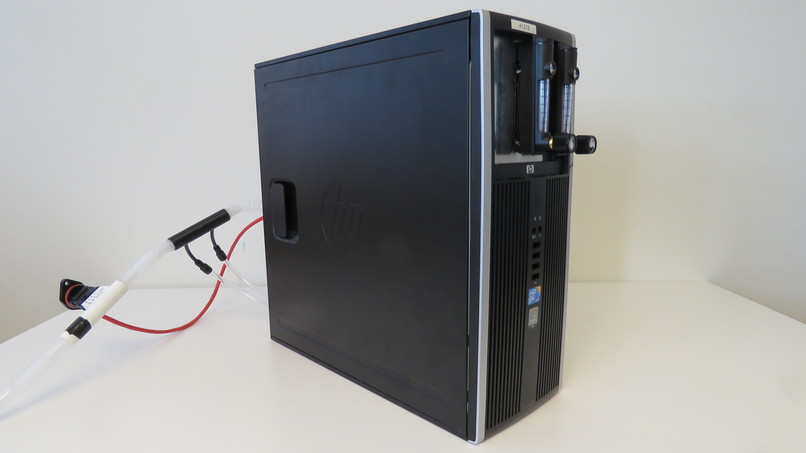
V3.0
-
V3.0
-
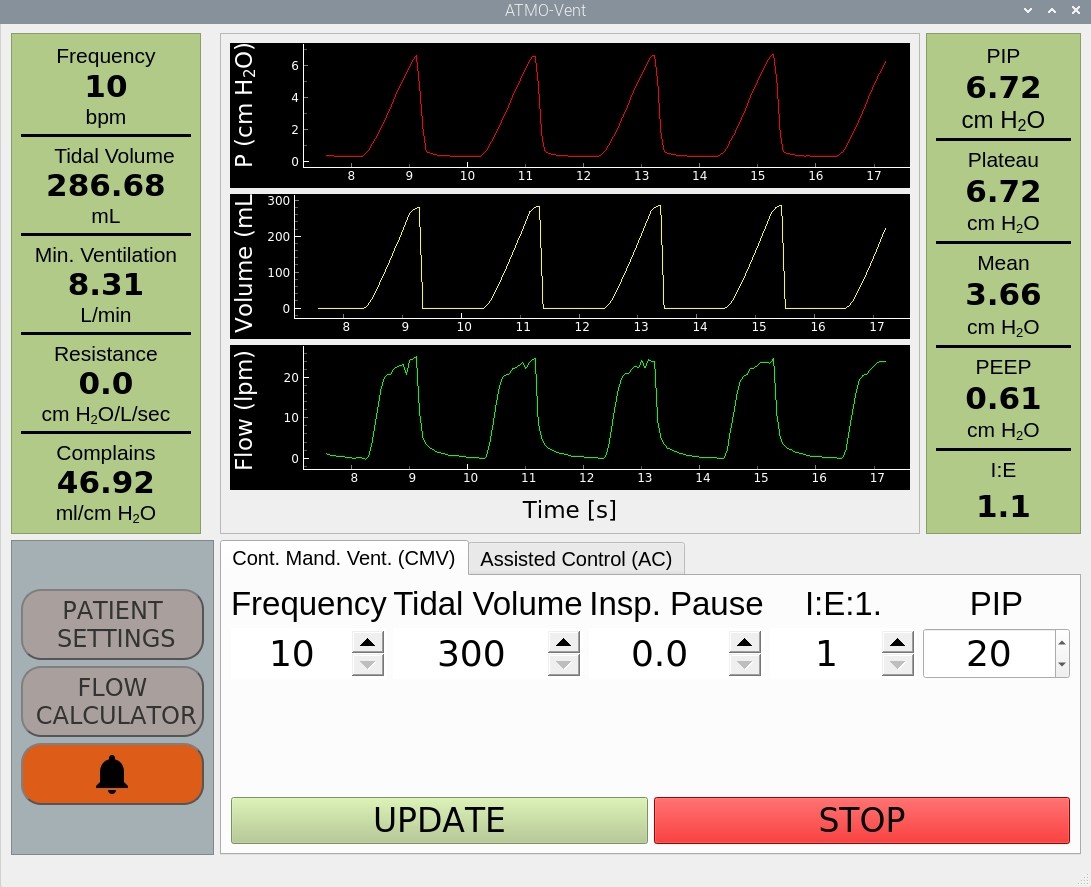
GUI Screenshot

Inspiration
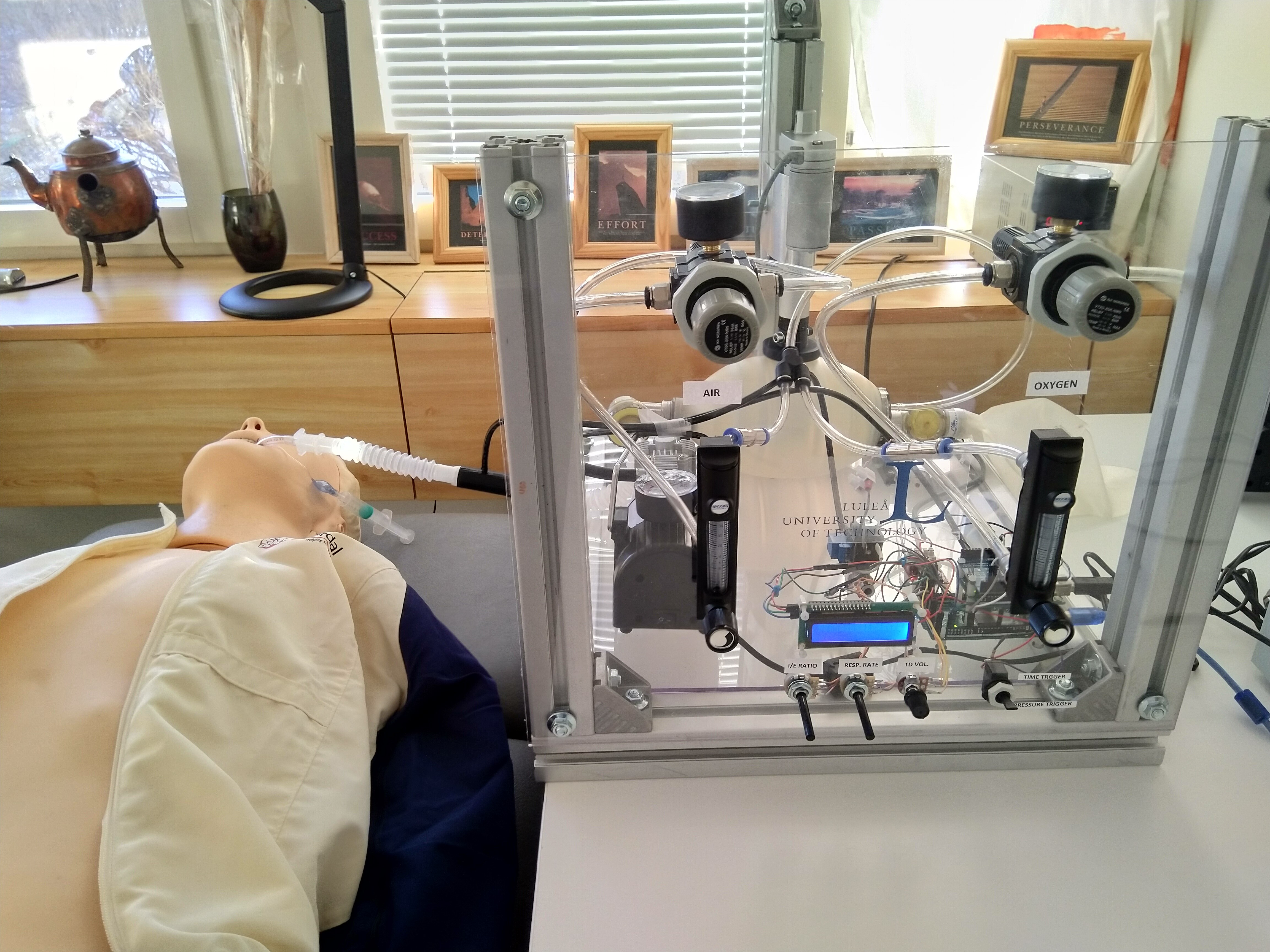
We are a team of three space engineers! During our home quarantine period, we were greatly impacted by the news of the increasing spread of COVID-19. We were looking at ways by which we can contribute to the current COVID-19 situation using our expertise. We felt that designing a rapid mechanical ventilator was a viable solution to cater the increasing global demand for ventilators. After a quick discussion and brainstorming within our team, we embarked on the development of ATMO-Vent (Atmospheric Mixture Optimization Ventilator). As a multidisciplinary team, we have gained experience working on a diversity of projects from building, calibrating and qualifying space instruments. One of the key expertise of our team is exploiting the use of Commercial-Off-The-Shelf (COTS) components to provide a reliable, robust and a cost-effective solution to build scientific instruments. This helped us to adapt our engineering expertise to design a mechanical ventilator with relevance to the medical requirements.
What it does
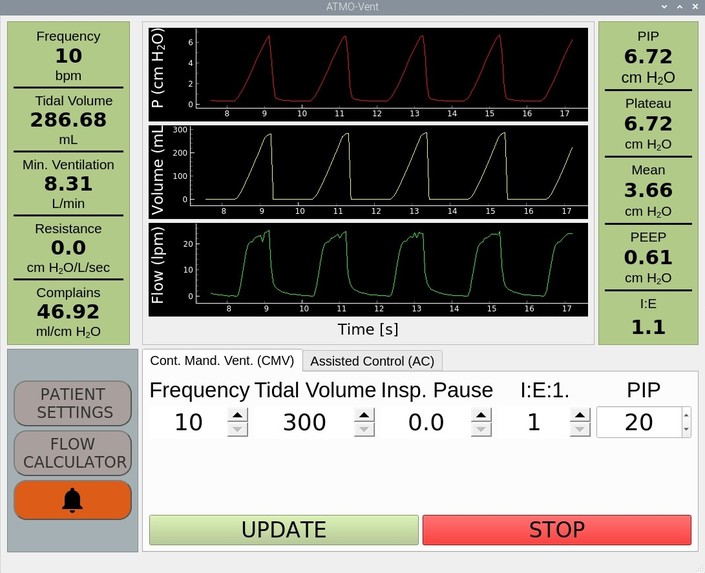
ATMO-Vent is a robust Do-It-Yourself (DIY) ventilator that can operate with some of the same functions available in a full-fledged ventilator from standard manufacturers. ATMO-Vent can be used as both a non-invasive positive pressure ventilator (NPPV) with facial masks or as an invasive ventilator with intubation using endo-tracheal tube (ETT). The design utilizes a Bag Valve Mask (BVM) as the core respiration component. The design is very unique compared to the similar open-source DIY designs available, in its ability to control various respiration parameters and the modes of operation. As in other commercial ventilators, ATMO-Vent is capable of adjusting the Fraction of Inspiratory Oxygen (FiO2) levels, Tidal Volume, Respiration Rate, Inspiration/Expiration ratio (I/E), Peak Inspiratory Pressure (PIP) and Positive End Expiratory Pressure (PEEP) and can operate in two modes - Continuous Mandatory Ventilation (CMV) using Volume Controlled Ventilation (VCV) and in Assisted Control (AC) mode with pressure or flow triggered by the patient. It also has safety features and alarms when the PIP is reached, or a required tidal volume and respiration rate requirements are not met.
How I built it
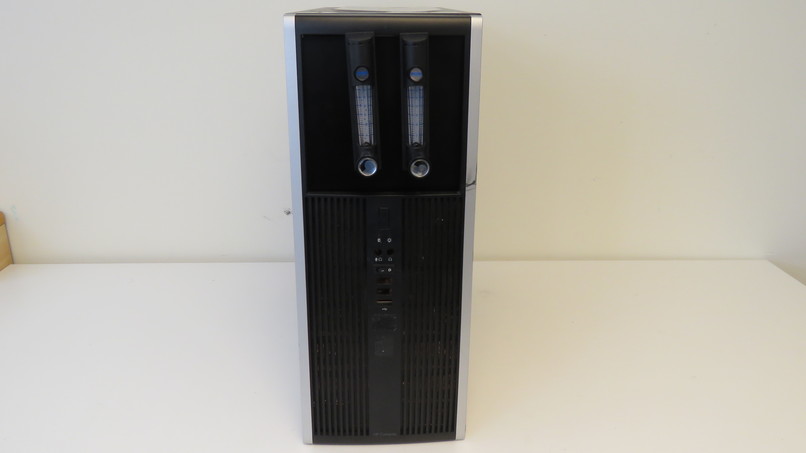
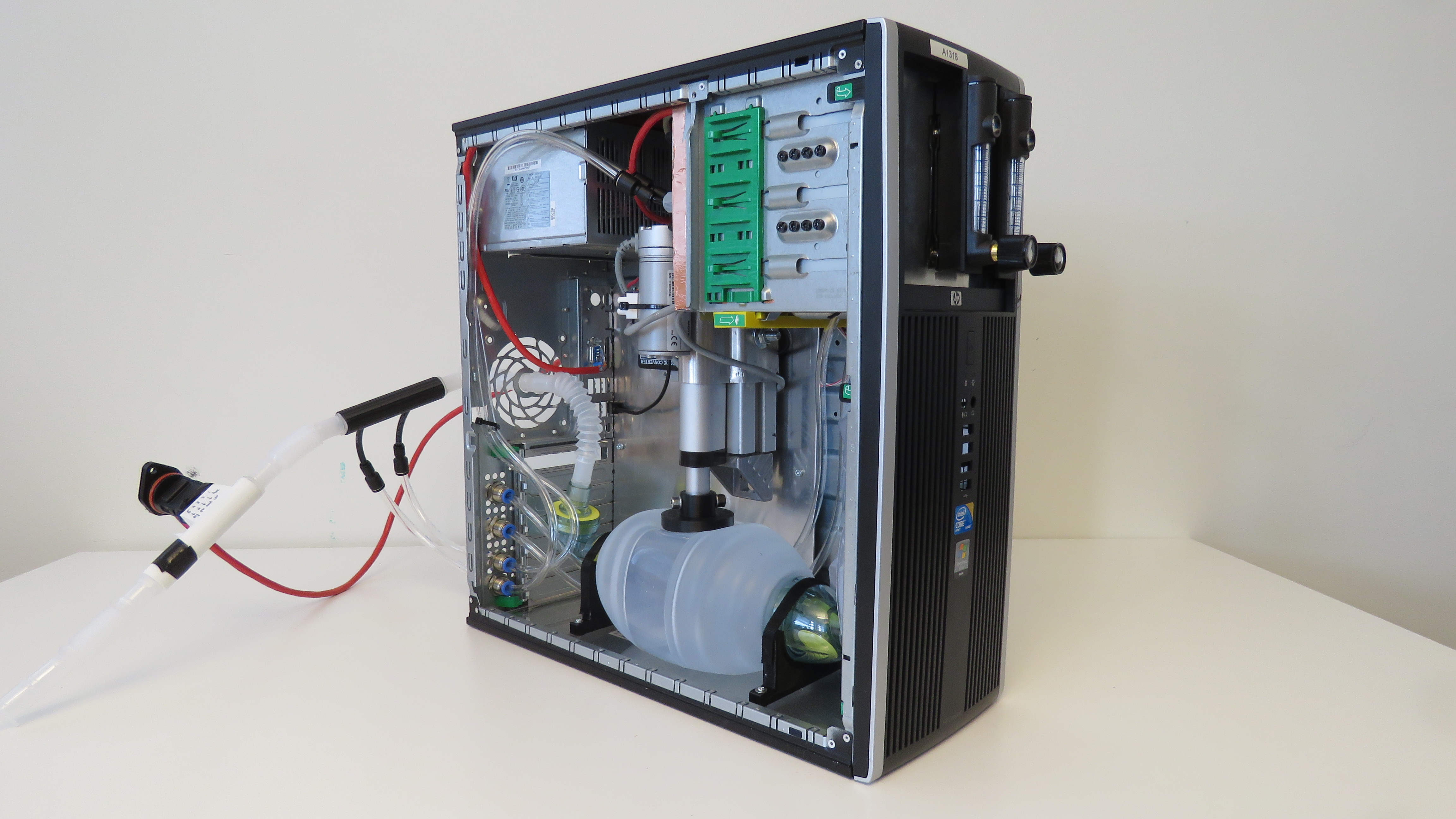
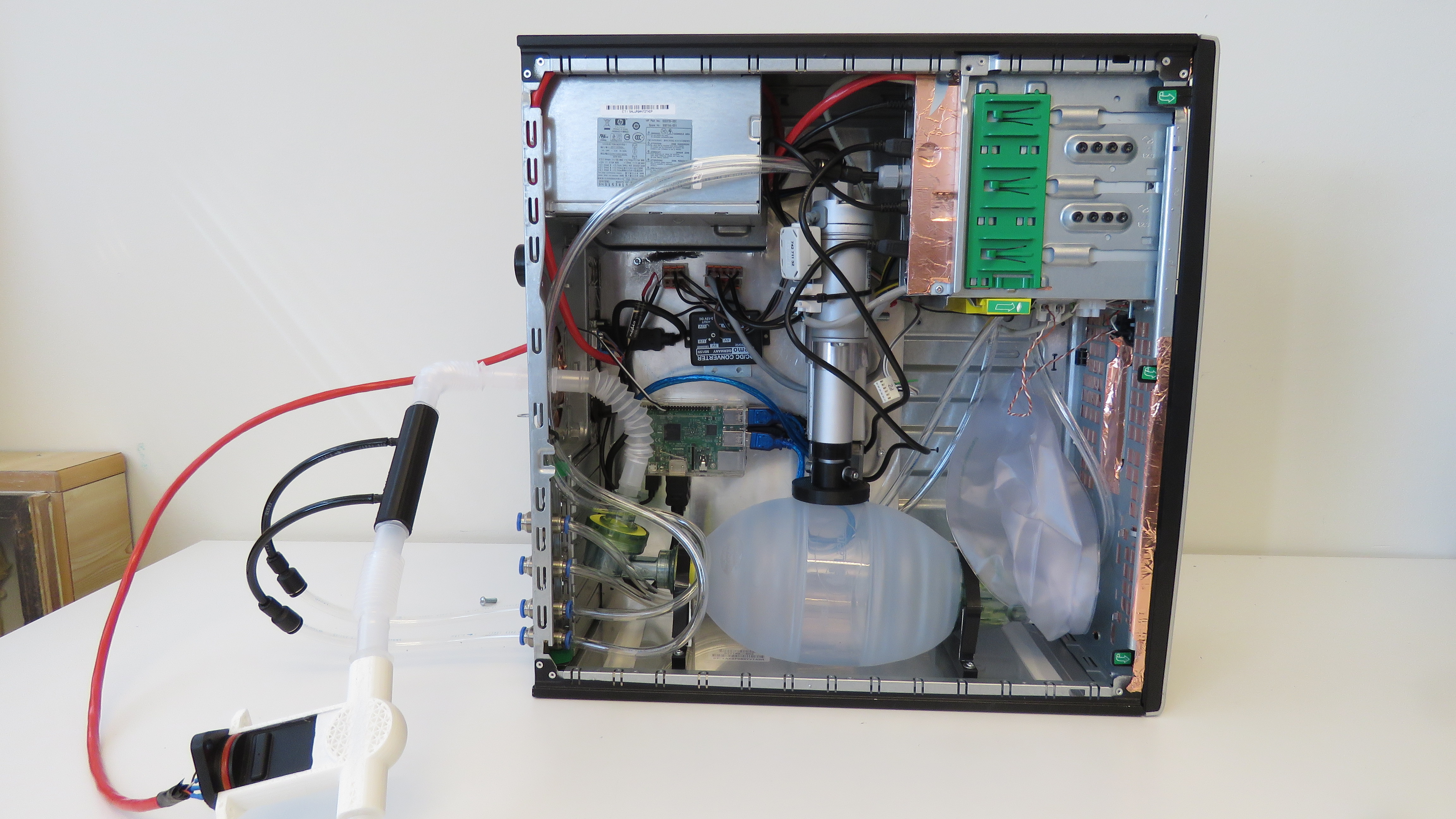
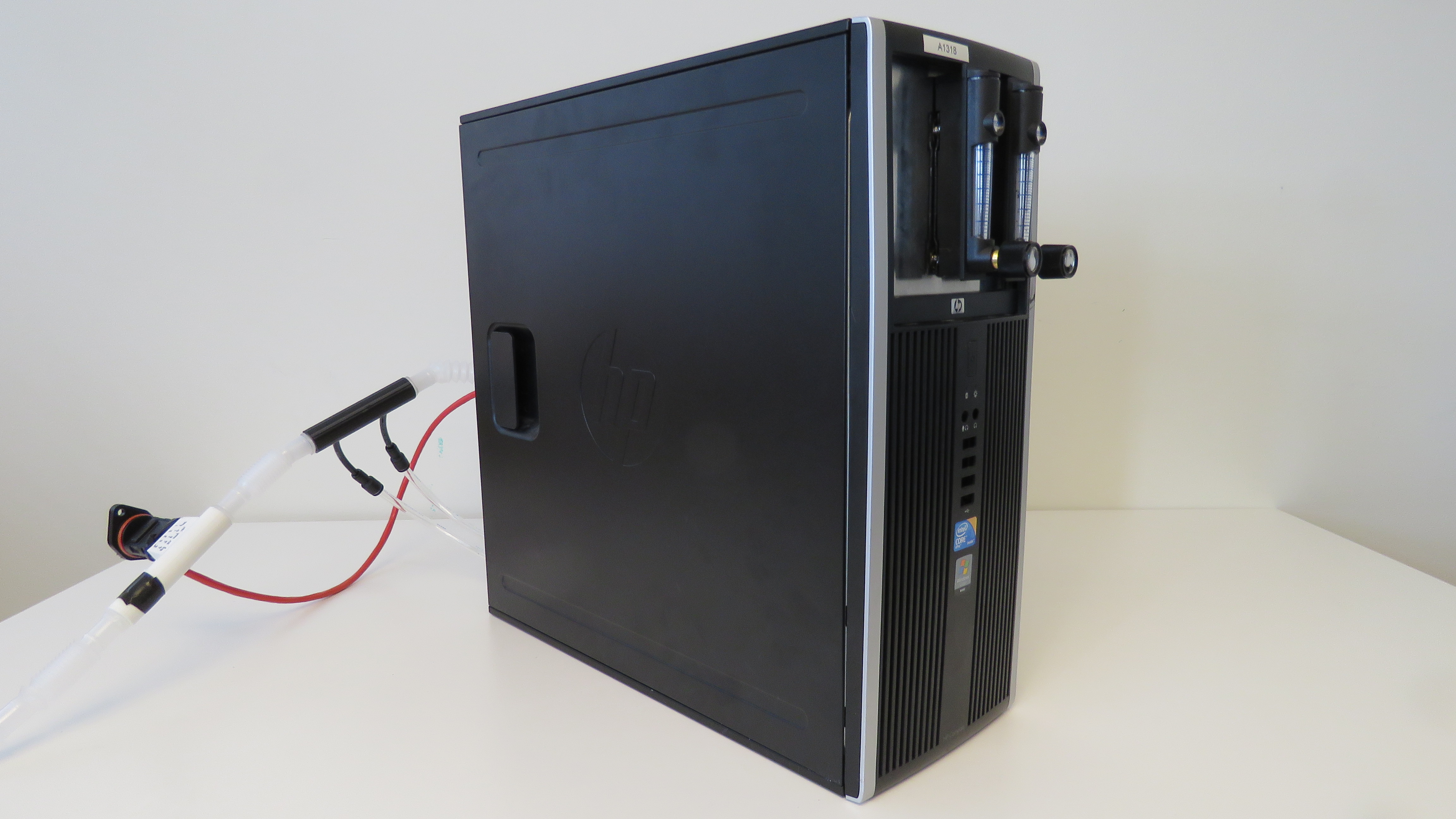
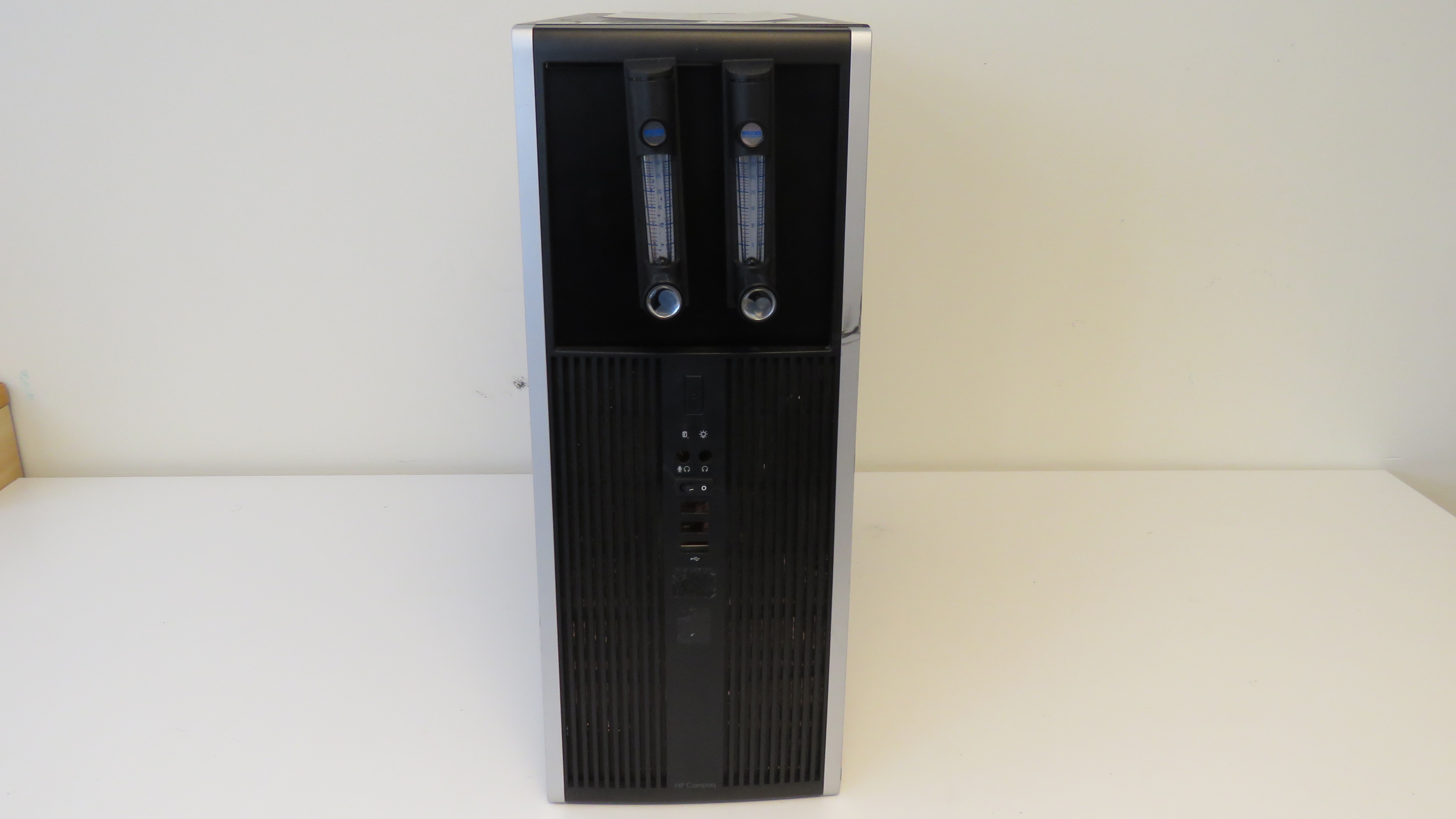
ATMO-Vent has been completely designed using low-cost, robust, Commercial Off The Shelf (COTS) components. The ventilator extensively uses automotive parts and components from less stressed markets that can be purchased online from local manufacturers and are distributed through a standard and easily available shipping. It uses Arduino as the controller and Raspberry Pi as the computer to ensure a faster development time so that the production can be scalable and can rely on the community of makers, industries and universities. It uses the PC Cabinet that makes the form factor easier to replicate and provides protection from both physical damages and electric noises. It also uses some of the Food and Drug Administration (FDA) certified components in the design to ensure safety in operation. This ventilator has been designed as per the UK Medicines & Healthcare products Regulatory Agency guidelines.
Challenges I ran into
After the development of the first operating prototype in 5 days, when we ran electromagnetic compatibility (EMC) tests, the ventilator came out to be noisier that the required standard elucidated by the UK Medicines & Healthcare products Regulatory Agency guidelines. The reason: the cables were long, shielding was not efficient and we still had to make a casing. That was the beginning of some rapid transformation to the configuration to what ATMO-Vent is today, some two weeks later.
Accomplishments that I'm proud of
After the first major reconfiguration, we ran the EMC test again. After few minor fixes, the ventilator passed the tests with flying colors with good margins from the suggested medical electrical equipment standards. ATMO-Vent now has been tested for RF and conducted emission. The ventilator is in compliance with the EN 55011 CISPR 11 Class B standards.
The current design of ATMO-Vent was very well appreciated by the makers community and the Co-founder of Arduino, Dr. David Cuartielles himself.
Since then, the improvements on ATMO-Vent are progressing at a great pace and was well supported by the University of Aberdeen (https://www.abdn.ac.uk/news/13945/) and has also featured in BBC (https://www.bbc.com/news/uk-scotland-north-east-orkney-shetland-52343759) last week.
We have also been approached by a couple of companies in Scotland offering to source some critical components if we were to mass produce the ventilator post clinical approval.
What I learned
Hardwork always pays-off. Team is not just for extra hands but for a diverse and collective expertise that can sustain the progress when the minds of one or more team members saturate for the day at some point. Working for Science and Technology means a call for duty to apply the skills to solve the problems that matter the most at a given time. It's great to see the global science community has reached its helping hands during this pandemic.
What's next for ATMO-Vent
The next steps involved in the ATMO-Vent development includes hardware testing such as • Software robustness tests, and • Endurance cycle tests.
The medical certification would be then done in collaboration with hospital/clinics/ national or regional governmental health and industry authorities. The certification tests include sterilization of parts and implementing extensive medical testing phase on live subjects, beginning with pigs.
Built With
- 3d-printing
- arduino
- automotive-parts
- bag-valve-mask
- cad-design
- raspberry-pi

Log in or sign up for Devpost to join the conversation.