-
-
Atlas: Lift, Level Up. App Icon
-
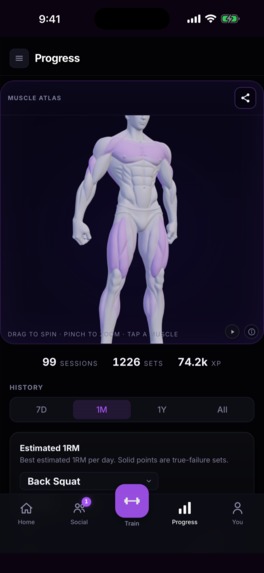
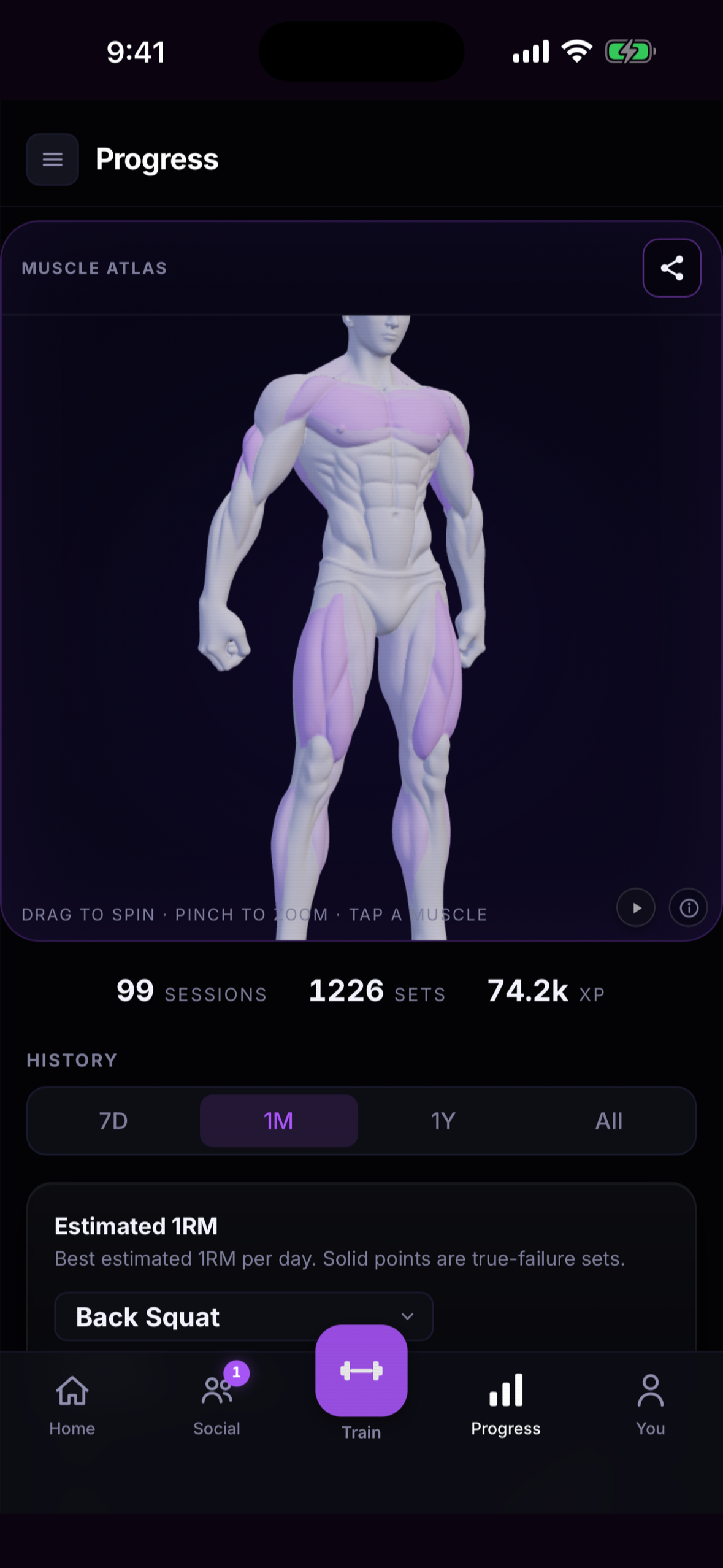
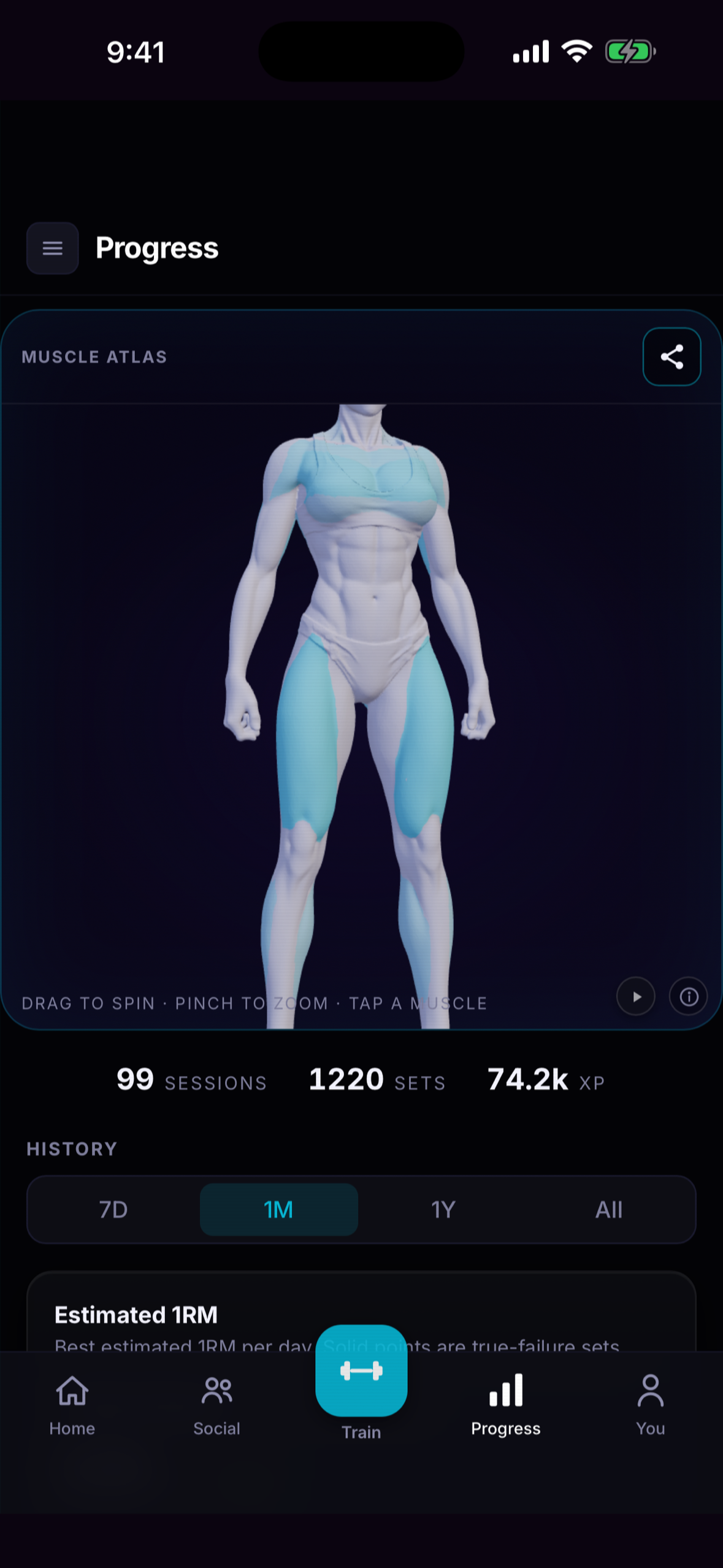
SEE EXACTLY WHAT YOU TRAINED: Every set colors in your 3D muscle map, down to the exact regions you worked and the ones you skipped.
-
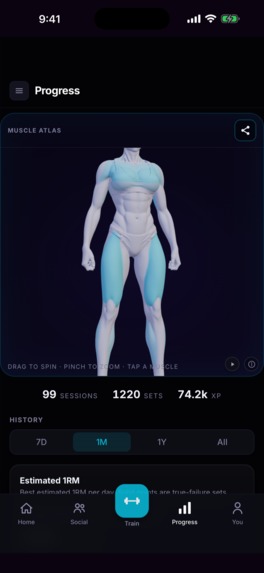
BUILT FOR EVERY BODY: A living 3D muscle map fills in as you train, showing what you have hit and what you have been skipping.
-
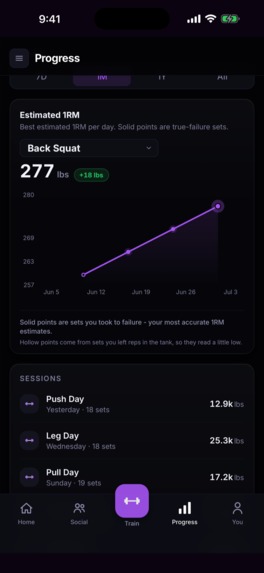
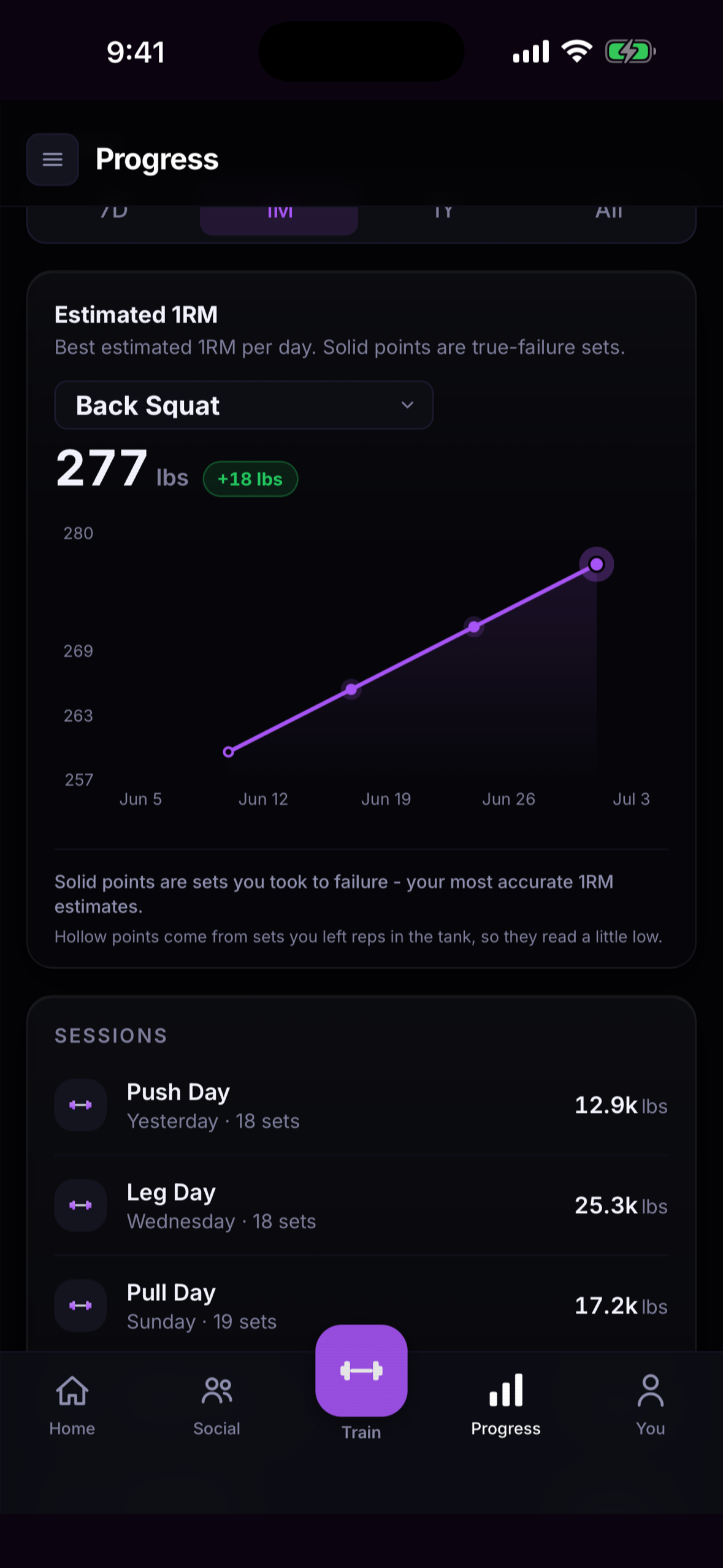
WATCH YOUR MAX CLIMB: Your estimated 1RM, charted over time and filterable by muscle, so you can see strength move week to week.
-
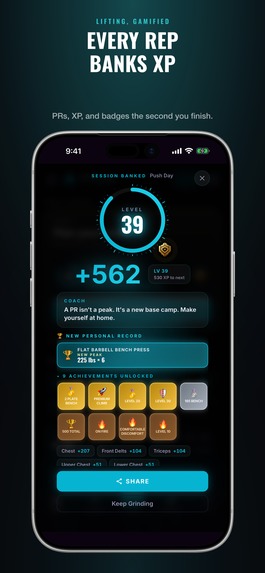
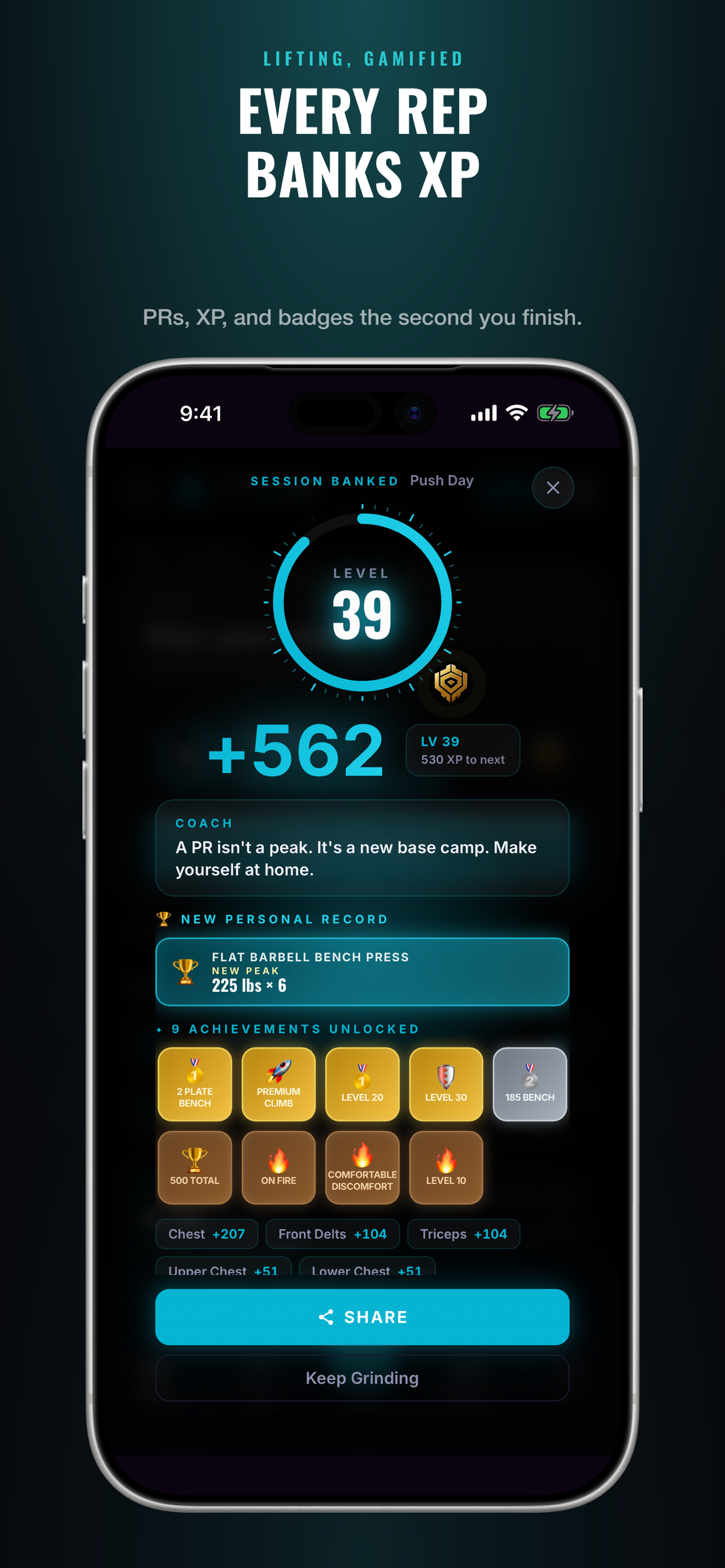
EVERY REP BANKS XP: Every logged set earns XP tied to the real effort. Bank it, level up, and watch the number climb session after session.
-
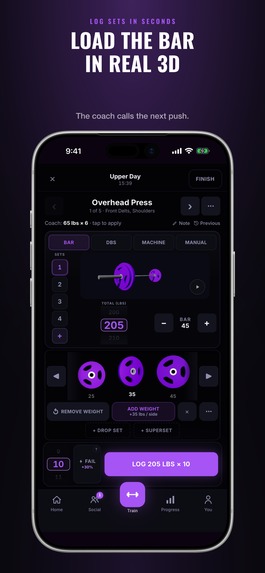
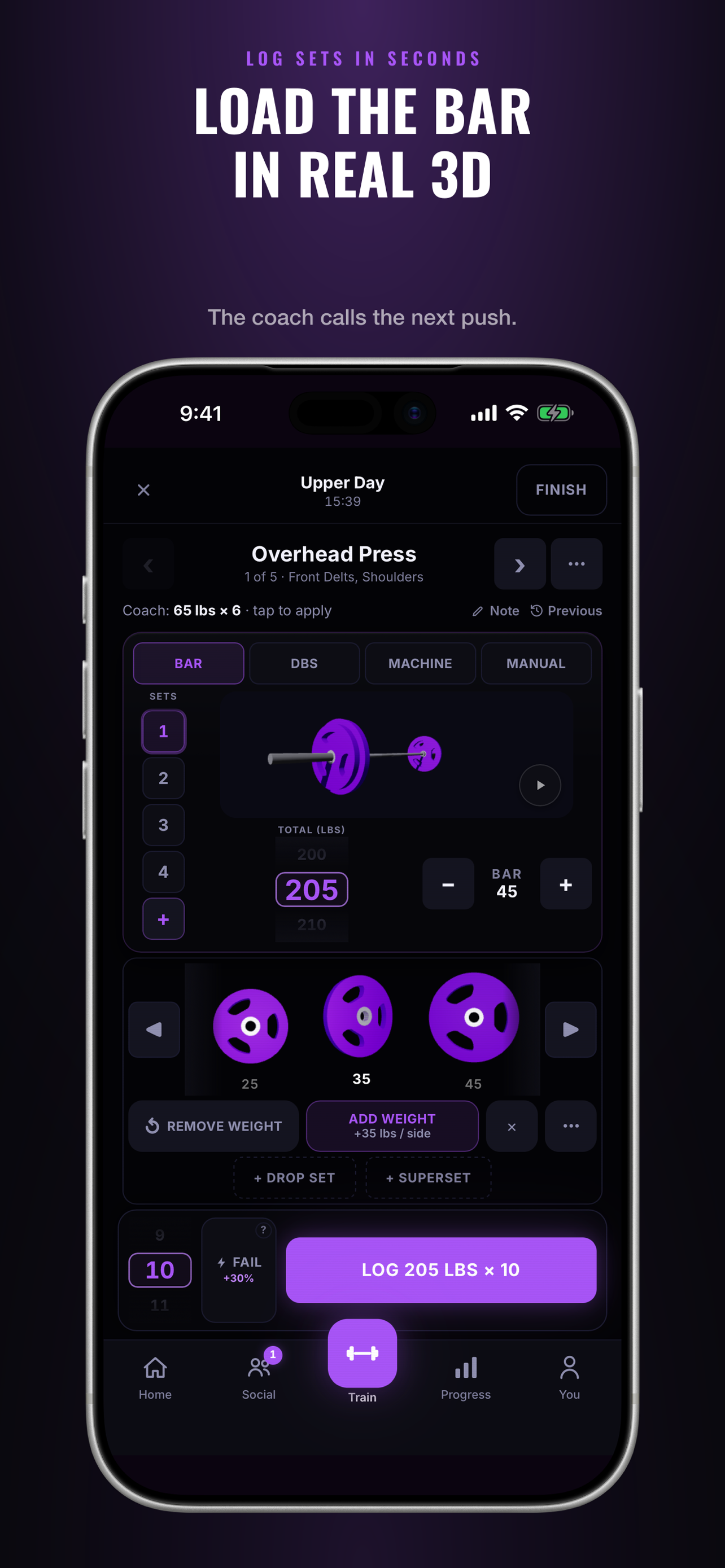
LOAD THE BAR IN REAL 3D: Rack a true-to-life 3D barbell, slide on your plates, and log the set in a single tap.
-
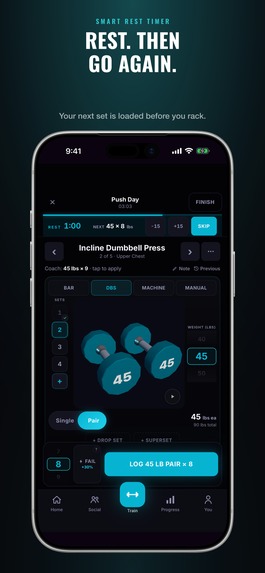
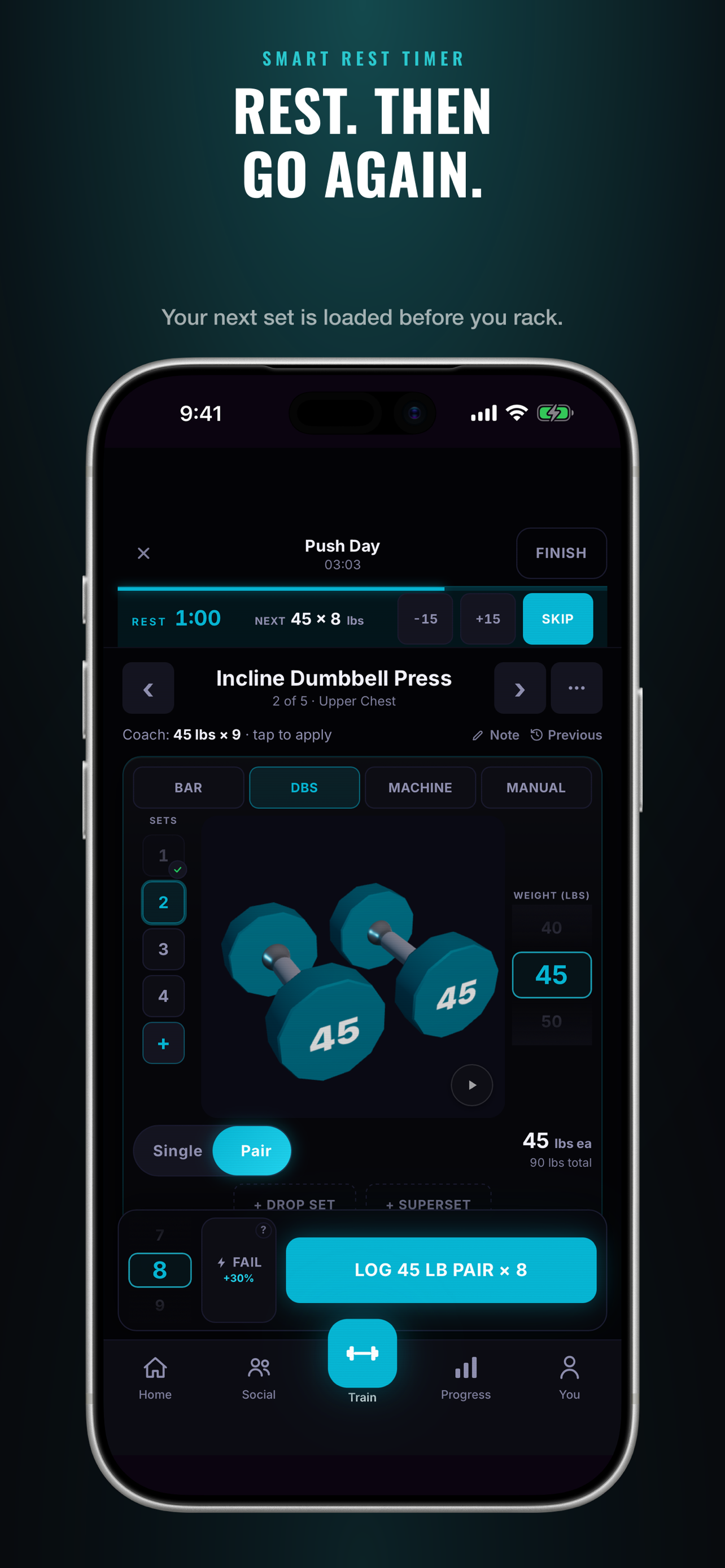
REST. THEN GO AGAIN.: A rest timer counts down to your next set and cues you back to the bar, so momentum never stalls between rounds.
-
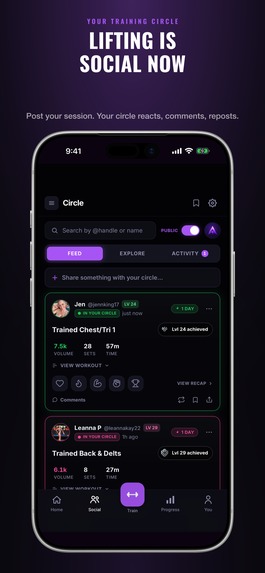
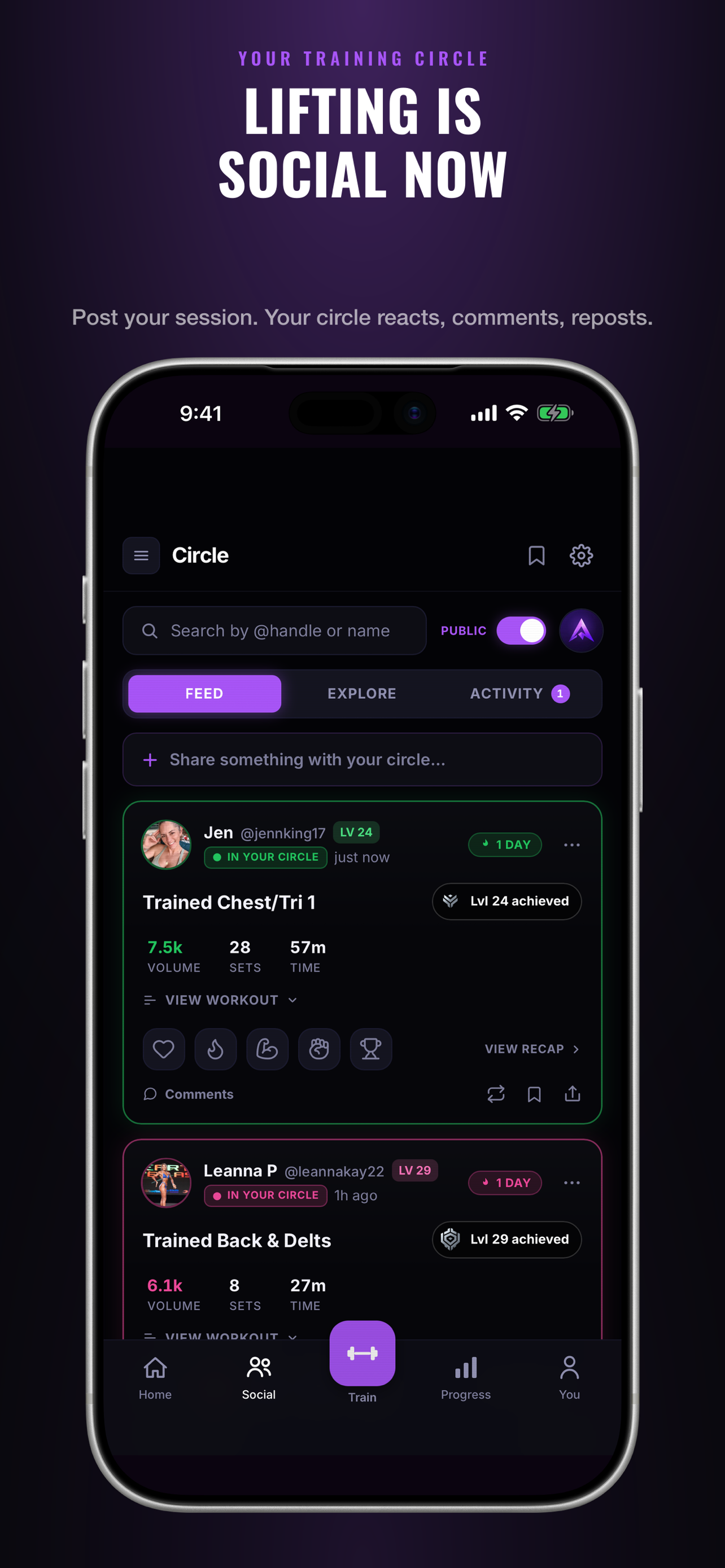
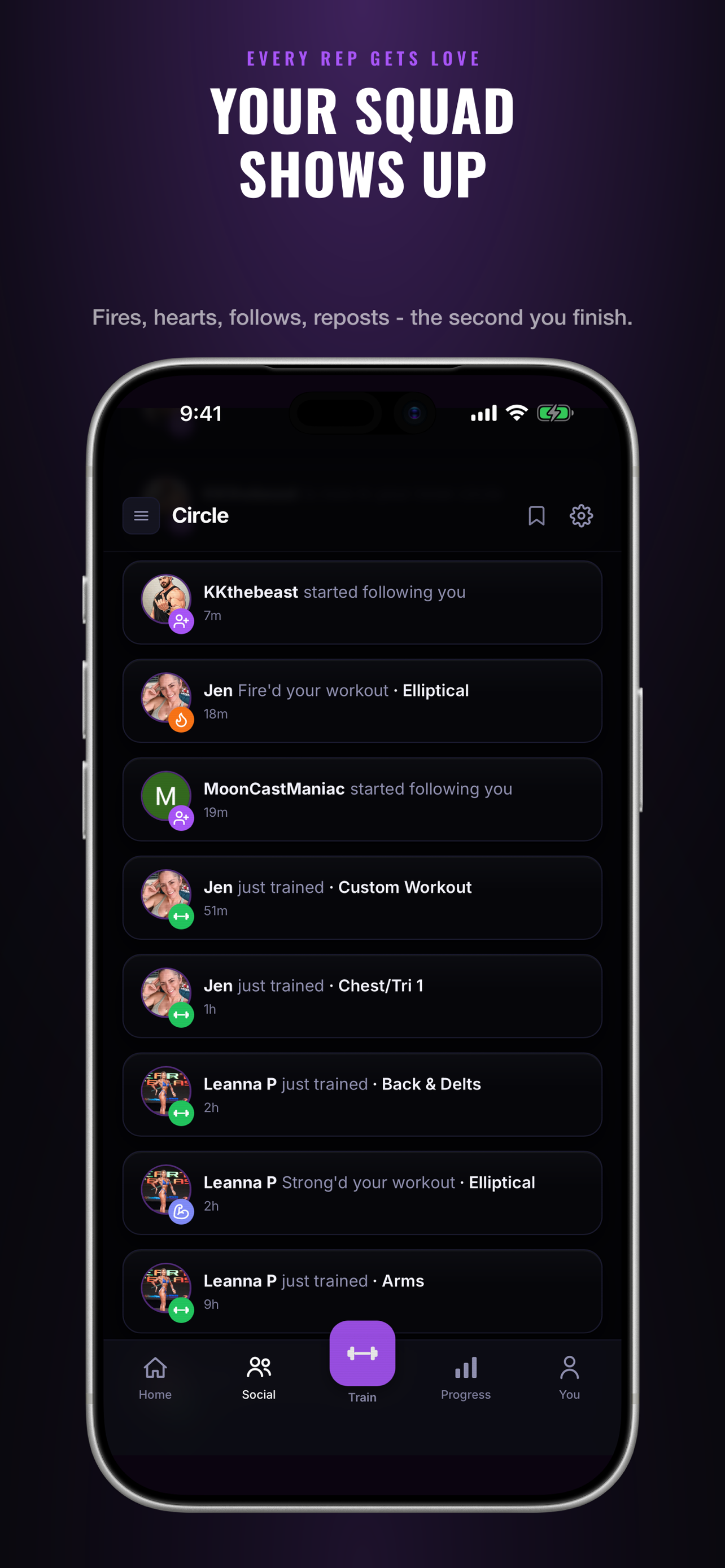
LIFTING IS SOCIAL NOW: A judgment-free circle where the sets you log turn into posts your people actually show up and cheer for.
-
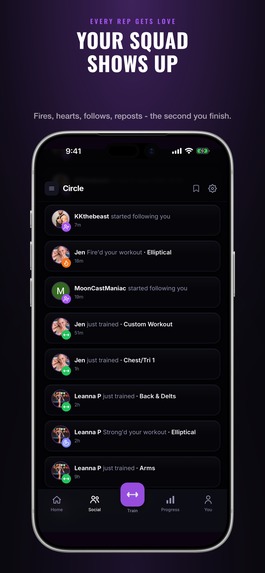
YOUR SQUAD SHOWS UP: Follow your crew, react to their lifts, and trade real encouragement on every set you post.
-
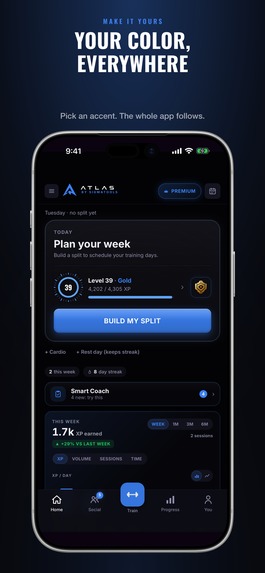
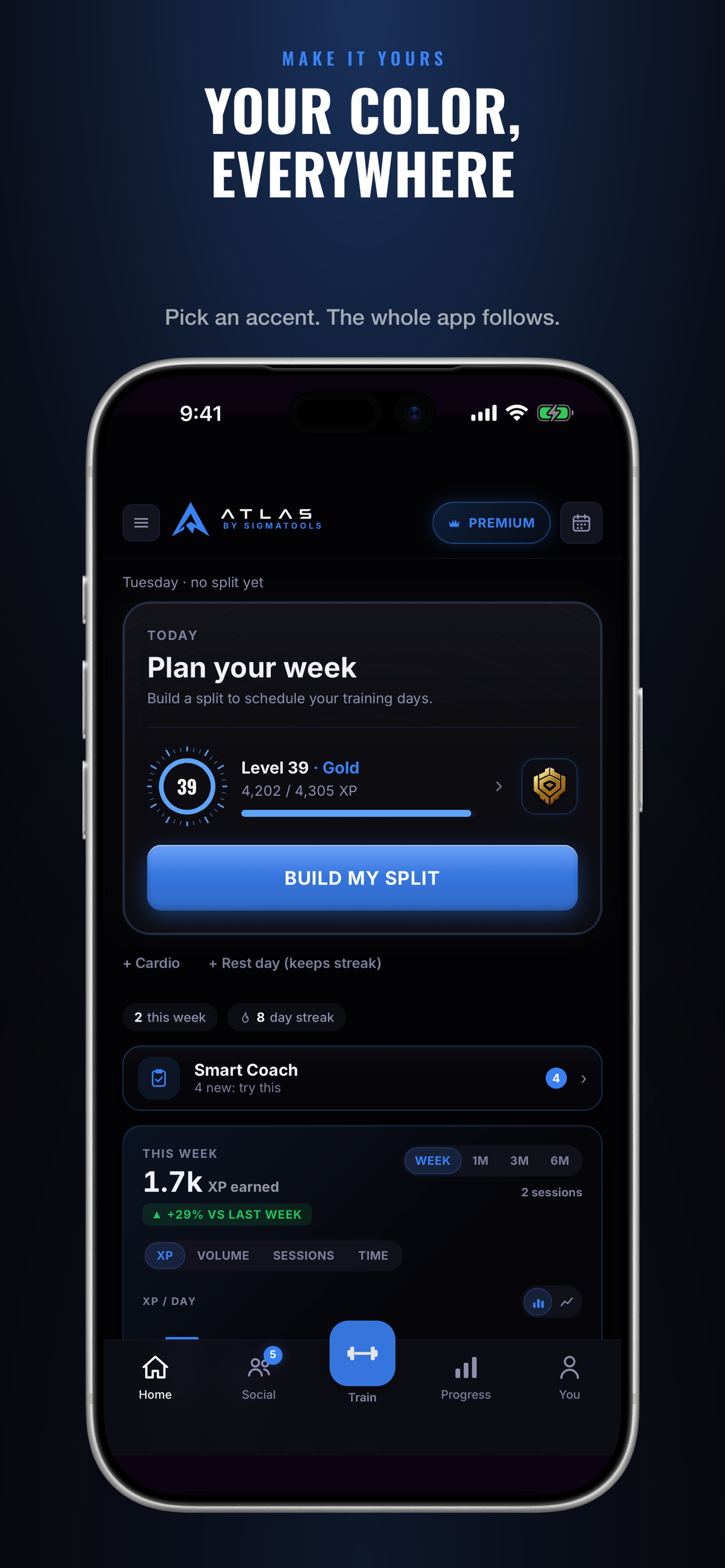
YOUR COLOR, EVERYWHERE: Pick your accent once and it carries across the whole app, from your plan to your muscle map and badges.
-
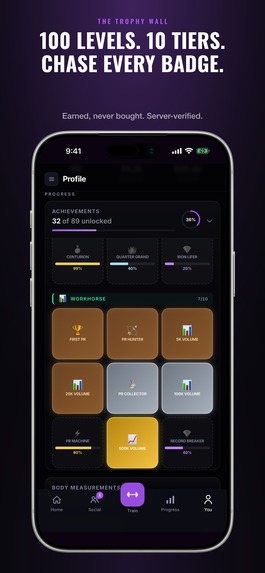
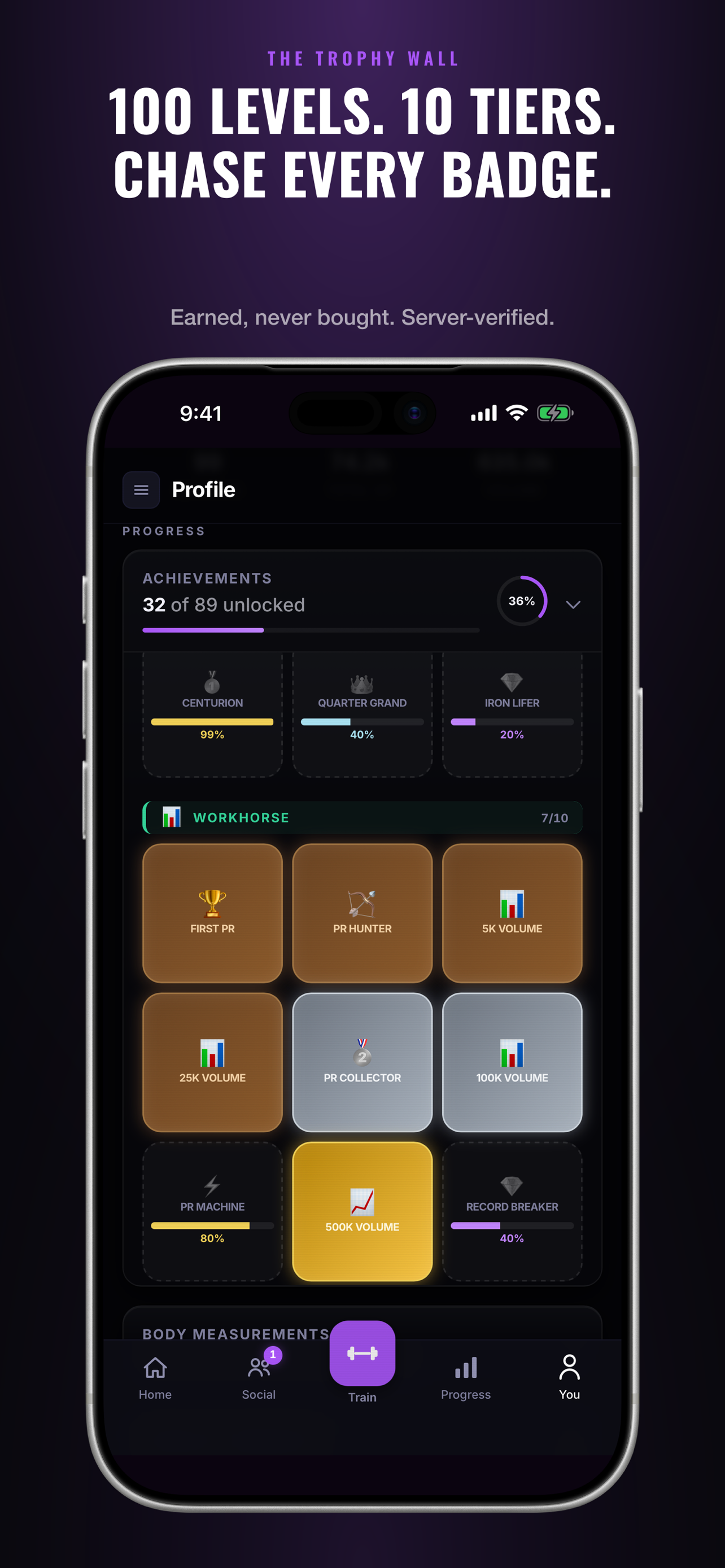
100 LEVELS. 10 TIERS. CHASE EVERY BADGE: Every milestone earns a badge you keep, from your first PR to streaks and big volume days.
-
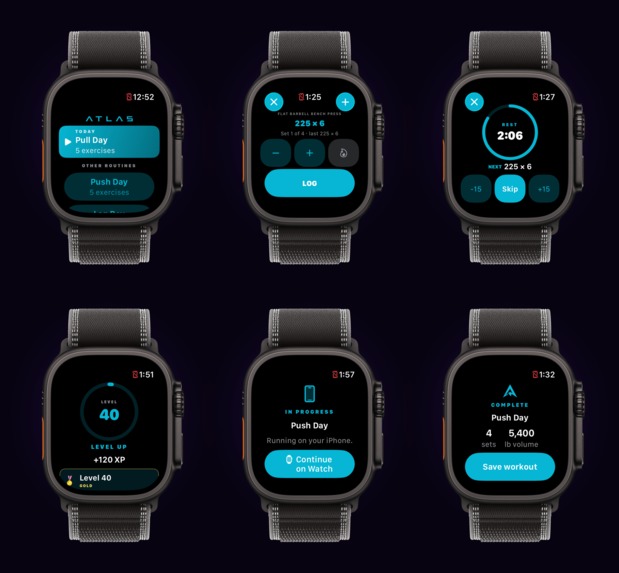
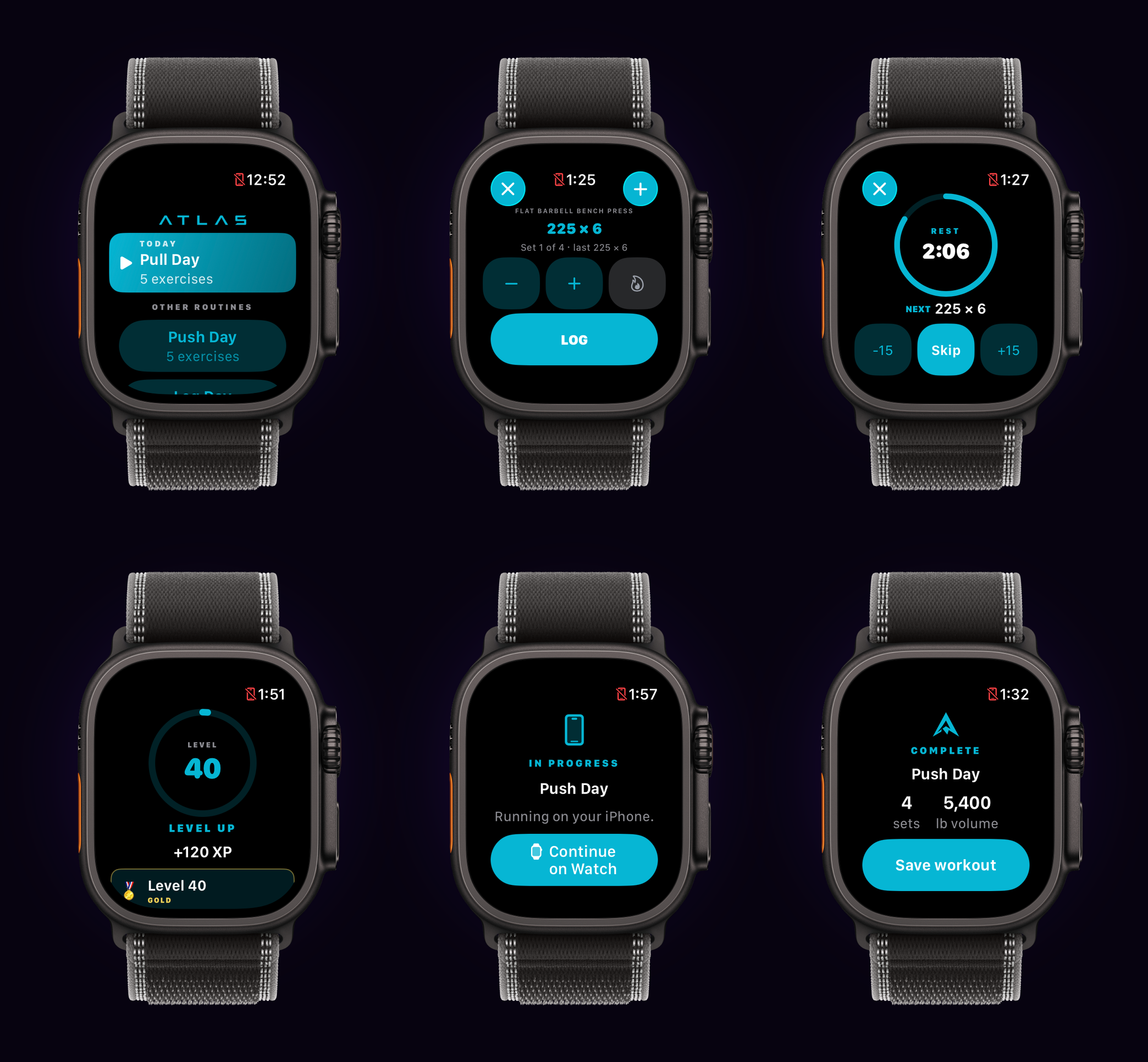
Apple Watch collage: Atlas on your wrist. Start a set, watch the rest ring, and log every rep from your watch with your phone in the bag.
Inspiration
I built Atlas because I wanted to make training something people are excited to come back to.
One of the most rewarding parts of lifting is discovering that something you once struggled with is now within reach. You find your edge, put in the work, and watch that edge move. I wanted to build an app around that feeling, and help people stay with the process long enough to experience it for themselves.
As a dad of two, I also know how much competes for your time. Making room for a workout takes effort before you ever touch a weight. I wanted Atlas to recognize that effort, make it visible, and give you something to look forward to the next time you show up.
What Atlas does
That became Atlas: Lift, Level Up, a gamified lifting app that connects the work you do in the gym to a progression you can see, earn and share.
Every logged set earns XP weighted to the actual work. Your training fills a living 3D muscle map, showing which muscles you have trained and where your attention has been going. You climb through 100 levels, earning badges whose materials evolve from iron to apex. Streaks and intensity bonuses give consistency and effort a place in that progression.
The game is built around a complete training experience:
- Train and track. Log strength sessions, build routines and splits, use supersets, drop sets and rest timers, and follow estimated strength trends. GPS cardio and watch experiences let Atlas support more of the ways people train.
- See what the work is adding up to. The 3D muscle map makes training coverage visible, while charts track your logged performance over time. A Smart Coach reads your own training numbers to suggest the next push.
- Share it with people who understand. Atlas includes a lifter’s social feed with workout shares, video posts, discovery and follows. I wanted a place where an ordinary training day is worth sharing and people can encourage each other through the process.
A community built around encouragement
That social experience has deliberate boundaries. Profiles are private by default, commenting requires mutual follows, and reactions are designed around encouragement. People choose when to share their training, with whom, and how publicly.
How I built it
I built Atlas solo, bringing together:
- TypeScript, React and Next.js for the app.
- three.js for the interactive muscle map and weights.
- Capacitor for mobile delivery.
- Swift and Kotlin for native watch experiences and platform integrations.
- Supabase and PostgreSQL for the backend.
Challenges
One central engineering challenge was making earned progression trustworthy across different kinds of training. Weighted exercises and bodyweight movements need meaningful scoring, and the resulting XP, badges and records need to stay consistent across devices.
Atlas computes progression on the server, including effective-load scoring for bodyweight work, so the game rests on a consistent record of the training.
Building the whole product also meant connecting the workout experience to subscriptions, access, referrals and ongoing operations.
Monetization with RevenueCat
RevenueCat powers subscriptions across iOS and Android, with server-side entitlement checks and webhooks connecting subscription events to the app’s lifecycle.
Atlas offers a 14-day account-based trial without requiring a card. Referral attribution connects RevenueCat conversions to the creator affiliate program, with payouts handled through Stripe Connect.
What I learned
The recurring lesson in the build has been how closely these pieces depend on each other.
Logging needs to be convenient enough to use during a session. Progression needs to make sense when someone reviews their work. Sharing needs to feel welcoming. Each part has to support the same reason to return.
Launch and what’s next
Atlas is now live on the App Store and Google Play, with native watch experiences and a web app.
I’m inviting a Founding 100 group of creators to help shape the community and give honest feedback on what would make it more useful.
Next, I’m developing the trainer side: a portal where coaches can build plans that appear directly in their clients’ apps, see logged workouts, and use that visibility to guide feedback and adjustments.
The ambition behind all of it is personal and straightforward. I want people to enjoy putting in the work, become curious about what they’re capable of, and keep showing up to find out.
Built With
- capacitor
- kotlin
- next.js
- postgresql
- react
- revenuecat
- stripe-connect
- supabase
- swift
- tailwind-css
- three.js
- typescript
- vercel


Log in or sign up for Devpost to join the conversation.