-
-
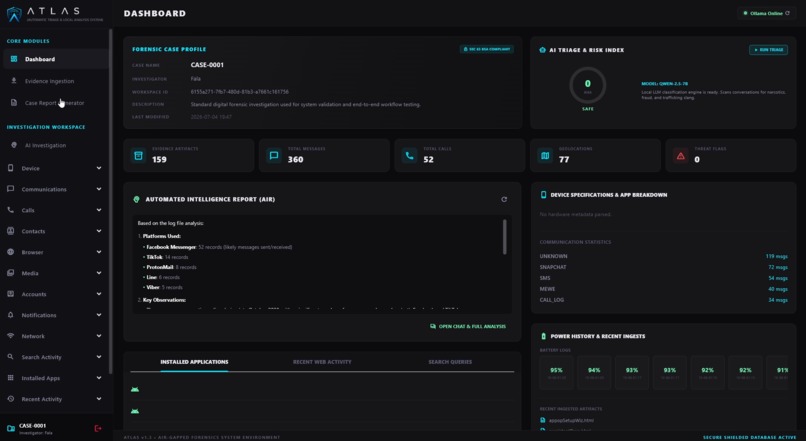
Dashboard
-
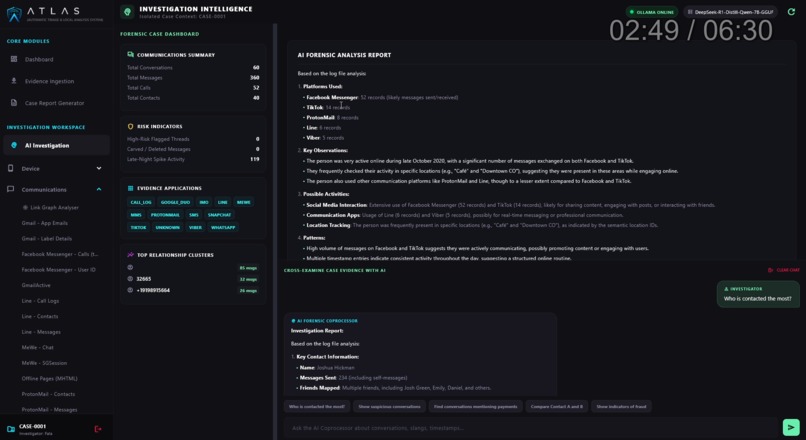
Ai investigation section
-
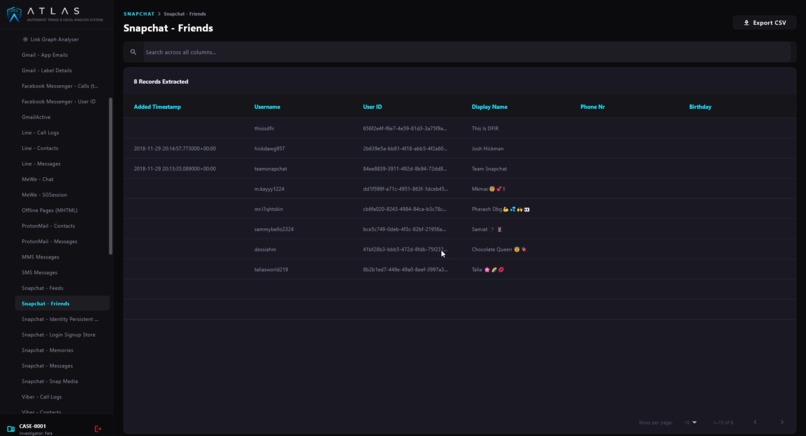
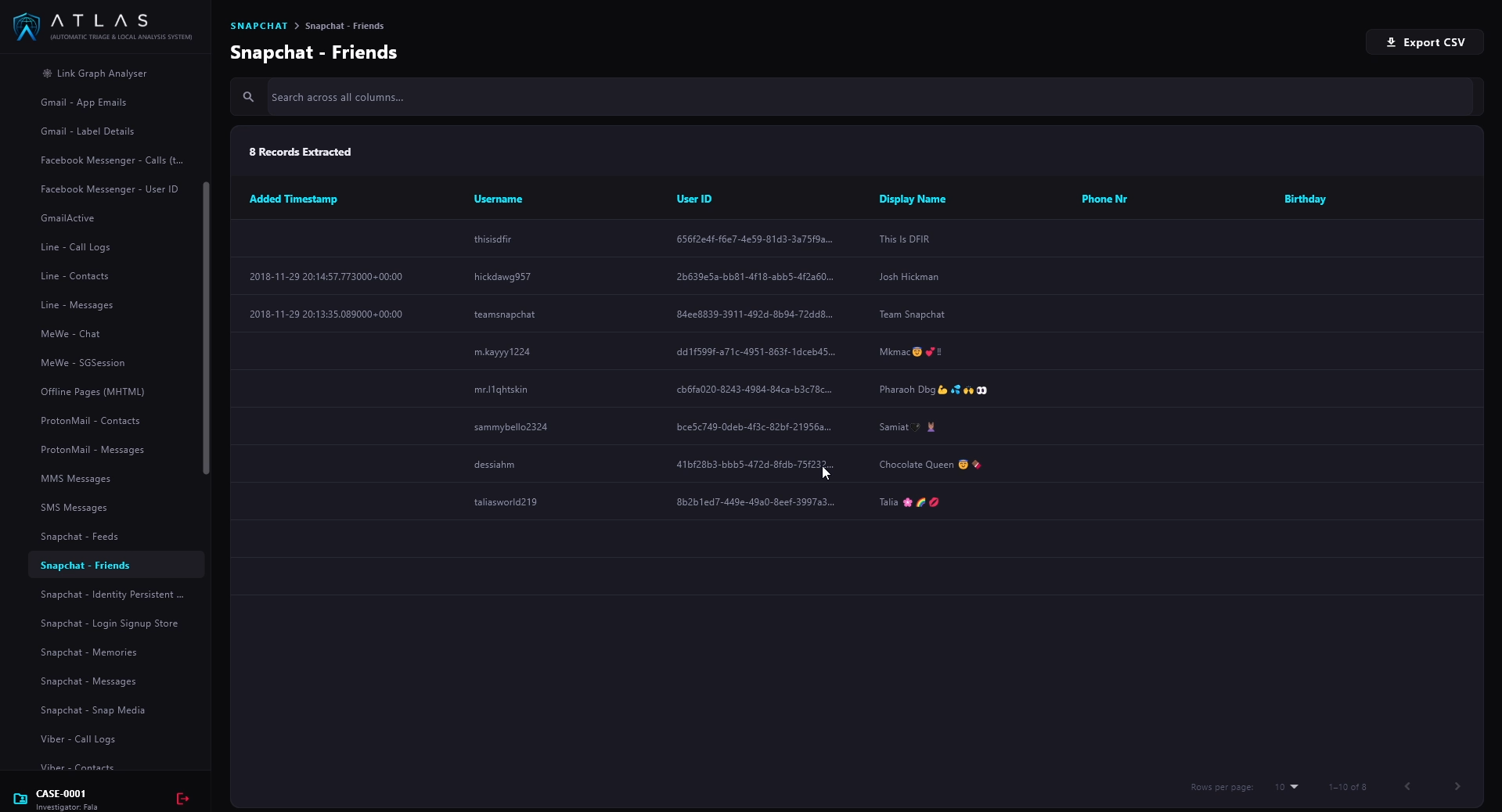
Snapchat friends
-
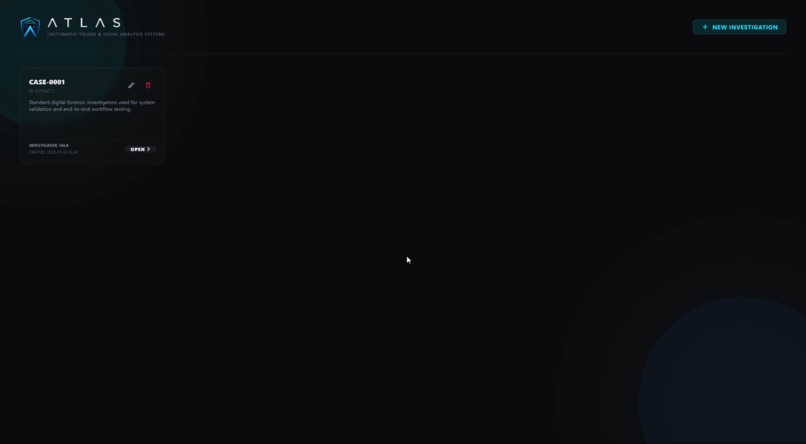
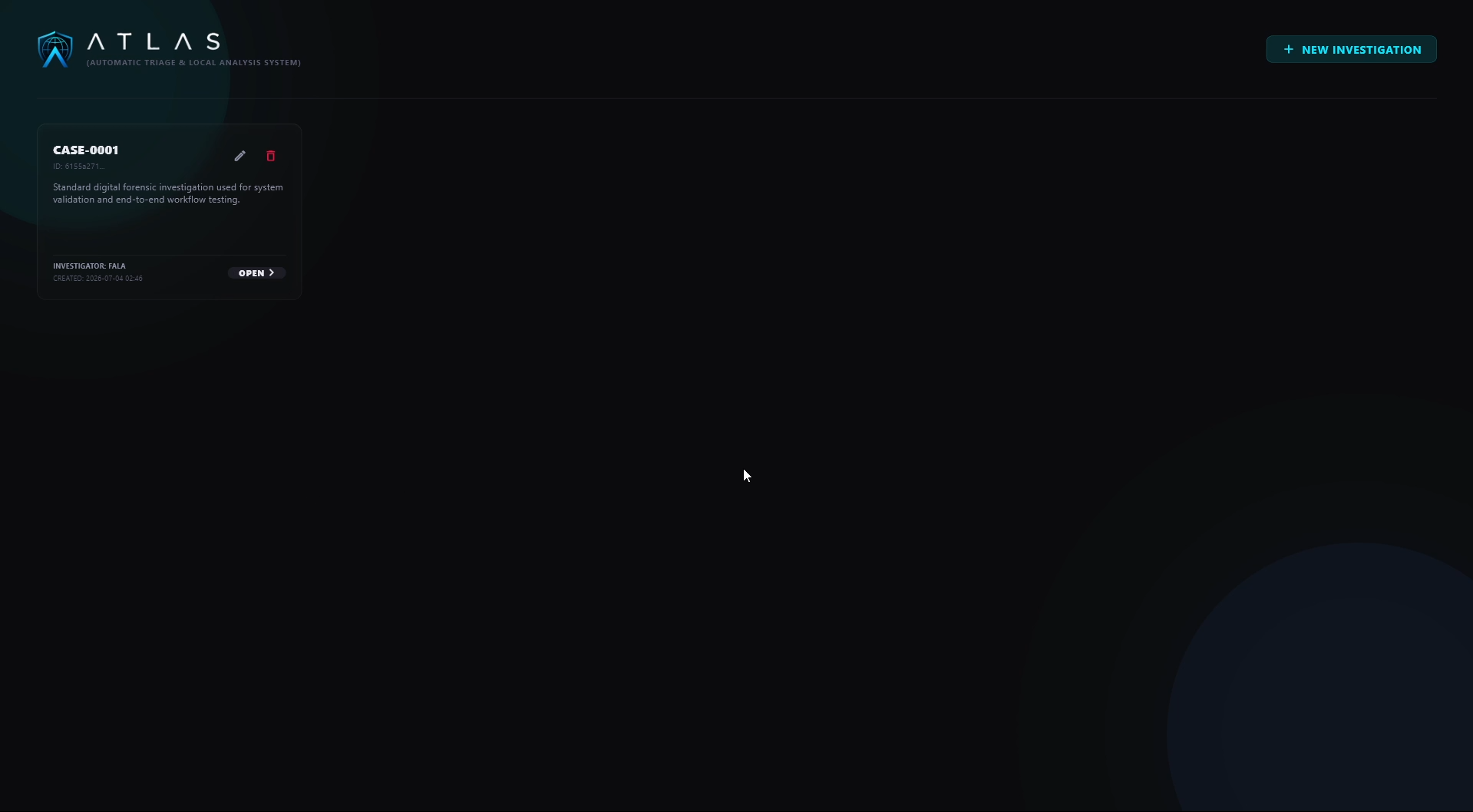
Case creation
-
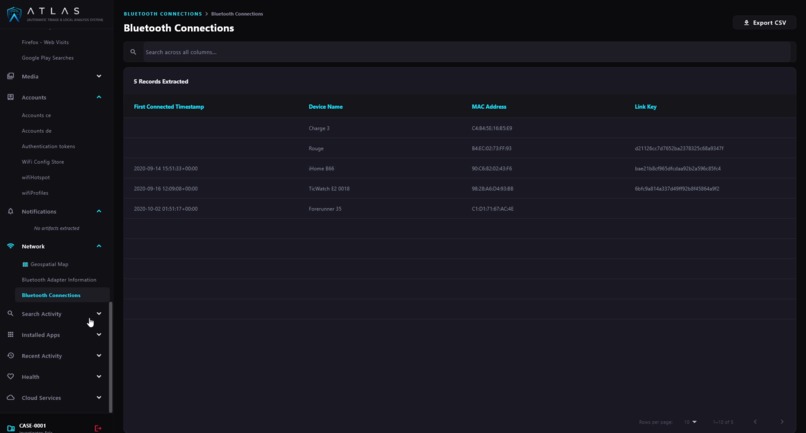
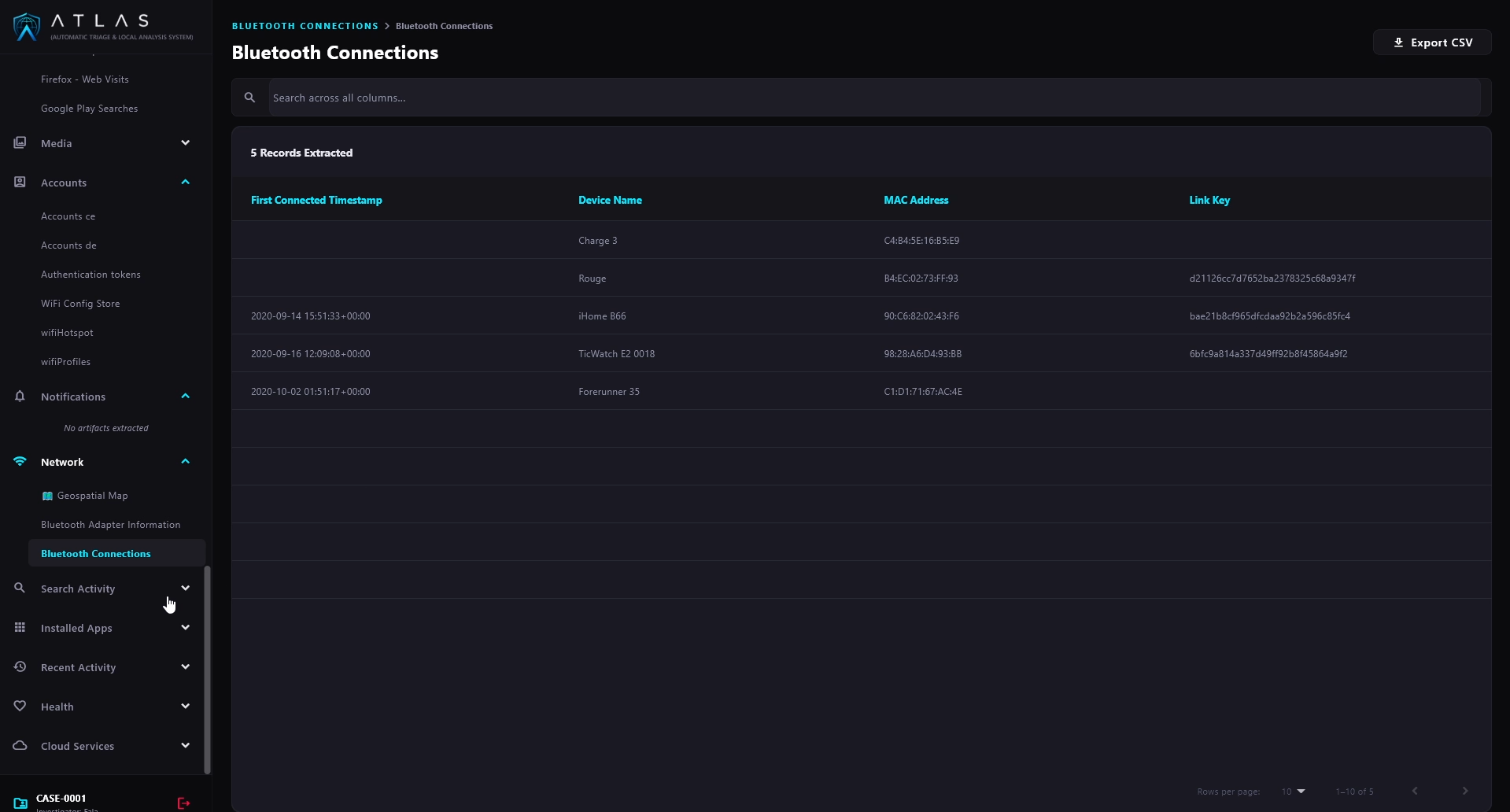
Bluetooth connections
-
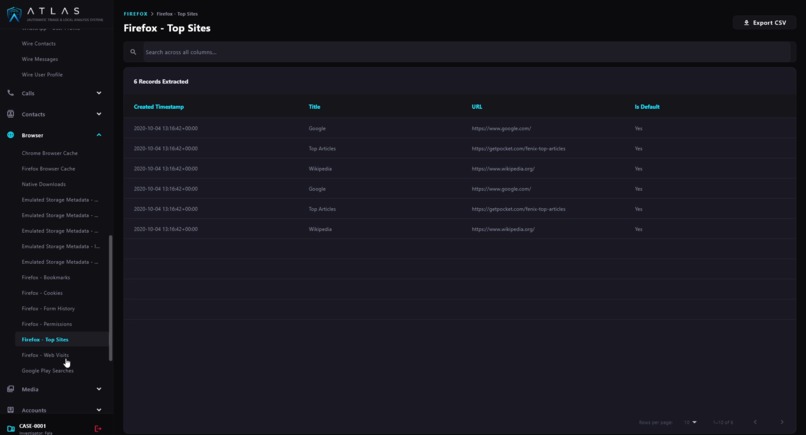
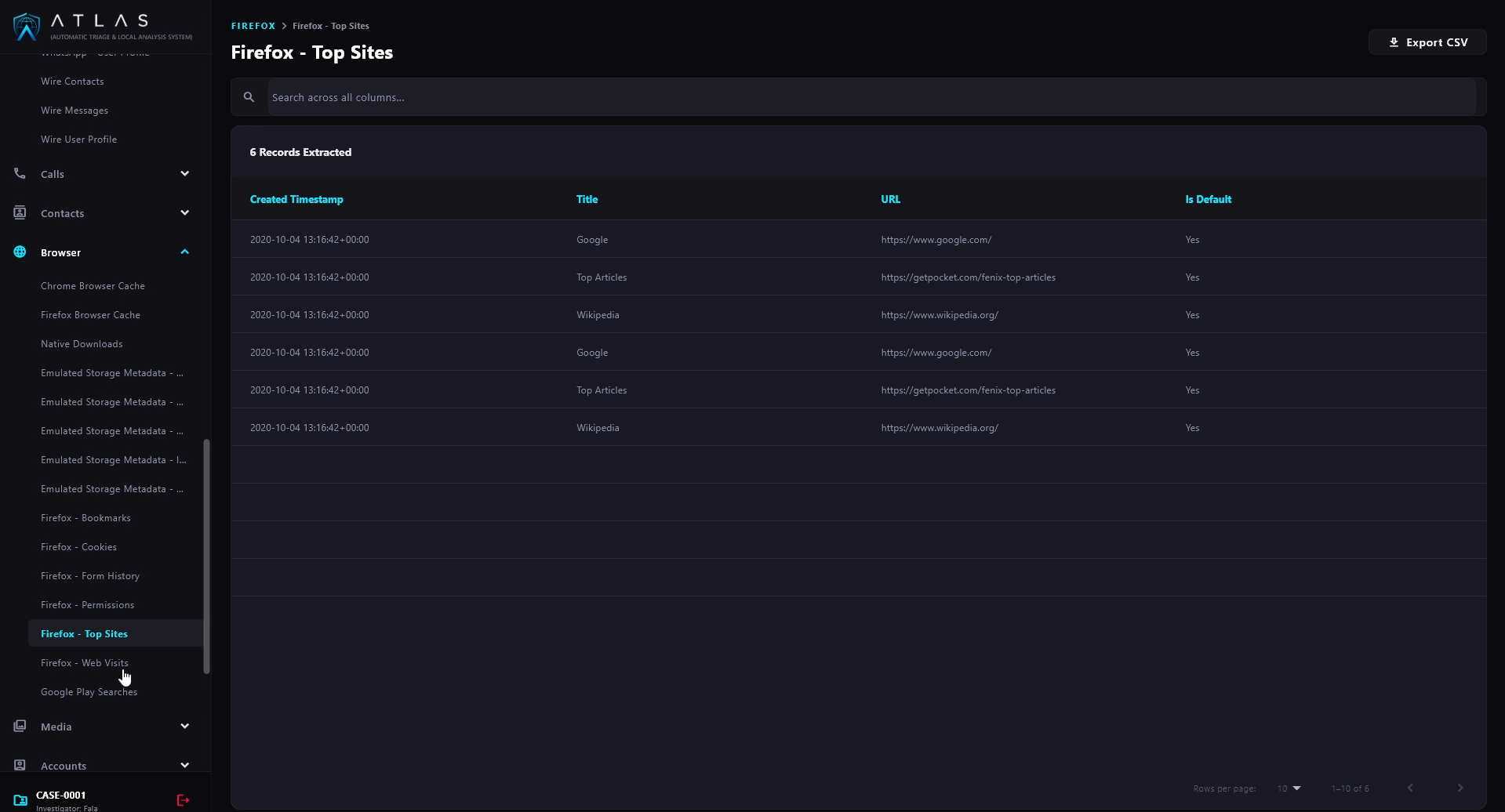
Browser history
-
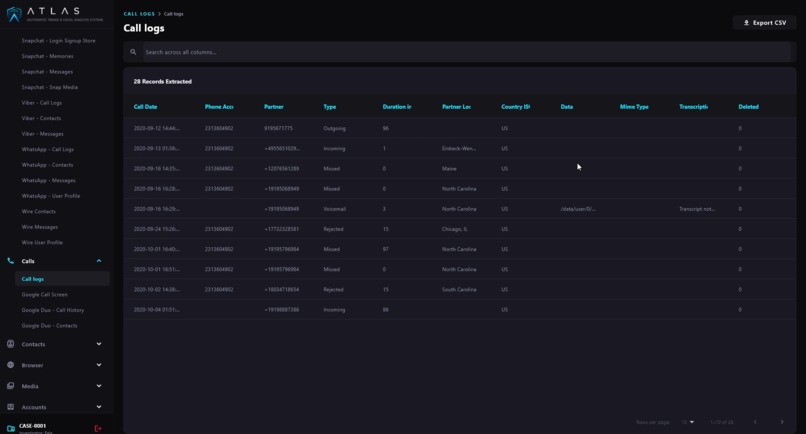
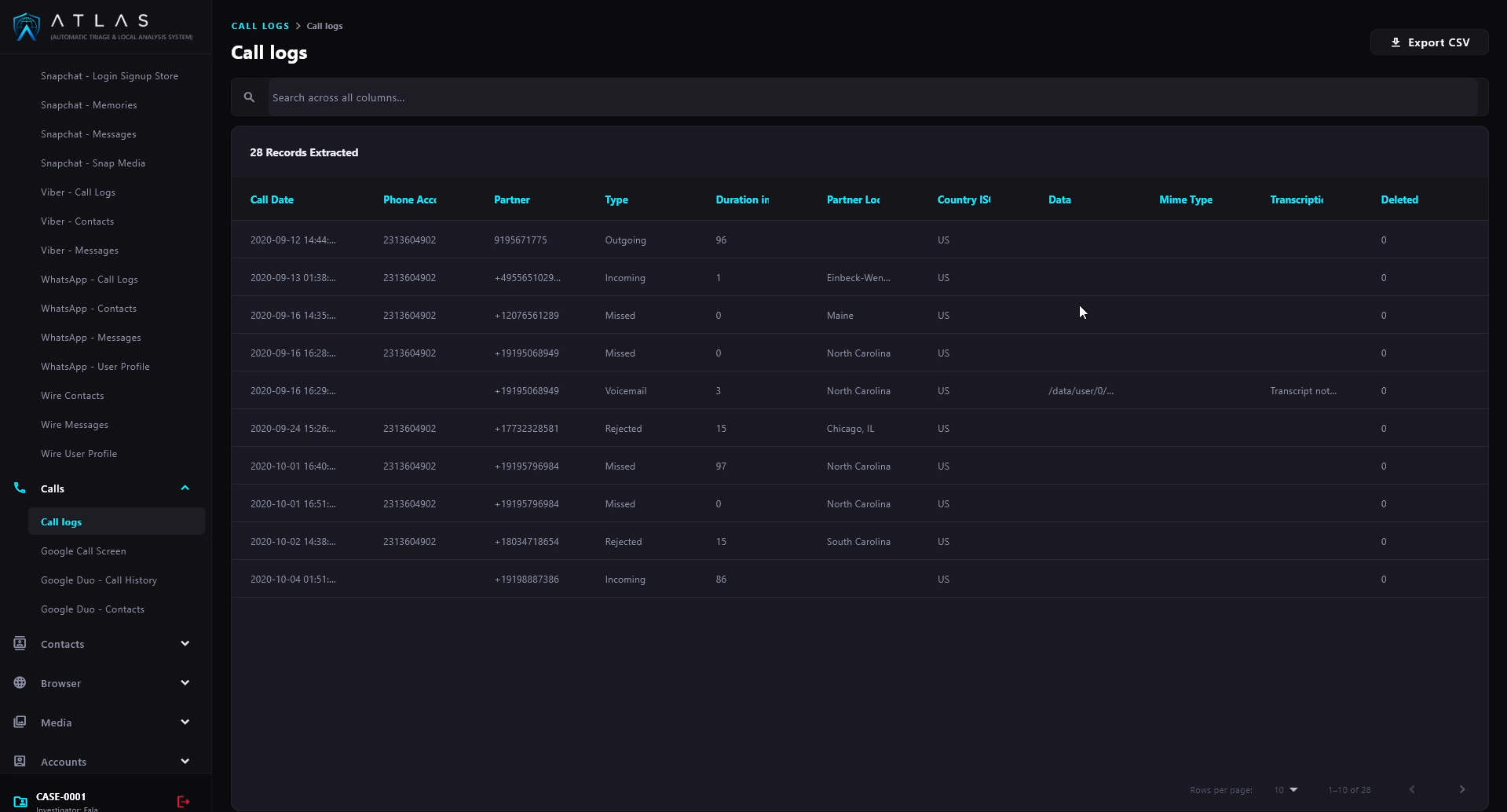
Call logs
-
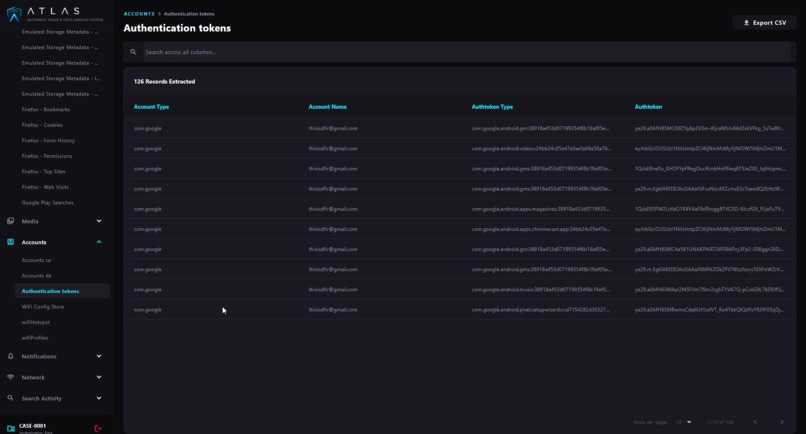
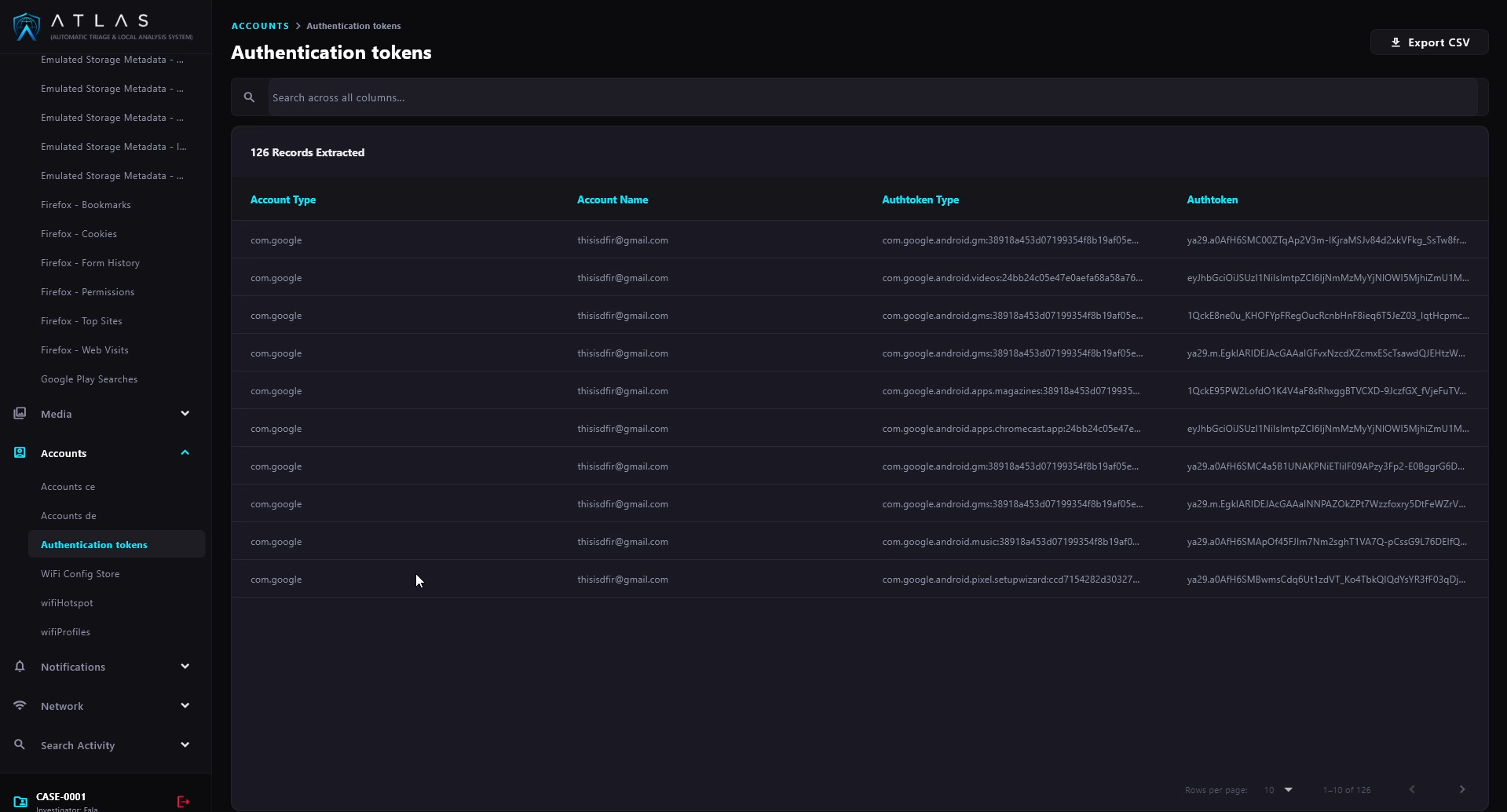
Authentication tokens
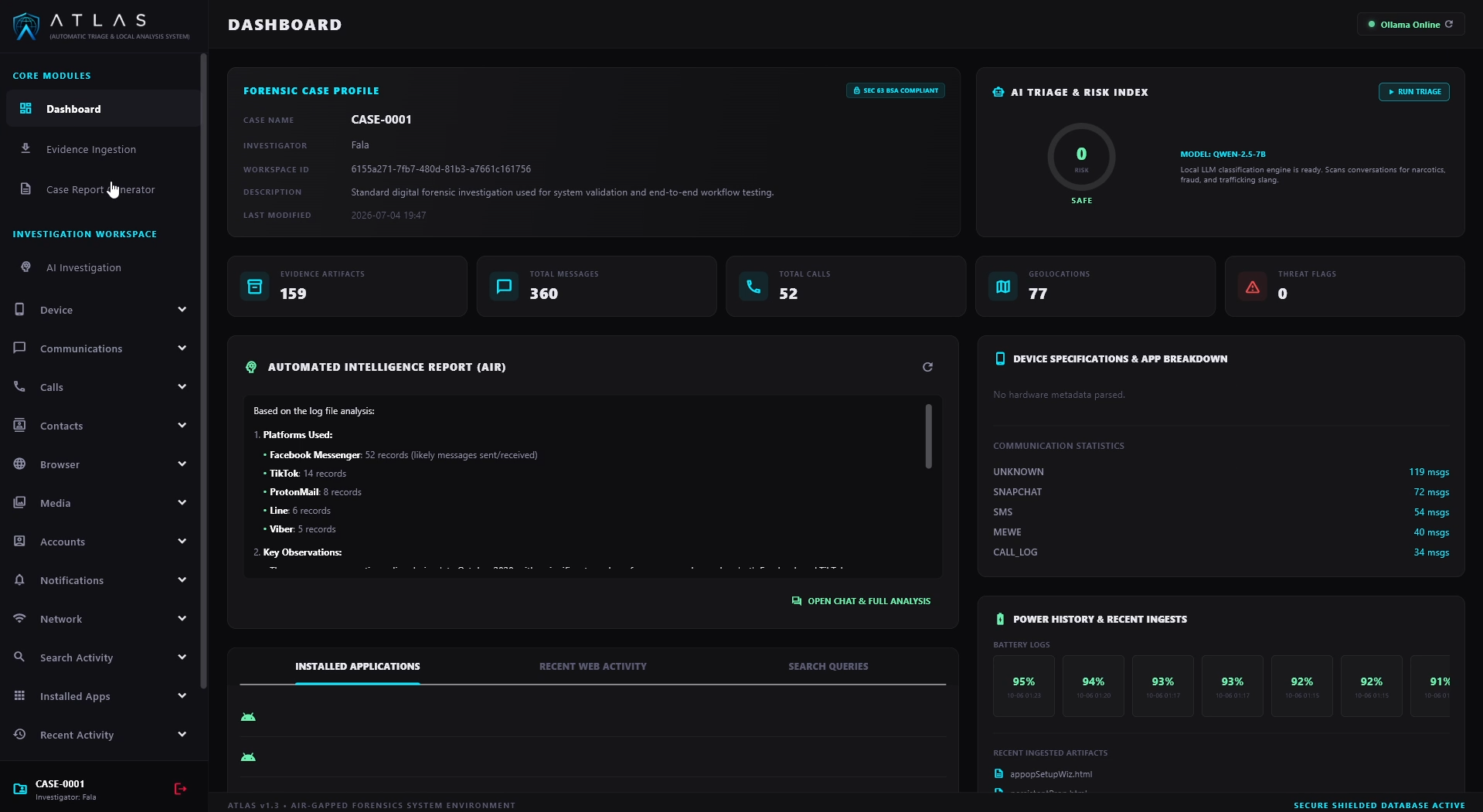
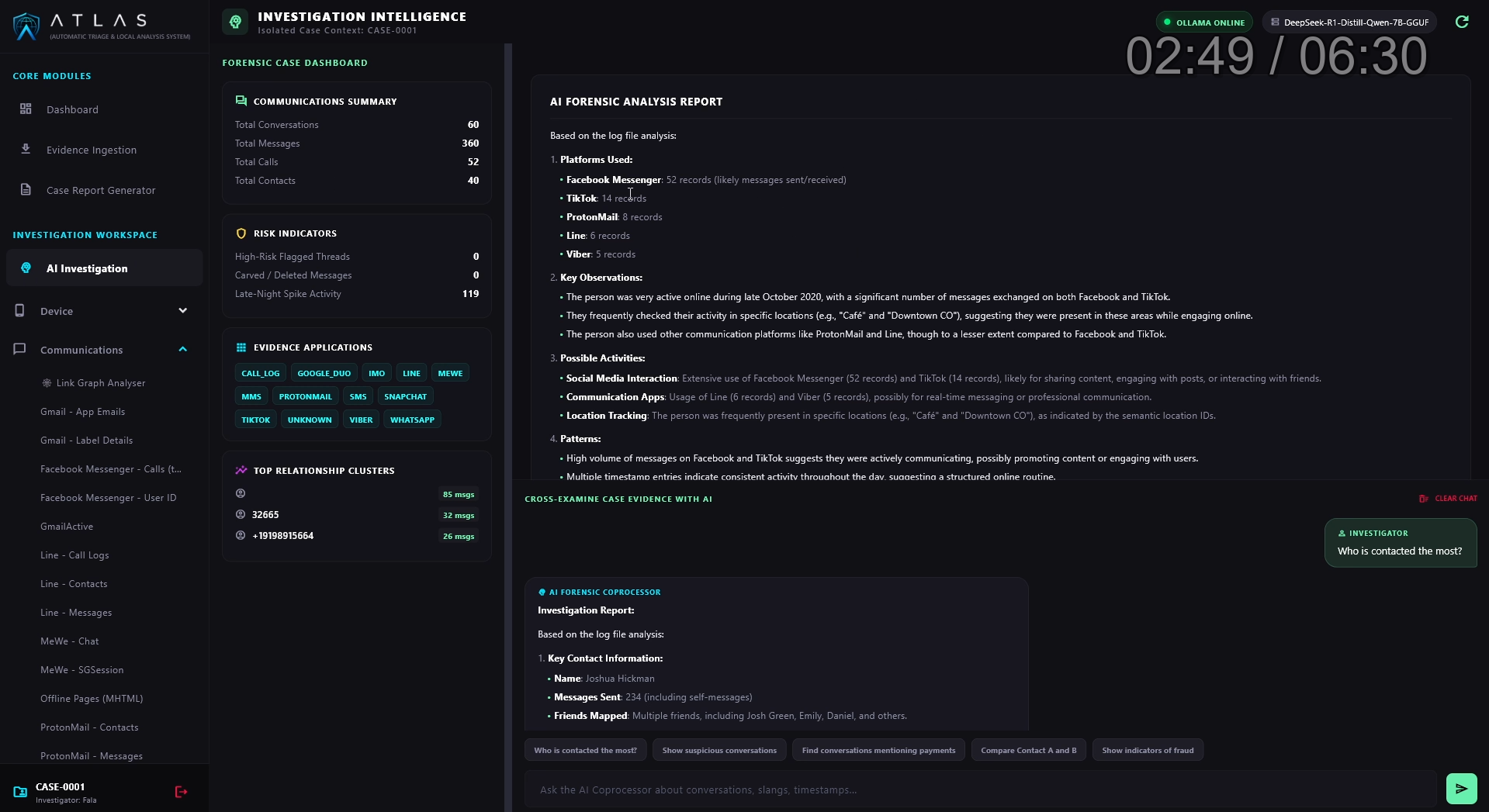
Inspiration When a child is in danger or a trafficking ring is operating, the Amanah (trust) placed upon law enforcement is massive. Currently, Indian district cyber cells and Investigating Officers are failing to execute this trust efficiently—not due to a lack of effort, but due to a structural bottleneck. Officers receive 50GB to 200GB raw extraction dumps from forensic tools and are forced to perform agonizing Manual Triage. They scroll through thousands of texts and listen to hours of audio to find a single grooming pattern or drug slang. This process causes severe psychological trauma for the officers and burns the critical "Golden Hours" of an investigation. We realized that technology created this bottleneck, and strategic, ethical tech was the only way to break it. What it doesATLAS (Automated Triage & Local Analysis System) is an air-gapped, post-extraction digital forensics intelligence layer built in Flutter. It sits securely between massive raw data dumps and the exhausted investigator. By leveraging locally hosted, edge-computed Large Language Models (LLMs), ATLAS automates the semantic triage process. It instantly ingests high-value forensic targets like SQLite databases, decodes predator and drug slang, visually maps the suspect's network, and outputs mathematically verified legal documentation. It ultimately reduces forensic triage time from weeks to mere hours. How we built itWe built ATLAS as a native Windows desktop application using Flutter, because district cyber cells in India almost exclusively run on Windows machines. To ensure the UI never freezes while parsing gigabytes of evidence, we utilized background Dart Isolates and sqflite_common_ffi to crack open databases and run raw SQL queries. We bridged the Flutter frontend to a local AI engine running via Ollama, utilizing quantized models like Qwen 2.5 7B for strict JSON schema adherence. Finally, we transformed the verified JSON records into an interactive dark-themed structural graph map using force-directed layout engines. Challenges we ran intoThe absolute biggest hurdle was the strict legal mandate for an air-gapped environment. Law enforcement software cannot rely on cloud APIs like OpenAI or Google, because uploading unverified suspect data or Child Sexual Abuse Material (CSAM) to a third-party server violates data sovereignty and chain-of-custody laws. ATLAS had to run entirely offline on standard police workstations constrained to an 8GB VRAM limit (like an NVIDIA RTX 4060). Additionally, pulling deleted messages required us to bypass standard queries and parse temporary SQLite Write-Ahead Logs (WAL). Processing this massive amount of data without crashing the main UI thread required flawless multi-threading and chunking protocols. Accomplishments that we're proud ofWe completely dissolved the friction of manual triage. The Investigating Officer only has to point the software at the extraction folder, and ATLAS silently handles the rest without freezing the UI. But our proudest accomplishment is the "Legal Armor." With a single click, ATLAS automatically generates a flawless, mathematically verified Section 63 Certificate under the Bharatiya Sakshya Adhiniyam (BSA). It injects cryptographic SHA-256 hash values directly into the PDF, proving that the evidence was parsed locally without internet tampering and ensuring it is instantly court-admissible in India. What we learnedWe learned that in digital forensics, raw data is not evidence until it is contextualized. We also learned the immense fragility of digital evidence, realizing that if an officer makes a minor clerical error on a certification, defense lawyers can get the entire piece of evidence thrown out. We realized that in this field, "AI" isn't just a buzzword; it is a critical shield that protects officers from the psychological toll of visual scrubbing and gives them the speed they need to save lives.What's next for ATLAS (Automated Triage & Local Analysis System)Our next major frontier is integrating a localized Whisper AI model to offline-transcribe unsearchable .opus and .m4a voice notes, which predators frequently use to evade text-based detection. Following that, we plan to implement a lightweight Vision-Language Model (VLM) to automatically categorize screenshots and visually separate high-value evidence from standard camera roll noise, completely eliminating the need for investigators to manually view traumatic illicit images
Built With
- dart

Log in or sign up for Devpost to join the conversation.