Inspiration
Most “computer access” tools for people with limited limb movement still feel outdated, slow, or exhausting to use. If you can’t reliably type, click, or speak all day, you get locked out of school, work, and basic independence.
Atlas started from a simple goal: give someone with limited hand/arm control a fast, quiet way to control a laptop using signals they can still do consistently (head movement, jaw clench, intentional eye close).
What it does
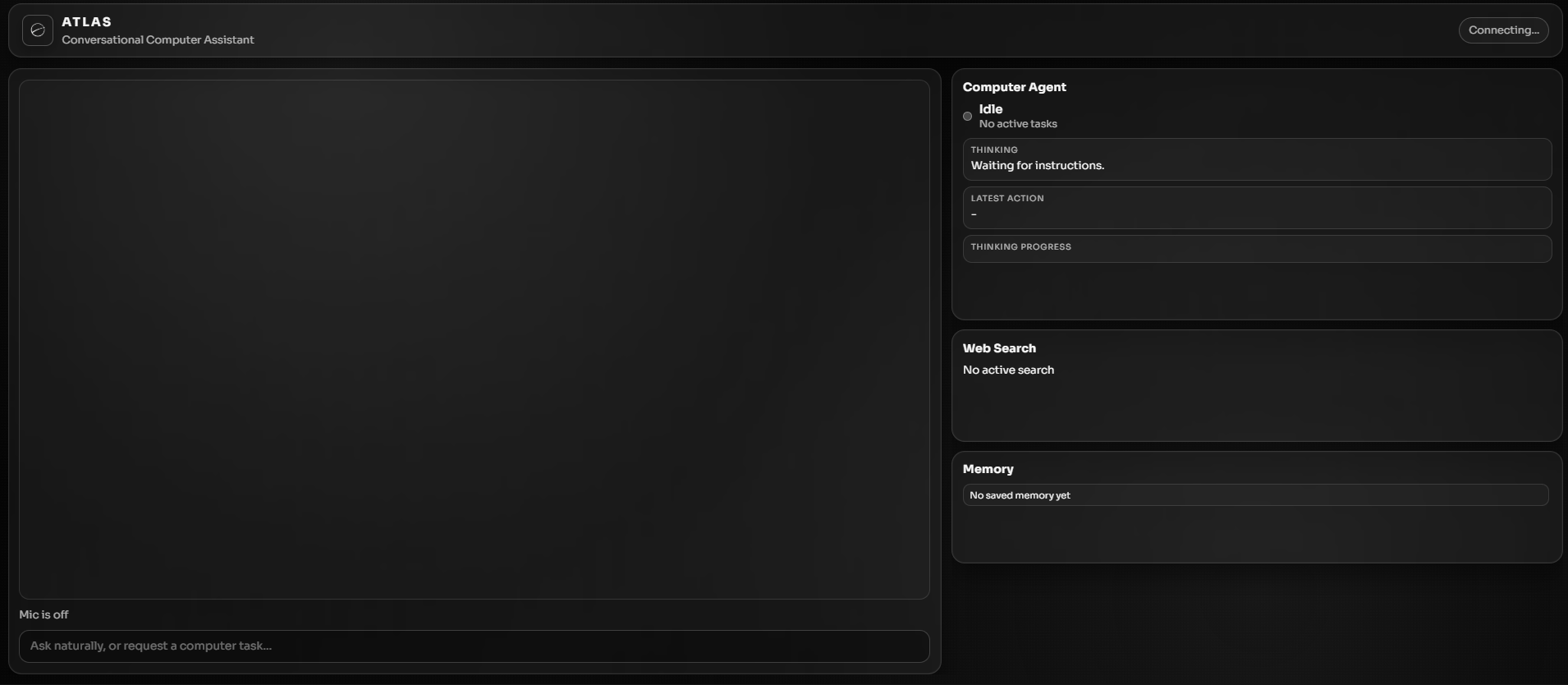
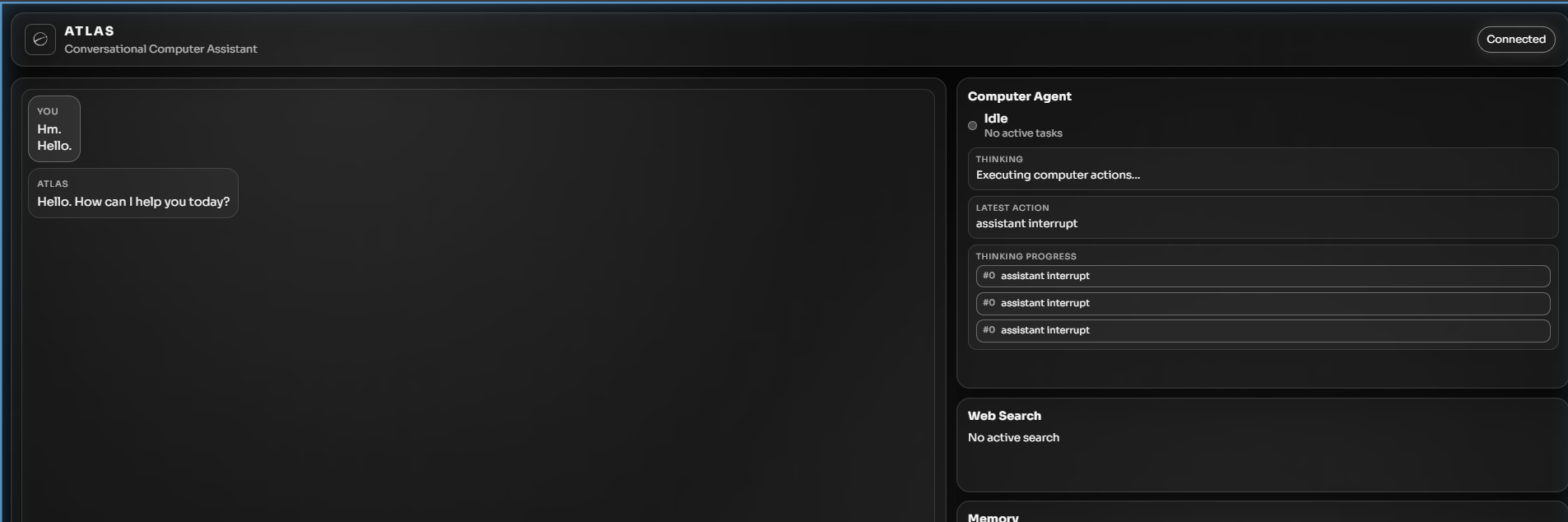
Atlas is a hands-free computer control system designed for people with limited upper-limb mobility.
It lets a user:
- Navigate and operate a computer without hands using reliable gestures like nod (yes), shake (no), and jaw clench
- Confirm actions safely before anything happens (so it doesn’t run away)
- Control a desktop environment to do practical tasks like:
- clicking buttons
- typing text
- selecting options
- moving through complex workflows
The core idea is assistive access that’s fast enough to be usable daily, and safe enough to trust.
How we built it
- We read real-time sensor streams (EEG headband signals + motion channels) and convert them into clean gesture events
- We built a classifier pipeline focused on reliability, not fancy ML:
- smoothing
- debouncing
- thresholds
- consecutive movement rules for nods/shakes
- We built a confirmation-first interaction model
- nod = approve
- shake = cancel
- timeout = stop
- We wired these events into a Chrome controller so the system can execute actions the user confirms
- We added guardrails and stop conditions so the agent never becomes unsafe or uncontrollable
Challenges we ran into
- Accidental triggers are the enemy. A tiny head movement shouldn’t become a command
- Blink detection is unreliable if you try to detect normal blinks, so we shifted to detecting intentional long eye closes
- Different users = different baselines (posture, strength, movement range), so calibration matters
- Latency kills trust. If the system responds late, the user feels out of control
- Making it assistive means it must be predictable every single time, not just in a demo
Accomplishments that we're proud of
- Highly accurate nod and shake confirmation with anti-false-trigger logic
- Jaw clench worked consistently and became a strong input channel
- A real safety-first control loop that prevents runaway automation
- A high fidelity autonomous pc control agent that can perform tasks the same way humans can.
- A modular scaffold that can evolve into a real assistive tool, not a one-off hackathon script
What we learned
- Assistive tech is mostly a reliability problem, not an “AI problem”
- The best interaction is simple: few gestures, clear meaning, strong confirmation
- Smoothing + consecutive detection beats raw instant classification
- Building for disability forces better design: safety, predictability, and control become non-negotiable
What's next for Atlas
- Add per-user calibration profiles so it adapts to different mobility ranges
- Make shakes require multiple consecutive movements so they never fire accidentally
- Improve intentional long eye-close detection (1–2 seconds) as a deliberate command
- Split jaw clench into short clench vs long clench (3–4 seconds) as two separate inputs
- Run a small data collection pass and test whether a lightweight model improves accuracy without sacrificing predictability
- Package it with a simple tuning dashboard so caregivers/users can adjust sensitivity easily
- Integrate with full agentic systems like OpenClaw


Log in or sign up for Devpost to join the conversation.