-
-
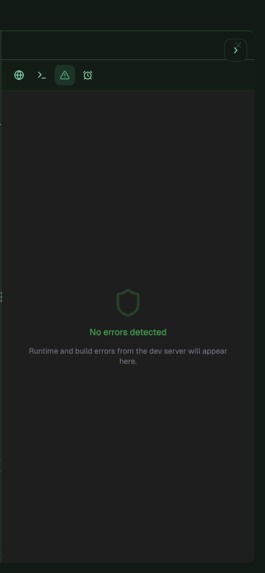
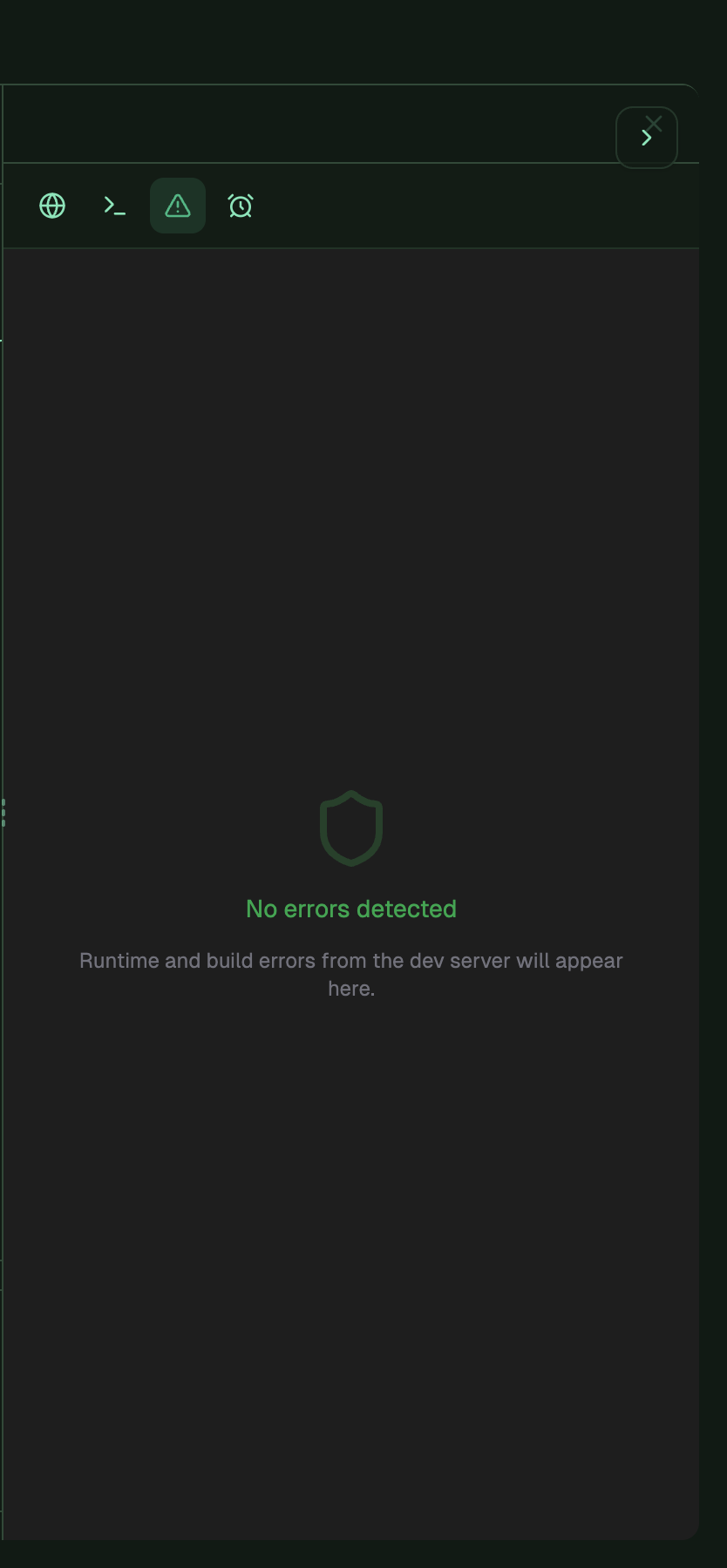
Right Panel - Error Tab
-
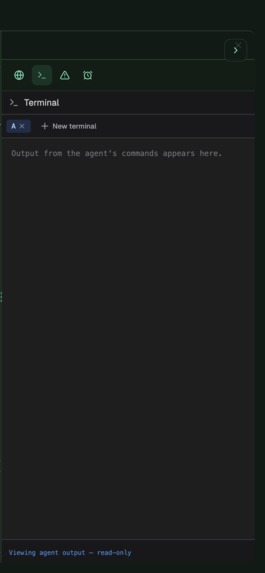
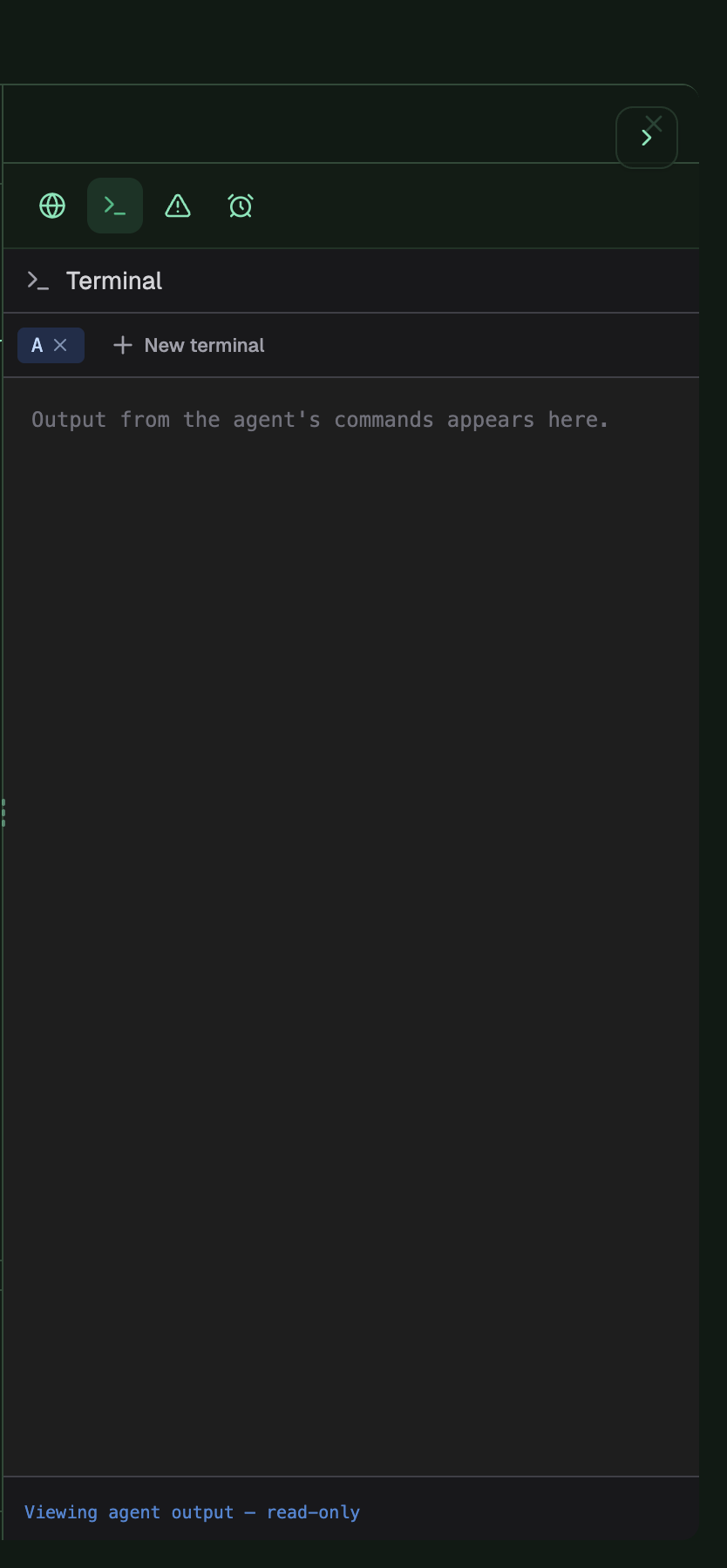
Right Panel - Terminal Tab
-
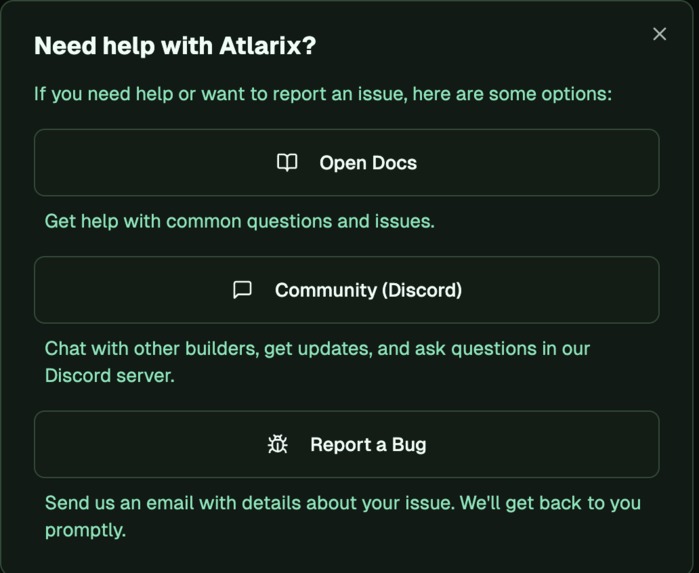
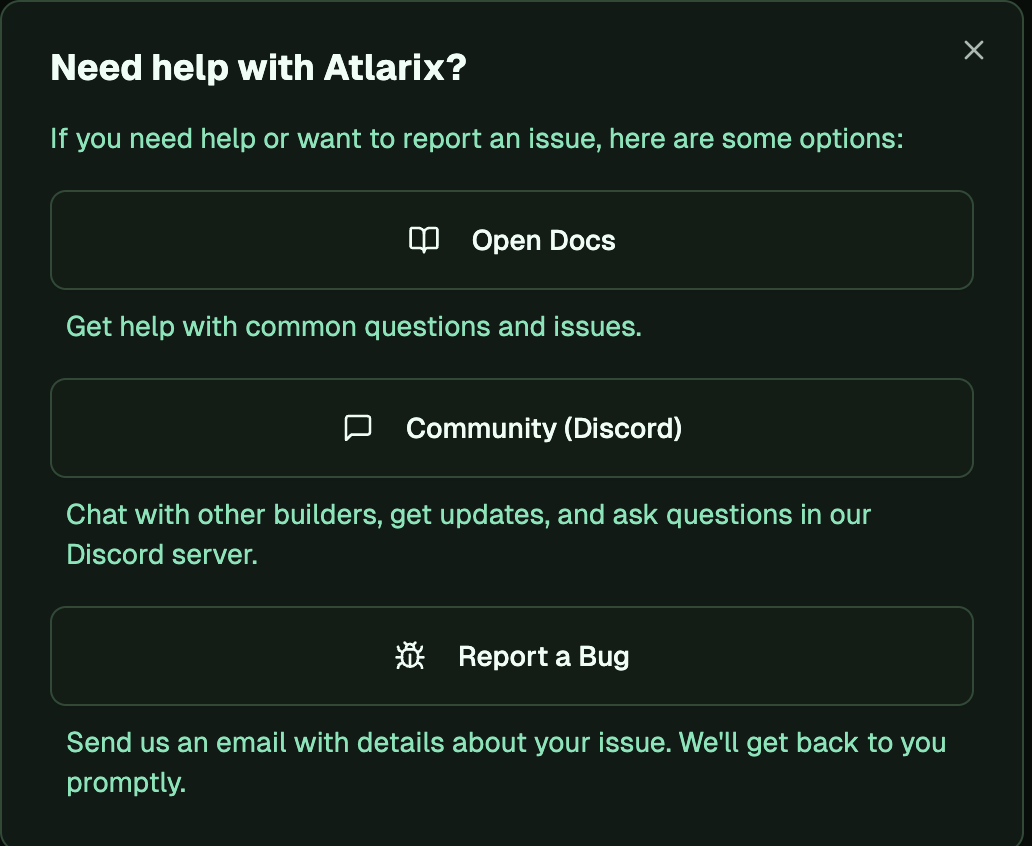
Help
-
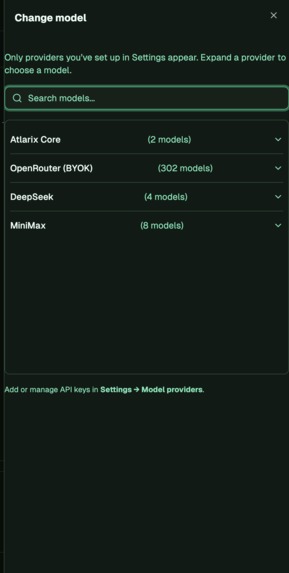
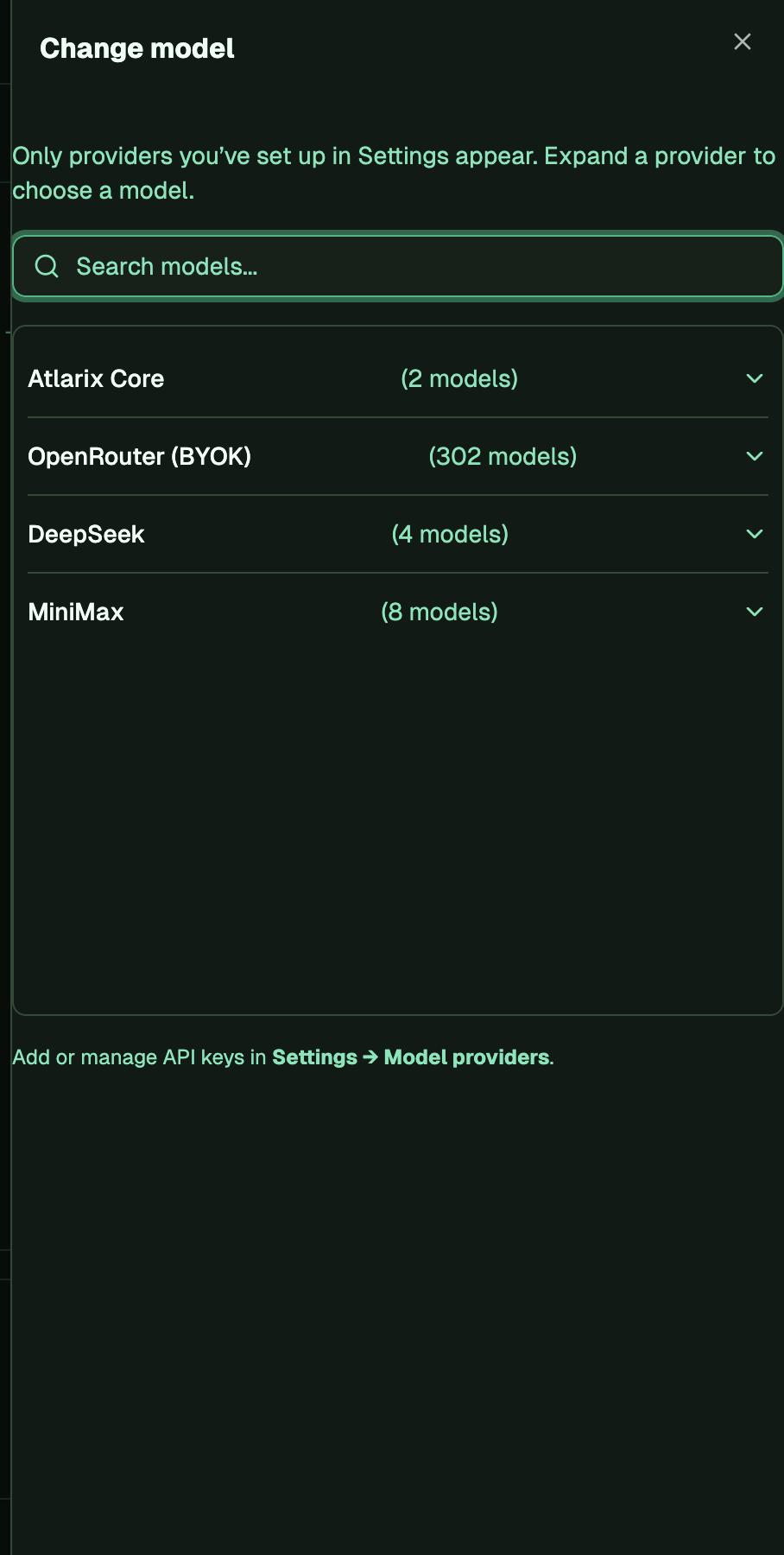
In chat Model Selector
-
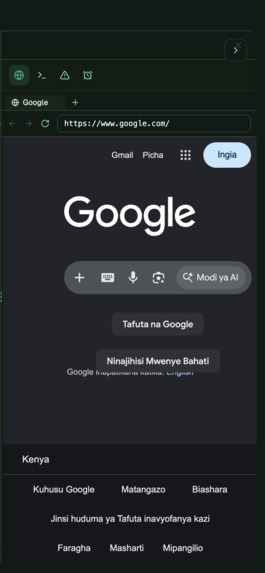
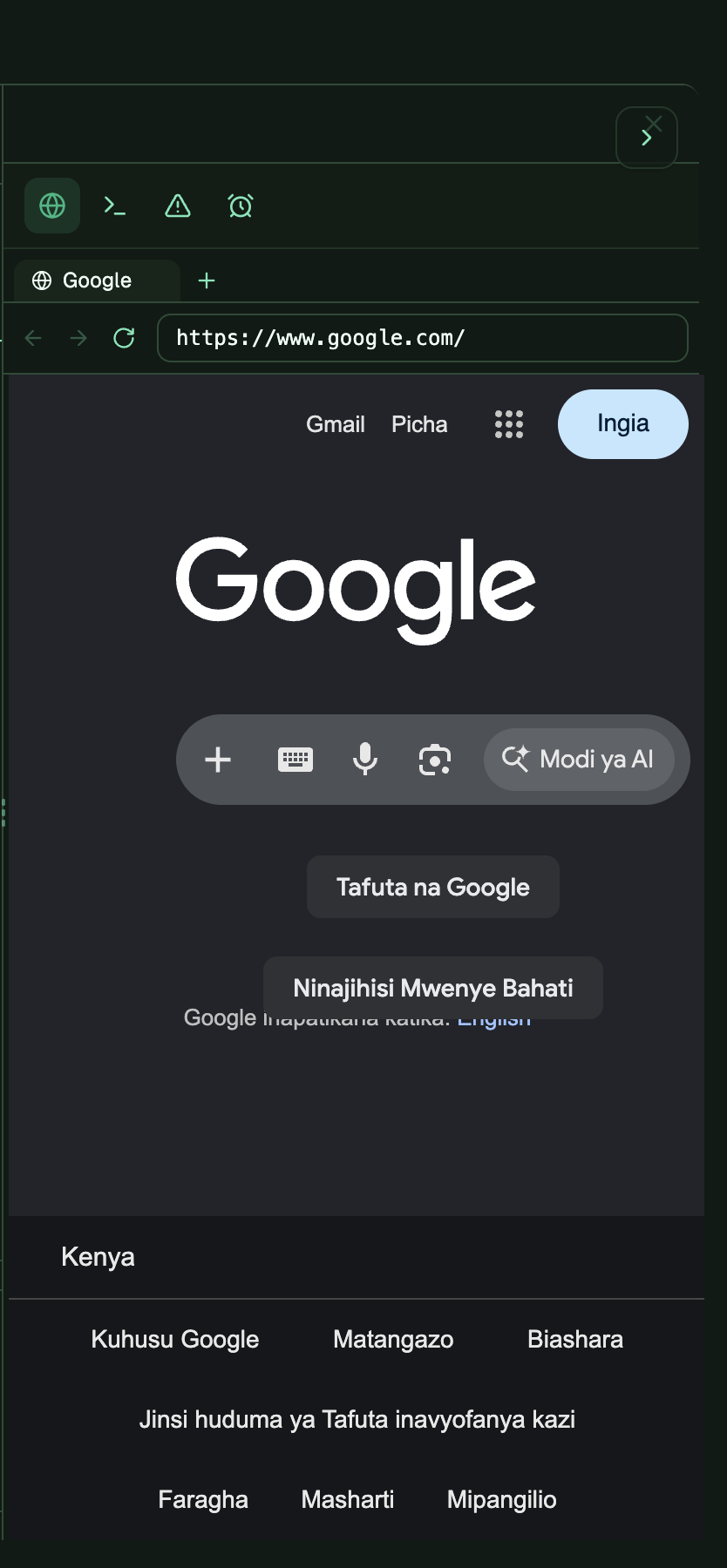
Right Panel - Browser Tab
-
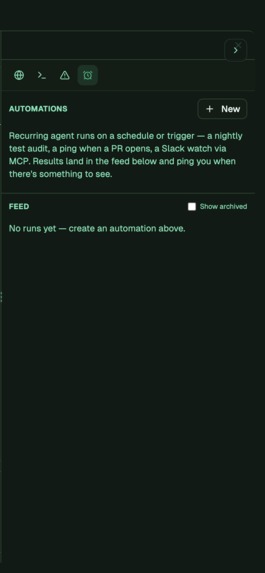
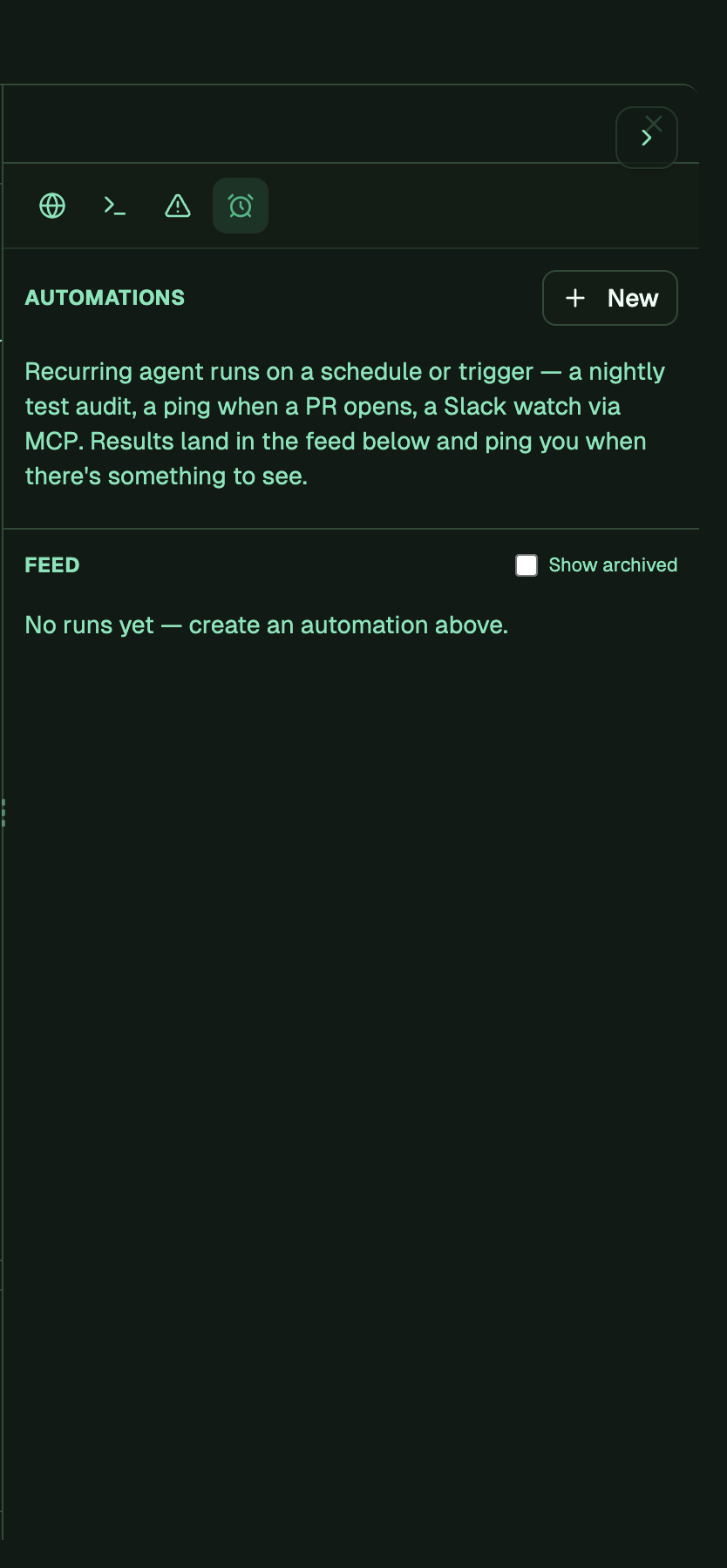
Right Panel - Automations Tab
-

Workspace Selector (Dark Theme)
-

Workspace Selector (Light Theme)
-
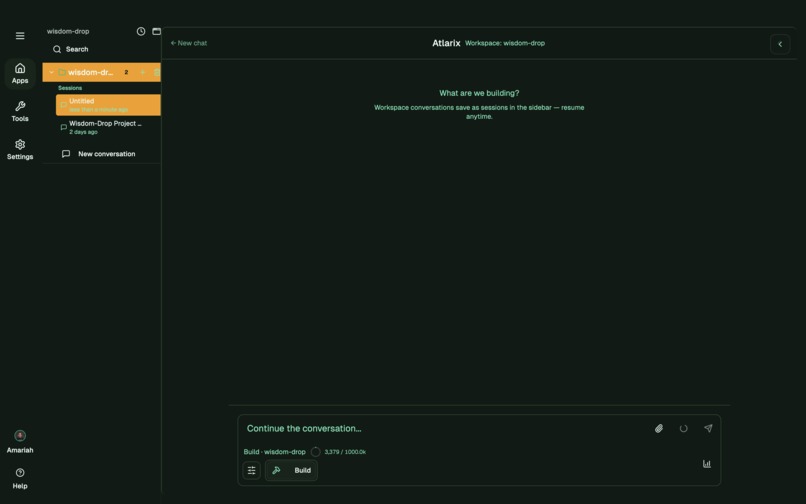
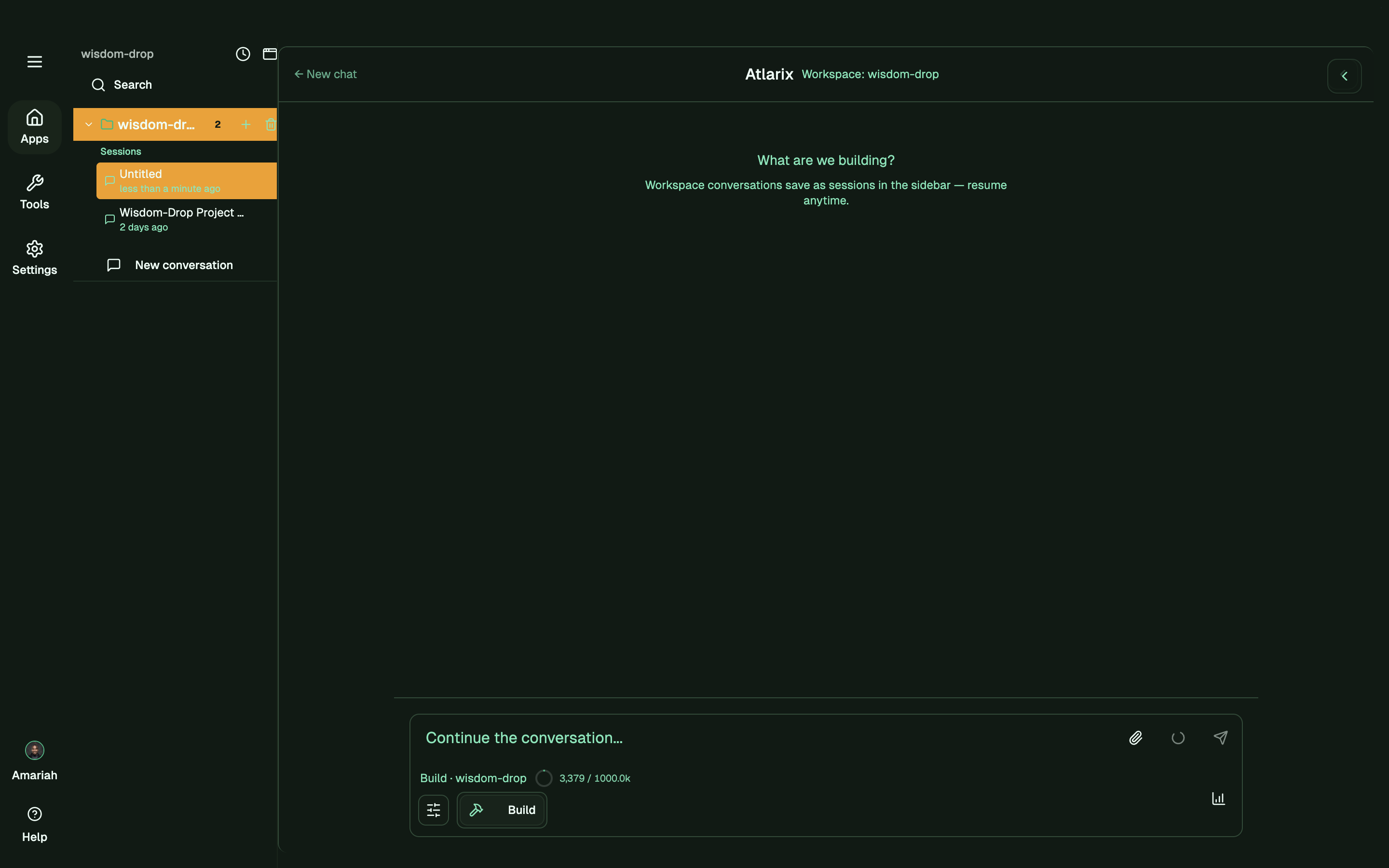
Workspace Chat
-
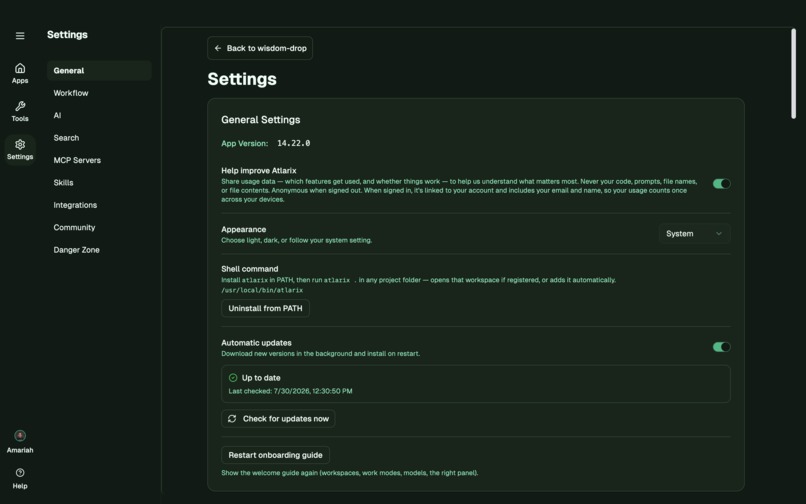
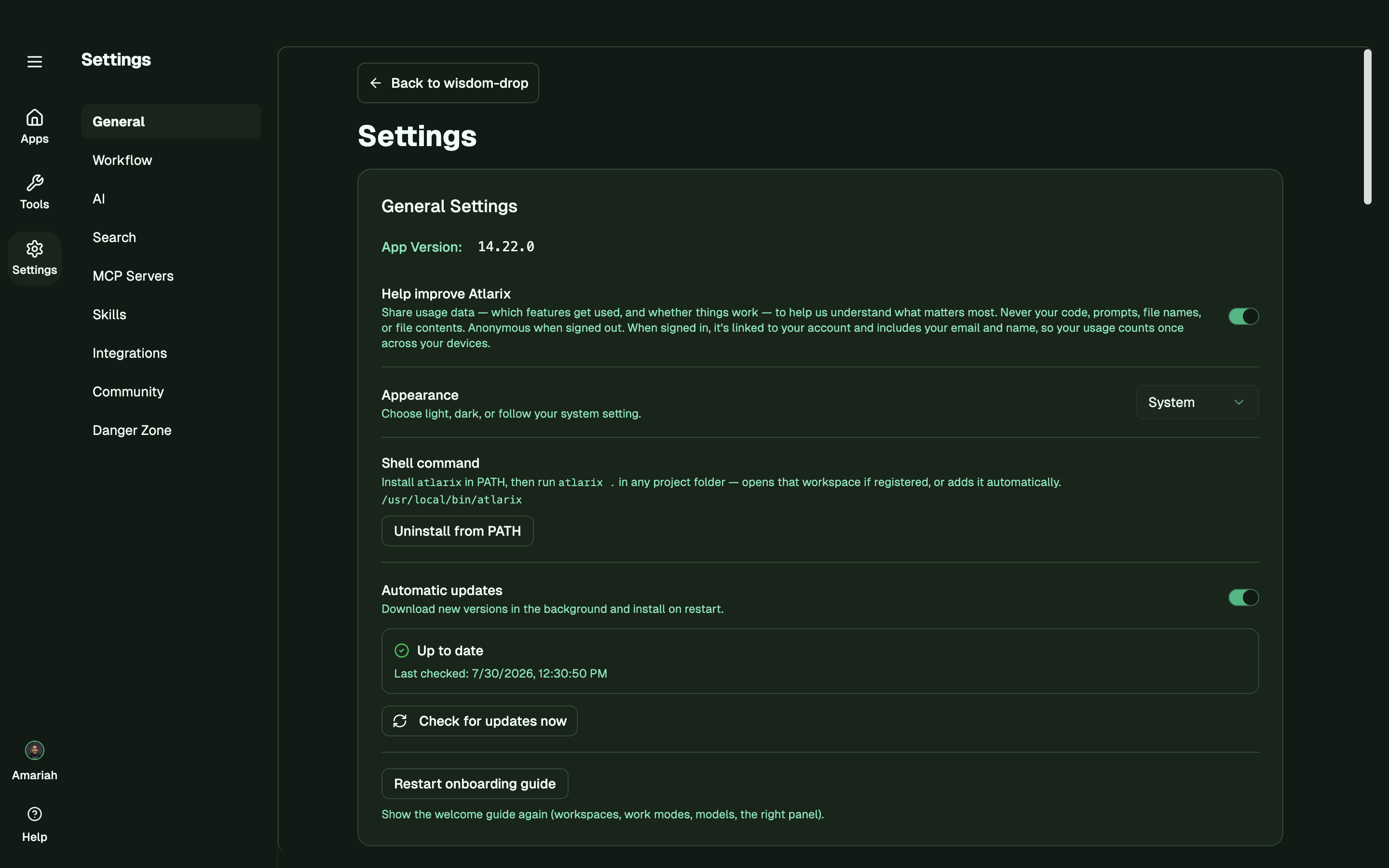
Settings Page
-
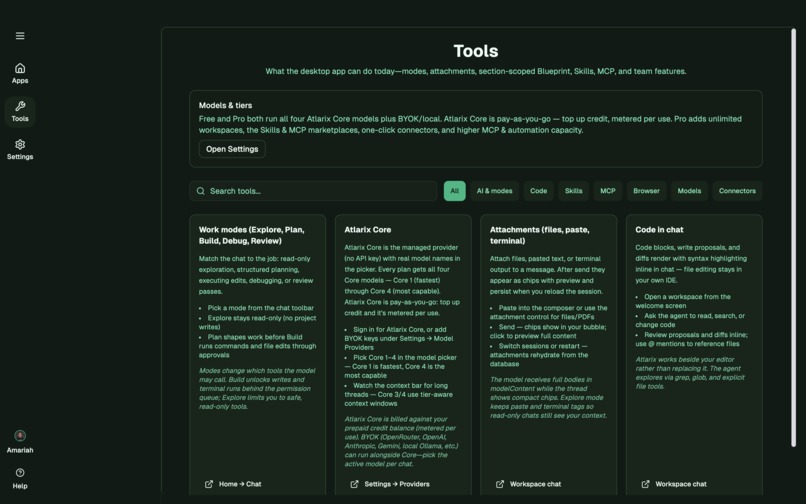
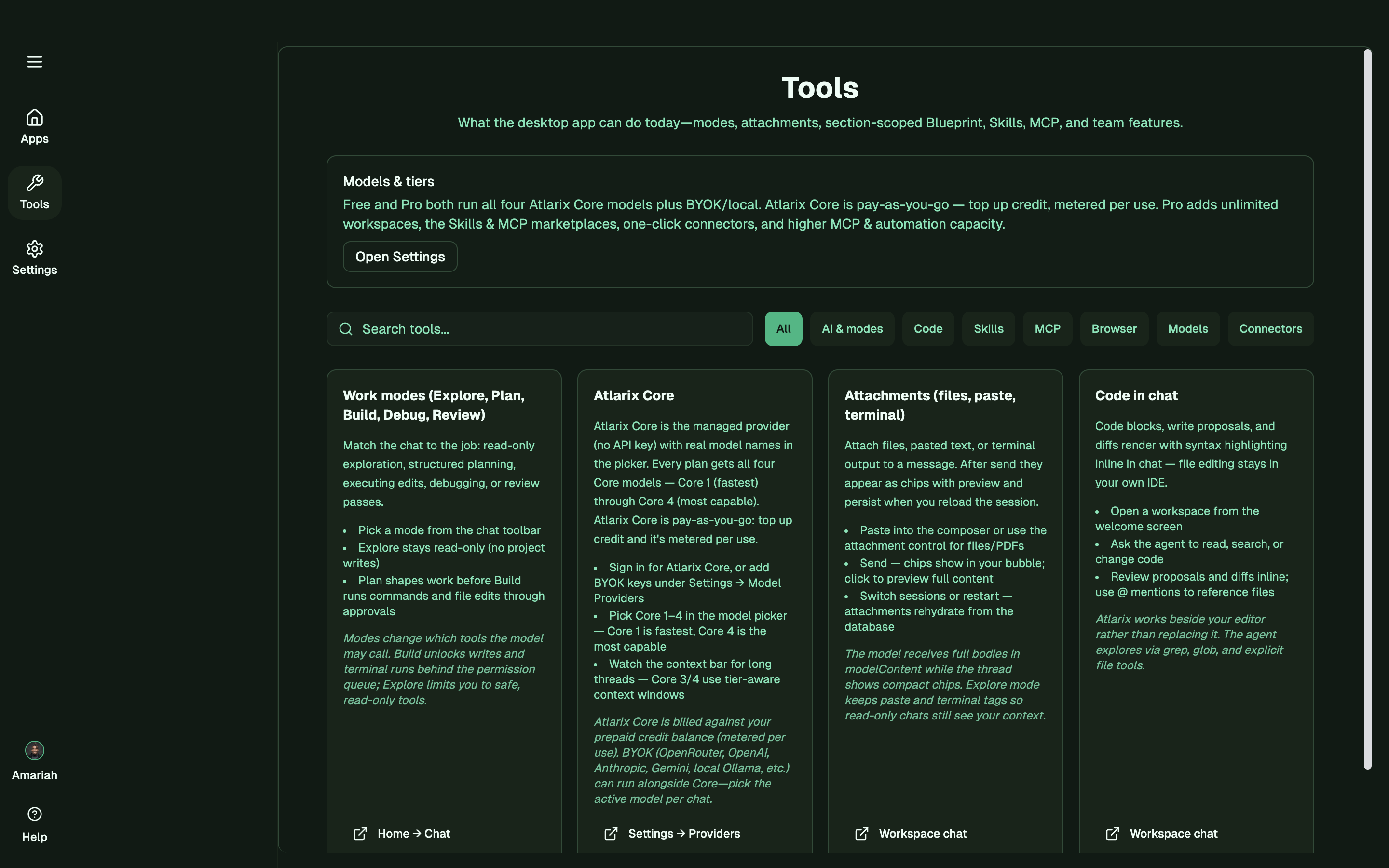
Tools Page


Atlarix — The Private AI Workstation
What it is
Atlarix is a desktop coding workspace where a development team plans a feature, builds it, reviews it, tests it, and refines it — with AI doing the heavy lifting, so a small team ships like a much larger one. It runs on affordable open-weight models, and your codebase never leaves your machine.
It is deliberately not a hosted web app. A coding tool has to read your source, your configs, your secrets. Uploading that to someone else's server to get AI help is a trade most serious teams shouldn't have to make. Atlarix runs locally — signed, notarized builds for macOS, Linux, and Windows — and reaches out only to the model provider you choose, or to no network at all when you run a local model.
What inspired it
I'm a self-taught engineer in Nairobi. The tools everyone recommends assume a US credit card, a $20/month API plan, and fast internet. I kept hitting rate limits on tools I depended on, with no affordable way back.
Open-weight models were cheap enough to fill the gap — my entire last heavy month of usage cost under $40 — but the harnesses around them assumed a frontier model that recovers from bad orchestration. Weaker open-weight models don't. They loop on a failed edit, corrupt a patch with the wrong character, or stall mid-task with no error. So I built the harness that assumes the model will fail in these specific ways and absorbs it, turning cheap models into ones that ship production code.
How I built it
Atlarix is a solo-built Electron desktop app, shipped through 14+ production releases. The core is a harness with five working modes — explore, plan, build, debug, review — driven by 22 tools that let the agent read, write, run commands, search the web, and spawn helper tasks.
It connects to 20+ model providers: a managed tier where I handle the models behind one bill, bring-your-own-key for any OpenAI-compatible endpoint, and fully local models for offline, air-gapped work. Retrieval is deliberately simple — a bundled ripgrep doing fast lexical search — after an earlier, more elaborate indexing layer proved slower and less reliable in practice. It keeps a plain-markdown memory of your codebase that sharpens the longer you use it, and every proposed change waits in an approval queue: nothing runs until you say so.
How it's validated
The proof isn't a demo. Code generated by open-weight models running inside Atlarix has been merged into real, widely-used production systems — each reviewed and accepted by that project's own maintainers:
- Traefik (63.9k-star cloud-native reverse proxy) — a routing fix, merged into v3.7
- Apollo Client — a hot-path performance fix that deferred two expensive operations on the cache-diff path
- Crawlee, Kilo Code, Qwen Code, and PdfDing
Roughly eight more are in review across Prometheus, Caddy, Grafana Loki, Supabase, and pnpm. One recent contribution was generated with a deliberately weaker, cheaper model — which is the whole point: it isolates the harness as the value, not the model.
Challenges
The hardest problems were the invisible ones. The app used to hang on launch with no network — minutes with no window — because auth restore and subscription init both ran before the window was created and neither was timeboxed; a hang isn't an exception, so the try/catch caught nothing. Everything has a deadline now. Models kept vanishing from the picker because several providers paginate their models endpoint and return a partial list at HTTP 200, so the fallback never fired. I stopped trusting a successful response to be a complete one.
What I learned
Cheap intelligence changes who gets to build. When capable AI costs $40 a month instead of hundreds per seat, the customer stops being only well-funded Western teams and becomes every small team in Nairobi, Lagos, Jakarta, and São Paulo that was priced out. Atlarix is built for that world — because I've been building from inside it.
A note on source
Atlarix's desktop app is not open source. In the spirit of honest submission, I'm stating that plainly. The public release repository (installers, full release history, changelog, and the open-source skills registry) is at github.com/AmariahAK/atlarix-releases, and signed builds for all three platforms are downloadable from atlarix.dev.
Built With
- deepseek
- desktop
- electron
- lemon-squeezy
- mcp
- node.js
- open-weight-models
- openrouter
- qwen
- react
- ripgrep
- sqlite
- supabase
- typescript

Log in or sign up for Devpost to join the conversation.