-
-
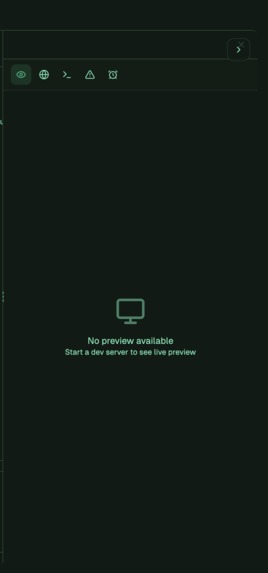
Right Panel -> Preview Tab
-
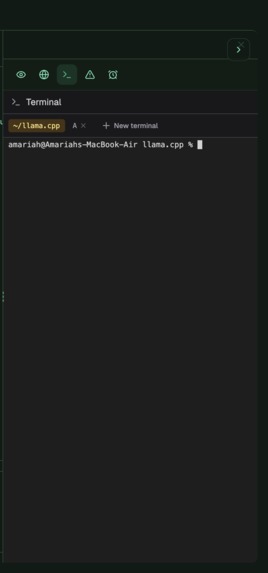
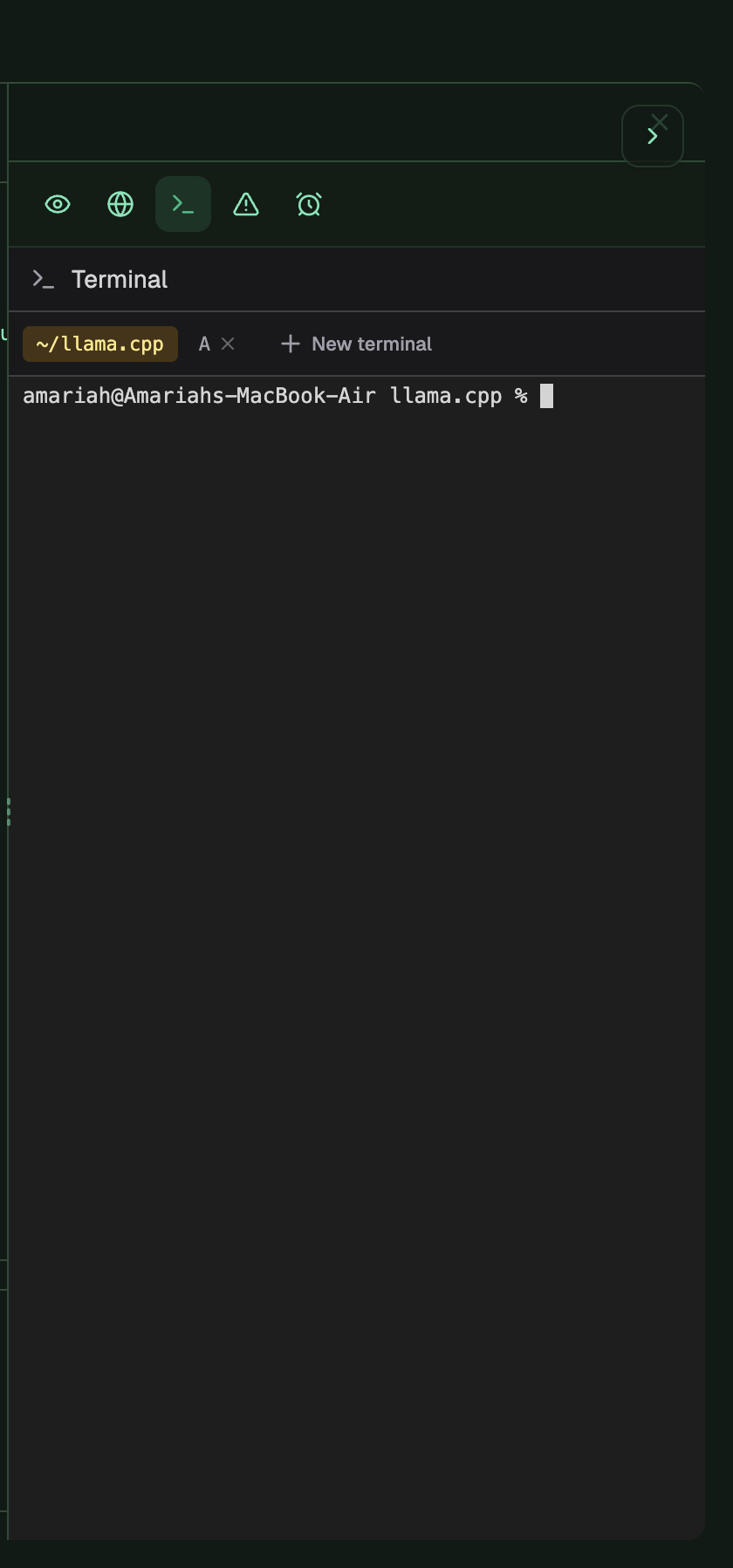
Right Panel -> Terminal Tab
-
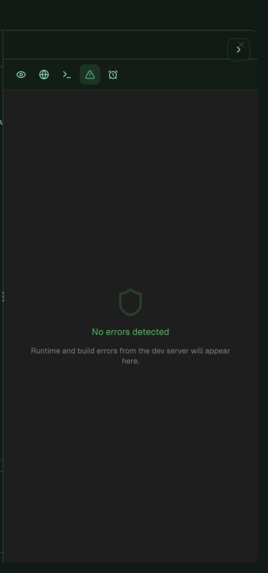
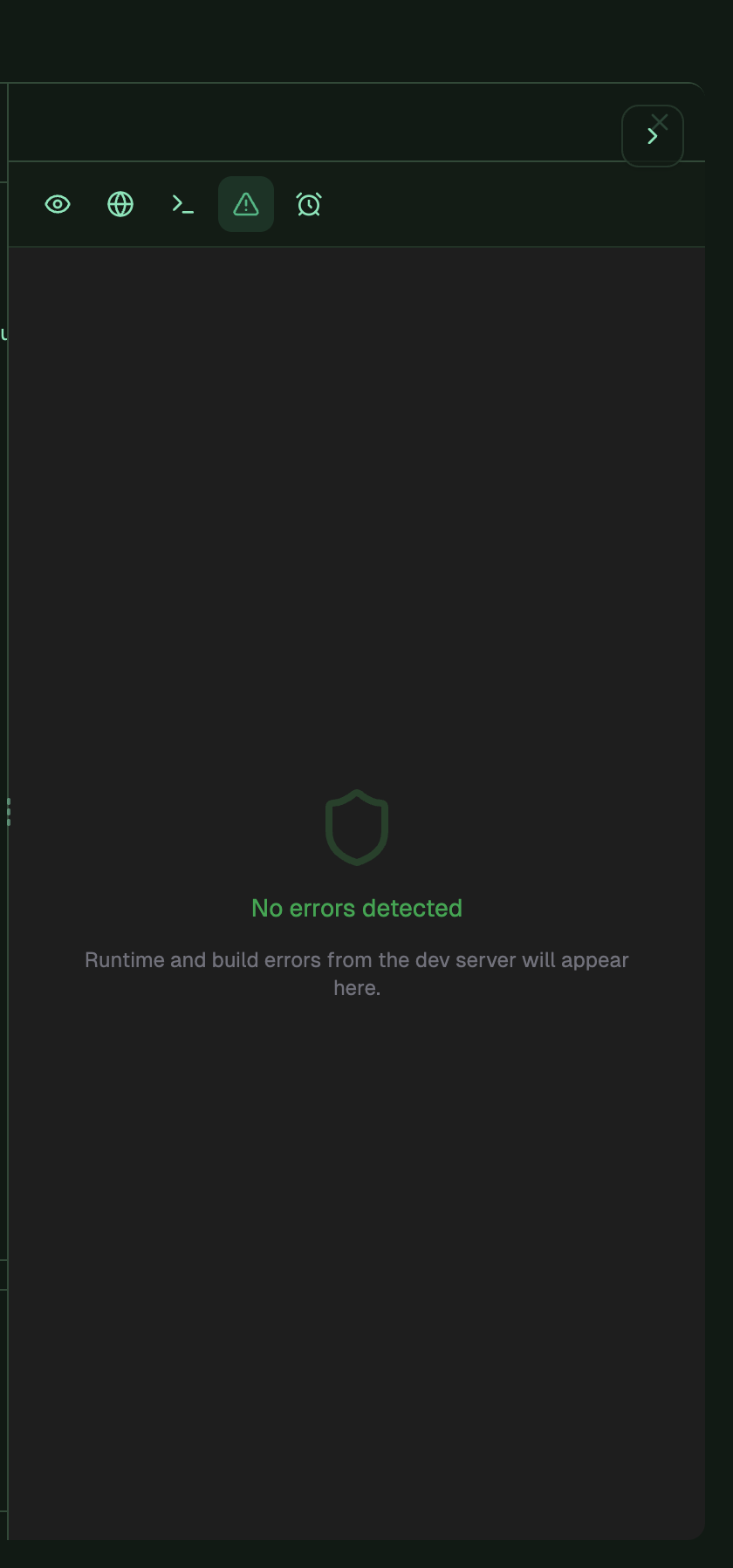
Right Panel -> Error Tab
-
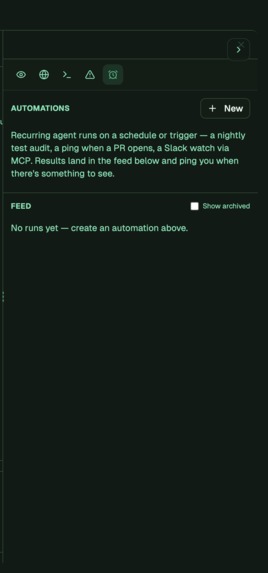
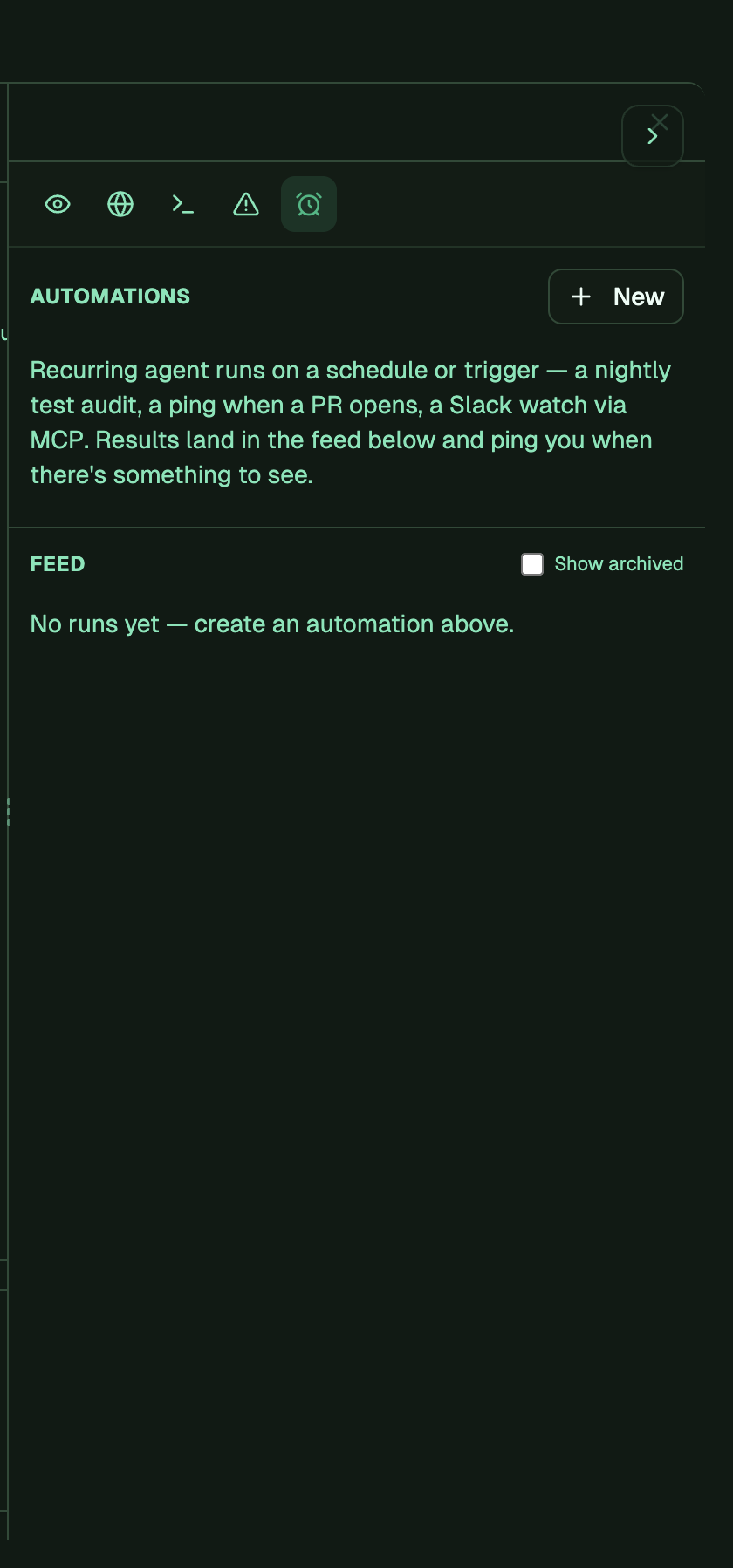
Right Panel -> Automations Tab
-
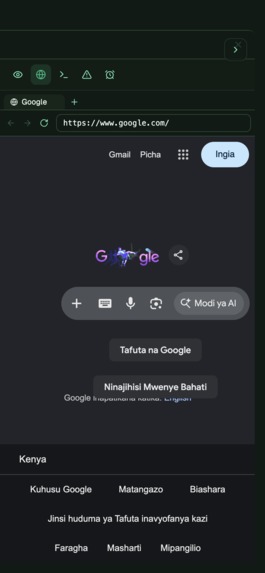
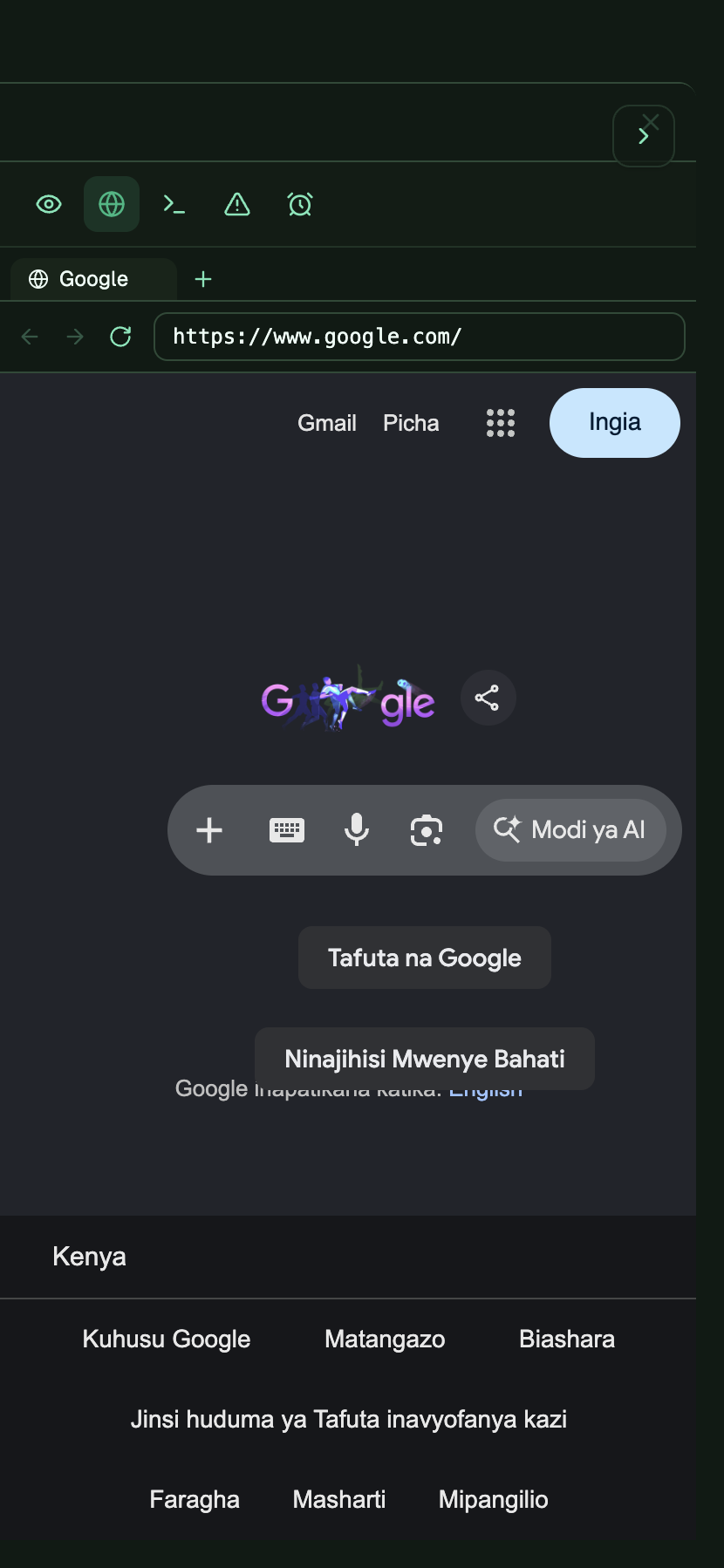
Right Panel -> Browser Tab
-
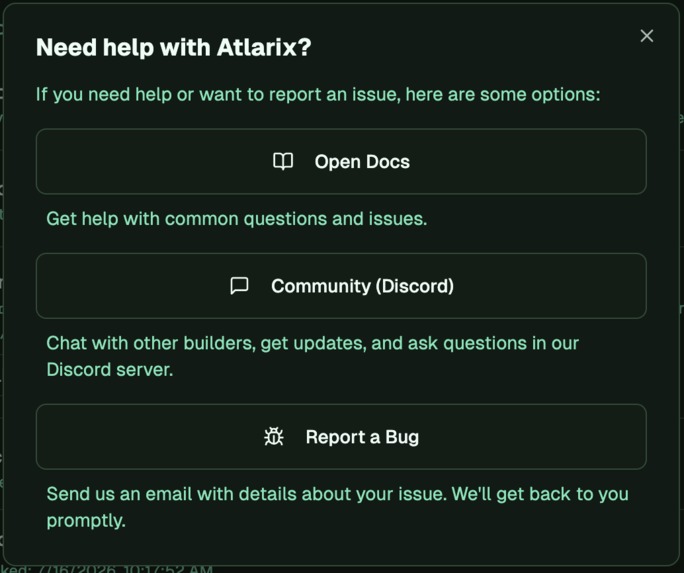
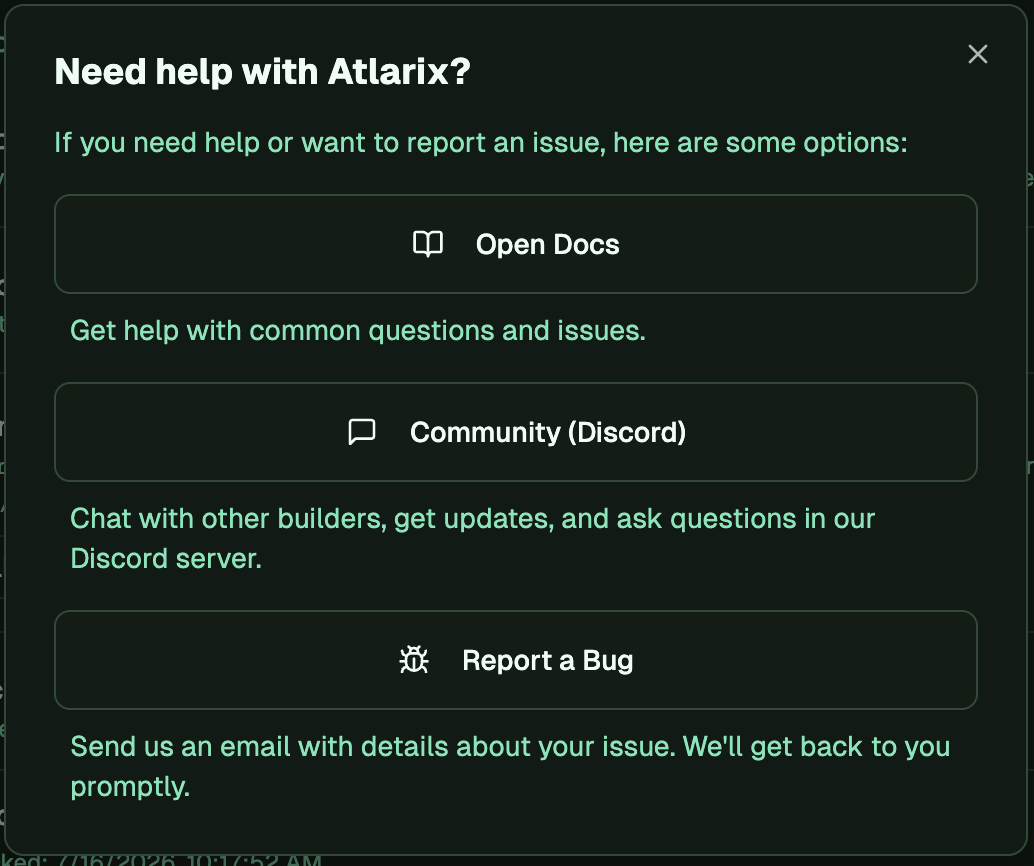
Help
-
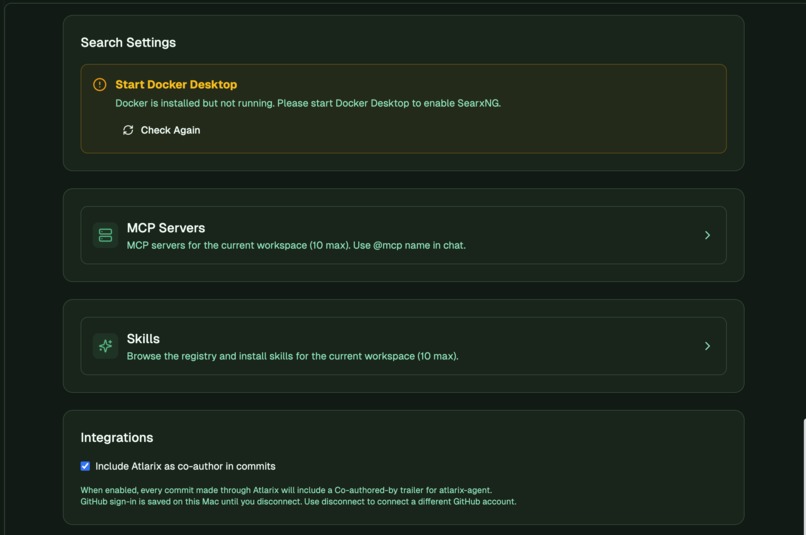
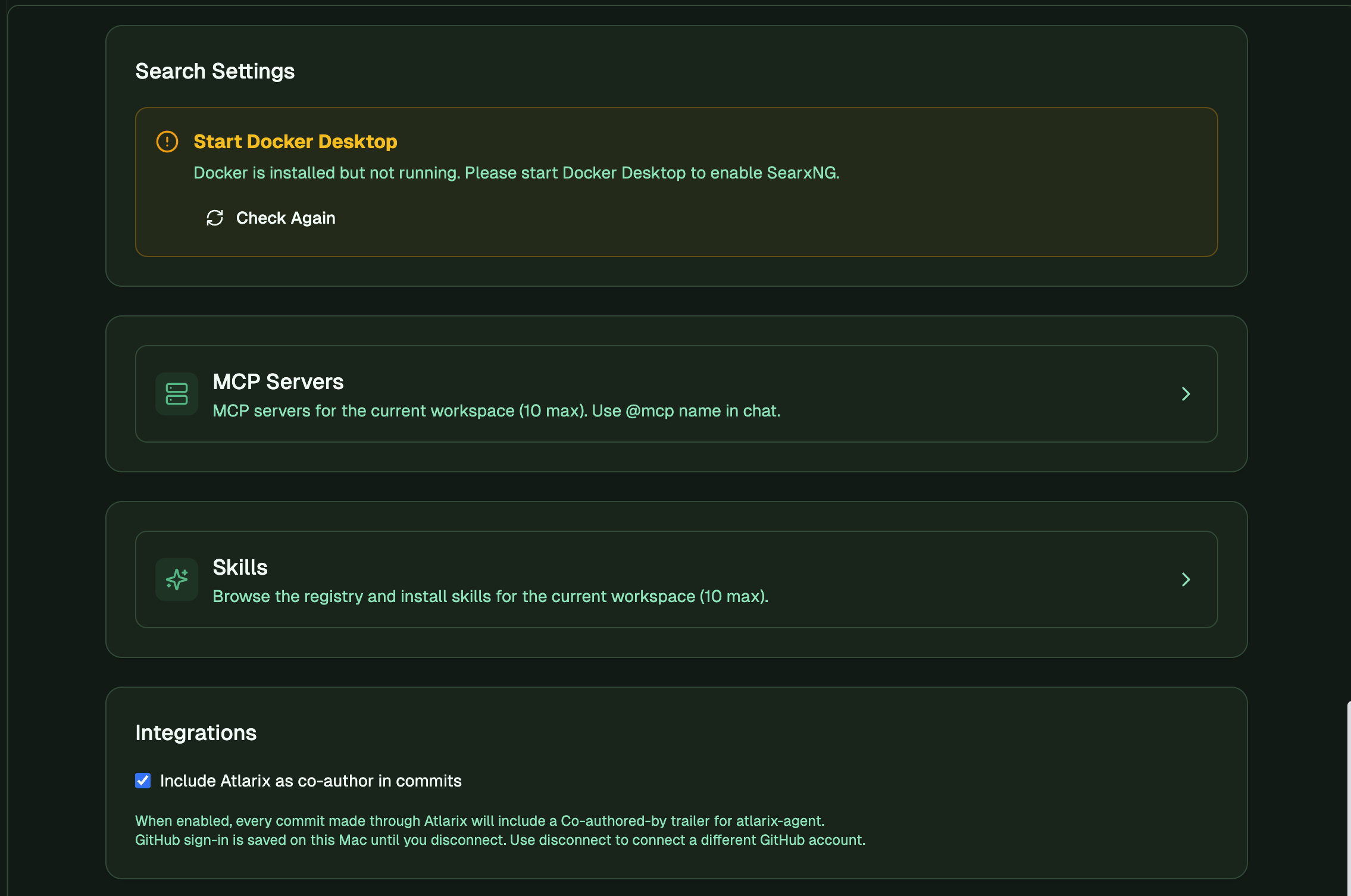
Settings for MCPs, Skills, Private Search & Atlarix Commits
-
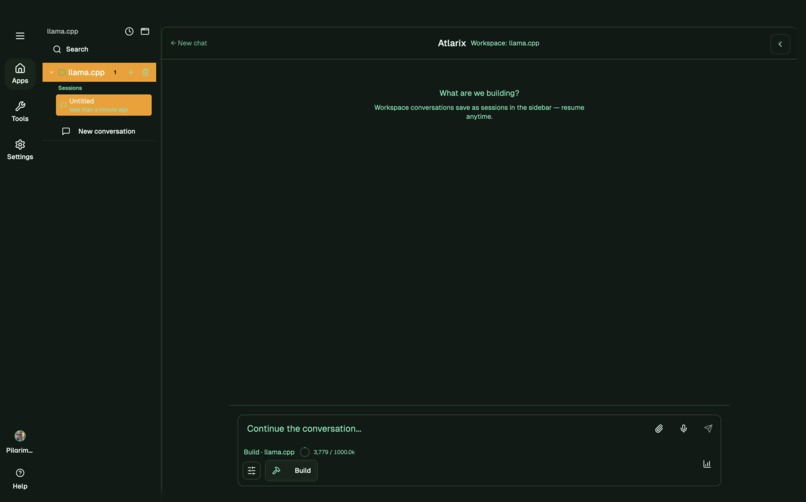
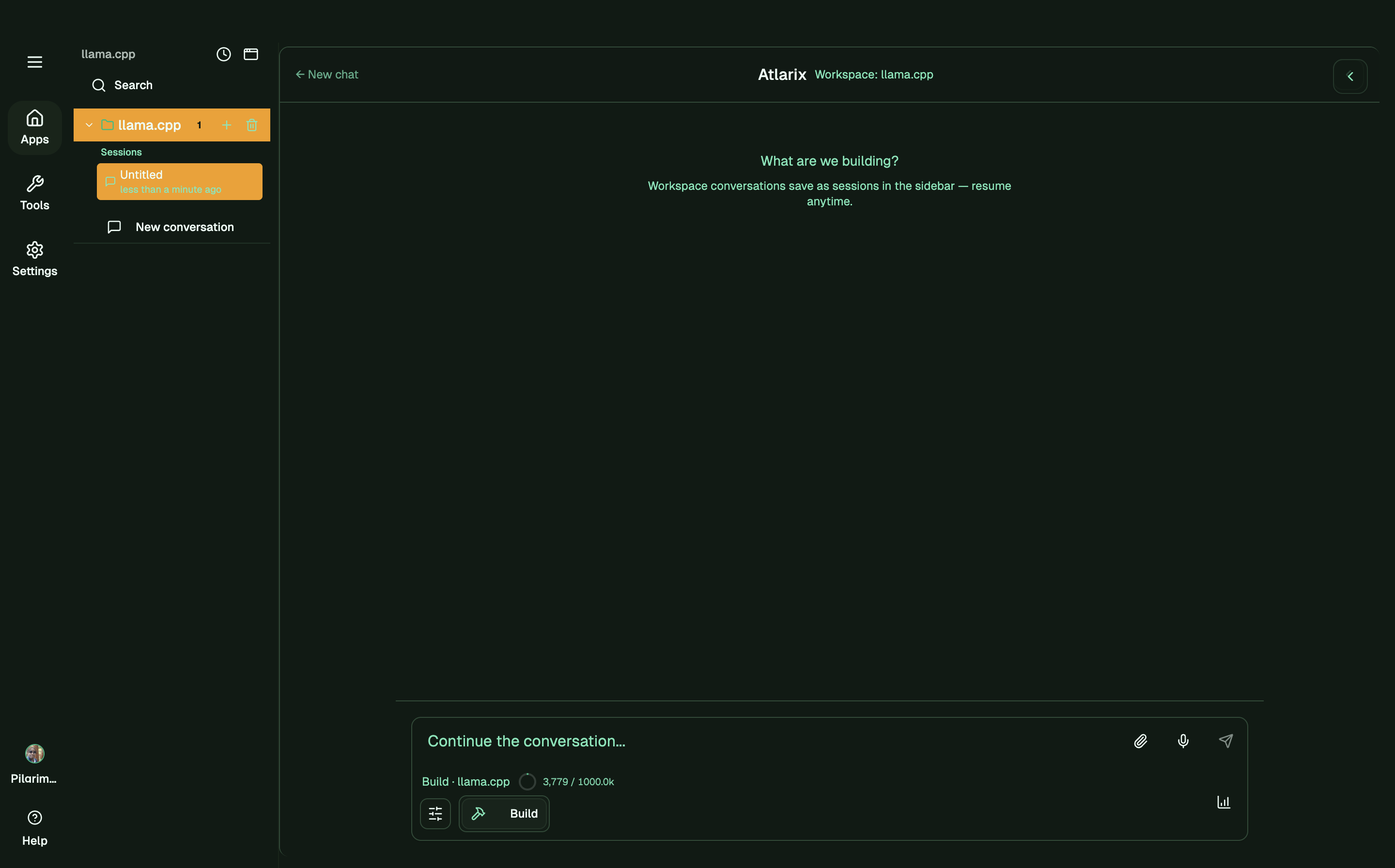
Workspace Chat
-
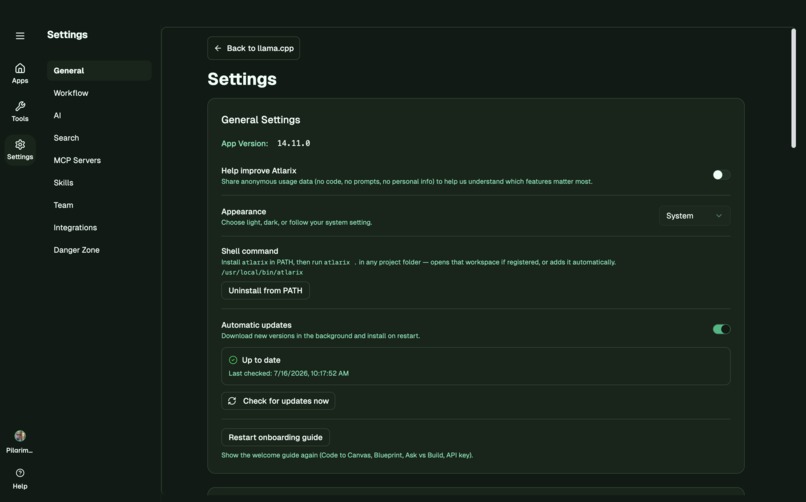
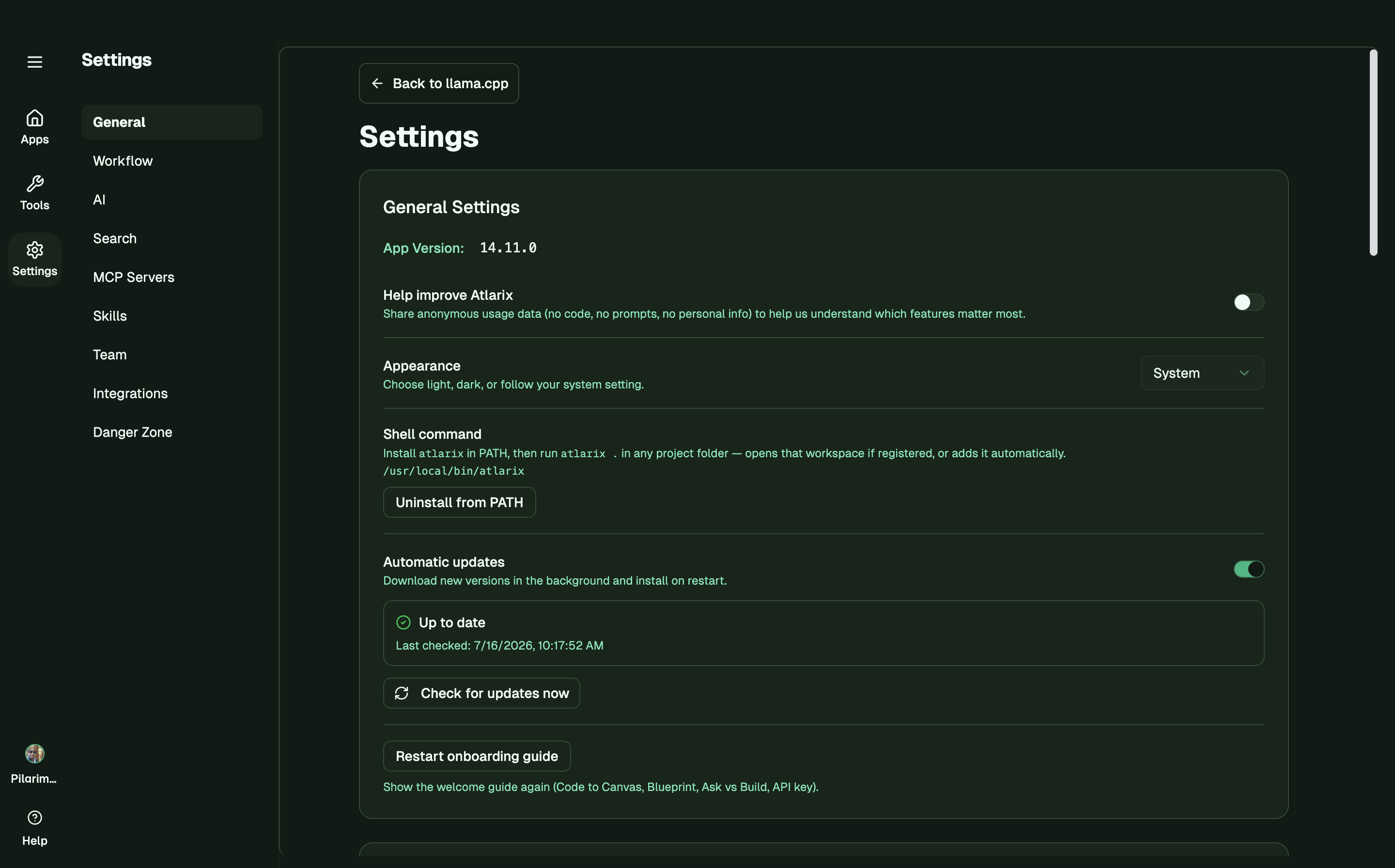
Settings
-
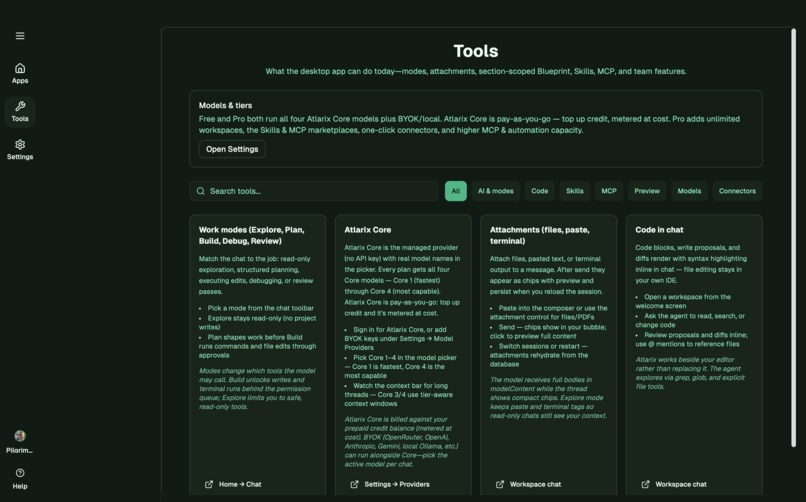
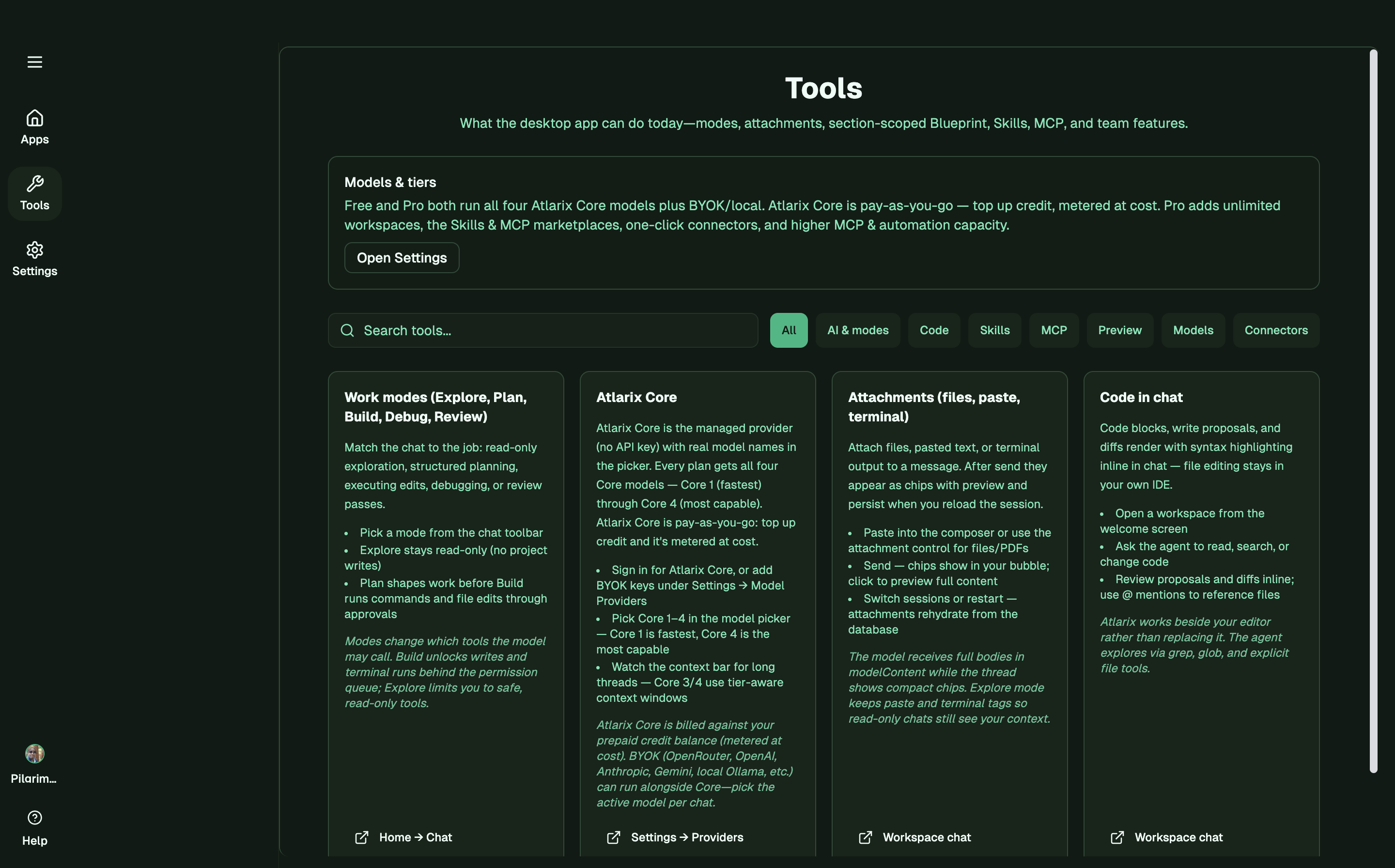
Tools Page
-
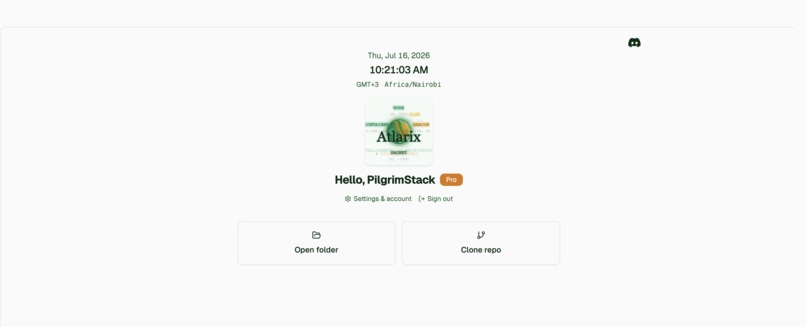
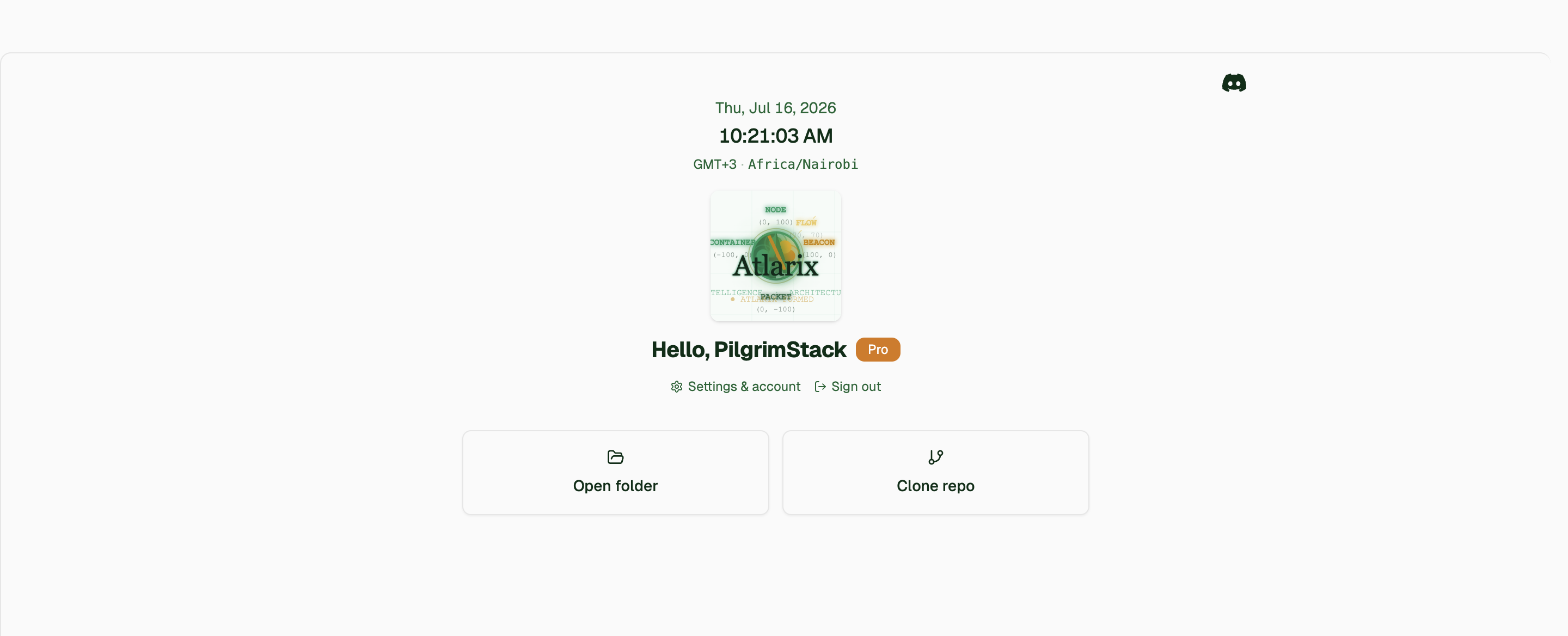
Light Mode
-
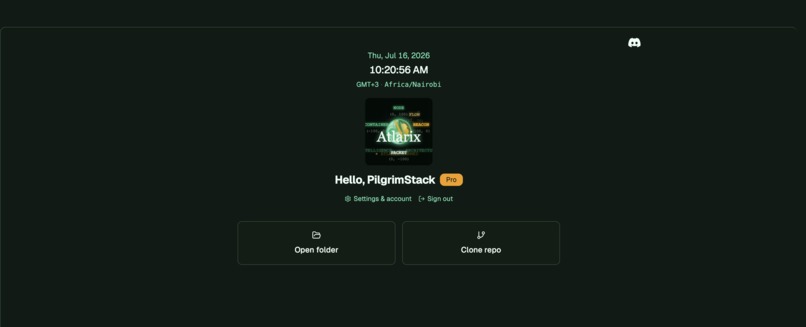
Dark Mode


Inspiration
The bet behind Atlarix is simple: a good harness lets an open-weight model do production-grade work. DataHub's Agent Hackathon is a sharp test of that — metadata-aware code generation is exactly where an ungrounded model hallucinates and a grounded one ships. If an agent can read real schemas, lineage, and ownership before it writes a transformation or migration, a cheaper open-weight model can produce code a data team would actually merge. That's the thesis I wanted to put against DataHub's context platform.
What it does
Atlarix is a desktop coding harness built for open-weight frontier models — DeepSeek, Qwen, Kimi, MiniMax — plus any BYOK or local model via Ollama / LM Studio. You open a repo, describe a task in plain language, and the agent plans, writes, and verifies — but every file edit waits for your approval, and every command runs inside a per-OS write-confining sandbox (macOS Seatbelt, Linux Landlock, Windows AppContainer).
It supports the Model Context Protocol natively, so DataHub's MCP Server plugs straight in. The agent queries DataHub for real schemas, lineage, and ownership before generating a transformation model, a pipeline DAG, or a migration — grounding the output in the actual data stack instead of guessing. A data engineer then reviews each hunk before anything touches the repo.
How we built it
Atlarix is a native Electron + TypeScript app, shipped on a weekly release cadence (currently v14.x). Retrieval is purely lexical — bundled ripgrep, no index, no embeddings — so it scales to any repo at flat memory. Tool results ride as provider-native blocks, which is what makes even weaker open-weight models call tools reliably. DataHub integration uses DataHub's own open-source MCP Server over Atlarix's standard MCP support (manual, OAuth, and key-based servers all work) — I'm showing DataHub working inside a harness, not rebuilding anything DataHub ships.
Challenges we ran into
The hard part of open-weight harnessing is tool-calling reliability — a cheaper model will happily hallucinate a tool call or a schema. Provider-native tool blocks, tight lexical grounding, and the approval gate are how Atlarix keeps a weaker model honest enough for real code. Grounding generation in DataHub's metadata is the same problem from the other side: the value only lands if the agent reads the real graph before writing, not after.
Accomplishments that we're proud of
Atlarix is solo-built and bootstrapped, in Nairobi, Kenya. The harness has passed real production review: merged pull requests into Qwen Code (Alibaba's coding agent) and Kilo Code — open-weight models, driven through Atlarix, clearing real maintainer scrutiny. A published research paper documents the earlier retrieval architecture (Zenodo, May 2026).
What we learned
The model matters less than what you wrap around it. The same open-weight model swings from unreliable to production-capable depending on grounding, tool-call fidelity, and whether a human gates the output. DataHub sharpens that lesson — good metadata context is a bigger accuracy lever than a bigger model.
What's next for Atlarix — The Open-Weight Frontier Harness
A dedicated DataHub skill so the metadata-read step is one-click rather than manual MCP setup, and — separate from this submission — a direct open-source contribution into datahub-project/datahub itself.
Honesty note
Atlarix's application source is closed; it's distributed as signed, downloadable builds. The DataHub integration uses DataHub's open-source MCP Server. This submission demonstrates DataHub running inside a harness, not a rebuild of DataHub's shipped features.
Built With
- appcontainer
- datahub
- deepseek
- electron
- kimi
- landlock
- lm-studio
- mcp
- minimax
- model-context-protocol
- node.js
- ollama
- openrouter
- qwen
- react
- ripgrep
- seatbelt
- sqlite
- supabase
- typescript
- whisper

Log in or sign up for Devpost to join the conversation.