-
-
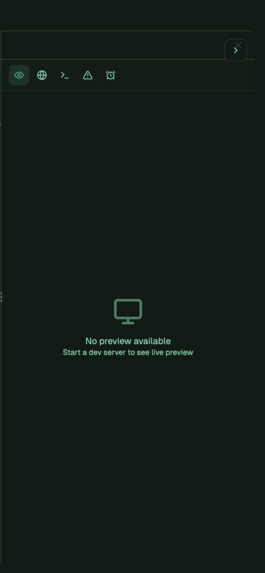
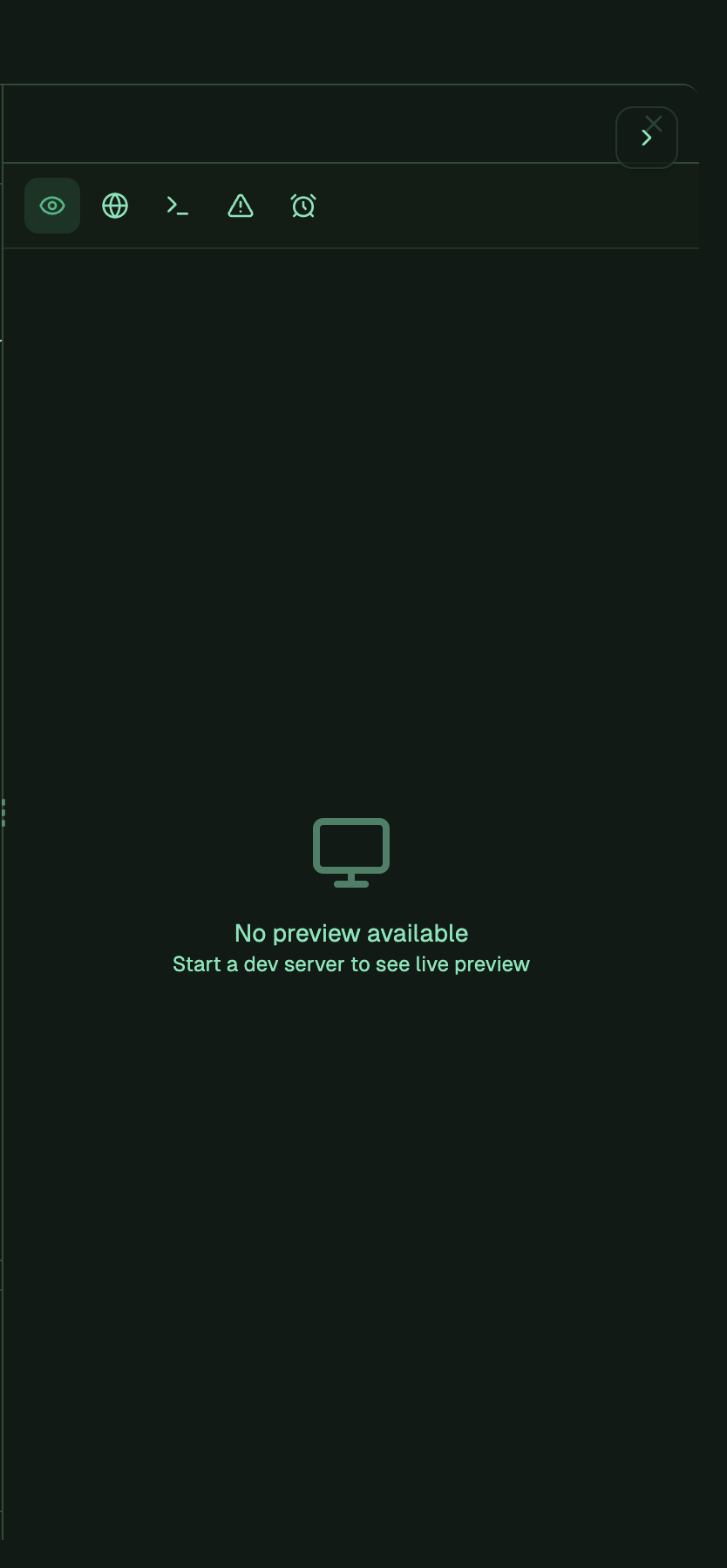
Right Panel -> Preview Tab
-
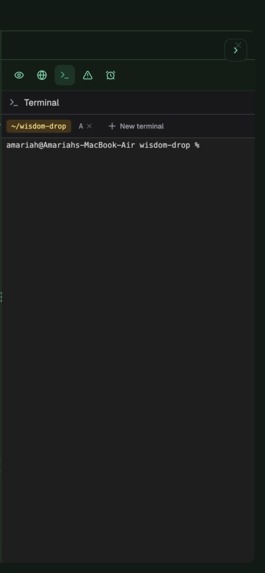
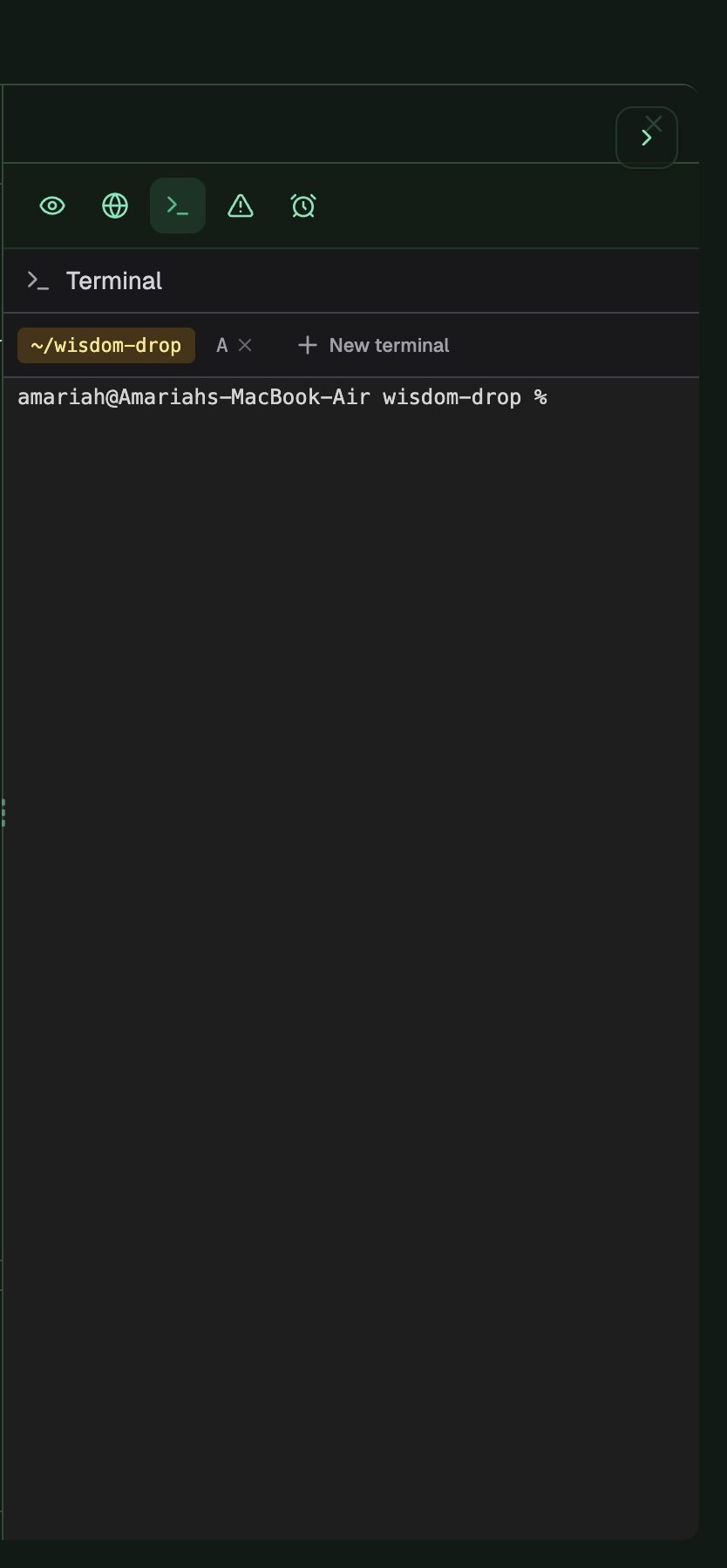
Right Panel -> Terminal Tab
-
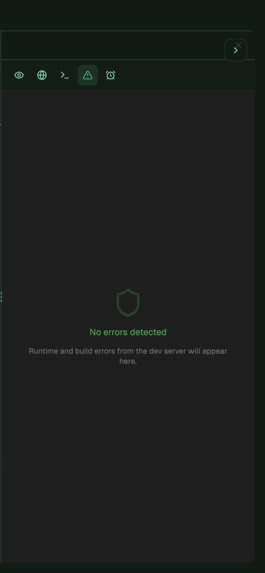
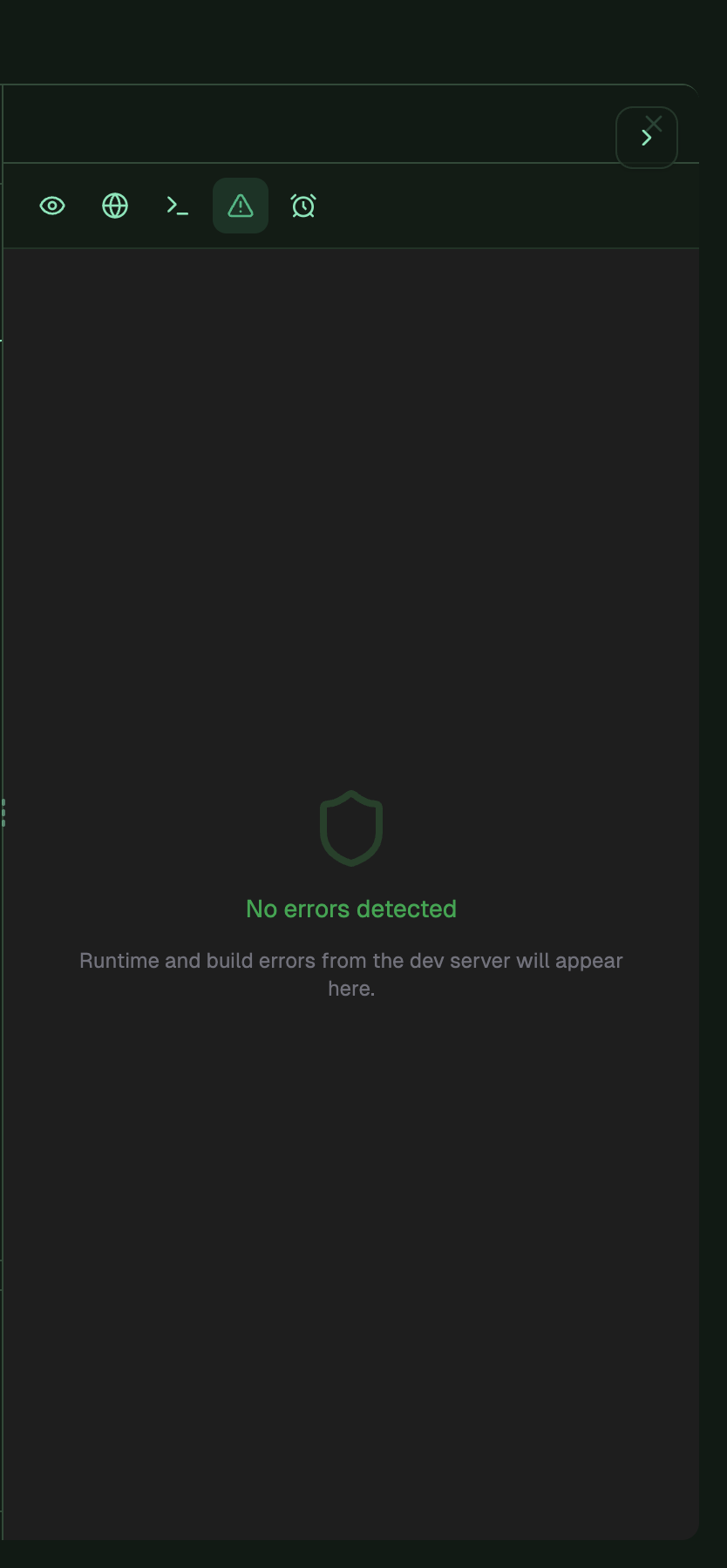
Right Panel -> Error Tab
-
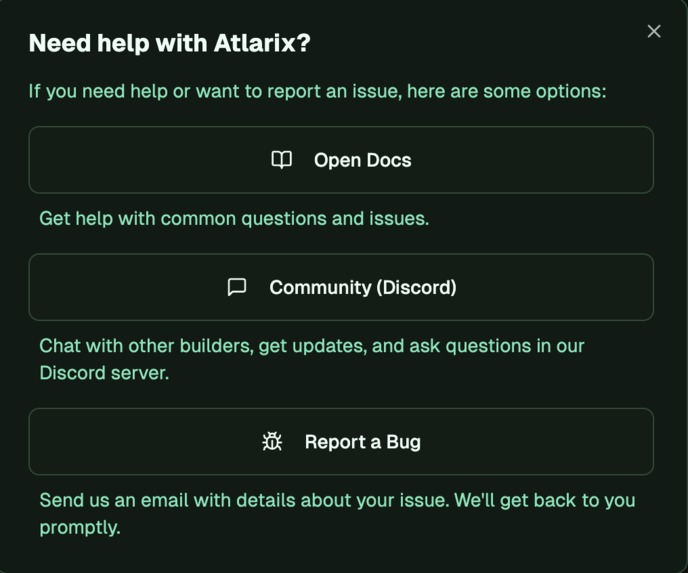
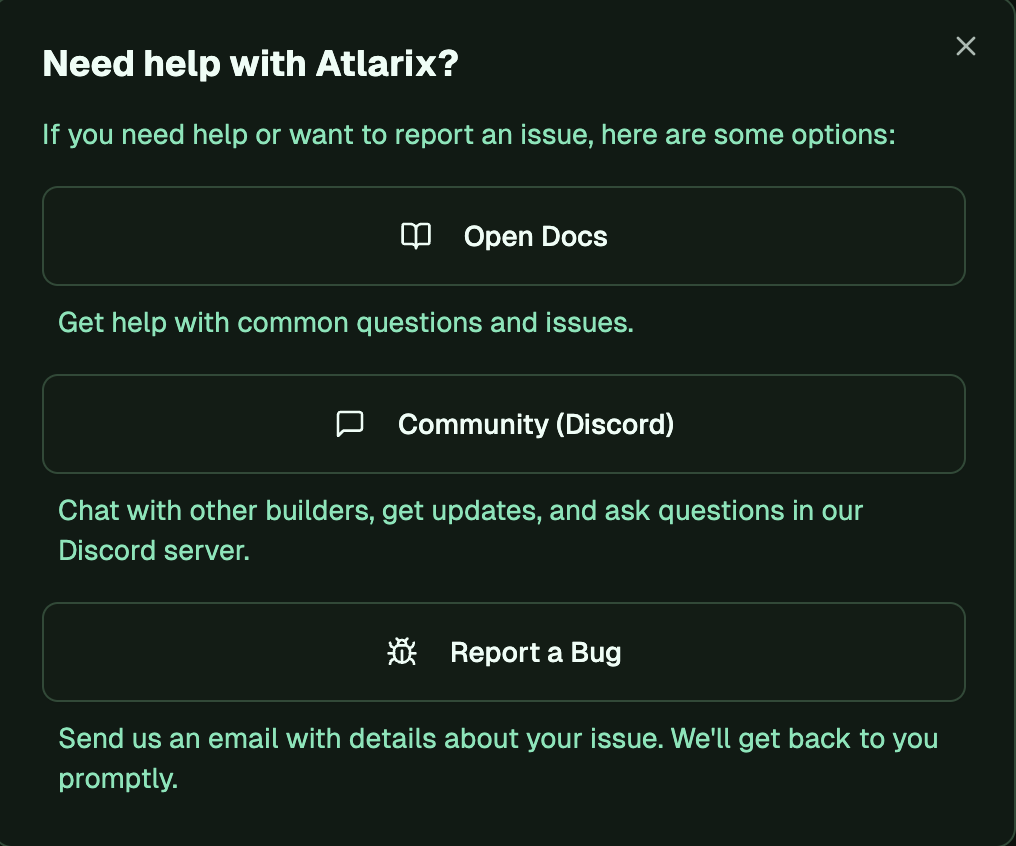
Help
-
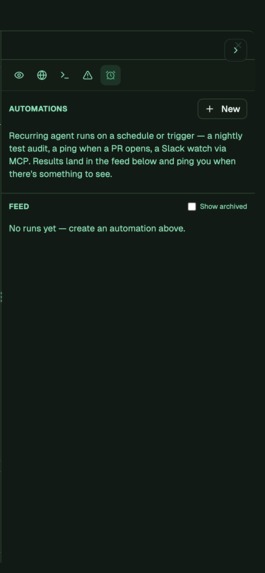
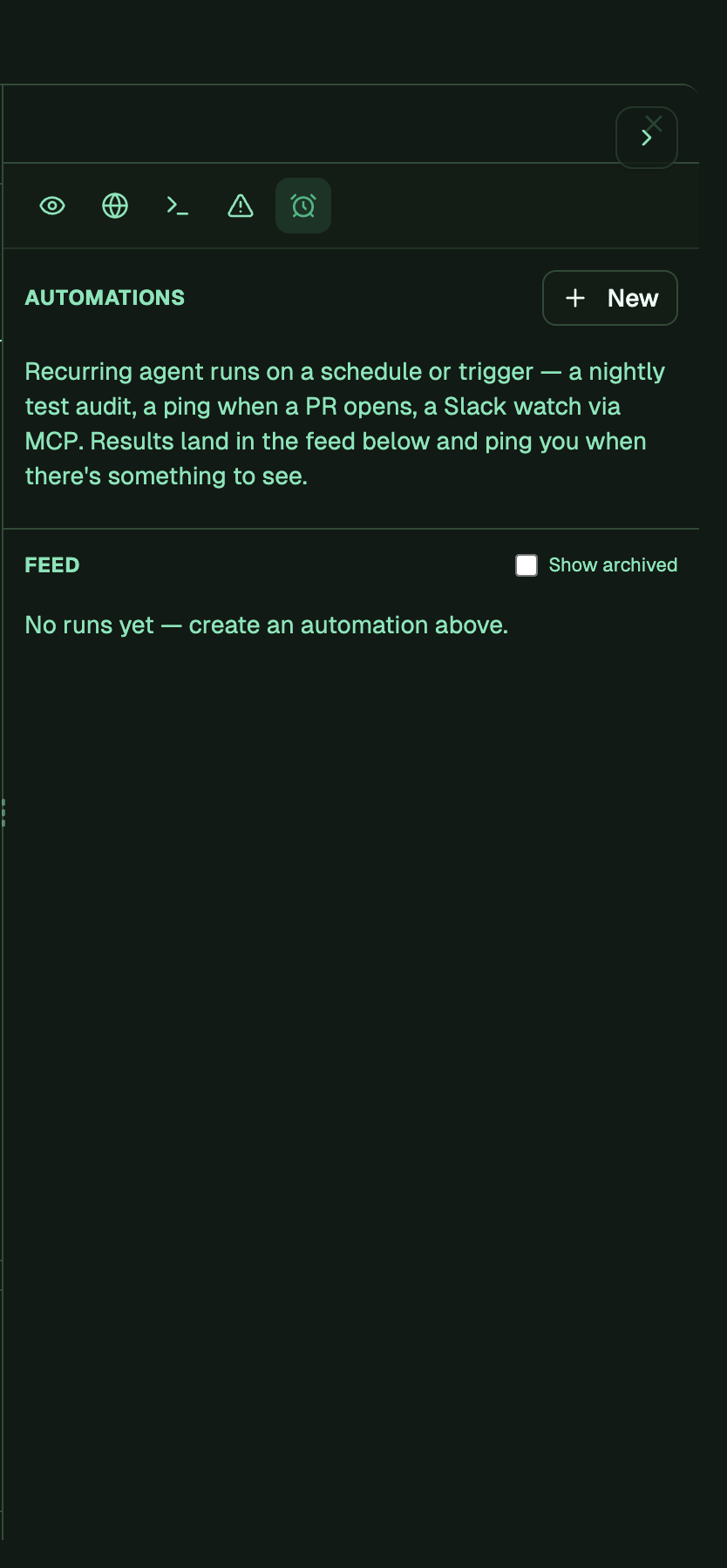
Right Panel -> Automations Tab
-
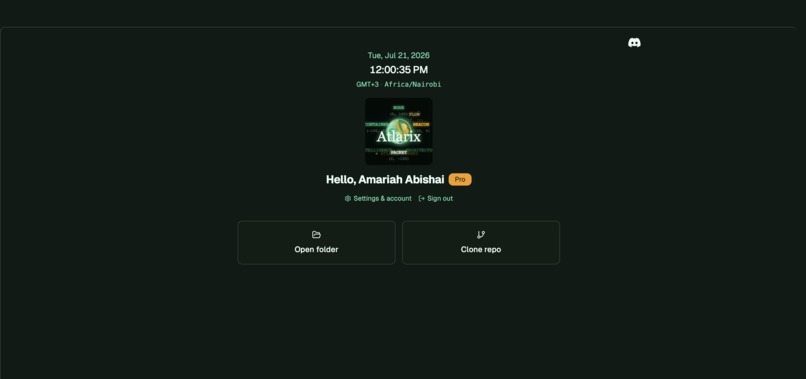
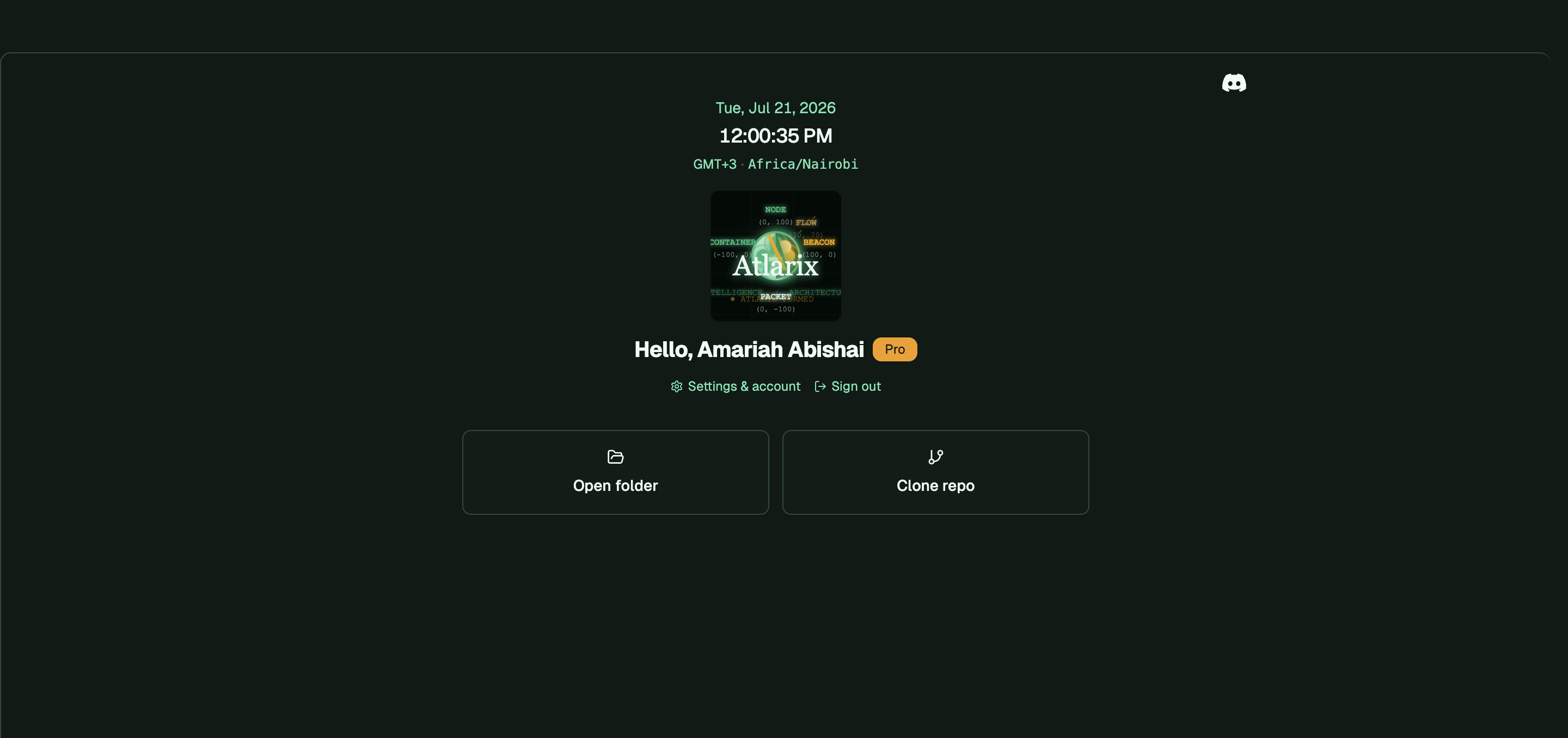
Dark Theme Workspace Selector
-
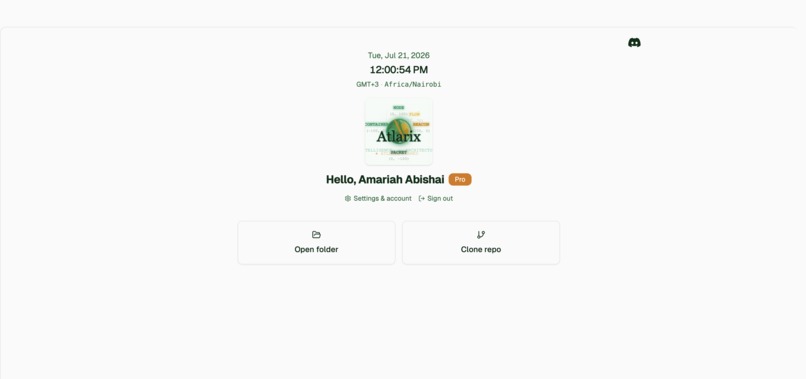
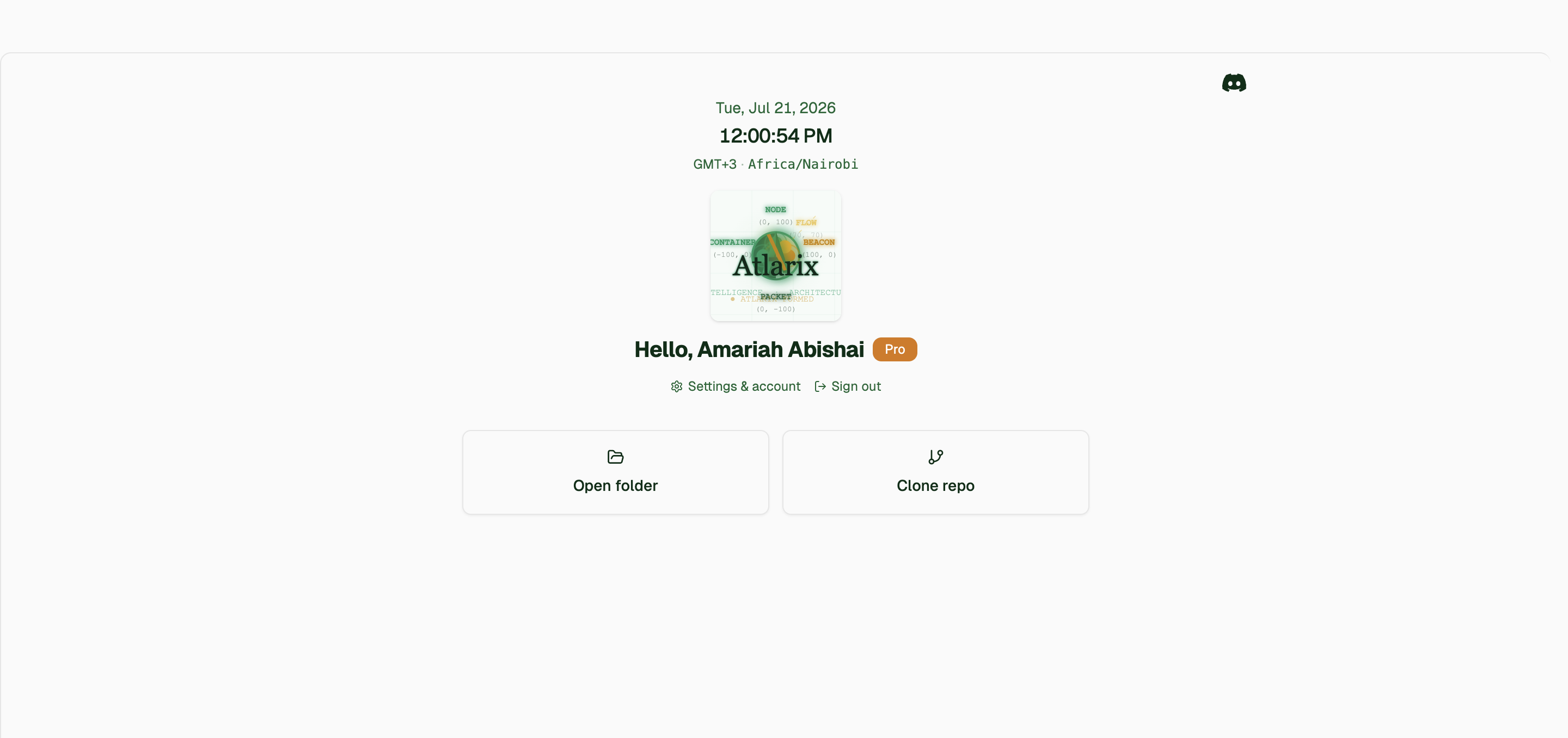
Light Theme Workspace Selector
-
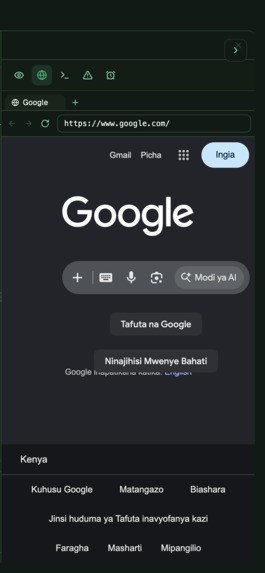
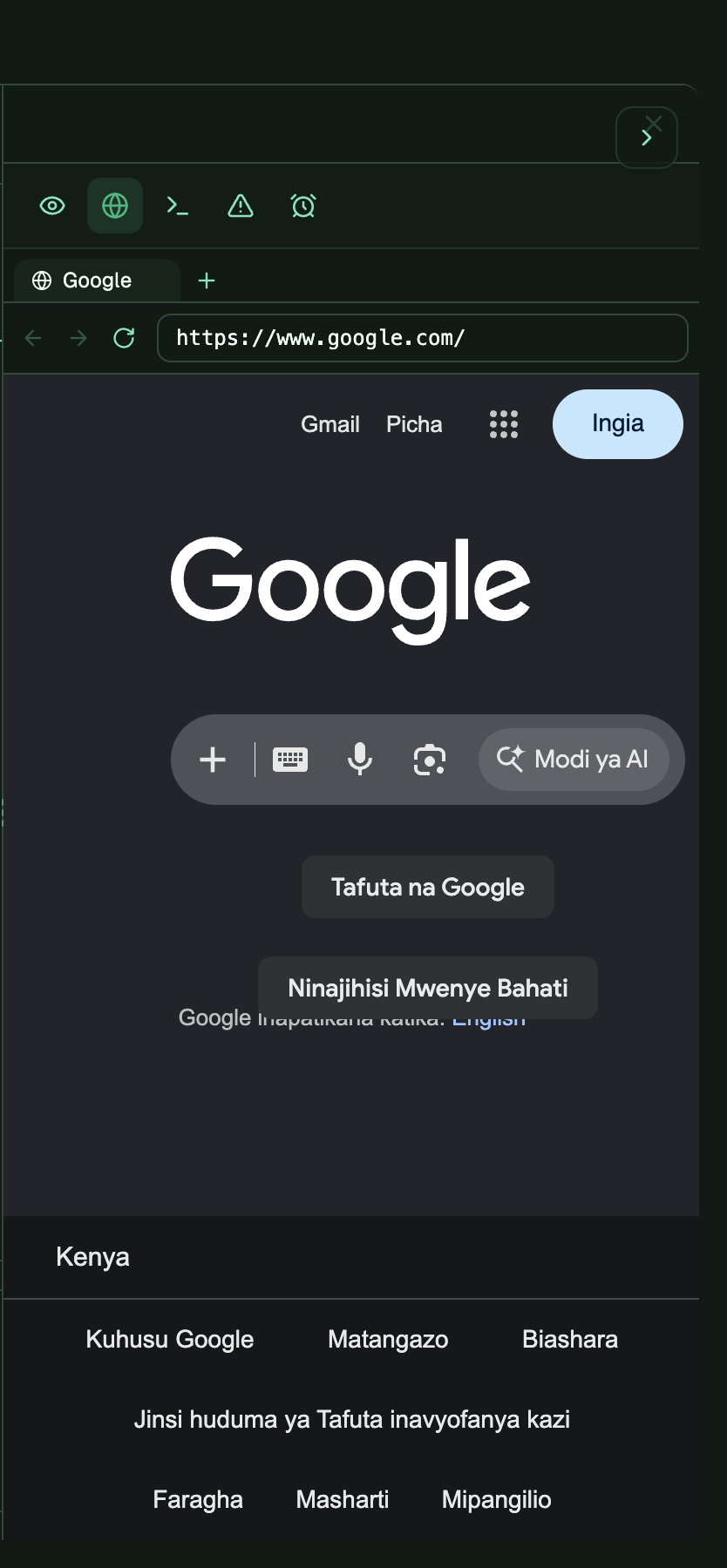
Right Panel -> Browser Tab
-
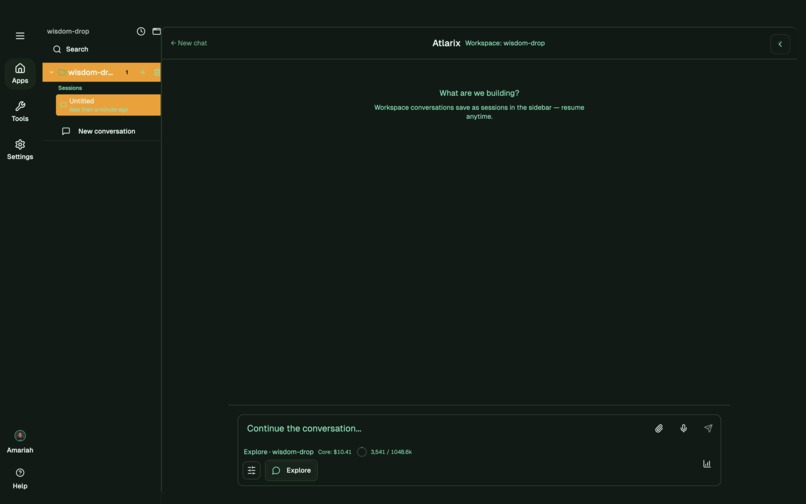
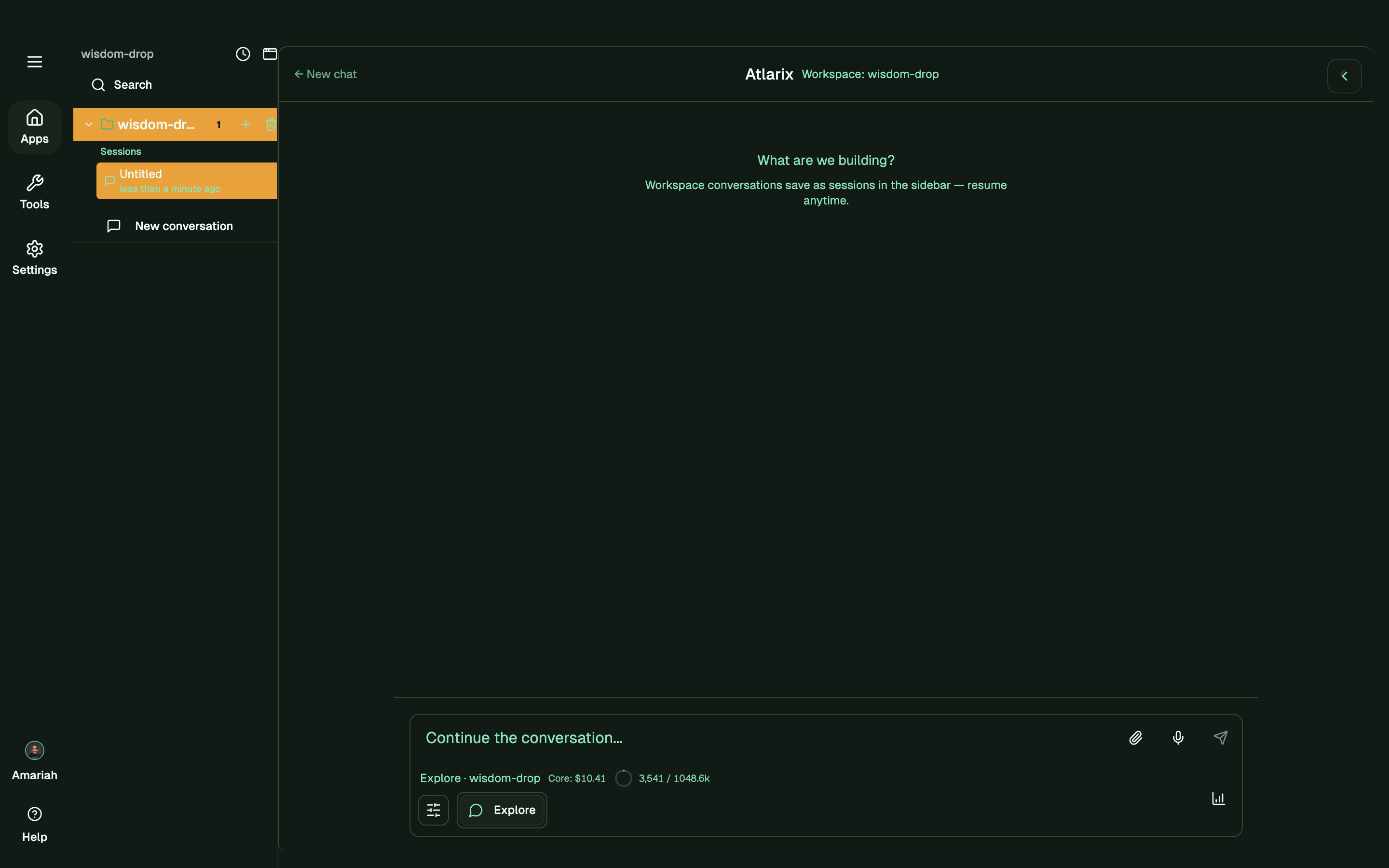
Workspace Chat
-
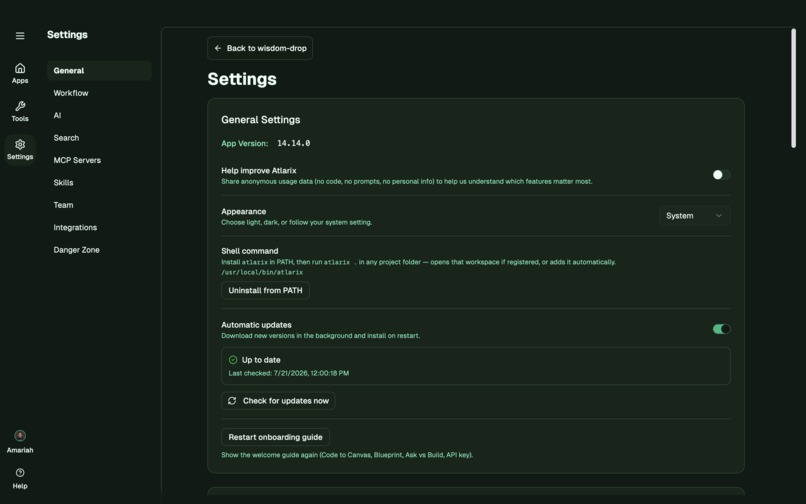
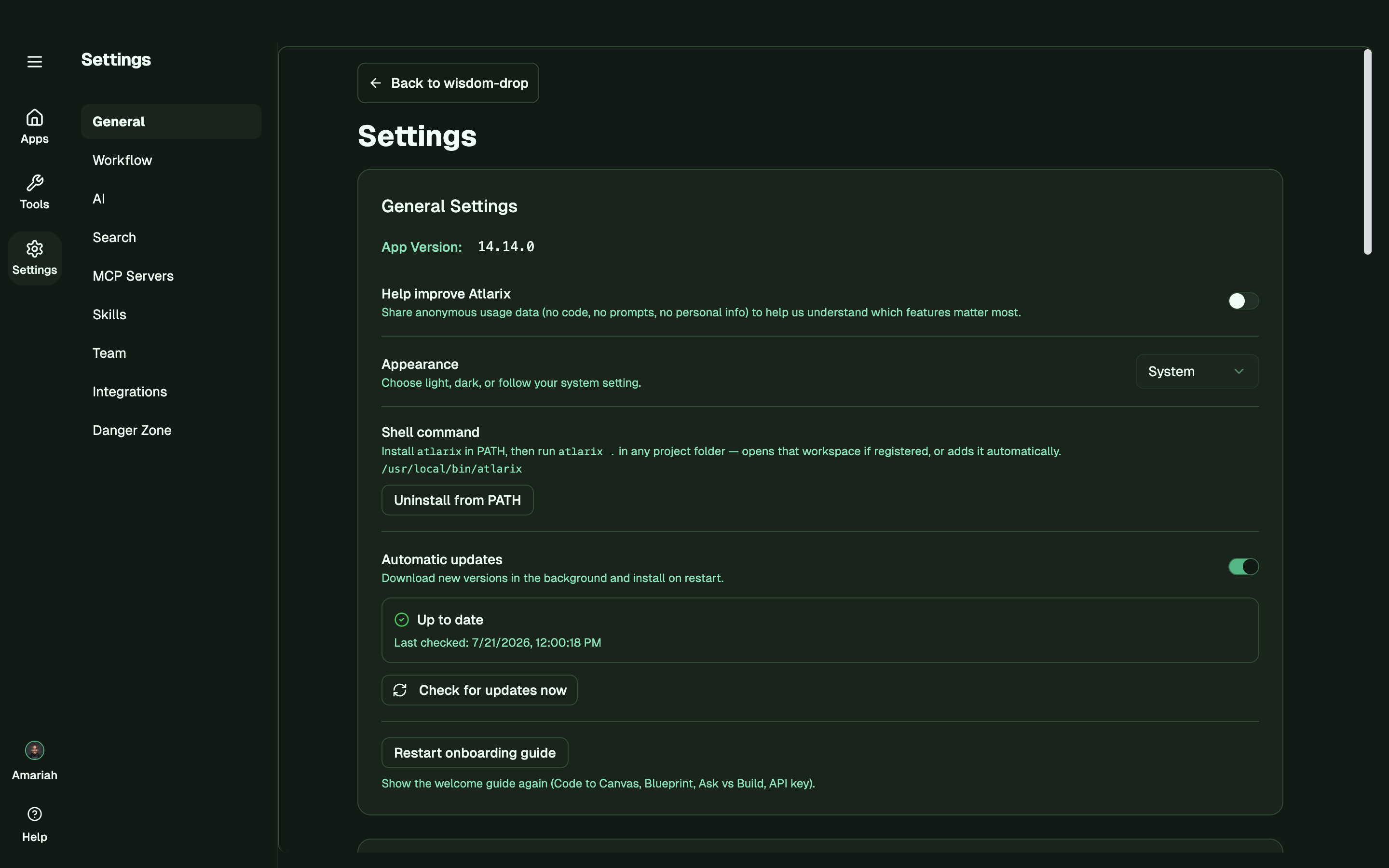
Settings
-
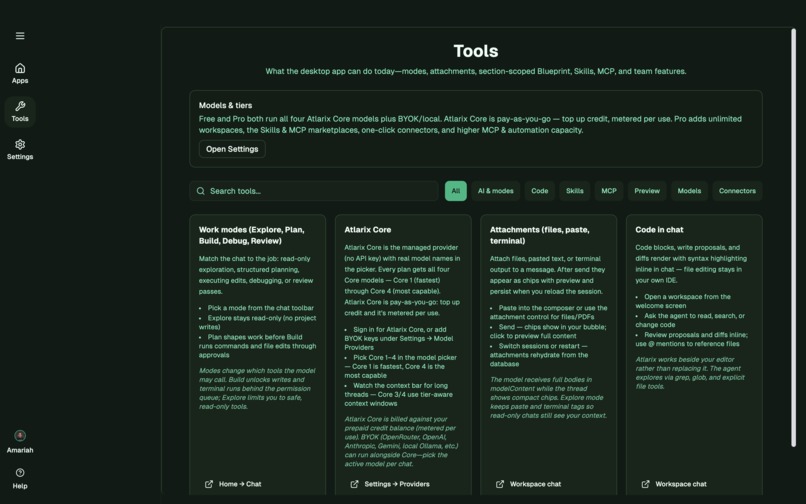
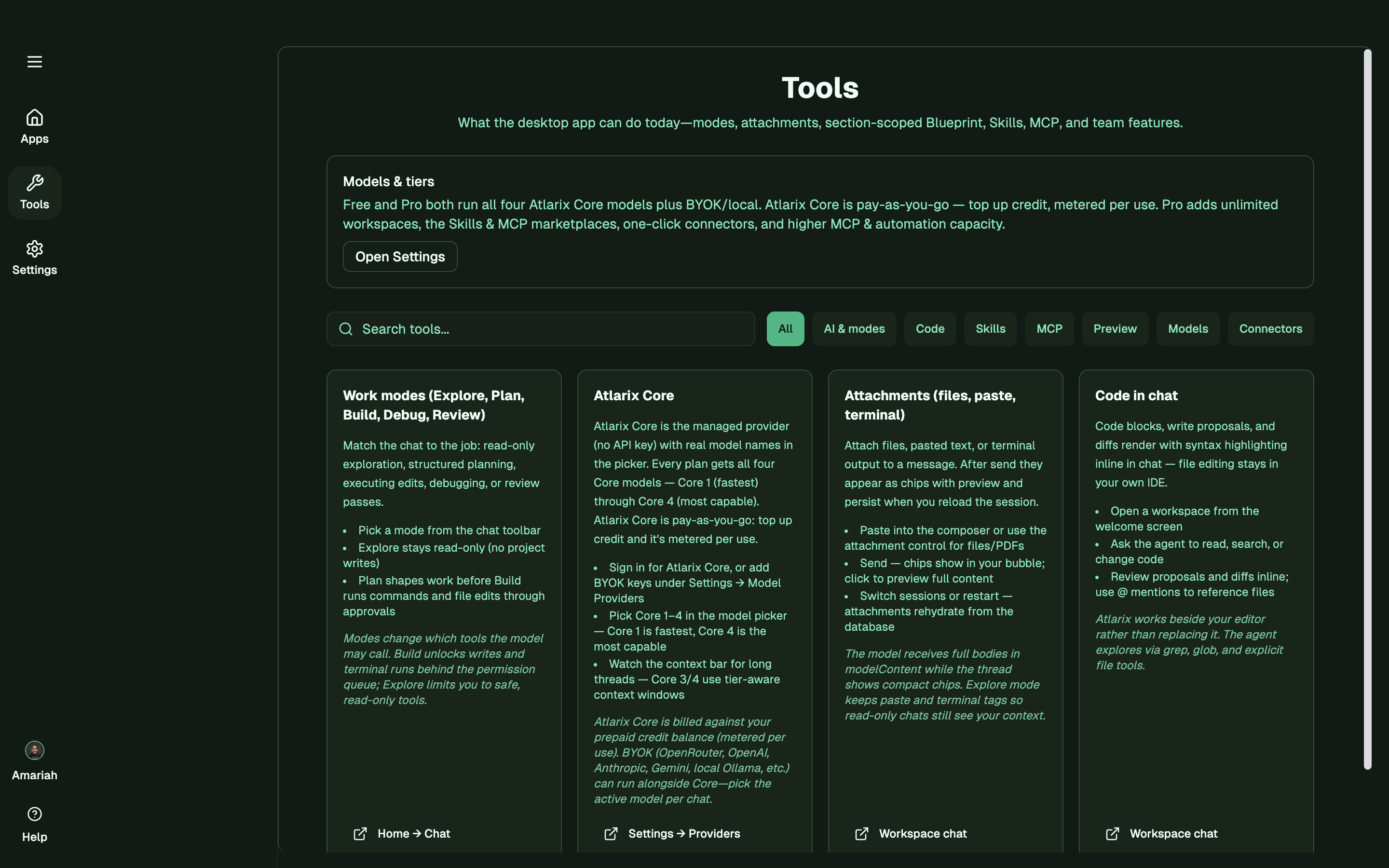
Tools
Atlarix — The Frontier Harness for Open-Weight Models
Atlarix is an agentic coding harness built for people who want to run open-weight and local models on their own hardware — privately, at their own cost. No forced cloud, no vendor lock, no per-seat AI tax. Bring your own model (Ollama, LM Studio, or any of ~160 providers), or run fully local. It runs natively on Arm64 via Apple Silicon — clone it and run it on any M-series Mac.
Inspiration
Most AI dev tools assume you'll rent someone else's model over someone else's cloud. That's fine until you care about privacy, cost, or control — and increasingly, developers do. Open-weight models got good enough to run real agentic coding workflows locally. What was missing was a harness lean enough to sit on top of them without dragging in a heavy indexing and telemetry stack.
That's Atlarix. And since the machines developers actually run local models on are increasingly Arm64 — Apple Silicon today, Arm64 laptops and servers tomorrow — building a harness that stays light and cool on Arm hardware isn't a nice-to-have. It's the point.
What it does
Atlarix is a desktop agent that drives a full coding loop — read, edit, run, test, review — against whatever model you point it at:
- Runs open-weight models locally through Ollama / LM Studio, or any OpenAI-compatible provider.
- Every commit is authored by you; Atlarix is credited only as
Co-authored-by:. - Sandboxes command execution and gates every edit behind an approval diff.
- Keeps the main process calm and cool on large repos.
How efficiency is the Arm story
Here's the honest engineering claim, and it's a real one: a harness that's lean is a harness that runs well on Arm. Over the last releases Atlarix got dramatically lighter — and these are measured, not hand-waved:
- Killed a file-descriptor leak that hit ~12,000+ open fds on large repos (one fd per watched file via kqueue). fd count now stays flat (~113) under real load, and the heat and CPU that came with it are gone.
- Collapsed retrieval to pure ripgrep — deleted the entire FTS5 / SQLite / BM25 indexing apparatus. Net −5,246 lines. Same search behavior as Claude Code / opencode, a fraction of the resident weight.
- Trimmed the dependency tree and the agent prompt surface — fewer moving parts, less memory, faster cold start.
On a thermally constrained Arm laptop, "doesn't spin up a background indexer that reads every file in your repo" is the difference between a tool you can run all day on battery and one you can't. That's the efficiency-minded design this challenge asks for — earned by subtraction, not by bolting on an Arm-specific hack.
How I built it
- Electron + TypeScript desktop app.
- Multi-provider model layer — provider-native
/modelsfirst, models.dev catalog fallback, hourly refresh, last-good cache. - Sandboxed execution via a native sandbox binary; edits routed through a diff + approval gate.
- Server-side proxy for the managed-credit path, so no secrets ship in the client bundle.
- Built and refined daily on Apple Silicon — so Arm64 isn't a port I bolted on for this challenge. It's the machine the whole thing was written on.
Challenges I faced
- Making local / weak open-weight models behave in an agentic loop. They stall, re-emit tool calls, and settle badly. Much of the work is harness-side: per-delta tool-call detection, stall auto-retry on fresh controllers, and idle budgets tuned for open-weight reasoning pauses.
- Staying light without losing capability. Deleting the index meant proving ripgrep-only retrieval held up under real use. It did.
- Cross-platform auto-update across macOS, Linux, and Windows without three separate broken update paths.
What I learned
The fastest path to "runs well on Arm" wasn't a special-case optimization — it was ruthless subtraction. Every megabyte of resident memory and every background file-watcher you delete is one an Arm laptop doesn't have to spend on heat and battery. Efficiency and simplicity turned out to be the same lever.
What's next
- Publish reproducible Arm64 benchmarks — cold start, resident memory, and end-to-end agent-loop latency running a local open-weight model on Apple Silicon and on a Linux Arm64 server.
- A one-command local + Arm64 quickstart so any developer can run a fully private, on-device coding agent on their own hardware.
A note on source: Atlarix is a real product, not a throwaway hackathon build, and it is not open source. I'm submitting it honestly as what it is rather than reshaping it to fit. What I can show is the shipped software itself — releases, its MCP integrations, and its skills , running on Arm64.
Built With
- agentic-ai
- apple-silicon
- arm64
- electron
- hono
- lm-studio
- local-llm
- model-context-protocol
- node.js
- ollama
- open-weight-models
- openrouter
- railway
- react
- ripgrep
- sqlite
- supabase
- typescript
- vite

Log in or sign up for Devpost to join the conversation.