-
-
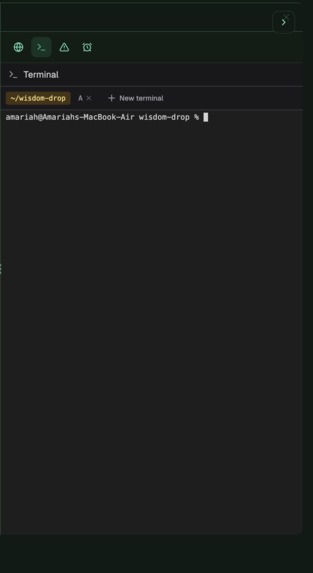
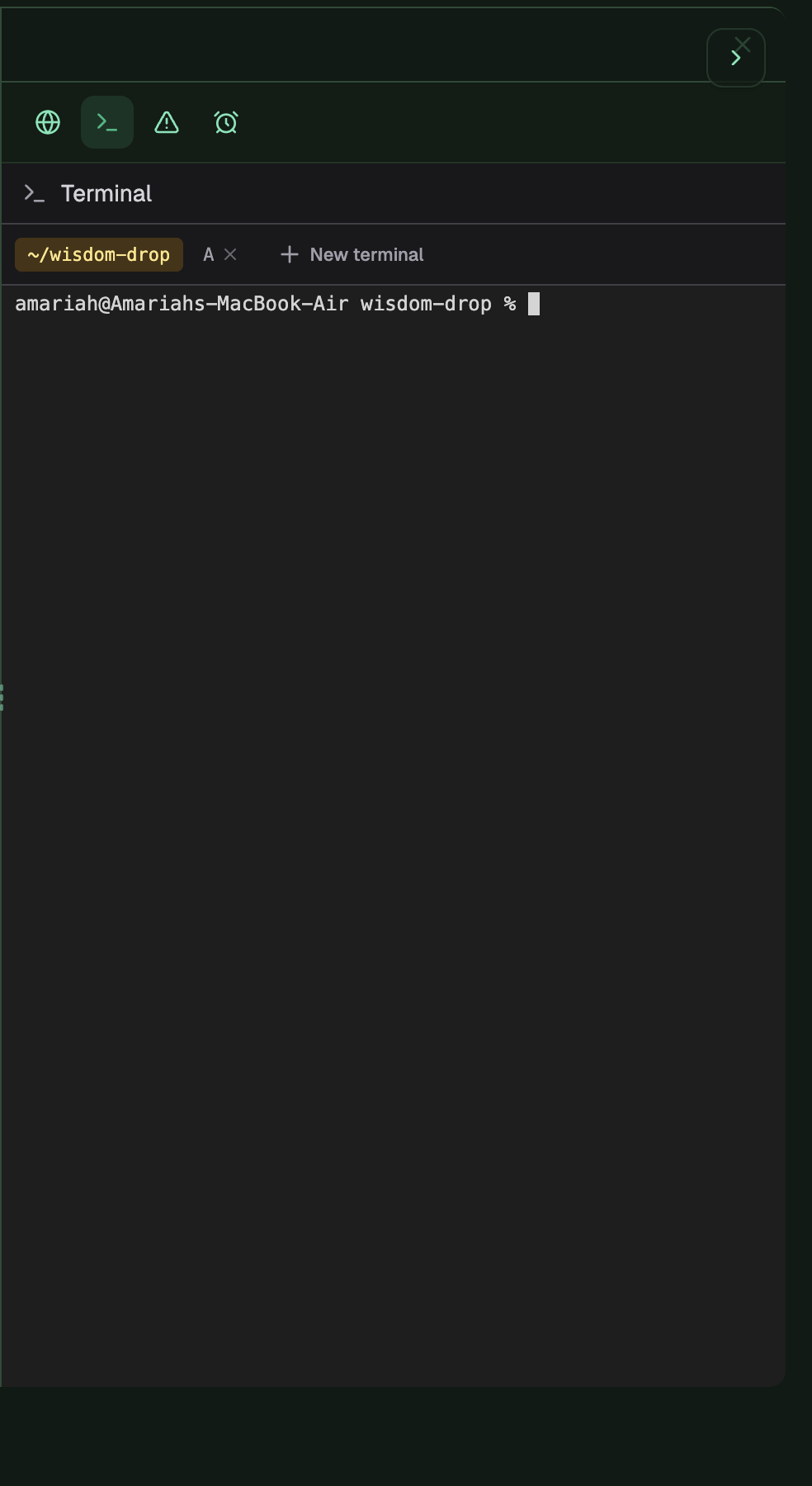
Right panel Terminal Tab
-
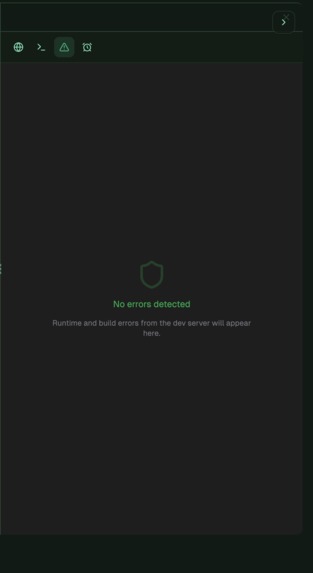
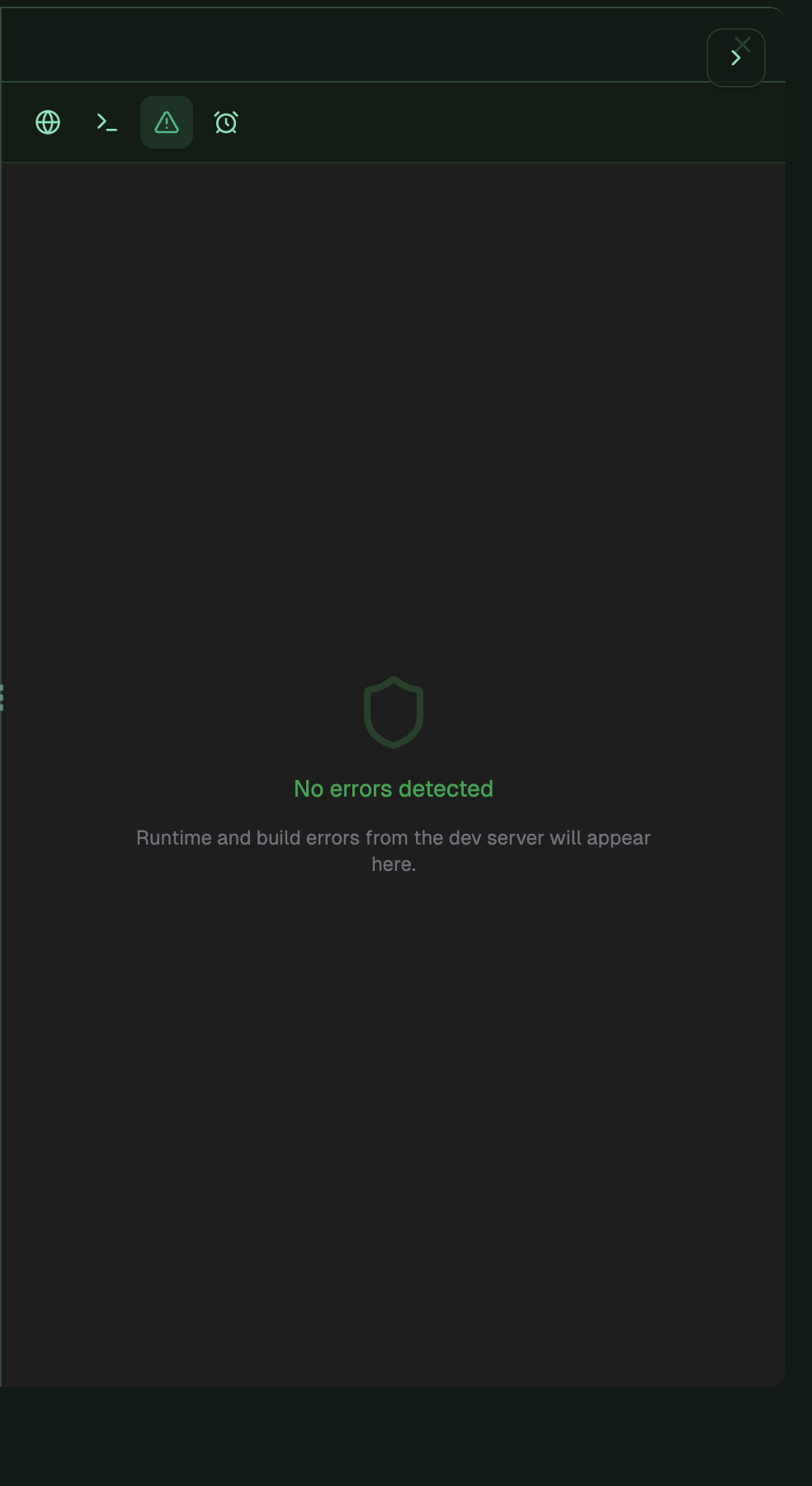
Right panel Error Tab
-
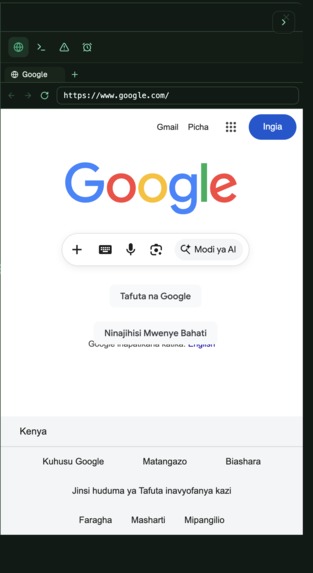
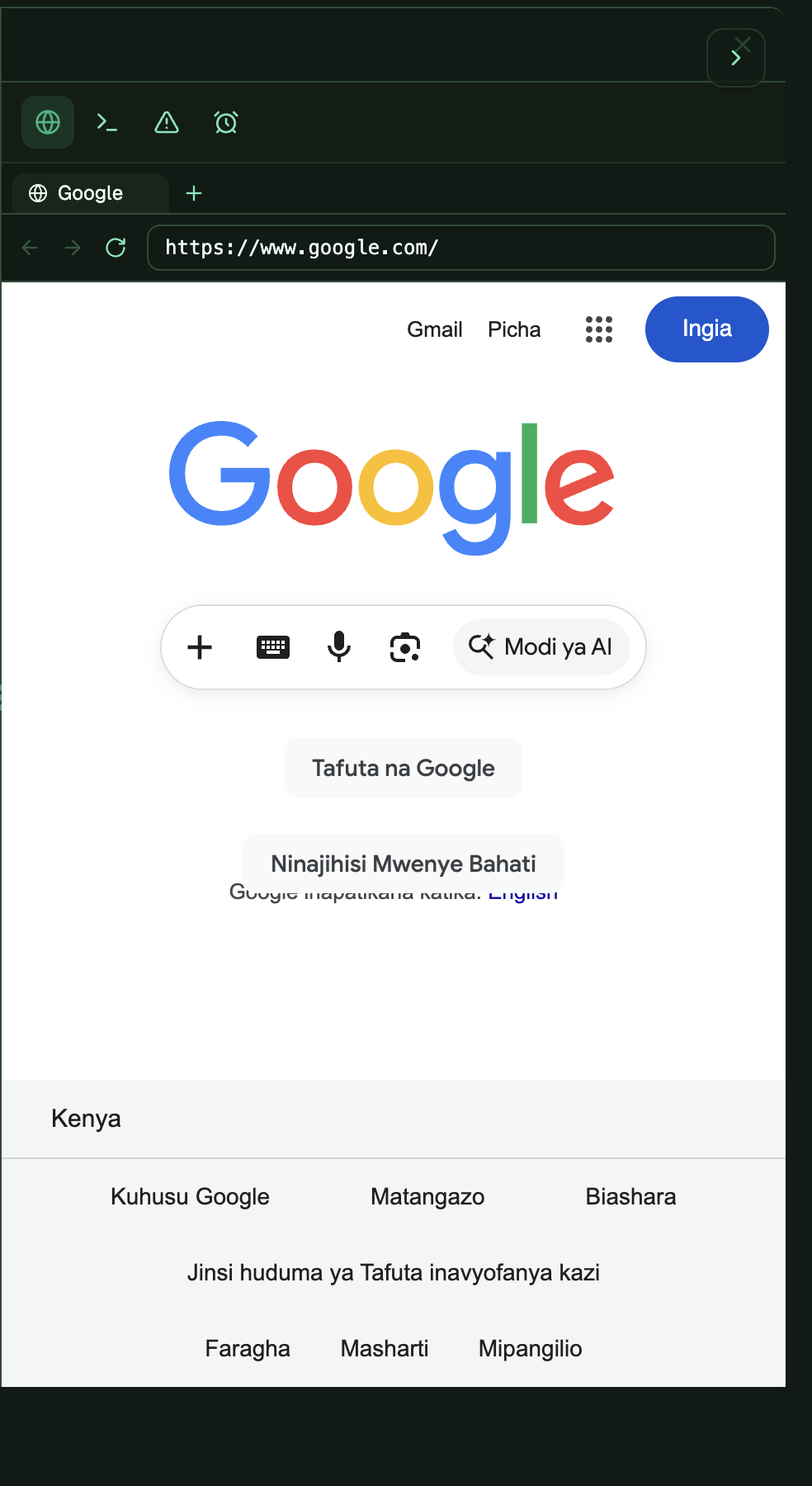
Right panel Browser Tab
-
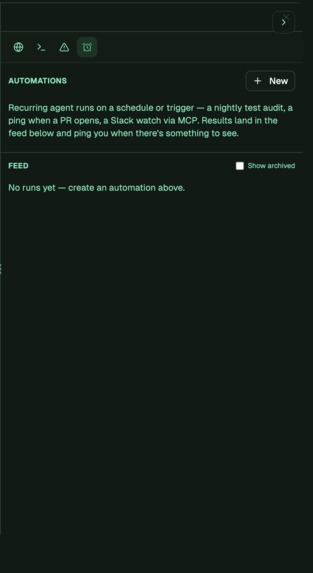
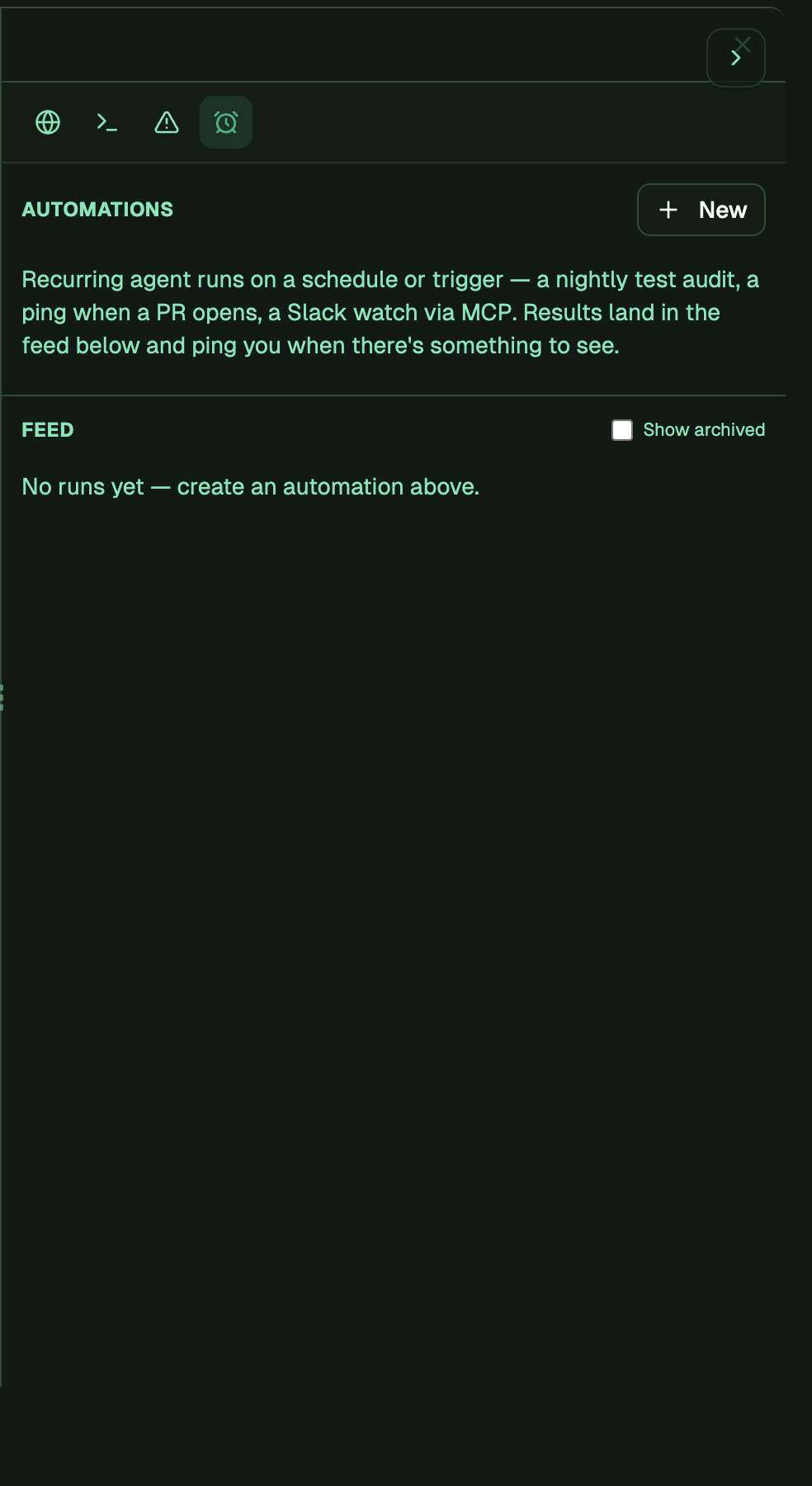
Right panel Automations Tab
-
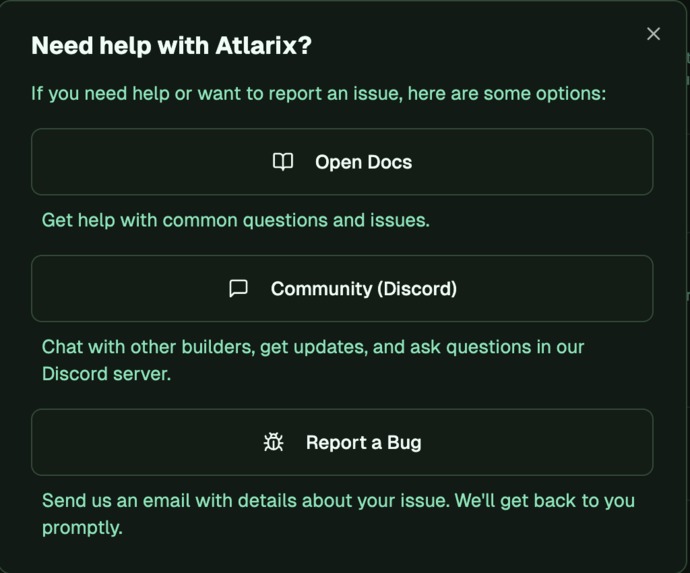
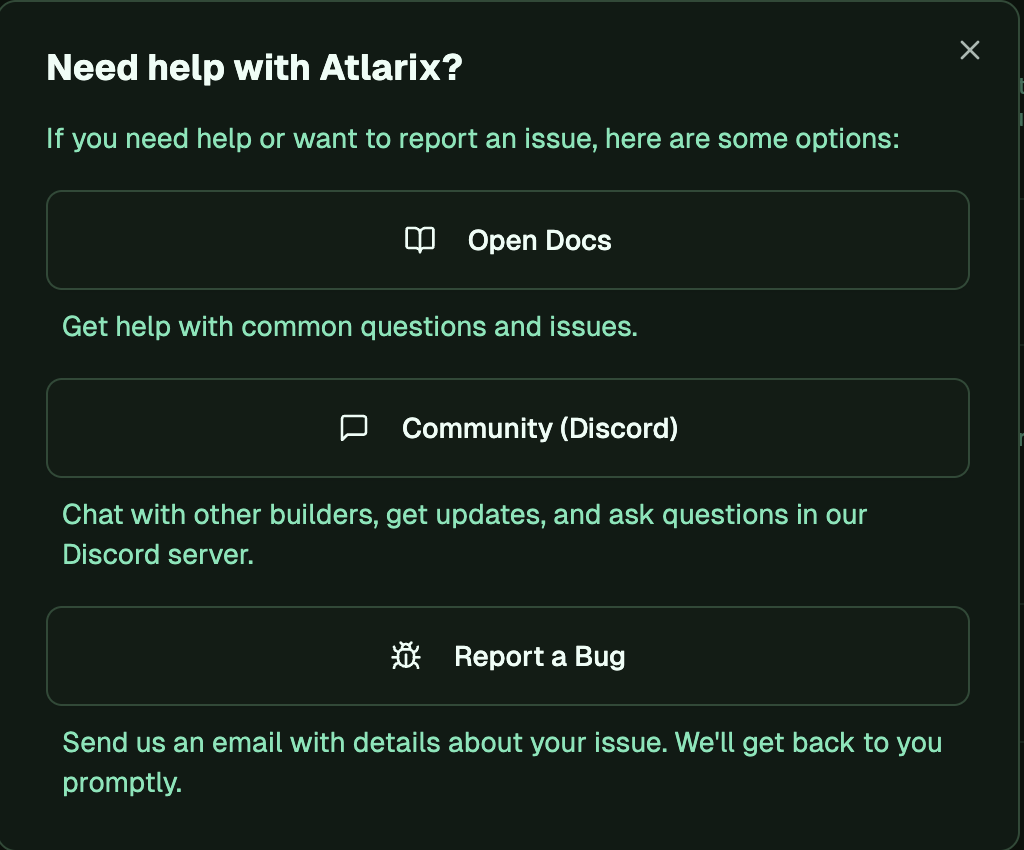
Help
-

Workspace Selector Light Mode
-

Workspace Selector Dark Mode
-
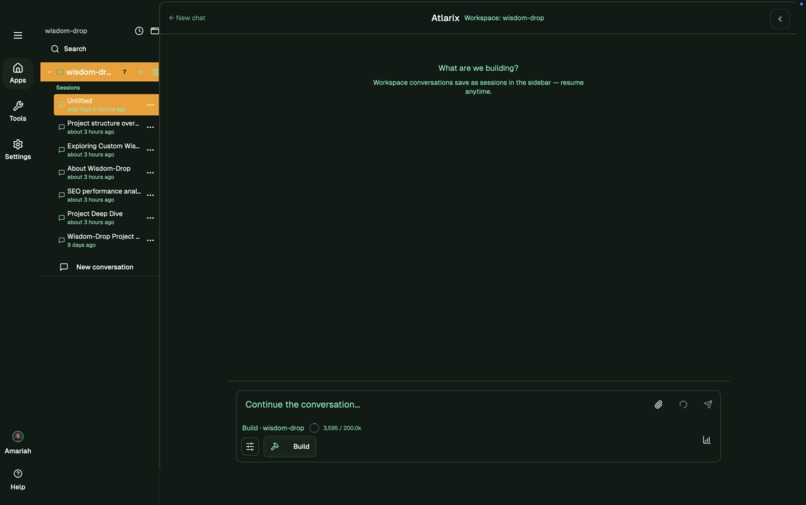
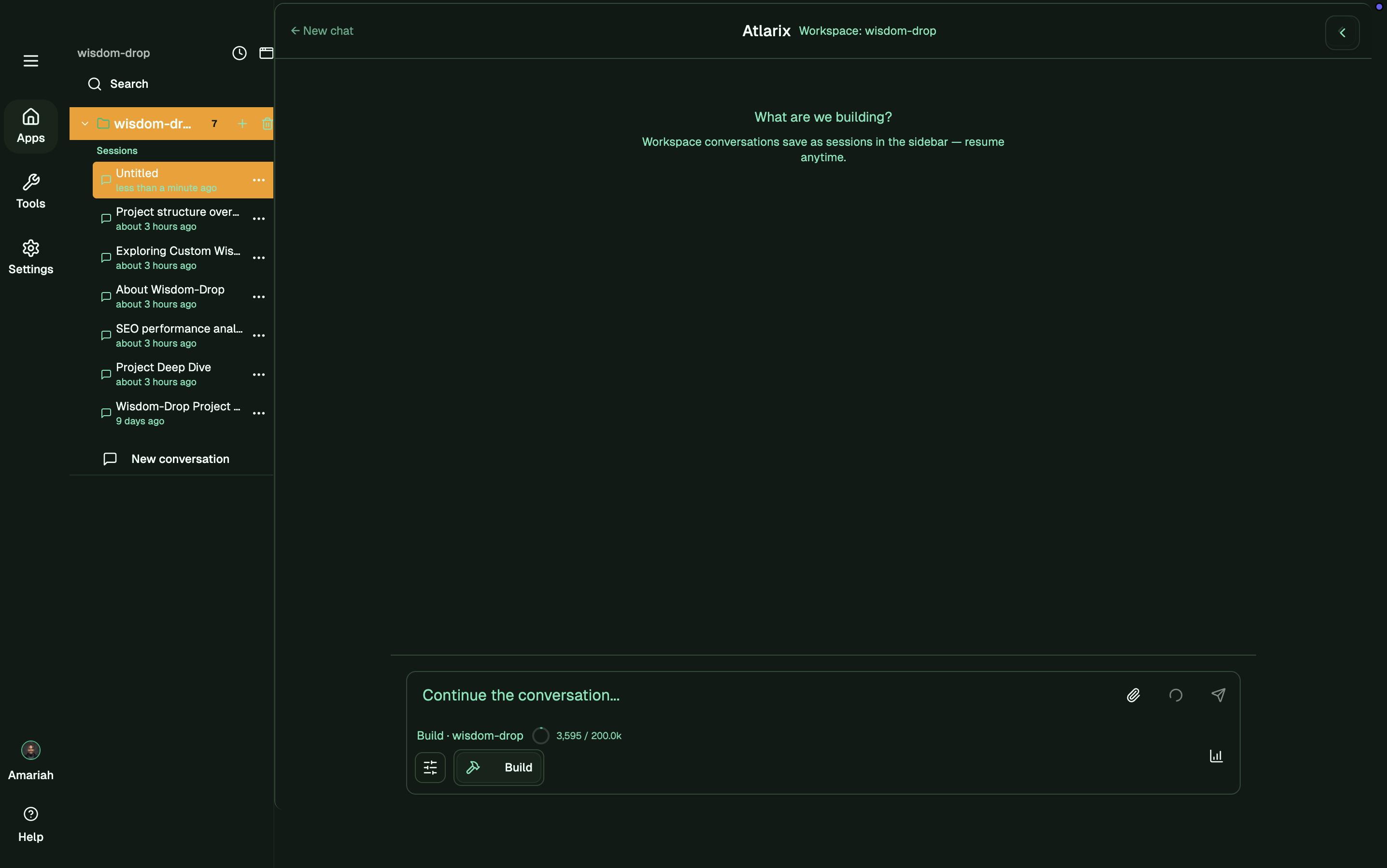
Workspace Chat
-
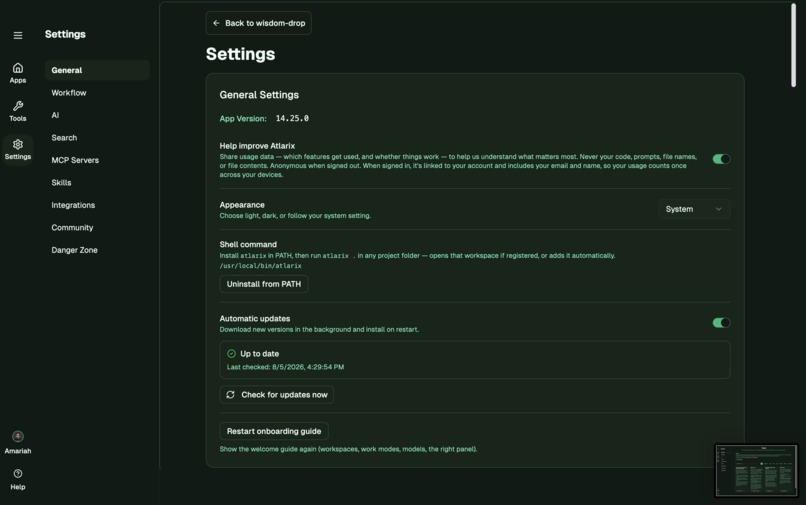
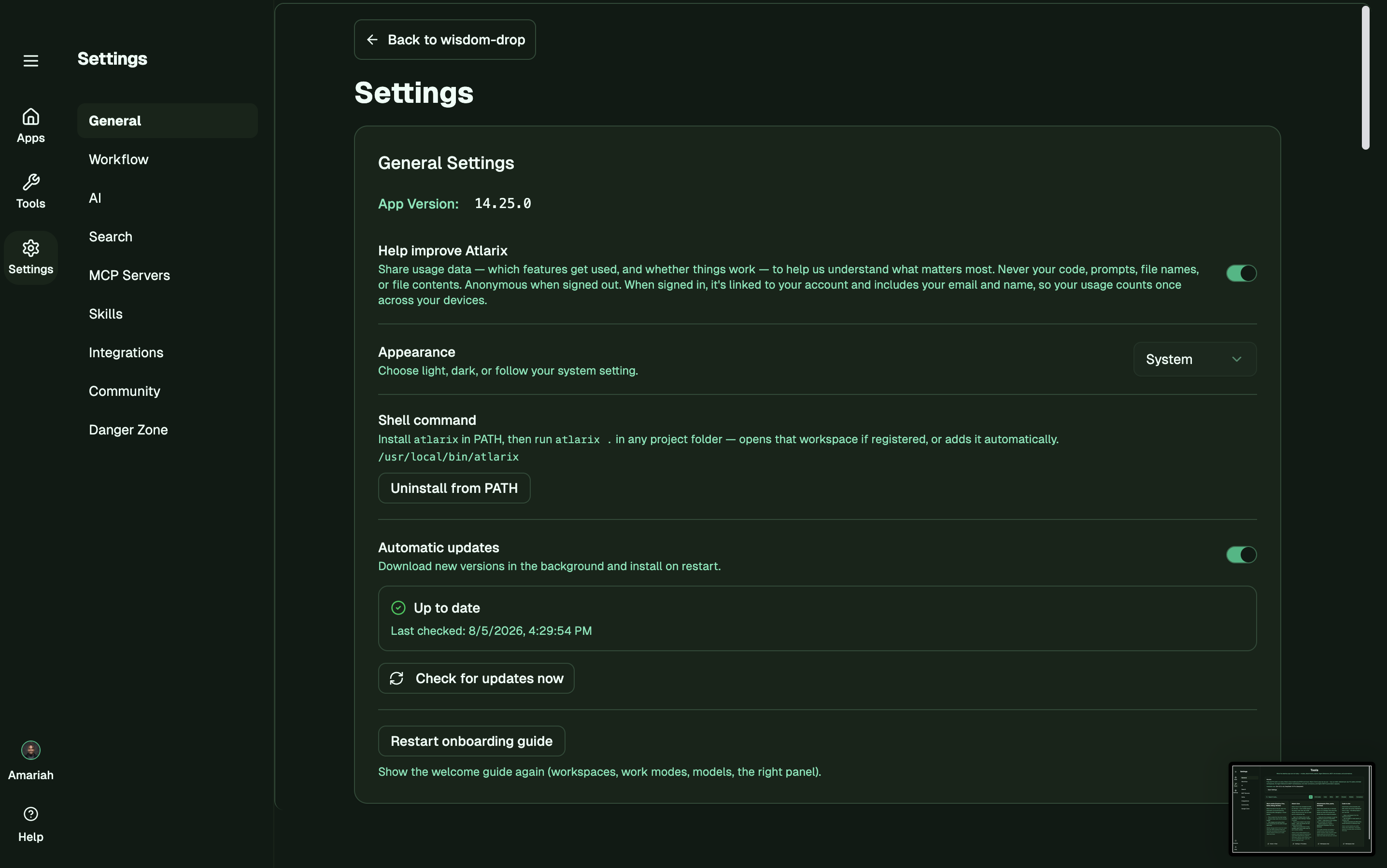
Settings
-
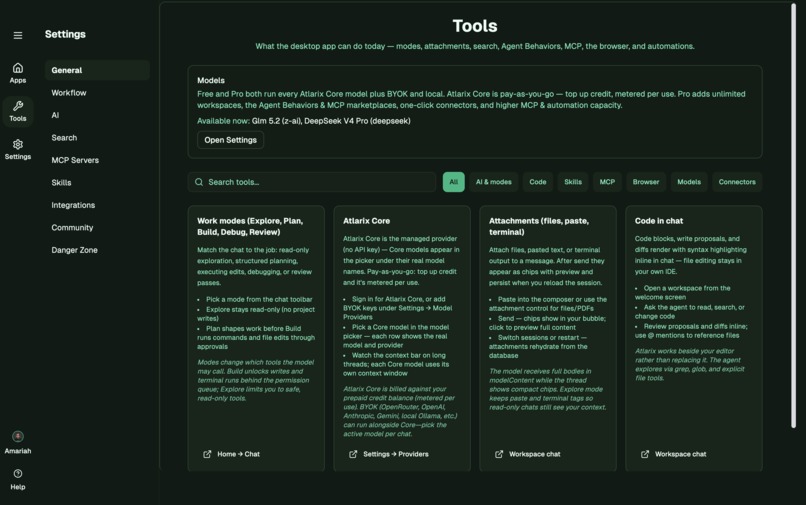
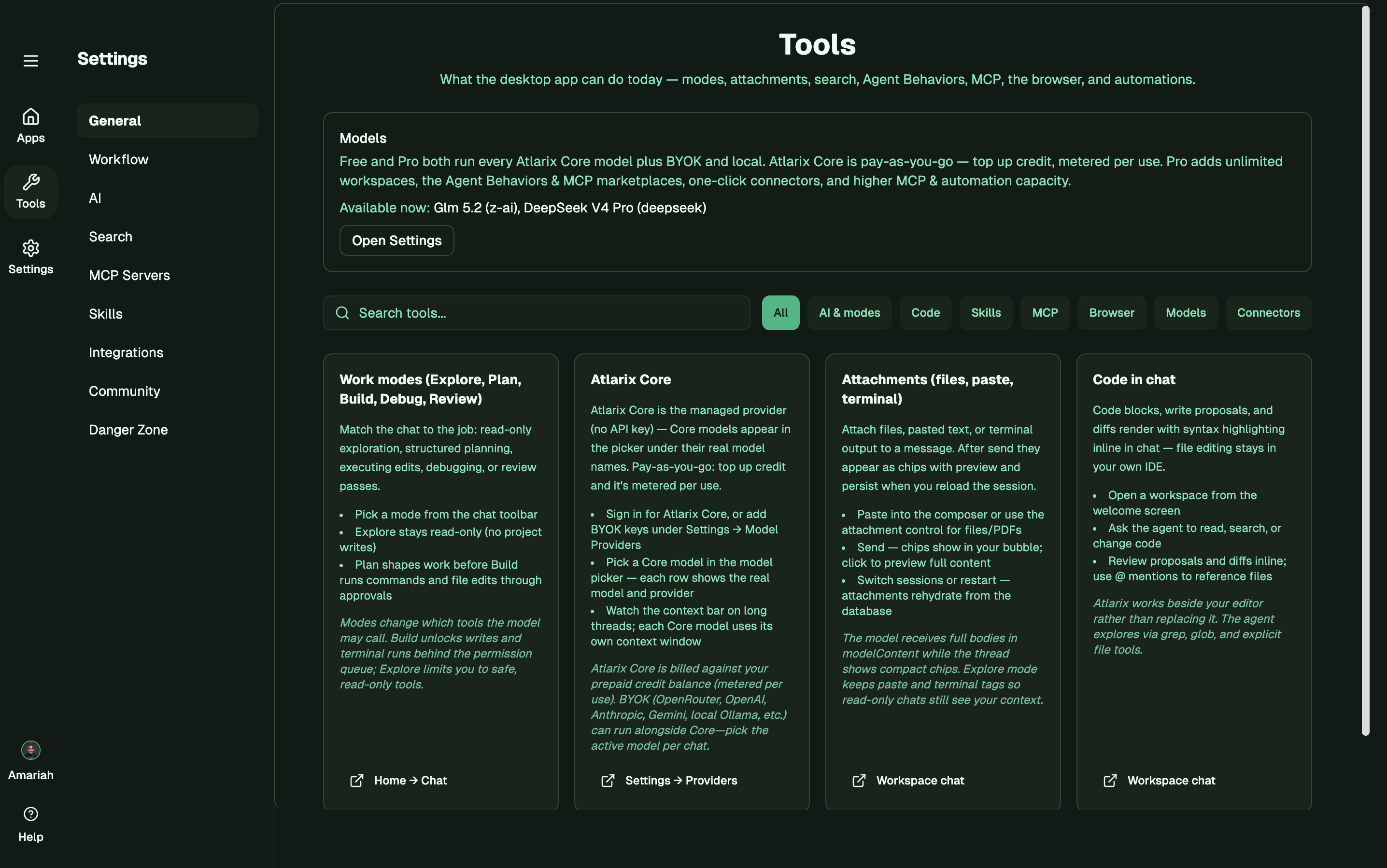
Tools Page


Atlarix — Private AI Workstation
Atlarix is a private AI workstation: a single desktop environment where autonomous agents plan, act, and verify their own work across your files, tools, and data — and you watch every step happen.
Inspiration
Most AI tooling asks you to trust a black box. You send a request into a terminal or a chat box, something happens, and you hope the result is right. We wanted the opposite: an environment where orchestrating the system is the point — where you can see the agent think, watch it call a tool, read the file it changed, and confirm the command it ran actually succeeded. Not raw lines of code scrolling past, but a production you can direct.
What it does
Atlarix orchestrates multi-step, autonomous workflows in one visual environment:
- Agent orchestration — plan agents, writer agents, and sub-agents that break a task down and carry it out, including work handed off to run in the background.
- Secure data pipelines — connects to your tools and data sources through managed protocol adapters, so an agent can pull the context it needs without leaving the workstation.
- Real work, visibly done — file reads and edits, terminal commands, an in-app browser, and web/tool calls all stream live in the interface, each step shown and self-verified rather than hidden.
- Live correction & memory — the workstation corrects the agent on specific failures so it self-corrects, and keeps a per-project developer memory any run can read and adapt to.
- Everything approved — nothing happens without your say-so; the workstation surfaces each action so you stay in control of the production.
How we built it
Atlarix is a native GUI desktop application. The design principle throughout: take capabilities that used to live inside a model's prompt and move them into the harness itself — planning, tool use, self-verification, memory, correction. The workstation adapts to the device it runs on and keeps per-project context so each workspace stays coherent over time. Connections to external tools and data are made through standard adapters and secure pipelines, so an agent's reach is configurable without rebuilding anything.
Challenges we ran into
The hardest part was making autonomous work legible. It is easy to let an agent run and dump a result; it is much harder to render every intermediate step — the planning, the tool calls, the diffs, the command output — in a way that is clear, watchable, and trustworthy without overwhelming the person. Getting the balance between full autonomy and visible, approvable control took the most iteration.
What we learned
That the interface is not cosmetic. When a person can see an agent reason, act, and verify itself, the whole experience of working with AI changes — from hoping to knowing. Trust comes from visibility.
What's next
Deeper pipeline integrations, richer background-agent orchestration, and continued work on making the workstation feel responsive and complete on whatever machine it runs on.
Built With
- ai-agents
- desktop
- electron
- gui
- mcp
- node.js
- react
- typescript

Log in or sign up for Devpost to join the conversation.