Athena Framework
Athena Framework is a process-first AI framework that transforms natural language into governed operational workflows. Rather than treating an LLM as the application, Athena uses GPT-5.6 as the reasoning engine inside a deterministic architecture that manages workflow execution, state transitions, validations, runtime tracing, and operational persistence.
Inspiration
Most AI assistants today focus on generating better conversations. During my work building AI systems for business operations, I realized that organizations don't need smarter conversations—they need reliable execution.
Athena was created to explore a different approach: using GPT-5.6 for reasoning while allowing a dedicated framework to govern operational processes. The objective was to demonstrate that conversational AI can become a deterministic operational system capable of handling real business workflows with traceability, review, and controlled execution.
What it does
Athena converts natural language into structured operational workflows.
The framework:
- Understands user intent using GPT-5.6.
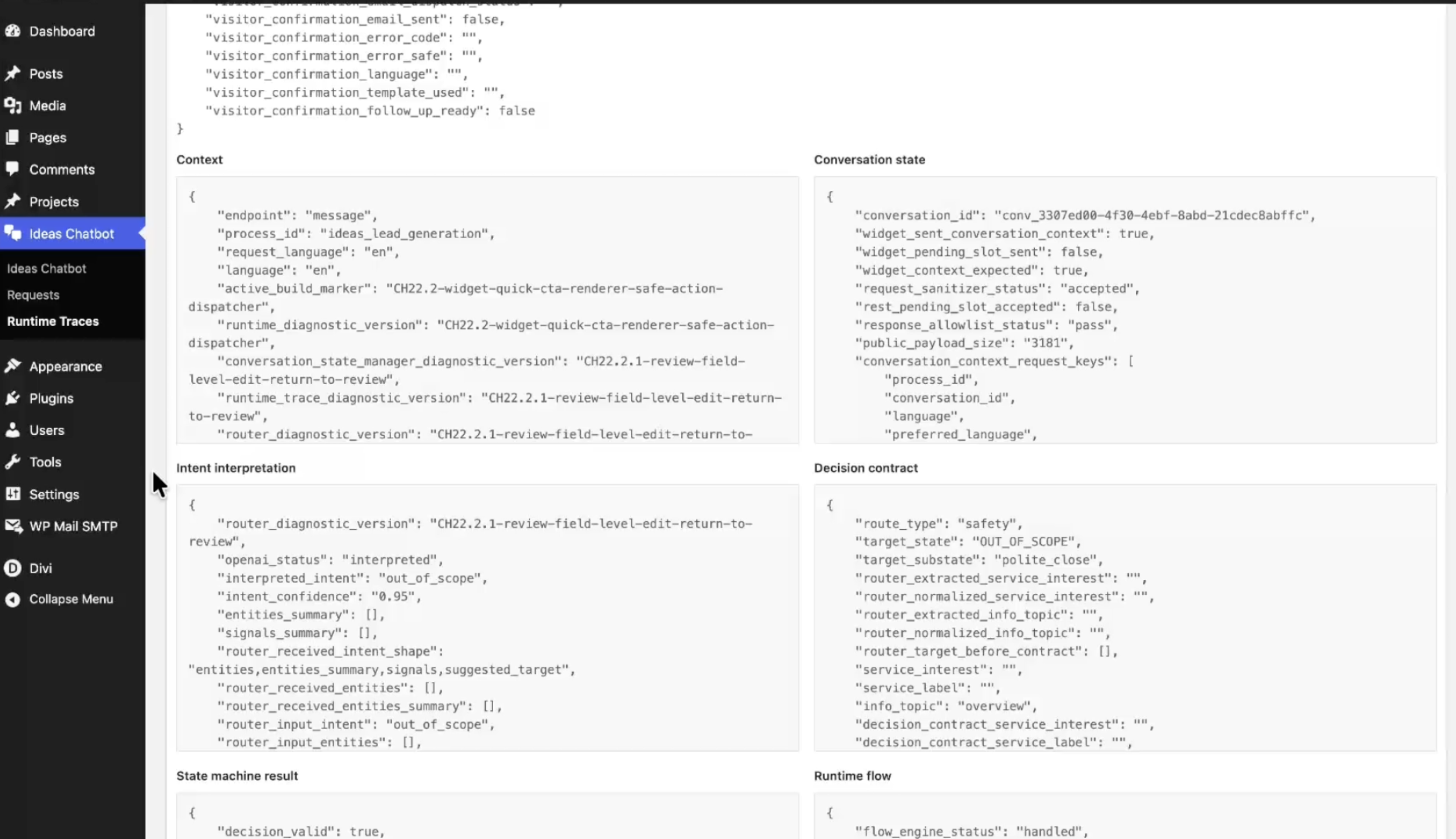
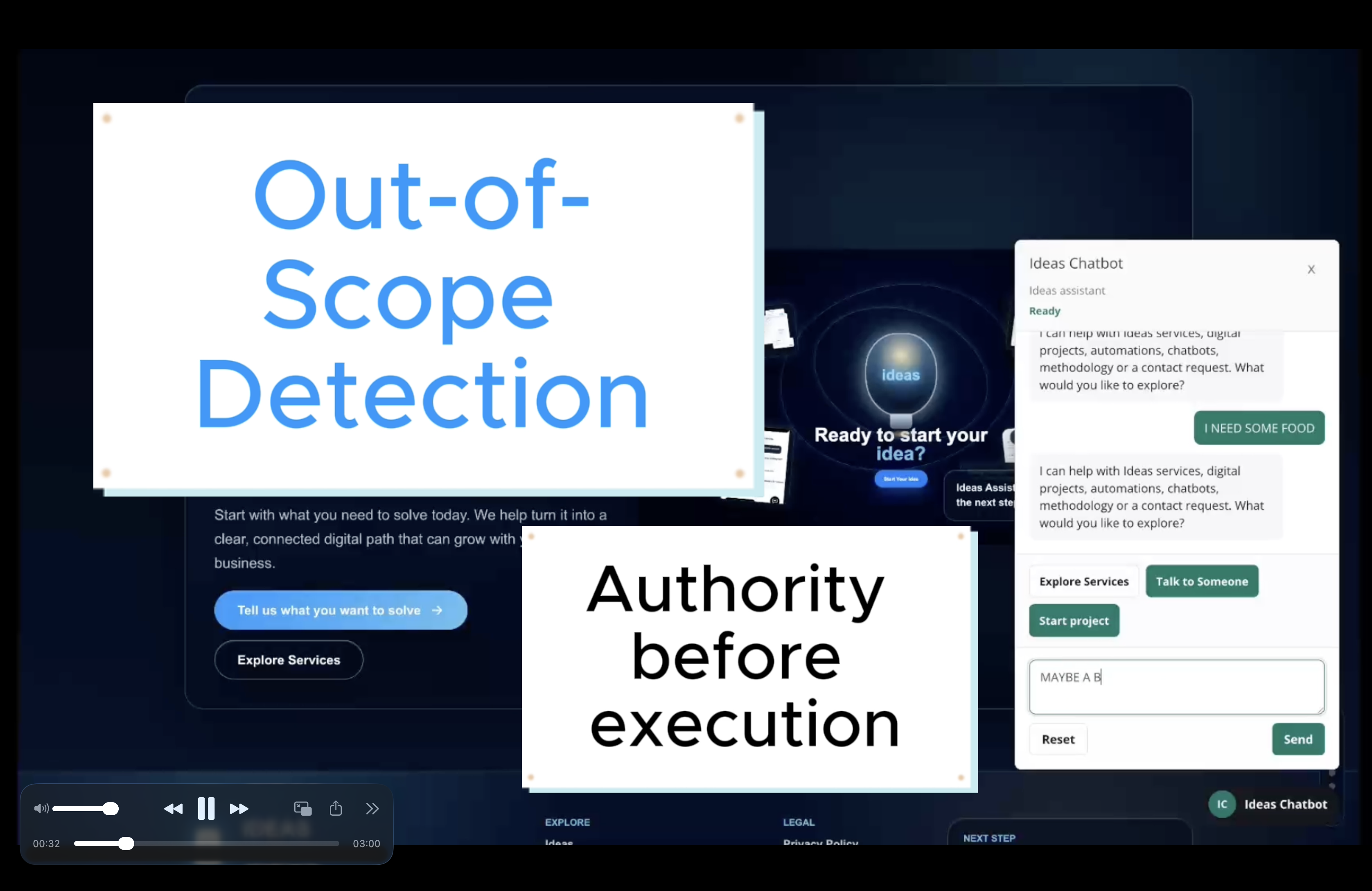
- Routes requests through deterministic workflow states.
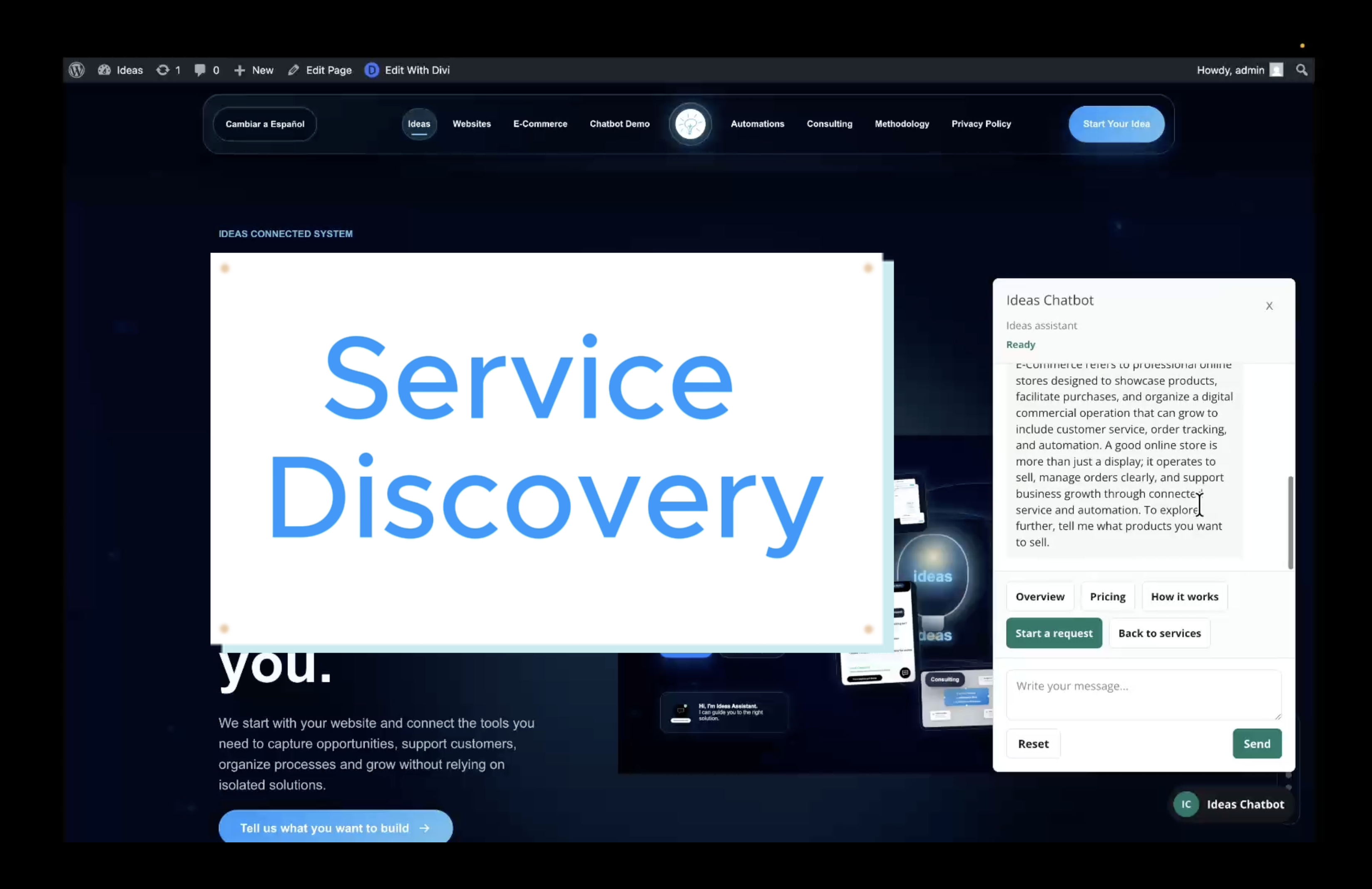
- Guides users through structured intake processes.
- Supports review and correction before submission.
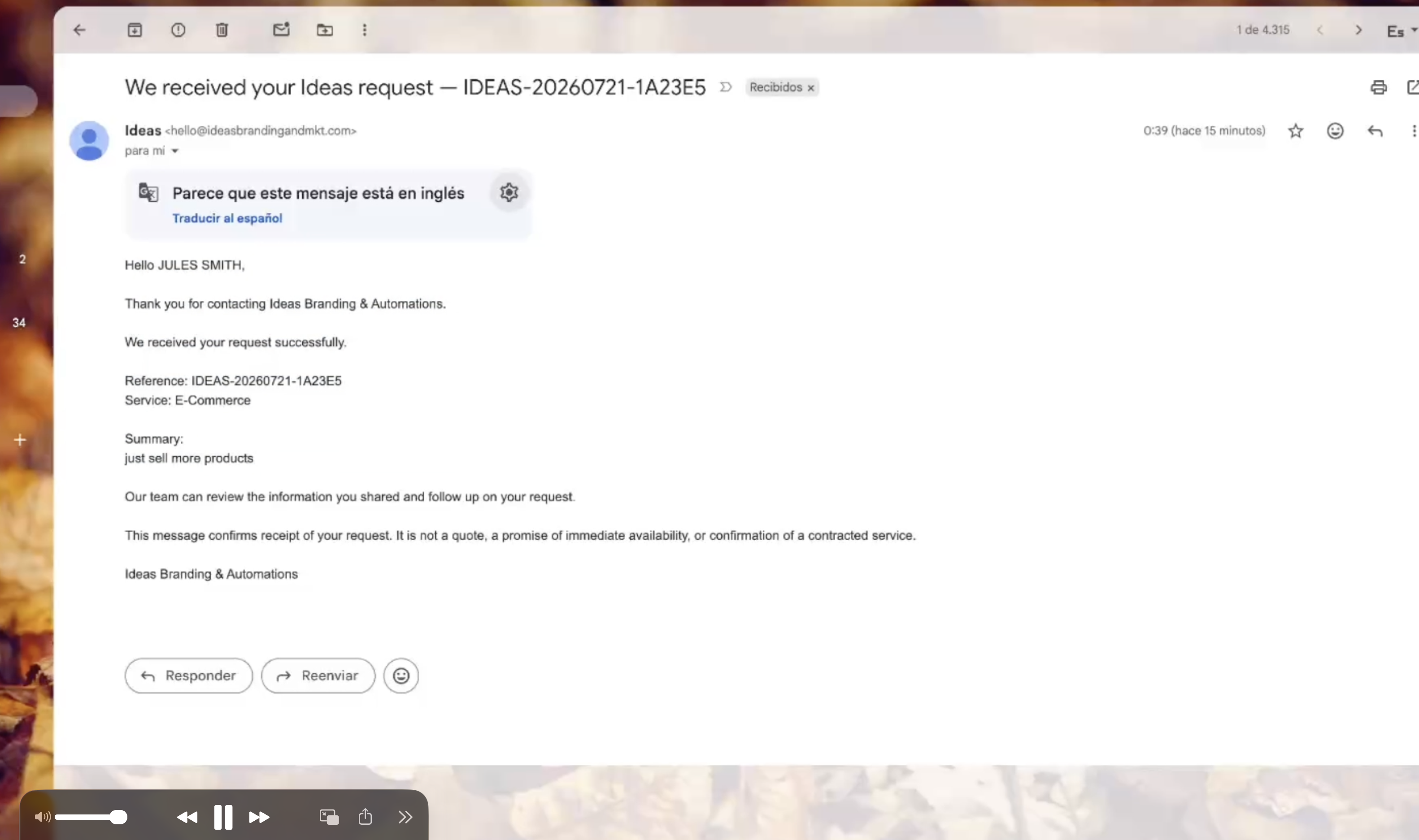
- Persists operational requests.
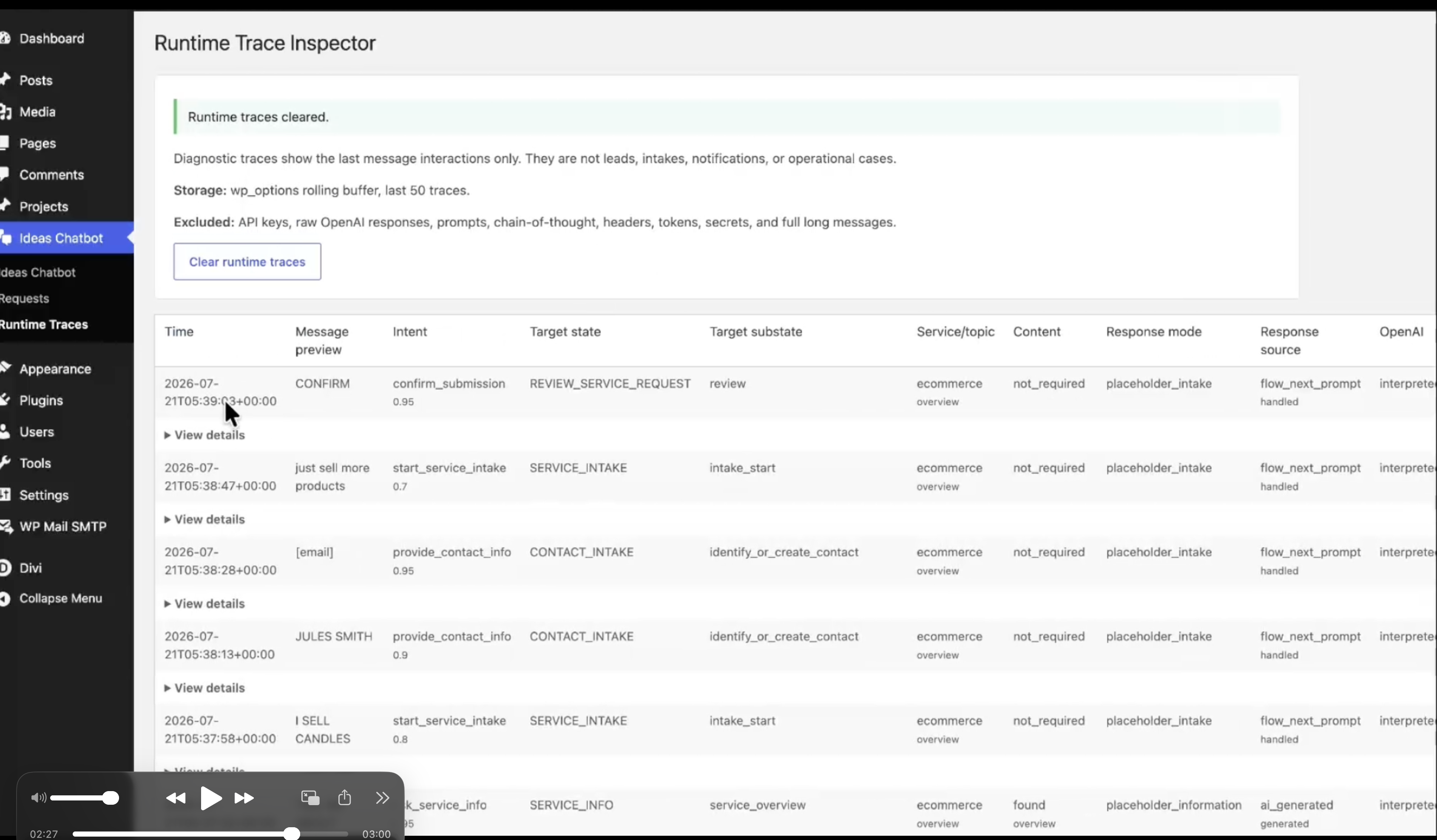
- Produces complete runtime traces for every execution.
- Creates auditable operational cases instead of isolated conversations.
Instead of simply answering questions, Athena governs business processes.
How we built it
Athena was developed using GPT-5.6 together with Codex throughout OpenAI Build Week.
The project combines:
- GPT-5.6 for reasoning and intent understanding.
- Codex for implementation, refactoring, documentation, and engineering collaboration.
- PHP and WordPress as the runtime environment.
- JavaScript for the user interface.
- REST APIs for communication.
- MySQL for operational persistence.
- Runtime tracing for execution visibility.
Every major architectural decision was documented and refined during development.
Challenges we ran into
The most difficult challenge was separating conversational intelligence from operational execution.
Designing deterministic workflow states, review mechanisms, runtime validation, persistence, and execution tracing required significantly more engineering than building a traditional chatbot.
Another challenge was documenting the architecture while actively developing the framework, ensuring every important design decision remained traceable.
Accomplishments that we're proud of
We successfully built a working framework that demonstrates how GPT-5.6 can operate inside a governed execution architecture instead of acting as the application itself.
Key accomplishments include:
- A deterministic state-driven workflow engine.
- Runtime execution tracing.
- Structured intake and review workflows.
- Persistent operational cases.
- Complete technical documentation.
- A fully functional end-to-end demonstration completed during Build Week.
What we learned
This project reinforced that production AI systems require much more than prompt engineering.
Reliable AI applications need architecture, deterministic execution, observability, and governance.
Working with GPT-5.6 and Codex together also demonstrated how AI-assisted software engineering can significantly accelerate implementation while preserving architectural discipline.
What's next for Athena Framework
Athena will continue evolving into a reusable framework for enterprise AI operations.
Future work includes:
- A visual workflow builder.
- Multi-process orchestration.
- Additional integrations with enterprise systems.
- Richer analytics and observability.
- Expanded deployment options.
- Support for broader operational domains beyond the current reference implementation.
Our long-term goal is to make Athena a reusable foundation for organizations building reliable AI-powered operational systems.

Log in or sign up for Devpost to join the conversation.