-
-
Intro
-
Intro - 2
-
Intro - 3
-
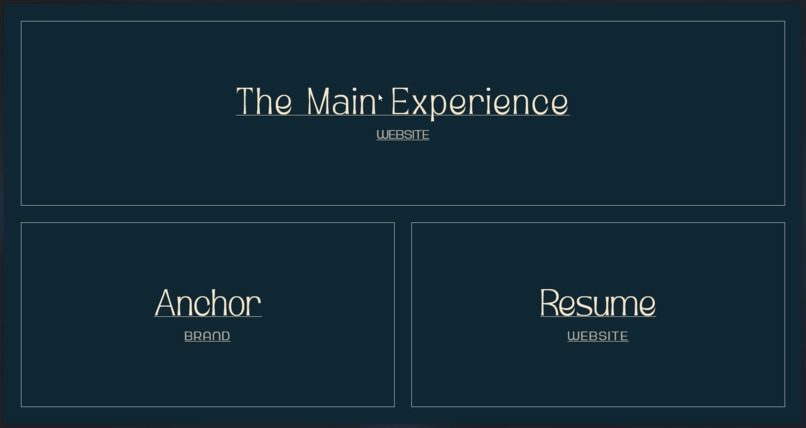
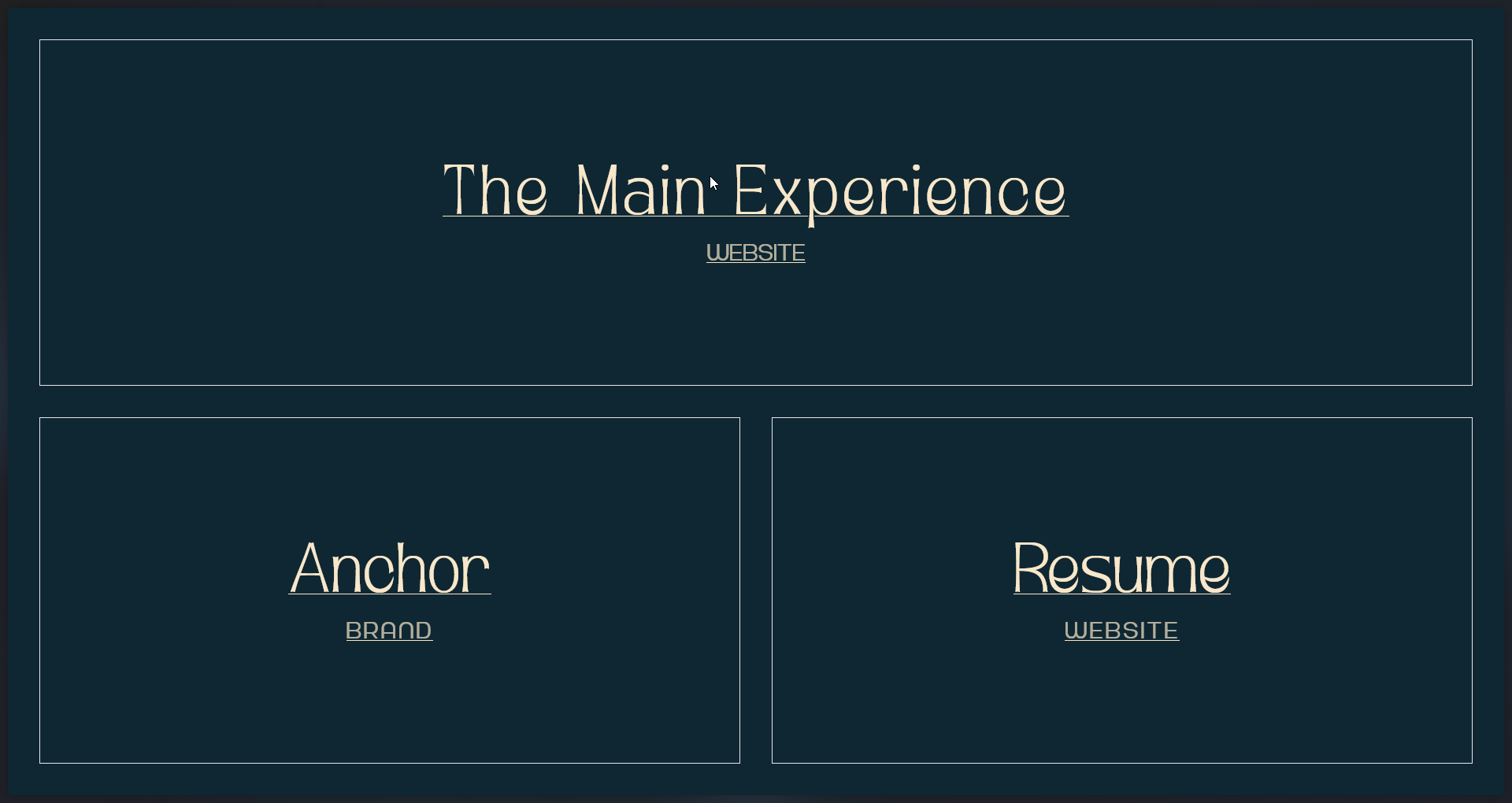
Options Page
-
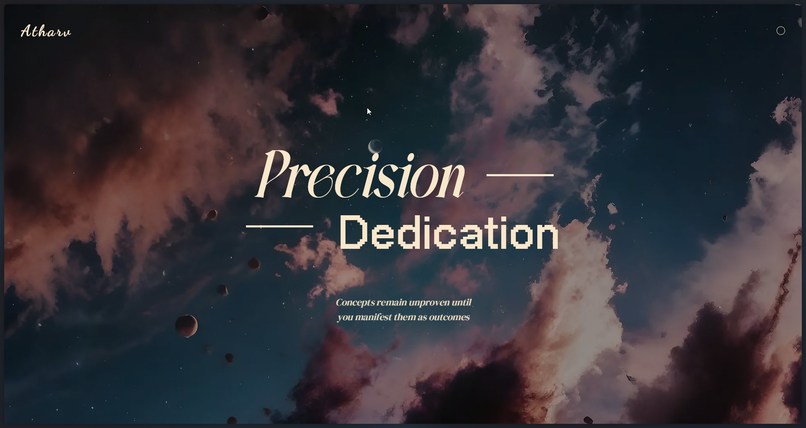
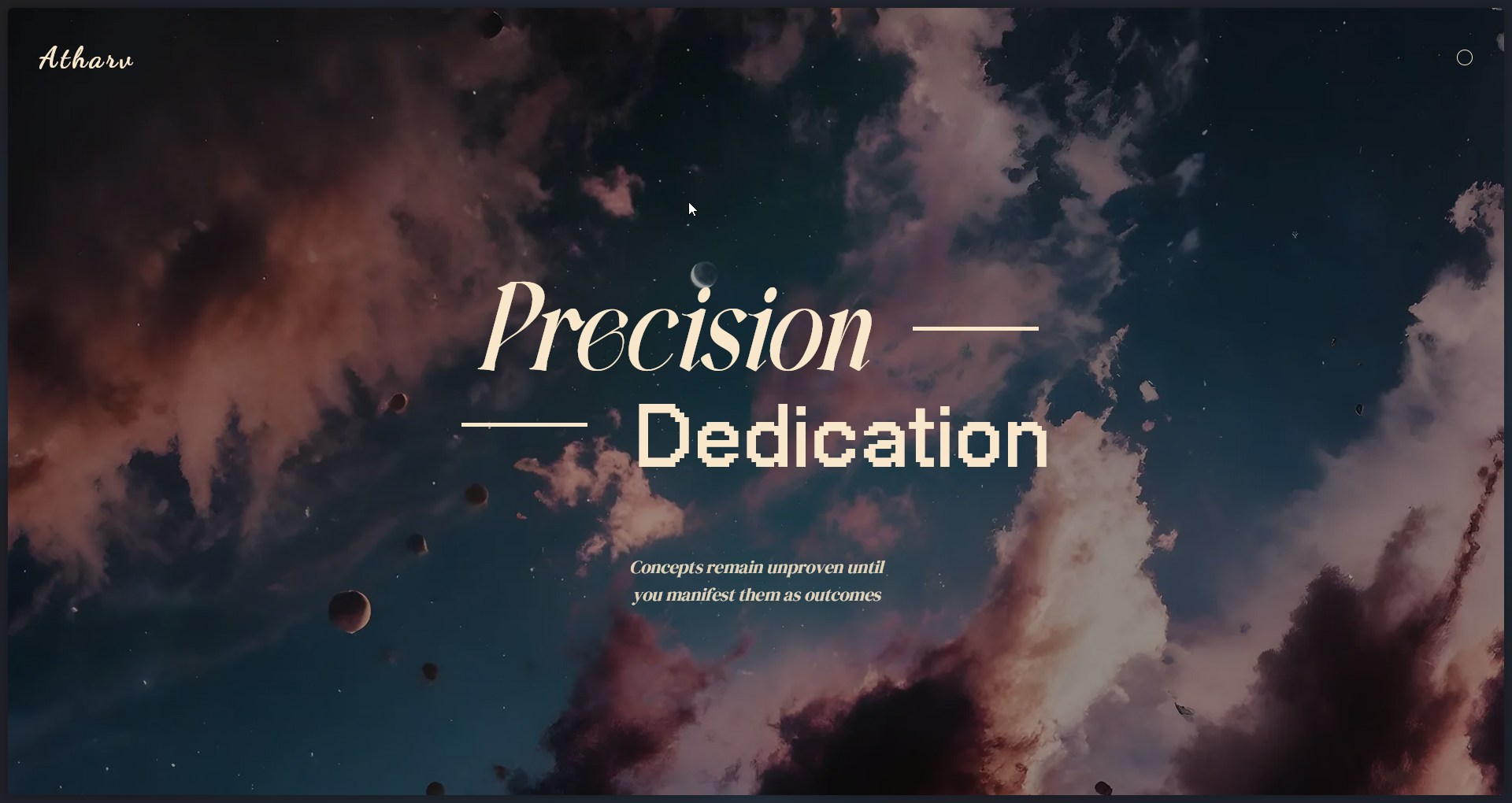
Main Experience Site - Home Page
-
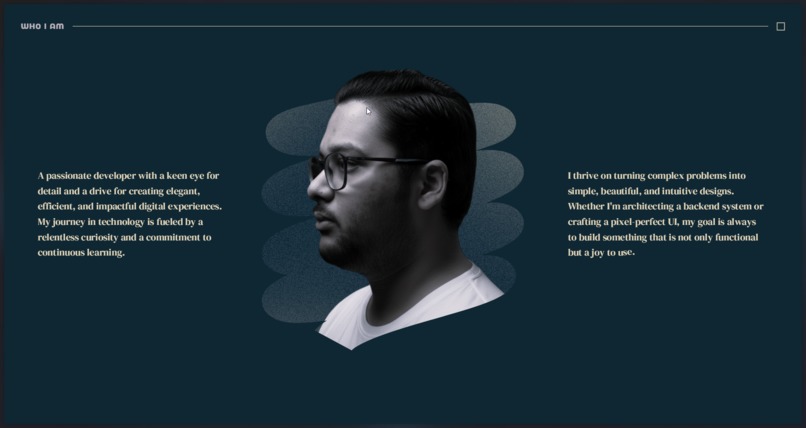
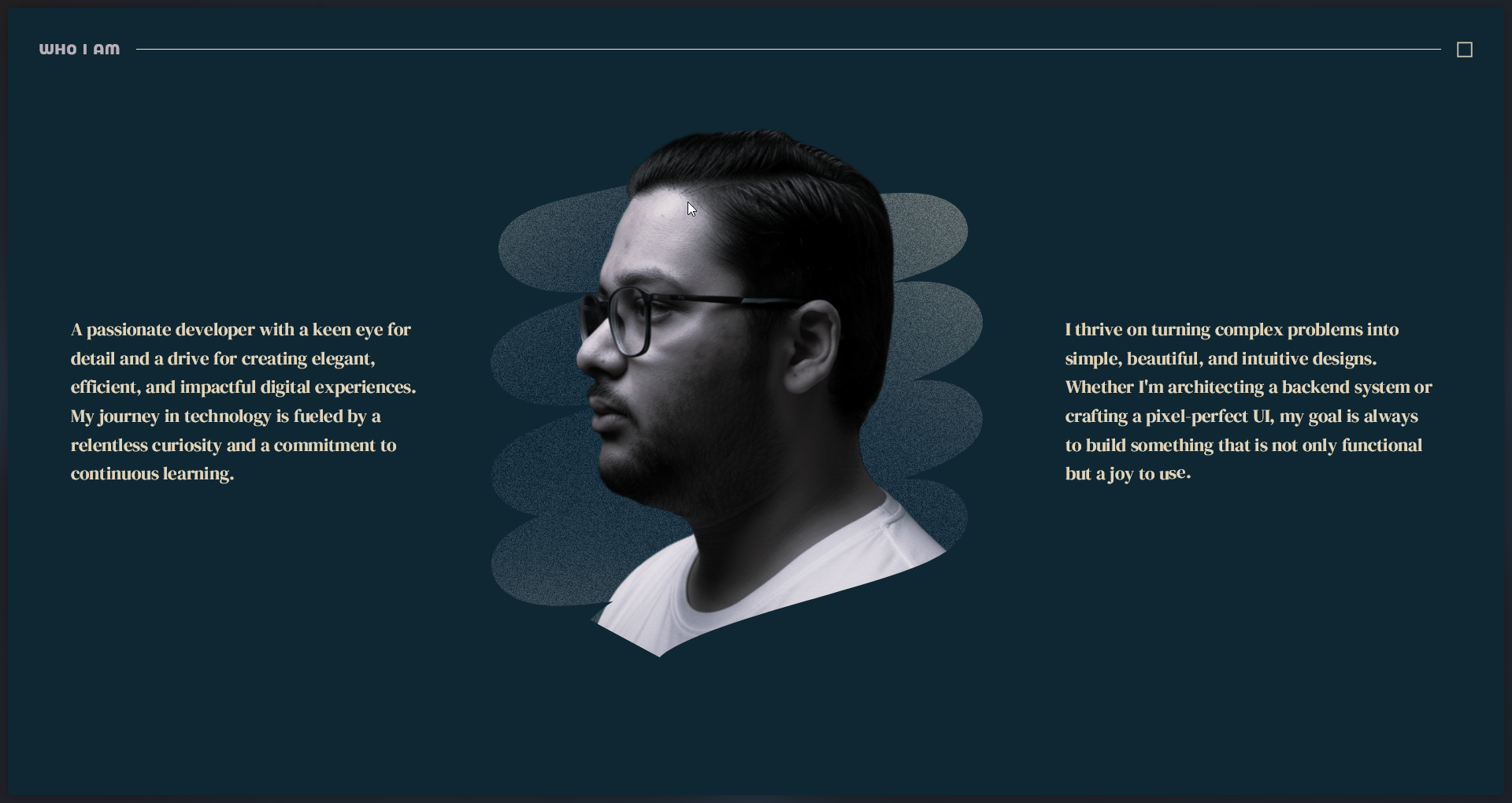
Main Experience Site - About me Page
-
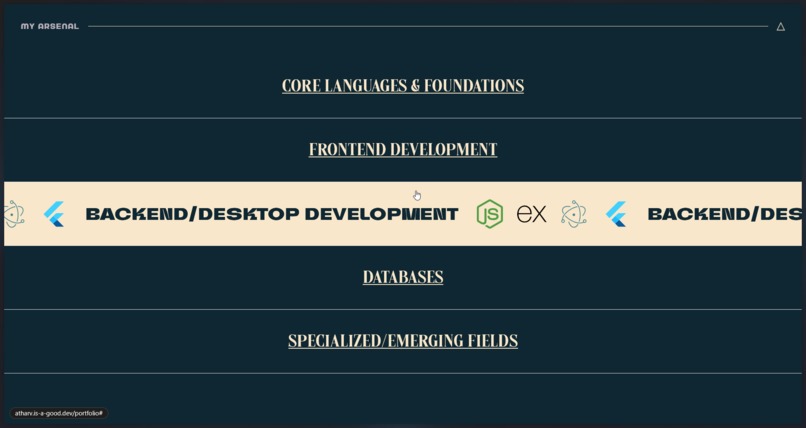
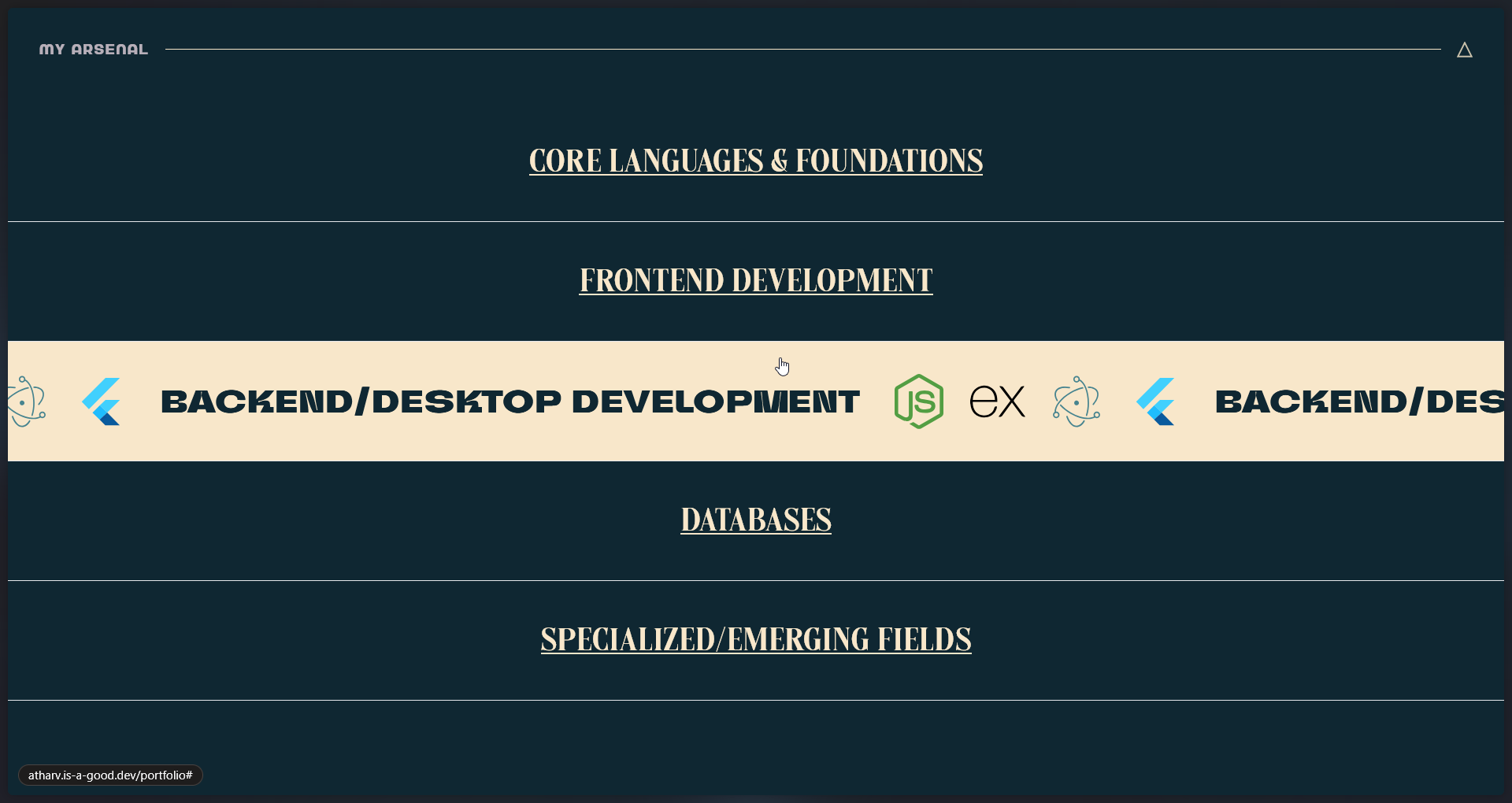
Main Experience Site - Arsenal Page
-
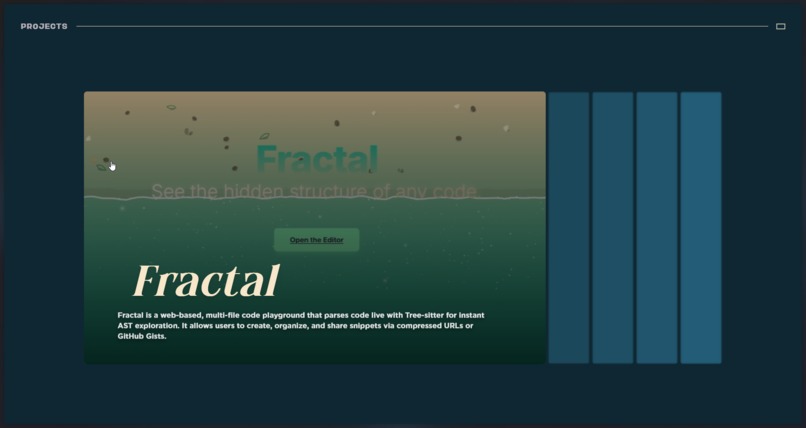
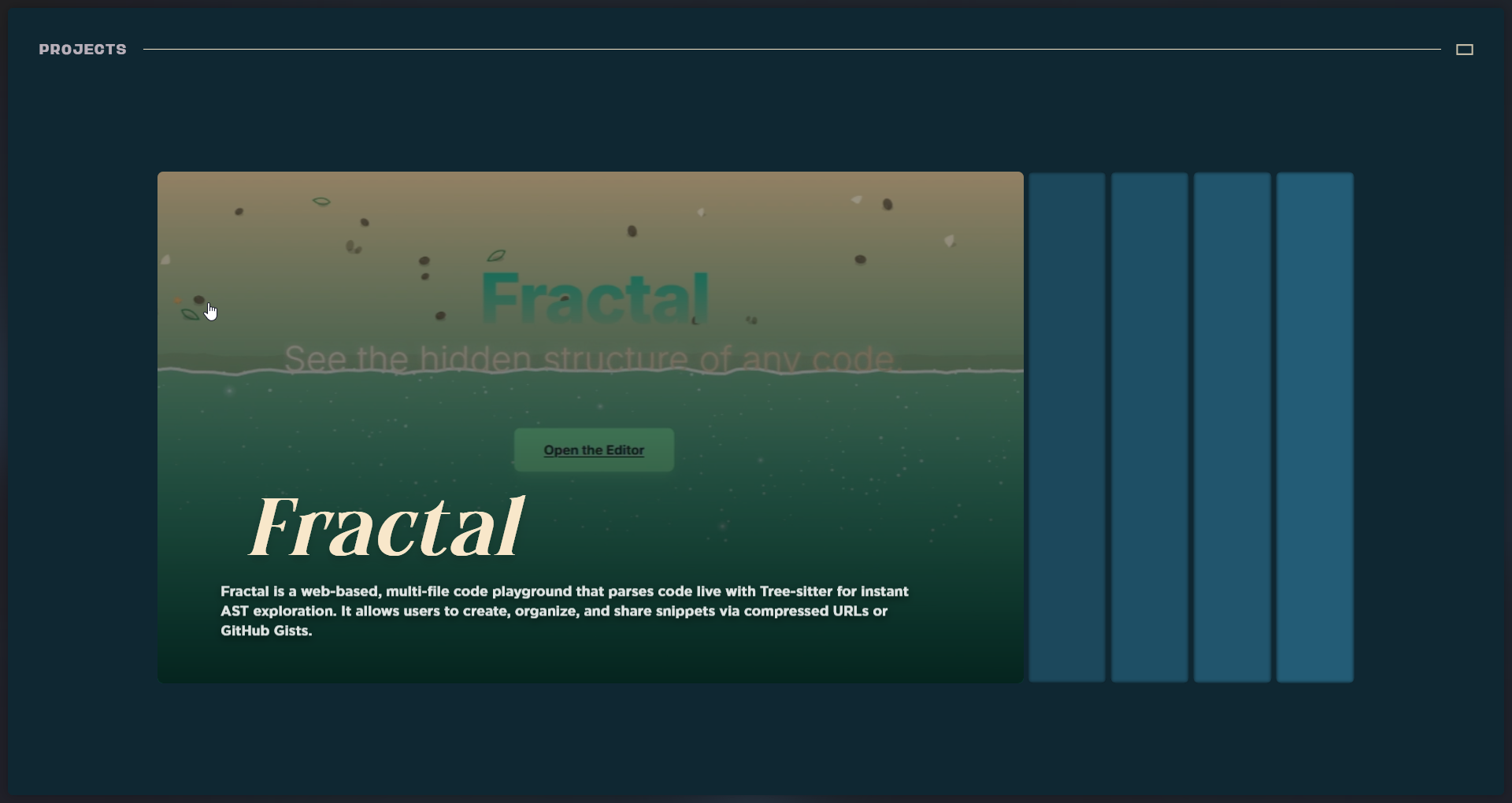
Main Experience Site - Projects Page
-
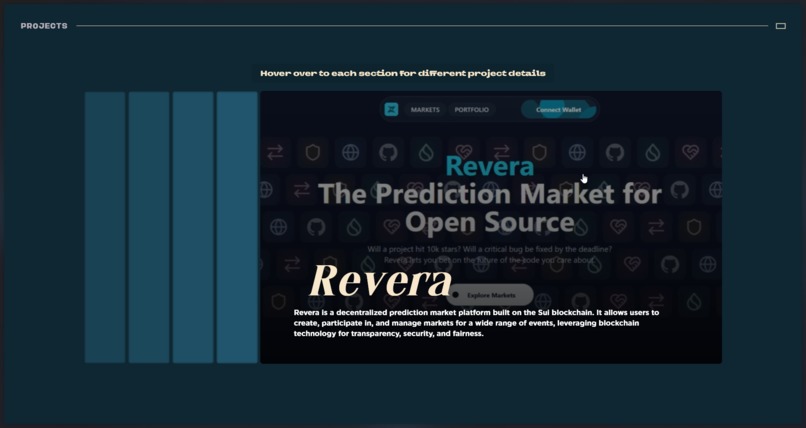
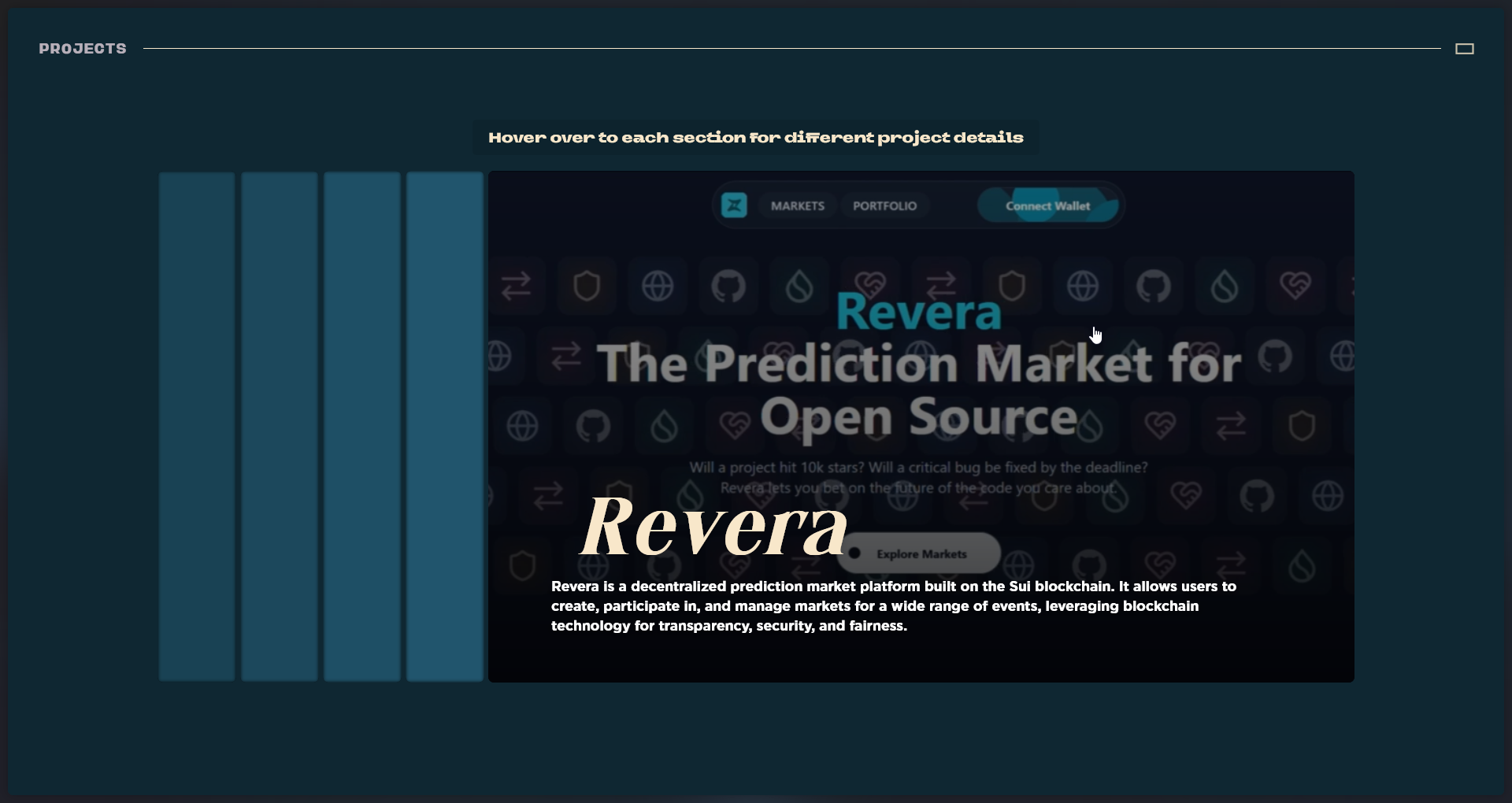
Main Experience Site - Projects Page - 2
-
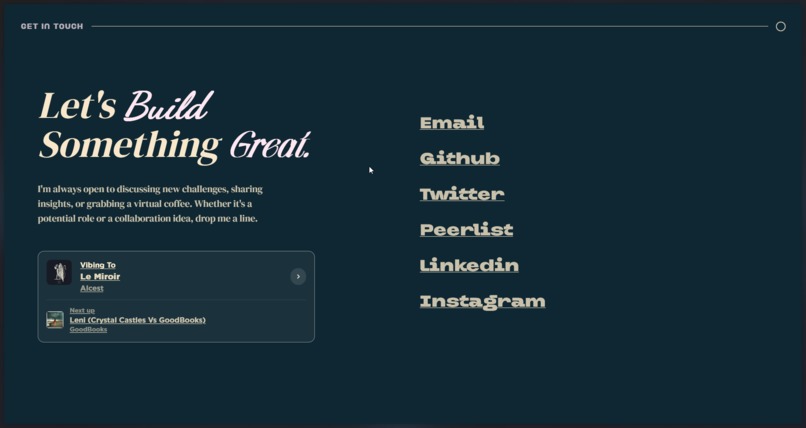
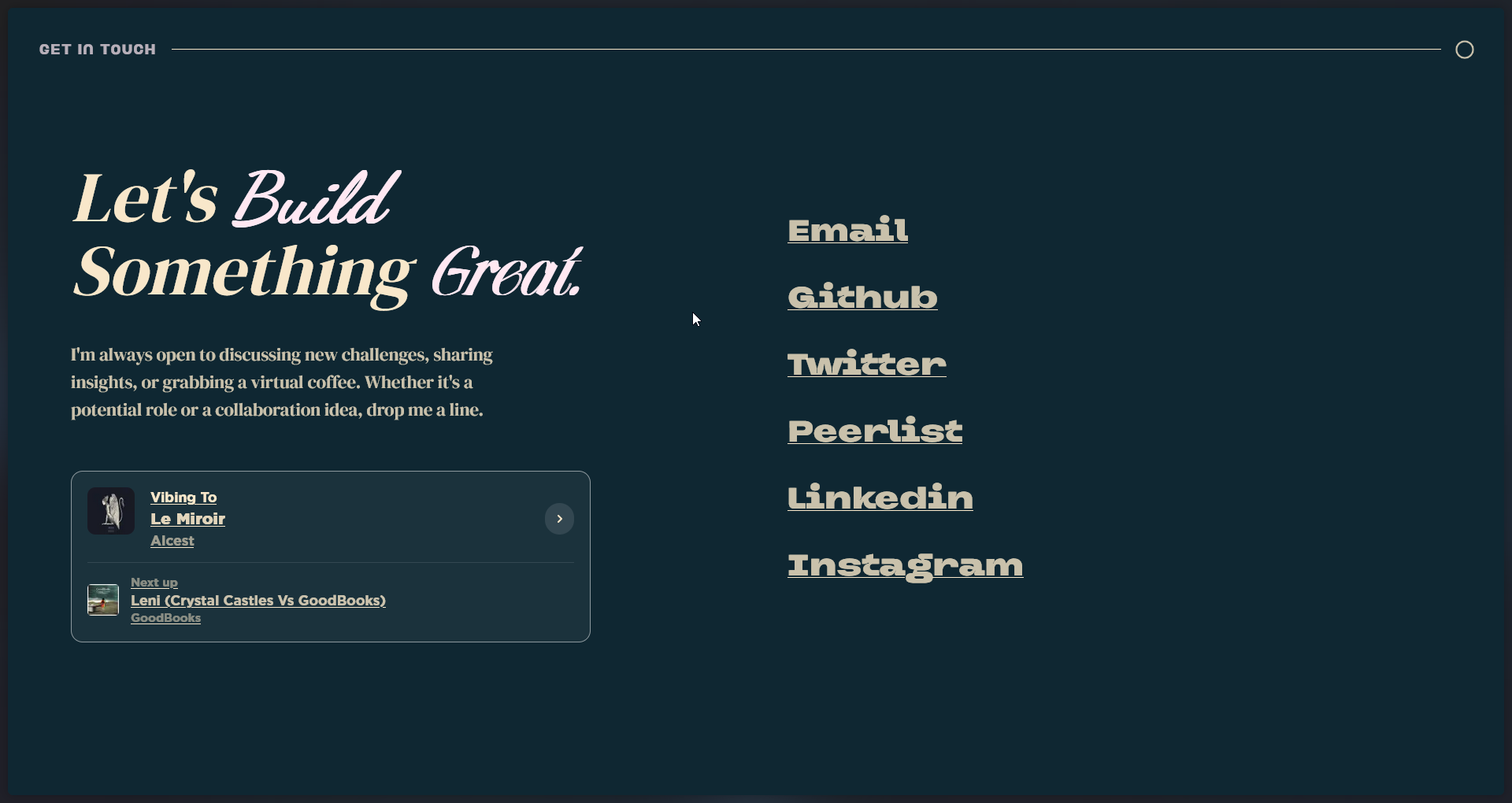
Main Experience Site - Contact us Page
-
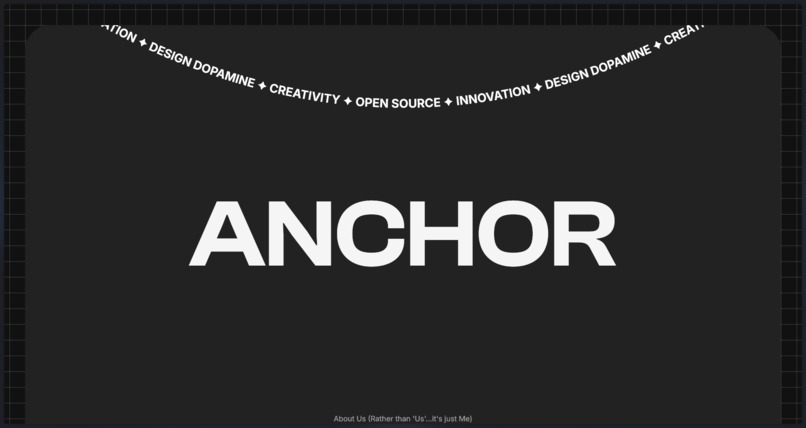
Brand Website - Hero Section
-
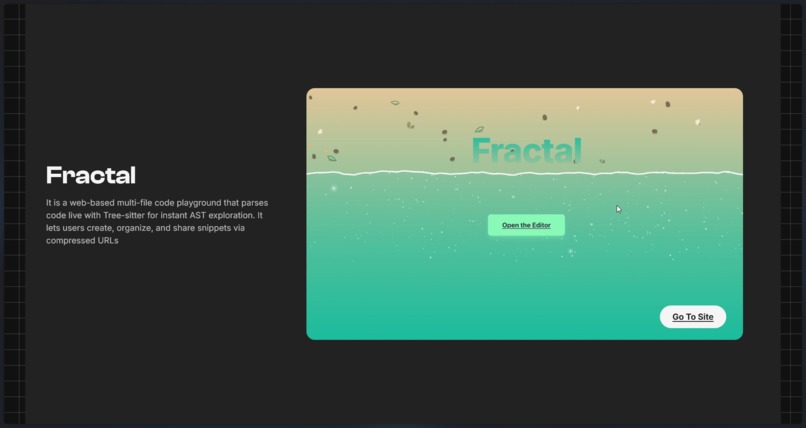
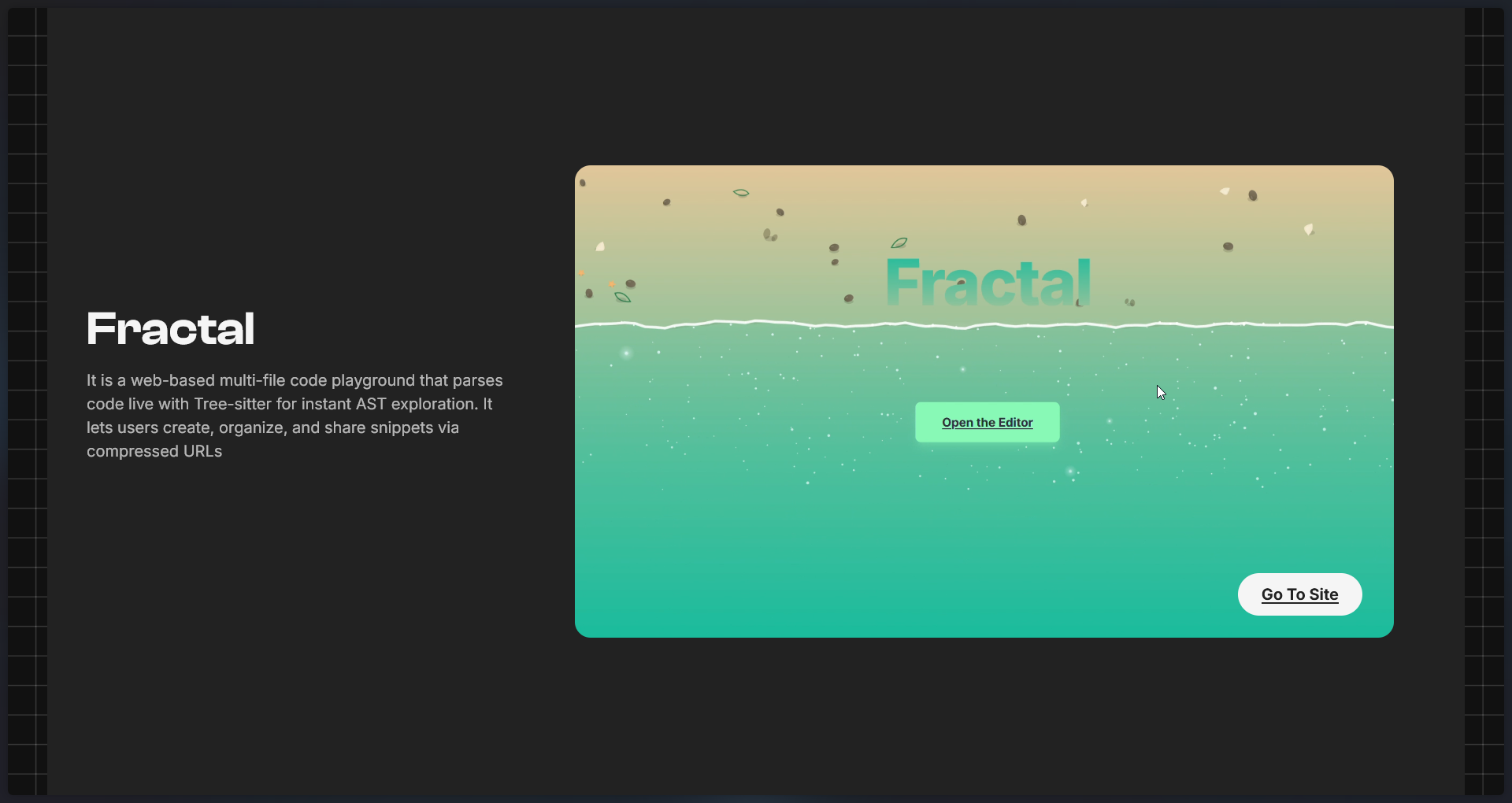
Brand Website - Project Section
-
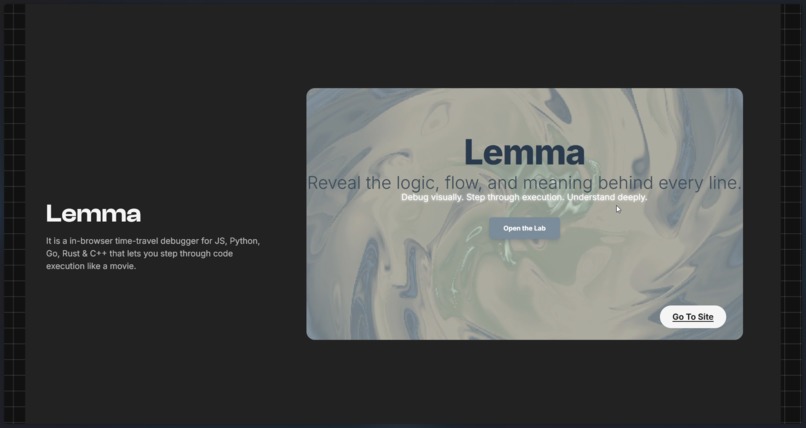
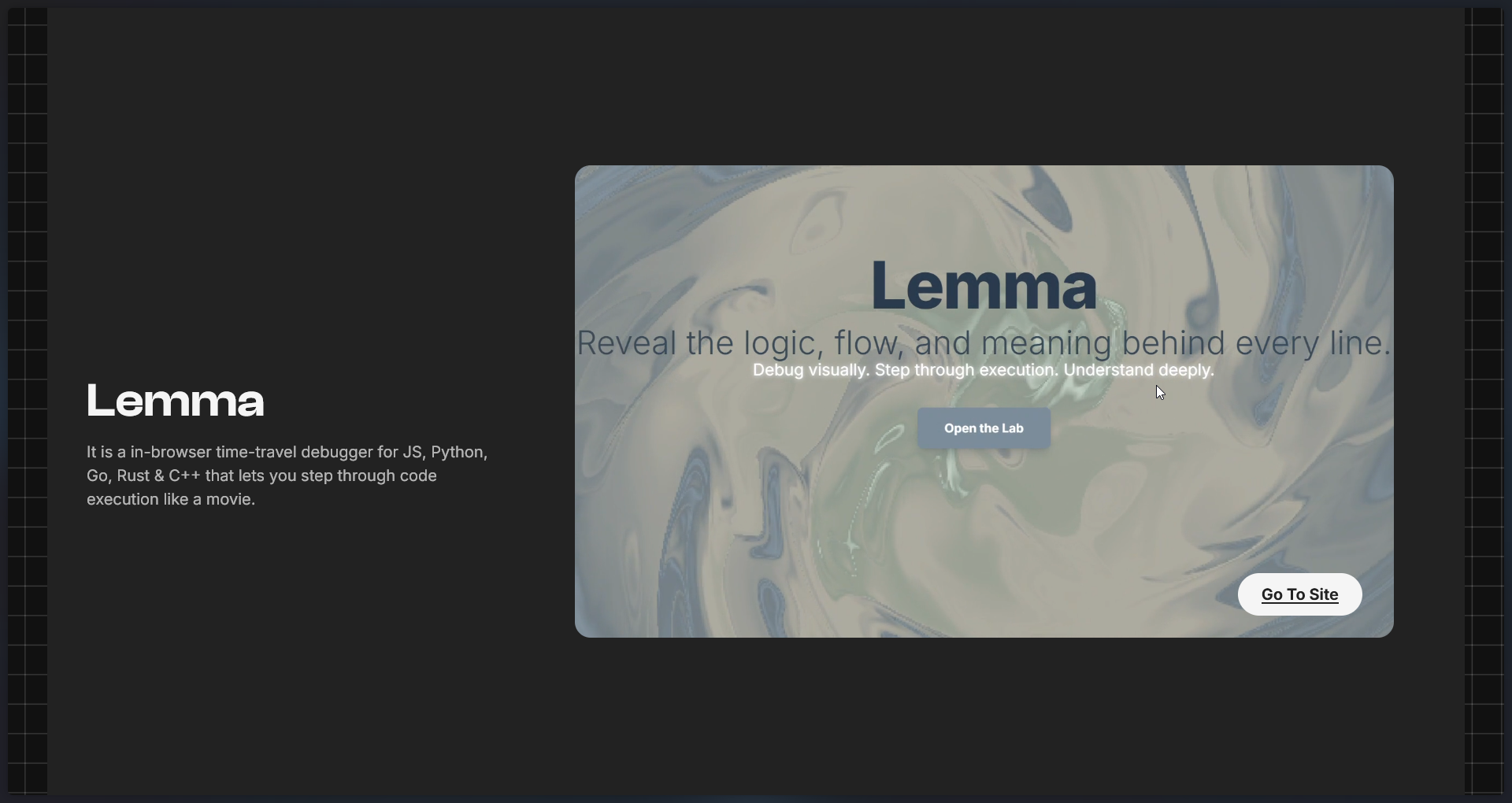
Brand Website - Project Section - 2
-
Brand Website - Project Section - 3
-
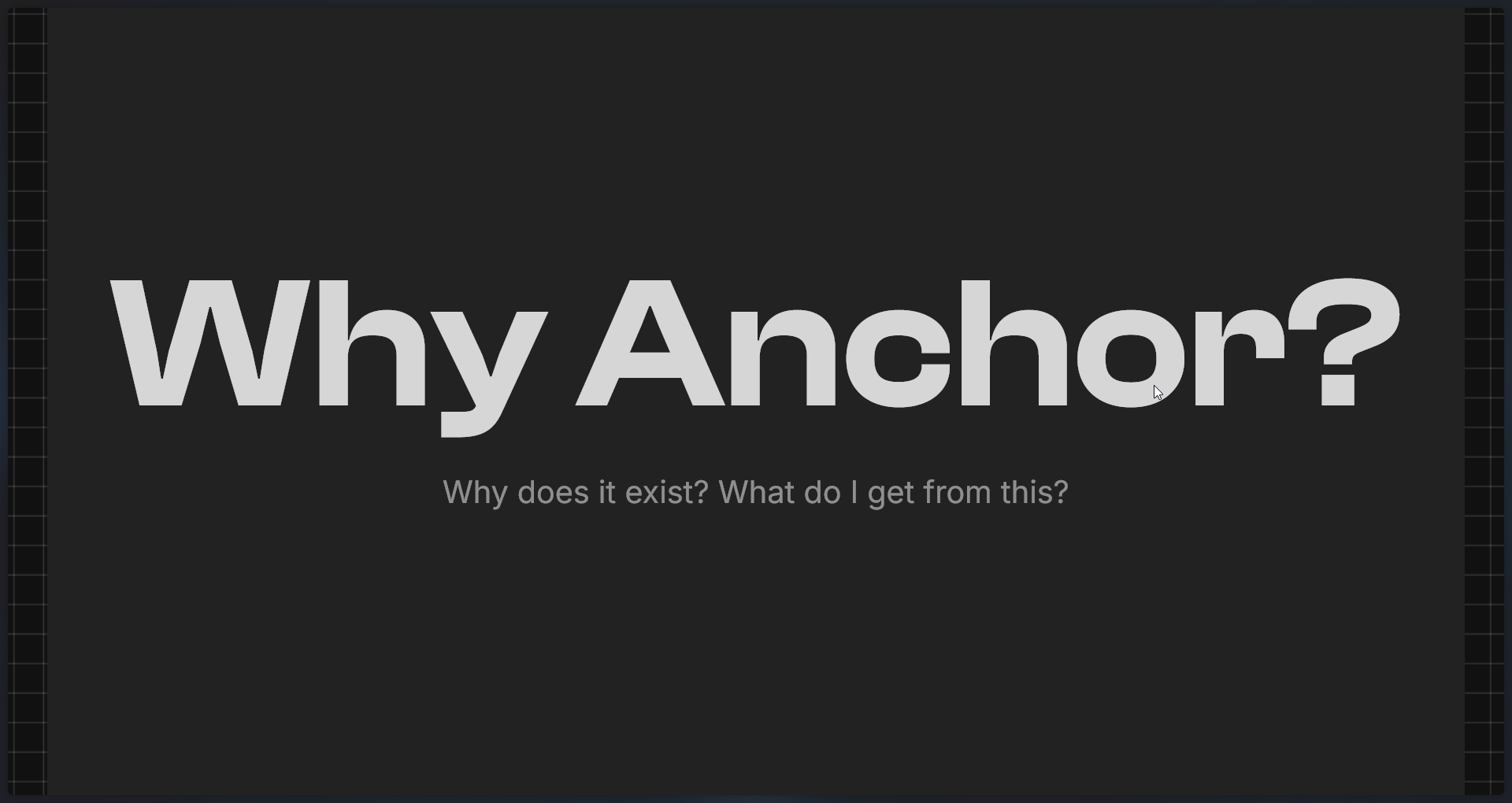
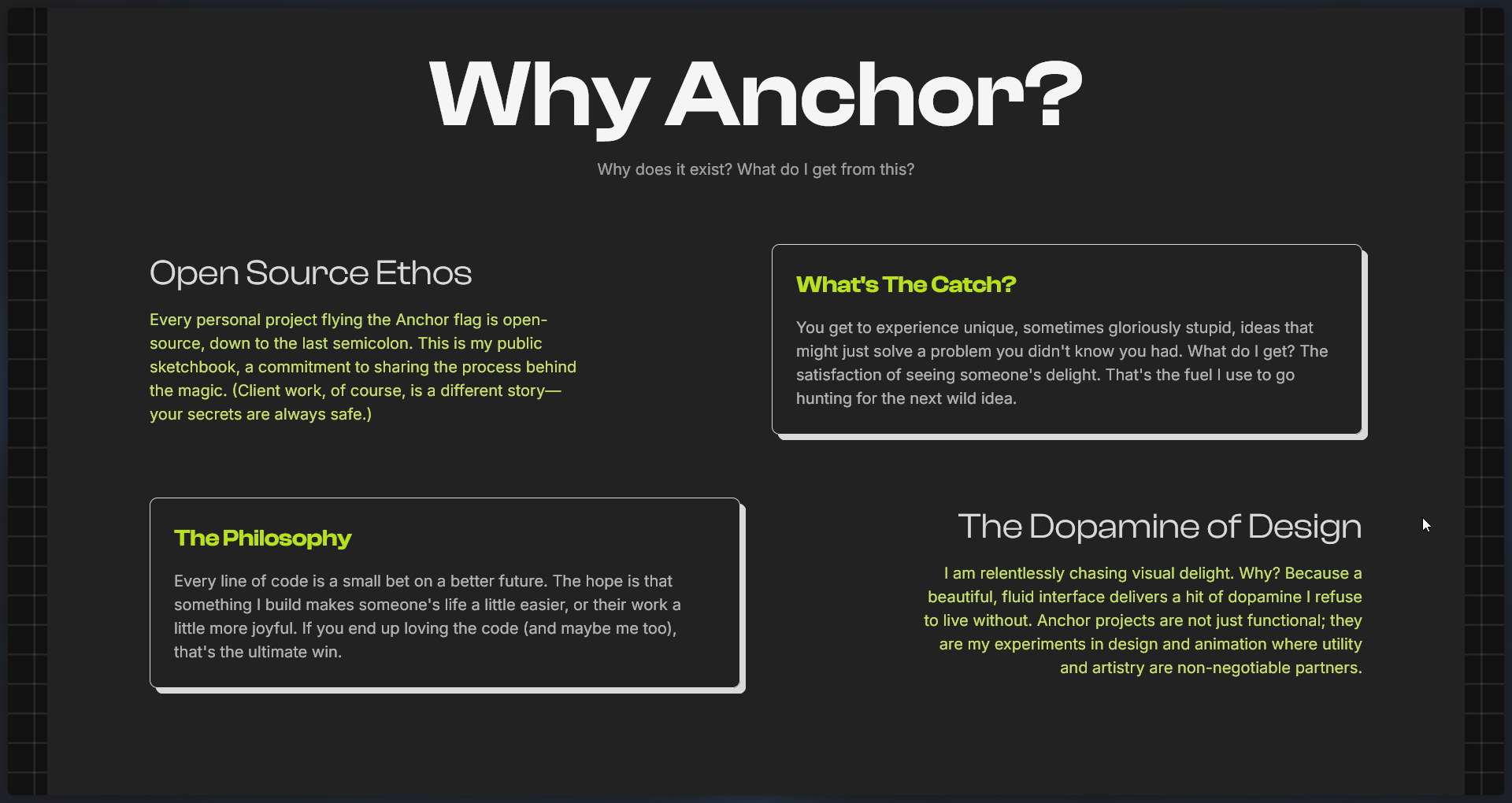
Brand Website - Why Section
-
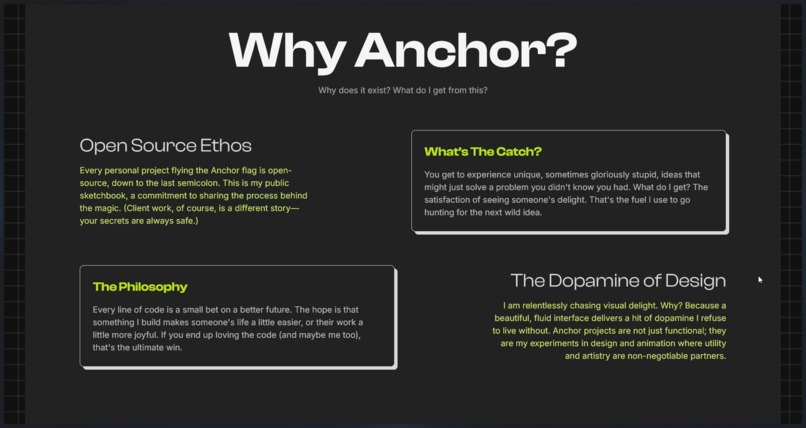
Brand Website - Why Section - 2
-
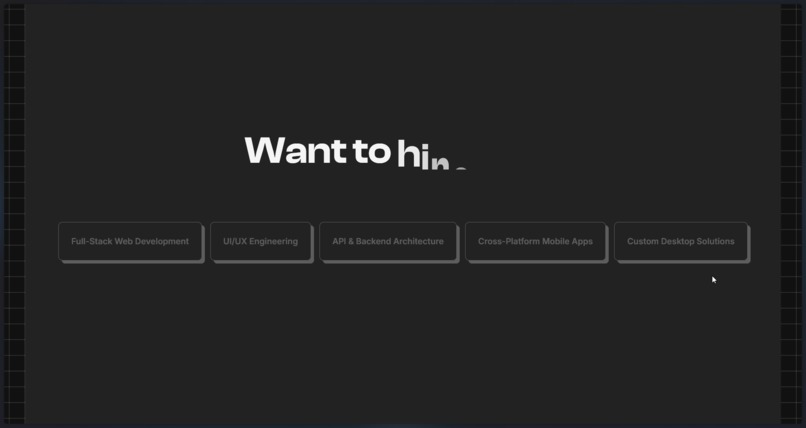
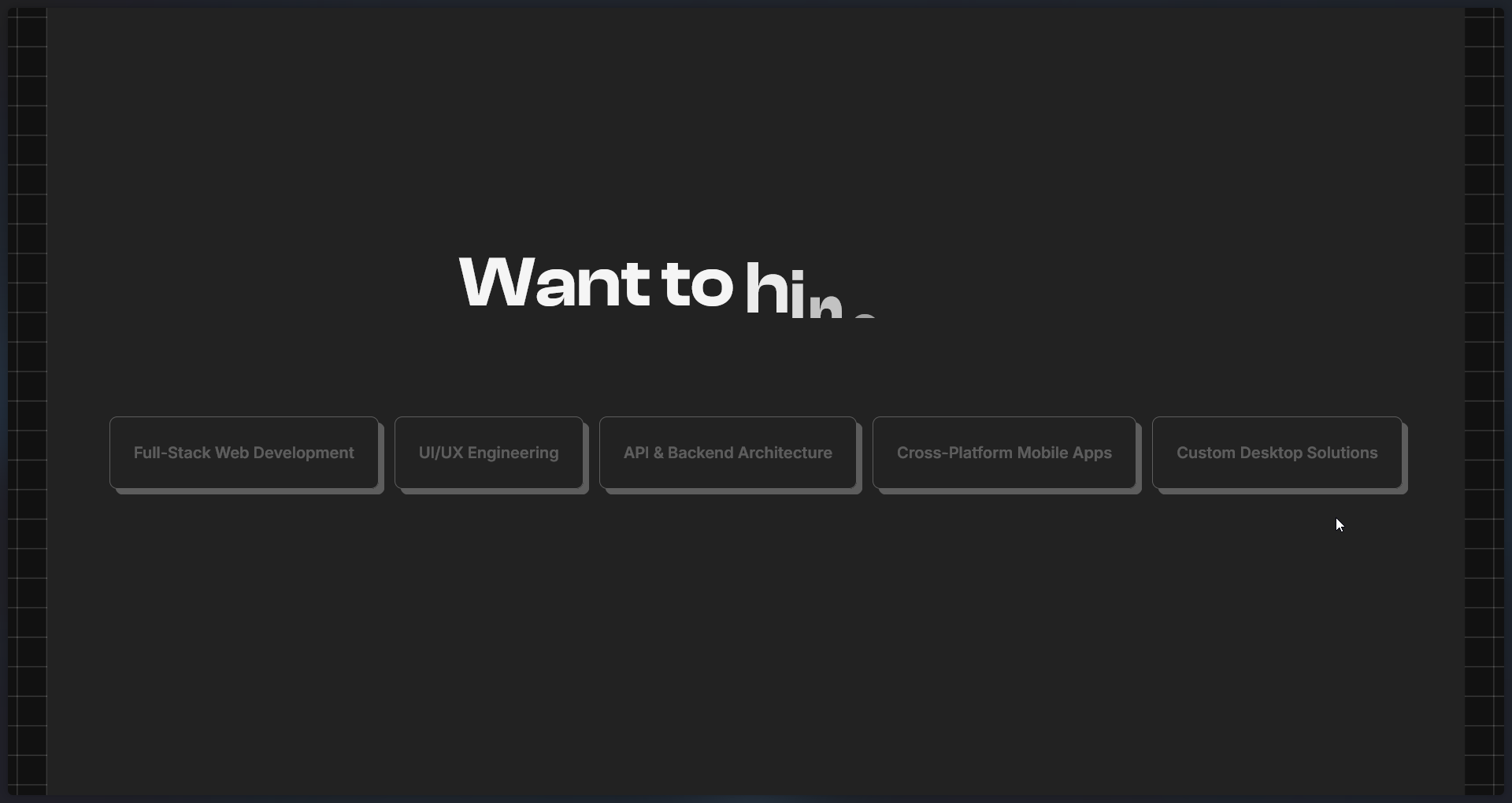
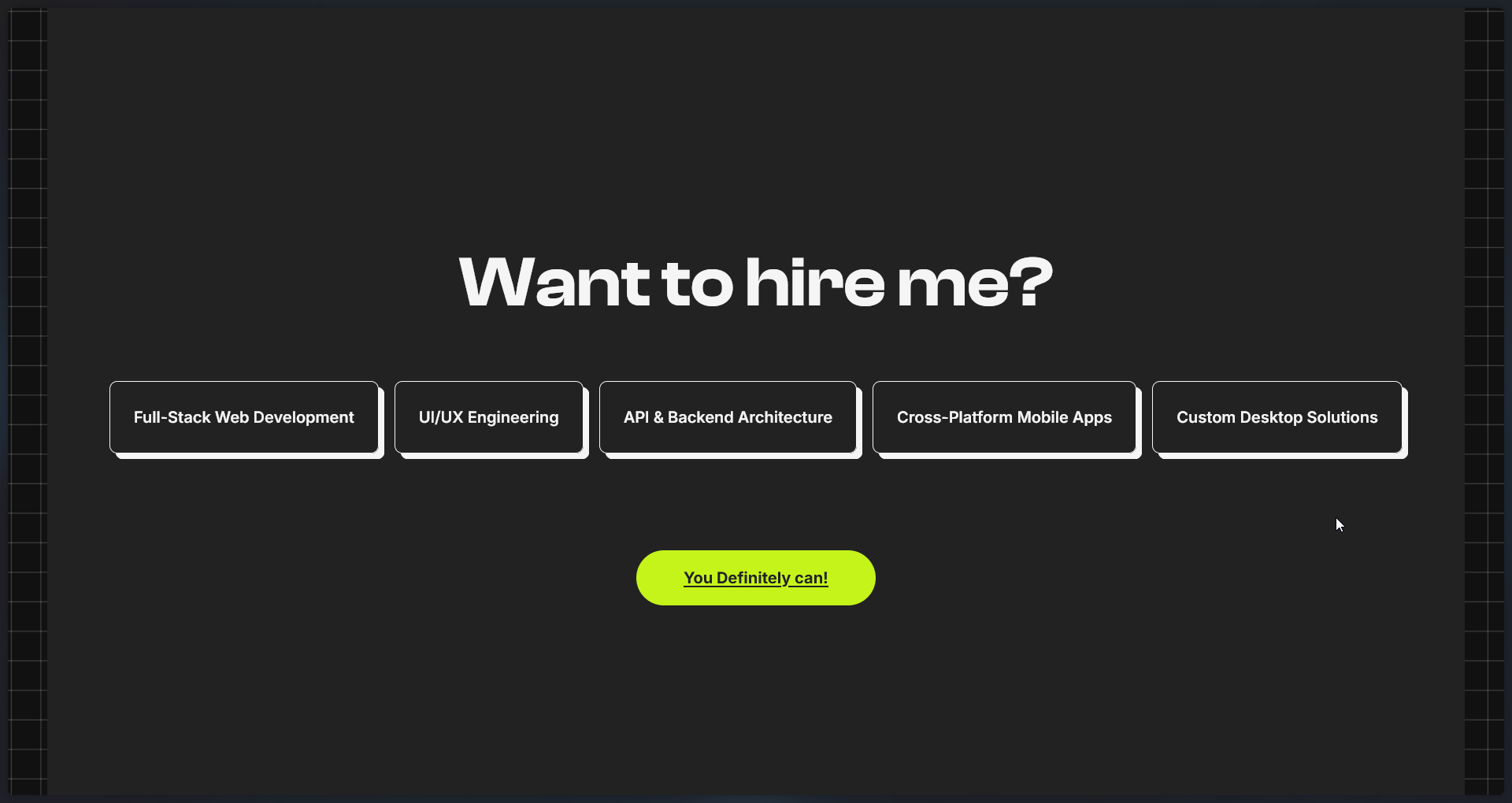
Brand Website - Hire Section
-
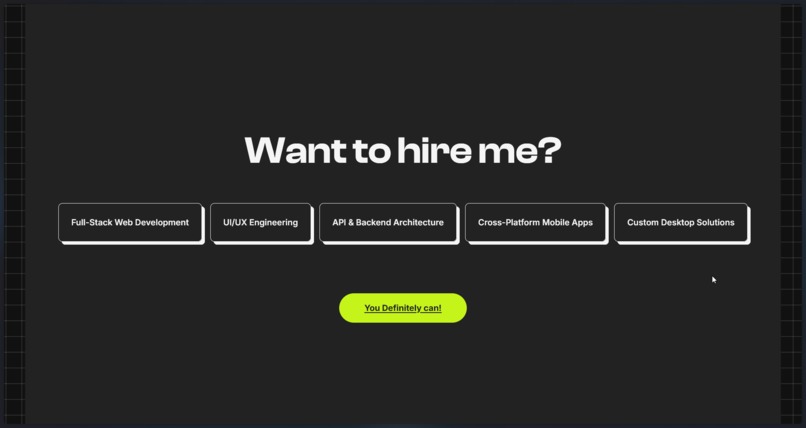
Brand Website - Hire Section - 2
-
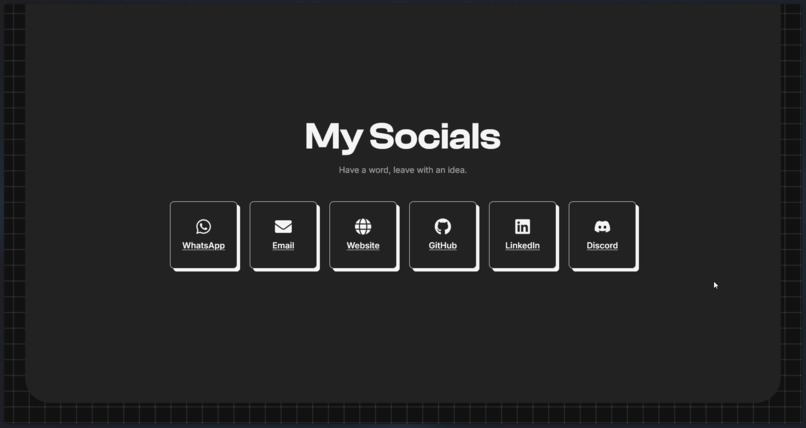
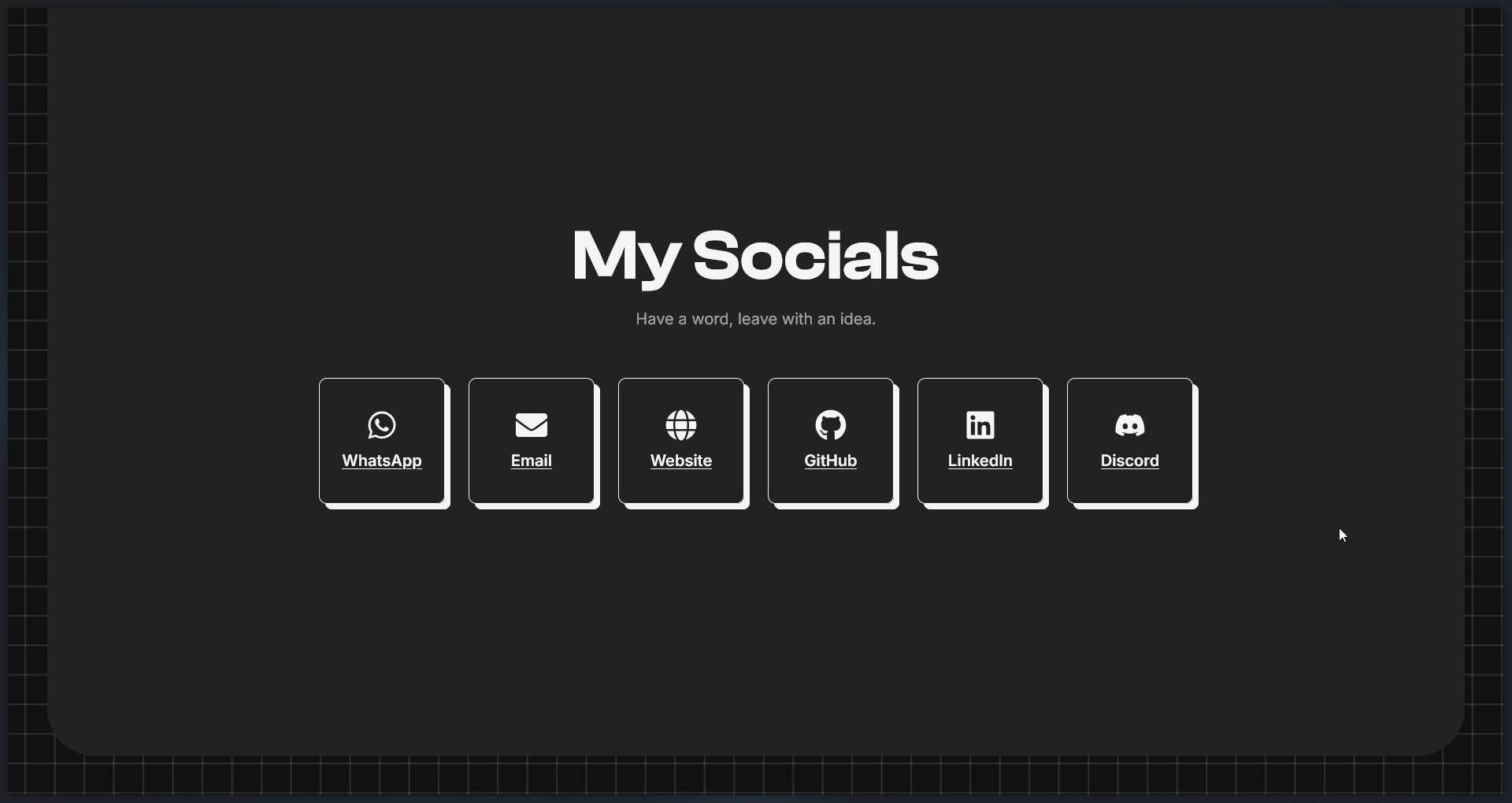
Brand Website - Socials Section
-
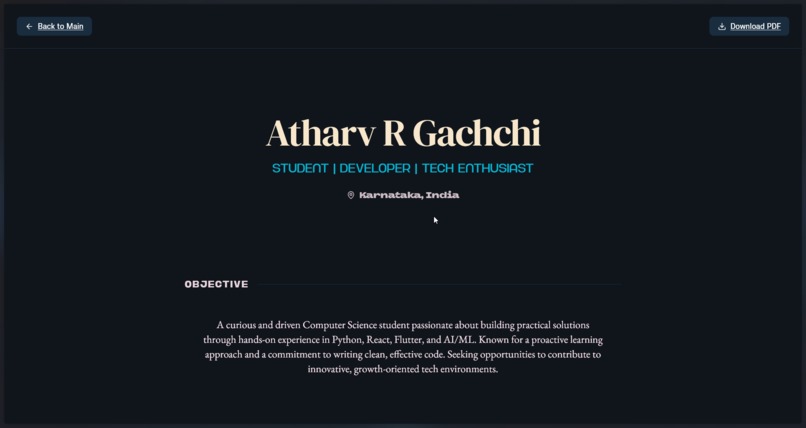
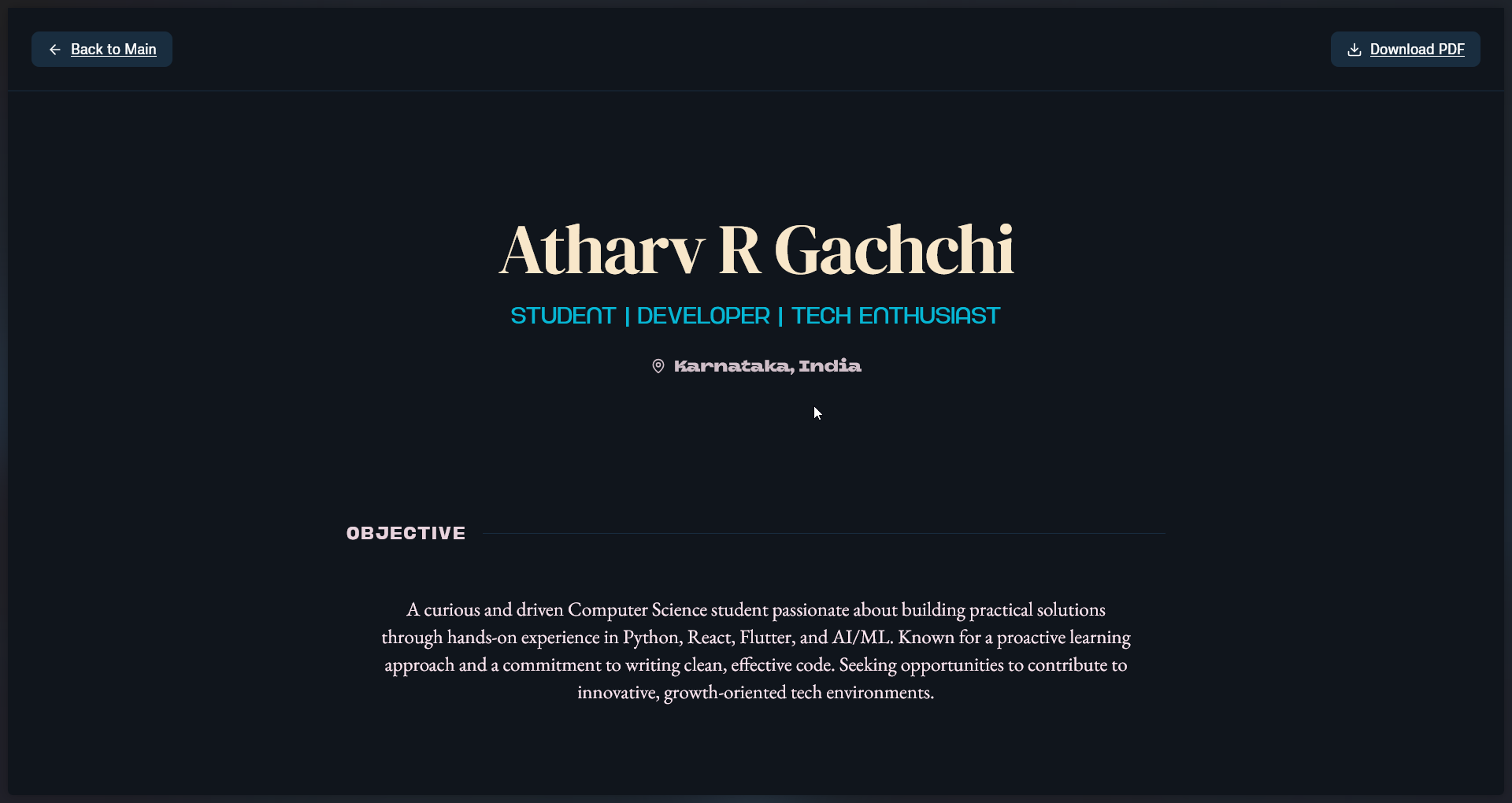
Resume Site - Hero Section
-
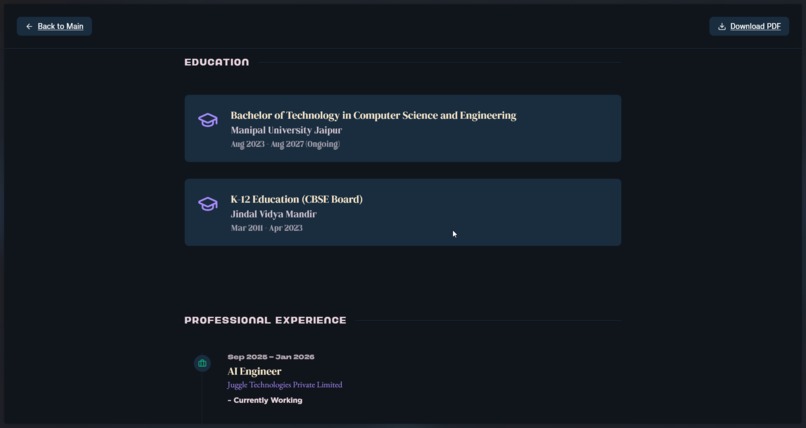
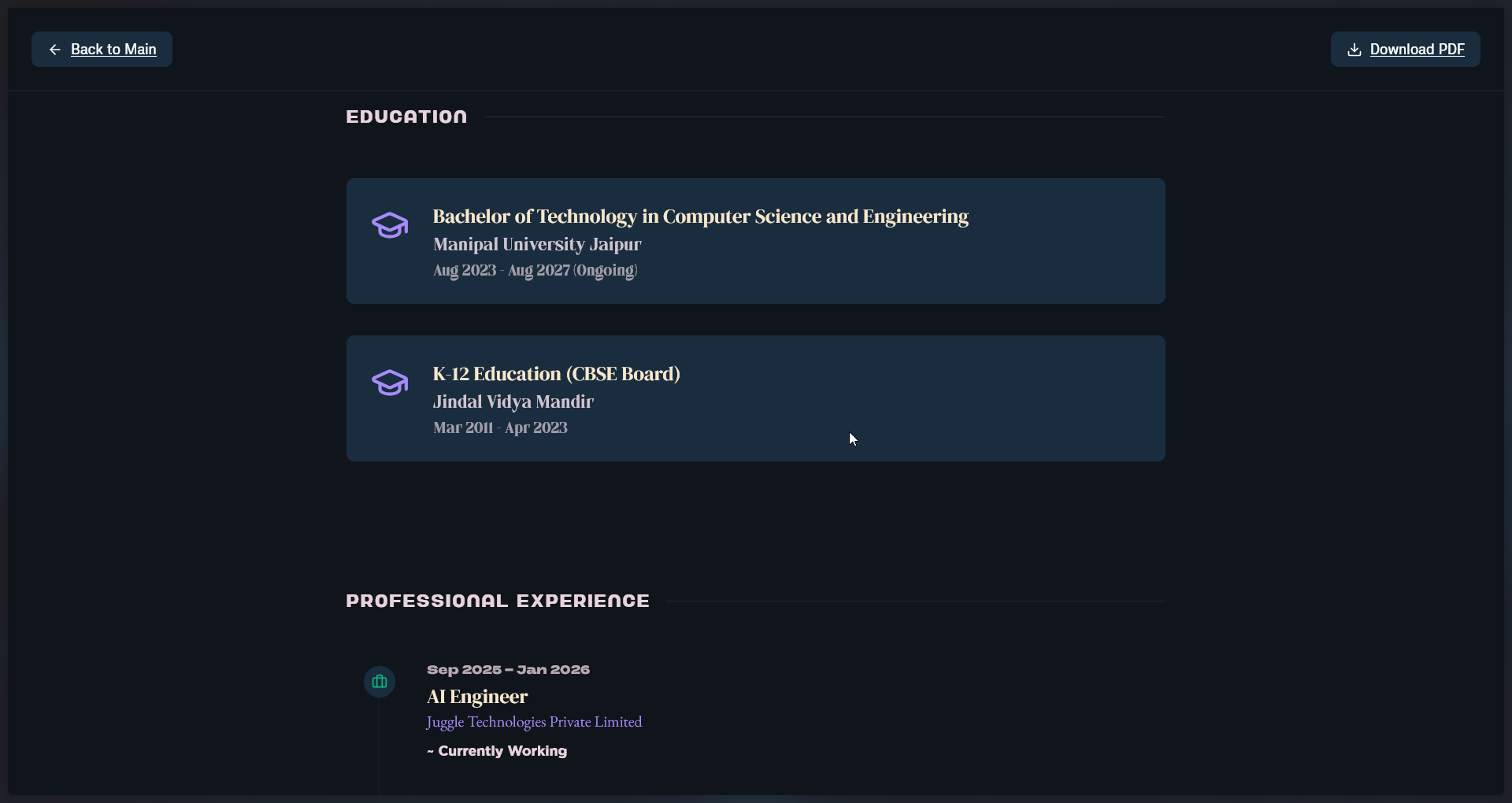
Resume Site - Education Section
-
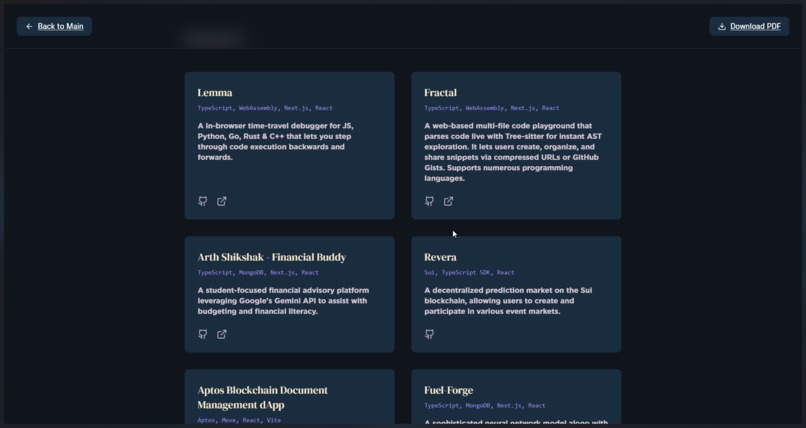
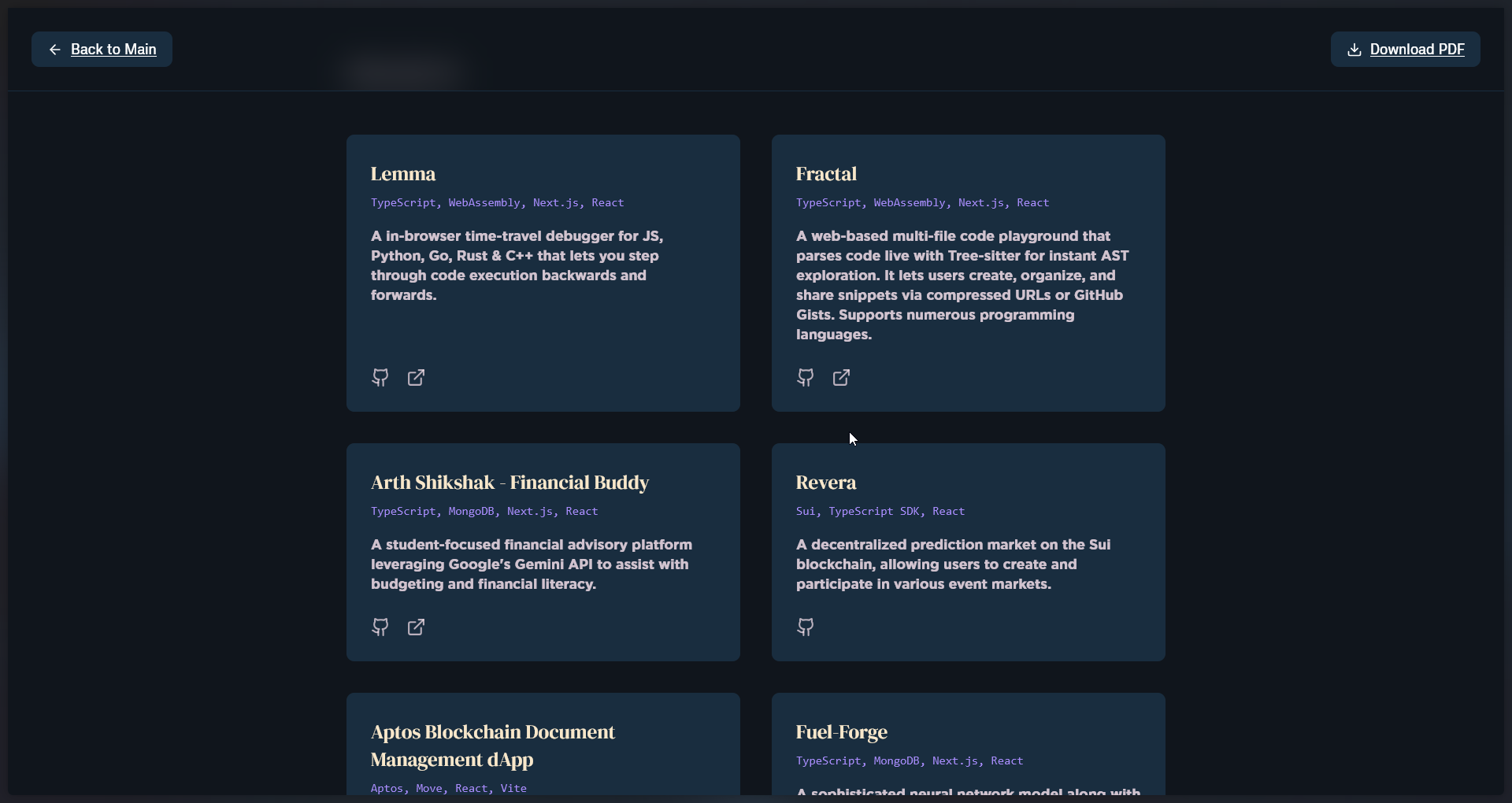
Resume Site - Projects Section
-
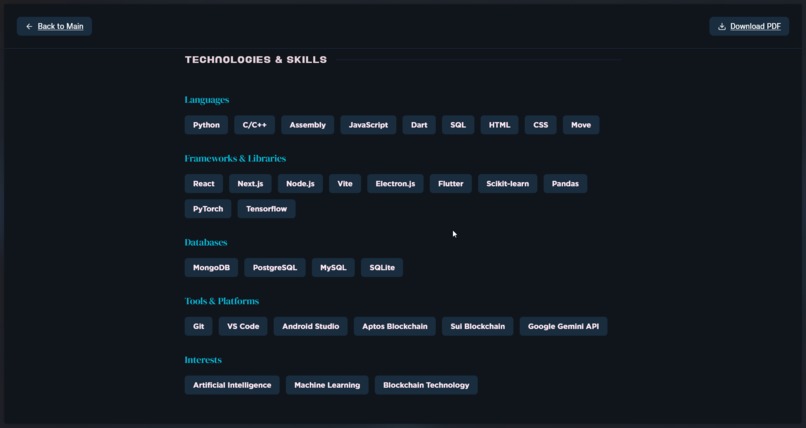
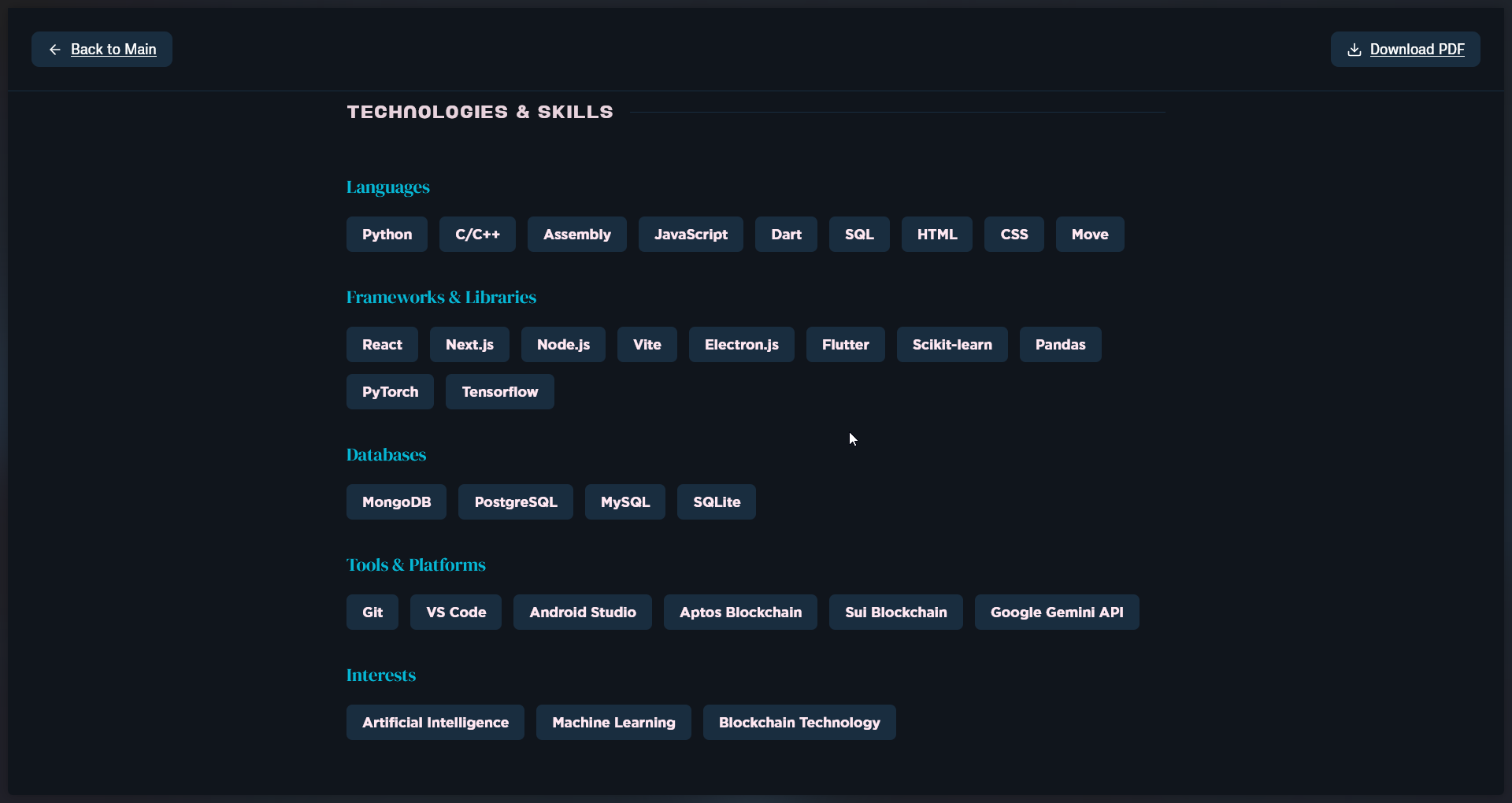
Resume Site - Skills Section
-
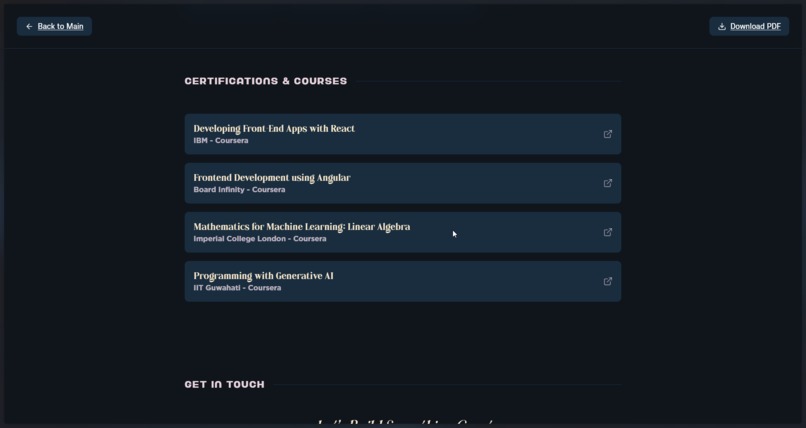
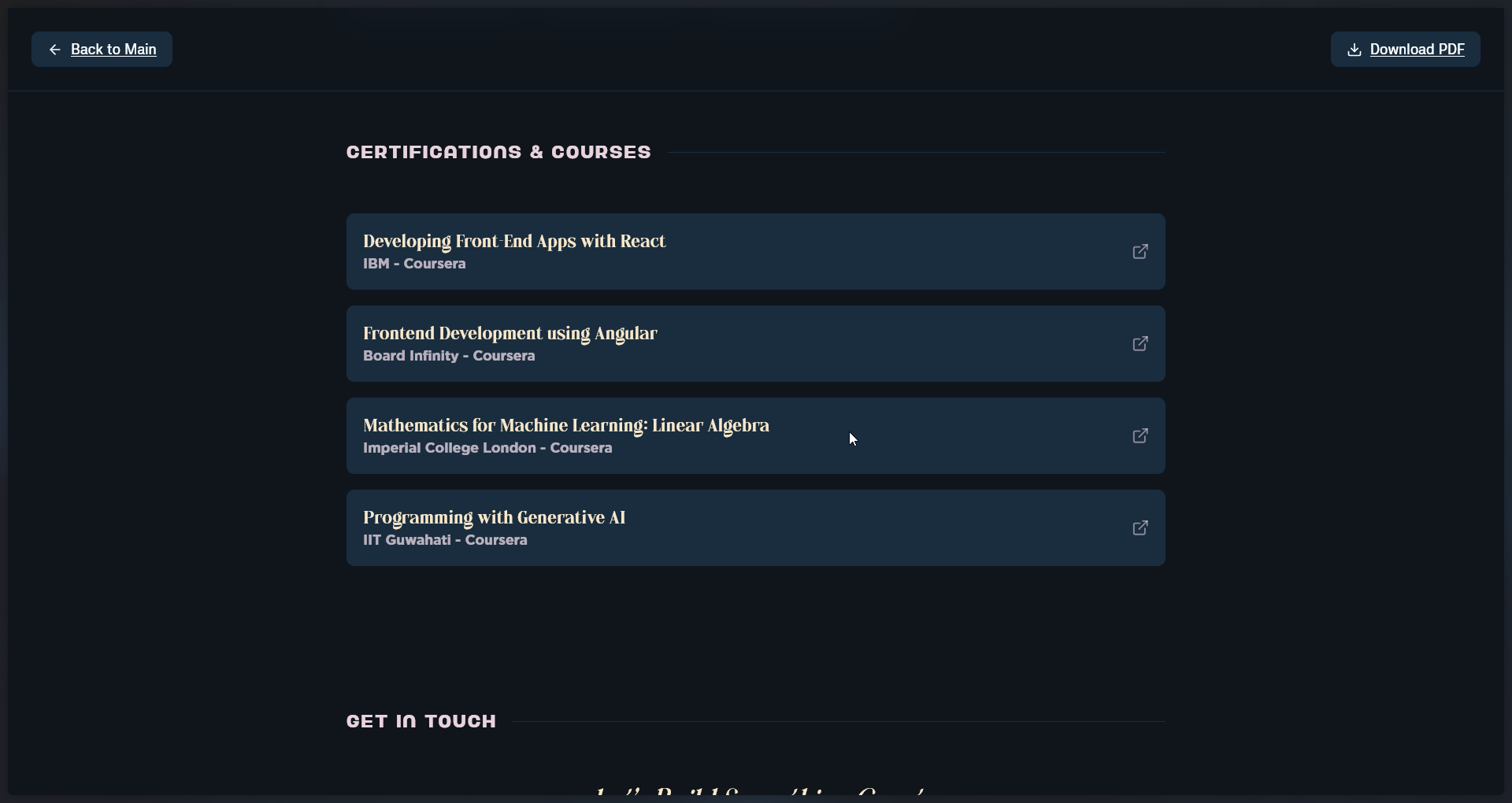
Resume Site - Certification Section
-
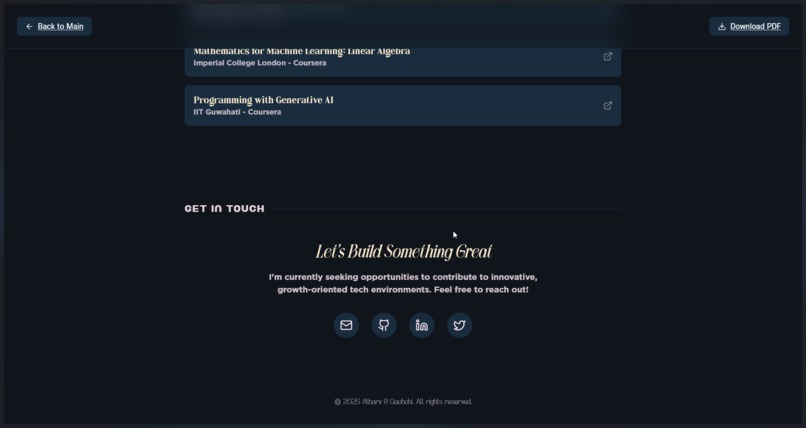
Resume Site - Contacts Section
The Story Behind My Portfolio
As a developer, I believe your personal website is more than just a resume—it's a digital extension of yourself. It's a place to not only showcase your work but to tell your story, share your philosophy, and demonstrate your passion. This is the story of how I built mine.
The Spark of Inspiration
My main inspiration was to create a portfolio that felt alive. I didn't want a static page with a list of projects; I wanted an experience that would engage visitors and give them a sense of who I am as a creator. My guiding principle was a concept I call "Design Dopamine"—the idea that a well-designed interface can deliver a small hit of satisfaction and joy through fluid interactions and beautiful visuals.
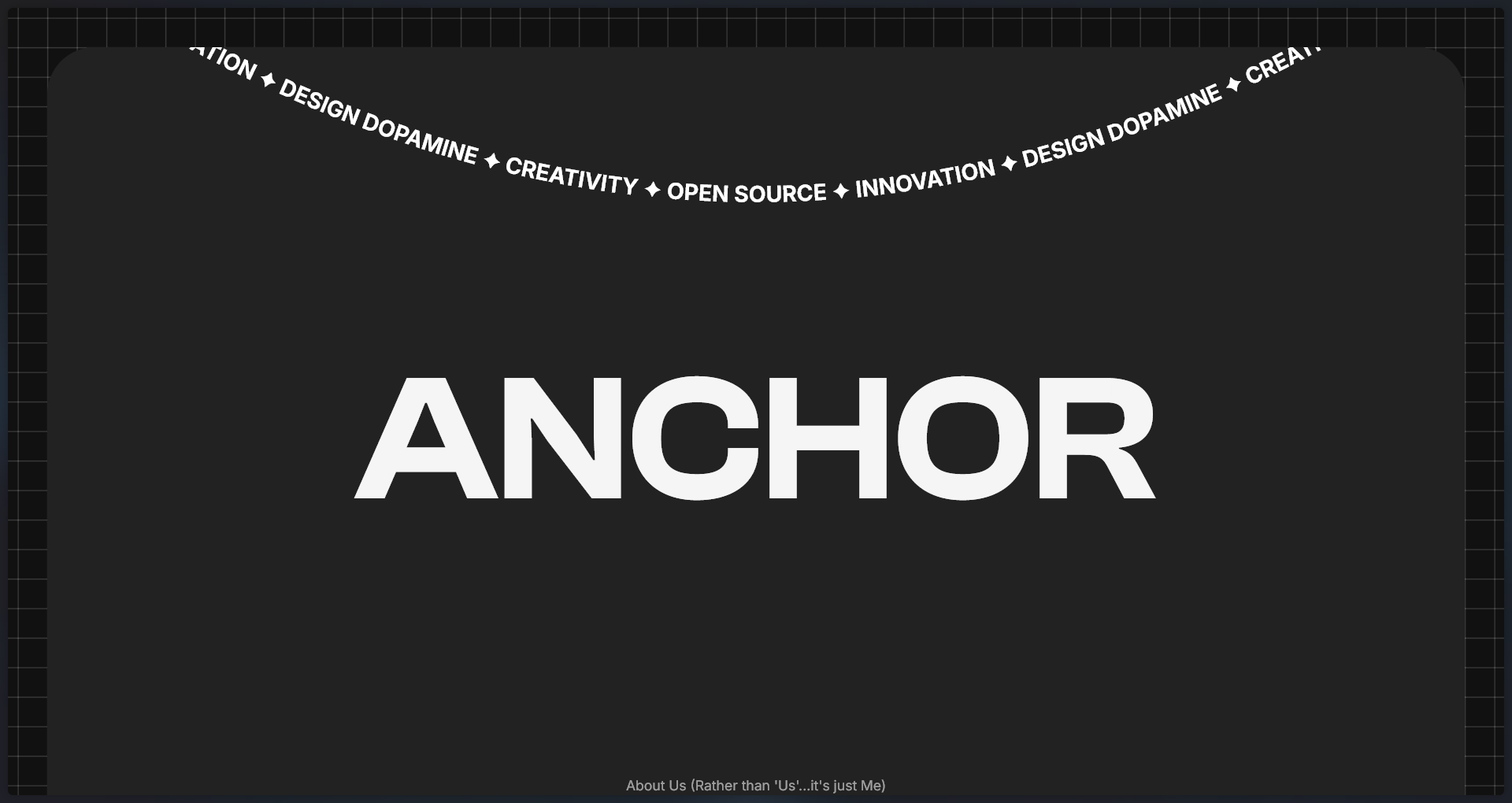
I was also driven by the desire to build a personal brand. That's where "Anchor" came from. It's my alias, representing my goal to build websites with weird, interesting, and unconventional ideas. I wanted my portfolio to be the home for this identity, a place where my passion for open-source and creative coding could shine.
Crafting the Experience: How I Built It
This portfolio was built from the ground up with a focus on performance, aesthetics, and a modern developer experience.
- Foundation: I chose Next.js as the core framework. Its server-side rendering (SSR) and static site generation (SSG) capabilities ensure the site is incredibly fast and SEO-friendly.
- Styling: For the visuals, I used Tailwind CSS. Its utility-first approach allowed me to build a completely custom design system without being bogged down by writing endless lines of custom CSS. This was crucial for achieving the clean, minimalist aesthetic I was aiming for.
- Animations & Interactivity: To bring the "Design Dopamine" concept to life, I used Framer Motion. It's a powerful animation library for React that made it incredibly fun and intuitive to create the fluid page transitions, scrolling animations, and subtle interactive elements you see throughout the site.
- Deployment: The entire project is hosted on Vercel, which provides a seamless, git-based workflow and a global CDN to ensure fast load times for everyone, everywhere.
Lessons Learned on the Journey
Building this portfolio was a huge learning experience that went far beyond just code.
- The Power of a Personal Brand: Creating the "Anchor" section forced me to think deeply about my unique selling proposition. It taught me that articulating why you build things is just as important as showing what you've built.
- Performance is a Feature: A beautiful website that's slow is a failed experiment in "Design Dopamine." I learned the importance of performance optimization, from compressing images and lazy-loading components to fine-tuning my animation code to ensure it runs smoothly, even on less powerful devices.
- The Devil is in the Details: The difference between a good site and a great one lies in the micro-interactions. I spent countless hours tweaking the easing of an animation, adjusting the spacing between elements, and perfecting the hover states. These small details collectively create a polished and professional experience.
- Storytelling Through Design: I learned how to guide a user through a narrative using visual hierarchy, pacing, and interactivity. The goal was to make the journey from the landing page to my projects feel like a natural and engaging story.
Navigating the Challenges
The journey wasn't without its hurdles.
- Scope Creep: My biggest challenge was reining in my own ambition. It's easy to keep adding "one more cool feature," but I had to learn to be disciplined and stay focused on the core purpose of the portfolio. The complexity of a project can grow exponentially if not kept in check, something like $O(n^2)$ instead of a manageable $O(n)$.
- Responsive Design: Ensuring the fluid, animation-heavy experience worked flawlessly on mobile was a significant challenge. It required a mobile-first approach and extensive testing to make sure the "wow" factor wasn't lost on smaller screens.
- Finding the Right Words: Surprisingly, one of the hardest parts was writing the copy. Translating my technical passion into clear, concise, and compelling language that resonates with both technical and non-technical visitors took a lot of refinement.
This portfolio is a living project, a snapshot of my skills and ambitions today. I'm proud of what I've built, and I'm excited to see how it evolves as I continue my journey as a developer.
Built With
- framer-motion
- gsap
- nextjs
- react
- tailwindcss

Log in or sign up for Devpost to join the conversation.