-
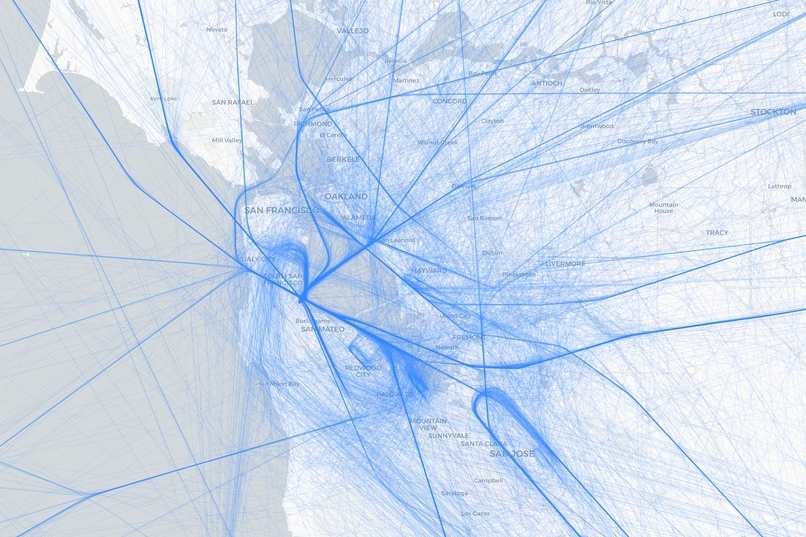
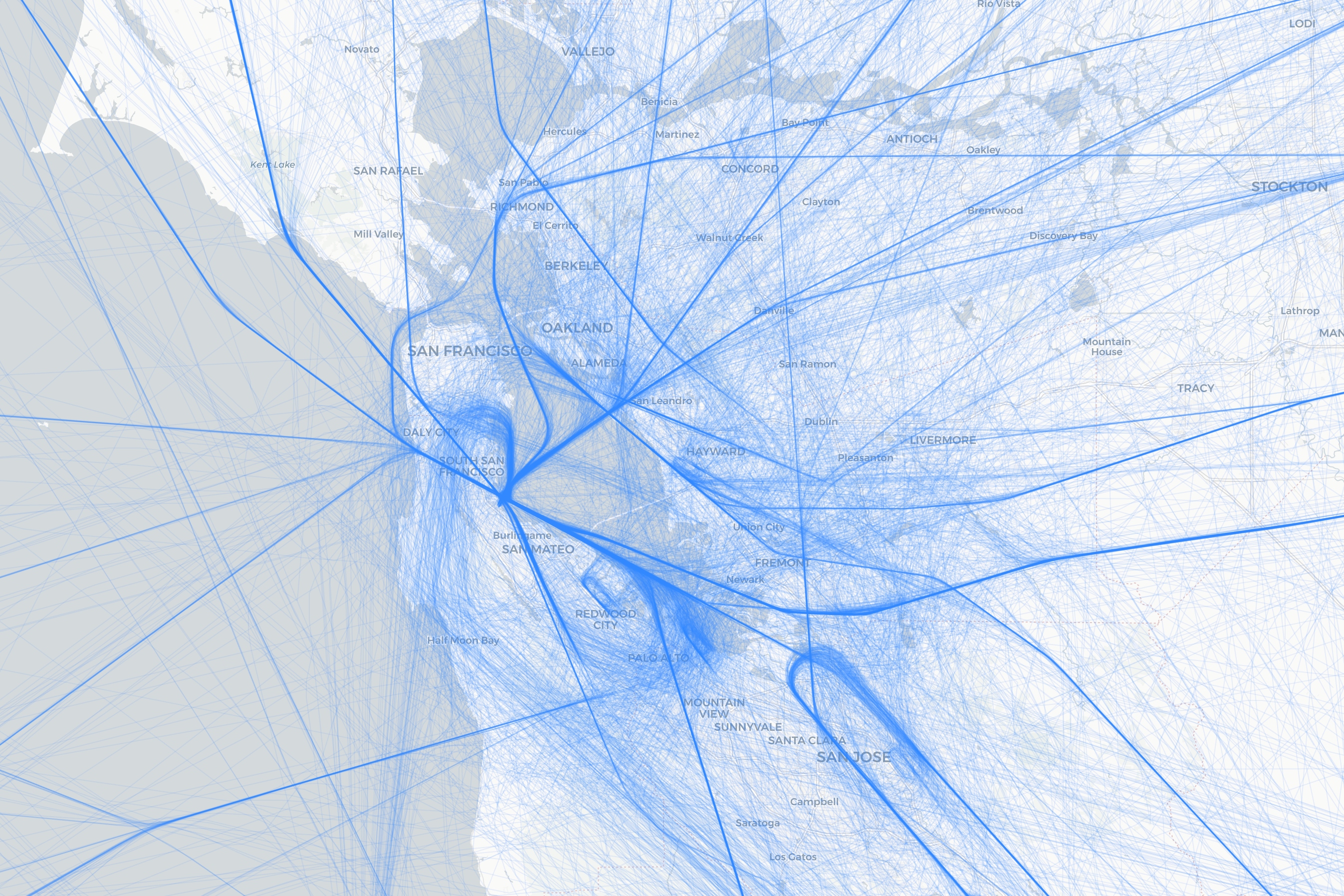
SFO Flight Tracks
-
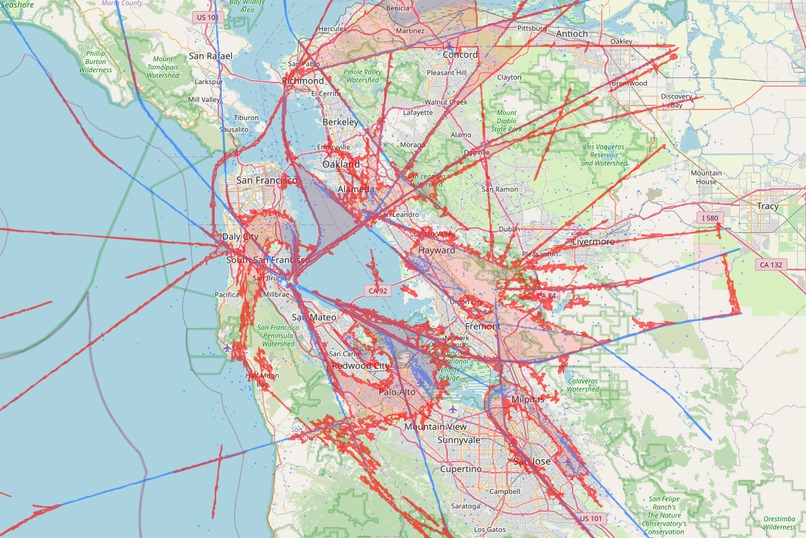
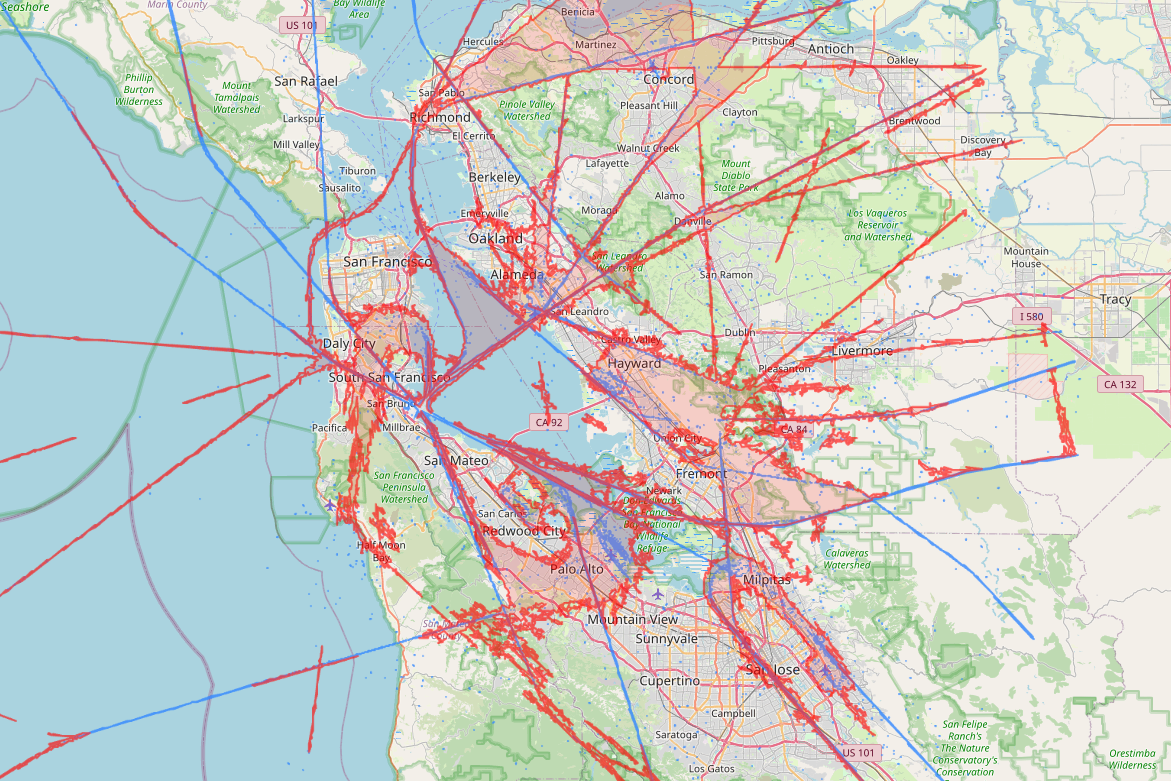
SFO Flight Clustering
Inspiration
Various airline accidents happen due to difficulty in coordinating between pilots and air traffic control. We wanted to make communication easier and more automated to aid air traffic controllers in spotting abnormalities in air traffic earlier.
What it does
By ingesting thousands of historical flights, we define safe corridors through machine learning. We then continuously monitor live flights and radio frequencies, ensuring that outliers are caught before they shape into actual emergencies.
How we built it
ADSB Flight Data and VHF voice data requires ingesting massive amounts of data, especially when scaled to multiple regions. To ensure this is scalable, we use Kafka as a backbone for our data processing pipeline. To quickly iterate and prototype, we chose to wrote this project in Python, but should consider rewriting it in a higher performance programming language, which comes with benefits such as parallel processing.
Challenges we ran into
To transcribe air traffic control speech, our team utilized a fine-tuned model of whisper. Although this version was better than the original whisper model, air traffic control radio is often filled with static and hard-to-hear speakers, so transcribing was a challenge. To aid whisper, we chunked the data into sections where someone was the speaker and static, so whisper could focus on transcribing the most important parts of the audio.
Accomplishments that we're proud of
Being able to get interactive visualizations of flight paths and to have a clustering algorithm to find common flight paths and abnormalities was great. We are also happy to be able to not only transcribe air traffic control data, but also predict if the tower or pilot was speaking based on the context of the words.
What we learned
Throughout our experience, we learned how complex flight data could be, with a combination of slight deviations in flight paths based on the situation and difficult-to-hear air traffic control. However, with this complex system also comes appreciation for the various people and systems that make air travel one of the safest modes of transportation. Through these systems, we learned more about how to use multiple libraries in conjunction with each other, such as whisper with a text classifier and ultimately with Kafka.
What's next for ATCMonitor
ATCMonitor would benefit from being fully connected at every part of the workflow, from taking path data to clustering and processing audio data. When combining these data together, we can get a powerful prediction of when things go wrong and are able to alert the proper controllers to resolve the situation and keep the skies safe. By having this system run live in airports across the world, we can help air traffic controllers catch mistakes that may slip and ensure the safety of all flights.

Log in or sign up for Devpost to join the conversation.