Inspiration
Emergencies in aviation demand split-second decisions, but pilots are often overwhelmed, and ATC lacks real-time visibility. We wanted to solve this by bridging the communication and awareness gap using AI.
What it does
ATC AI connects the aircraft's Flight Data Recorder (FDR) with existing ADS-B communication systems. It analyzes live flight data using AI to provide ATC with real-time insights into emergencies—without relying solely on verbal communication from pilots.
How we built it
- Used Real FDR data and part of CVR from the Miracle on the Hudson Aviation Accident
- Used Python for real-time data processing and serial communication with Arduino.
- Integrated the Gemini API to analyze FDR (Flight Data Recorder) data and raise contextual warnings.
- Used AWS Transcribe to convert CVR (Cockpit Voice Recorder) audio into text for further analysis.
- Implemented parameter prioritization on FDR inputs to detect anomalies and trigger alerts based on criticality.
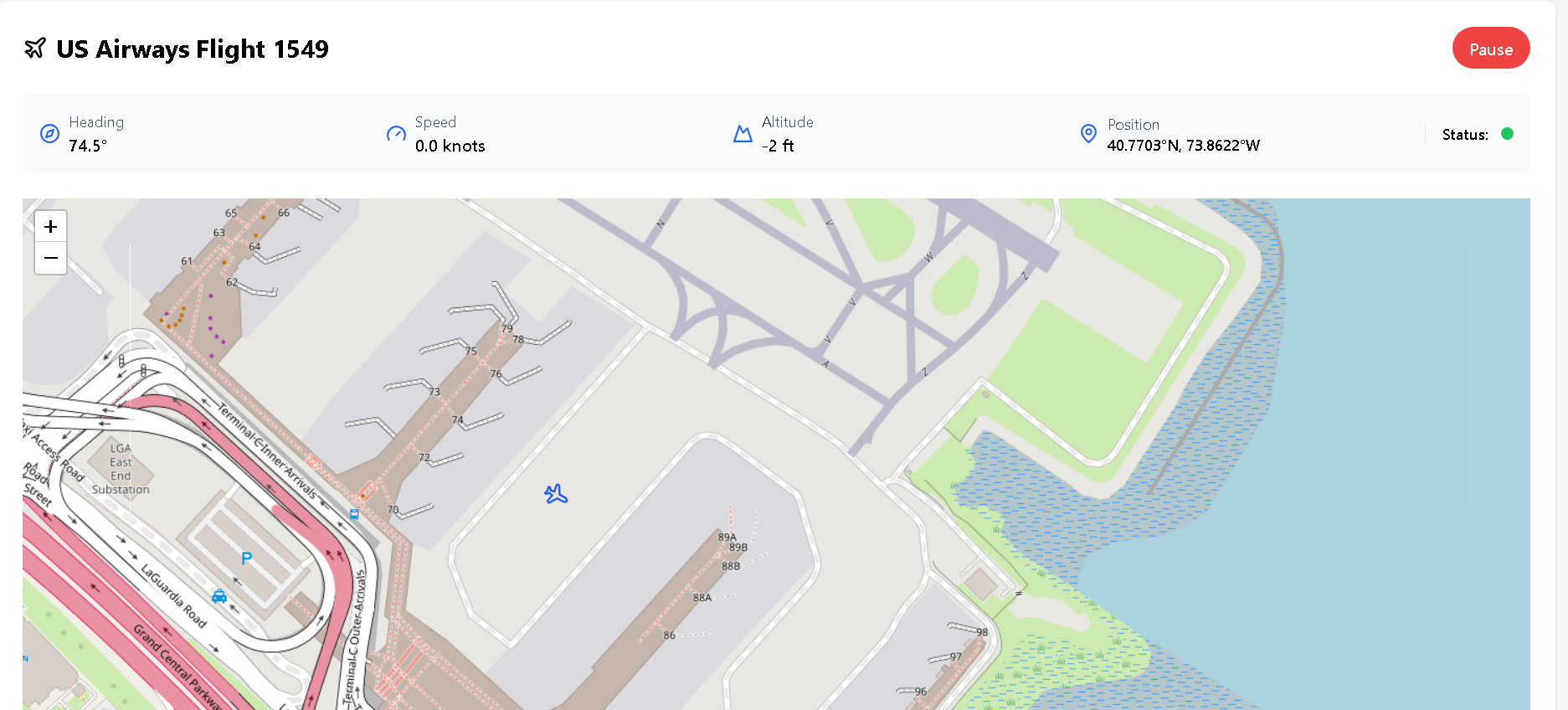
- Developed a front-end interface using StackBlitz for data visualization.
- Simulated aircraft behavior using CSV files representing real-time FDR logs.
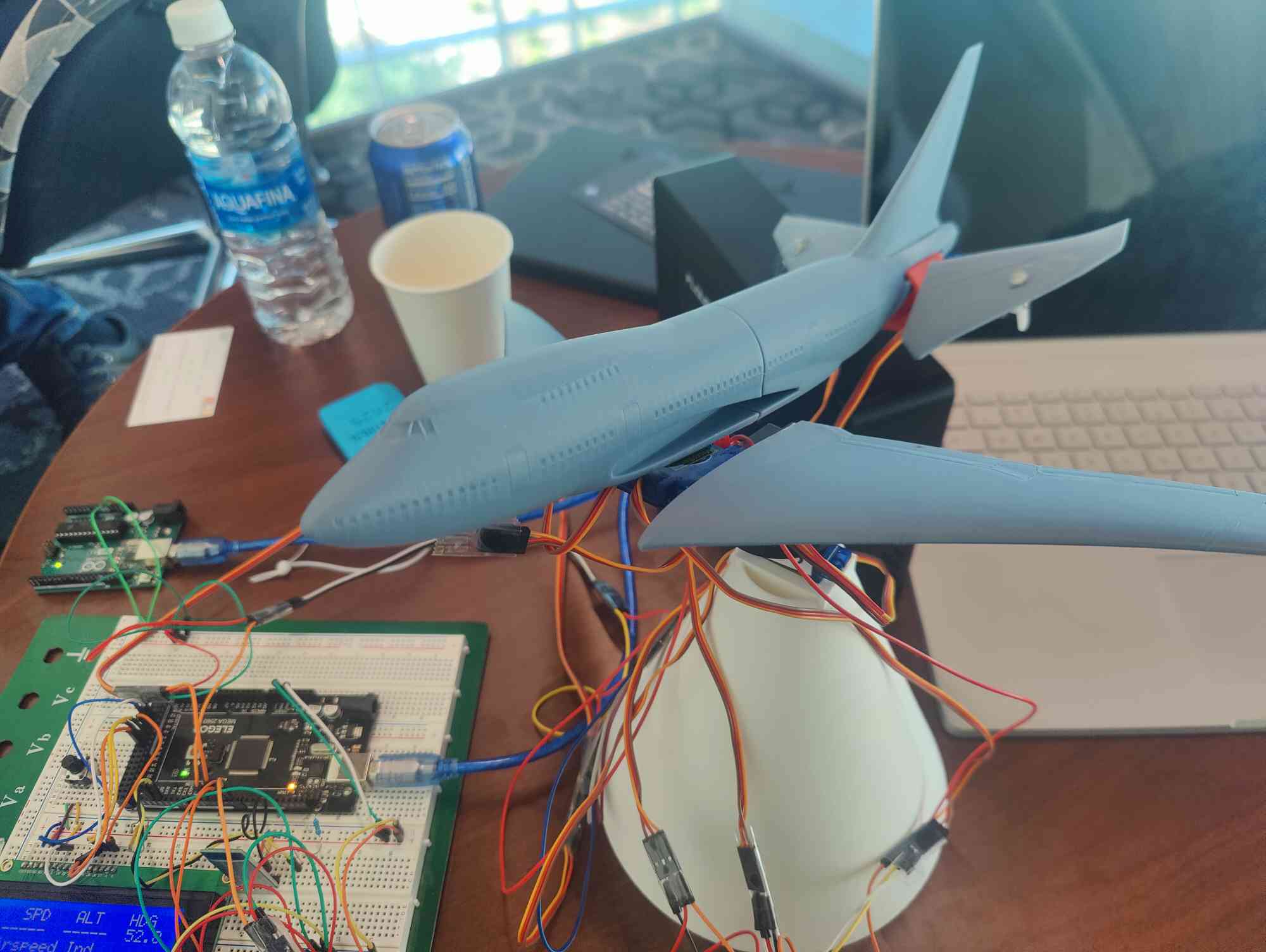
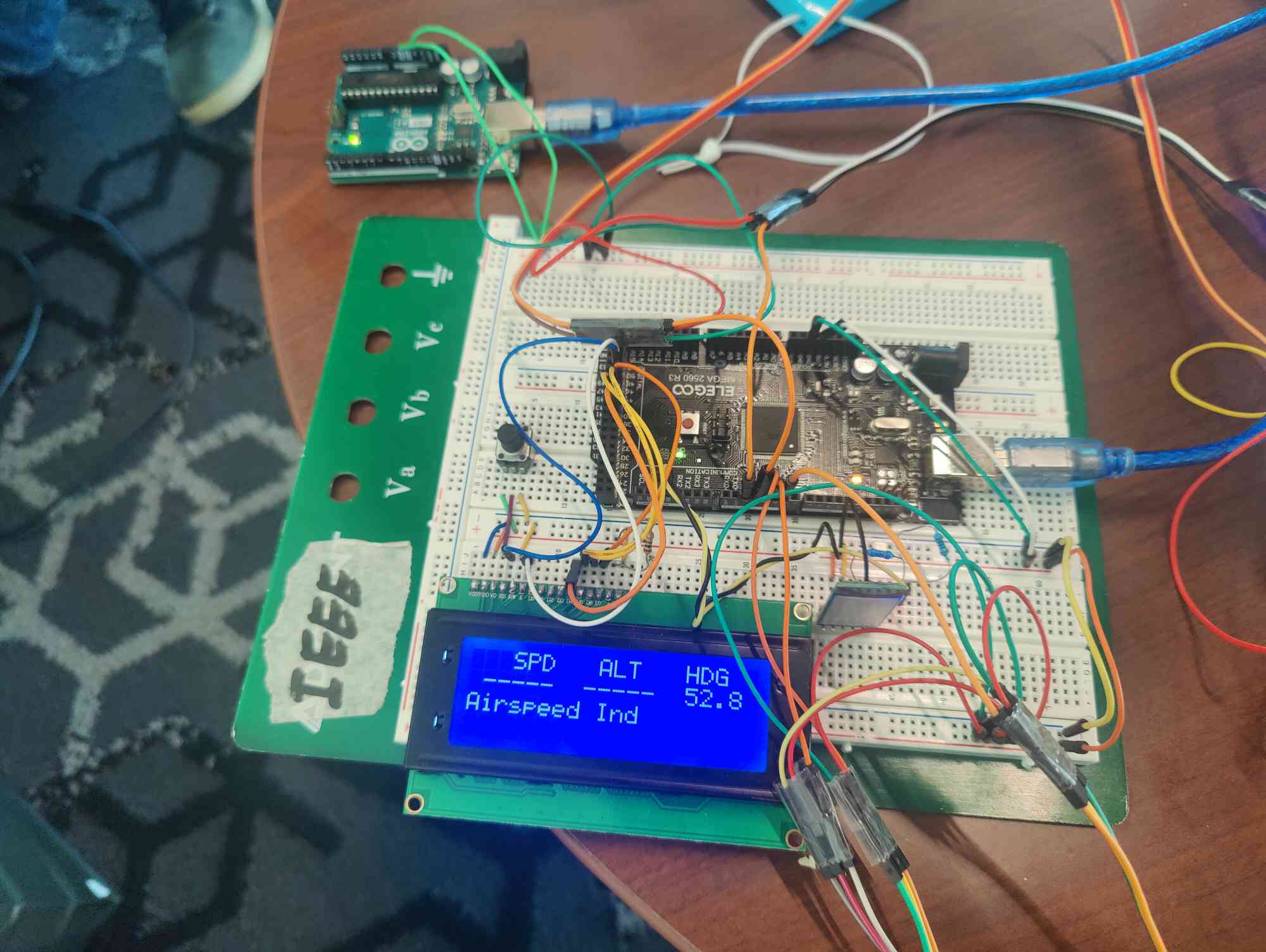
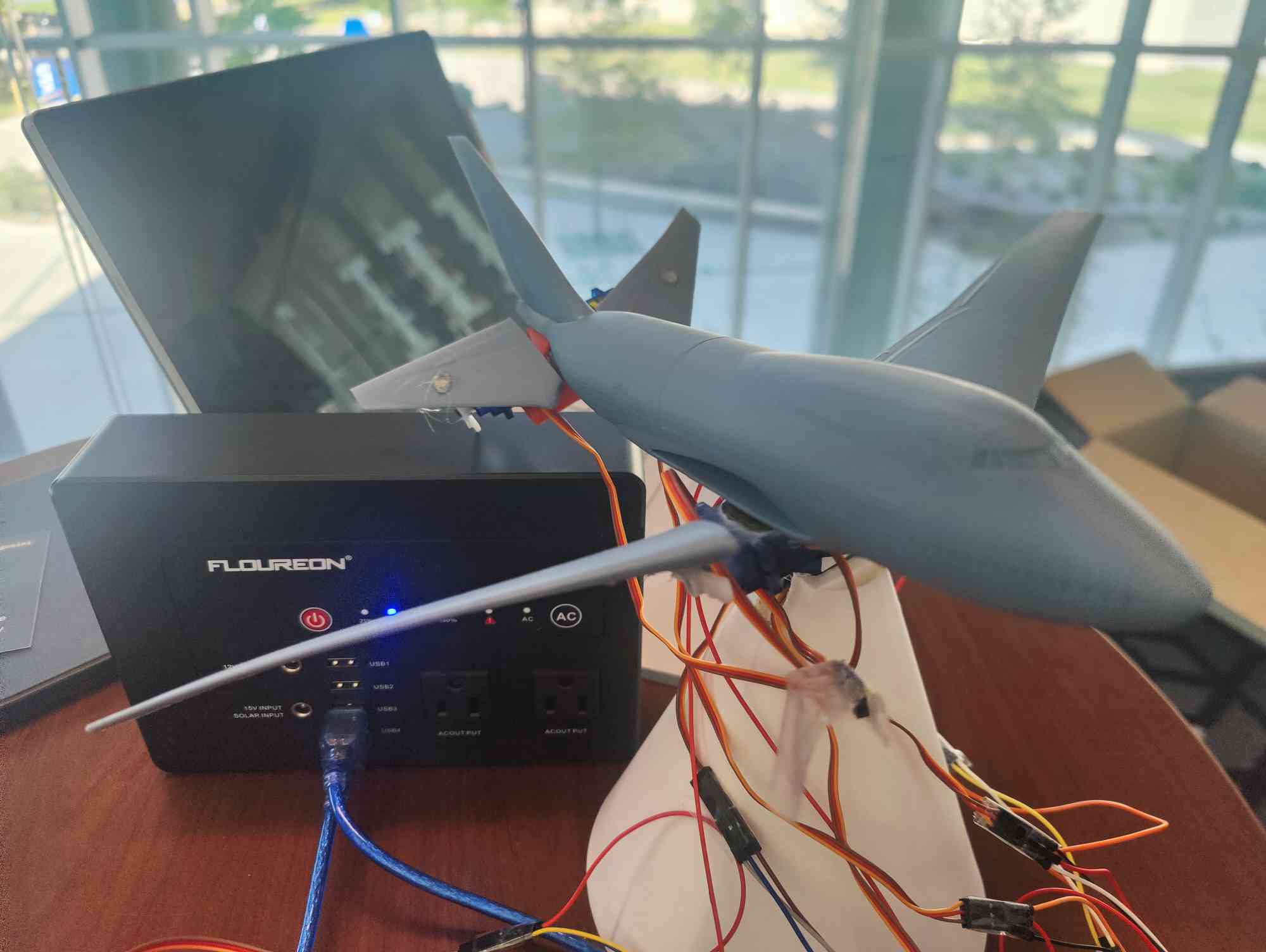
- Controlled servos and LCDs with Arduino, mimicking physical cockpit instruments.
- Built a flag-based messaging protocol to clearly separate tasks (LCD display vs. servo movement).
Challenges we ran into
-Dealing with missing or incomplete data rows while maintaining state.
- Lack of trained models with Flight Data caused issues with Gemini not detecting at first based solely on flight data, but when CVR Parameterization was pushed, it worked.
Accomplishments that we're proud of
- Built a working prototype that integrates real-time data processing with physical servo responses and a Web App.
- Designed a system that clearly distinguishes between normal and emergency data flow using AI.
- Found an industry (aviation) where AI is used less and made sure it could be used for a better and safer skies
What we learned
- The importance of real-time data analysis for critical systems like aviation.
- How to integrate diverse tools—AI (Gemini API), AWS Transcribe, and embedded hardware—into a unified system.
- Parameter prioritization plays a key role in detecting anomalies efficiently, especially under time constraints.
- Combining FDR and CVR analysis creates a richer, more complete picture of aircraft emergencies.
- Communication between hardware and software systems requires careful synchronization and reliability handling.
What's next for ATC (Air Traffic Controller) AI
- Integrate with live ADS-B data feeds for real-world testing and alerts.
- Expand Gemini AI capabilities to provide predictive insights and early warning signals.
- Fine-tune CVR transcription and NLP to recognize stress, urgency, and emergency patterns from pilot voices.
- Add a dashboard interface for ATC personnel to visualize anomalies, voice insights, and aircraft parameters in one place.
- Collaborate with aviation authorities or simulators for field trials and certification.


Log in or sign up for Devpost to join the conversation.