-
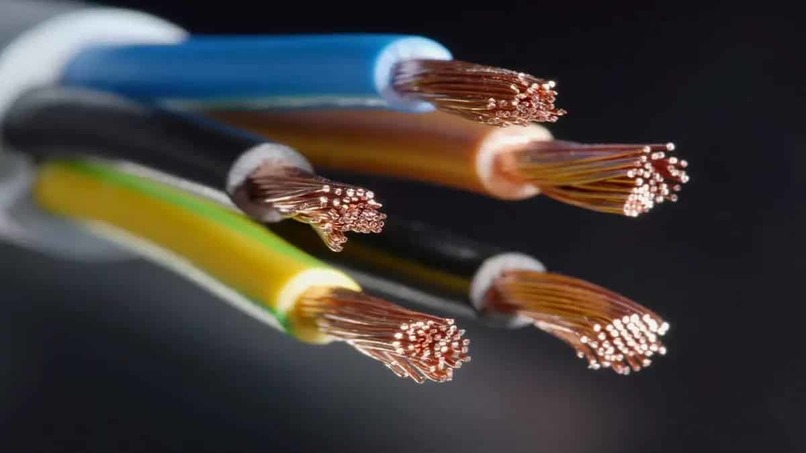
The cable cores are an example of a conductor [Source: https://www.asutpp.com/]
In our everyday lives, we rely on electricity to power everything from lightbulbs to televisions. But what is electricity, exactly? And how does it work?
At its most basic level, electricity is the movement of electrons between atoms. This flow of electrons creates an electrical current, which allows us to power all sorts of devices. However, to really understand how electricity works, we need to take a closer look at the atomic level. In this blog post, we'll explore the basics of electricity and how it's made!
How Is Electricity Made and What Is It Made Of?
Electricity is made up of two components: electrons and protons. Protons are positively charged particles, while electrons are negatively charged particles. When these two components interact with one another, a flow of electricity is created.
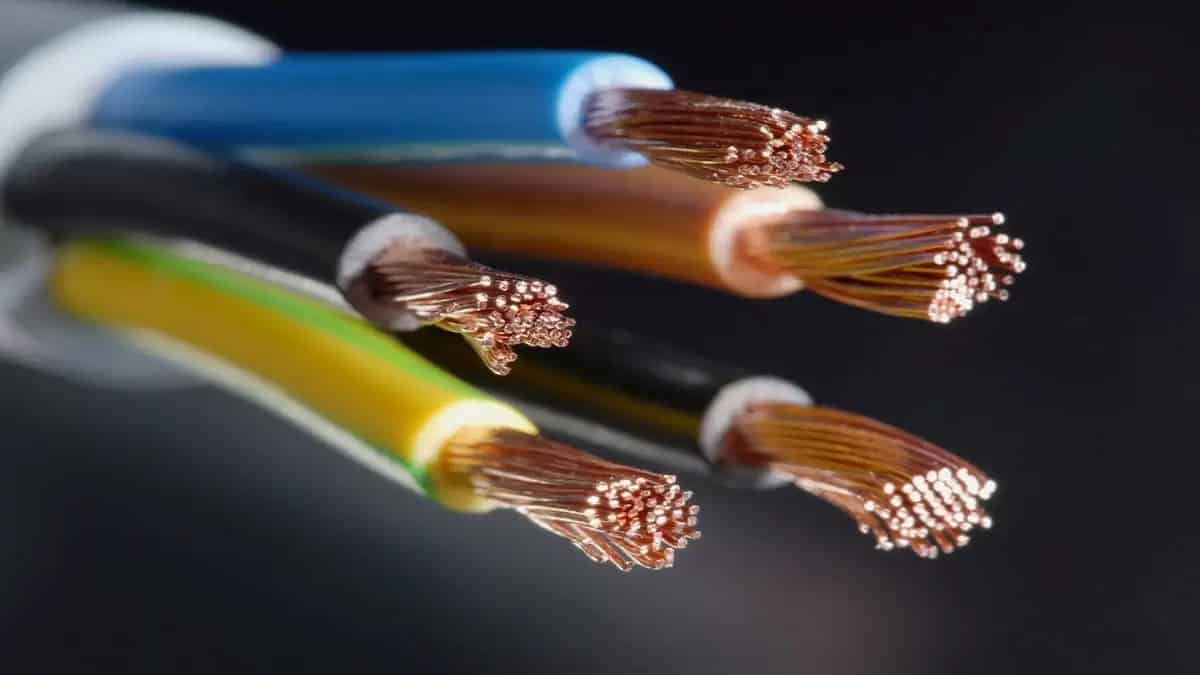
In order to create an electric current, we need to move the electrons from atom to atom in a circuit. This is usually done through the use of a generator. A generator works by using magnets to create an electric field, which causes the electrons inside copper wire to spin, creating an electrical current.
This current can then be used to power everything from lightbulbs and appliances to computers and industrial machinery. It's also what makes it possible for us to access electricity in our homes - without generators, we wouldn't have any way of accessing electricity!
Sources of electrical energy
Electricity can be generated using a variety of different sources. These include: solar, wind, hydropower (from rivers and dams), geothermal energy (heat from the Earth's core) biomass (organic materials such as wood or crop waste), nuclear energy (from splitting atoms in a controlled reaction) and fossil fuels (coal, oil and natural gas). Each of these methods of electricity generation has its own advantages and disadvantages in terms of cost, efficiency, environmental impacts and other factors.
Solar energy is one of the most popular renewable sources for generating electricity - it is clean, efficient and widely available across much of the world. Wind power is also becoming increasingly popular due to its ability to generate electricity with minimal impact on the environment. In addition, hydropower and geothermal energy are reliable sources of electricity that can be used to supplement other methods. Finally, fossil fuels still remain the most popular source of electricity generation worldwide due to their affordability and availability.
Overall, understanding different sources of electricity generation is an essential part of creating a more sustainable future for ourselves and our planet. By investing in renewable sources such as solar and wind power, we can reduce our reliance on fossil fuels and help to create a greener future for generations to come.
How Is Energy Measured? In What Units?
We measure electricity and electrical units using several systems that are all interlinked. A useful analogy is to think of an electrical circuit as a closed circuit of water pipes.
The first measurement to consider is the ampere, or amp (A). This unit measures an electric current under the International System of Units (SI). The ampere is the constant current or number of electrons that flow through a circuit — or our water flowing through a pipe.
An ohm (Ω)is how we measure electrical resistance. Electrical resistance occurs when there's not enough energy to move electrons from atom to atom in a circuit; it's essentially like having too little water pressure in your pipes. The lower the ohm rating, the less resistance you'll have in your circuit, and the higher the voltage of electricity that will be produced.
Finally, volts (V) measure potential difference — or how much energy is being transferred from one point to another in a circuit. The greater the potential difference, the more powerful an electrical device will be.
Why Is Electricity Important?
Electricity is an incredibly important part of our lives - it powers almost everything we do! It's what allows us to have access to lighting, heating, and all sorts of appliances. It also makes possible advances in technology such as computers, medical equipment, and electric cars. By understanding the basics of electricity and how it works, we can use it more responsibly and help make a greener future for ourselves and our planet.
Electricity is one of the most important sources of energy in the world, and understanding how it works can help us to create clean, renewable energy that will last for generations!
Why Is Electricity Not an Energy Source?
As mentioned earlier, electricity isn’t an energy source in itself but rather a secondary source of energy. As such, the electricity we use is actually generated by other sources - typically through burning fossil fuels or using renewable sources like wind and solar power.
Since these primary sources create the energy that's converted into electricity, it can't be considered a direct energy source. Therefore, if we want to reduce our reliance on fossil fuels and move towards cleaner forms of energy production, we need to make sure that we're investing in sustainable solutions like renewable sources of power.
In conclusion, understanding how electricity works is essential for creating a greener future. While it may not be an energy source itself, it is essential for accessing the energy created by primary sources. By investing in renewable forms of power and understanding how electricity works, we can help create a sustainable future for ourselves and our planet.
Built With
- asutpp
- electric
- electricity
- energy

Log in or sign up for Devpost to join the conversation.