
Inspiration
Space science has always fascinated me, but I noticed how complex astronomical concepts often remain inaccessible to students and beginners without expensive equipment or professional-grade tools. astroSim was inspired by the idea of democratizing astronomy learning — giving students a fun, immersive, 3D educational simulator where they can visualize, interact with, and learn cosmic phenomena intuitively right from their smartphones.
What It Does
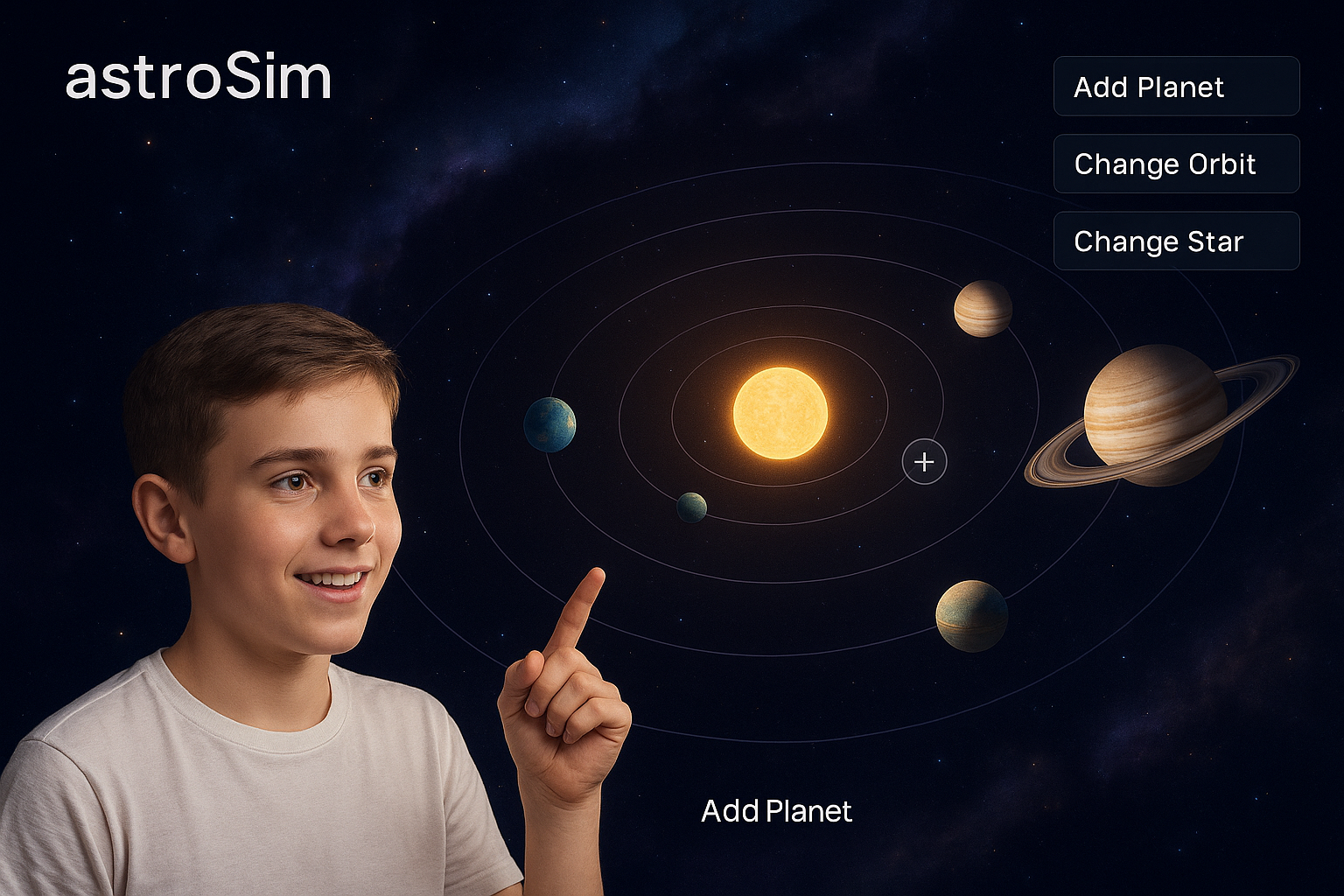
astroSim is an interactive, AI-guided astronomy simulation app that:
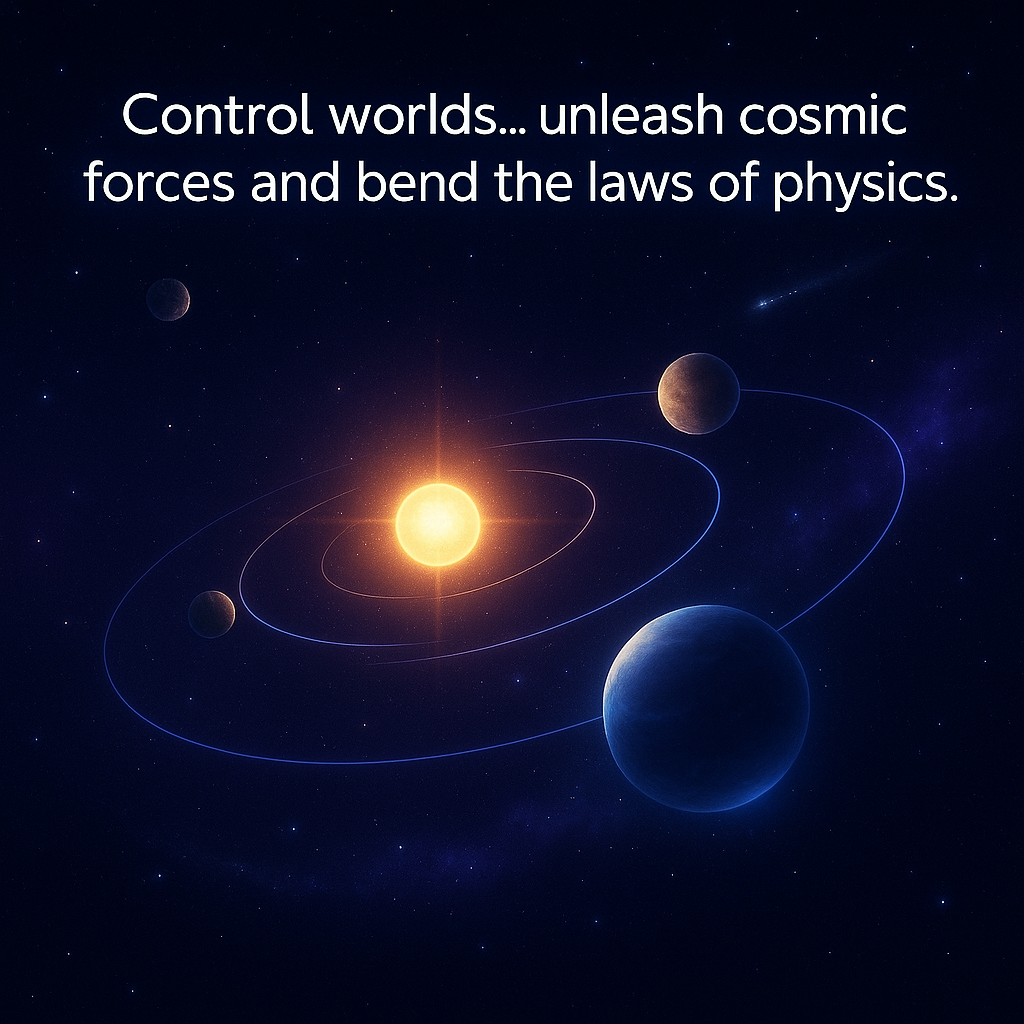
Simulates core space phenomena: Kepler’s Laws, Stellar Parallax, Retrograde Motion, Solar System Visualization, etc.
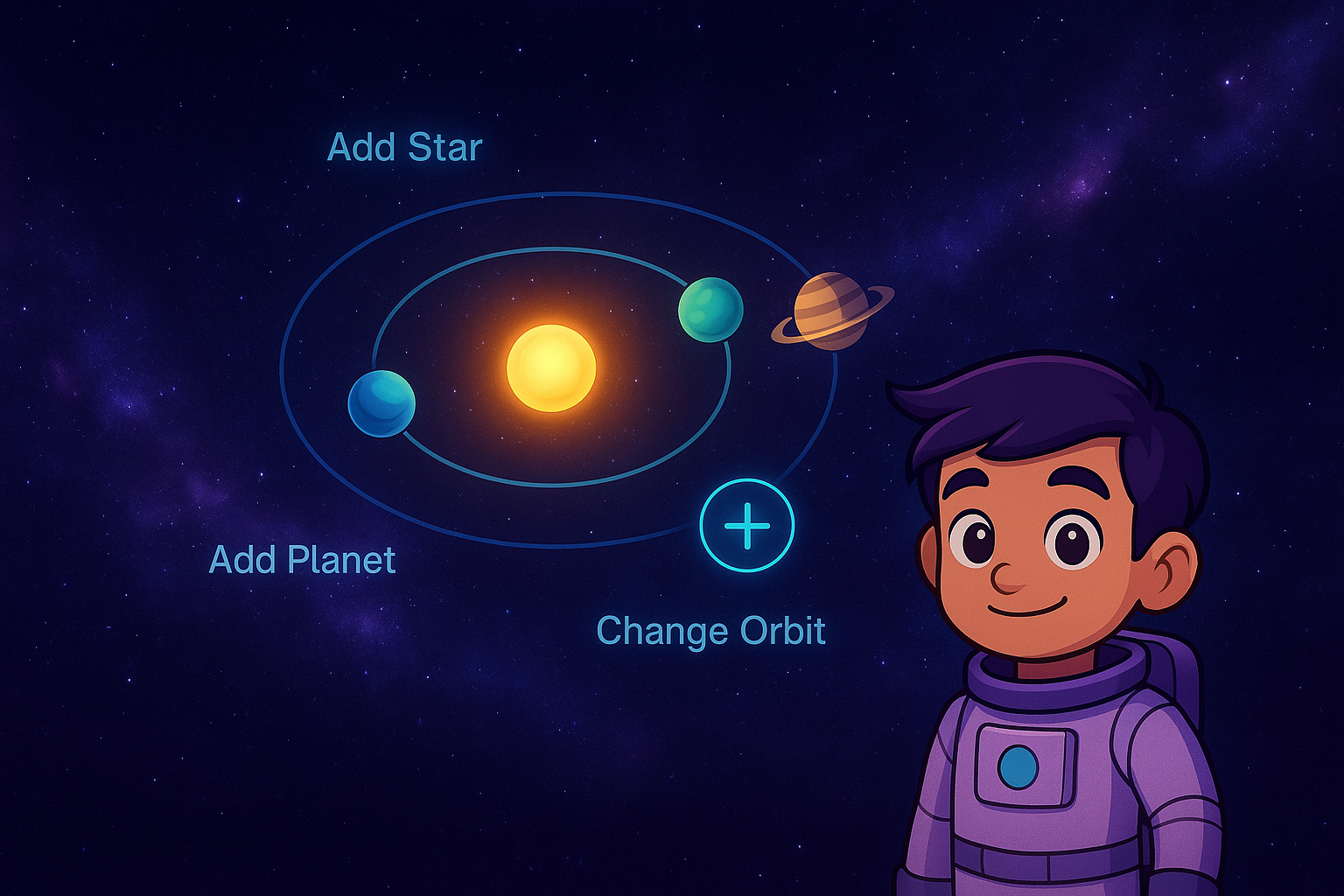
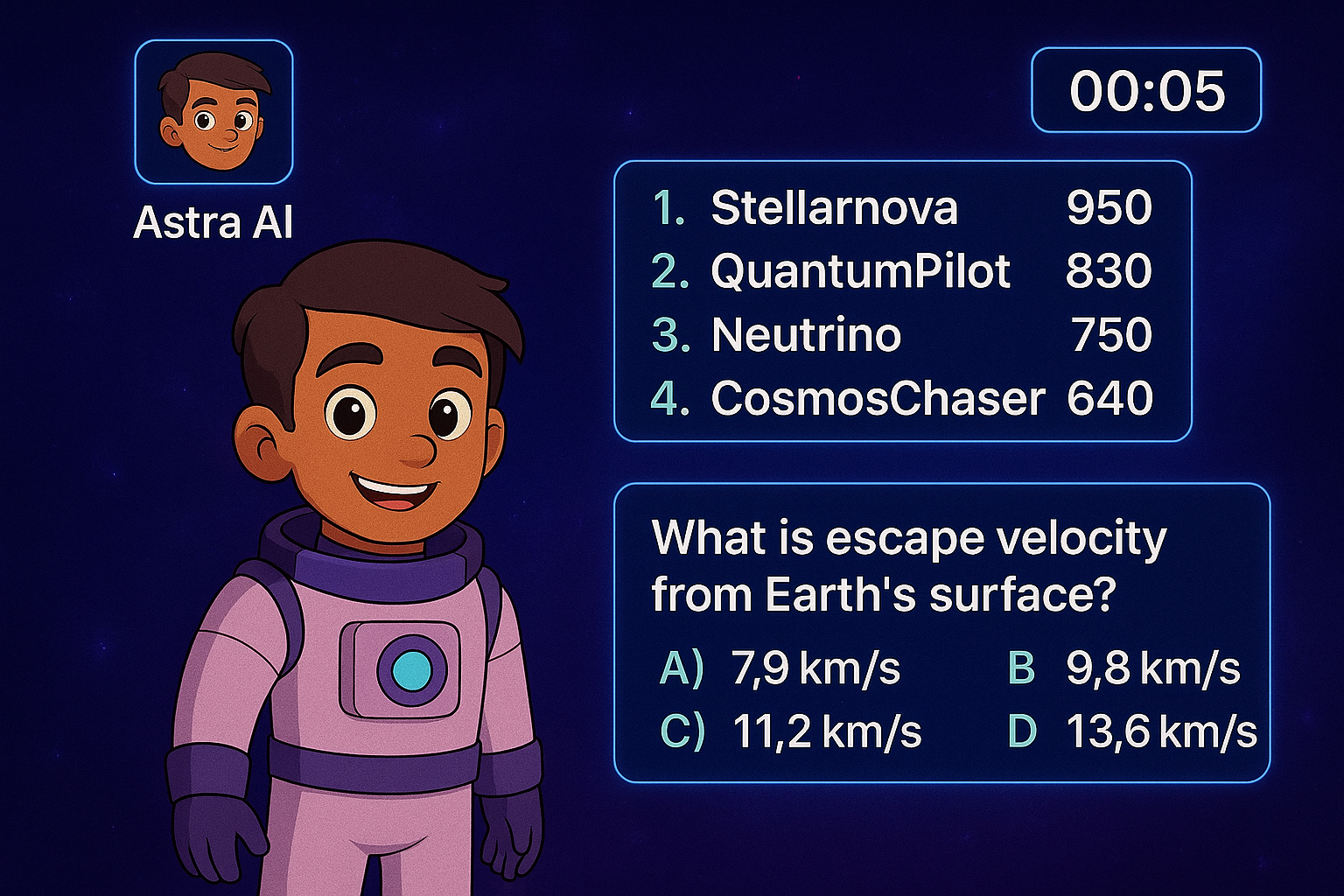
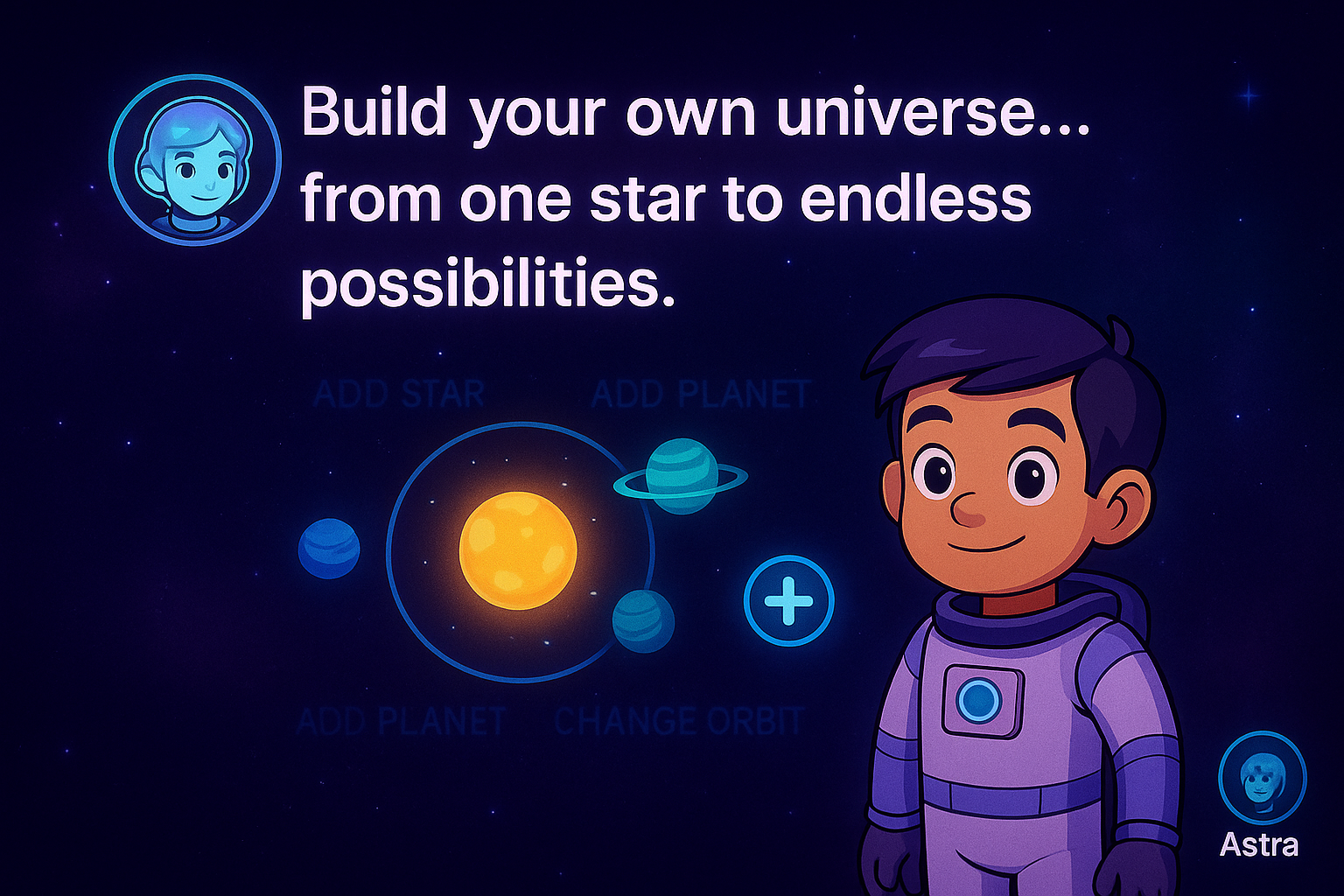
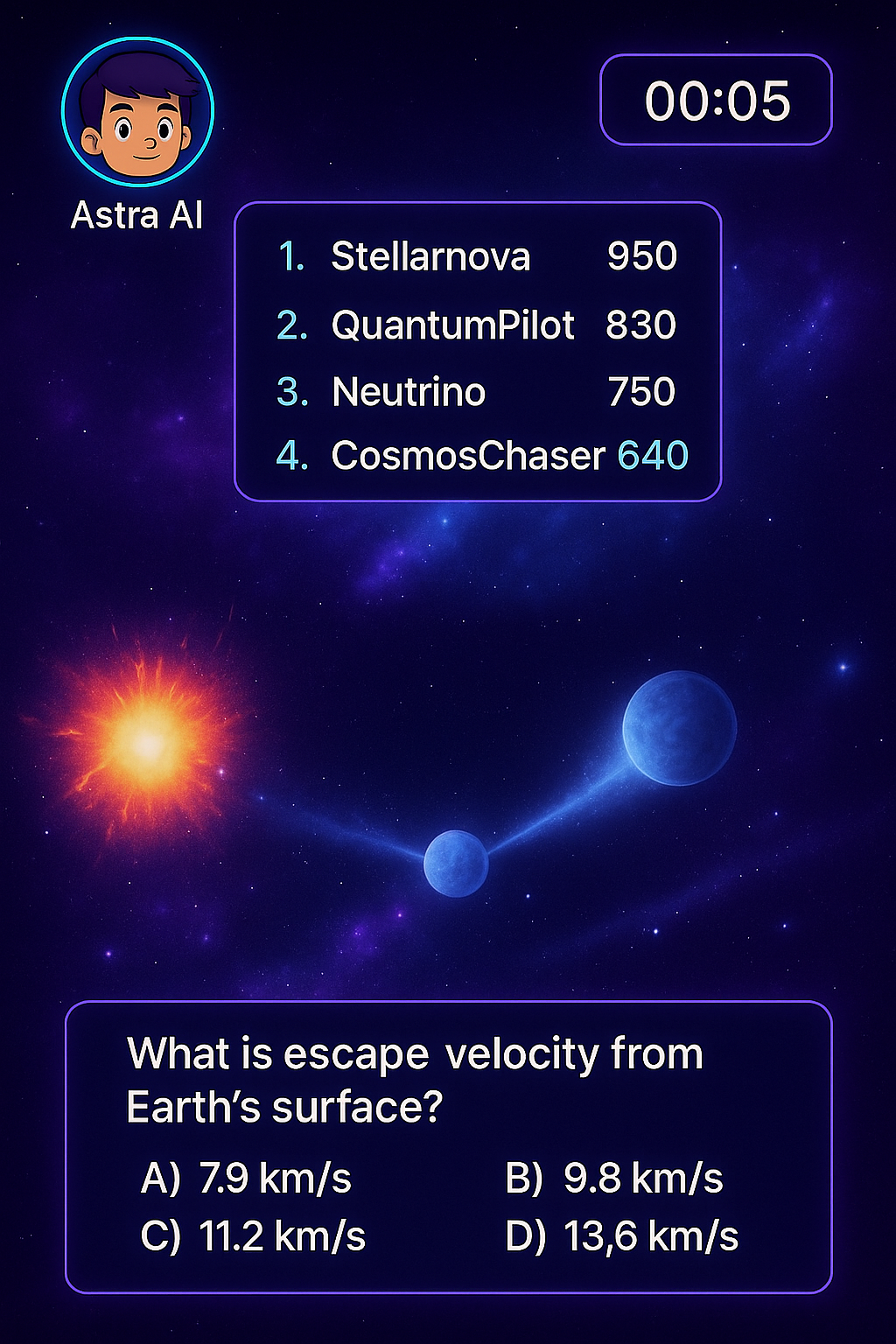
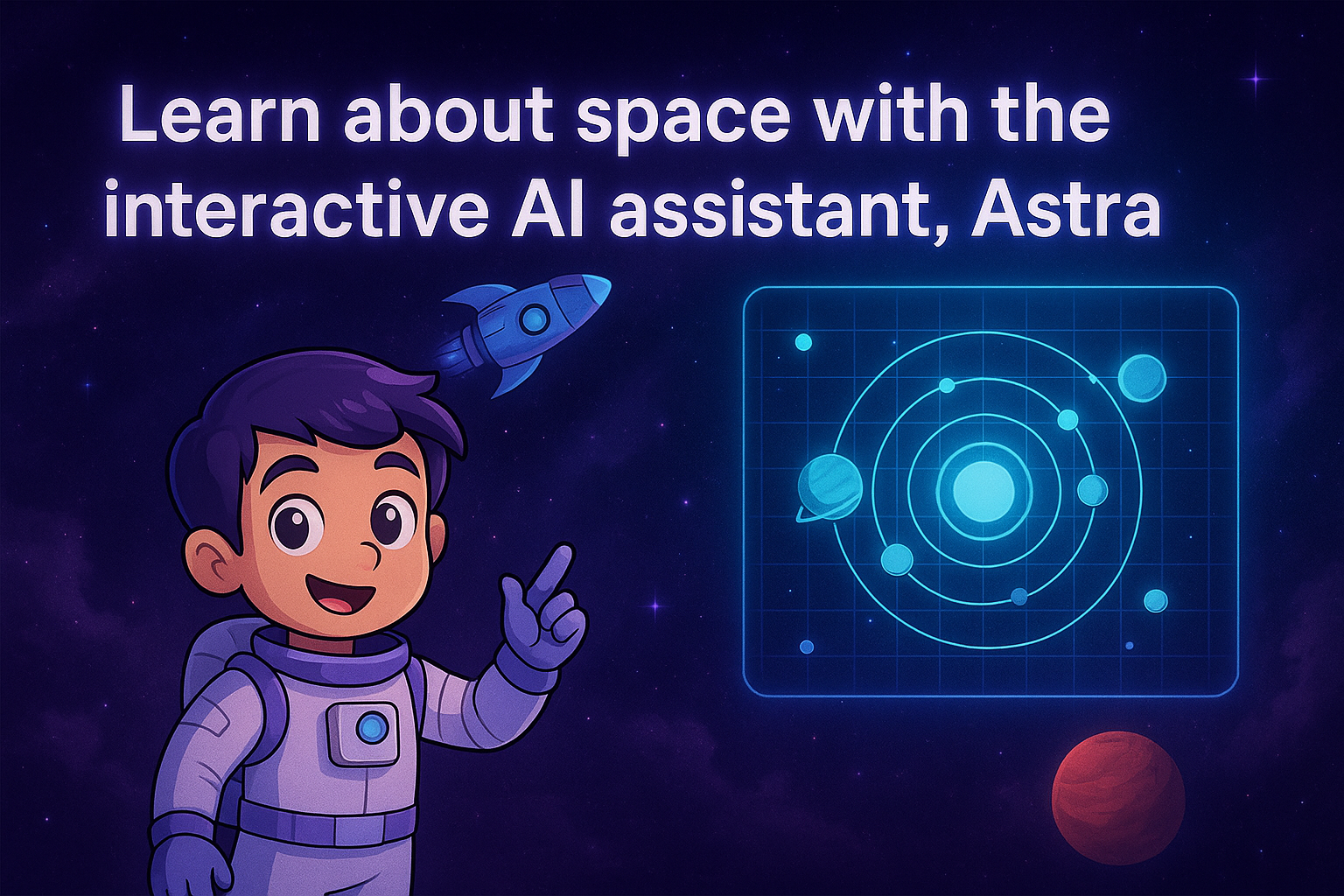
Features a virtual assistant, Astra, to guide users through cosmic concepts
Offers real-time 3D simulations with educational overlays
Includes performance benchmarking for different devices
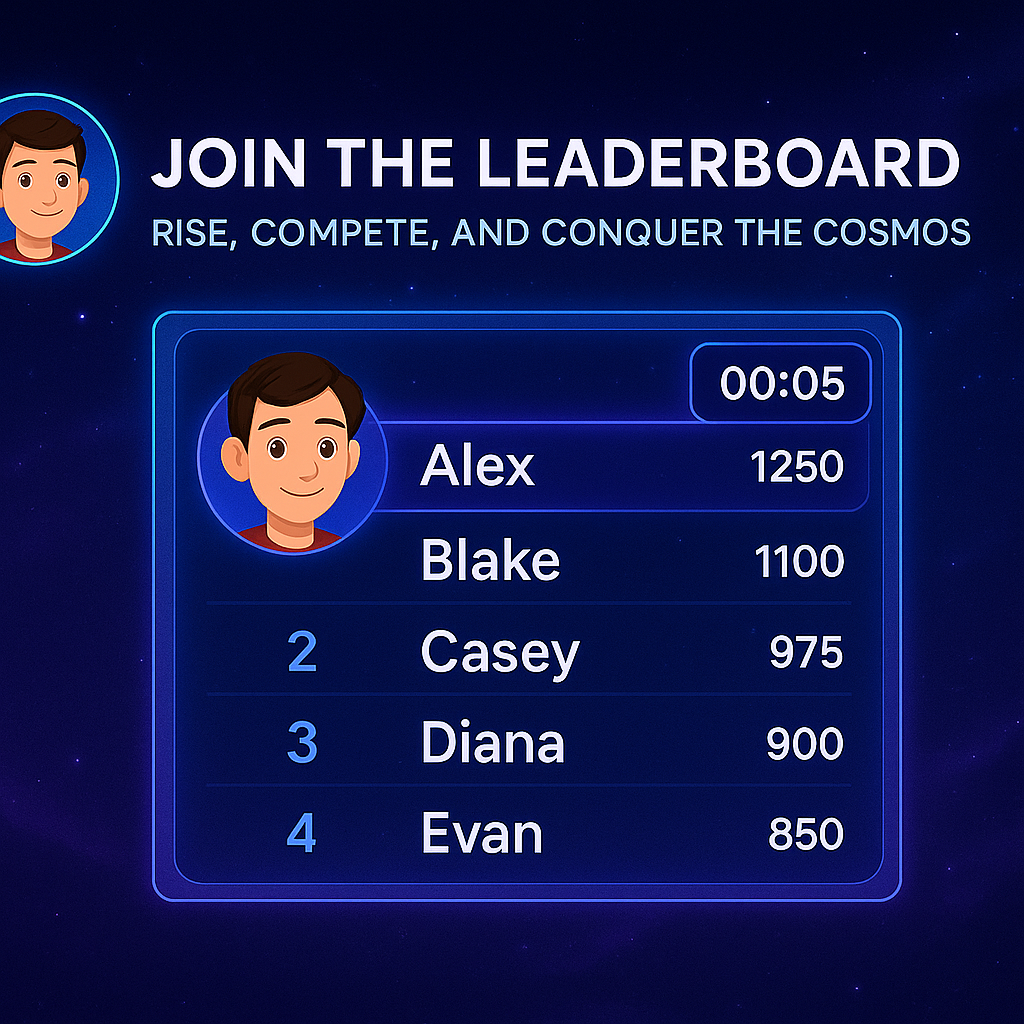
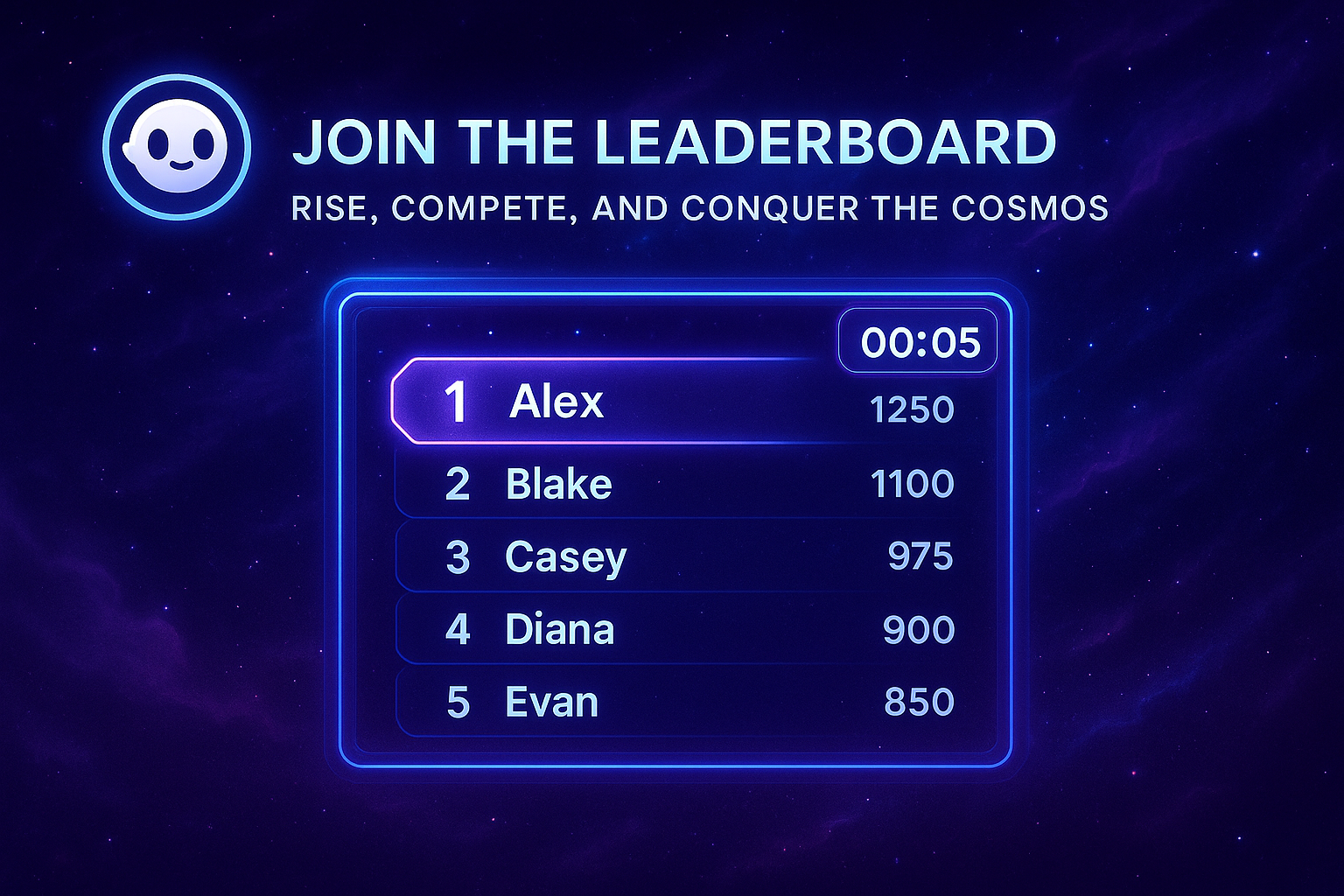
Records and visualizes peer feedback and engagement analytics
How We Built It
UI & Simulations: Built using Android Studio (OpenGL + XML), with simulation data visualized in 3D space
AI Assistant Astra: Integrated GPT-powered chatbot logic for astronomy explanations
Analytics Dashboard: Used Chart.js to track app performance and user feedback
3D Previews & Teasers: Created digital assets with Canva and Blender renders
Research-backed Simulation Data based on verified astrophysical formulas
Challenges We Ran Into
Optimizing 3D simulations for mid-range Android devices
Handling real-time physics-based animations smoothly
Integrating AI assistant logic within mobile UI constraints
Managing educational accuracy while keeping it beginner-friendly
Accomplishments That We're Proud Of
Created a fully interactive astronomy simulator prototype solo at age 15
Developed detailed 3D visualizations for multiple complex phenomena
Designed a themed UI consistent with modern space simulation tools
Positive feedback from high school students — 90% found it engaging
What We Learned
Mastered OpenGL basics for mobile simulation rendering
Understood integrating AI assistants into educational apps
Realized the power of visual learning tools in STEM education
Learned to manage project structuring, peer testing, and data analytics independently
What's Next for astroSim
Integrating real-time AI-powered question-answer system with GPT
Expanding simulations to cover exoplanets, black holes, and JWST discoveries
Porting to Web and Desktop platforms for cross-device access
Submitting as a research paper in student journals (JEI, Curieux)
Built With
Android Studio (OpenGL / XML)
Canva (UI Design & Preview Graphics)
GPT-3 API (planned for AI Assistant)
Chart.js (Analytics)
Blender (3D Renders)

Log in or sign up for Devpost to join the conversation.