-
-
-
-
-
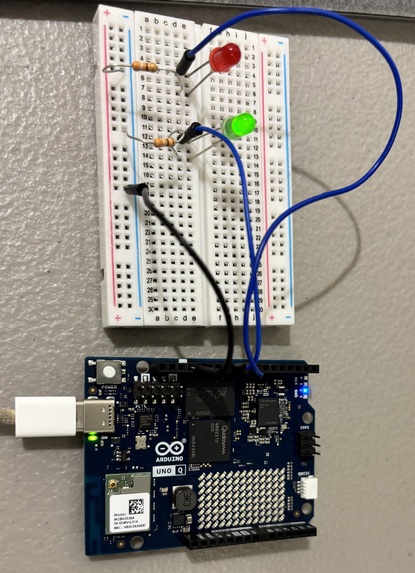
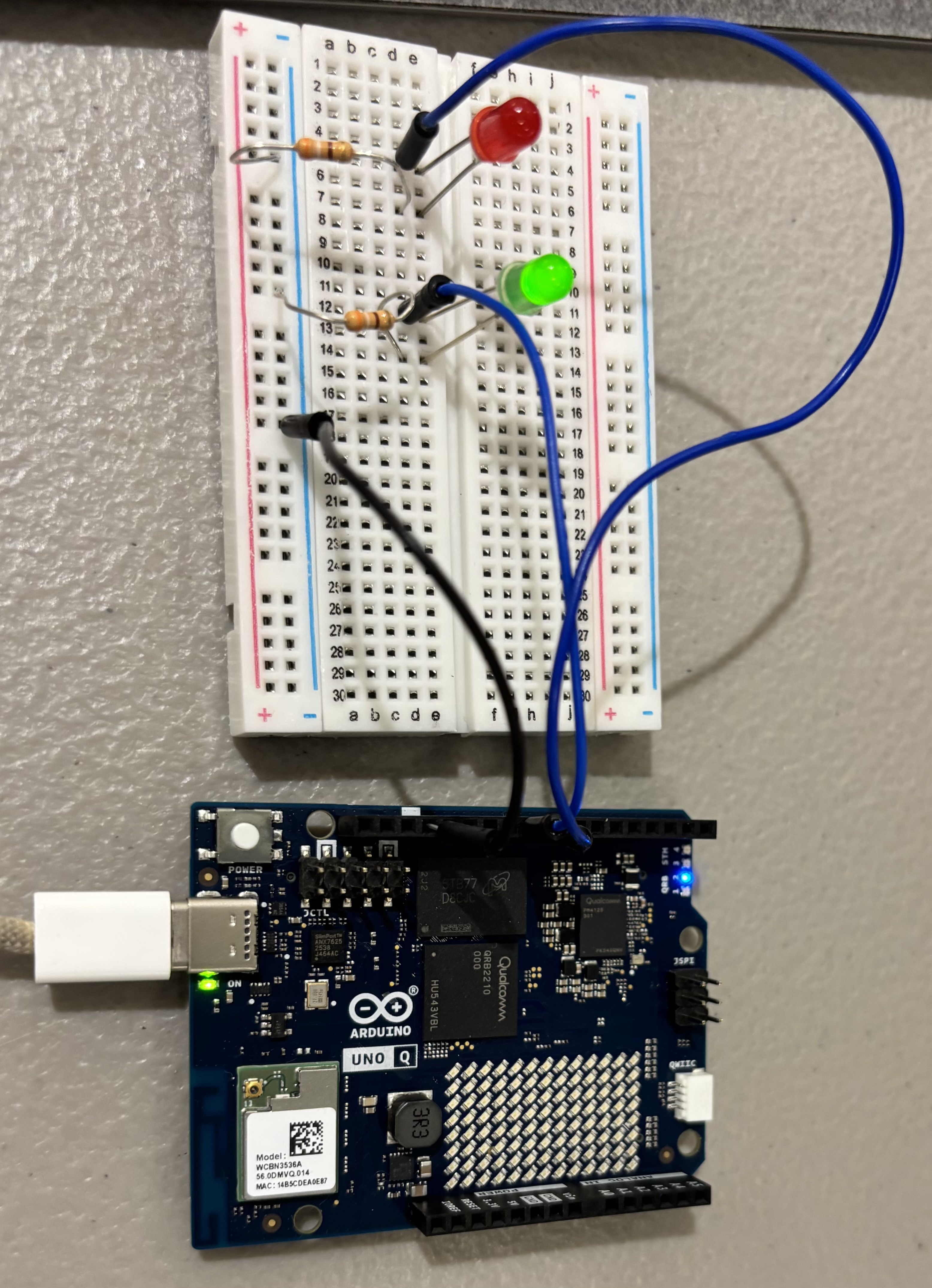
The Arduino-based LED system that reacts to incoming space debris from the simulation.
Inspiration
As space exploration continues to grow, one of the most escalating threats is posed by space debris and the potential danger it has on future space missions. This inspired us to create a system called AstroShield, which could detect incoming debris and actively prevent collisions with a spacecraft.
What it does
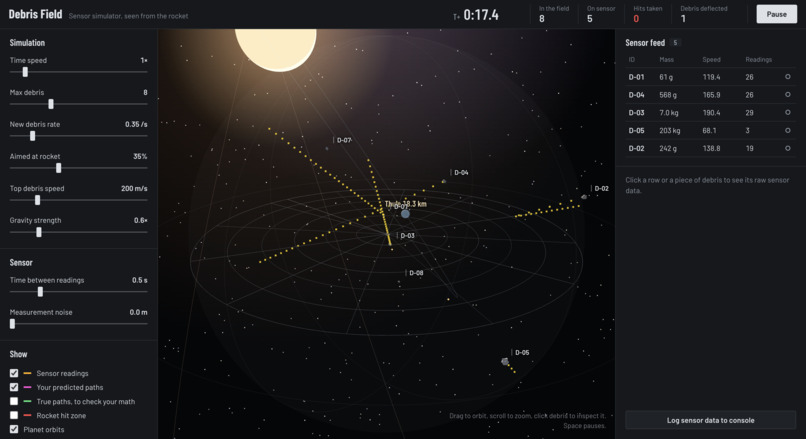
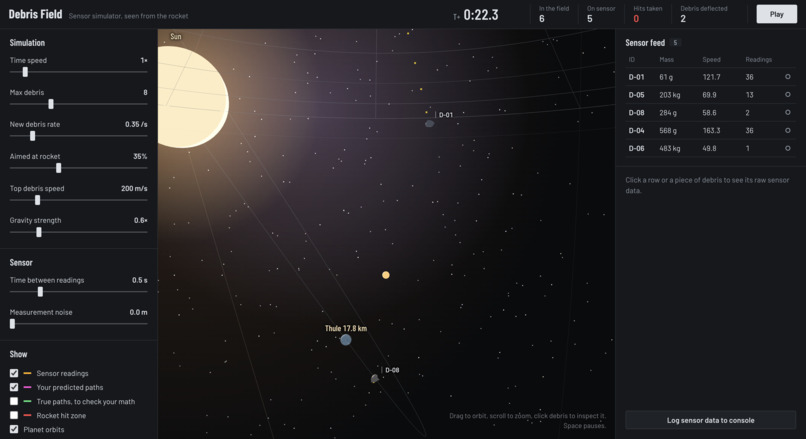
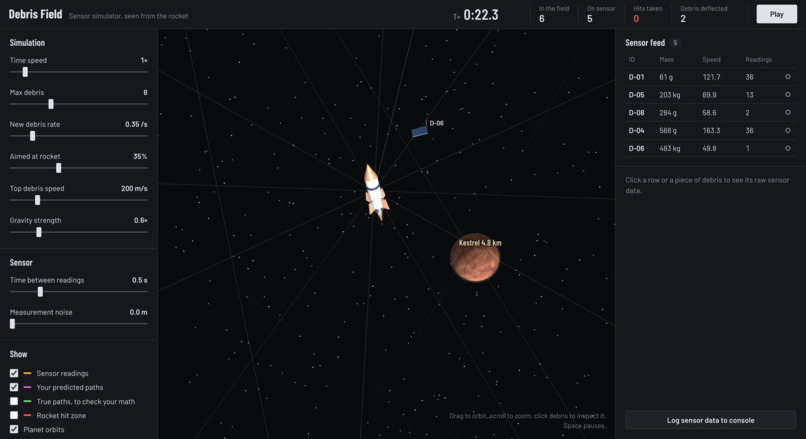
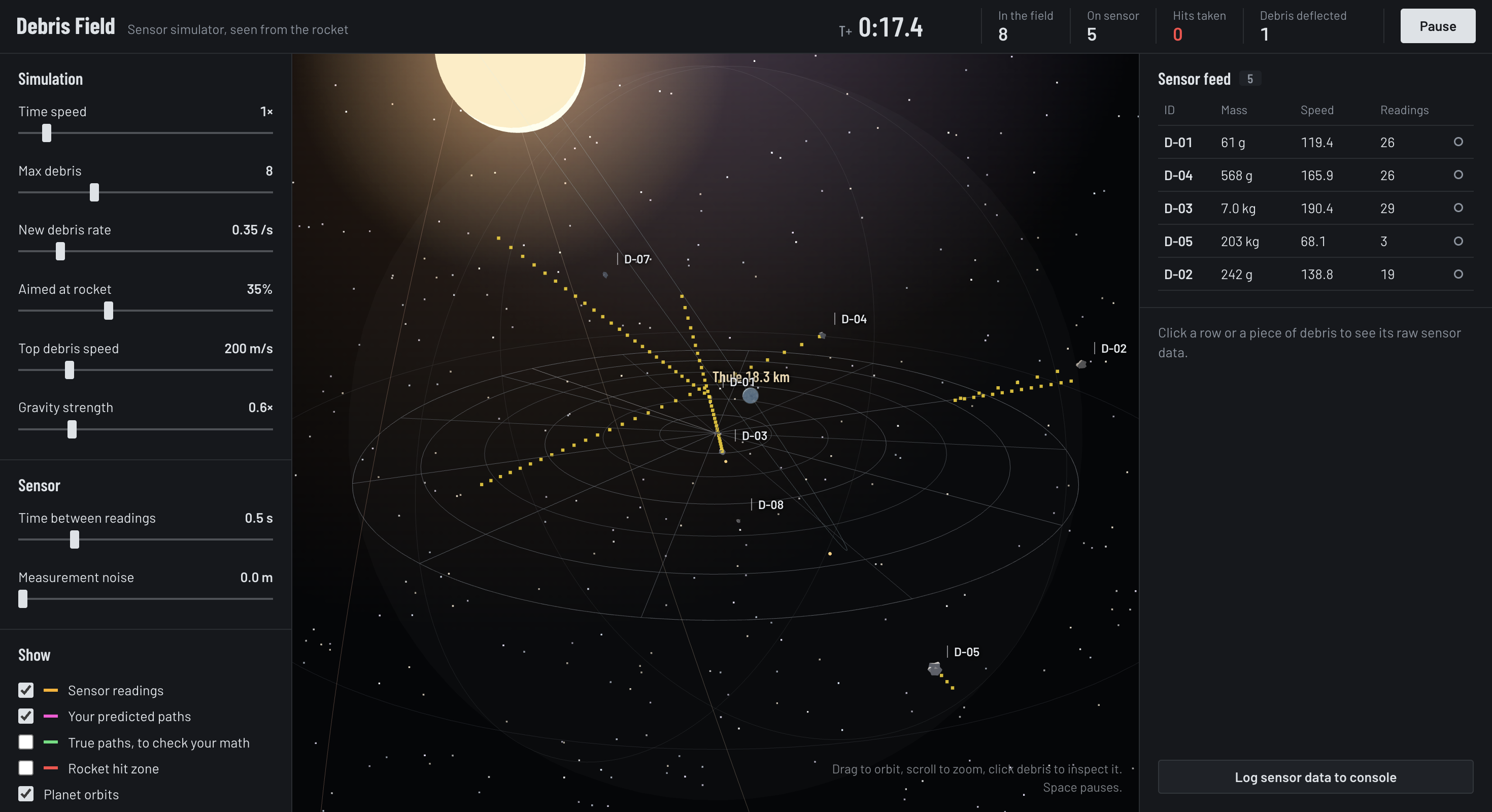
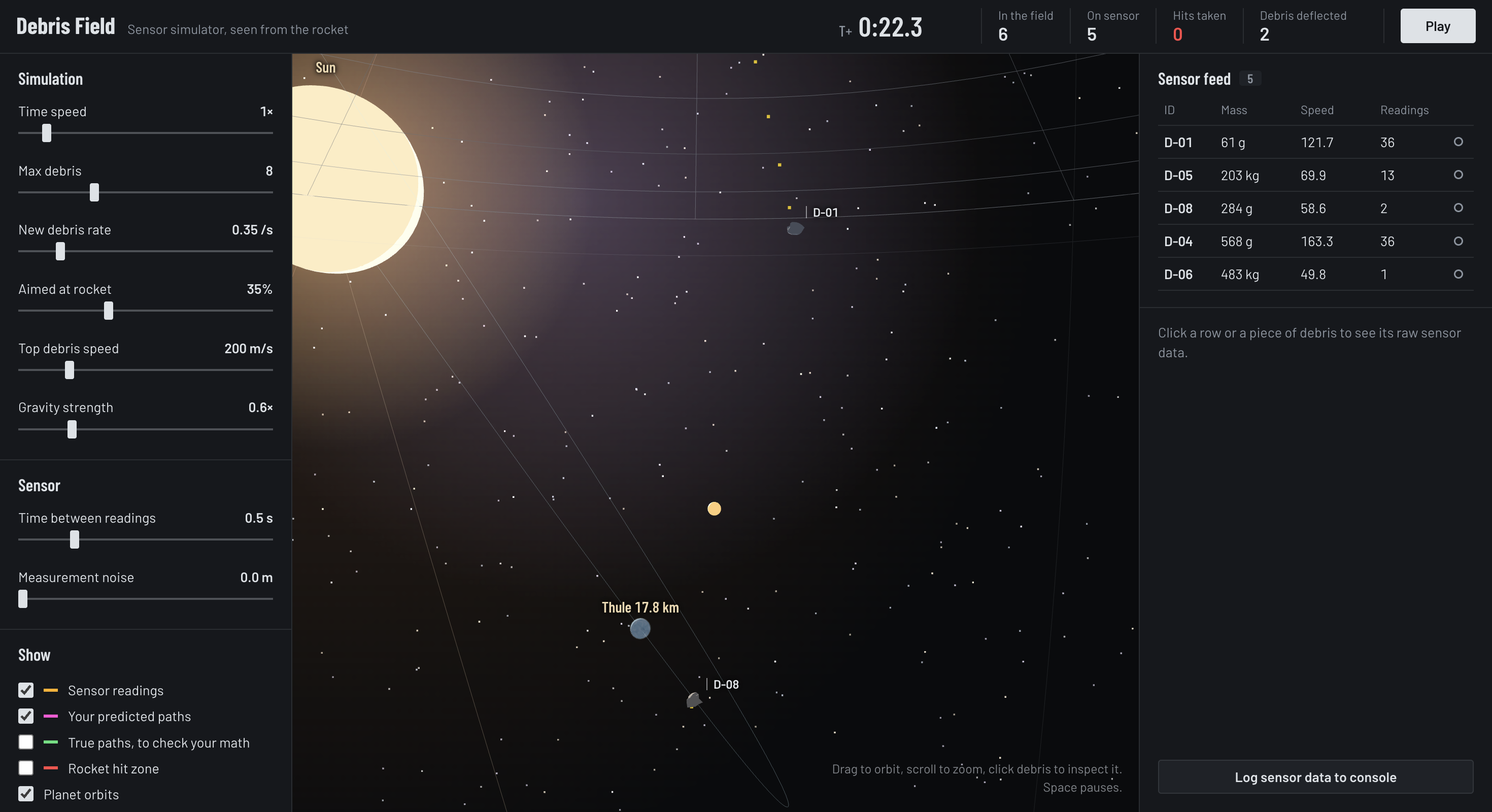
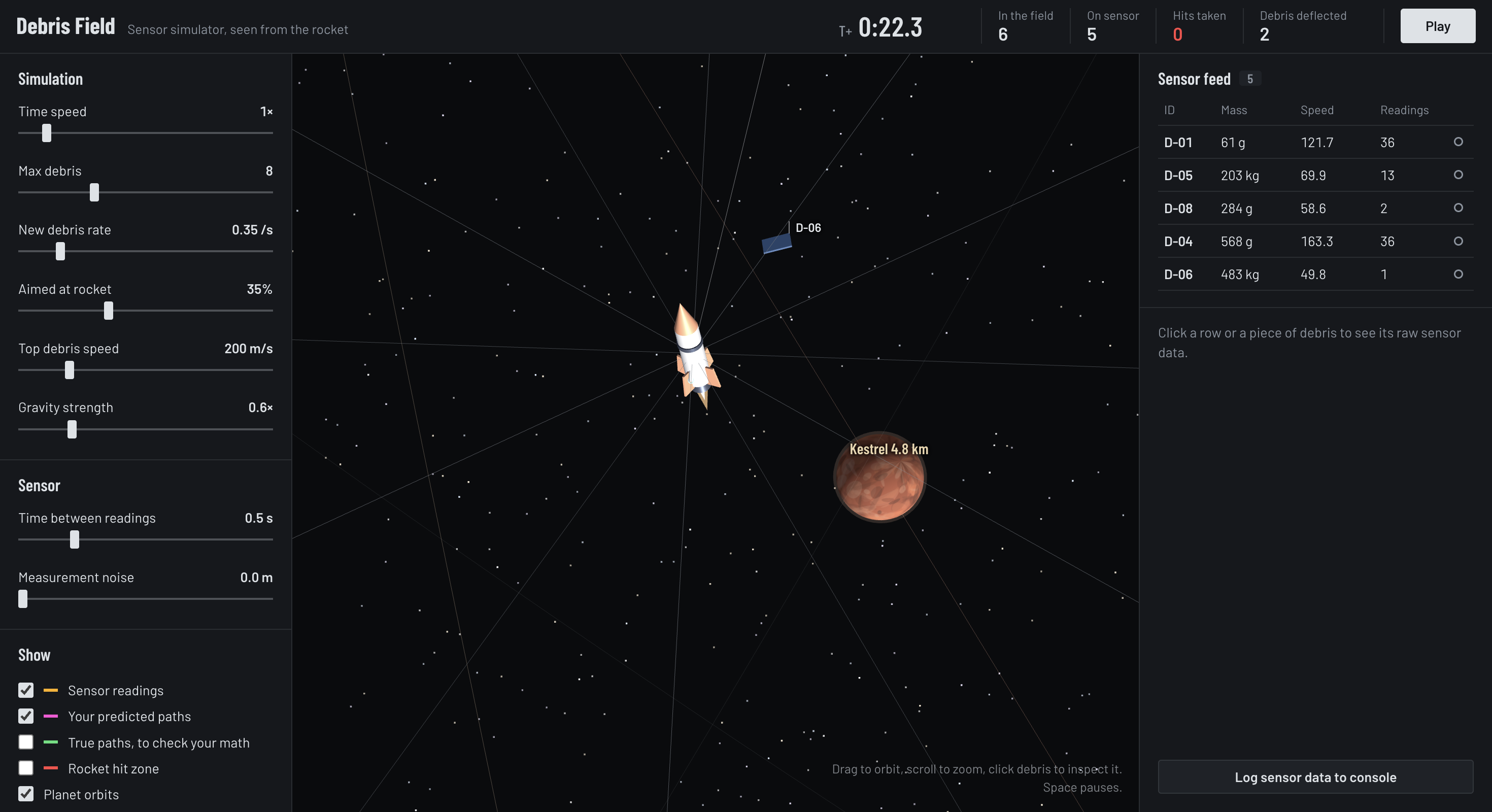
AstroShield utilizes real-time space debris tracking data generated by a realistic simulation to analyze the trajectory of the orbital debris. When a potential collision is detected, the system deploys a kinetic impactor projectile (tungsten ball) to alter the debris trajectory and eliminate the risk of collision with the spacecraft.
How we built it
We started by building the base of the simulation for AstroShield using Claude to help us write the code. This allowed us to get realistic data from the simulation that we could use to calculate a formula for the general trajectory of space debris. We then created an alternate equation that calculated when to deploy the kinetic impactor projectile which for us was a tungsten ball, so that it could intercept the orbital debris threatening to collide with the spacecraft. Afterwards, we coded the equations and sensors that we used to detect the space debris in Python using VSCode. By attaching the VSCode document to the simulation, we created a working model of AstroShield, which allows the spacecraft to shoot tungsten balls at space debris that pose a collisional threat.
Challenges we ran into
One of the major challenges we encountered during the process of designing AstroShield was finding a reliable way to predict the trajectory of the debris that could collide with the rocket. There are thousands upon thousands of floating space debris which pose a massive threat in the atmosphere, and trying to calculate the trajectory of each one would be near impossible. To solve this, we found a general equation which represents the trajectory of all space debris through fillable variables : a(debr,t)=Σᵢ((G·M·(pᵢ(t)-debr))/(|pᵢ(t)-debr|³)
Accomplishments that we're proud of
For most of our team, this was our first hackathon, so building a fully functional project when we barely knew each other in the start felt like a huge success. We’re proud of the fact that we put together the amazing simulation of AstroShield using many different skills and languages such as Python with countless hours and lines of code.
What we learned
Through AstroShield, we learned how to use a combination of math, physics, and programming to model the movement of space debris. We learned how to apply equations in Python to predict debris trajectories and determine whether or not an object could collide with a spacecraft. We also learned teamwork through the process of creating AstroShield, as we all had to collaborate our parts of the project together, and work towards the end goal of making the amazing simulation of AstroShield.
What's next for AstroShield
The next step with AstroShield is improving the accuracy of the debris-tracking algorithms so that it could successfully collide with the space debris 100% of the time. We also want to develop a more advanced hardware system that could be used to better organize and simulate a realistic physical 3D model. This would include the sensors used to spot the debris, and the system used to shoot the tungsten balls at a realistic space debris machine. Ultimately, we would like to evolve AstroShield into a more sophisticated simulation, that demonstrates how predictive modeling can make space exploration safer.
Built With
- arduino
- arduinoide
- css
- html
- javascript
- python
- vscode



Log in or sign up for Devpost to join the conversation.