-
-
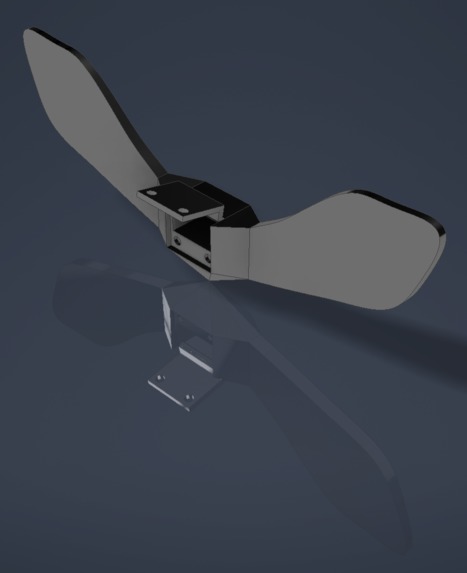
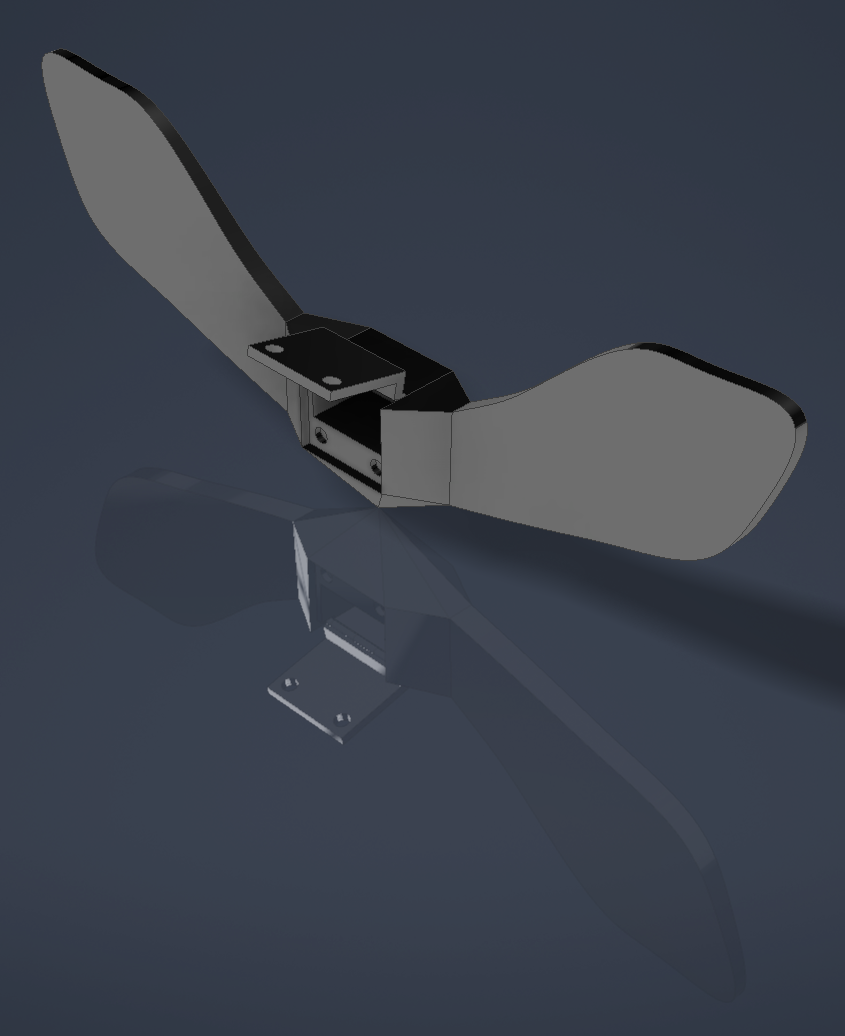
Unlocked door AstroSeed with access to sample
-
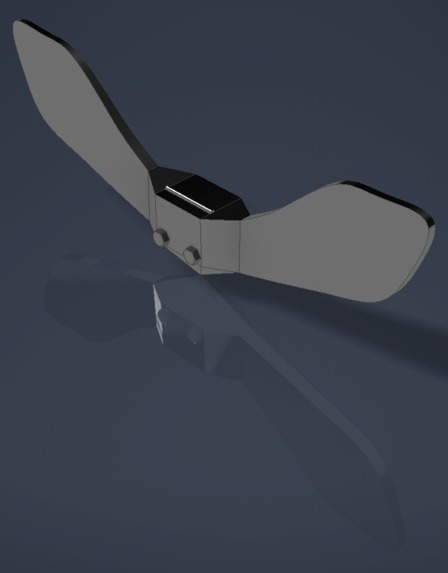
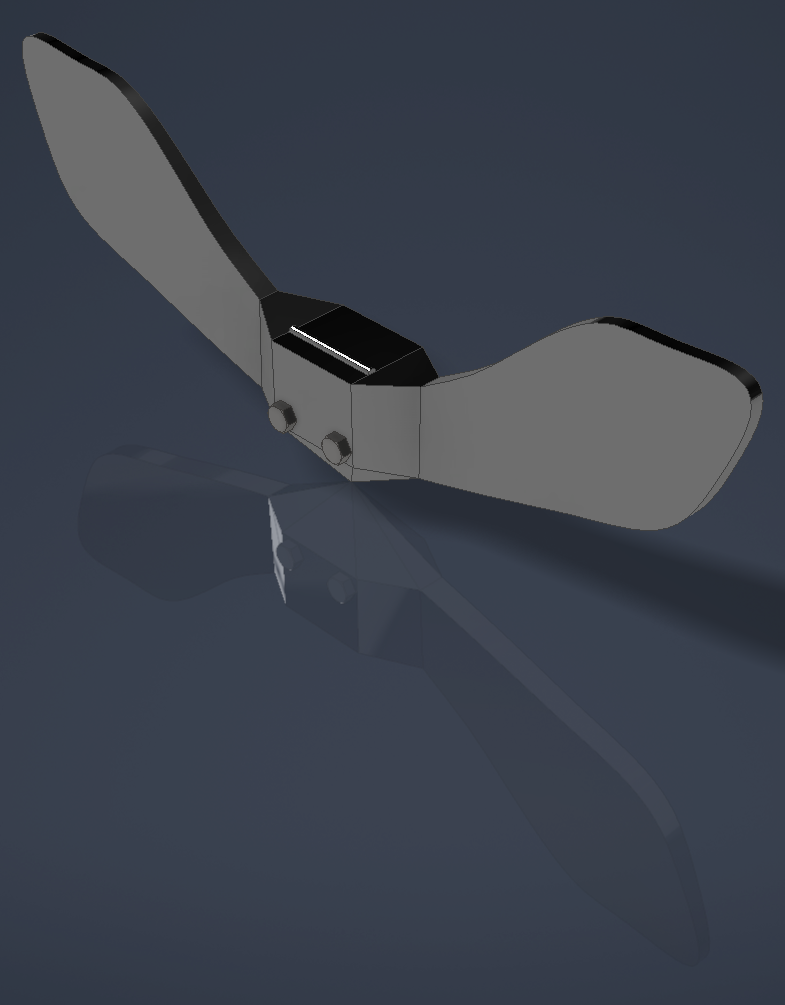
Unlocked door AstroSeed with closed door
Inspiration
Our group drew inspiration from a sycamore seed. When these seeds are released, they rotate in circular motions, decreasing the impact of the fall. We wanted to utilize this concept to slow down the lowering of the samples, mitigating the speed at which they fall to Earth.
What it does
Our mechanism transports the celestial samples encased within protective layers, with external factors taken into account, the wing aspect slows the fall of the samples, with the main objective of minimizing the impact force.
How we built it
The materials for this design were strategically chosen using the criteria of weight, strength, Young’s modulus, temperature, and cost. As a group, we decided to use lattice structures, foam, and a heat shield to ensure that the samples are not damaged or destroyed in the process. The materials we utilized were iron, titanium, aluminum foam, and carbon fiber. The first layer around the test tubes is a thick layer of foam, which is then surrounded by two lattice layers to help break the intensity of the atmospheric pressure. The outer layers consist of iron, which is a strong and heavy material used to protect the sample, and then the final layer includes carbon fiber, which acts as a heat shield. Additionally, the wings of the sycamore seed design are made out of titanium, which is a lightweight and ductile material that helps “AstroSeed” glide through the air to mitigate the intensity of impact.
Challenges we ran into
We encountered complications regarding whether the design would spin as intended. It was a concern of ours that the model would fall rather than spin, which ultimately defeats the entire design purpose. We tested from different heights and made changes to our design based on our varying results.
Accomplishments that we're proud of
Throughout our creative process, we went through many iterations and made changes to our ideas. We're proud of our creative design, as well as incorporating natural inspiration and turning it into a mechanical design. Another aspect that was important to us was simplicity, which aids with reproducibility.
What we learned
A huge part of the fabrication process involves numerous trial-and-error tests. During the design portion of AstroSeed, our group faced many challenges along the way, which taught us to never be too focused on one design and that simplicity is key when making an effective prototype. This taught us to collaborate efficiently and adapt to oncoming challenges.
What's next for AstroSeed
AstroSeed hopes to further iterate, using real-life conditions and sizing, for further precision and accuracy.


Log in or sign up for Devpost to join the conversation.