




Inspiration
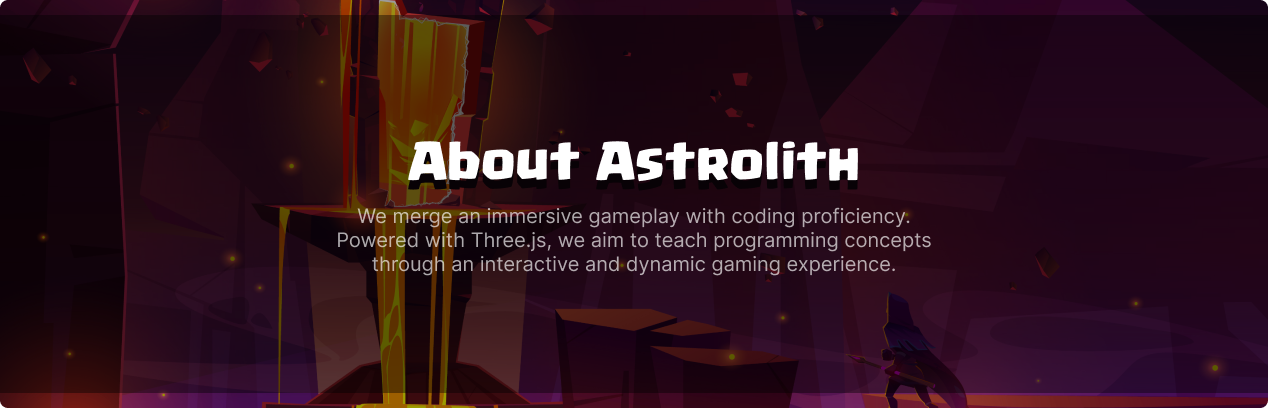
Traditional methods of teaching programming often lack engagement, leading to difficulties in grasping abstract concepts. Astrolith addresses this gap by providing an innovative, hands-on learning experience within a gaming framework. It targets learners who find conventional programming education challenging or monotonous, also developers who dont solidify themself in the basics of programming
How we came up with the name Astrolith
Astro refers to stars and lith is a photographic film:
- The game is passed in planets and outer space, all of that is an Astro
- stars, planets, the space itself, are an astro
- and photographic because the scenarios that the game has
- Those are utopic scenarios, something photographic
What it does
Educational Focus:
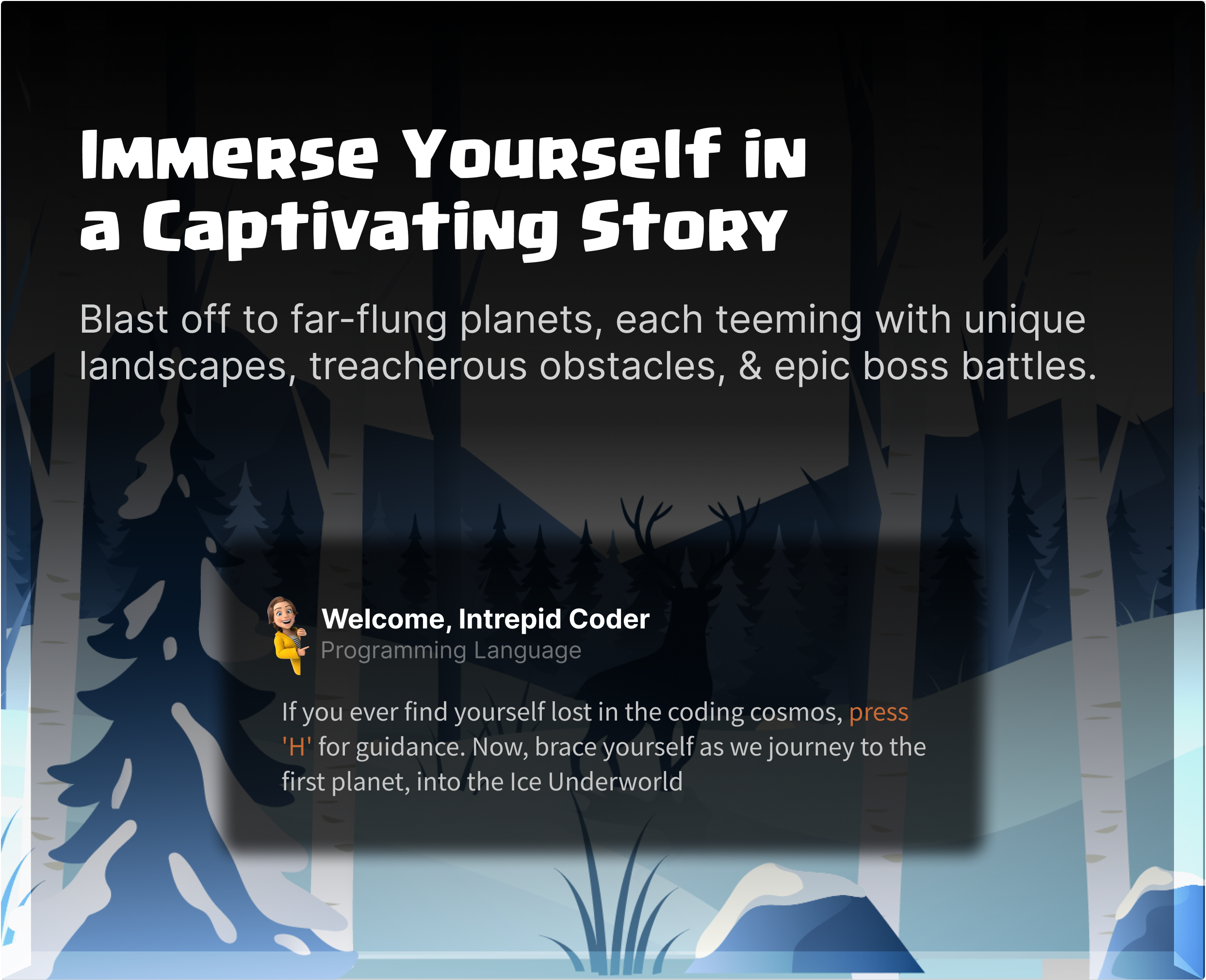
- Learn programming concepts while embarking on a thrilling adventure through unique cosmic environments.
Certificate System:
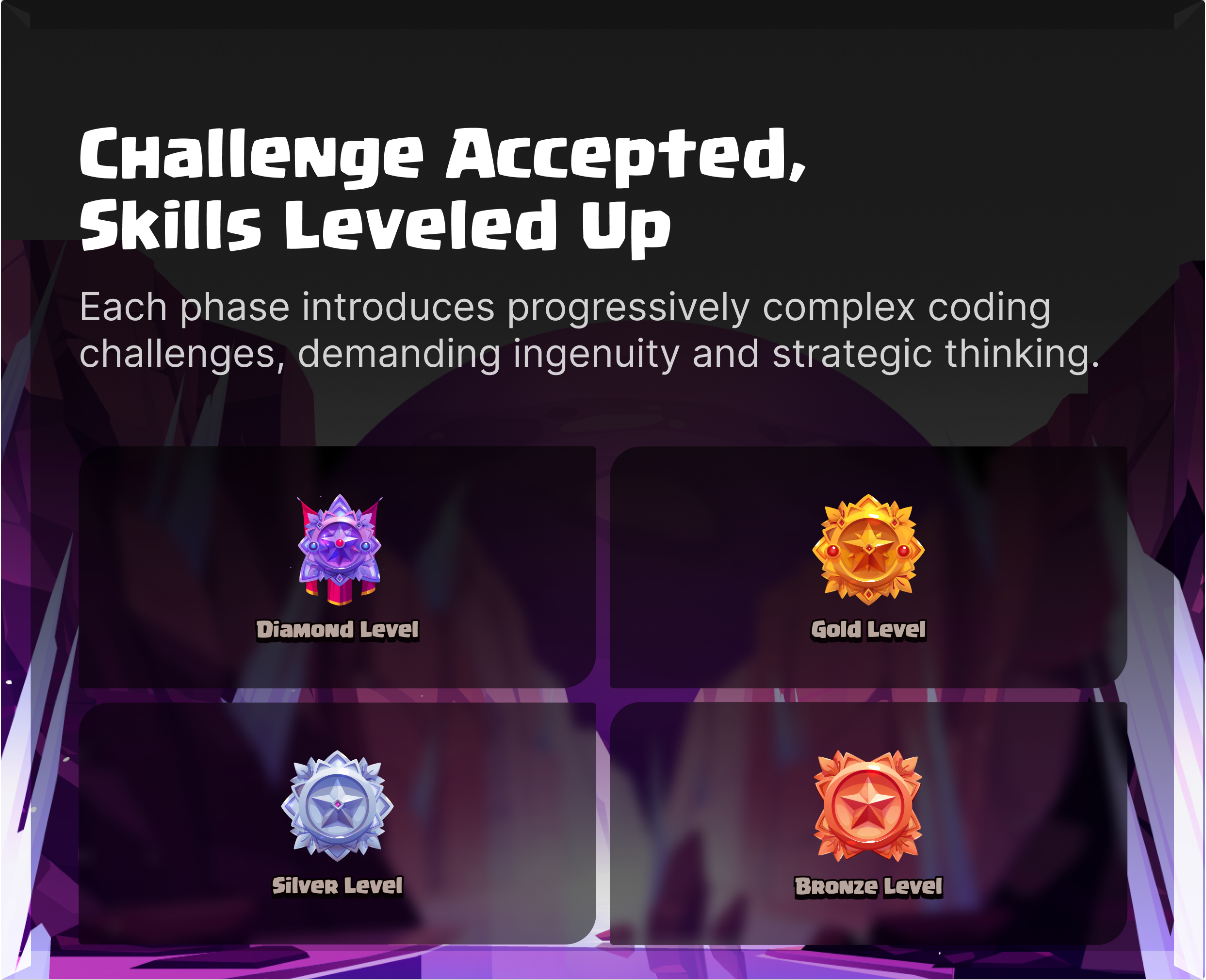
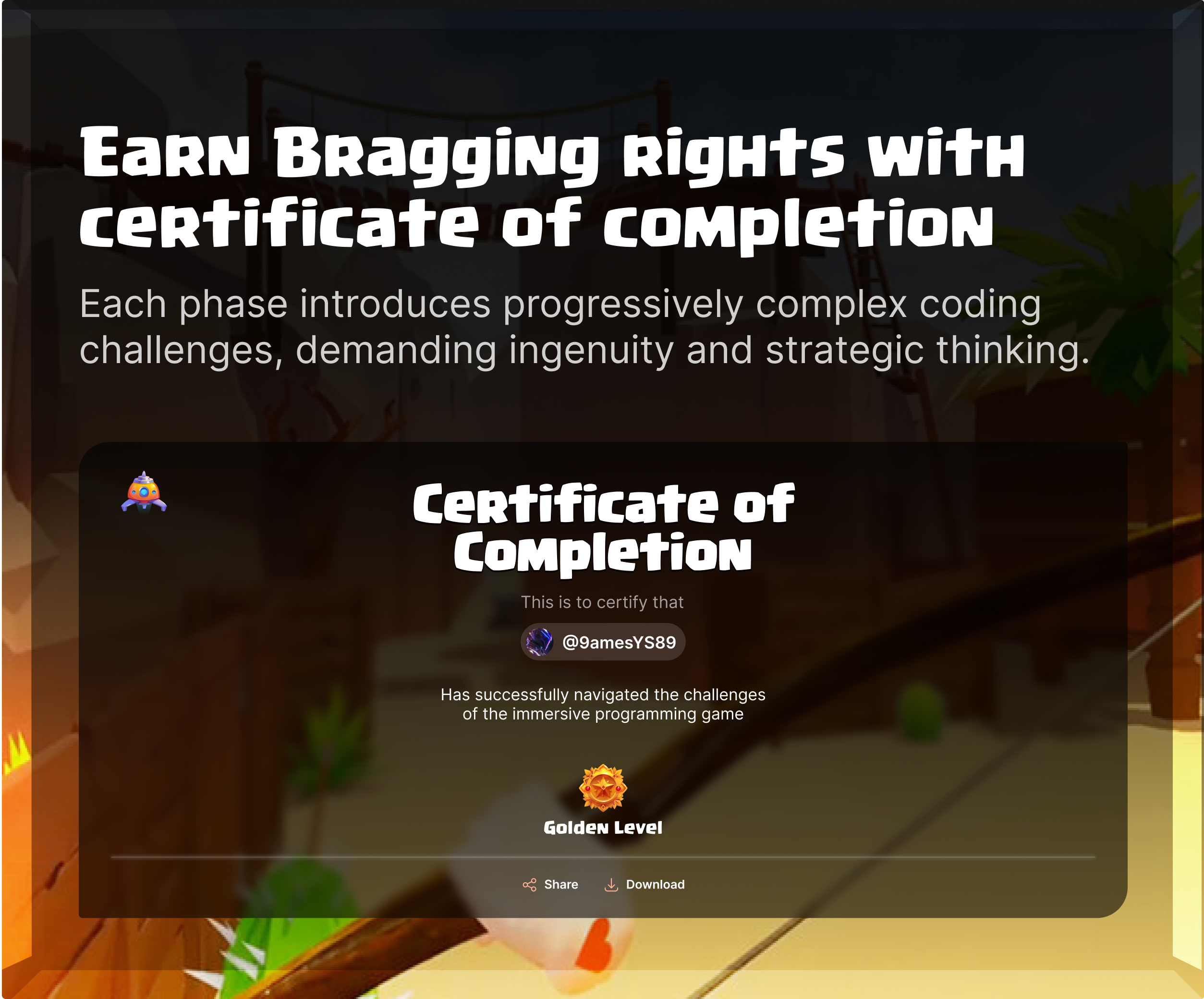
- Earn certificates based on your coding skills and achievements, from simple to diamond, showcasing your mastery.
Dynamic Gameplay:
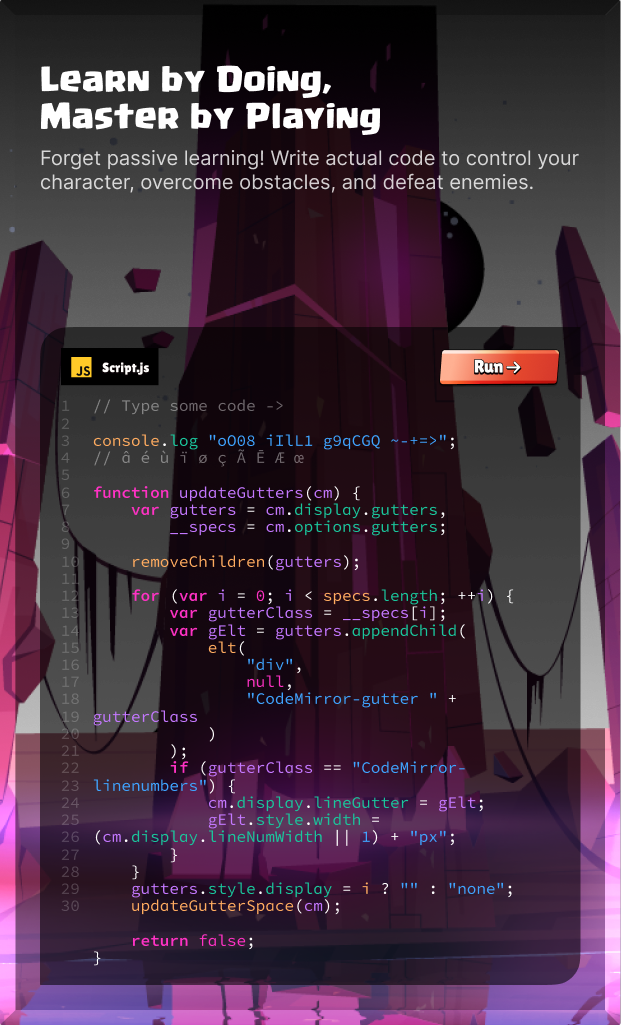
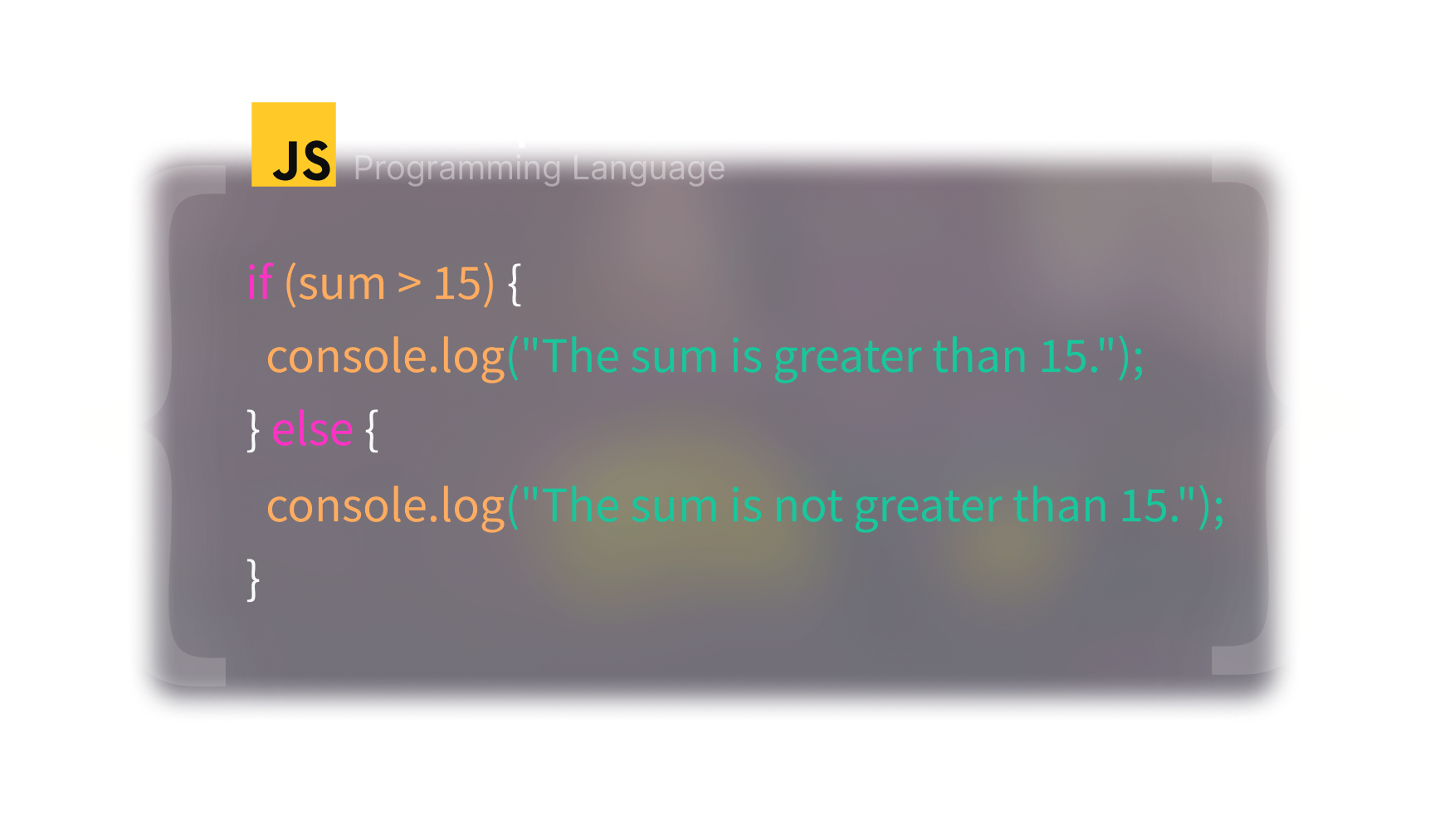
- Write code to control your character, solve puzzles, and defeat enemies in diverse planetary phases.
Introduction Scenarios:
- Receive lessons on programming concepts before each phase, preparing you for the challenges ahead.
Scoring System:
- Accumulate points by completing tasks, with a task-based scoring system contributing to your overall progress.
Time Constraints:
- Face time limits for each step, adding an element of challenge based on task difficulty.
Boss Fights:
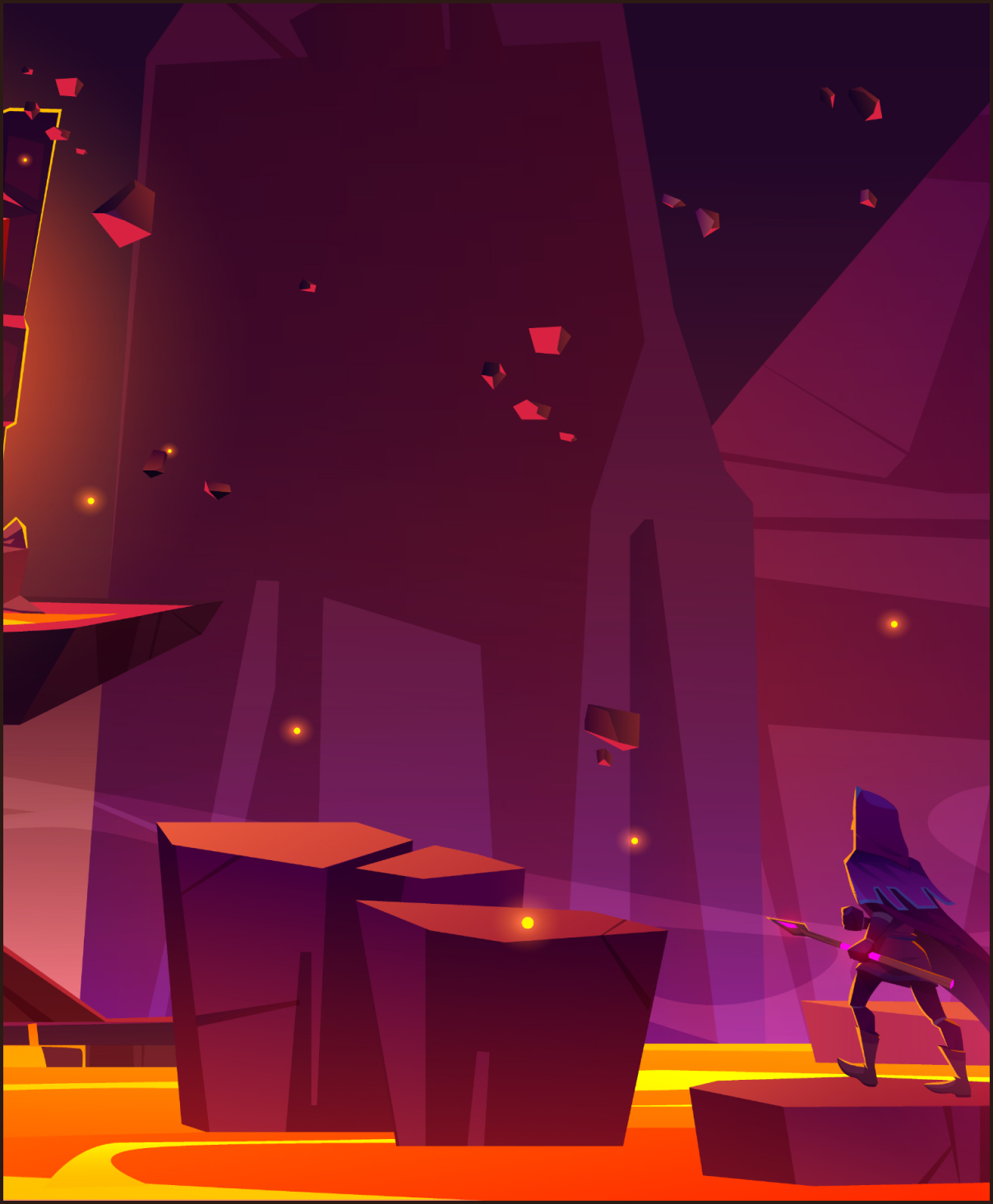
- Conclude each phase with epic boss battles, testing your coding prowess and strategic thinking.
How we built it
we litterally have a library folder in the repo for web5 implementations also
Web5 Connection and Decentralized Profile:
Users establish their decentralized identifiers (DIDs) linked to their usernames, creating decentralized profiles.
The decentralized profile is pivotal in certificate generation and serves as a secure and personalized user identity within the game.
Player Profile Management:
Players can update their profiles directly from their Decentralized Web Network (DWN) accounts.
Player profiles play a crucial role in generating verifiable credentials (certificates), aligning user data with certificates.
Certificate Generation Process:
Upon completing a game stage, a verifiable credential (certificate) is generated.
The certificate's HTML template converts into a base64 image containing player information, metadata (issuing protocol, validity period), and user data linked to the player's DID.
Displaying Certificates, Achievements, and Collectibles:
- Users' obtained certificates, achievements, and collectibles are fetched from the DWN based on the logged-in user, providing a comprehensive overview.
Certificate Verification:
- Verifiable credentials (certificates) obtained by users can be verified via a presentation exchange leveraging the game's protocol, ensuring credibility and validity across various platforms.
Decentralized Data Storage for Game Content:
- All game content, including questions, test cases, achievements, and user information, is stored on the Decentralized Web Network, ensuring decentralized and secure data management.
Top Players Feature:
- The application features a 'Top Players' section, showcasing the achievements and performance of leading players within the game, promoting competition and engagement.
Challenges we ran into
Decentralized Identity Resolution:
- Implementing a seamless connection between user DIDs and their usernames was complex. Resolving decentralized identities while maintaining user privacy required meticulous design and secure protocols.
Verifiable Credential Generation:
- Developing a robust process for generating verifiable credentials posed a challenge. Converting certificate HTML templates into base64 images with encrypted user data demanded careful handling of metadata and user information.
Integration of Web5 Principles:
- Bridging Web5 connectivity with decentralized storage proved intricate. Ensuring smooth user interactions, especially profile updates, while staying decentralized necessitated a balance between usability and decentralization.
Certificate Display and Data Fetching:
- Fetching and displaying user certificates, achievements, and collectibles from the Decentralized Web Network based on logged-in users required extensive data handling and retrieval optimizations.
Ensuring Secure Decentralized Storage:
- Maintaining data integrity and security within the Decentralized Web Network for all game content, including questions, test cases, and user information, demanded rigorous encryption and robust decentralized storage protocols.
Certificate Verification Protocols:
- Establishing a protocol for presentation exchange to enable seamless certificate verification across platforms while ensuring authenticity and validity posed a significant challenge.
Accomplishments that we're proud of
Successful Decentralized Identity Resolution:
- Overcoming the challenge of seamlessly connecting decentralized identifiers (DIDs) with usernames was a pivotal accomplishment. Establishing a secure and user-friendly system for managing decentralized profiles was a significant step forward.
Robust Verifiable Credential Generation:
- Developing a streamlined process for generating verifiable credentials was a breakthrough. Converting certificate HTML templates into base64 images containing encrypted user data and metadata was achieved, ensuring secure and valid certificates.
Integration of Web5 Connectivity:
- Successfully integrating Web5 principles with decentralized storage was an achievement. Balancing user interactions, particularly profile updates, within a decentralized environment showcased our dedication to usability and decentralization.
Efficient Certificate Display and Data Retrieval:
- Implementing seamless fetching and display of user certificates, achievements, and collectibles from the Decentralized Web Network based on logged-in users demonstrated our prowess in handling and optimizing data retrieval.
Secure Decentralized Storage Implementation:
- Maintaining data integrity and security within the Decentralized Web Network for all game content, including questions, test cases, and user information, underscored our commitment to robust encryption and decentralized storage protocols.
Establishing Verification Protocols:
- Creating a protocol for presentation exchange to enable straightforward certificate verification across platforms while ensuring authenticity and validity marked a significant accomplishment.
What we learned
User-Centric Decentralization:
- We learned the importance of placing users at the forefront of decentralized solutions. Balancing decentralization with user convenience and security is crucial for a seamless experience.
Complexities of Verifiable Credentials:
- Understanding the intricacies of generating and managing verifiable credentials enlightened us on the significance of secure data handling and metadata encryption for certificates.
Harmonizing Web5 Connectivity:
- Integrating Web5 principles with decentralized storage taught us the need for cohesive connections. Harmonizing user interactions while adhering to decentralization requires thoughtful planning and execution.
Optimized Data Retrieval: Optimizing the fetching and display of user data from the Decentralized Web Network highlighted the necessity of efficient data retrieval methods for a smooth user experience.
Security in Decentralized Environments:
- Safeguarding data integrity within decentralized networks emphasized the importance of robust encryption and storage protocols for sensitive information.
Standardized Verification Protocols:
- Creating verification protocols for certificate authenticity across platforms underscored the significance of establishing universally accepted standards for verification mechanisms.
What's next for Astrolith: Unleash the Programmer in You!
Chat feature:
- ability for players to connect and chat with other players
Expansion of Game Content:
- Continuously enriching the game's content with new levels, challenges, and engaging quests to provide players with an ever-evolving and immersive experience.
Integration of Advanced Programming Concepts:
- Incorporating more advanced programming concepts into the gameplay, catering to users seeking higher-level challenges and enhancing their coding skills.
Exploration of Partnerships:
- Seeking collaborations and partnerships within the tech and educational sectors to further enhance Astrolith's offerings. Partnerships could involve educational institutions, tech companies, or experts to enrich the learning experience and broaden the game's reach.
Built With
- 3d
- blender
- figma
- javascript
- react.js
- three.js
- web5.js
- web5sdk


Log in or sign up for Devpost to join the conversation.