ASTROFUN
Inspiration
I’ve always been fascinated by the cosmos—the stars, planets, and the stories they can tell. ASTROFUN started as a spark sparked by my childhood astronomy books and planetarium visits. I wanted to create an interactive, visually engaging experience that blends fun and learning, especially around astronomical concepts like orbital dynamics and planetary motion.
On a more technical note, I was inspired by the Astrodynamics module from classical mechanics: [ F = G\,\frac{m_1 m_2}{r^2} ] This law of universal gravitation served as the foundation for animating orbital paths and simulating gravitational interactions in ASTROFUN.
What it does
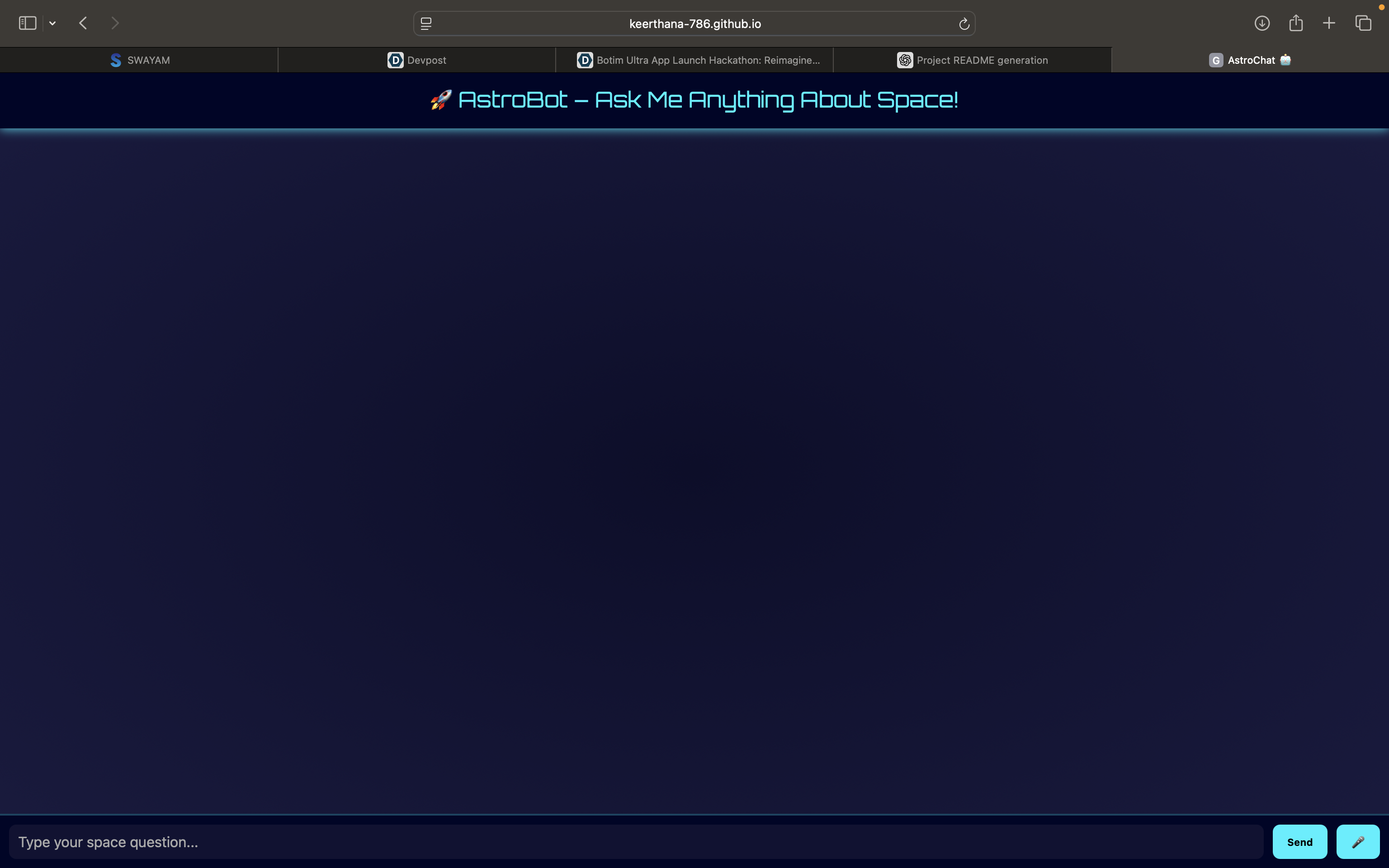
ASTROFUN is an interactive astronomy-themed web experience that allows users to:
- Explore planetary bodies and their orbits through animations.
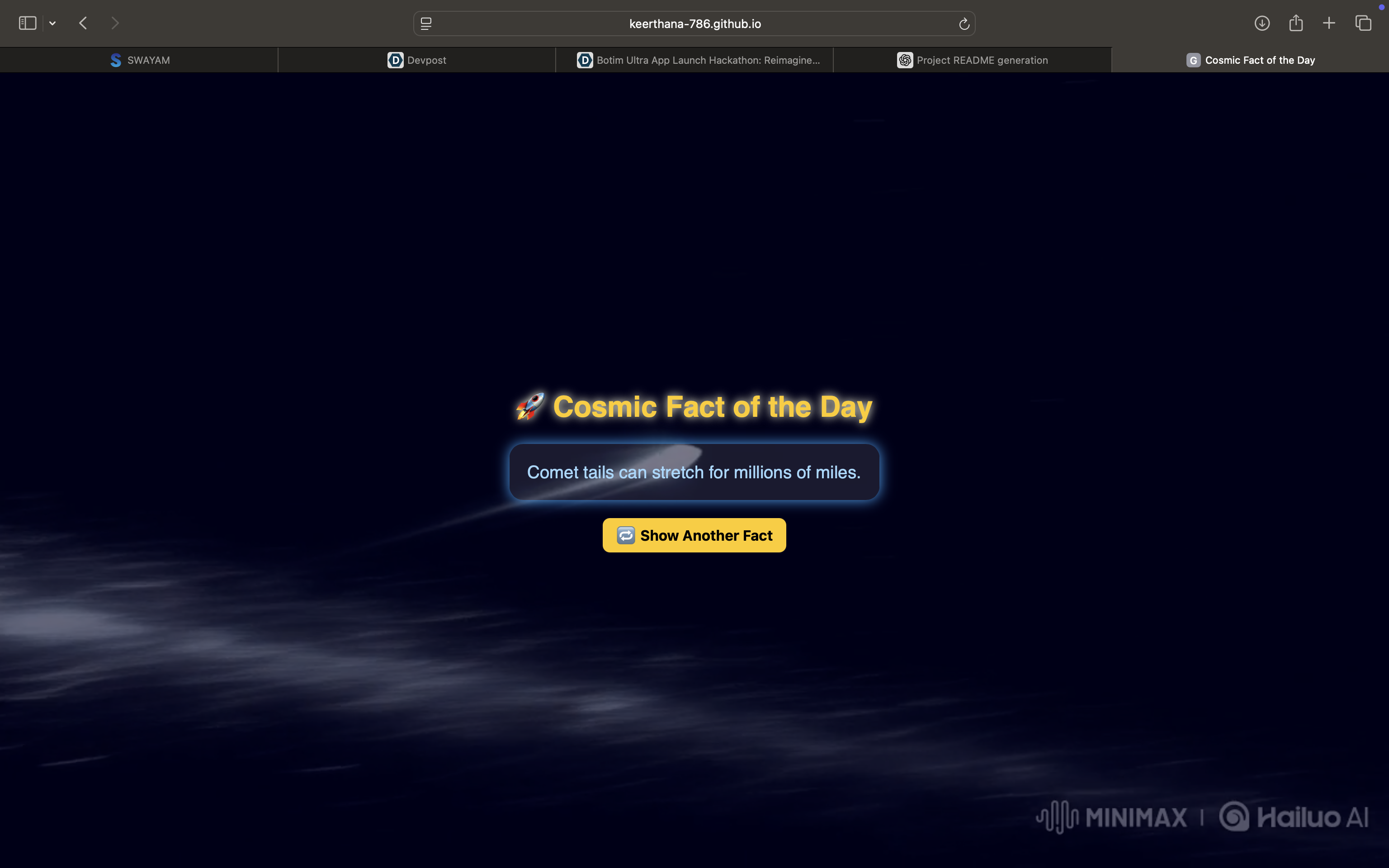
- View fun facts and astronomy trivia dynamically.
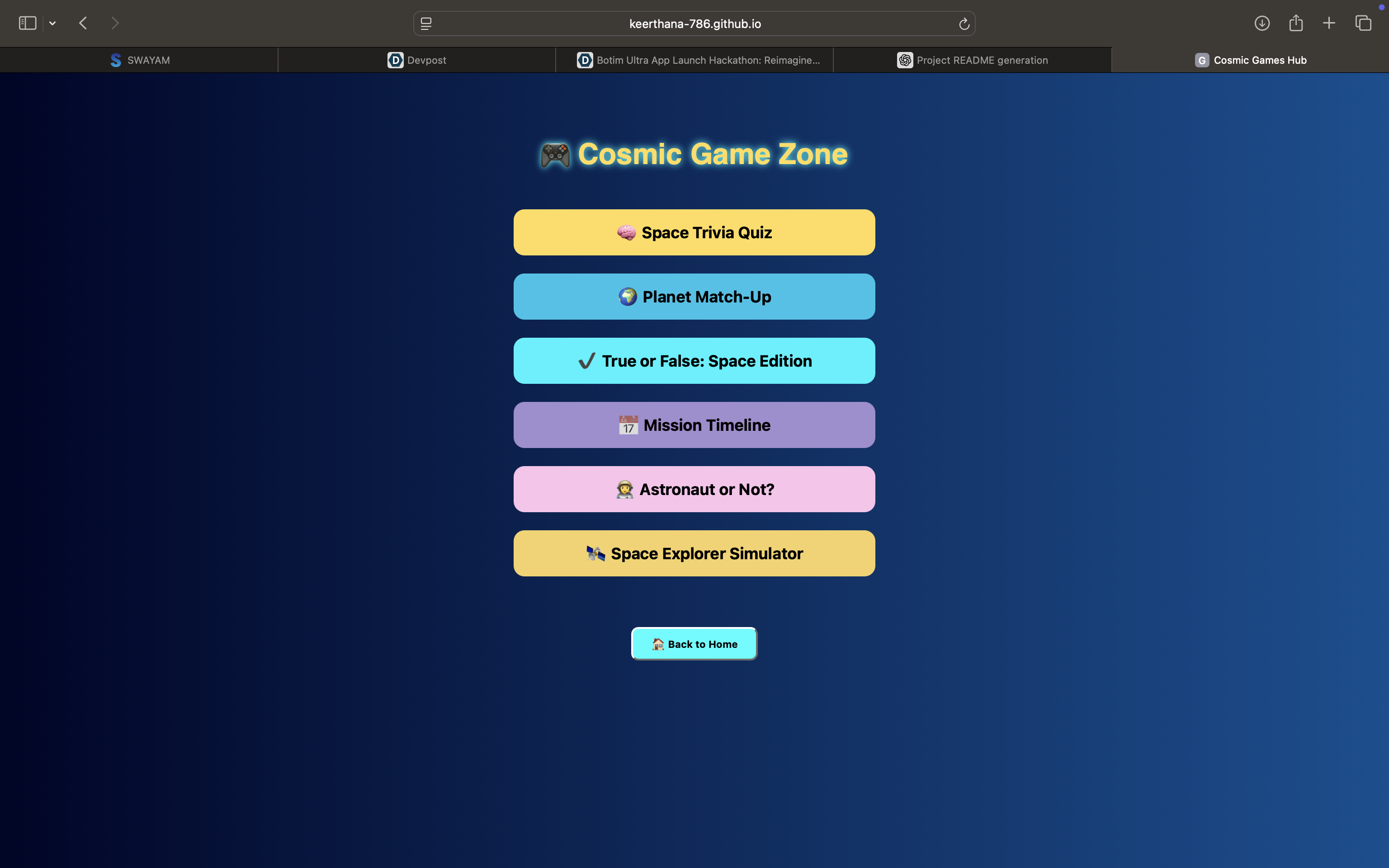
- Play mini-games that integrate astronomical concepts (e.g., aligning planets, catching comets).
- Experience educational storytelling combined with interactive visuals using HTML, CSS, and JavaScript.
How we built it
- Frontend: Pure HTML, CSS, and vanilla JavaScript—no frameworks, keeping the project lightweight and accessible.
- Structure: Core pages include:
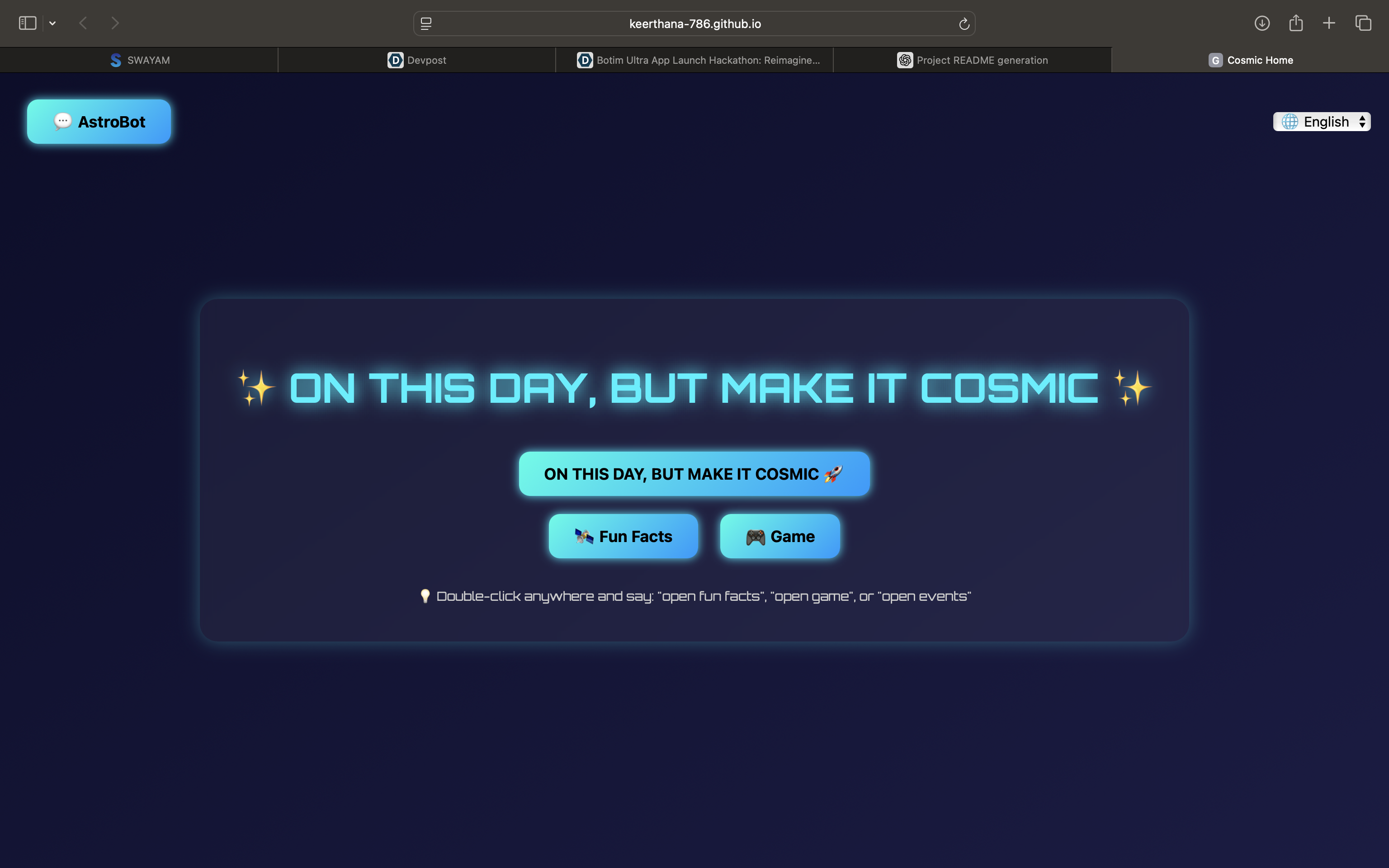
index.html: Main landing page.astrochat.html: Conversational interface, perhaps a Q&A with an AI “space buddy.”events.html: Calendar of celestial events.funfacts.html: Random trivia generator.- A series of mini-game pages (
game.html,game1.html, ...,game6.html).
- Animations: Used CSS keyframes and JS-driven DOM updates to simulate planetary motion. The orbital paths are approximated by: [ x(t) = r \cos(\omega t), \quad y(t) = r \sin(\omega t) ] where ( r ) is the orbit radius and ( \omega ) is angular speed proportional to orbital period.
- Media: Incorporated short videos or GIF loops (
1.mp4,2.mp4, …) to create dynamic visual narratives or transition scenes. - User interaction: Click, hover, and drag events engage users, while JavaScript logic tracks progress in mini-games and quizzes.
Challenges we ran into
- Smooth animation vs. performance: Keeping animations fluid without heavy resource use was tricky, especially with many elements moving concurrently.
- Maintaining responsiveness: Getting the layout and interactive elements to scale well across screen sizes required careful CSS positioning and testing.
- Game logic complexity: Building mini-games that felt fair, responsive, and educational involved balancing timing, randomness, and user control.
- Media handling: Ensuring videos loaded efficiently and didn’t cause delays or jank, especially on slower connections.
Accomplishments that we're proud of
- Created a fully interactive astronomy experience without external frameworks—pure, clean code.
- Realized animated orbital simulations that respond in real time and visually engage users.
- Crafted mini-games that are both fun and subtly educational—bridging play and learning.
- Designed the project structure well, using modular HTML files and media assets for quick loading and toggling between features.
- Embedded LaTeX-style math notation to explain physical principles like gravitation and orbital motion in a beautiful, academic style.
What we learned
- Animations can be powerful educational tools—combining CSS and JS brings science to life in the browser.
- Organizing a multi-page, interactive project without a framework is totally doable with solid HTML and CSS planning.
- Writing responsive, performant JavaScript is essential for user engagement and accessibility.
- Embedding mathematical notation (like (\frac{G m_1 m_2}{r^2})) enhances clarity and connects the fun visuals with real scientific ideas.
What's next for ASTROFUN
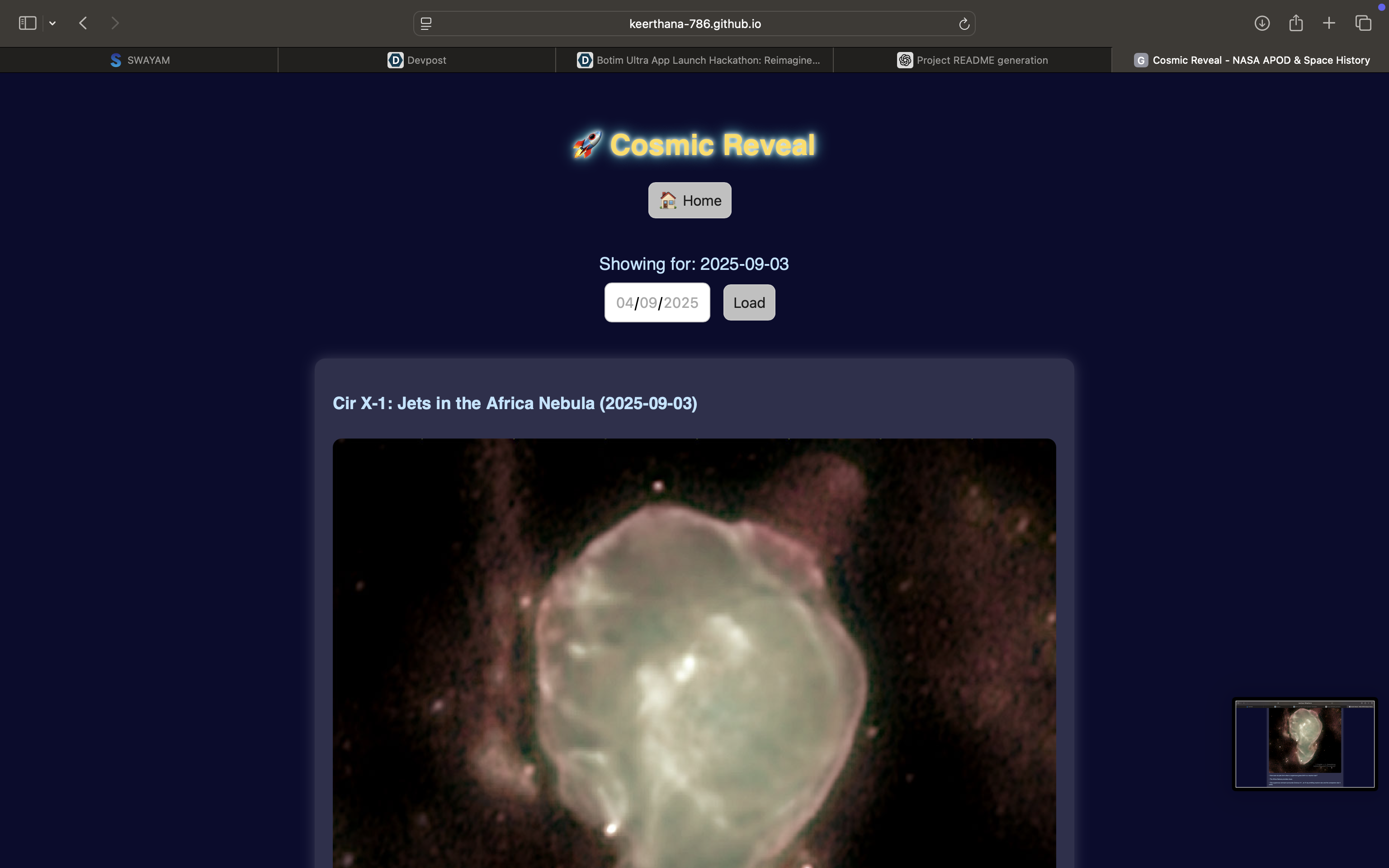
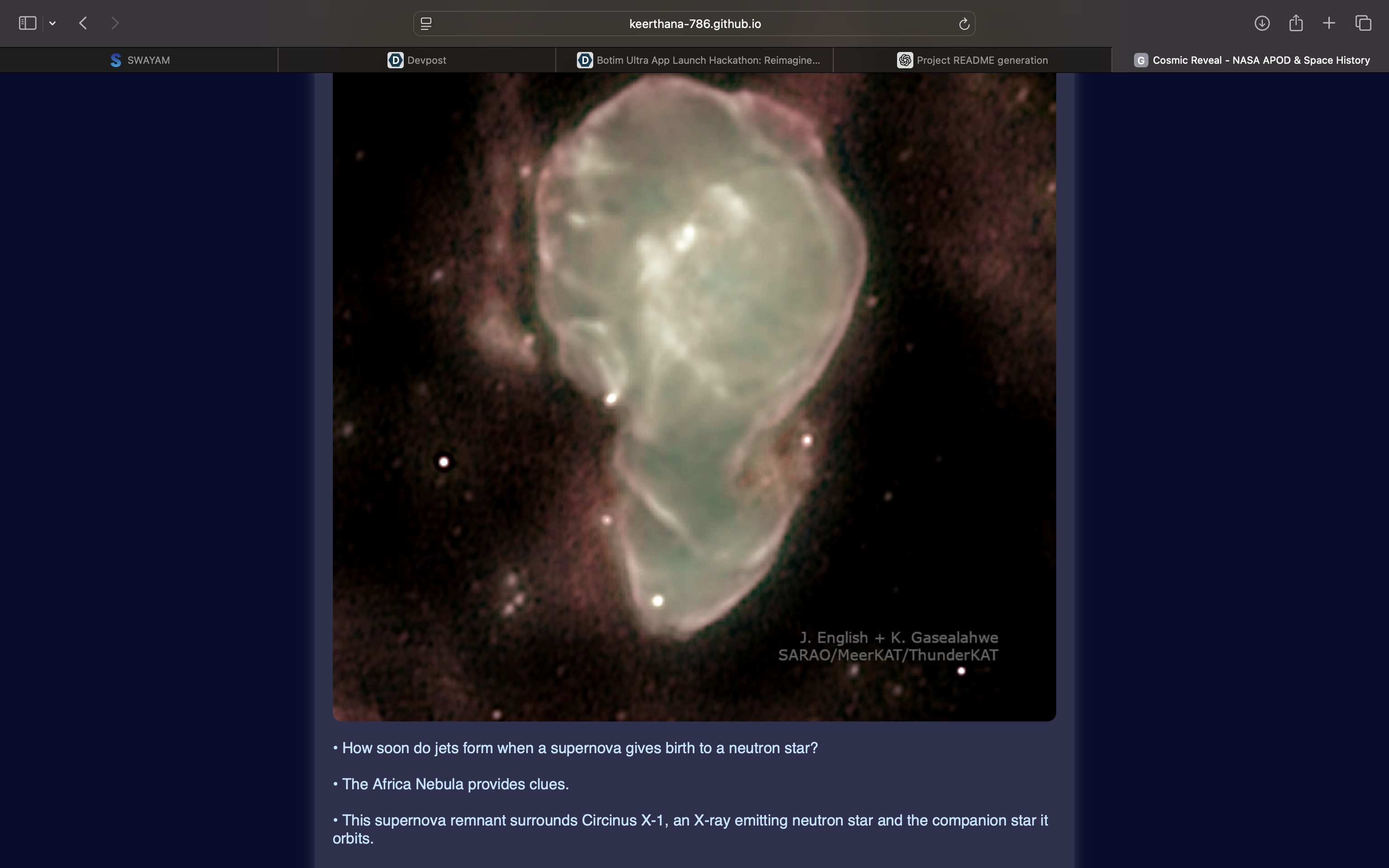
- Introduce real-data integration: Plug in APIs (e.g., NASA’s Astronomy Picture of the Day or orbital data) for real-time content.
- Contextual quizzes: Add post-interaction quiz prompts tied to current modules—rewarding correct answers with visual effects.
- Mobile enhancements: Optimize touch controls and UI layout for smaller screens.
- New mini-games: Expand the game set—maybe a comet chase, constellation matcher, or rocket launch simulation.
- Accessibility improvements: Add alt-text, keyboard navigation, and improve contrast for inclusivity.
- Deployment & feedback loop: Host on GitHub Pages (or similar) and gather user feedback to iterate and polish the experience.
I hope this captures the story, spirit, and technical depth of ASTROFUN! Let me know if you'd like any tweaks or additions—whether it’s more LaTeX, deeper technical notes, or different storytelling angles. ::contentReference[oaicite:0]{index=0}


Log in or sign up for Devpost to join the conversation.