Inspiration
Astrocart began with a simple question: What if cuisine—not combat—became humanity’s first language of diplomacy? We were inspired by how, in the real world, climate, geography, technology, and belief systems shape what people eat. Food encodes culture. And when people leave home, “home” often survives through taste. We wanted to turn this anthropological truth into a playable system.
In our universe (year 2189), a tiny station on a transit ring becomes the crossroads of interstellar longing. Travelers describe their dishes in fragmented, emotional language—and players decode those memories into fusion meals that soothe nostalgia and teach Earth how to trade with new worlds.
Astrocart is our attempt to make AI-driven procedural cuisine a storytelling engine and world-building mechanism, instead of just a content generator.
What it does
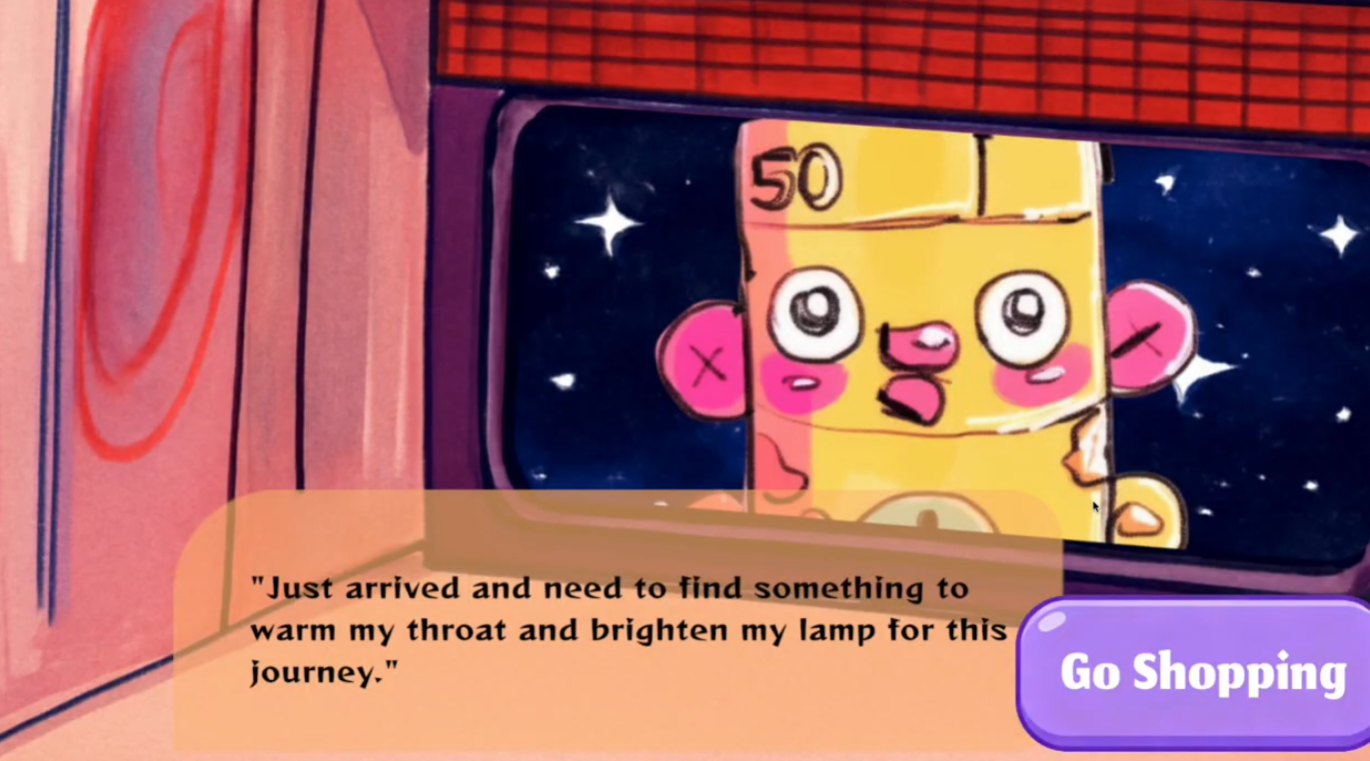
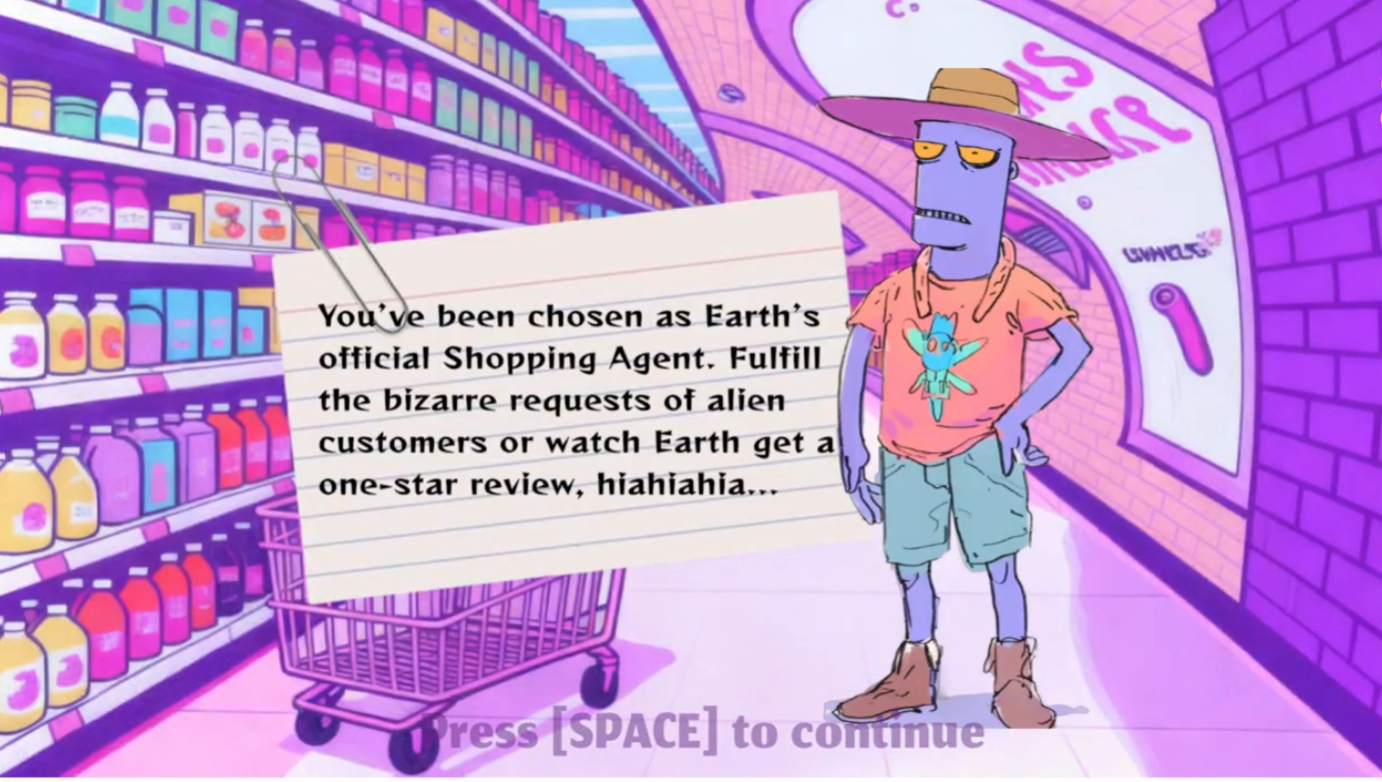
Astrocart is a short-session, AI-driven “cultural decoding cooking game” set in the year 2189 inside a bustling orbital transit-station supermarket — the only place in the system where travelers can buy groceries and order freshly prepared hot meals.
You are the newest staff member at this interstellar shop-counter — and, unofficially, Earth’s junior trade envoy.
Your actual job is simple… and not simple: Serve good food. Record useful clues. Help Earth quietly open new export routes.
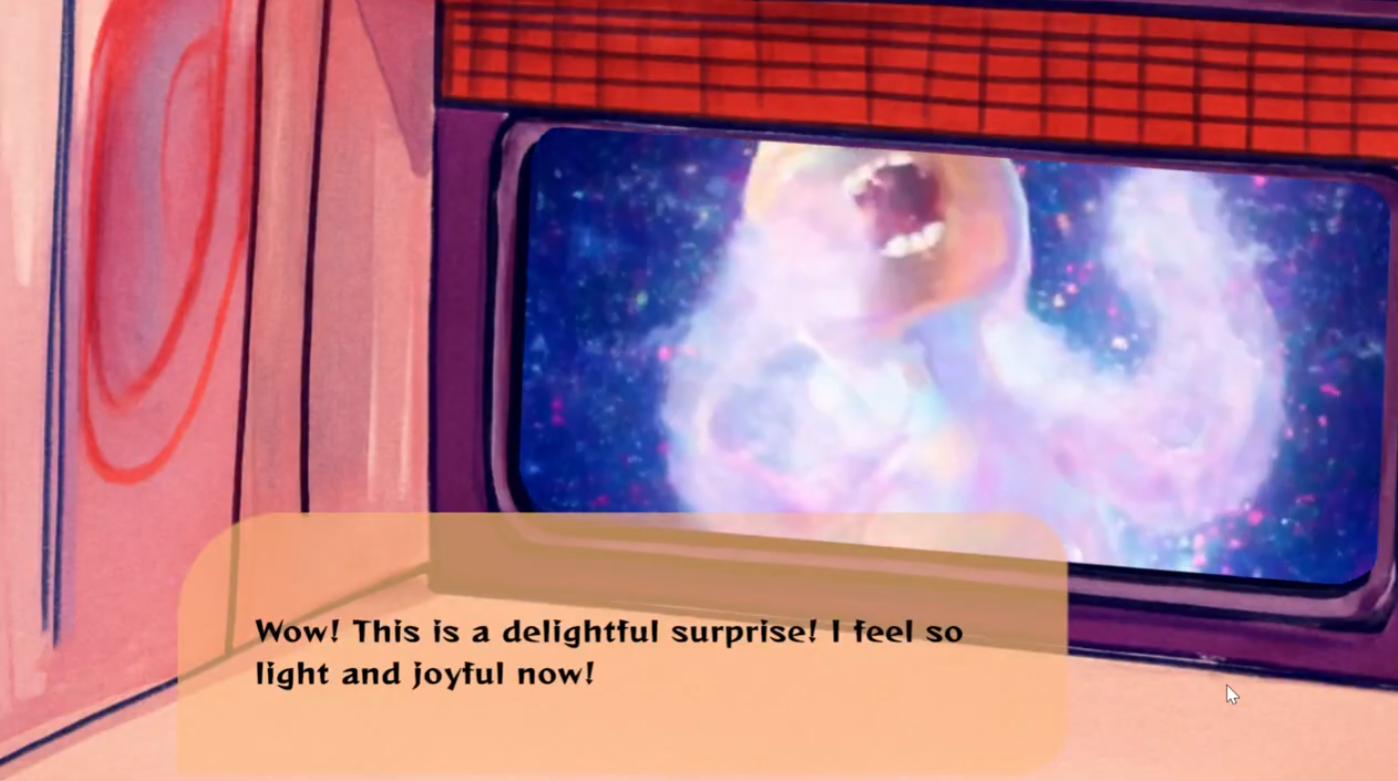
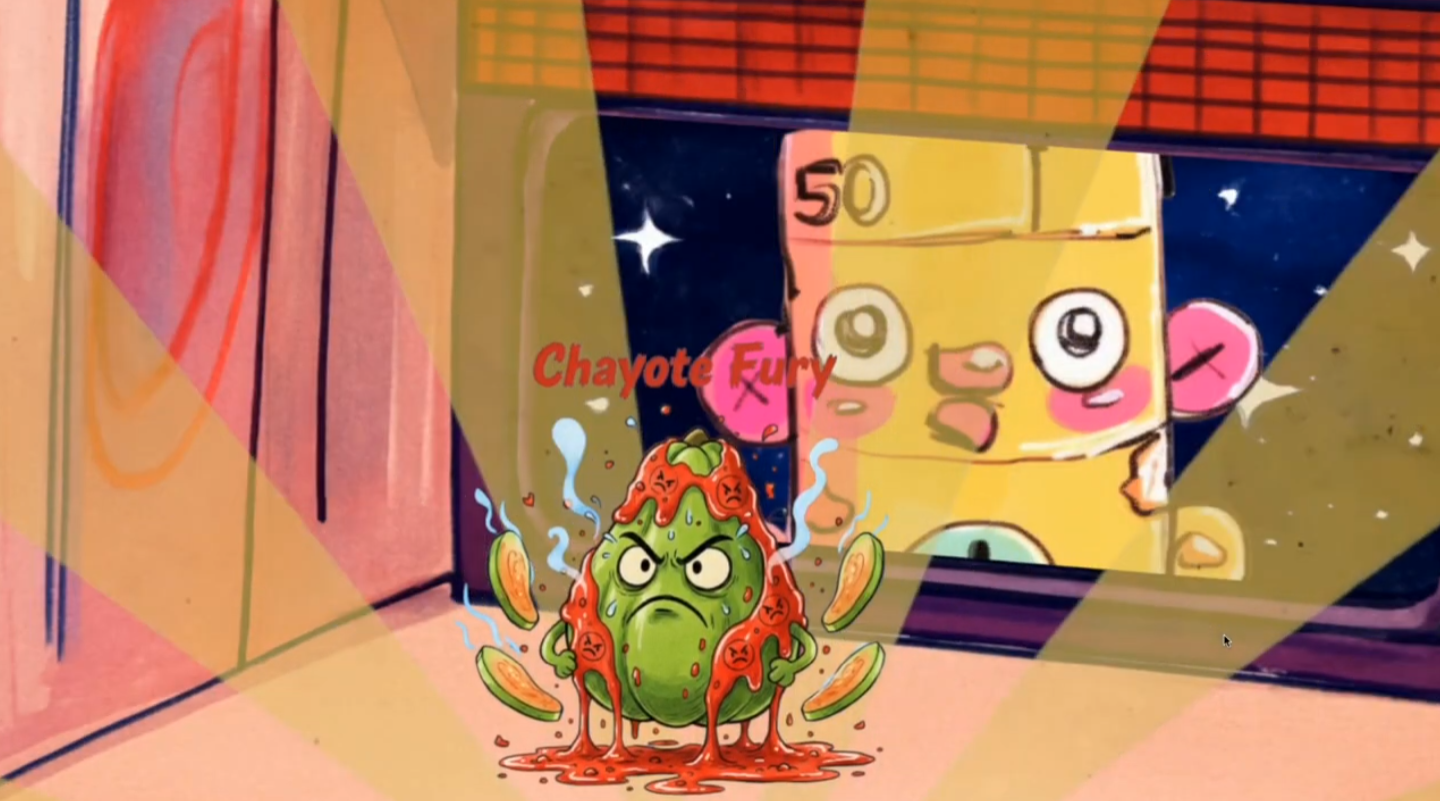
Every alien shopper arrives with a feeling, not a recipe: a memory of their homeworld, described through mood, metaphor, or sensory fragments. AI transforms those descriptions into emotion vectors, ingredient constraints, and cultural hints you can cook from.
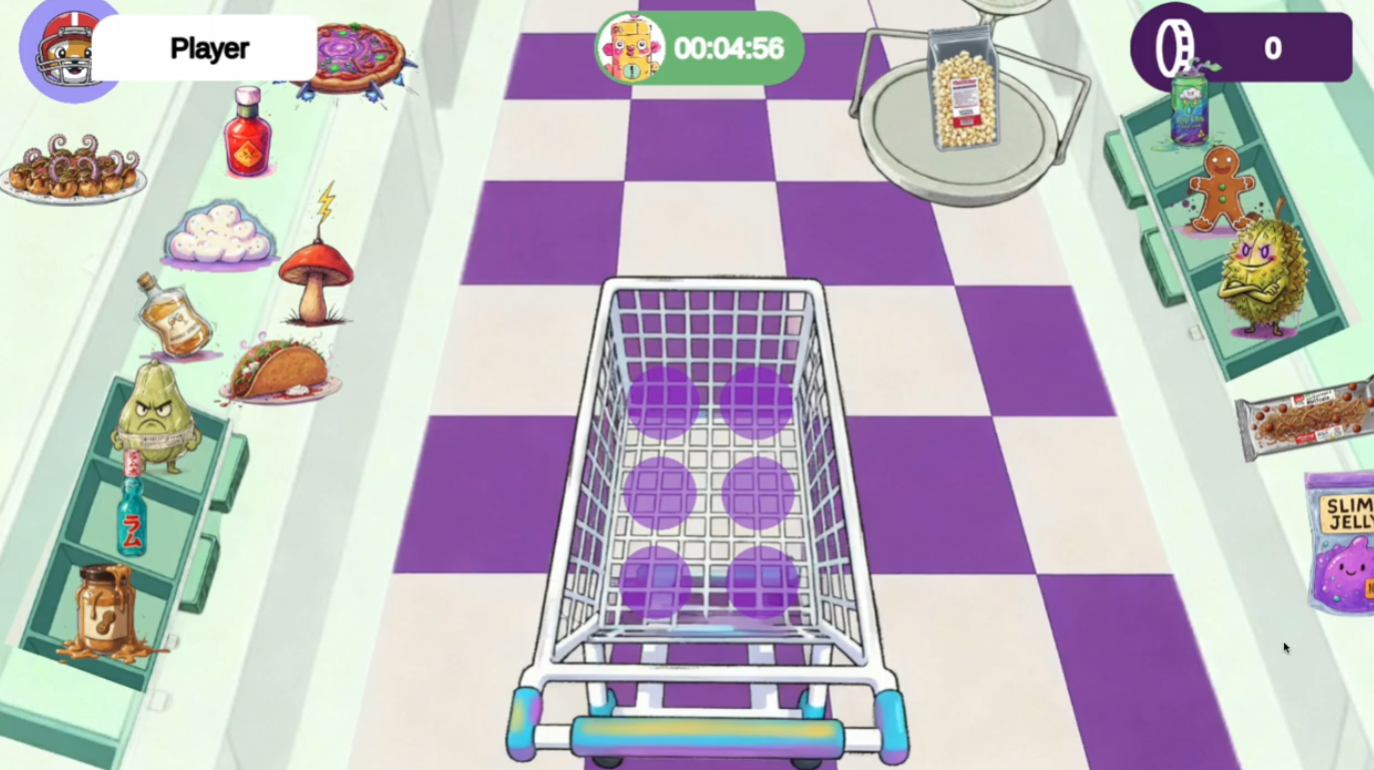
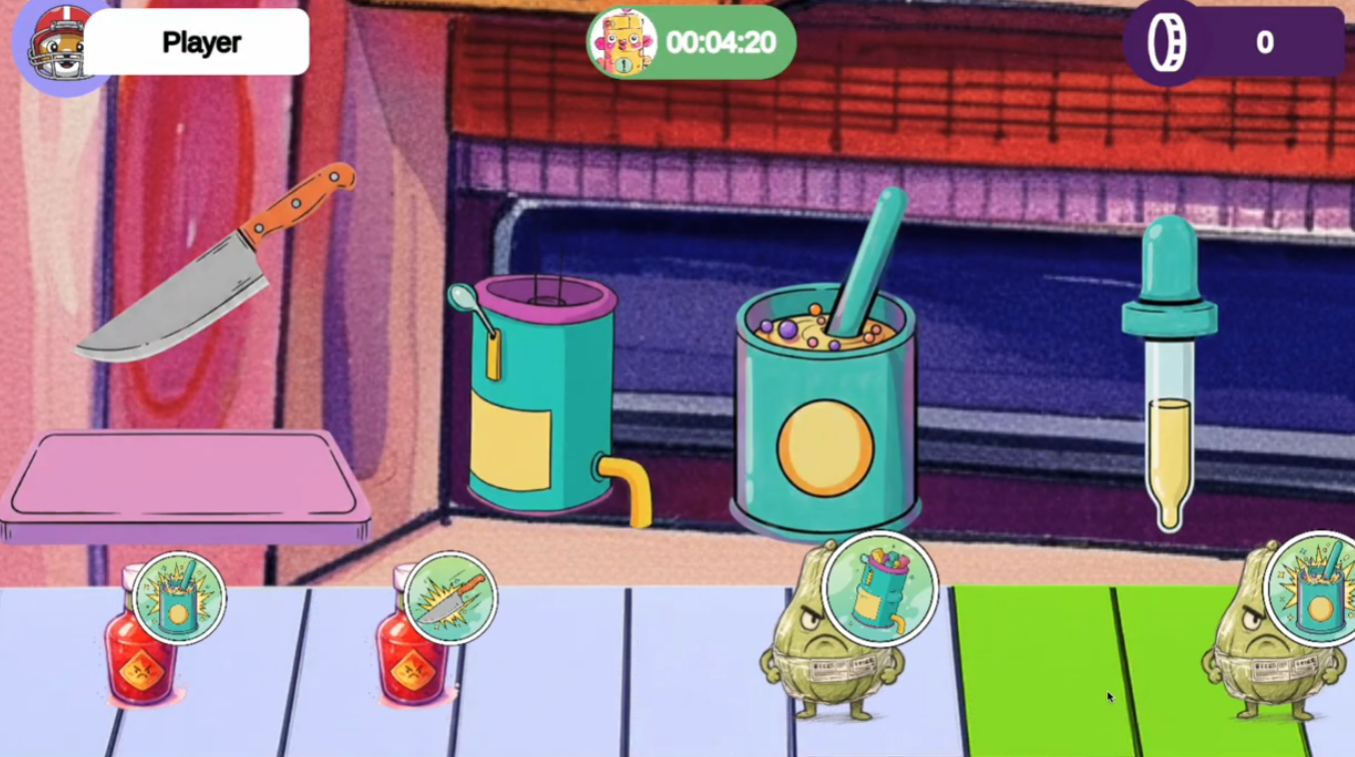
You choose ingredients from the supermarket shelves, fuse them into a hybrid dish, and gradually unlock each species’ processing techniques — from low-gravity curing to magnetized caramelization.
With every successful meal, you fill out Earth’s first Interstellar Trade & Cuisine Field Handbook — a growing map of tastes, technologies, and opportunities.
It’s cozy, strange, and quietly strategic: a cooking game where every dish is also diplomacy.
How we built it
At the beginning, Astrocart looked very different. We explored dozens of indie games—from experimental cooking sims to narrative-driven puzzlers—and asked ourselves a core question:
How can AI let us design a game that feels more open, expressive, and culturally meaningful instead of just “generative”?
We sketched multiple prototypes: a memory-alchemy system, a tag-based flavor synthesizer, a mood-based grocery cart rush.
Challenges we ran into
Our biggest early challenge was AI video and image generation speed. Render times were long—long enough to break pacing and destroy the cozy flow we wanted.
With no technical fix available at the time, we designed around the problem: we added a small in-between mini-game to keep players engaged and make the wait feel intentional rather than disruptive.
Accomplishments that we're proud of
We’re proud that the gameplay loop feels genuinely new— a cooking mechanic that is emotionally driven, culturally coded, and mechanically expressive.
We’re also proud of the story structure: the beginning (alien memories as emotional fragments) and the ending (Earth's growing interstellar cuisine handbook) quietly mirror each other, closing the loop on cultural exchange.
The team also built a surprisingly deep prototype in a very limited timeline, using AI not just as a generator, but as a design accelerator that let us produce more, iterate faster, and expand the game’s expressive space.
What we learned
We learned how to use AI tools not as shortcuts, but as creative collaborators. AI helped us:
iterate quickly
generate more variations
test ideas without long asset-production cycles
focus our time on design, pacing, and world-building
We also learned that even small design adjustments—like adding a mini-game to hide loading time—can transform the overall feeling of play.
Most importantly, we learned that emotion-driven systems can be both systemic and narrative at the same time.
What's next for Astrocart
We will continue developing Astrocart, expanding the number of alien cultures, processing methods, and emotional food grammars.
Our next step is structured playtesting: we’re observing how players interpret emotions, how they choose ingredients, and how intuitive the diplomacy-through-food concept feels.
With each test, we refine the UI, the story prompts, and the cooking logic so that players from different backgrounds can understand—and enjoy—the system.

Log in or sign up for Devpost to join the conversation.