-
-
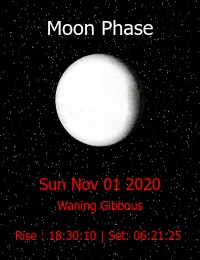
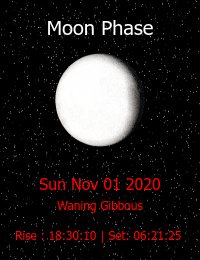
Moon Phase
-
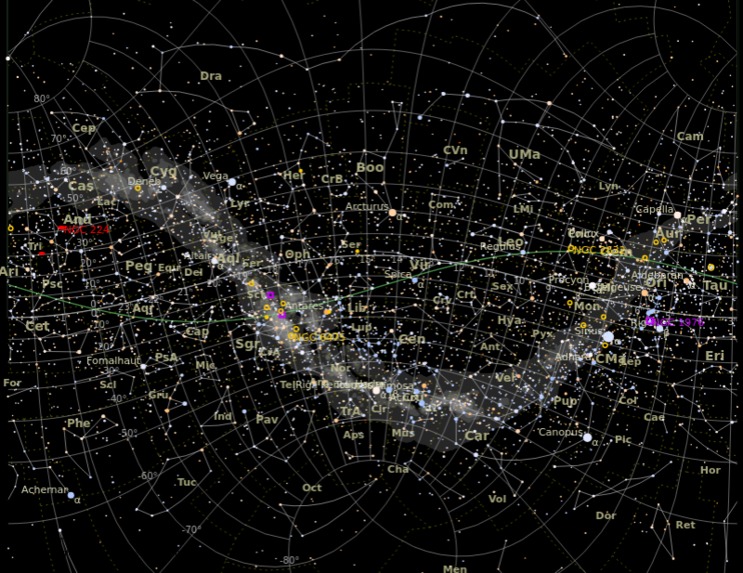
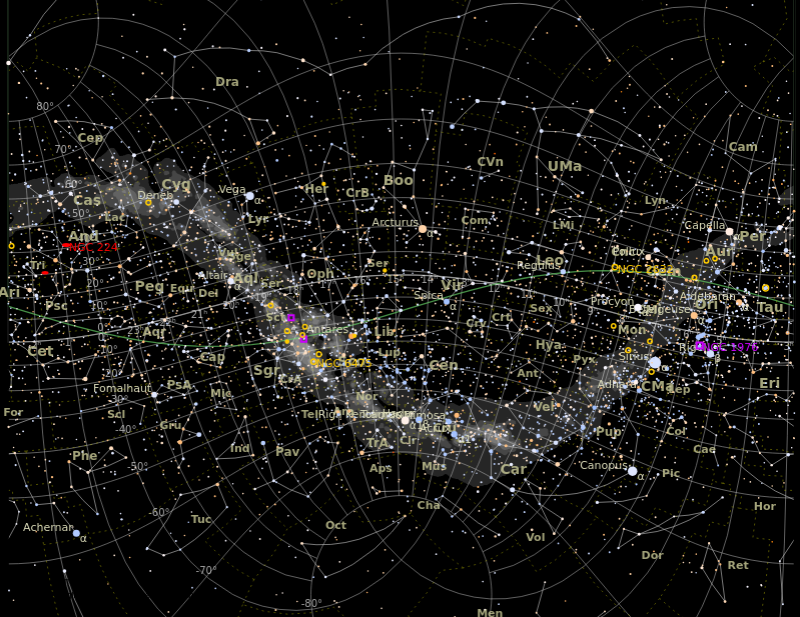
Star Chart
Inspiration
AstroAI is inspired by the limitless potential of the cosmos and the evolving capabilities of artificial intelligence. Our aim was to create a tool that not only simplifies astronomical exploration but also empowers users to uncover the mysteries of space through AI-driven insights and analysis.
What it does
AstroAI harnesses AI to provide an interactive and user-friendly platform for exploring celestial bodies, stars, and deep space objects. It offers advanced search capabilities, detailed visualizations, and intelligent data interpretation, making complex astronomical data accessible and understandable for both enthusiasts and professional astronomers.
How we built It
We built AstroAI using the innovative GPT Builder, a powerful tool that allowed us to tailor a custom version of ChatGPT specifically for astronomical exploration and data analysis. Leveraging the flexibility of GPT Builder, we combined advanced machine learning algorithms, integrated APIs for real-time astronomical data, and a comprehensive database of celestial objects. This approach enabled us to develop a highly specialized AI model capable of pattern recognition, predictive analysis, and intuitive interaction with users. The GPT Builder's versatile configuration options were instrumental in designing an AI that not only understands complex astronomical concepts but also communicates these effectively through a user-friendly interface. The result is a unique blend of AI technology and user-centric design, making AstroAI a pioneering tool in the field of space exploration and education.
Challenges we ran into
Developing AstroAI was not without its challenges. Key among them was ensuring accurate and fast data processing given the vastness of astronomical data. Creating an intuitive interface that could cater to both amateur stargazers and professional astronomers was also a significant hurdle.
Accomplishments that we're proud of
We are particularly proud of AstroAI's ability to democratize space exploration. Its AI-driven insights and easy-to-use interface bring the cosmos closer to people regardless of their background in astronomy. The platform's accuracy in data interpretation and its innovative approach to celestial exploration are also key achievements.
What we learned
Throughout this project, we learned a great deal about the intricacies of astronomical data, the potential of AI in data analysis, and the importance of user experience in educational tools. Balancing technical accuracy with user-friendliness was a valuable lesson in itself.
What's next for AstroAI
The future of AstroAI is bright and full of possibilities. We plan to expand our database to include more celestial bodies, enhance our AI algorithms for deeper insights, and incorporate AR/VR technology for a more immersive astronomical experience. Collaborating with educational institutions for space education and research is also on the horizon.
Built With
- astronomyapi
- gpt4
- gptbuilder
- json
- openapi

Log in or sign up for Devpost to join the conversation.