-
-
Logo_Concept_1
-
Scene 3-10
-
Scene 2-10
-
Logo_Concept_2
-
Astro_Archive_Render_3
-

MongoDB_Hakathon_Event_Participant
-
OSD Look-Ups

Inspiration
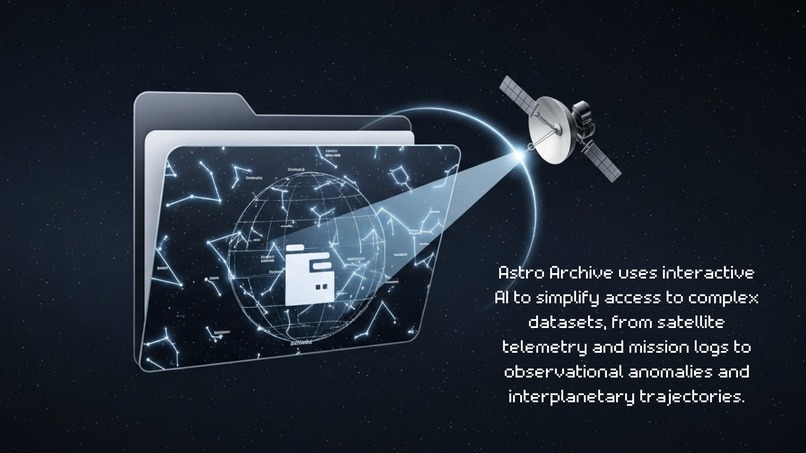
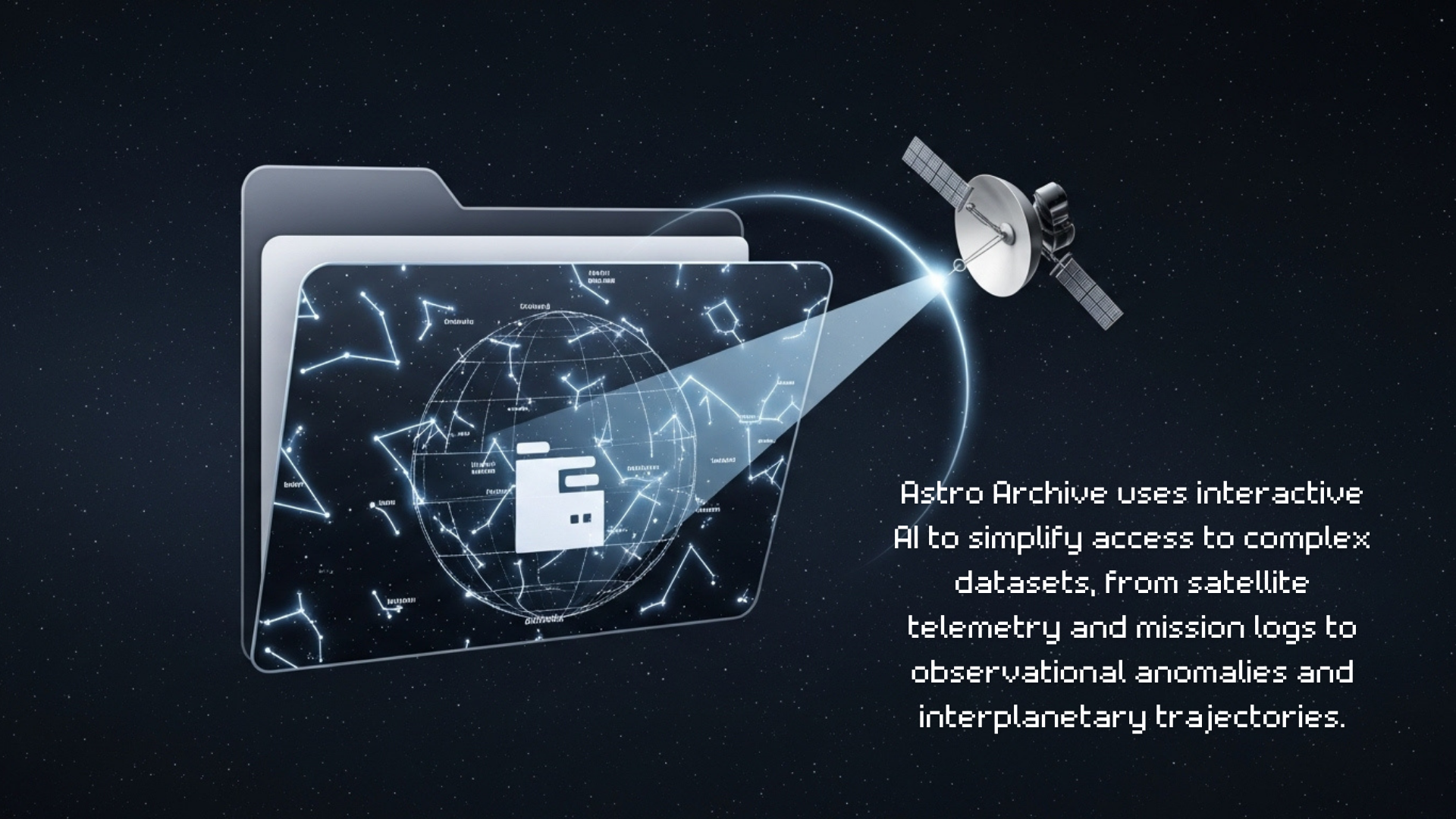
Astro Archive was born from the growing need to make mission data more accessible, searchable, and engaging for all, from veteran NASA scientists to aspiring aerospace students. Too often, this data is locked away in hard-to-use archives or disconnected systems. We wanted to create a solution that felt modern, intelligent, and intuitive, something that could make sense of vast space datasets while offering a smooth user experience for multi-generational users. The cosmos is full of stories, and we wanted to help tell them through interactive OSDR data and use cases for the data.
What it does
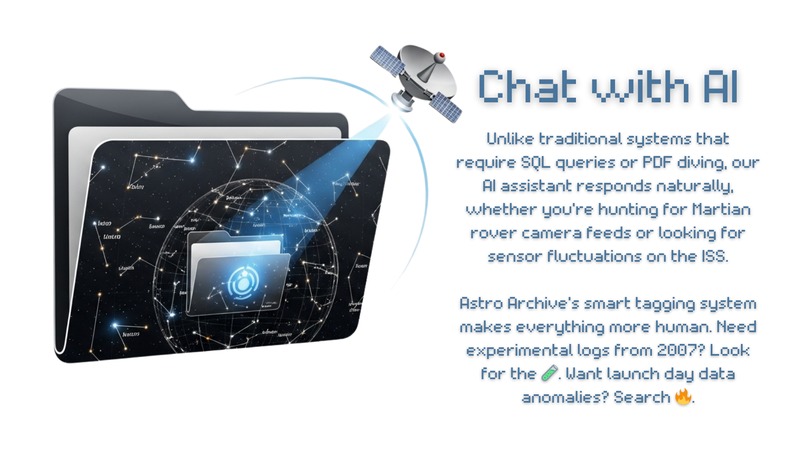
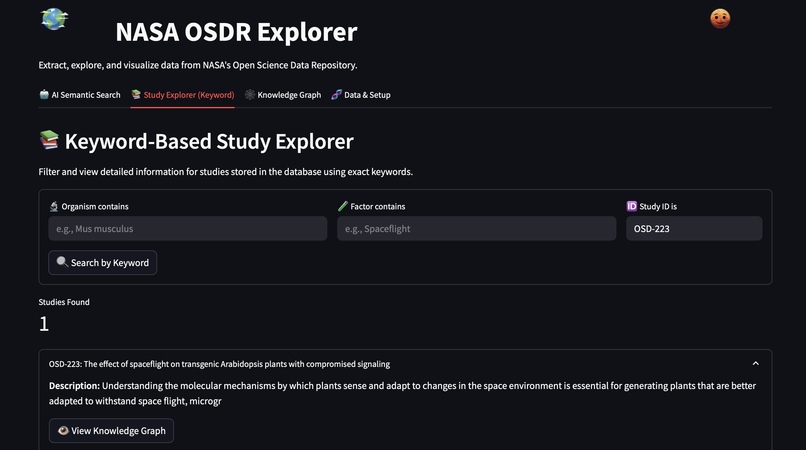
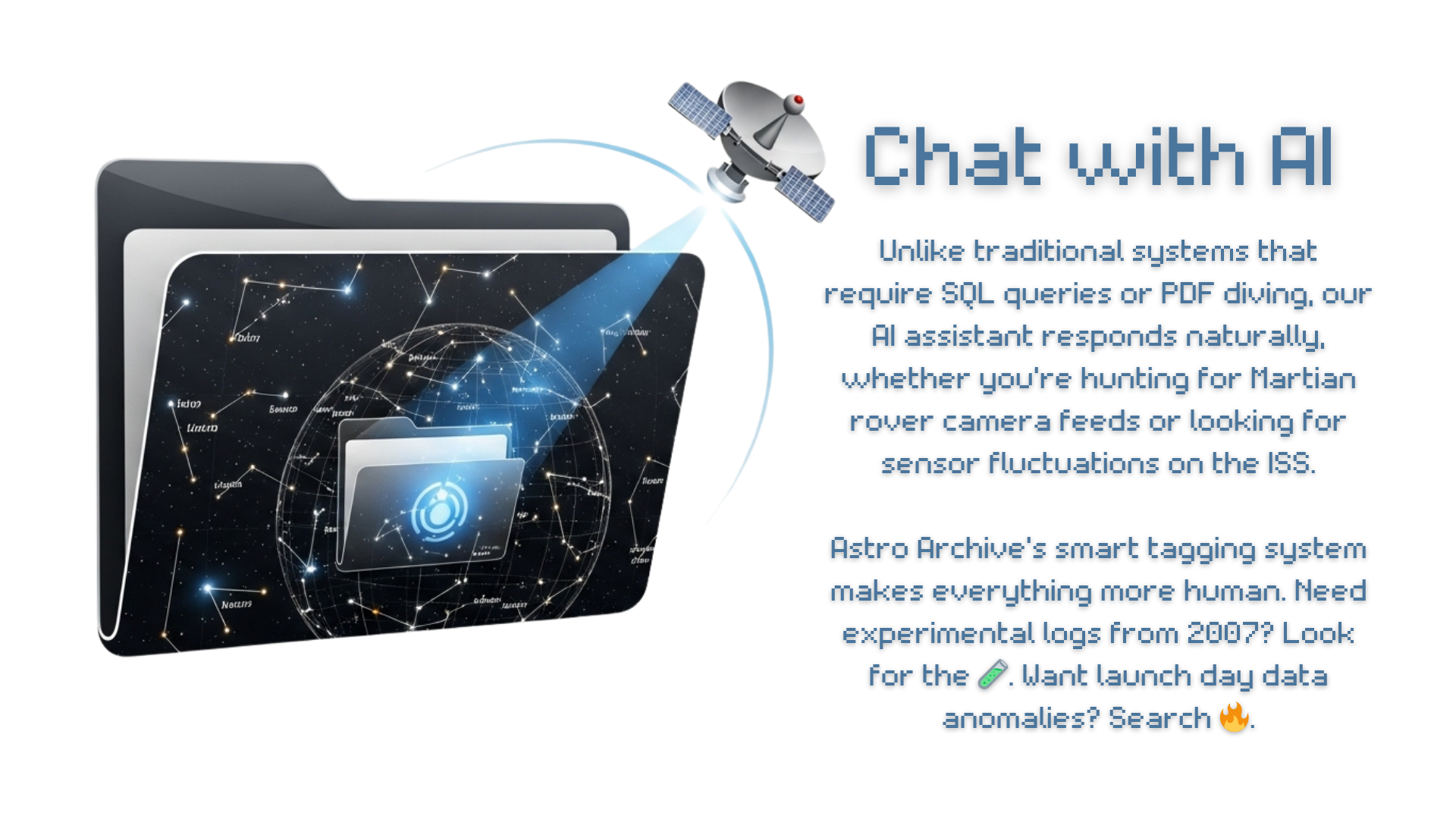
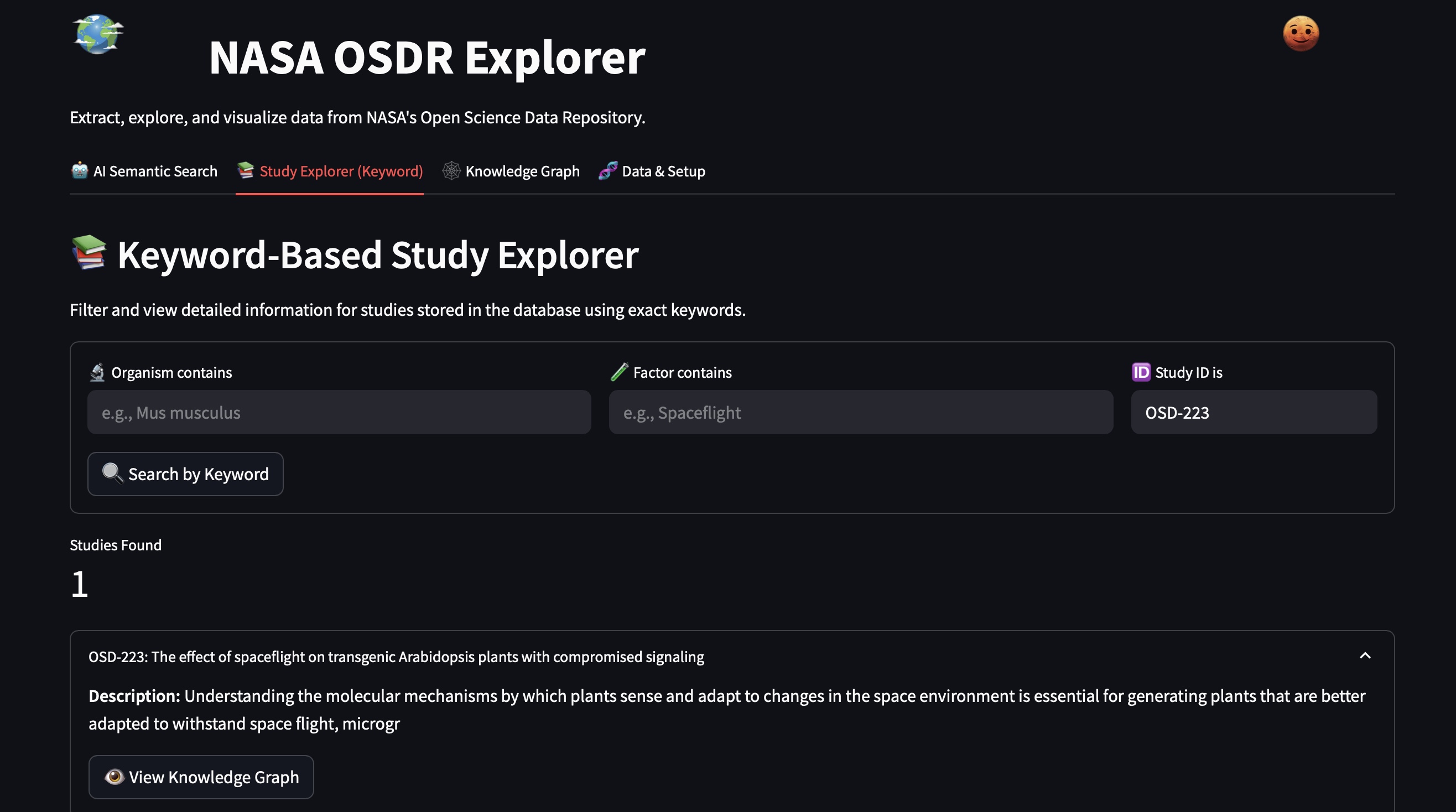
Astro Archive is an AI-powered mission data platform that allows users to: • Explore mission and spacecraft metadata through a visual, searchable interface. • Use natural language queries (powered by Vertex AI) to find relevant data without needing to know exact database schemas. • Visualize relationships between missions, instruments, and celestial targets using Neo4j. • View clean, interactive dashboards built with Streamlit. • Collaborate and learn across generations — from researchers to students.
It bridges complex data systems with approachable, interactive tools designed for real-time insights.
How we built it
We combined several powerful technologies into a cloud-native, full-stack solution: • MongoDB Atlas — to handle structured mission metadata and flexible querying. • Neo4j — for graph-based relationships (e.g., spacecraft → instrument → target). • Google Vertex AI — to power intelligent search, Q&A, and semantic understanding. • Streamlit — for a minimal, accessible, and responsive frontend. • Google Cloud Run — to securely deploy and scale the containerized application. • Google Secret Manager — to manage and protect sensitive API keys and credentials. • Docker — to ensure consistency and portability across local and cloud environments.
We followed a modular architecture with clean integration points across the stack. We originally had the Neo4J knowledge graph connected but were waiting for another update to showcase that part more. However, the semantic AI works just as well and utilizes Vertex AI perfectly for this focus in Astronaut health, mission readiness, and other space variables in the past & future.
Challenges we ran into
• Running Docker images on arm64 (Apple Silicon) required multiple rebuilds and platform-specific flags.
• Integrating both MongoDB and Neo4j required designing a hybrid data strategy and maintaining data consistency.
• Configuring Cloud Run timeouts and memory to accommodate large model loads and graph queries.
• Ensuring natural language queries returned accurate and meaningful results from varied mission datasets.
• Designing a UI that serves both advanced users and newcomers without overwhelming either.
Accomplishments that we're proud of
Successfully deployed a full-stack, AI-enhanced mission archive app within a short development window. • Enabled natural language interactions with highly technical data — a major accessibility win. • Built a scalable platform that’s cloud-native and portable across architectures. • Delivered a polished, multigenerational user experience tested by users with different expertise levels. • Designed for collaboration between engineers, researchers, educators, and students.
What we learned
• Graph and document databases together offer a powerful combo for aerospace datasets.
• User-centered design matters — the easier it is to explore space data, the more people will engage with it.
• Natural language AI adds tremendous value — even small prompts can return deep insights.
• Infrastructure like Google Cloud Run and Secret Manager can accelerate secure deployment, but they require thoughtful configuration.
• Visual storytelling helps bridge the data gap — people connect better through stories than spreadsheets.
What's next for Astro Archive
• Integrate live NASA APIs for real-time mission and launch updates.
• Expand the AI features to support voice commands, summaries, and hypothesis generation.
• Add user annotation features for collaborative tagging and note sharing.
• Build a timeline mode to showcase mission history and planned future launches.
• Develop a mobile-first version for use in the field and classrooms.
• Introduce gamified discovery for educational environments and public outreach.
Astro Archive is more than a project, it’s a launchpad for how we explore, teach, and collaborate with space data.

Log in or sign up for Devpost to join the conversation.