-
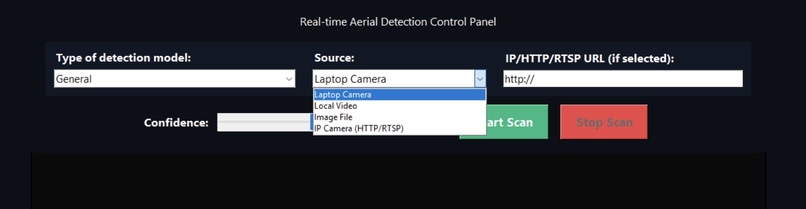
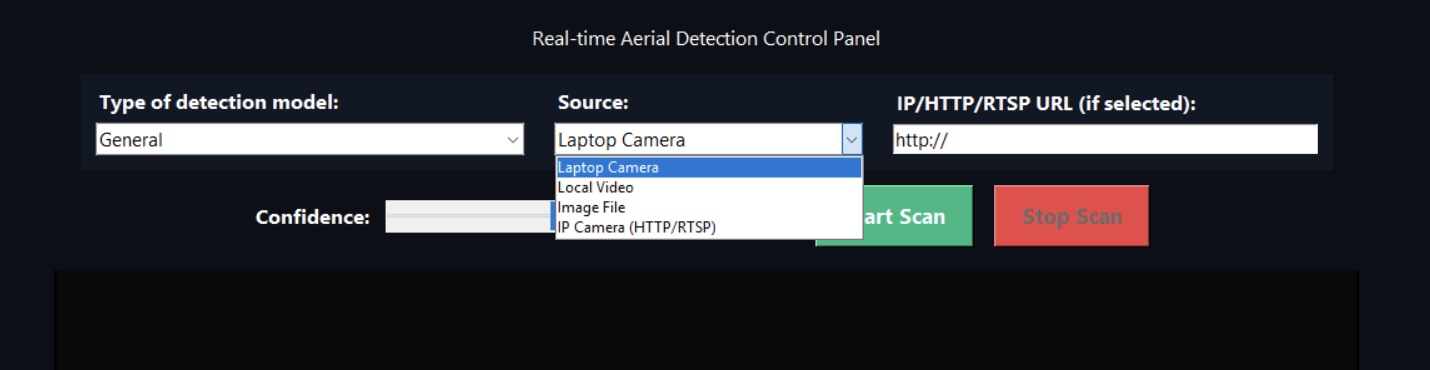
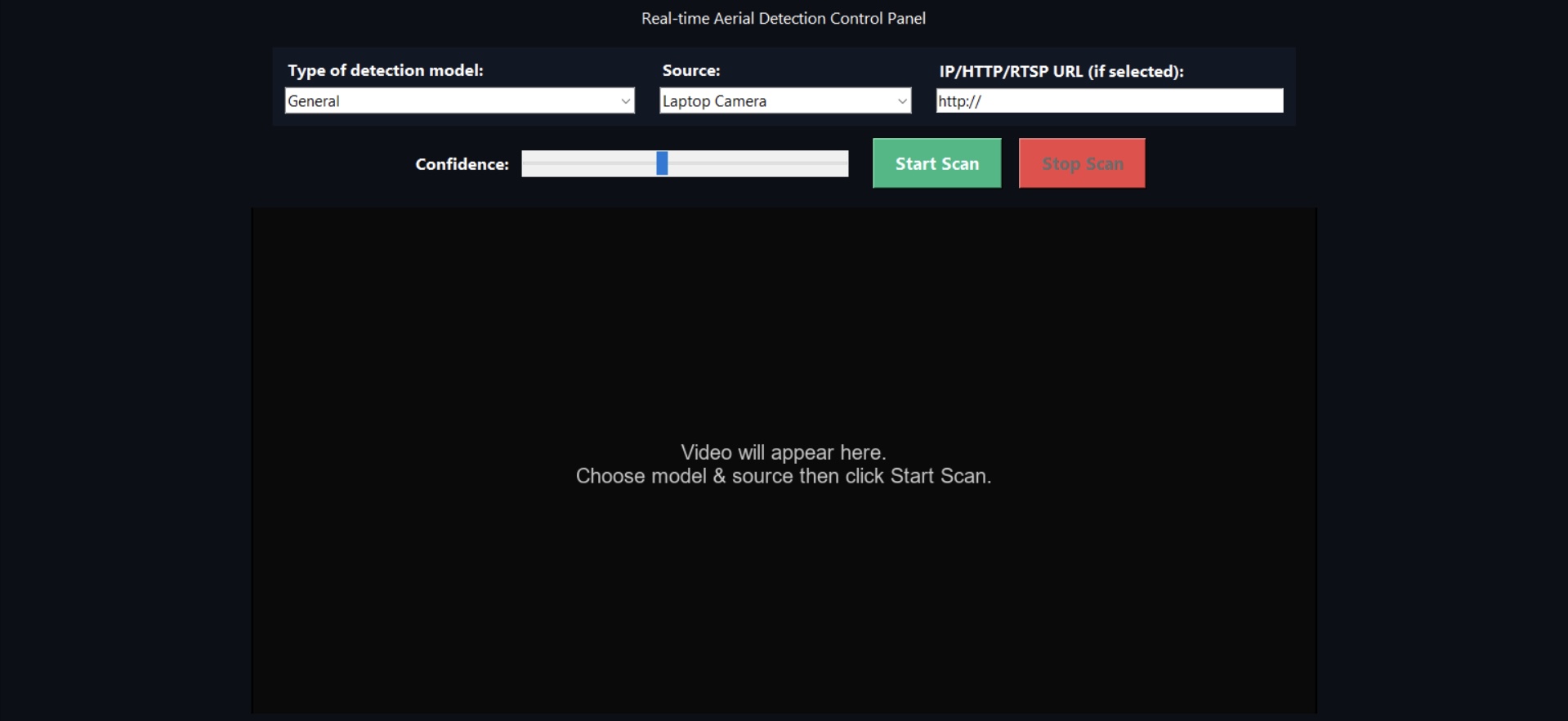
Desktop app: source options (laptop camera, video, image, IP camera)
-
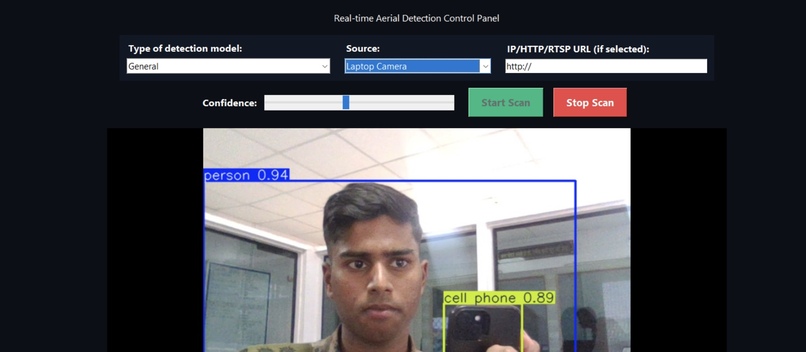
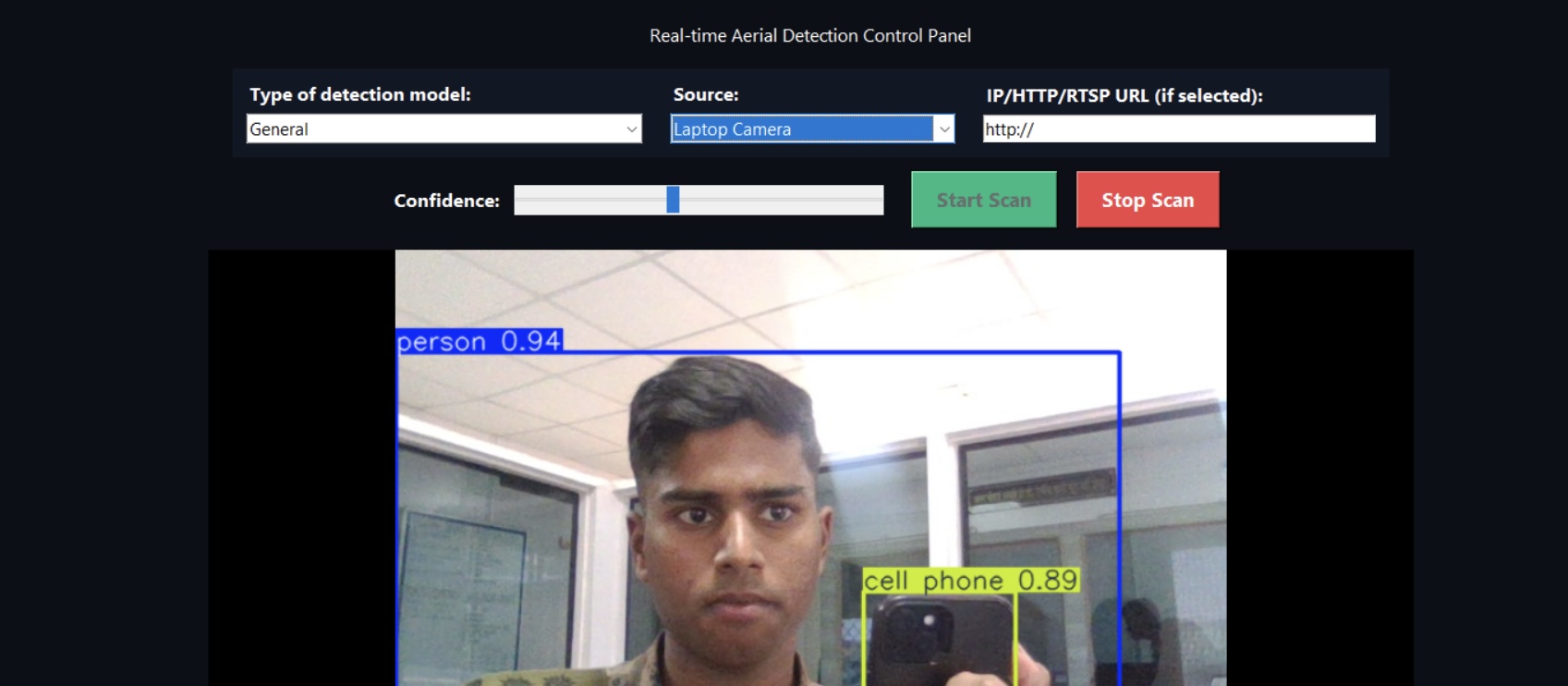
Desktop app: General model on laptop camera
-
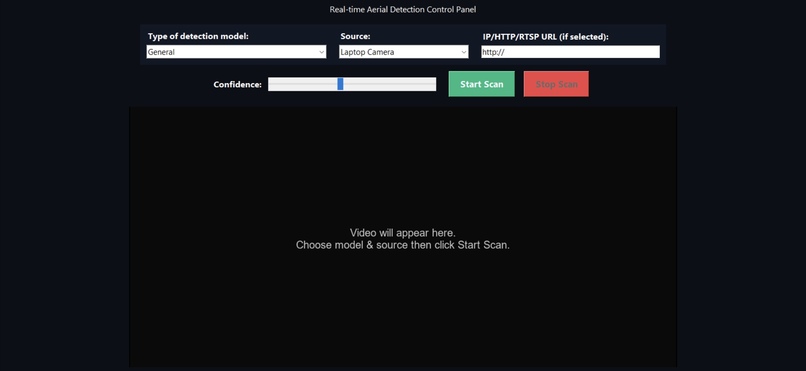
Desktop control panel
-
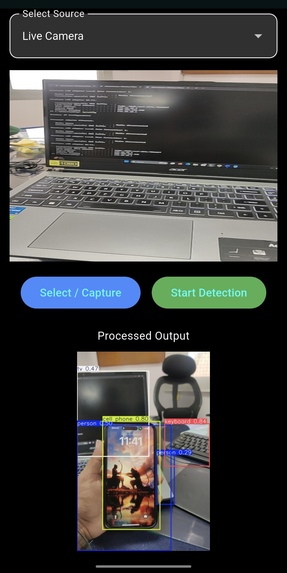
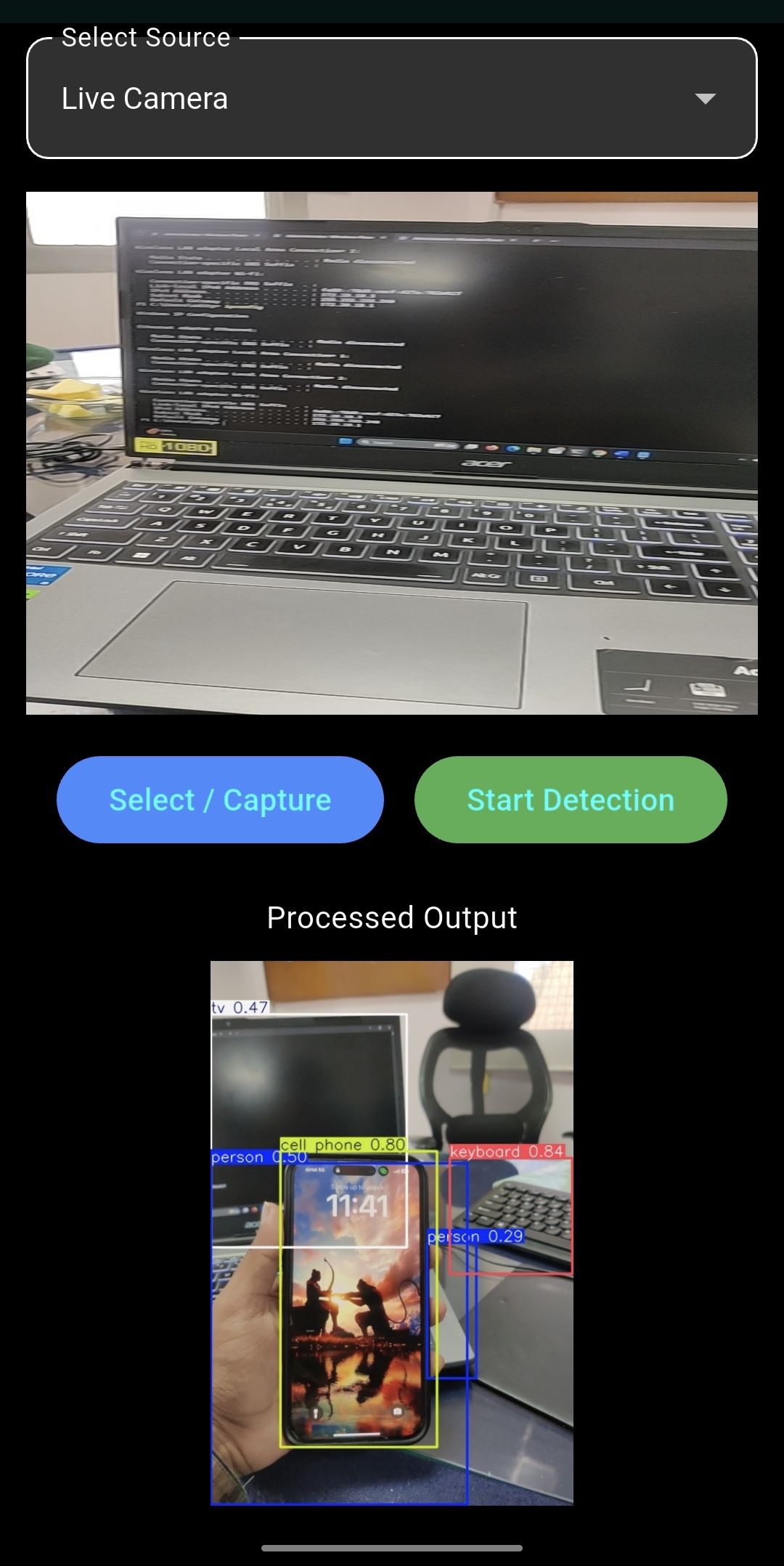
Android app: live camera detection
-
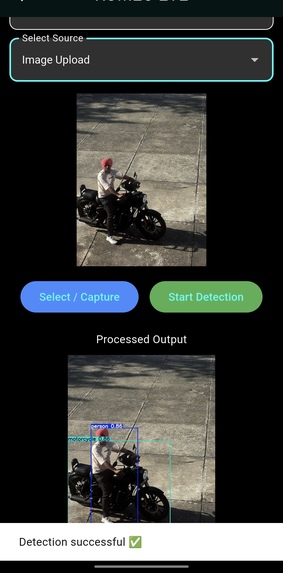
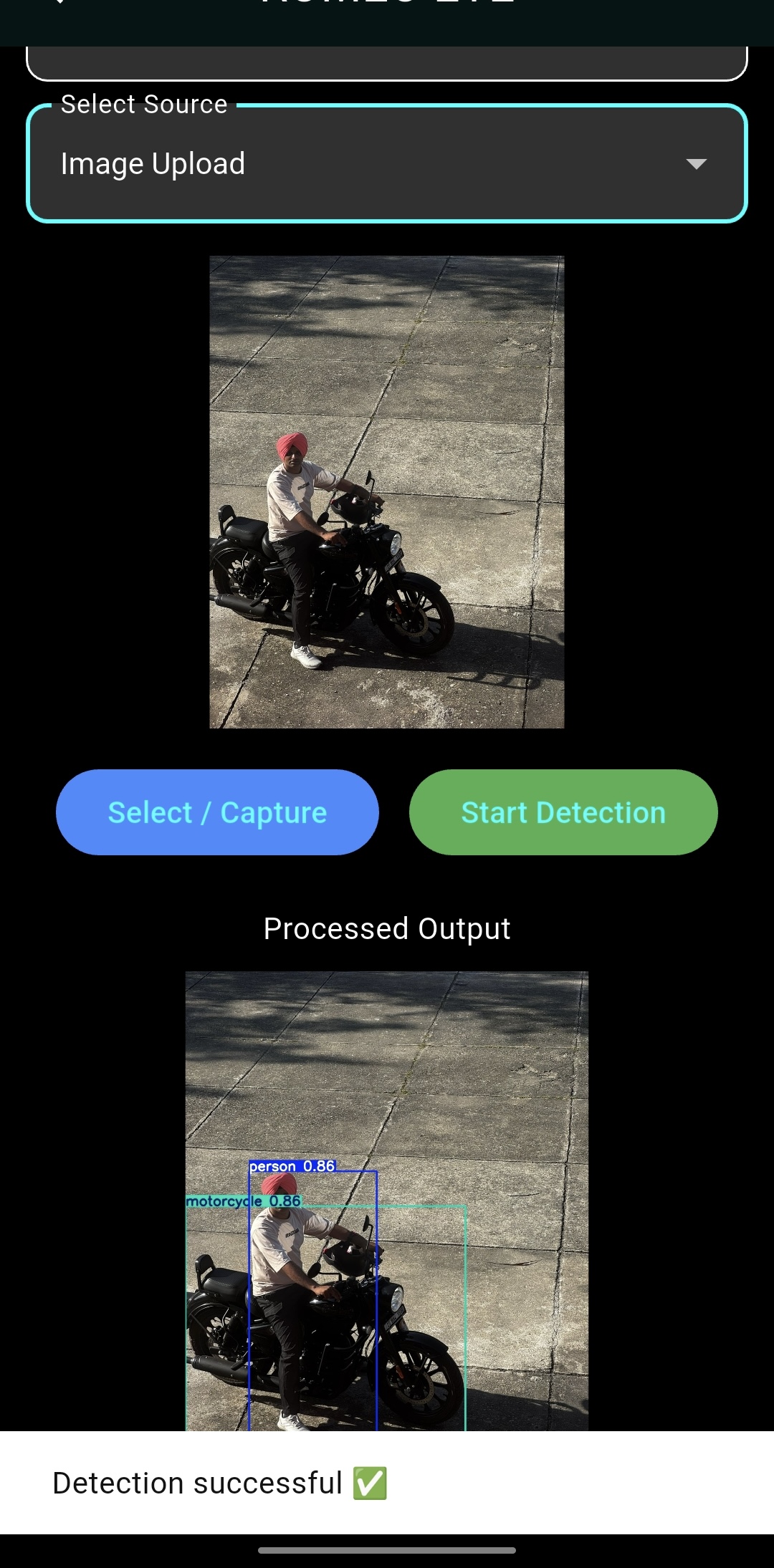
Android app: image upload detection
-
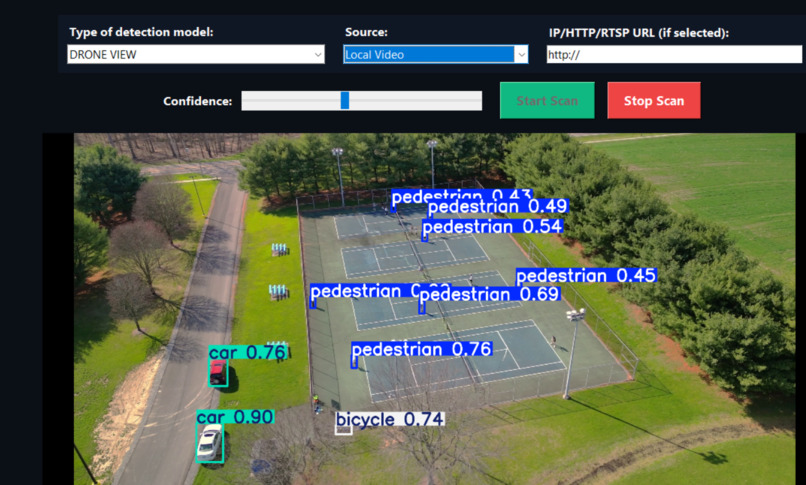
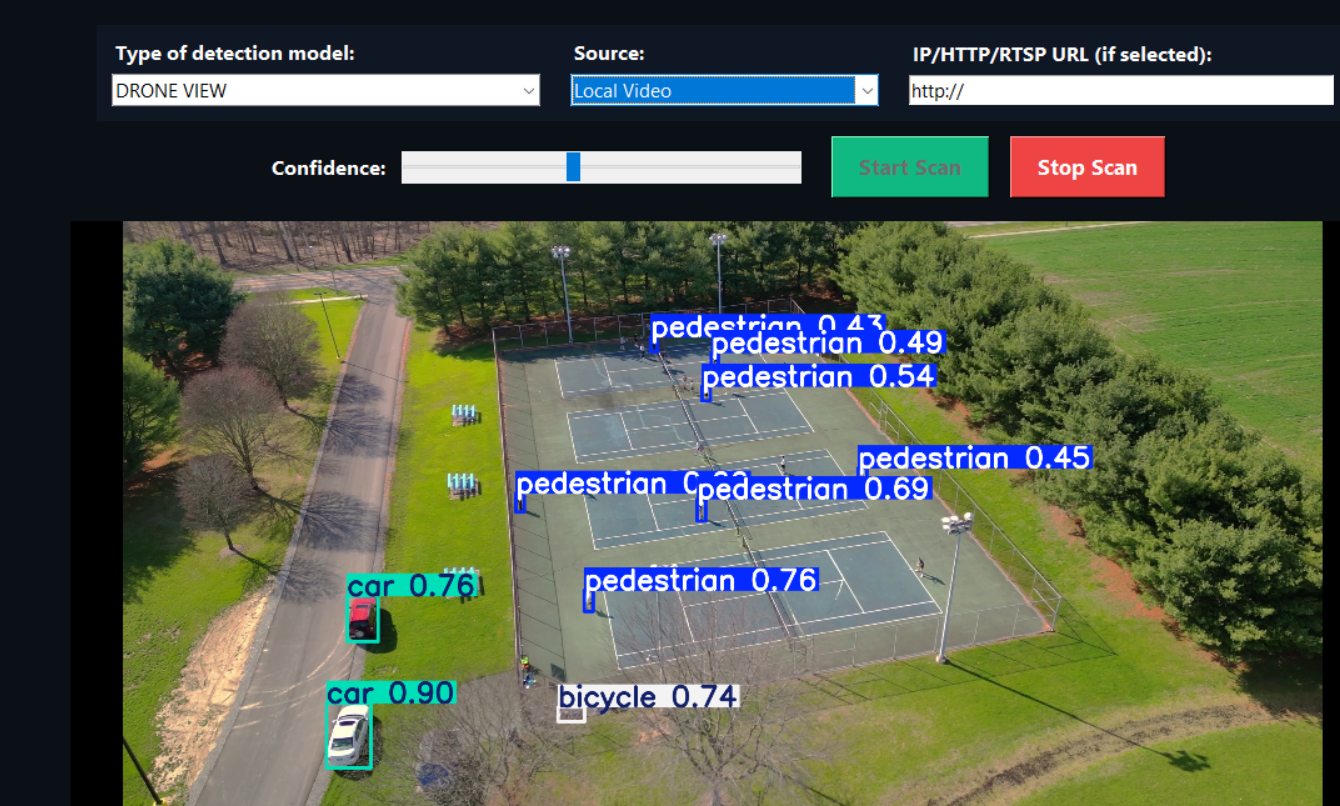
Drone View model detecting pedestrians, cars and bicycles in aerial footage
Inspiration
Today, live video or drone footage from the field is sent to a command centre at Higher HQ, where AI or analysts identify enemy personnel, drones or weapons. That creates delays, needs a strong network connection and depends heavily on HQ infrastructure. We wanted to bring the AI to the soldier.
What it does
ASTRIX Eye is a portable AI surveillance and detection system for field operations. It runs real-time object detection directly on a soldier's handheld device or laptop. A soldier opens the app, picks a source (the device camera or an uploaded image, video or drone footage) and a detection mode, and gets bounding-box results on screen within seconds, without sending anything to HQ.
It integrates several specialised models:
- General Detection (YOLOv8): people, vehicles and general objects.
- Aerial/VisDrone: humans, vehicles and structures in drone or aerial imagery.
- Weapon Detection: rifles, handguns and similar threats.
- Op Deployment model: movement or location of terrorists during pursuit, which the human eye often misses.
How we built it
It uses a client-server architecture. A FastAPI (Python) server at HQ or a fixed node hosts and manages the models. Clients connect over local Wi-Fi or the Internet, and on a laptop or desktop it also works fully offline. Detection uses Ultralytics YOLOv8, with thread-based processing for multitasking and OpenCV for real-time camera handling. There is a desktop GUI and a Flutter Android APK, so it runs in command posts and on mobile devices in the field.
Challenges we ran into
We had to keep detection fast and reliable on low-power field devices with limited or no connectivity, and to transmit only essential detection results instead of full video streams.
Accomplishments that we're proud of
The system runs end to end, from a soldier's phone or a unit PC to the model server, with a live-preview UI. We evaluated it with ROC curves, AUC and F1 score, and it performs well enough for field trials.
What we learned
Edge AI cuts decision time on the ground, and terrain-specific training data matters a lot for accuracy in a given theatre of operations.
What's next for ASTRIX Eye
- Thermal and night-vision detection models
- Edge AI on drones and portable units
- Voice alerts when a threat is detected
- A cloud-linked multi-location dashboard for Higher Formation HQ
- Fusion with other sensor units
- Terrain-specific models

Log in or sign up for Devpost to join the conversation.