-
-

ArcGIS Care
-
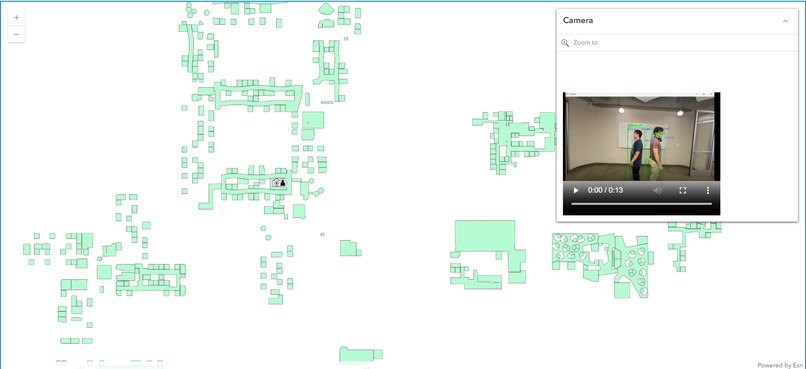
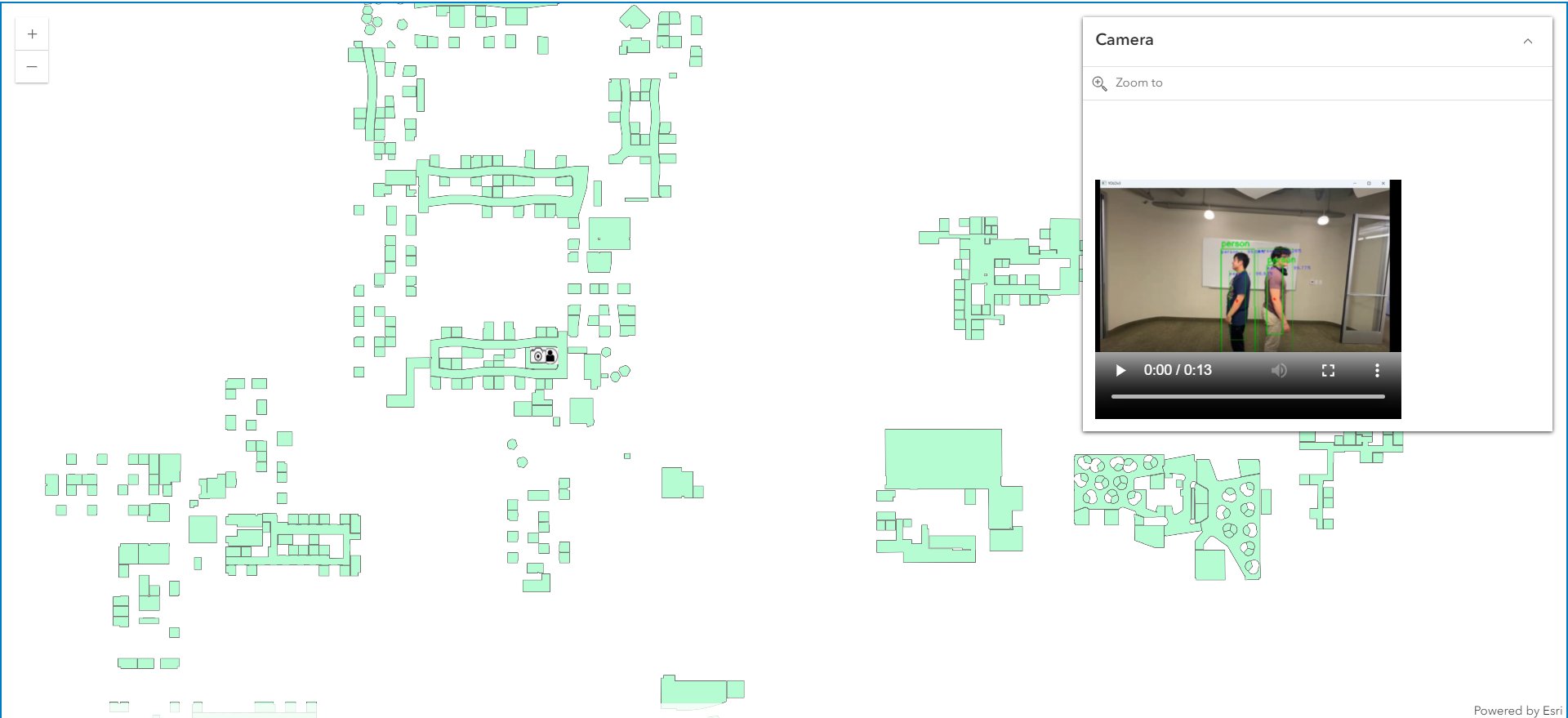
Basemap for Web Interface

Inspiration
The smooth operation of hospitals is crucial, as they rely on a vast array of equipment essential for timely patient care. Effectively tracking medical equipment in a hospital setting reduces the workload for staff and significantly lowers overall operational costs, ensuring that patients receive prompt and efficient treatment (Cisco SPACES, 2023). According to Nuvara (Nuvara, 202), “studies show that a 1-minute delay in an emergency situation due to difficulty accessing supplies is associated with an approximately 10% decrease in resuscitation success rates.” Conveniently tracking hospital equipment can significantly improve patient care by reducing these critical delays, potentially leading to better outcomes in emergency situations.
What it does
Our app revolutionizes hospital emergency asset tracking and life-saving capabilities by providing real-time detection of critical medical equipment like gurneys, IV stands, and crash carts. It also monitors occupancy levels to manage patient flow and optimize resource allocation. Data-driven insights enhance emergency response times and operational efficiency, ultimately ensuring that vital equipment is always available when needed most, thereby significantly improving patient outcomes and saving lives.
How we built it
Our web app was built using ArcGIS Maps SDK for Javascript, Vector Tile Feature Service, machine learning algorithms - YOLOv3 Tiny API, Fast API Web Socket, Python, Javascript.
Challenges we ran into
One of the primary challenges we faced during the development of our project was ensuring the model's accuracy when applied to a live feed. Although we resolved the issue of locating assets within a single frame, maintaining persistent tracking across multiple frames was a significant challenge. This issue resulted from difficulty in finding the right model to track assets across multiple frames and obtaining spatial reference for ArcGIS indoors data feed. We were able to work with the best-fit model for a single frame tracking and hope to work on further improvements in the future.
Another technical challenge was integrating our Python-based object detection model with ArcGIS Indoors for real-time spatial analysis and visualization. Establishing a WebSocket connection between our Python application and ArcGIS proved to be more complex than anticipated. WebSocket integration facilitates real-time data transmission of asset locations to ArcGIS for spatial analysis and visualization.
Accomplishments that we're proud of
We take great pride in our team's collaborative efforts in developing a web app designed to make a positive impact on the health industry. Throughout the development process, we effectively overcame numerous challenges, showcasing our ability to tackle real-world issues. The result is a web app that proves invaluable to hospital staff.
What we learned
Through this hackathon project, we not only deepened our technical understanding of real-time object detection and tracking, but we also learned valuable inter-personal skills. We faced significant challenges integrating our Python-based models with GIS systems and realized the crucial role of high-quality, specific datasets. Alongside these technical lessons, we discovered the power of effective team collaboration and communication. Working together to solve problems, adapt to changing circumstances, and leverage each team member's strengths was essential to our progress. This experience taught us that continuous improvement and iteration are key, and it highlighted the human element in tackling complex technical challenges, making our future endeavors more informed and collaborative.
What's next for ArcGIS Care
This web app will greatly benefit the healthcare industry by helping hospitals manage their equipment more efficiently. By improving equipment management, the app will make hospitals run smoother, cut costs, and create a better experience for both staff and patients. Ultimately, this tool will lead to significant improvements in healthcare, making hospitals more effective and responsive to patient needs.
References
Cisco SPACES (2023, October 9). Healthcare Asset Tracking to Improve Efficiency and Patient Care. Retrieved from: https://spaces.cisco.com/healthcare-asset-tracking-to-improve-efficiency-patient-care.
Nuvara (2023, May 8). Crash Cart Checks Part 1: Making A Plan. Retrieved from https://nuvara.com/crash-cart-checks-making-a-plan.
Built With
- arcgis-maps-sdk-for-javascript
- esri-simplemarker-symbol
- fast-api-web-socket
- javascript
- python
- sceneviewer
- vector-tile-feature-service
- yolov3-tiny-api


Log in or sign up for Devpost to join the conversation.