-
m2
-
dataset
-
model for classification(m4) url
-
m2_nlp_classification
-
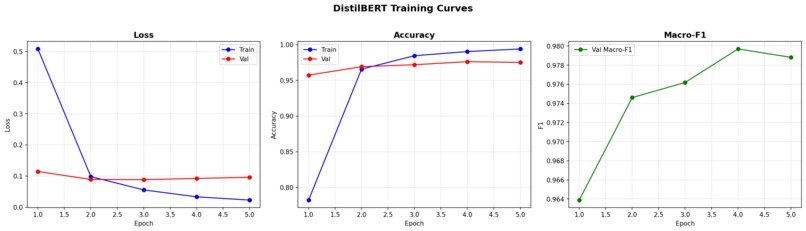
m2
-
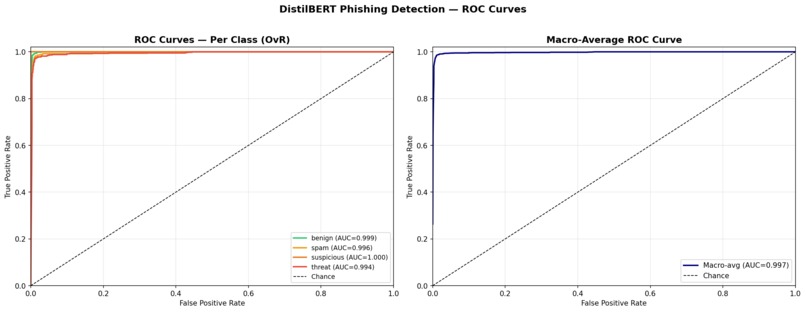
m2
-
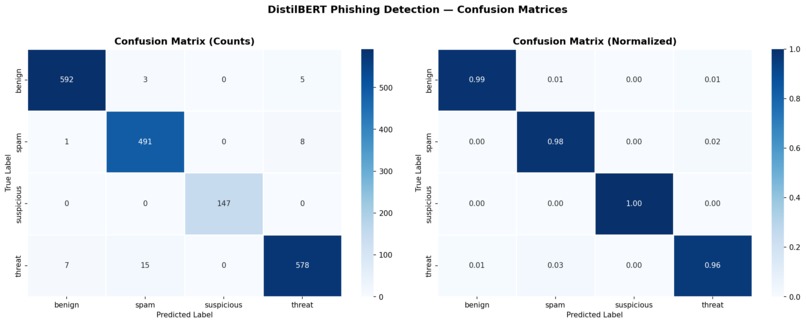
m2
-
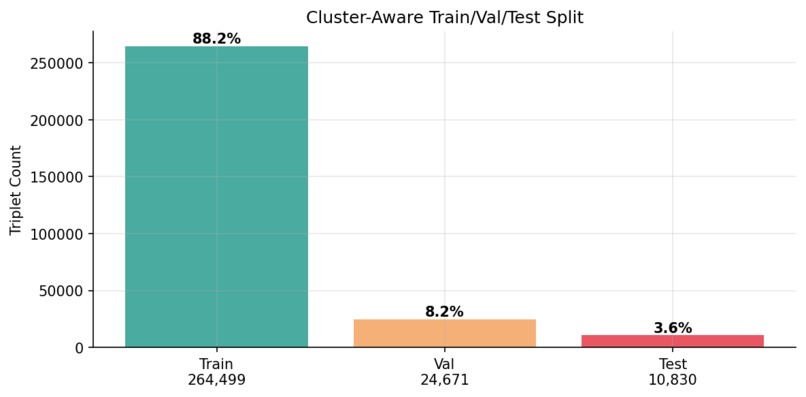
-
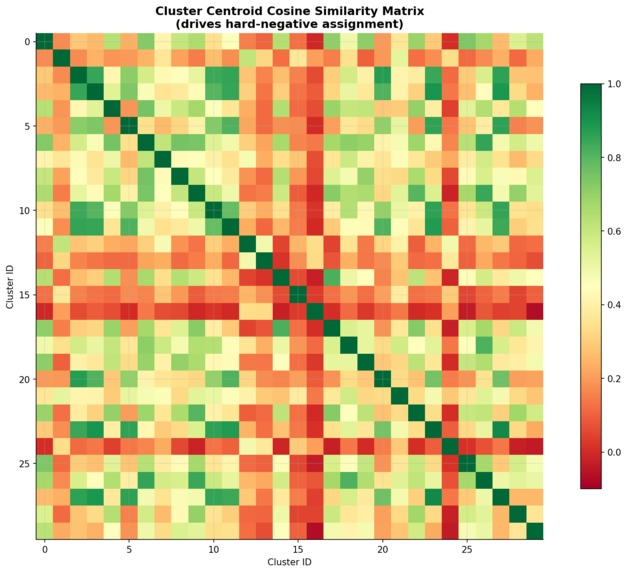
dataset_corpus_m5
-
-
-
-
-
-
-
-
-
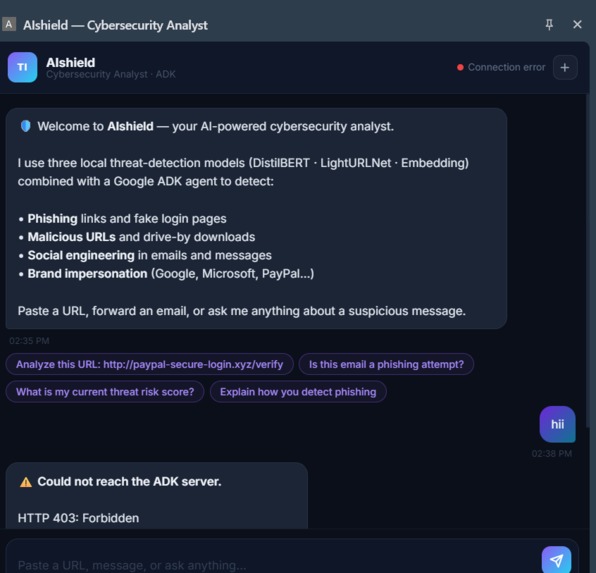
app
Inspiration
AShield – AI-Powered Cybersecurity Assistant
Inspiration
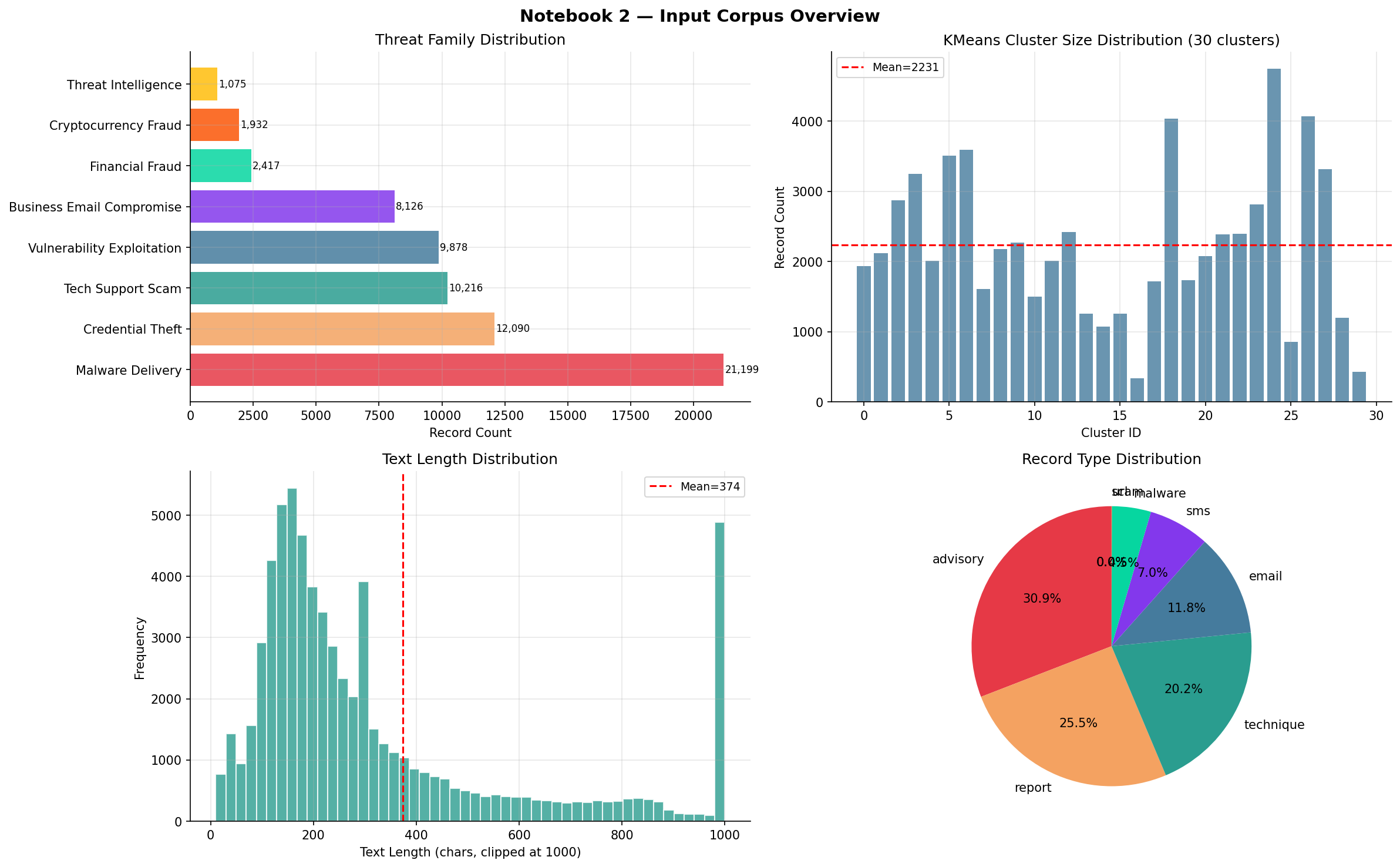
As AI and digital technology become a part of everyday life, cyber threats are growing faster than ever. People receive phishing emails, malicious links, scam messages, fake websites, and social engineering attacks daily. Most users do not have cybersecurity expertise, making it difficult to recognize these threats before damage occurs.
The inspiration behind AShield came from a simple question:
"What if everyone had a personal AI security analyst that could explain threats in simple language and help them stay safe online?"
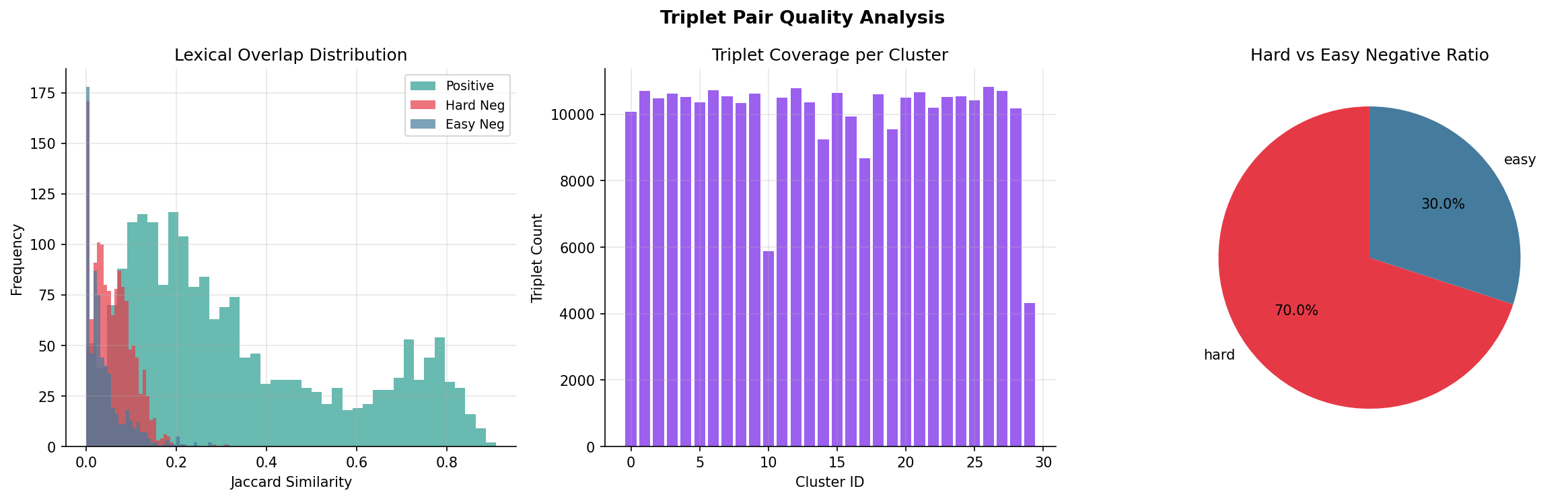
Another major motivation was research. Instead of relying entirely on large proprietary models, I wanted to explore how specialized AI models could solve cybersecurity problems more efficiently. This project became an opportunity to research transformer architectures, security-focused NLP systems, embeddings, and the possibility of eventually building custom transformer models trained specifically for cybersecurity intelligence.
What It Does
AShield acts as an AI-powered cybersecurity assistant that helps users:
- Detect phishing emails
- Analyze suspicious URLs
- Identify scam messages
- Explain cybersecurity risks in simple language
- Provide security recommendations
- Generate awareness and safety guidance
- Help users understand why something is dangerous instead of only labeling it as safe or unsafe
The system combines machine learning models with AI reasoning to create a practical security assistant for everyday users.
How We Built It
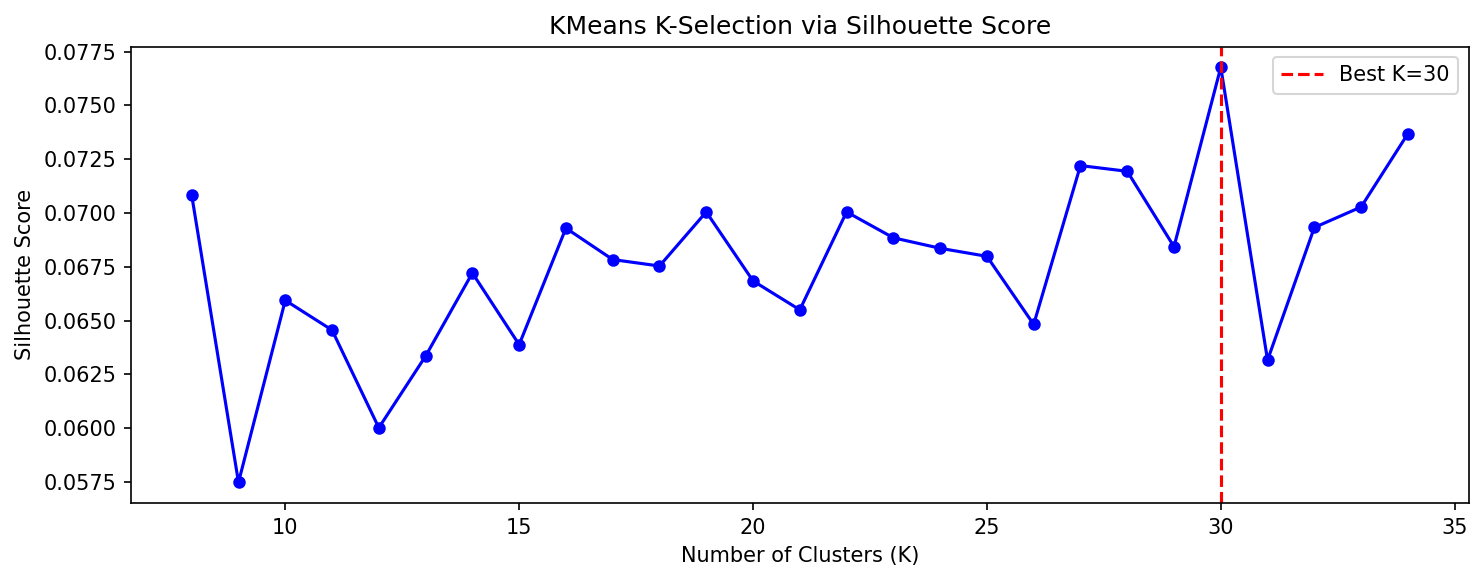
The architecture follows a multi-model approach rather than relying on a single large model.
AI Components
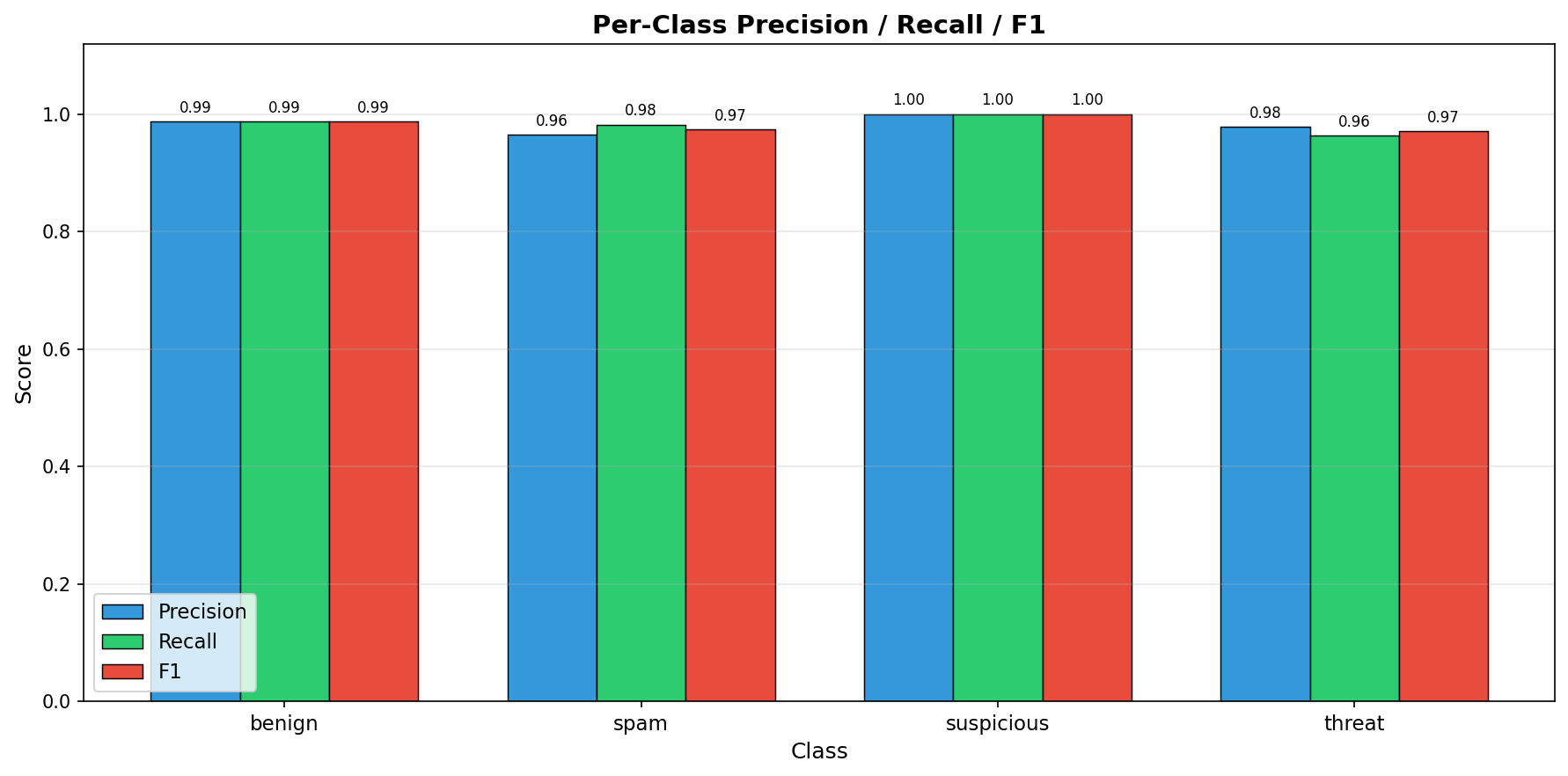
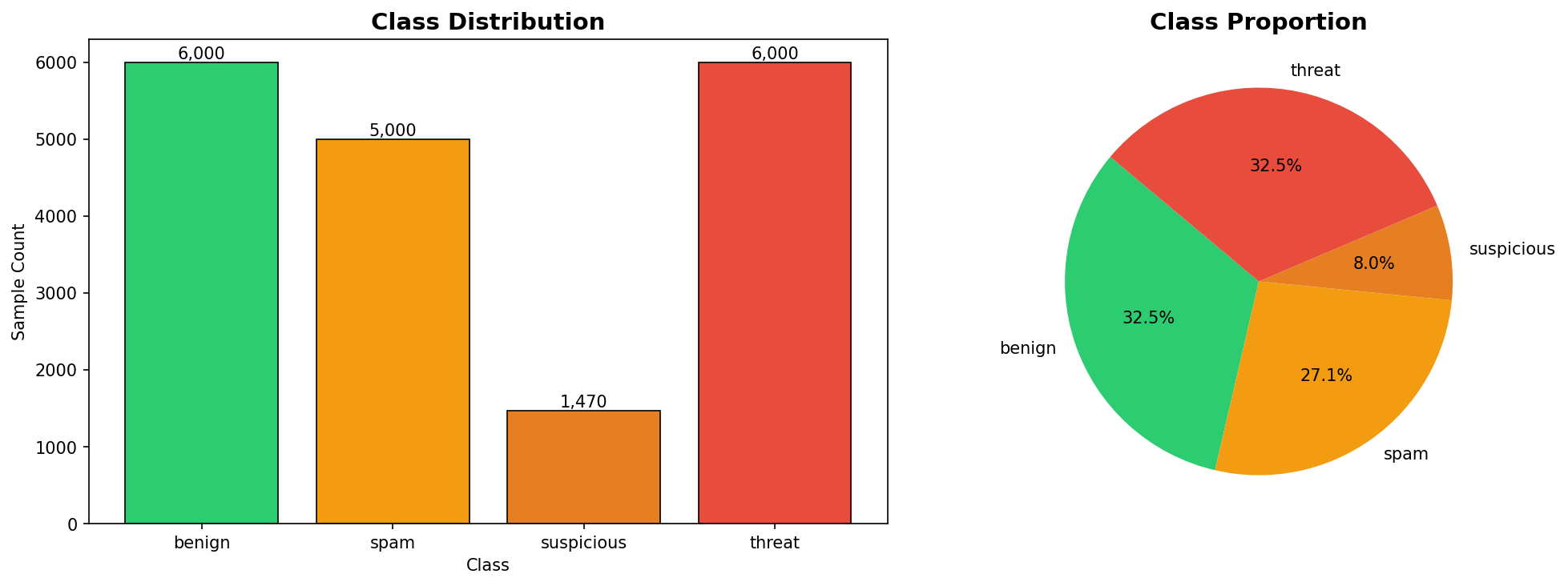
Email Threat Classifier
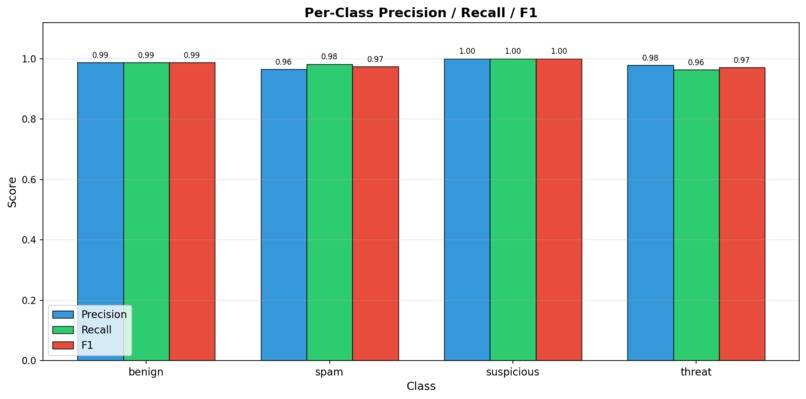
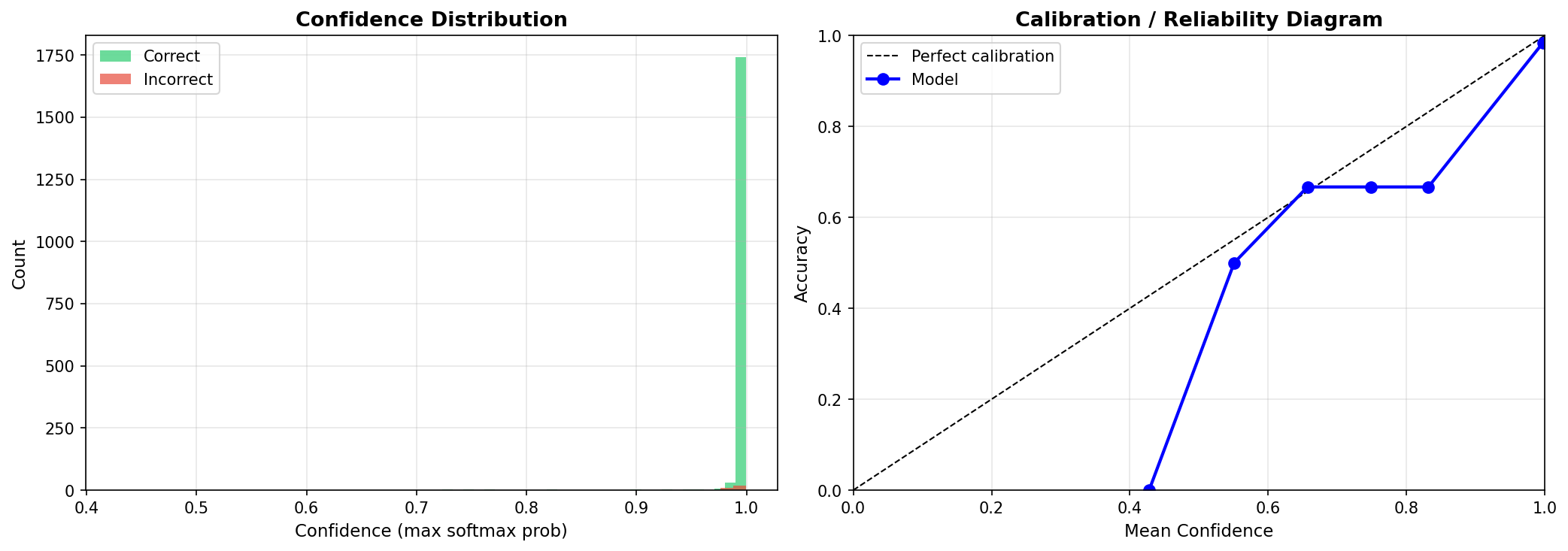
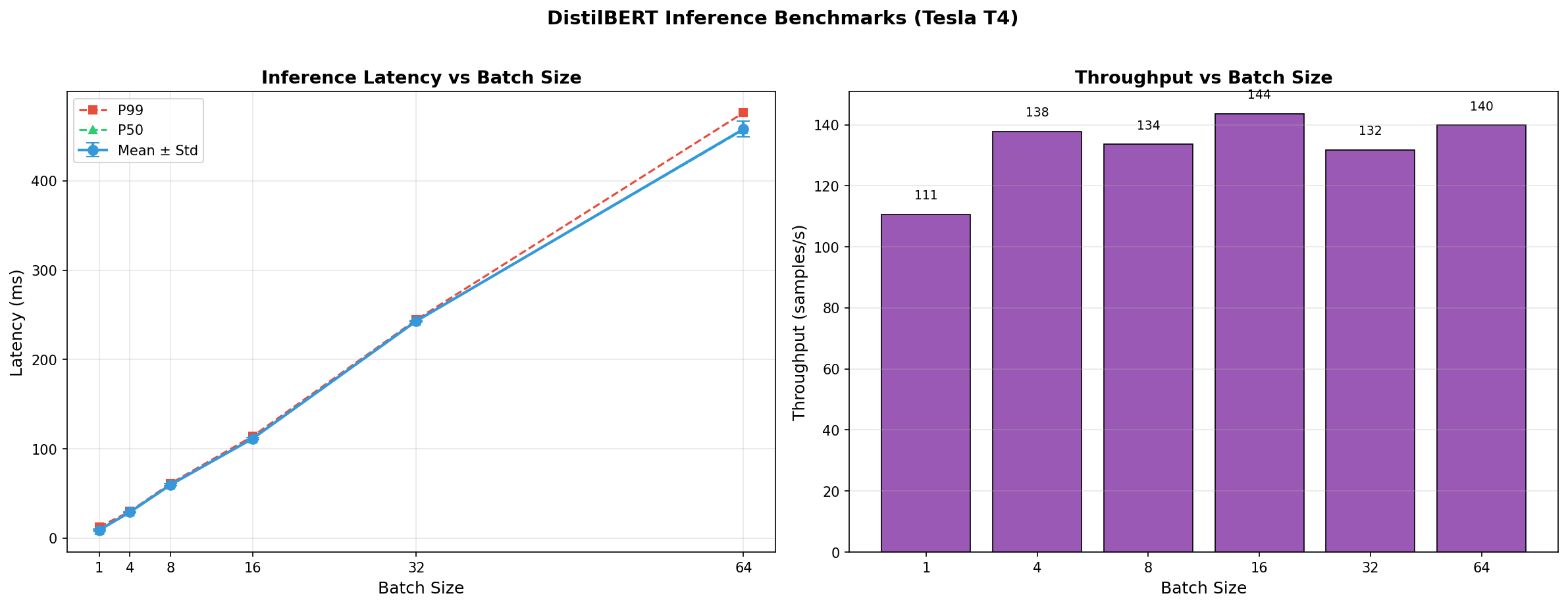
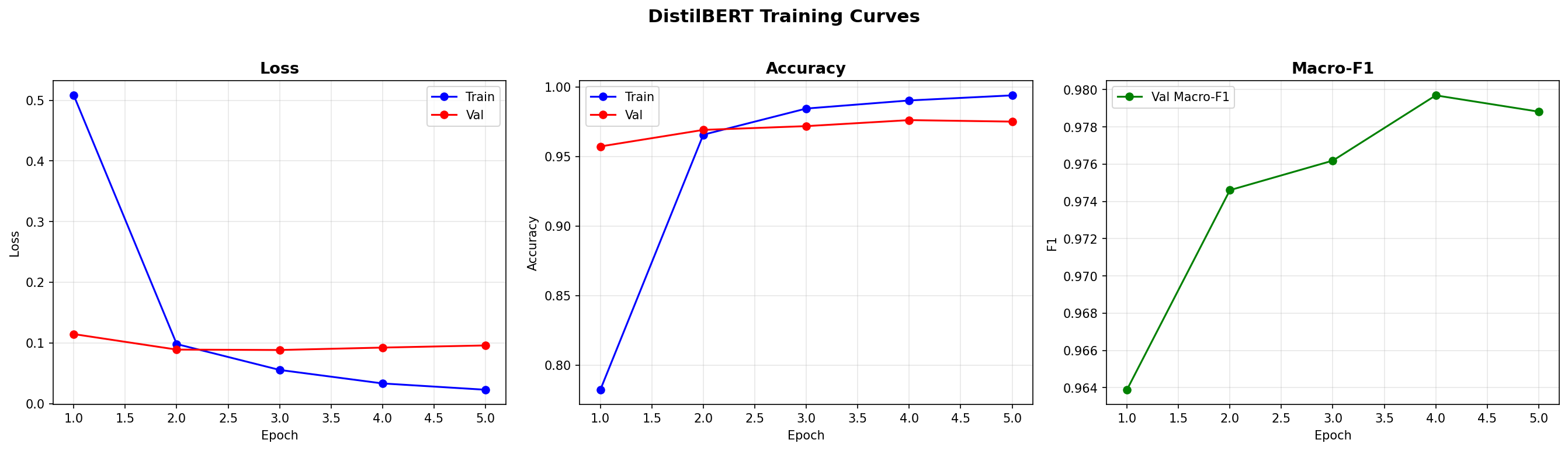
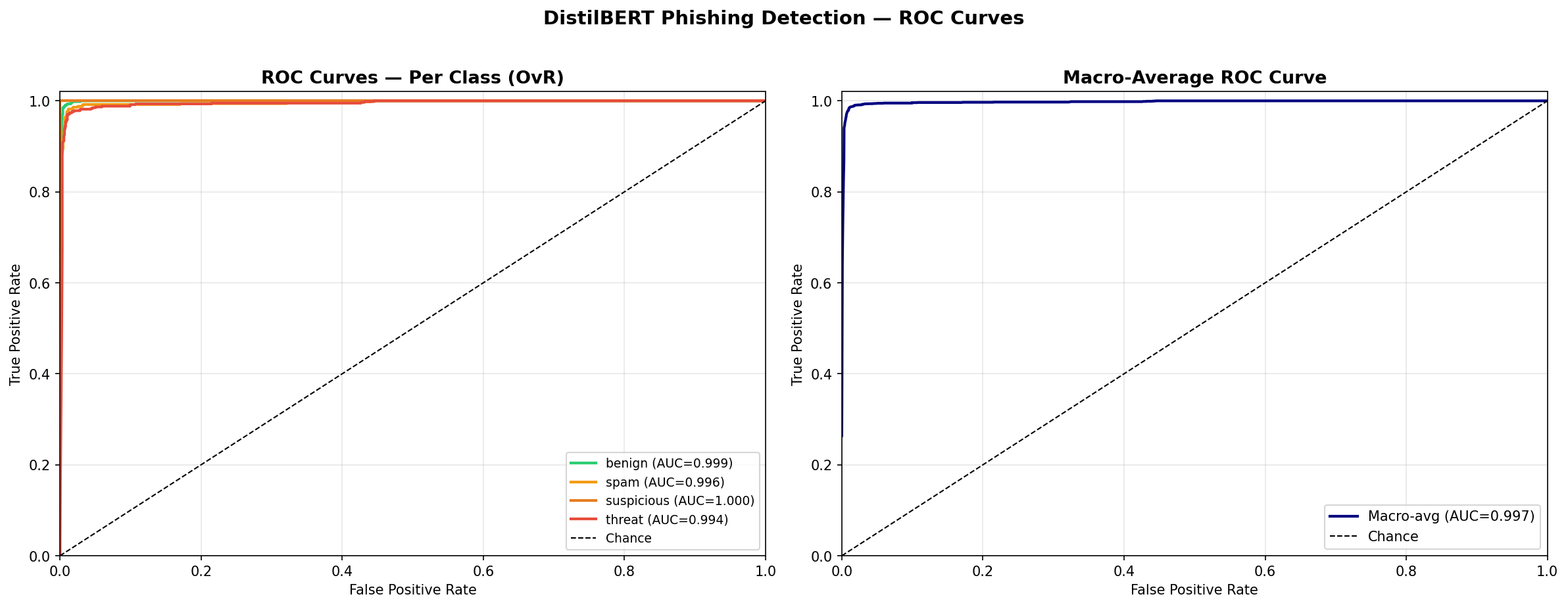
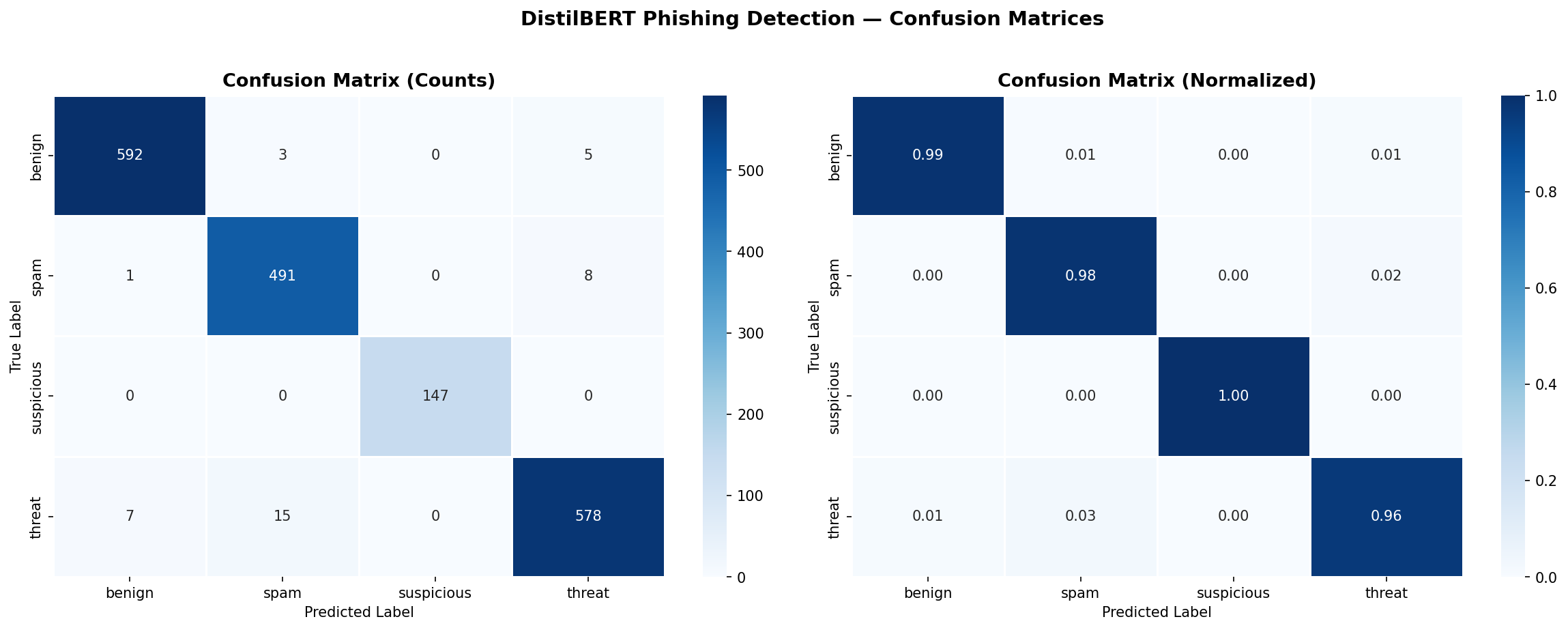
A DistilBERT-based classification model analyzes email content and predicts whether a message appears legitimate or suspicious.
URL Detection Model
A specialized machine learning model evaluates URLs and detects patterns commonly associated with phishing attacks and malicious websites.
Semantic Analysis Engine
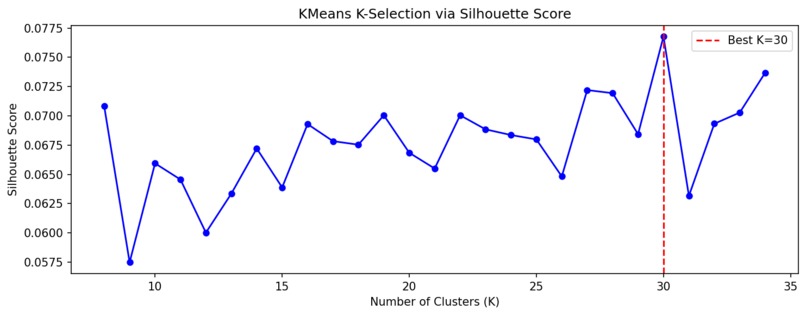
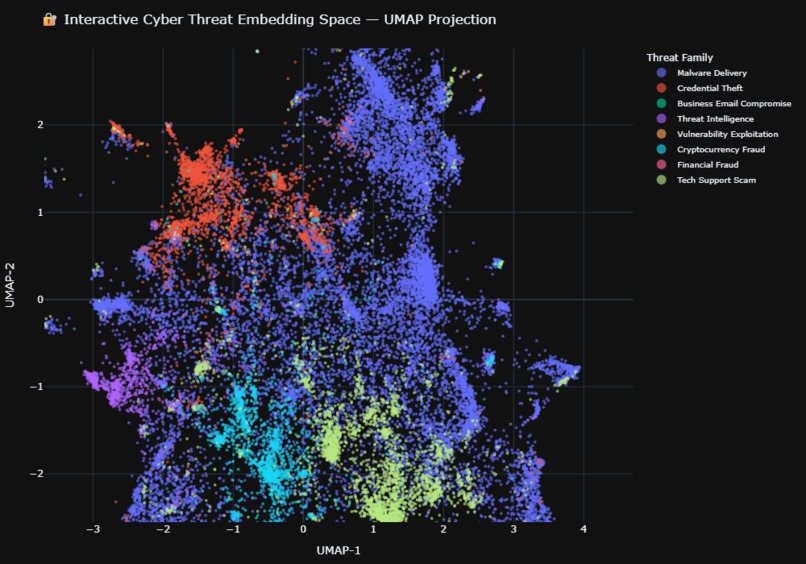
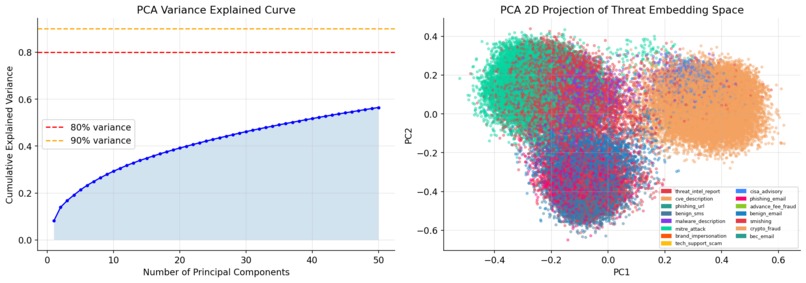
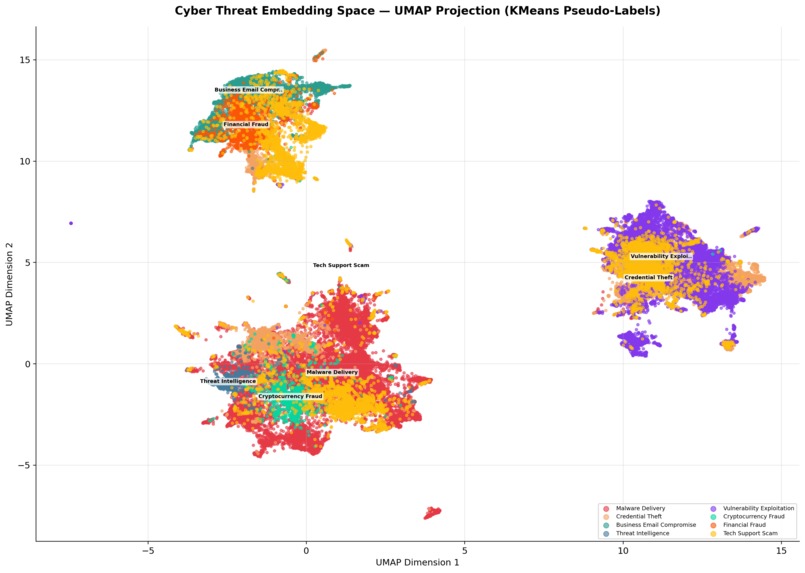
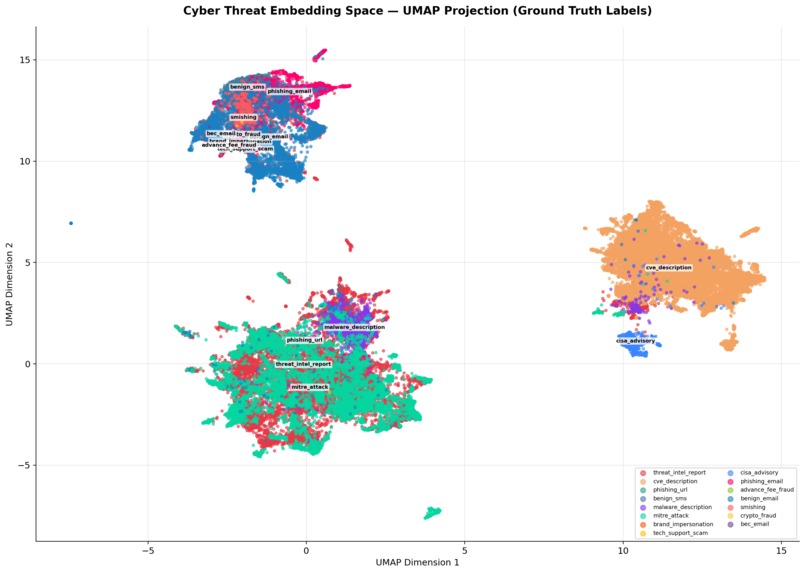
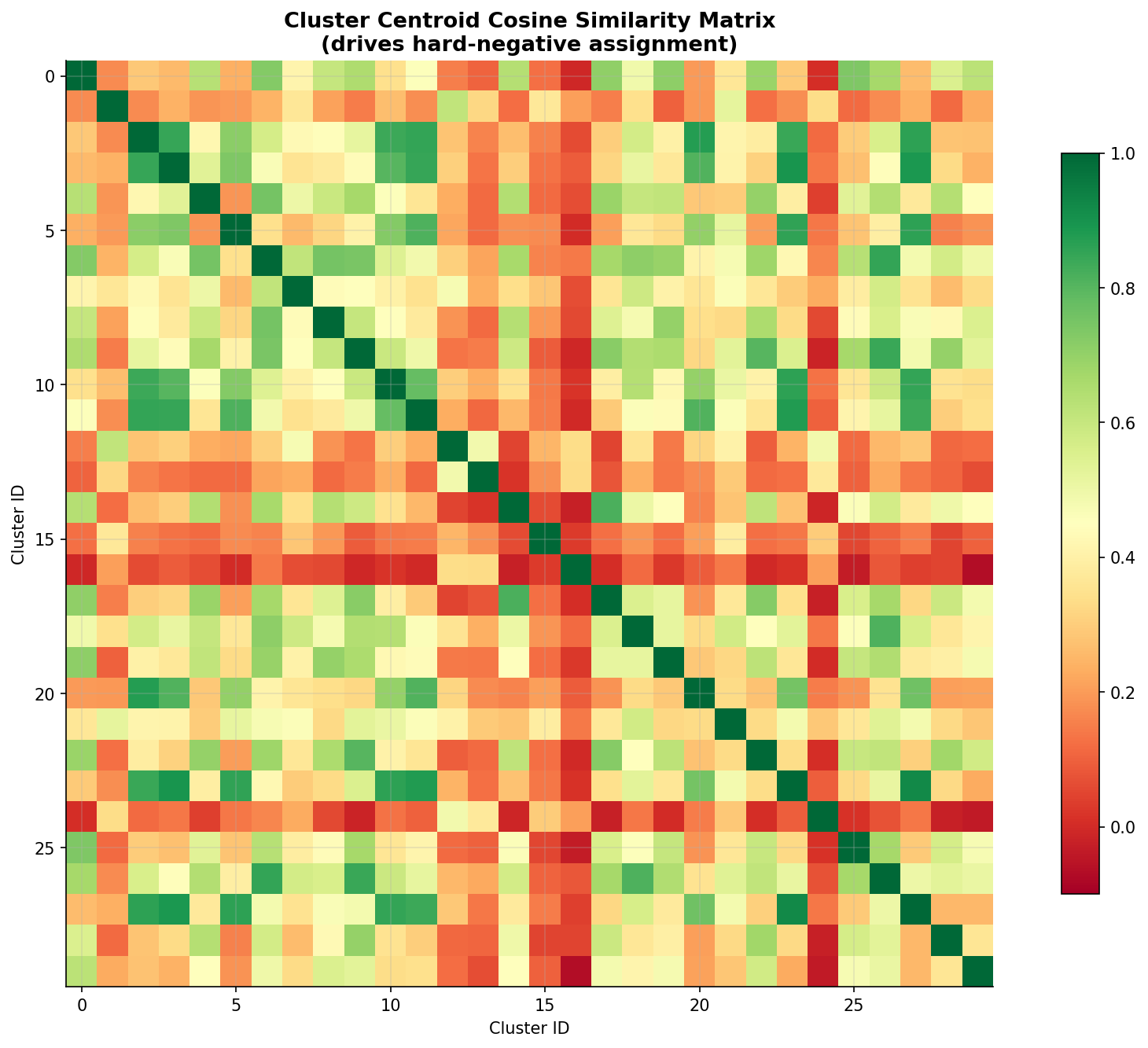
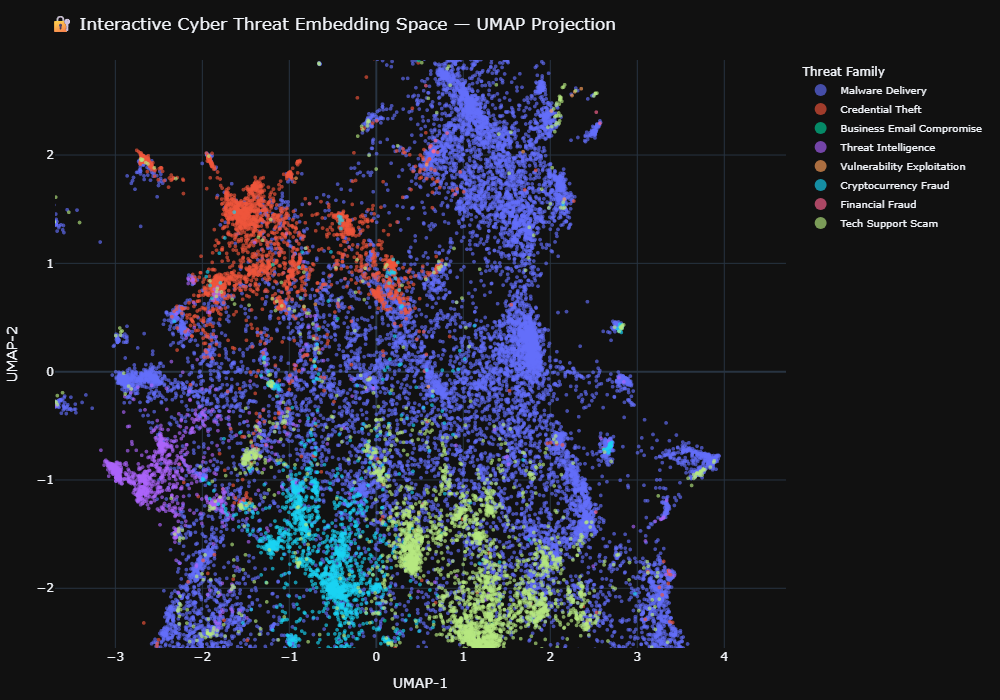
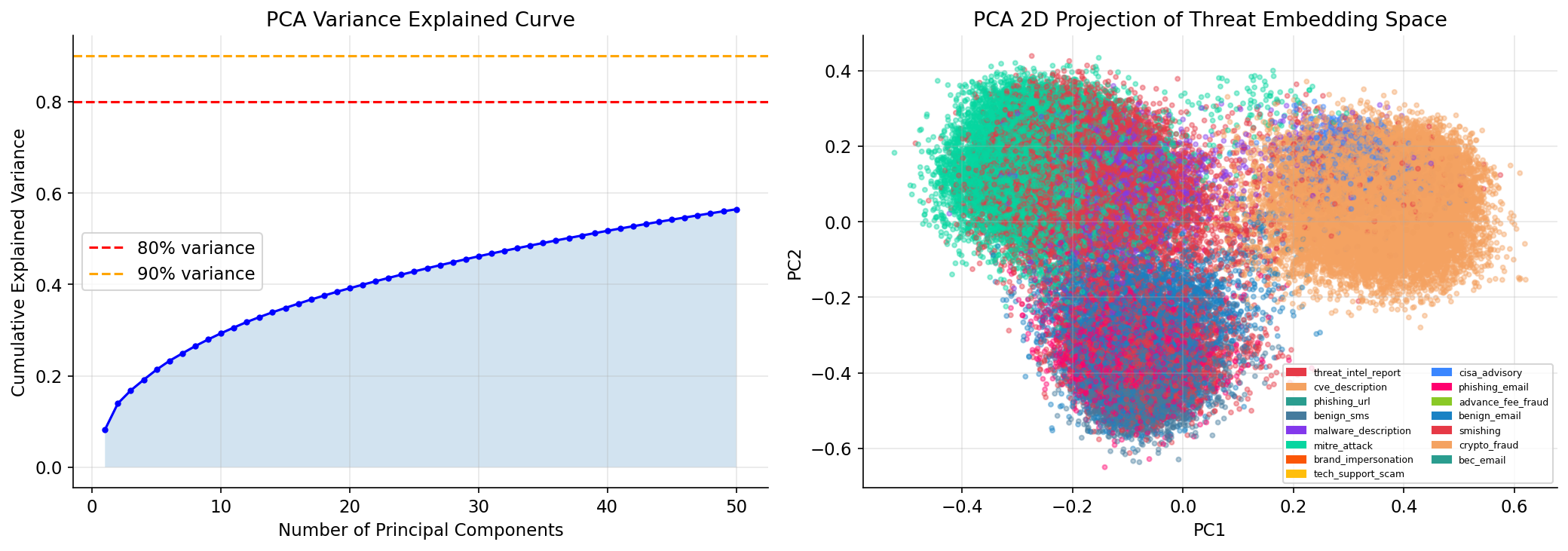
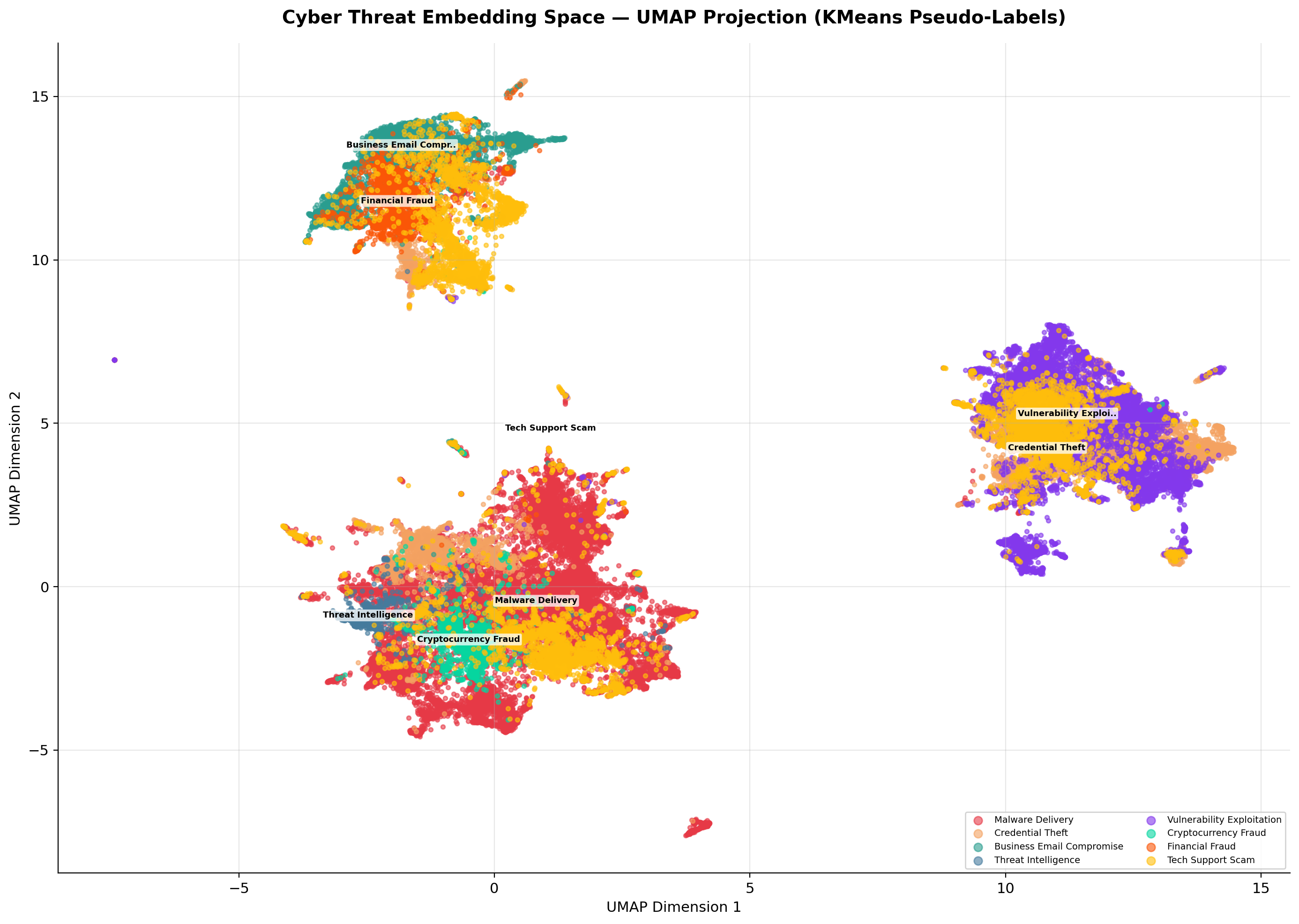
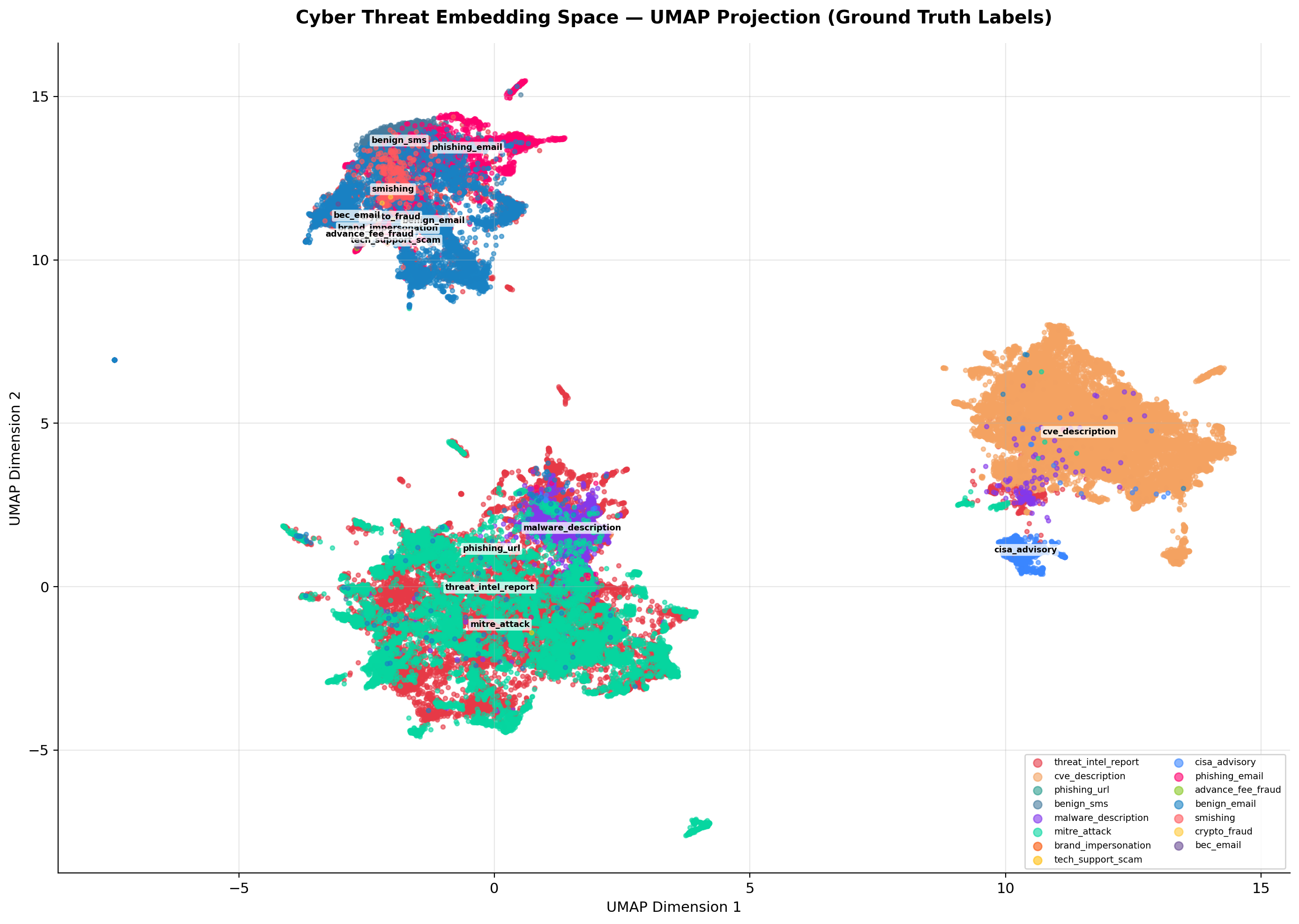
An embedding model converts text into vector representations, allowing the system to:
- Compare similar threats
- Retrieve relevant security knowledge
- Understand contextual meaning
- Improve explanations
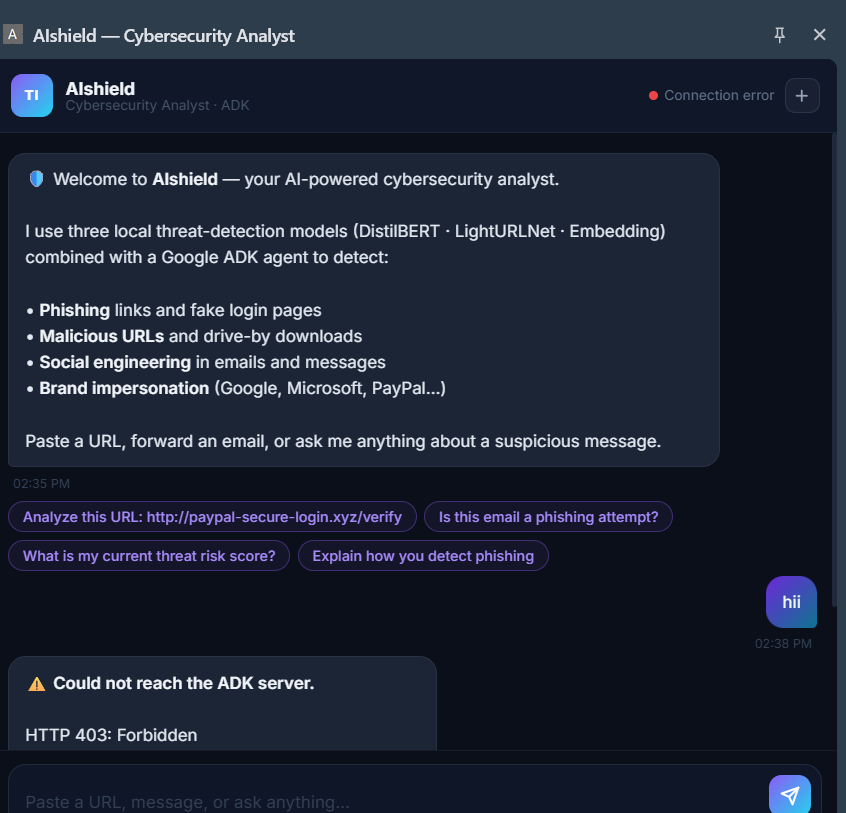
Agent Layer
Google ADK is used as the orchestration framework.
The agent:
- Receives user requests
- Selects the correct AI tool
- Combines outputs from multiple models
- Produces a final security assessment
Knowledge and Awareness Layer
The assistant provides educational explanations, helping users learn cybersecurity best practices rather than simply giving predictions.
System Architecture
User
  │
  ▼
Google ADK Agent
  │
  ├── Email Classification Model
  │
  ├── URL Detection Model
  │
  ├── Embedding Model
  │
  └── Security Knowledge Layer
          │
          ▼
   Risk Analysis Report
## What it does

## How we built it

## Challenges we ran into

## Accomplishments that we're proud of

## What we learned

## What's next for Ashielder

Log in or sign up for Devpost to join the conversation.