Inspiration
As graduates of the International Baccalaureate program, we had wished for technology like this to streamline our assignments, including two scientific reports and a 4,000-word essay. Articulus would have saved us much time and grief by allowing us to quickly pinpoint the sources that would best suit our purposes.
What it does
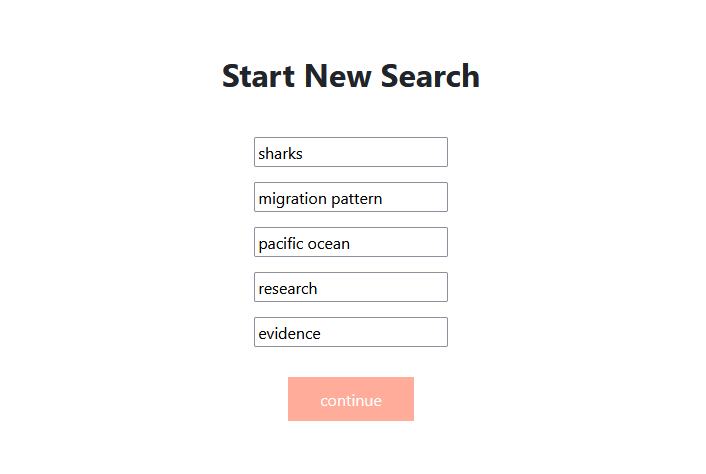
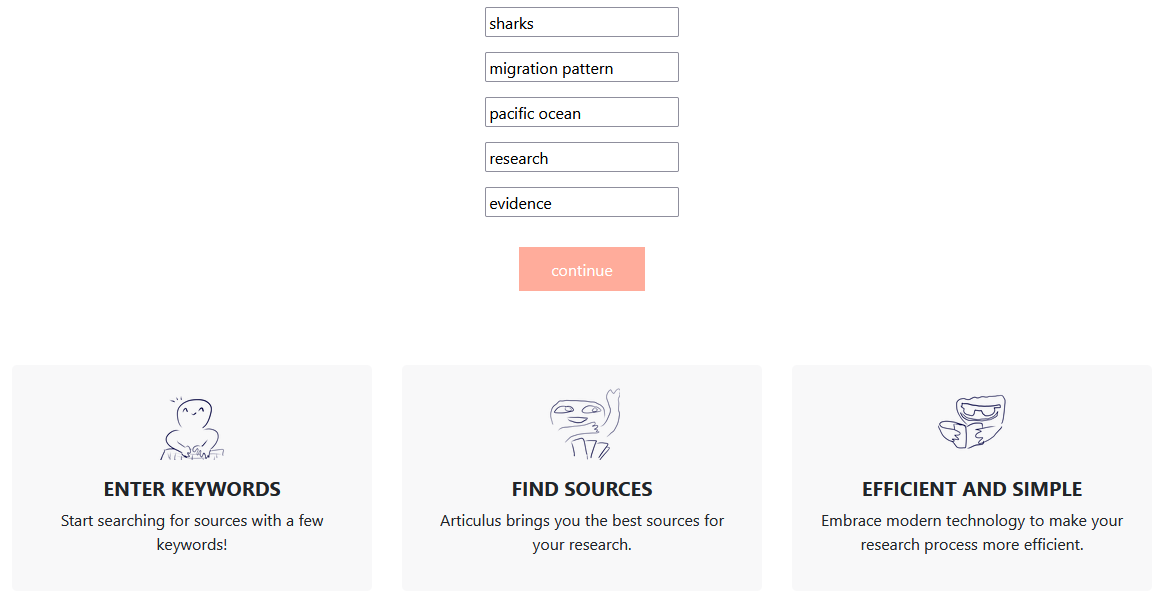
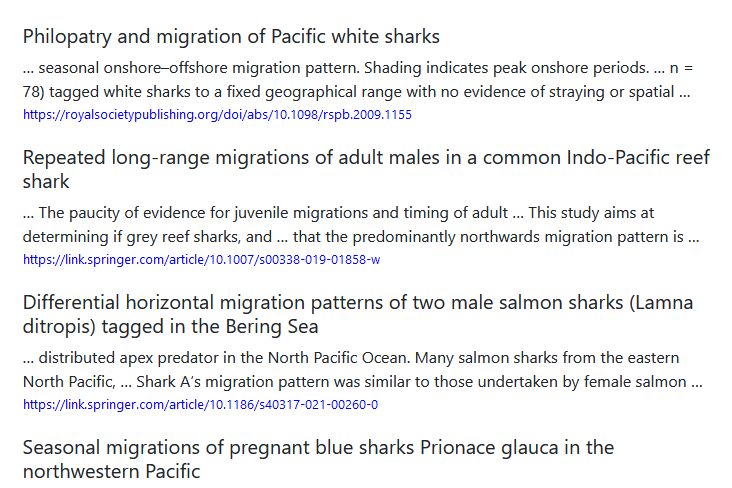
Articulus uses keywords provided by the user to find highly relevant scholarly articles for their perusal. Users can quickly discover the most relevant scholarly articles for their needs. Articulus goes a step further by providing concise summaries of these articles featuring the most relevant topics of each source, making it easier for researchers, students, and professionals to stay informed and make data-driven decisions without sifting through extensive literature.
How we built it
We used html, css, and javascript for the front end, and Flask and python for the back end. The user's keywords go through SerpAPI to gather relevant sources from Google Scholar highlighting their titles, associated key points, and a link back to the source.
Challenges we ran into
We were challenged with persevering with a single idea and sticking to it. Many ideas had implementations outside of our technical abilities, and the one we did choose in the end required significant amounts of troubleshooting, research, and debugging.
Accomplishments that we're proud of
We're proud that we have a final product.
What we learned
We learned about the importance of motivation, focus, and determination.
What's next for Articulus
A bookmark function that allows users to come back to their sources, similar to those on citation websites.


Log in or sign up for Devpost to join the conversation.