-
+1
-
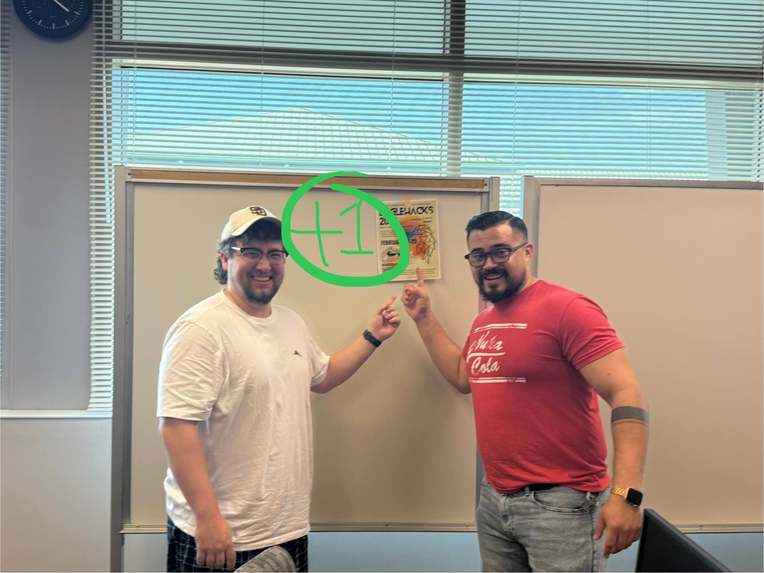
+1
-
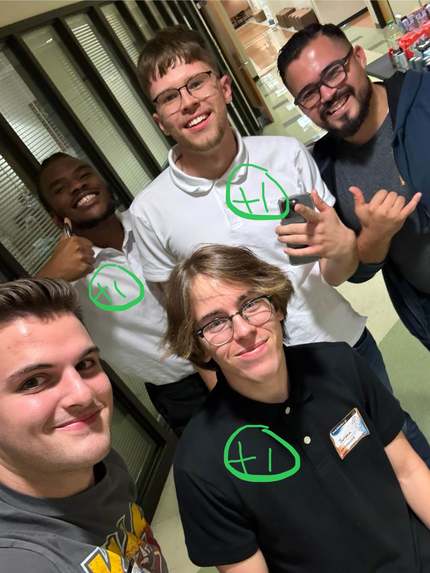
+1 +1 +1
-
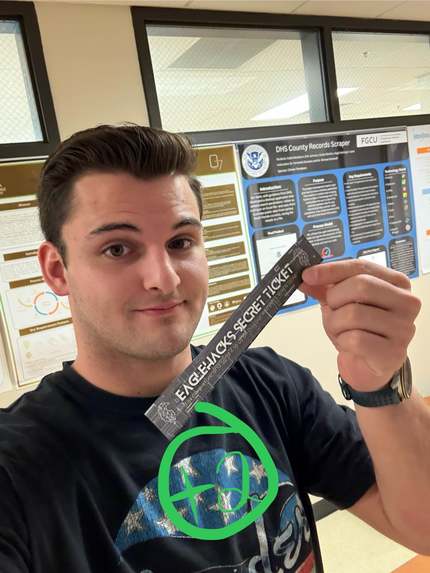
+1
-
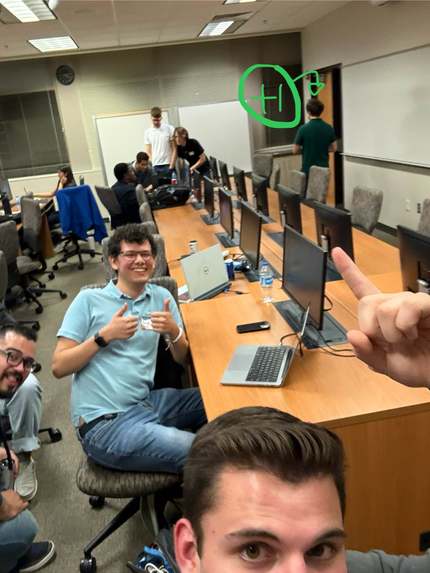
+1
-
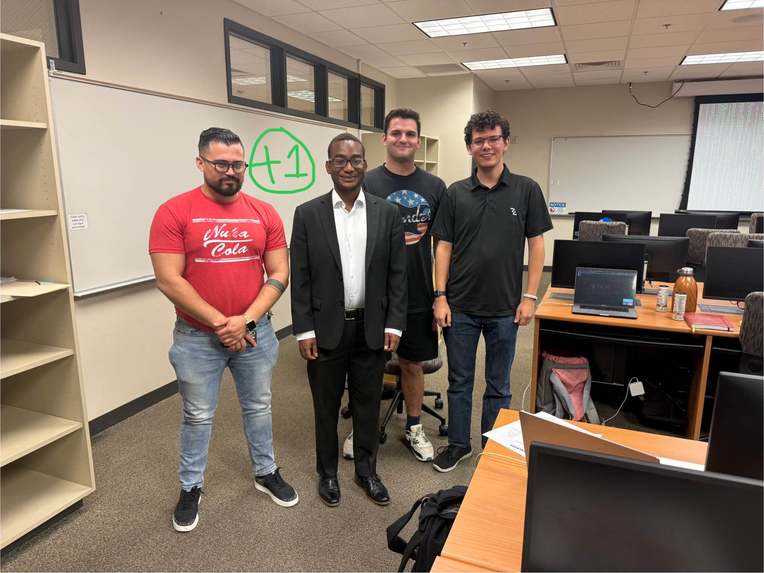
+1
-
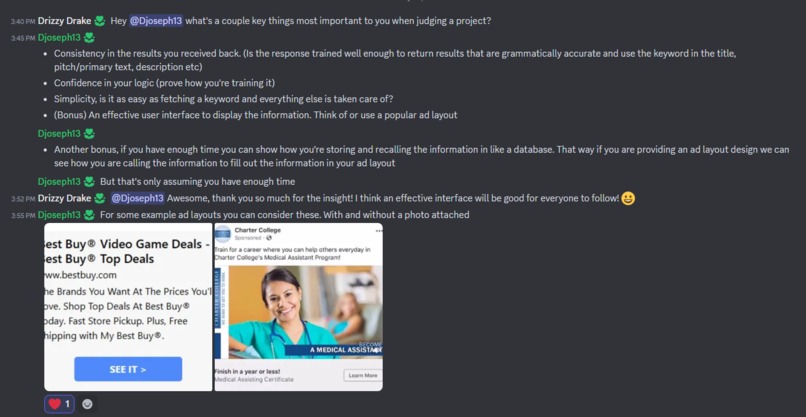
+2
-
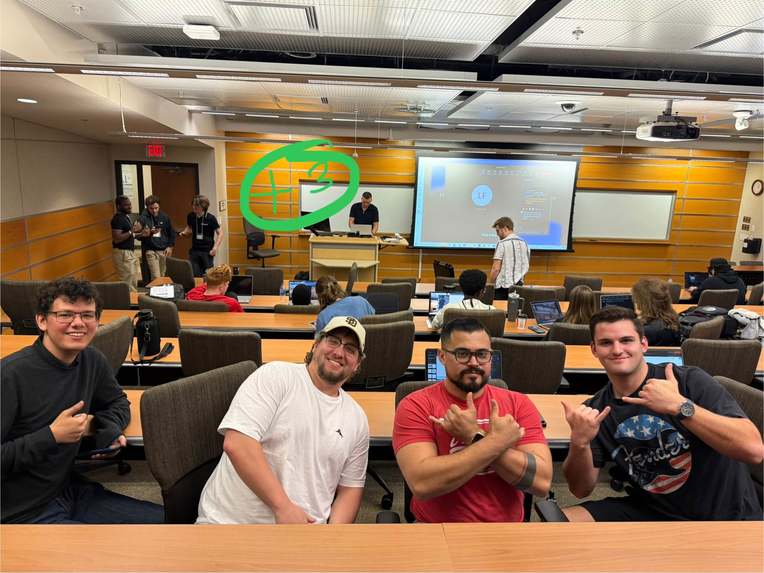
+3
-
+15
-
+1 +1(All same day)
-
+1
-
+1
-

Banner


ArthroTrack
ArthroTrack is a web-based application that aims to enhance the lives of surgeons by effectively tracking patient operations and ensuring safety checks throughout the pre-operative, intra-operative, and post-operative stages. Our ultimate goal is to minimize errors during surgeries, leading to better patient outcomes.
Inspiration
Our inspiration for ArthroTrack stemmed from witnessing the complexities and challenges that surgeons face during operations. We recognized the critical need for a streamlined system that could reduce the chances of errors and improve communication within surgical teams. By developing ArthroTrack, we aim to provide surgeons with the tools they need to focus more on patient care and less on administrative burdens. We also were inspired by testimonials that deeply affected our community through surgical errors. link
What it does
ArthroTrack offers a comprehensive platform for surgeons to:
- Track patient operations in real-time.
- Monitor and manage safety checks before, during, and after surgeries.
- Generate reports and analytics to identify trends and improve processes.
How we built it
The development of ArthroTrack involved the following steps:
- Research & Planning: We conducted thorough research on the needs of surgeons and surgical teams, identifying key areas where improvements could be made. We also created a prototype in Figma to help us visualize the front-end
- Technology Stack: We chose a tech stack that included React for the front end, Next.js for full-stack, SQLite for the back end, and Typescript as the main programming language, which allowed for a responsive and user-friendly interface.
- Development: The team collaborated using Agile methodologies, breaking down tasks into manageable sprints. We built the core functionalities of the application, focusing on user experience and performance.
- Testing: Rigorous testing was conducted throughout the development process to ensure reliability and consistency
Challenges we ran into
During the development of ArthroTrack, we faced several challenges, including:
- Data Security: Ensuring the privacy and security of patient data was a top priority, requiring us to implement robust security measures.
- User Adoption: We recognized that introducing new technology in a clinical setting could face resistance. Educating users on the benefits and ease of use of ArthroTrack was essential.
- Integration with Existing Systems: Many hospitals have established systems in place, and integrating ArthroTrack with these existing workflows posed technical challenges.
Accomplishments that we're proud of
We are proud of several accomplishments during the ArthroTrack project:
- Successfully creating a user-friendly interface that received positive feedback from potential users.
- Implementing security features that meet industry standards for patient data protection.
- Completing the project within the set timeline, demonstrating effective teamwork and project management.
What we learned
Throughout the development of ArthroTrack, we gained valuable insights:
- The importance of user-centered design in developing healthcare applications.
- How to work with both the front end and the back end following security requirements.
- Effective communication and collaboration within a diverse team of developers, designers, and healthcare professionals.
What's next for ArthroTrack
Looking ahead, we plan to:
- Gather more user feedback to refine and enhance the application.
- Explore potential partnerships with healthcare institutions to promote adoption.
- Continuously update and improve the platform based on user needs and technological advancements.
- Consider expanding the application to include additional features, such as post-surgery follow-ups and patient feedback mechanisms.
Built With
- next.js
- react
- shadcn-ui
- sqlite
- typescript

Log in or sign up for Devpost to join the conversation.