-
-
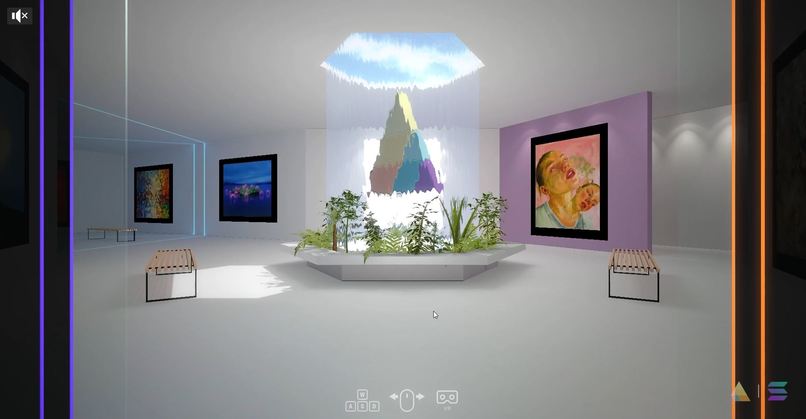
Virtual Gallery
-
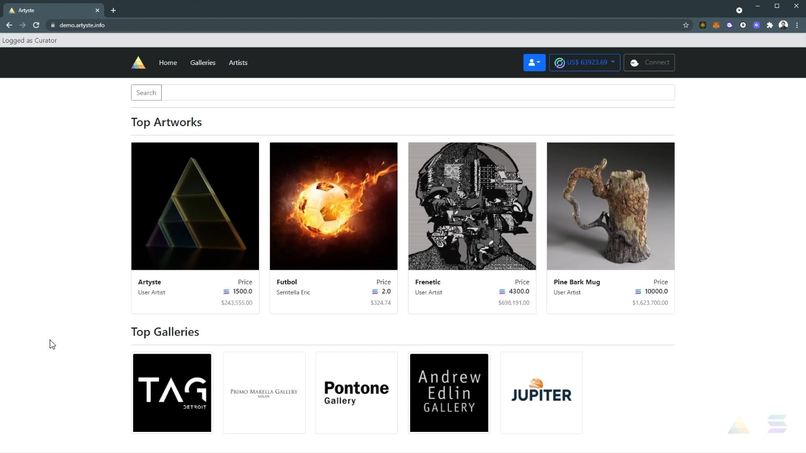
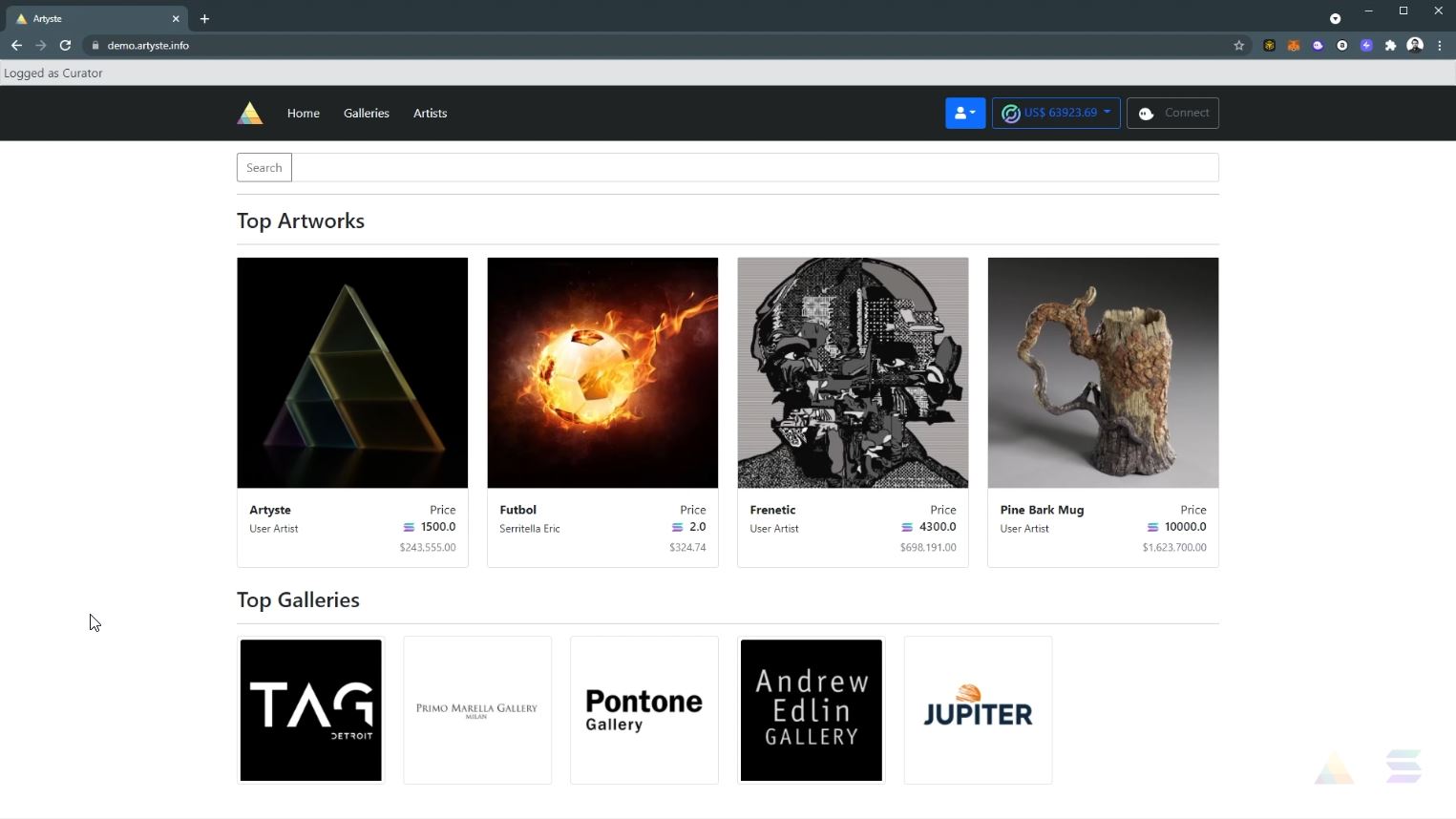
NFT Marketplace - Home Page
-
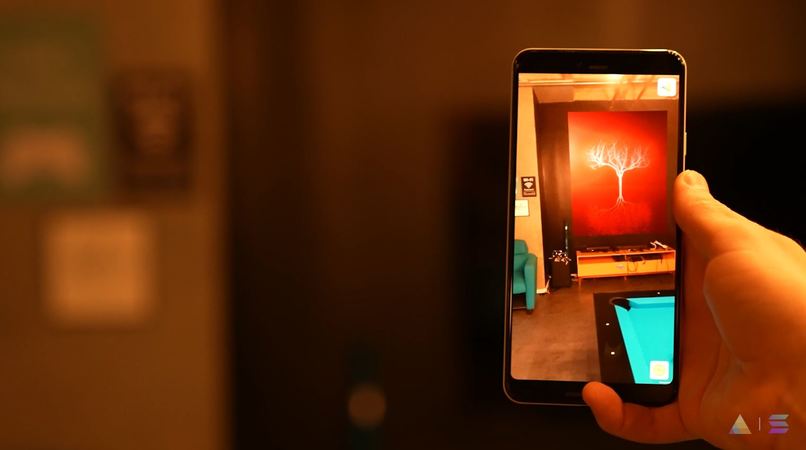
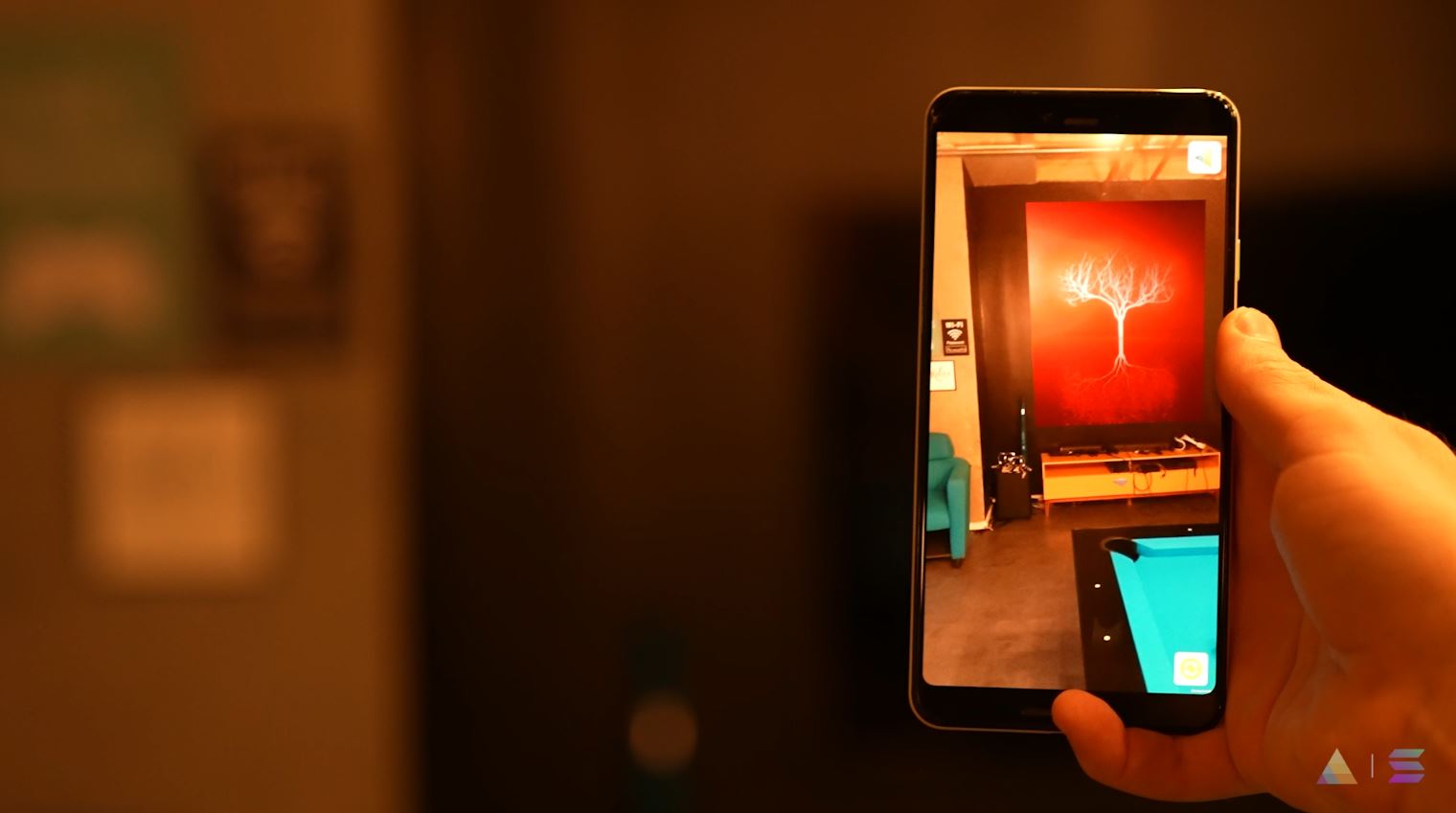
AR Application
-
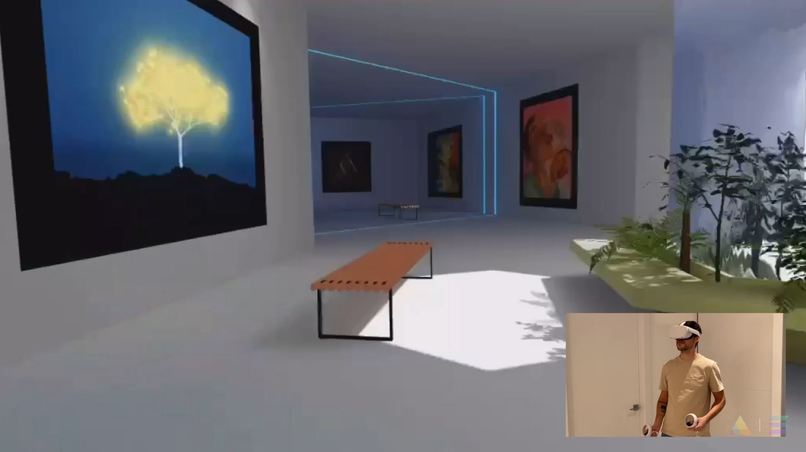
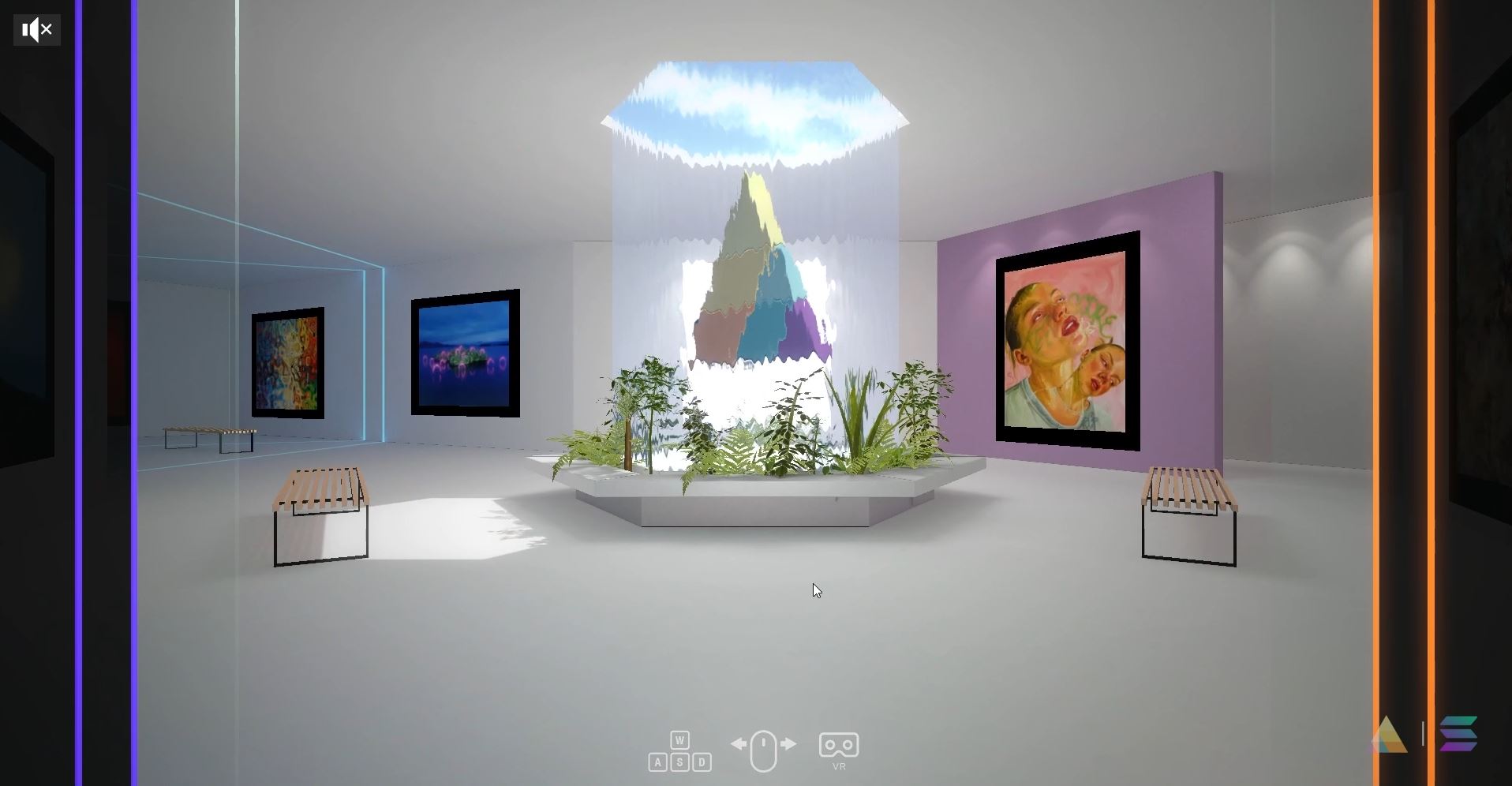
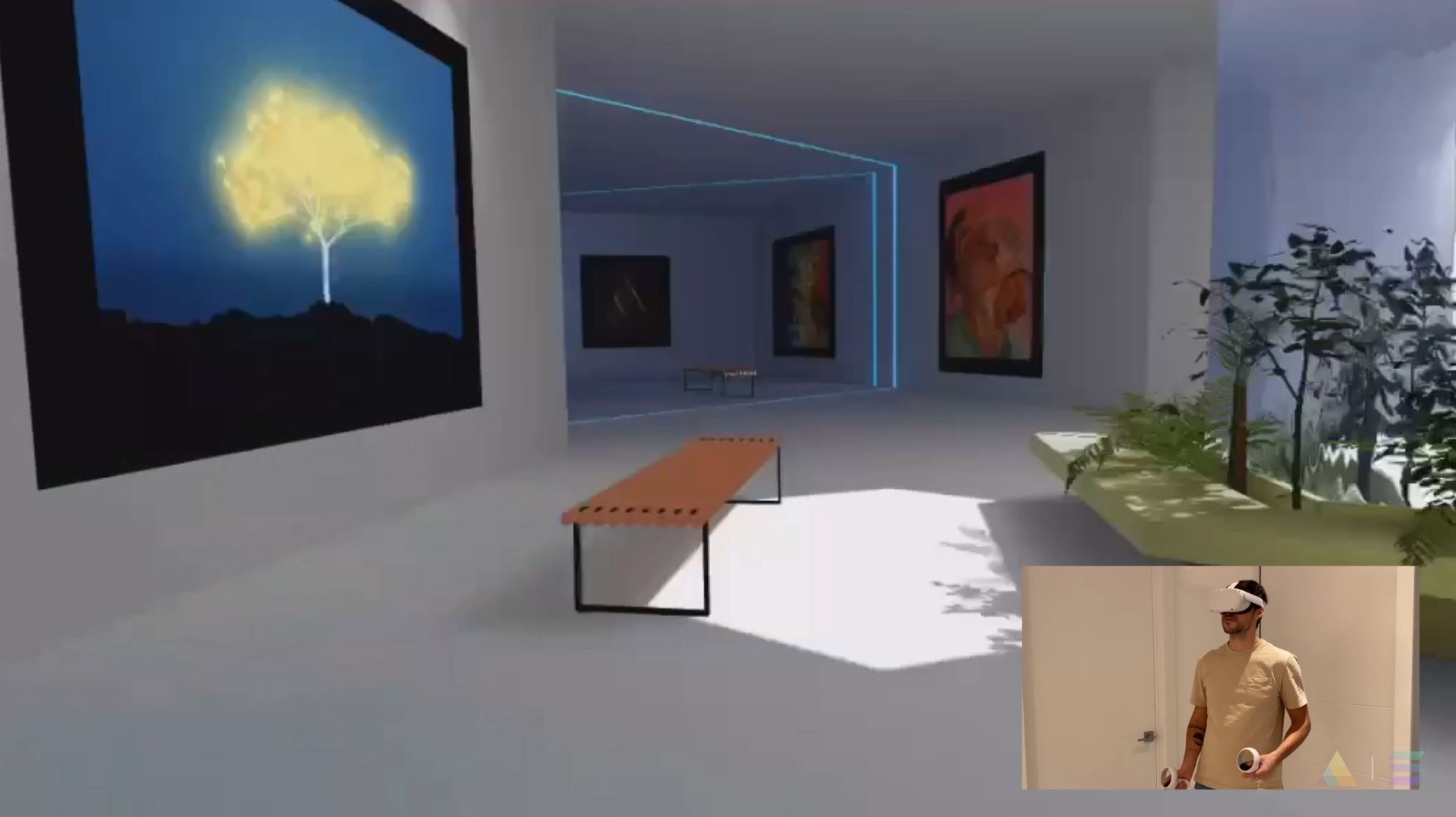
Virtual Gallery - VR Compatible
-
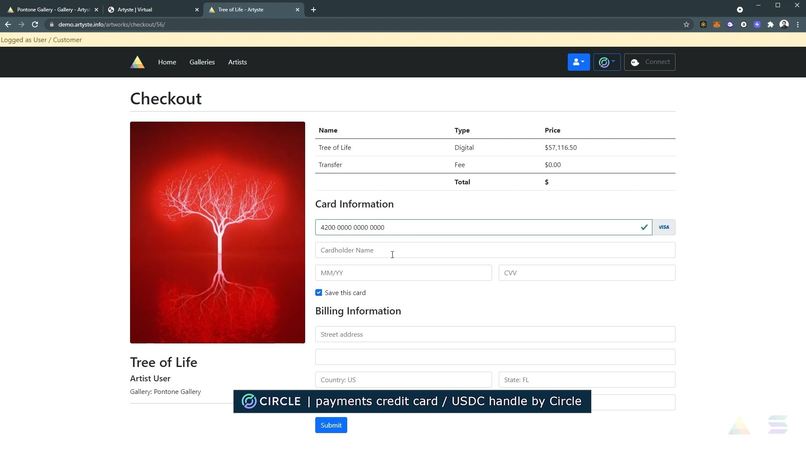
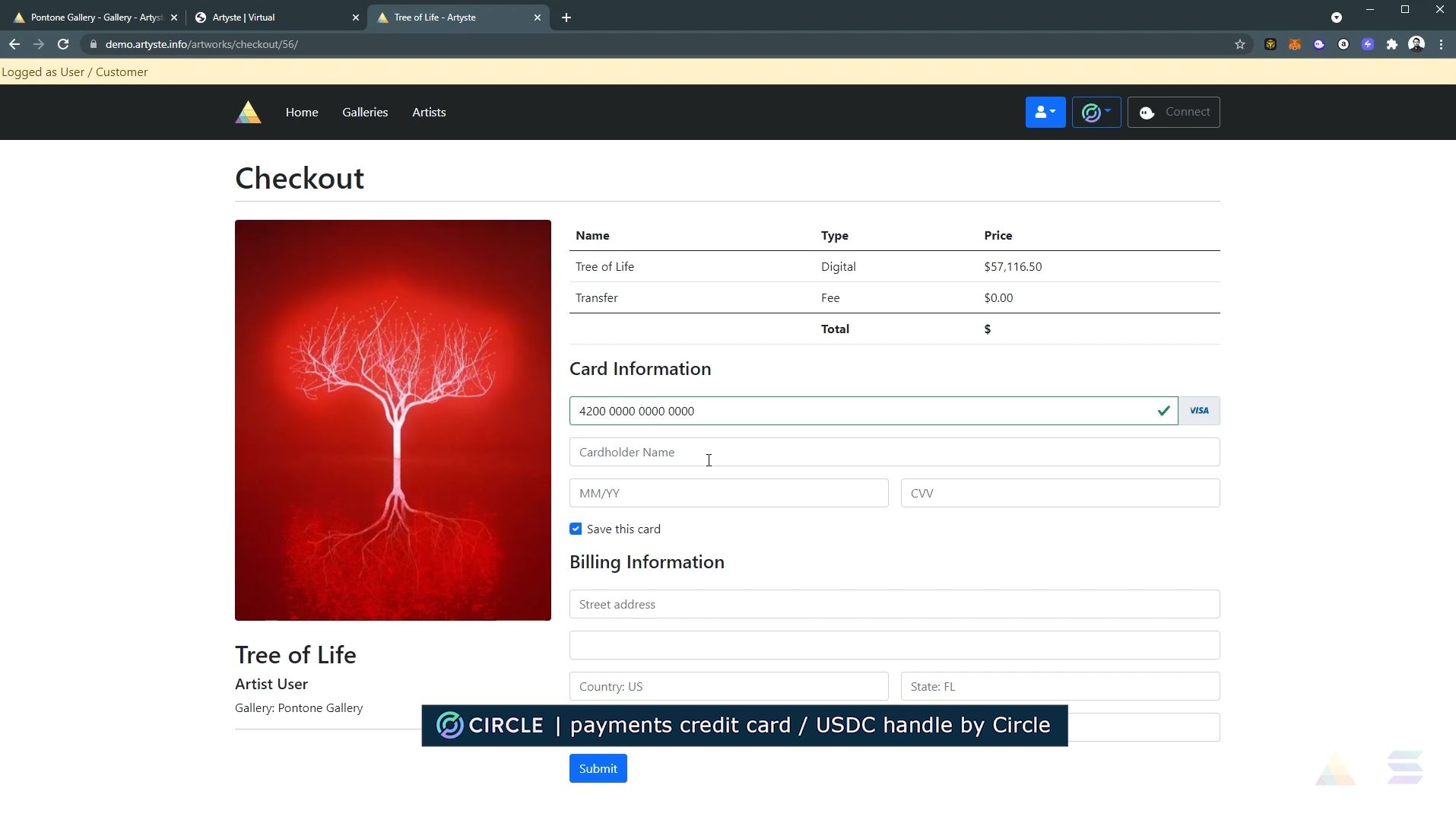
Buying using Credit Card
-
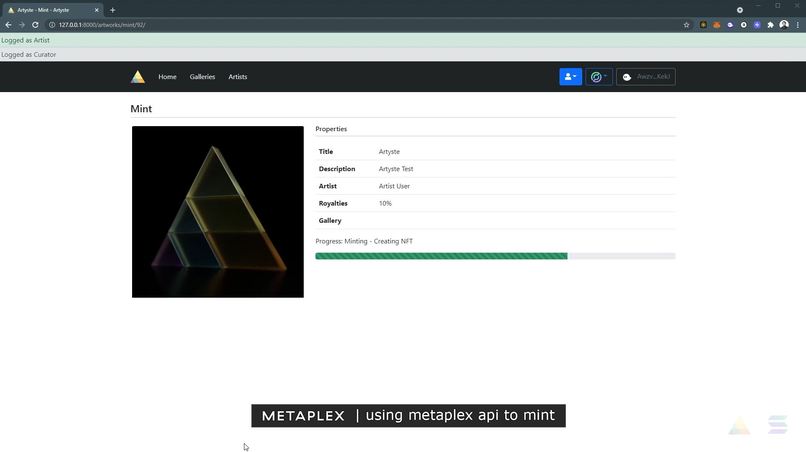
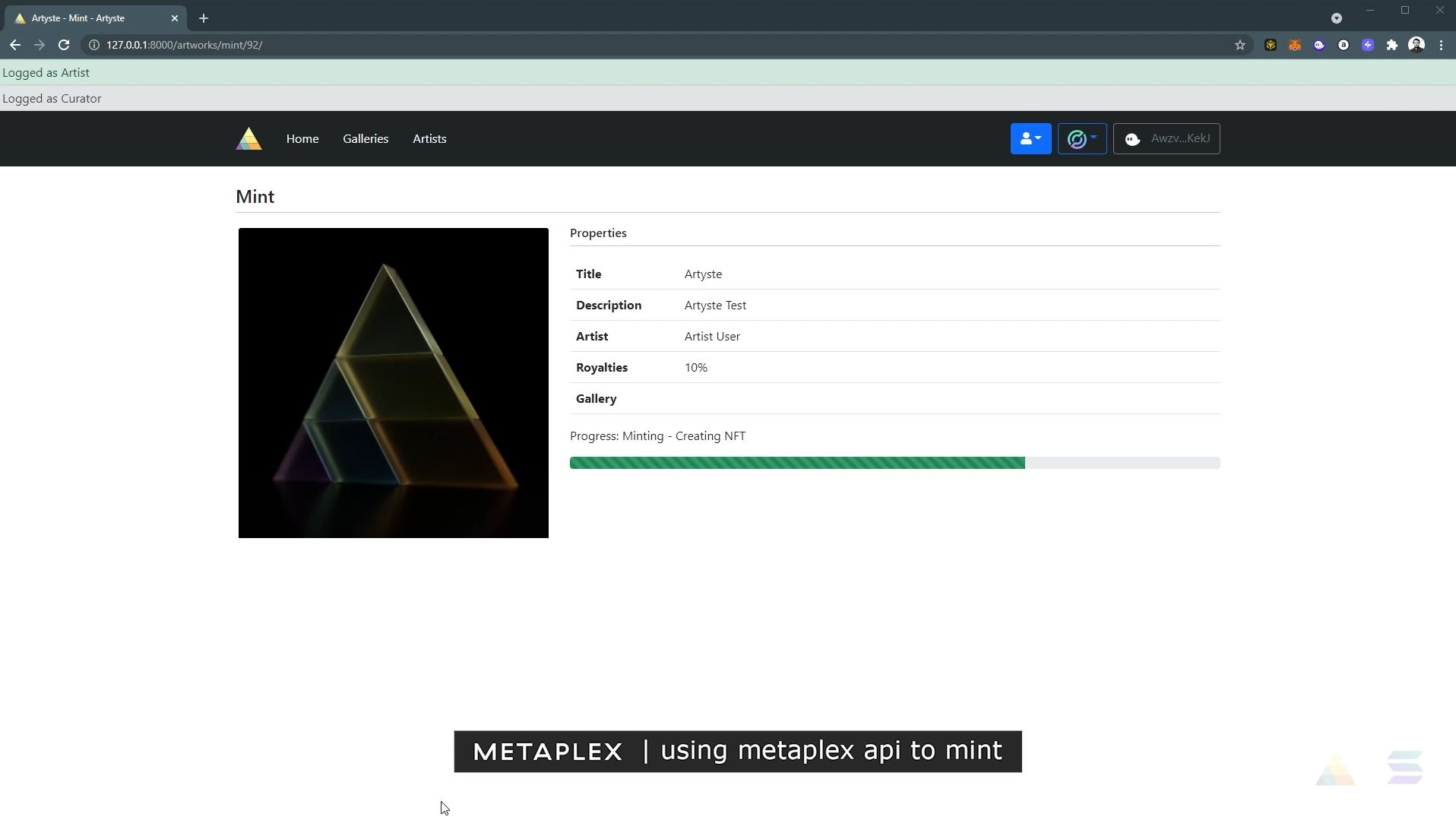
Minting NFT Using Metaplex API
** Inspiration**
Making the art world more accessible and diverse. Artyste is planning to bridge the gap between the "traditional" art world and the novel NFT environment.
After talking with several art galleries, art curators and traditional artists the team of Artyste discovered that most were very interested in exploring Blockchain technologies but didn't have the knowledge / technology to do it. Artyste is having conversations with wcc.art (THE art gallery in Austin, TX) to do a pilot test.
There’s no value applied to owning NFTs by the public or the art community since there’s no consensus on whether or not NFTs have any real value.
Galleries and art curators are late adopters of new technologies and are struggling due to pandemic (-22% market growth 2020). Market size of Art: $50 billions.
Despite the recent popularity of the NFT market, the NFT ecosystem is still in an experimental phase. The traditional art world must validate NFTs. Artyste hypothesis is that art galleries have the opportunity to incubate artists and increase their value. Creating a win-win situation for the artist, the art gallery and Artyste. NFT artists that made special collaborations with art galleries and auction houses in the past saw an increase of value of about 1000%. For example; Bepple, Fewocious.
What it does
It bridges the gap between the traditional art world and the world of NFTs.
A curated user-friendly platform that will allow art galleries to incubate NFT digital artists and promote and sell their work. Incubations refers to the creative process of creating special NFT collections (including Programs using Artyste) on SOLANA and promoting their work through an NFT marketplace. Artyste is also integrated with marketing tools and provides AR/VR experiences. Artyste will stimulate and support the creative process between art curators and NFT digital artists.
The artyste team had a lot of meetings with Art Galleries, art curators, NFT artists like “Giant Swan” and “ Bepple” to validate assumptions and define the first version of the platform. The pandemic disrupted the market and several art galleries are ready to expand to digital but dont have the knowledge or technology to do it. They do have the money.
Some features of the platform: Cross Chain NFT Marketplace like artsy.net but for NFTs. Option to sell digital or physical versions of NFTs . Already in conversations with canvia.art and Tokenframes to send a physical copy of NFTs to collectors who requested it + hard wallet if collector doesn't know about crypto. Marketing & online communities. Artyste will help art galleries to grow their online communities and reach out to younger audiences. Invoicing & Accounts Custom reports . Art Galleries promote their current collections using PDFs. Artyste will automate and improve the marketing of NFTs catalogs. Cross-Border Payments (FIAT - Crypto) Configure virtual environments (VR) for online exhibitions including POAP certificates for visitors Create immersive in-store virtual experiences. Custom made experiences to showcase NFT in an immersive way.
How we built it
With a lot of love using:
React - ability to reuse components to avoid repetition and increase efficiency; it uses downward data flow, so changes made to an object requires only modifications to the state without creating more issues farther down
Redux - this state management tool used with React allows for transparency when there are changes in the state, clearly visible in the “store”; logical links between actions, reducers, components; useful when debugging
REST API - good visualization of API to better determine necessary information
AWS - multi-functional, reliable, and scalable way to host the application
Metaplex - utilized Metaplex’s contract ecosystem to mint NFTs as it is a protocol already built on top of Solana. It allows for customization of the tokens which gives creators greater control
Rust - the language used for developing programs on Solana; it is argued by some to be an effective language for blockchain development, for example, due to its flexibility and built-in memory safety features that are enforced at compile time, which prevents many common bugs and security issues
WebGL via BabylonJS: BJS delivers a very advanced and easy-to-iterate suite of tools to leverage WebGL capabilities for an efficient, versatile and fast workflow. BJS latest versions already include support for WebGL 2.0 and even WebGPU, providing a concise and advanced-but-still-solid environment for experimenting and deploying the kind of platform and features we're aiming for.
VR via WebXR: Although WebXR spec is on an early draft implementation and support, it can simultaneously reach both standalone/desktop VR headsets and mobile devices within the same development scope of WebGL, with no need for a separate dedicated scene and logic development with built binaries and compile times using some other real-time solution. It also can be incorporated easily with most web 3D frameworks, and controls/navigations should be consistent and unified throughout the range of already-supported platforms and browsers.
AR via Unity AR-Foundation: Unity's ARF unifies and abstracts both Android's ARCore and iOS' ARKit separate implementations of AR in a unique environment, making possible for a single algorithm design, language and framework altogether to build equally for both platforms with almost-native performance, and most importantly, on an only-1 roundtrip workflow. It also unifies their very-different plane tracking, point clouds, light estimation and environment probes APIs into a single and comprehensive structure, for developers and designers alike.
Challenges we ran into
At the beginning it was hard to reach out to art galleries and schedule meetings. After several A/B email testing the team realized the best way to communicate was NOT to use hyped-tech words and be very simple on how we explain what Artyste does..
Defining priorities for the Hackathon. There is so much to do in so little time that sometimes organizing everything takes time. Especially when you don't know the rest of the team. The artyste team decided to schedule 2 - 3 meetings per week to discuss progress and know each other.
For the AR/VR development: Keep up updating and adapting the always changing scene / dealing with procedural mesh generation / coding the right shaders for the materials / building the platforms (ar, vr and webgl) in so little time.
How do we scale the project without raising money?
**Accomplishments that we're proud of
Work as a consolidated team.
The ability to understand Collectors, Artists and Galleries ‘s challenges and pain points and transform them into an actionable plan: tech - business requirements. Execute the hackathon roadmap. Expanded our knowledge of Solana related technologies like Metaplex, Rust, etc. Connected with different players from the Solana ecosystem. Proud to potentially be part of the Solana ecosystem. The virtual environment that we created for the Hackathon. It can also work with VR gear like Oculus 2. The idea is for art galleries to create and customize virtual environments for NFT online exhibitions with no coding skills.
What we learned
The traditional art world is very interested in expanding services and include NFTs. Art galleries are still struggling from the pandemic and are looking for ways to reinvent themselves. Blockchain technologies are curing middlemen and disrupting entire markets. Art galleries know about it and are more keen on adopting new technologies. They just need help. Someone who can understand their challenges and guide them on the adoption of blockchain techs. The art world is struggling to reach out to new audiences, younger audiences. Art galleries were the gatekeepers of the art UNTIL NFTs arrived.
The importance of creating a community. The importance of getting feedback from potential users and customers. The importance of giving back and creating something valuable.
The wormhole project is an important piece of what we are doing. Artyste will offer cross chain NFT services.
What's next for Artyste
Keep working on market validation by having meetings with art galleries, art collectors and artists. Jointly work with an art gallery(TBD) to do a pilot project. Artyste is already in conversations with interested galleries and NFT artists.
Continue developing the first version of the platform and improve existing technologies.
Plan and execute marketing strategies to grow online communities and social media presence.
VR: Incorporate the VR experience into a real dedicated Realtime application using Unreal Engine, targeting standalone and desktop VR headsets with triple-A quality. Extend the AR app functionalities beyond just visualization, mixing interactive storytelling with actual market transactions and better art representation on real spaces. Escalate the WebGL front further, enabling multiplayer experiences with other peers on private installations and consumer transactions right alongside the 3D navigation
Raise a small amount of money to structure the project and have the first paying customer. To work with art galleries in the US we need to have incorporated a company and have everything in place from a compliance perspective. The artyste team is planning to do a private token sale once we validate the platform on the market.


Log in or sign up for Devpost to join the conversation.