-
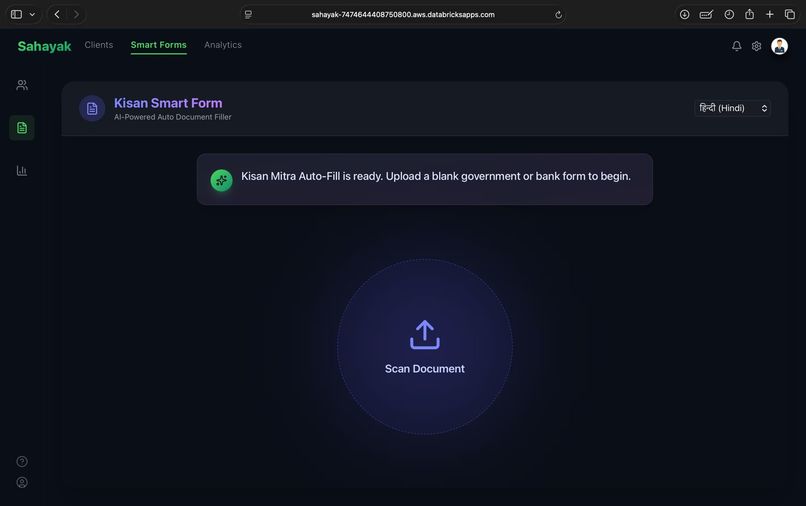
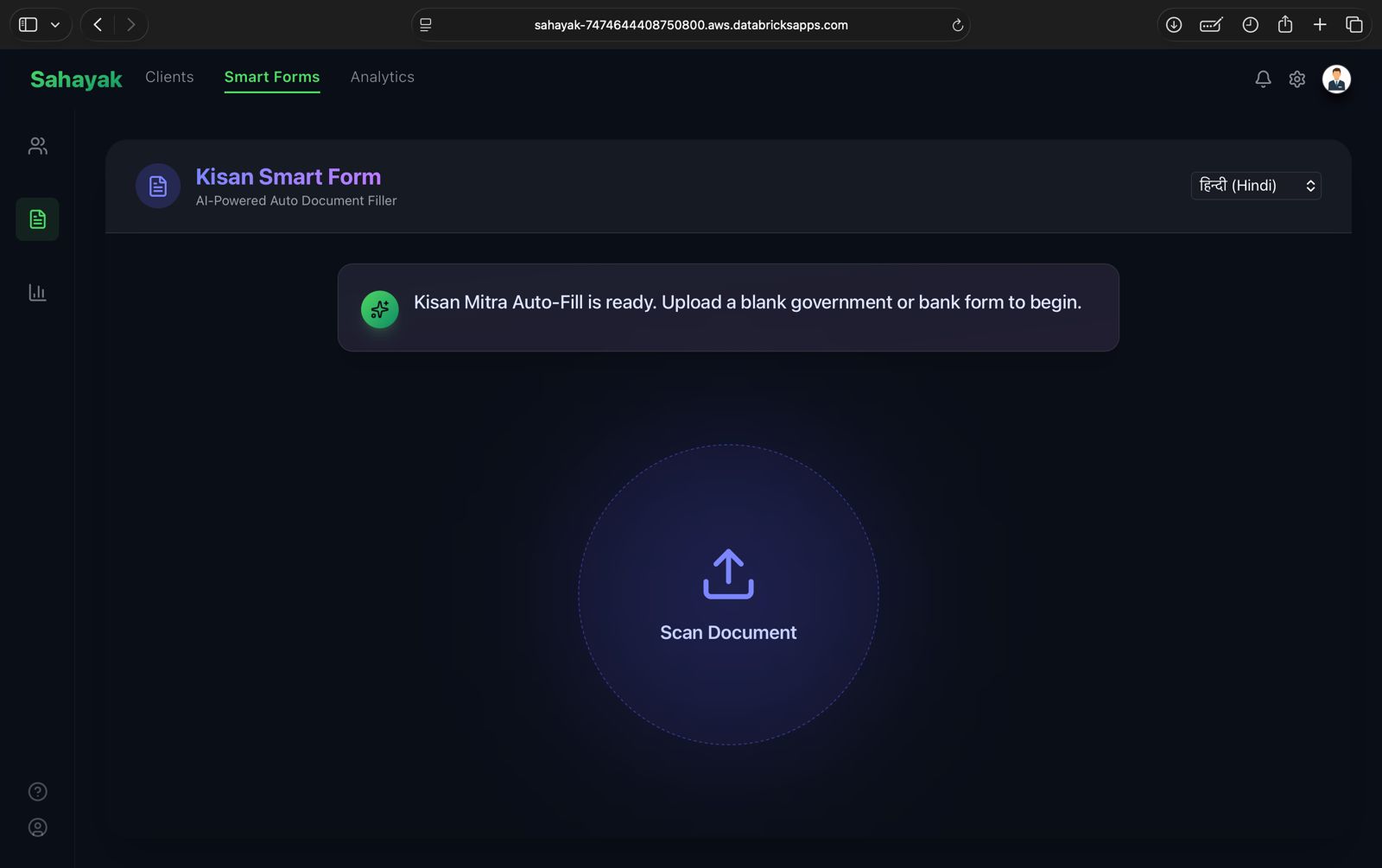
Smart Form filler
-
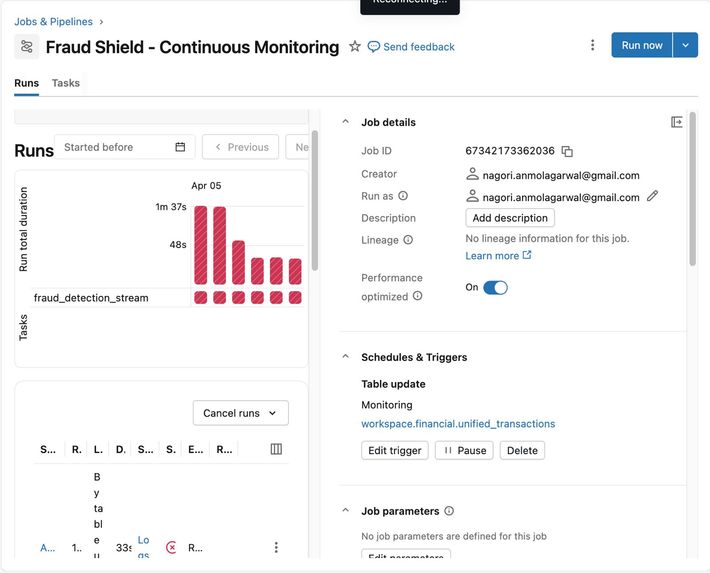
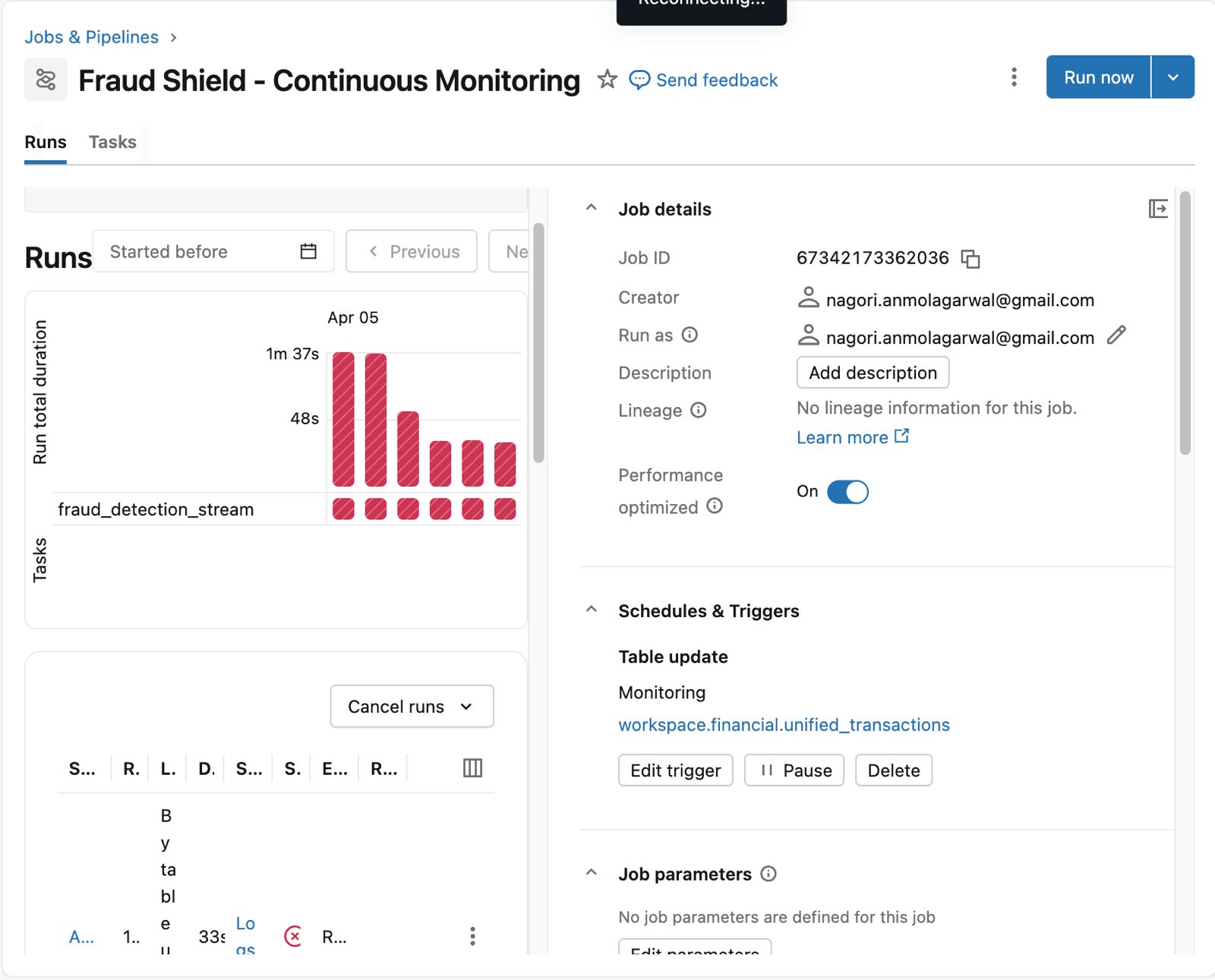
Fraud Detection monitoring
-
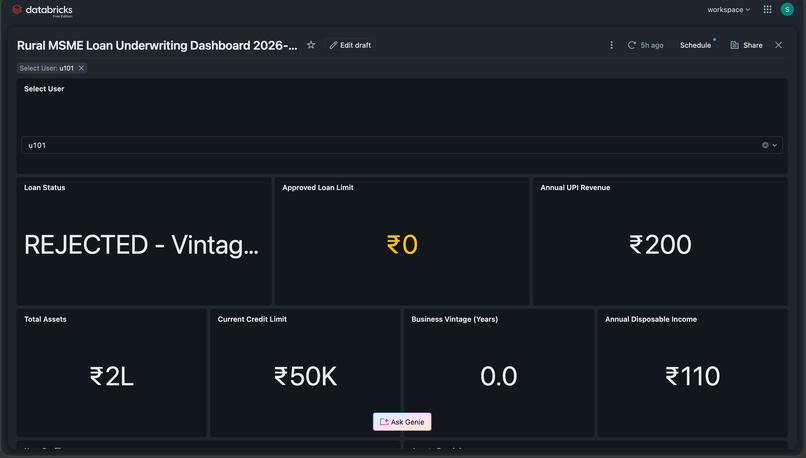
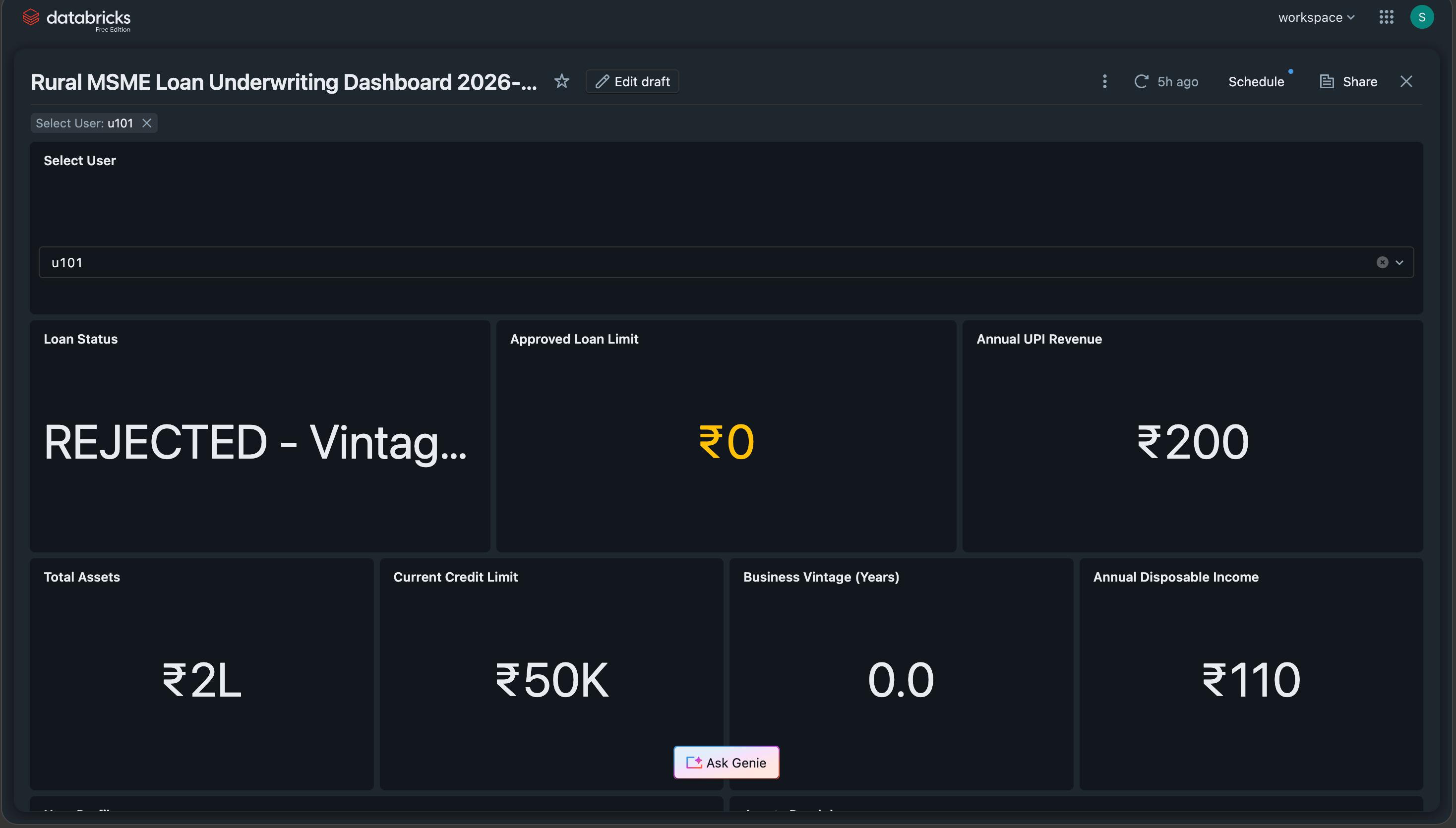
User profile view for Banker
-
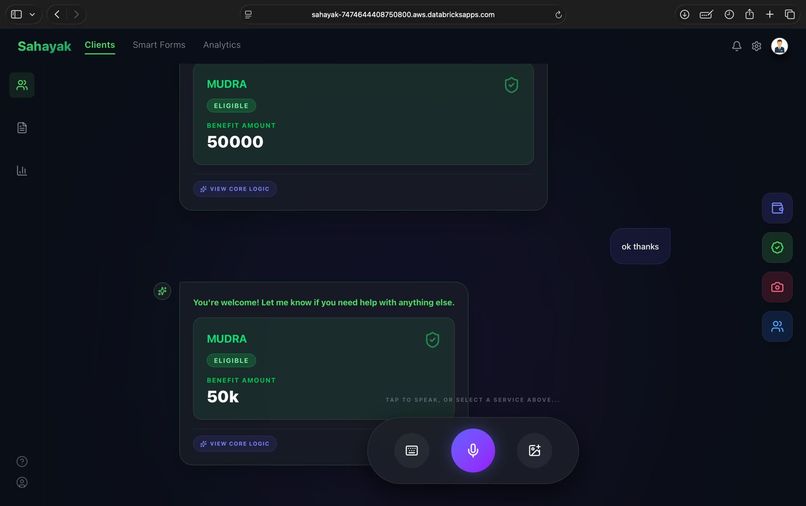
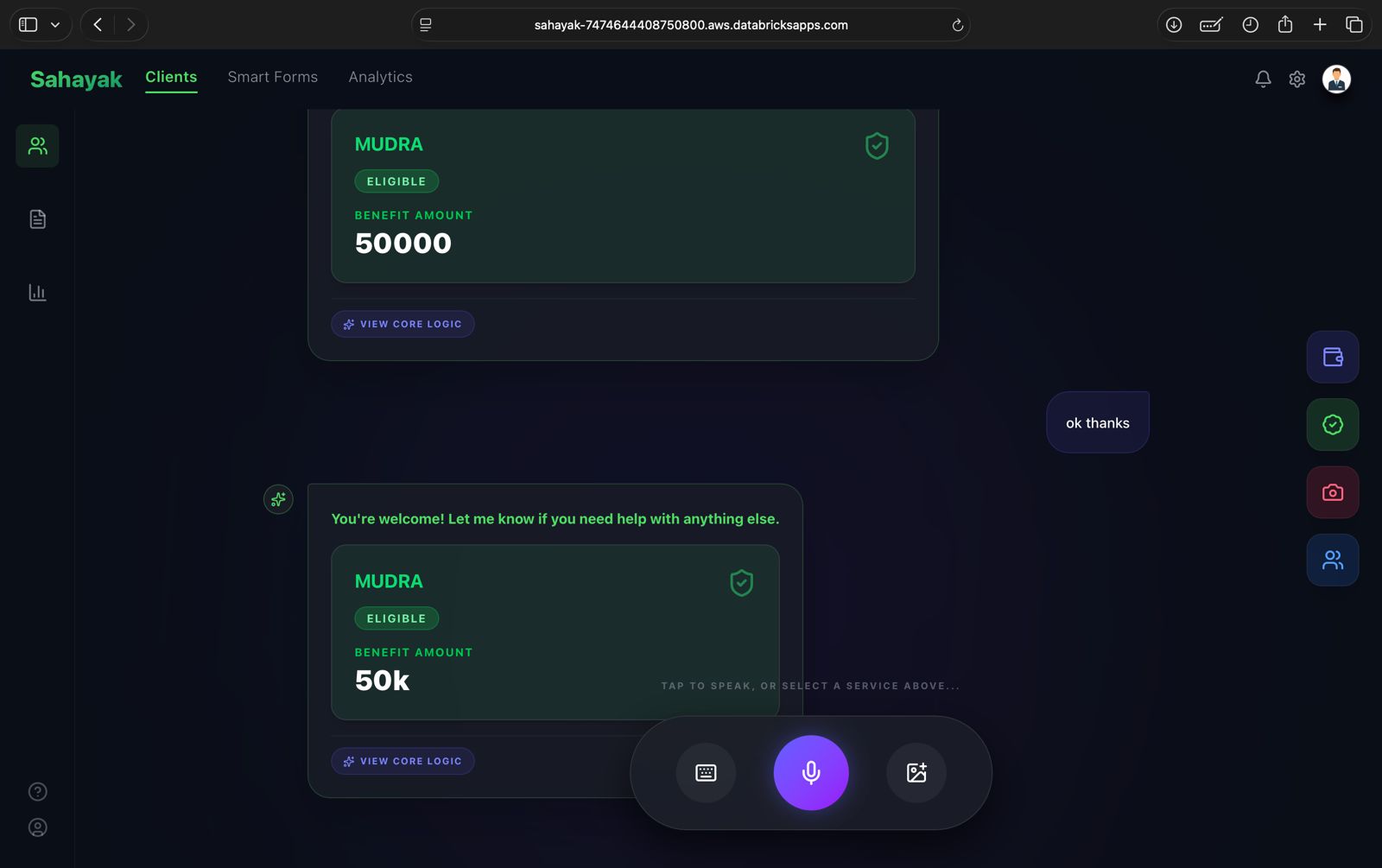
GenUI Widgets By Agent
Inspiration For 900 million+ rural Indians, credit is blocked not by a lack of capital, but by friction. Language barriers, complex paperwork, and traditional credit systems designed for salaried urbanites leave rural micro-entrepreneurs financially invisible. While the government's Unified Lending Interface (ULI) and Account Aggregator frameworks provide a brilliant "data highway," we realized there was no "smart driver" to navigate it for the end-user. We were inspired to build Artha-Setu (The Bridge of Wealth)—to act as the intelligence layer that translates raw, unified financial data into zero-friction, multilingual microcredit for Bharat.
What it does Artha-Setu is a conversational Digital Public Infrastructure (DPI) built on Databricks. We structured it around a "Triple-I" framework:
Inclusion (Zero-Friction UI): A voice-first, multilingual agent. A user can speak in Hindi or Marathi, snap a photo of a handwritten mechanic's bill, and our system automatically OCRs the text and pre-fills a loan application. No typing required.
Insight (Proactive Underwriting): Instead of traditional CIBIL scores, we built a deterministic UPI-Native Microcredit algorithm that scores users based on cash-flow consistency. We also introduced an X-Factor: Shiksha-Credit, which lowers a user's interest rate if they correctly answer financial literacy questions via our voice bot.
Integrity (The Banker's Dashboard): A dedicated portal for bankers featuring a 0-100 Confidence Score and a rural-context Fraud Shield that flags suspicious anomalies in real-time.
How we built it We architected a full-scale Lakehouse solution heavily leveraging the Databricks ecosystem:
The Foundation: Delta Lake acts as our single source of truth, storing user_profiles (with AES encryption for PII), upi_transactions, and credit_lines.
The Brain: We used LangGraph to build a stateful orchestration agent. It uses Sarvam AI for Indic translation and reasoning, combined with Vector Search on DBFS to execute RAG against government scheme documents (like PM-Kisan).
The Security: We trained a custom XGBoost model using Spark MLlib, fine-tuned specifically on synthetic rural UPI data, and tracked experiments using MLflow.
The Frontend: We utilized Databricks Apps to host dual Streamlit interfaces: a GenUI-powered mobile view for the farmer, and a comprehensive SQL-driven Dashboard for the banker. Gemini 2.5 Flash handles the receipt OCR.
Challenges we ran into Our biggest challenge was building a highly responsive, enterprise-grade architecture within the constraints of the Databricks Free Edition (CPU-only compute, ~15GB memory).
Streaming vs. Resources: We initially wanted to use always-on Delta Live Tables for our real-time fraud detection. To adapt to the compute limits, we engineered a Micro-Batch Job that monitors the Delta tables and runs model inference every few minutes without overloading the cluster.
LLM Latency: Heavy LLMs timed out on CPU. We solved this by using compact, CPU-optimized Indic models (like Sarvam-m) and structuring our LangGraph nodes to do "Translation Sandwiches" rather than forcing the LLM to reason in multiple languages simultaneously.
Accomplishments that we're proud of Rural-Context AI: We didn't just use an off-the-shelf fraud model; we fine-tuned it to understand that in a rural village, a ₹500 transaction at midnight might be an anomaly, whereas a ₹5,000 transaction at 5 AM is just a normal wholesale market purchase.
Databricks Mastery: We successfully connected Delta Lake, Vector Search, MLflow, and Databricks Apps into one seamless, cyclic workflow. We didn't just build a chatbot; we built a governed database architecture.
Shiksha-Credit: Successfully gamifying financial literacy to offer dynamic interest rates felt like a true breakthrough for social impact.
What we learned We learned that GenAI is only as good as the data pipelines beneath it. Mastering Unity Catalog principles (even on Free Edition constraints) taught us how to securely route PII versus transaction data. We also gained a deep understanding of the RBI's Unified Lending Interface (ULI) and how Account Aggregator JSON payloads can be parsed into actionable ML features.
What's next for Artha Setu Our next step is integrating Artha-Setu with the live Account Aggregator (AA) sandbox to pull real, consent-driven bank statements instead of synthetic data. We also plan to build the "Smart Escrow" feature: an automated Databricks SQL contract that allows villagers to safely rent equipment (like tractors) to one another by temporarily freezing a portion of their microcredit limit until the job is done. Ultimately, we want to deploy this on Databricks Serverless to bring our micro-batch fraud jobs into true, real-time streaming.
Built With
- agentic
- databricks
- gbt
- genai
- langraph
- ml
- python

Log in or sign up for Devpost to join the conversation.