-
-
app logo
-
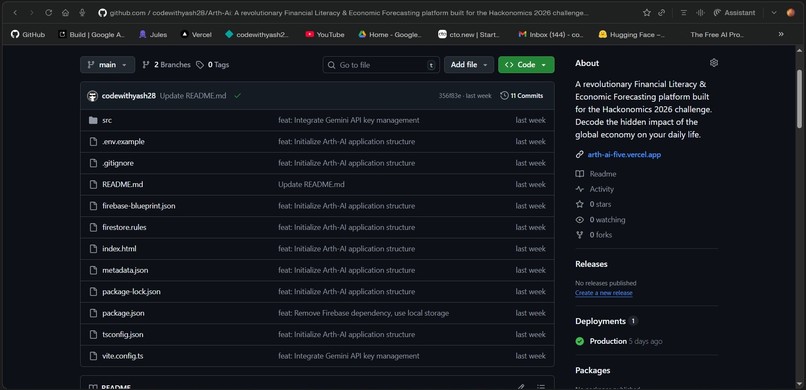
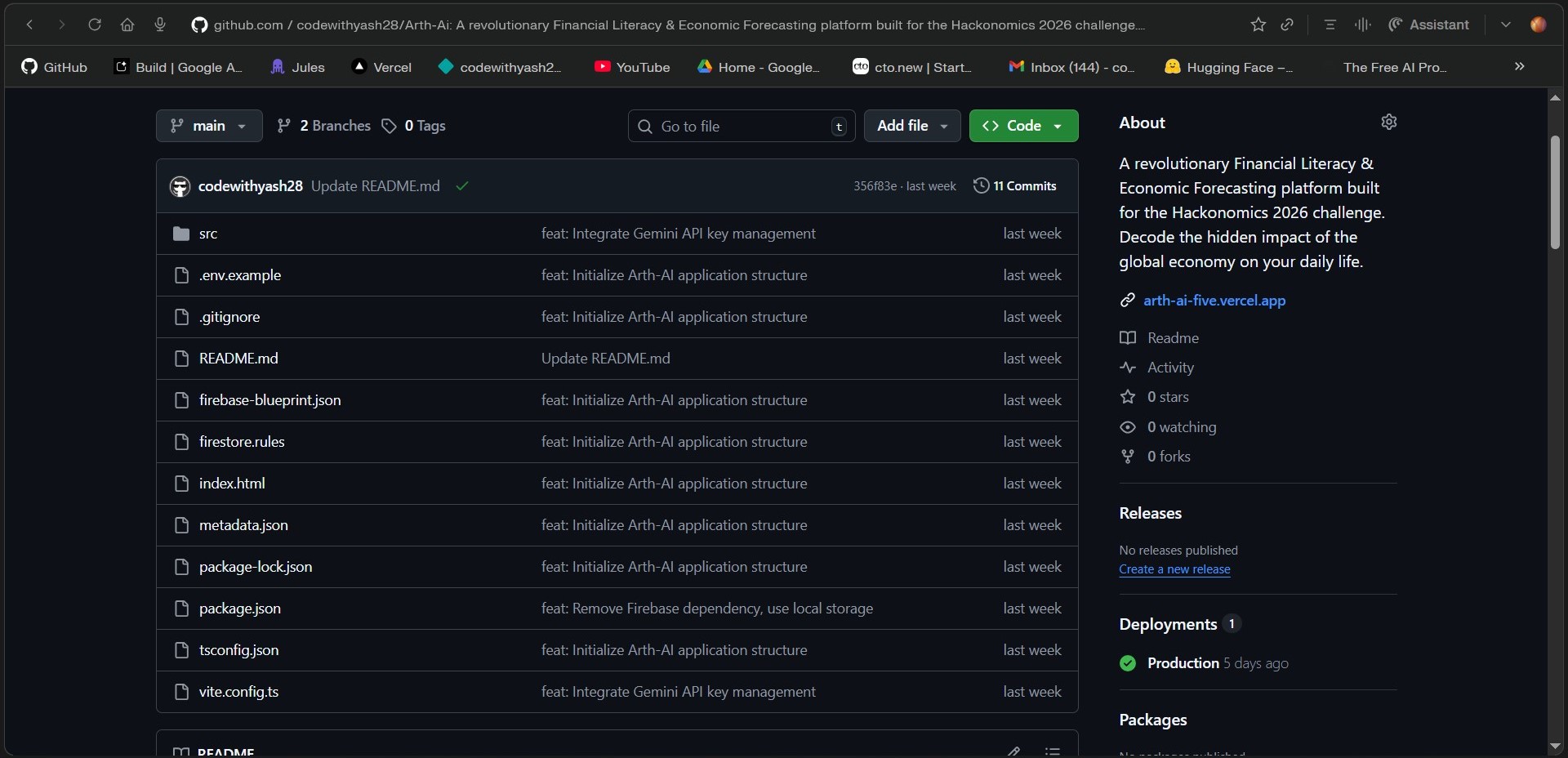
project structure
-
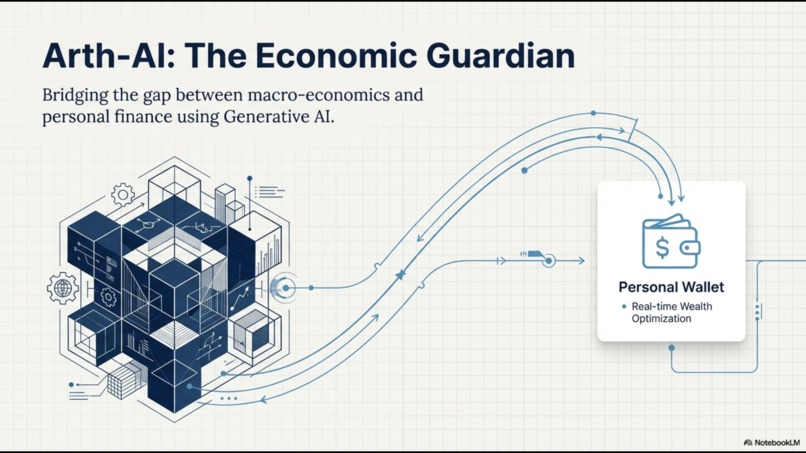
pg 1
-
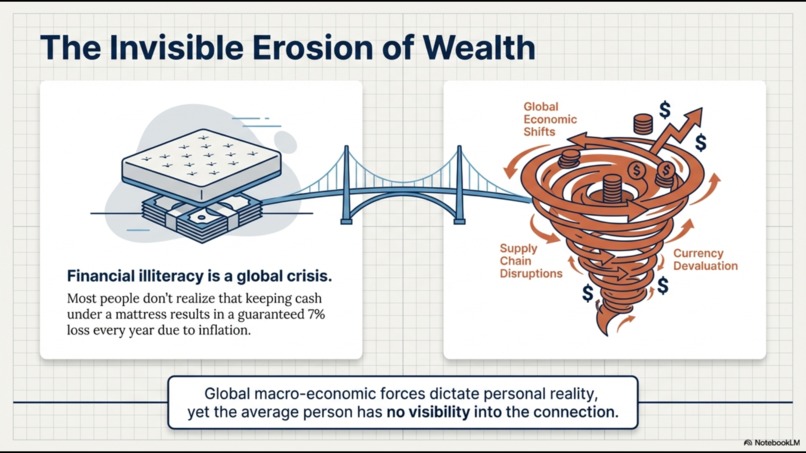
pg 2
-
pg 3
-
pg 4
-
pg 5
-
pg 6
-
pg 7
-
pg 8
-
pg 9
-
pg 10
-
pg 11
-
pg 12
-
pg 13
-
inforgraphic
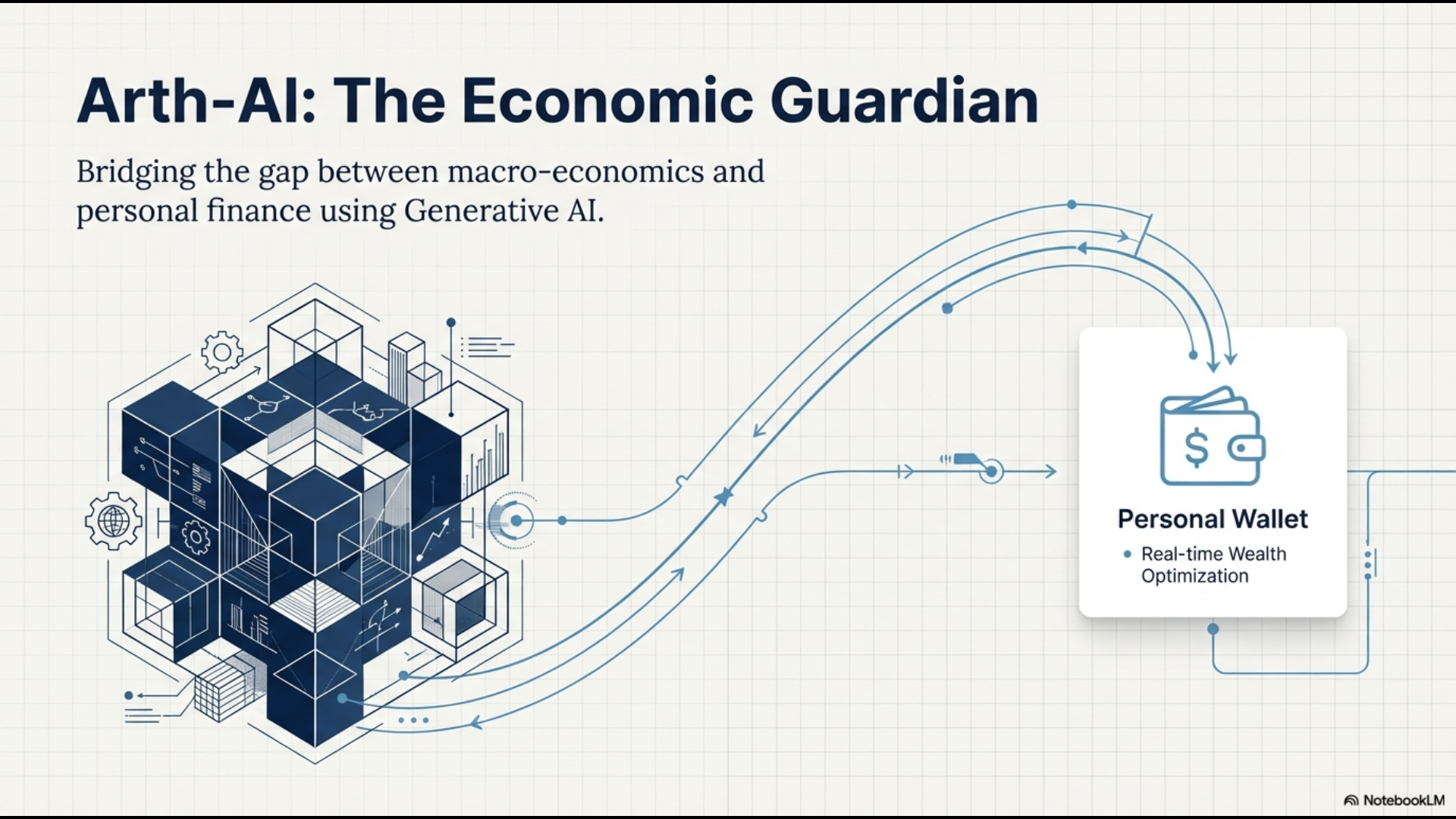
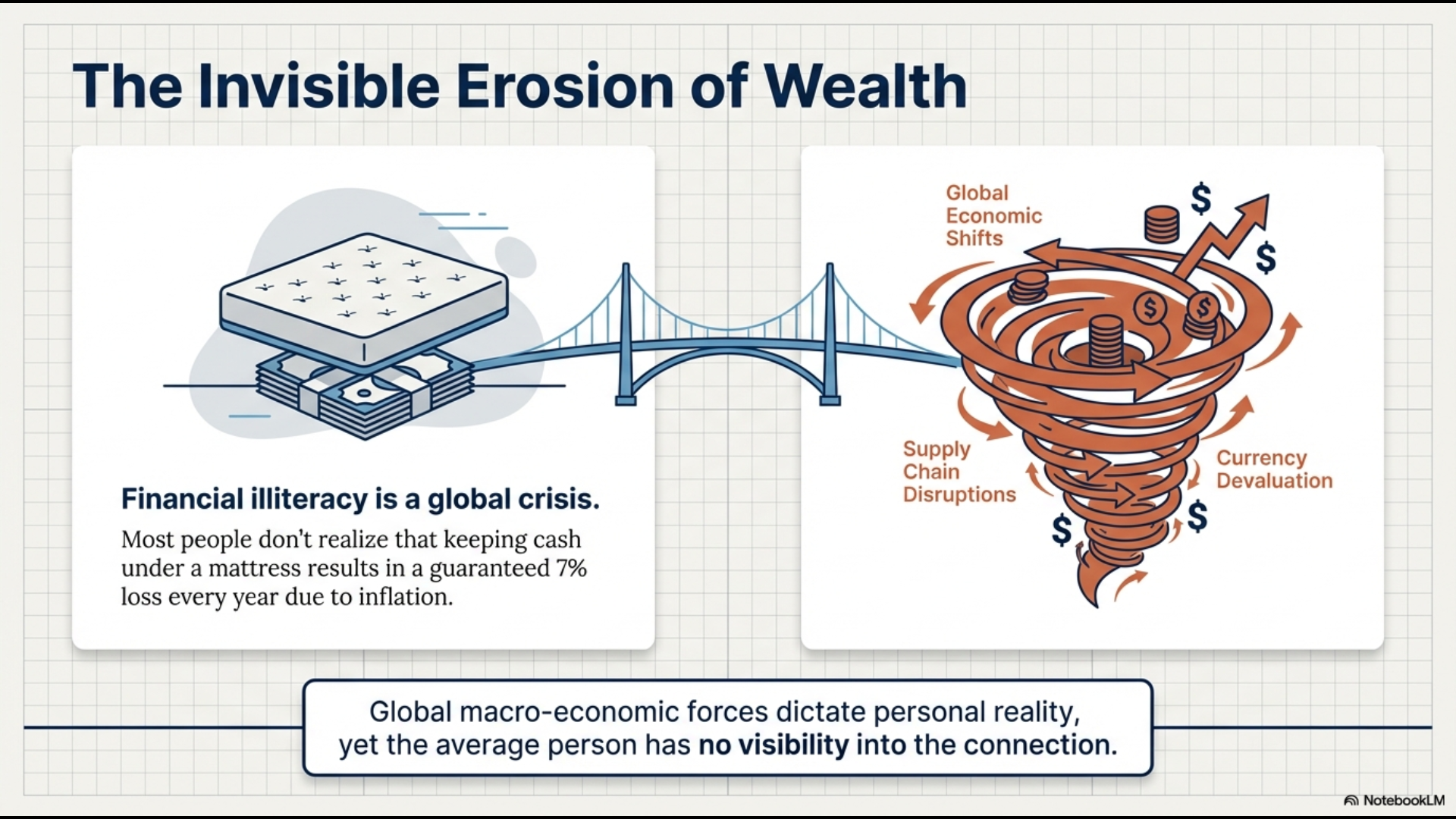
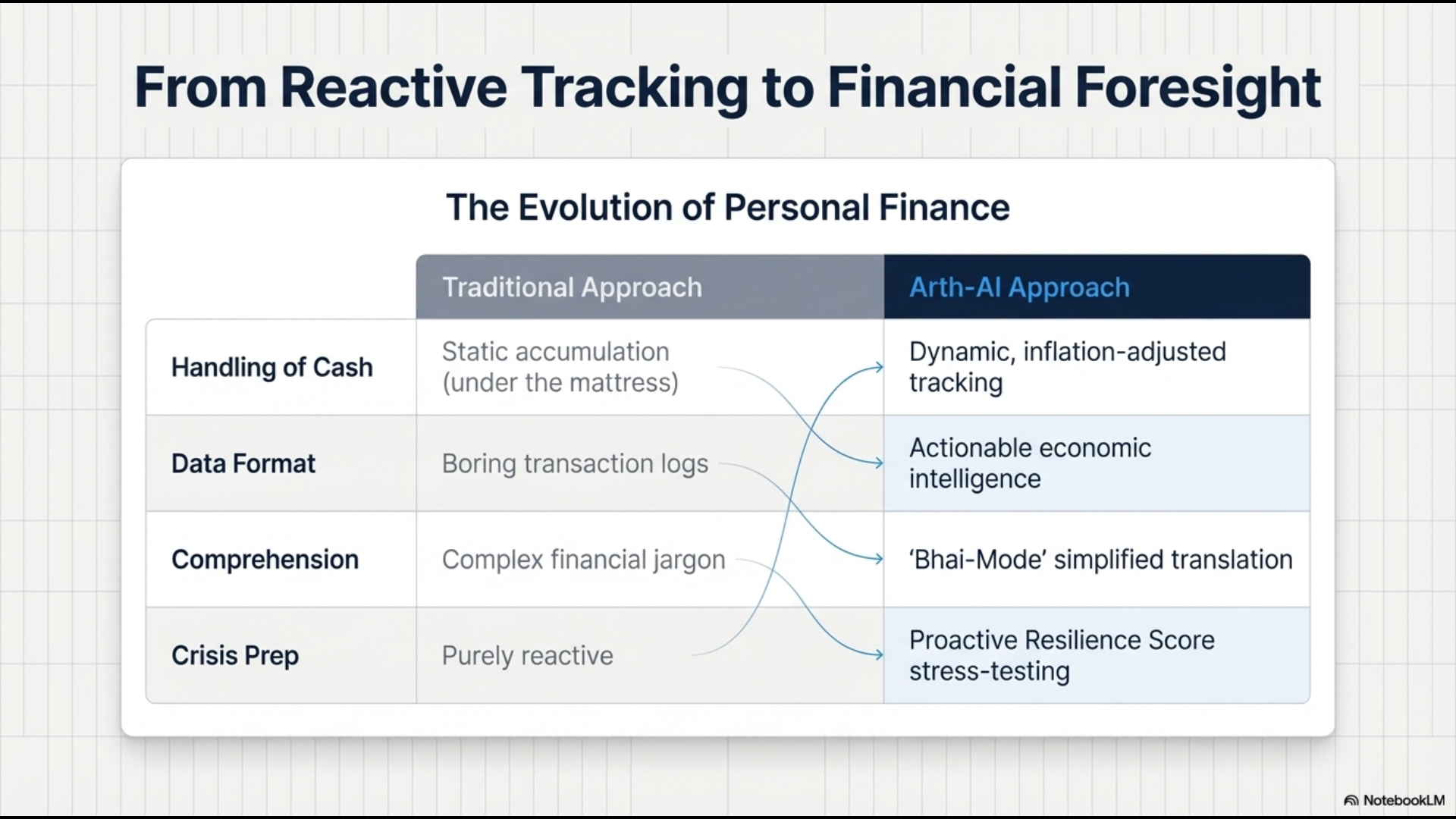
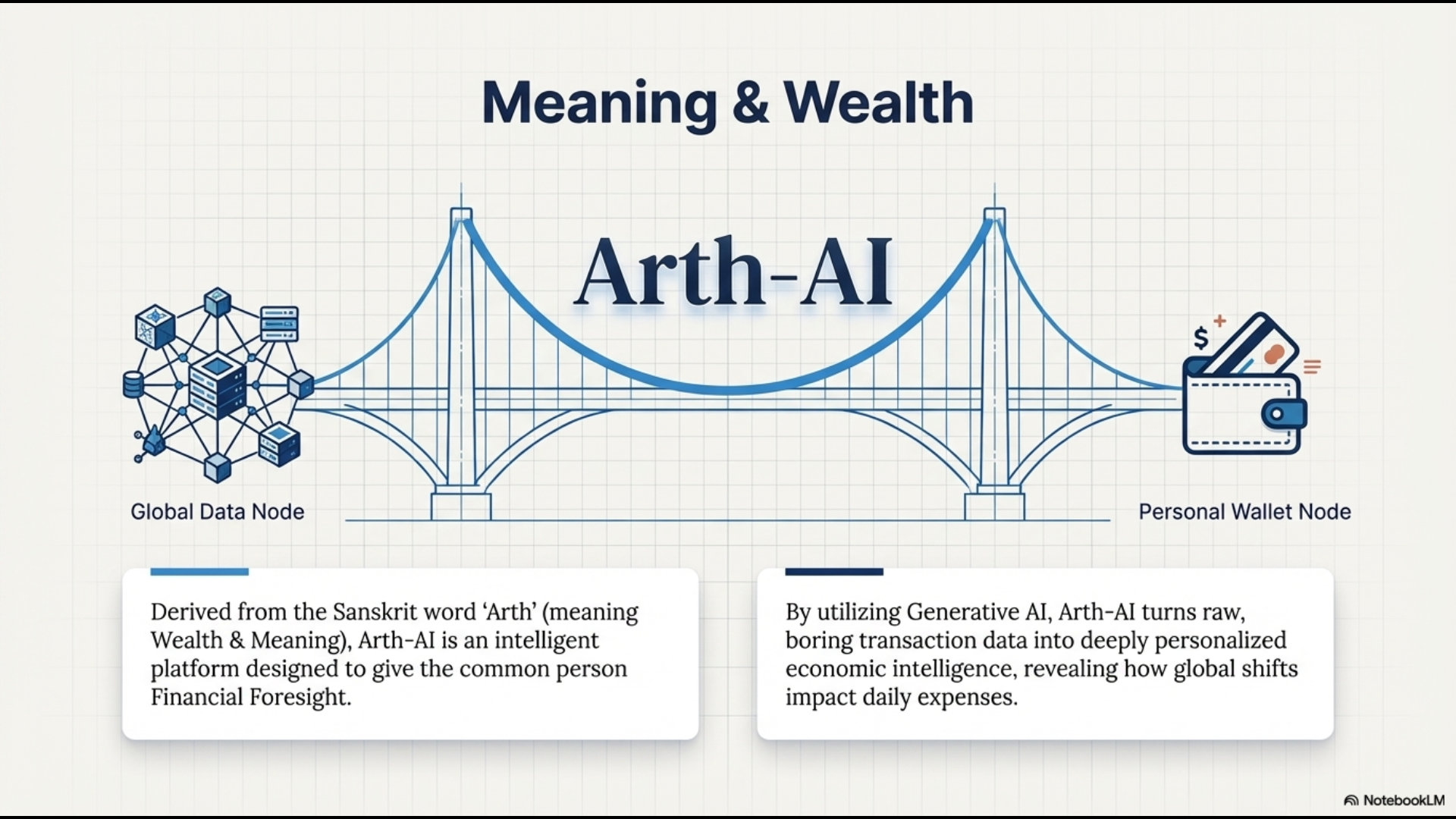
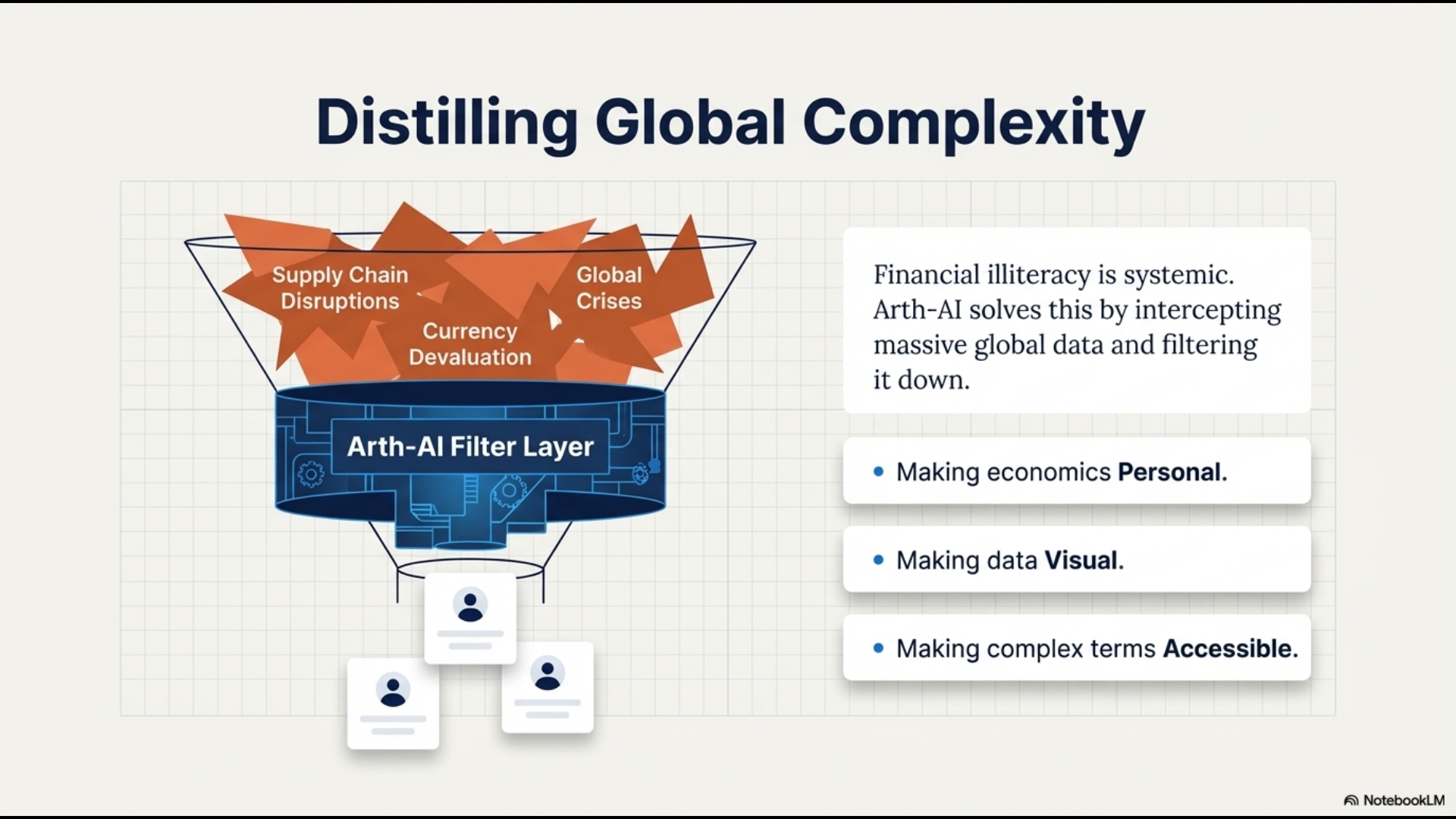
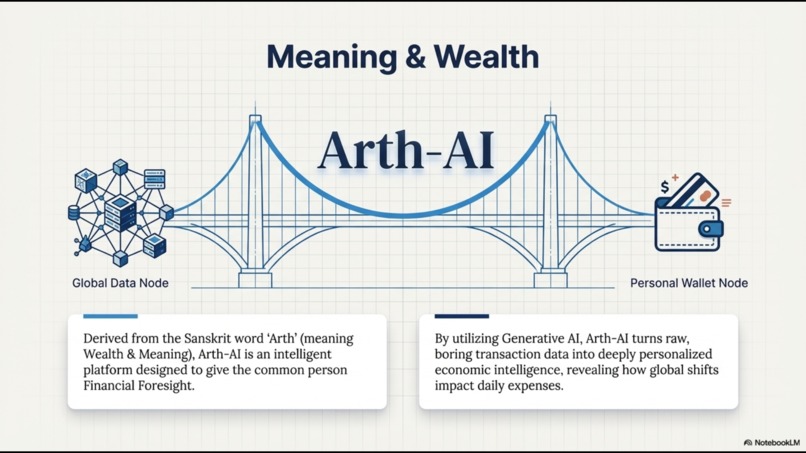
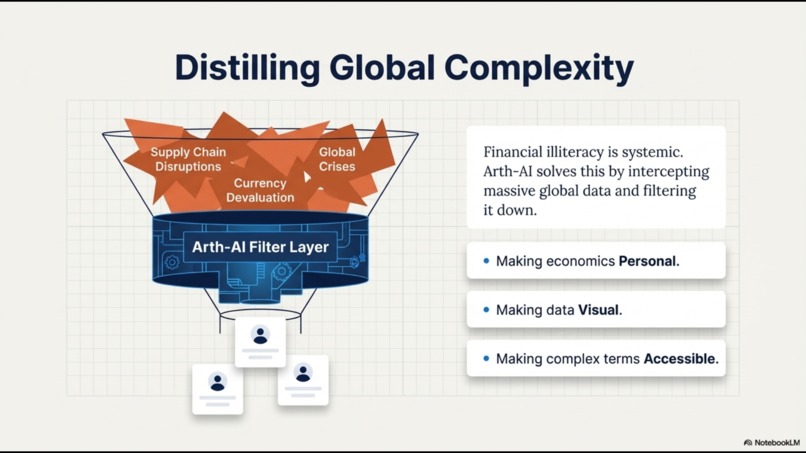
Inspiration The inspiration for Arth-AI: The Economic Guardian came from a simple observation we both shared: most people, including our peers and many adults, find "Economics" intimidating and "Inflation" invisible. We realized that while everyone cares about saving money, very few understand how global shifts—like rising oil prices or supply chain disruptions—silently eat away at their purchasing power. As a team, we wanted to build a bridge between complex macro-economic data and the everyday person’s wallet, turning a boring expense tracker into a powerful "Financial Mentor."
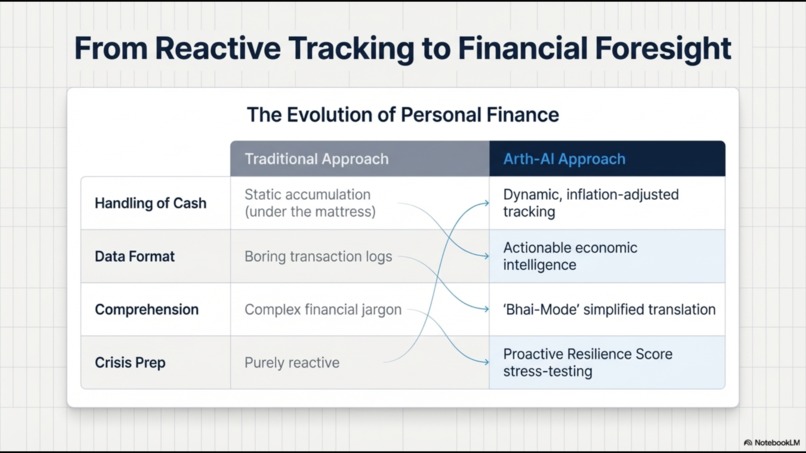
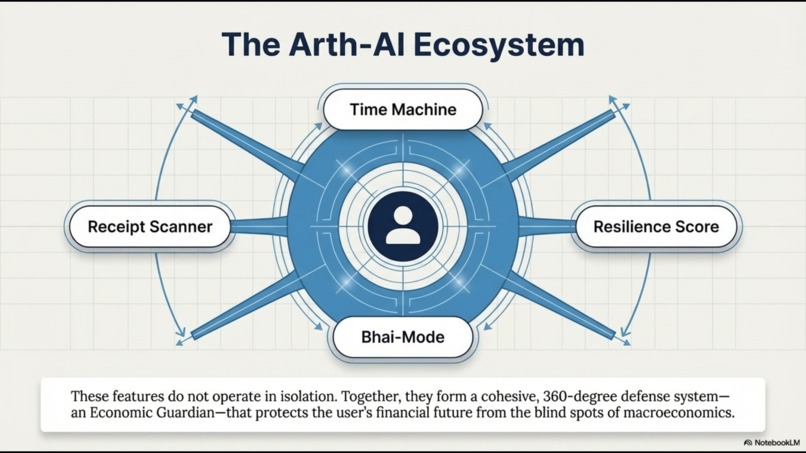
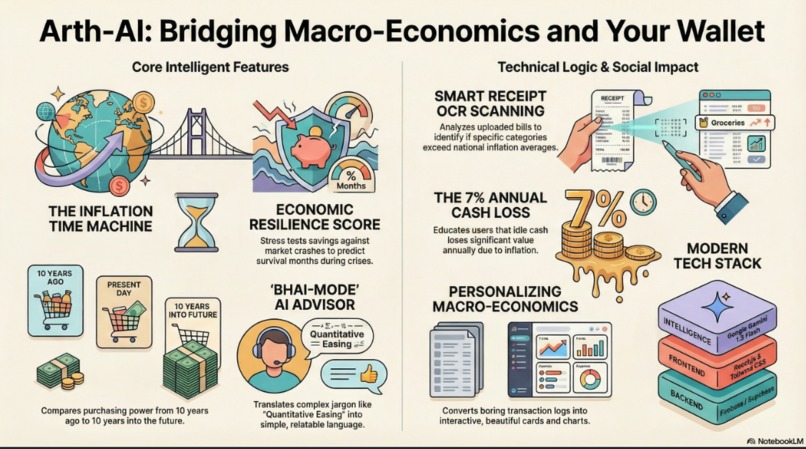
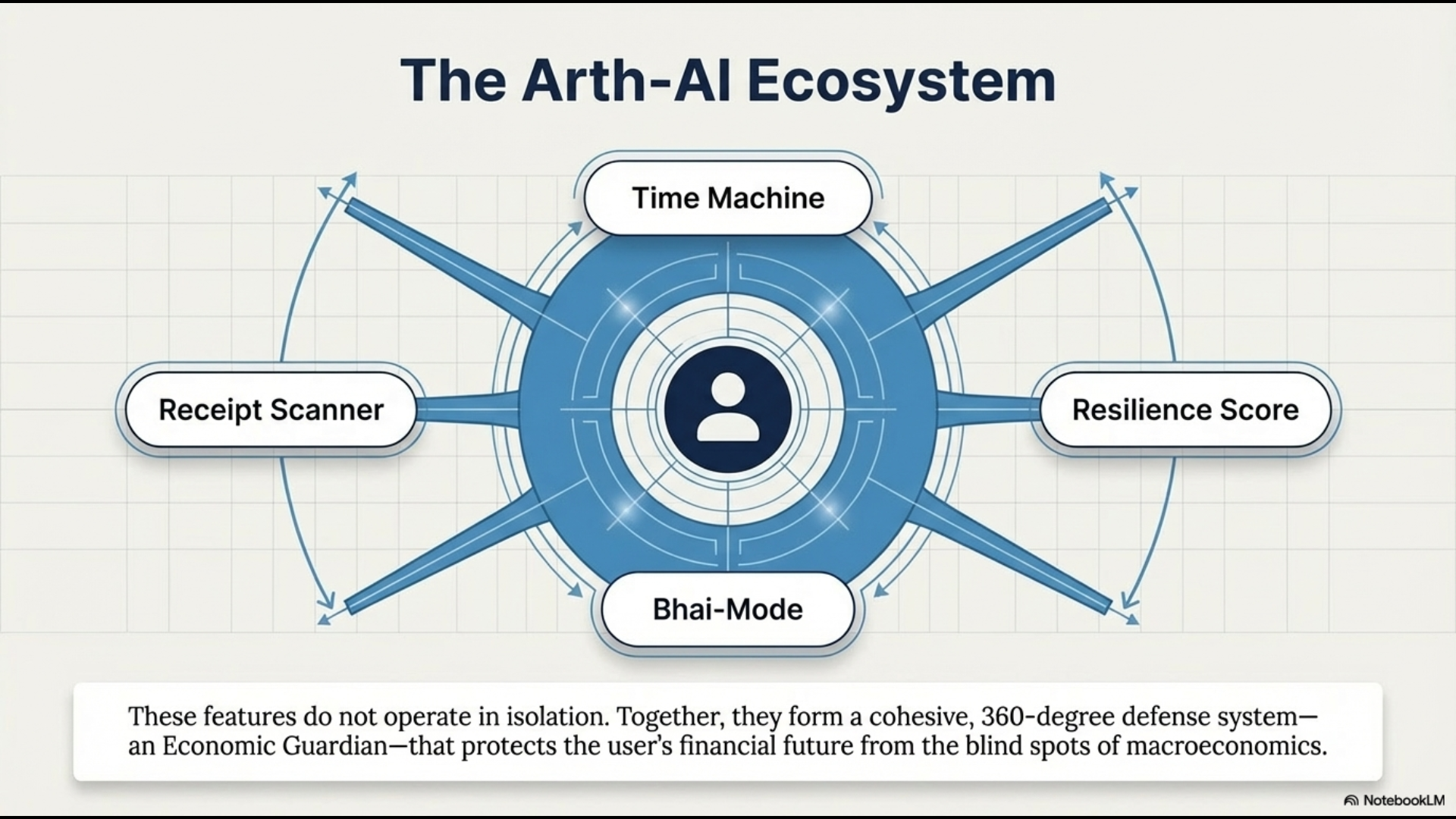
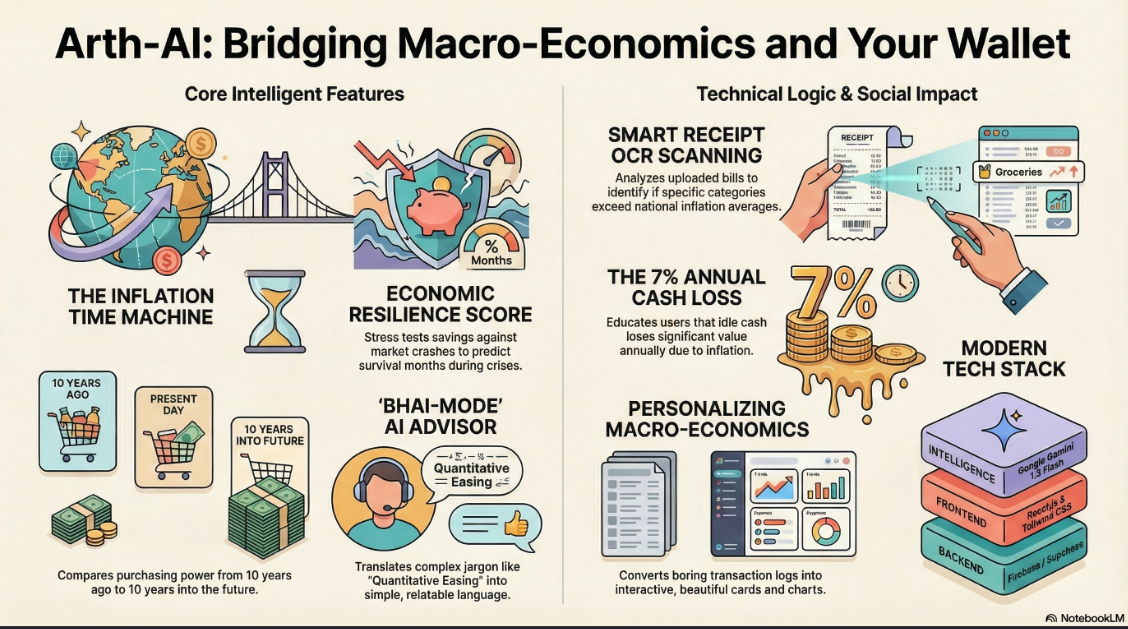
What it does Arth-AI is an intelligent financial suite that decodes the impact of the global economy on personal spending.
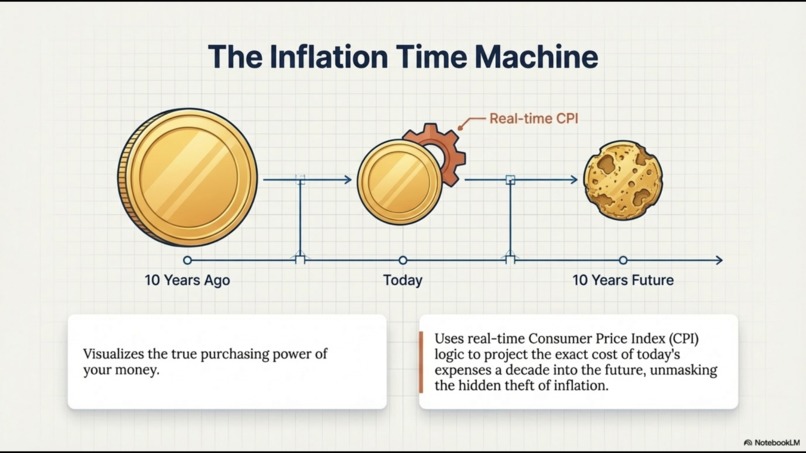
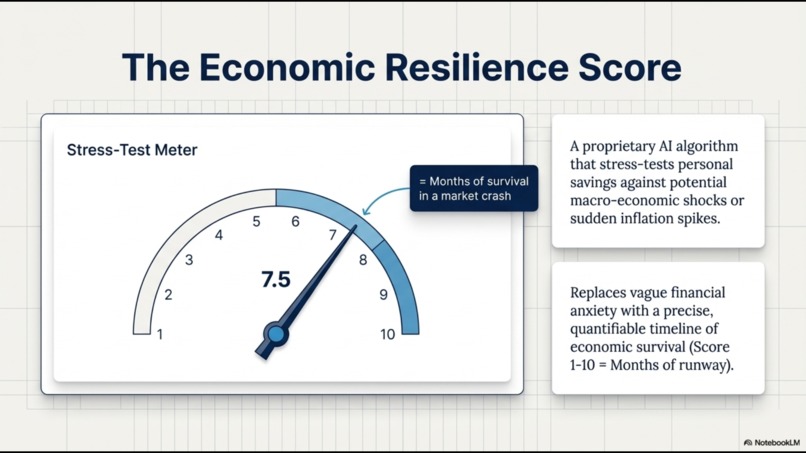
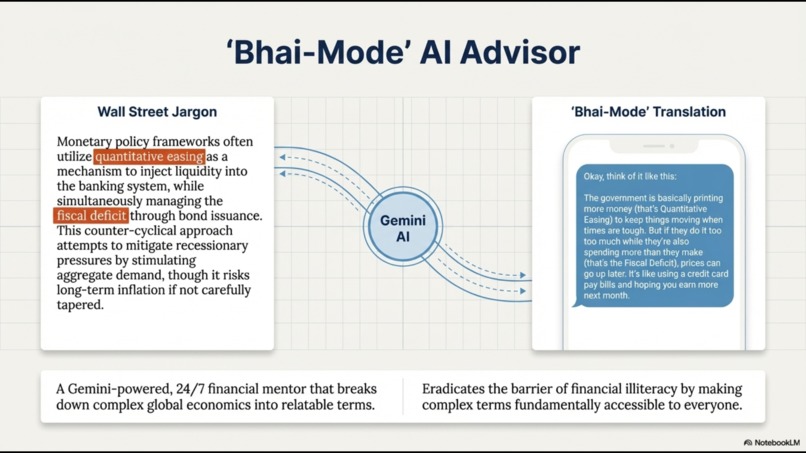
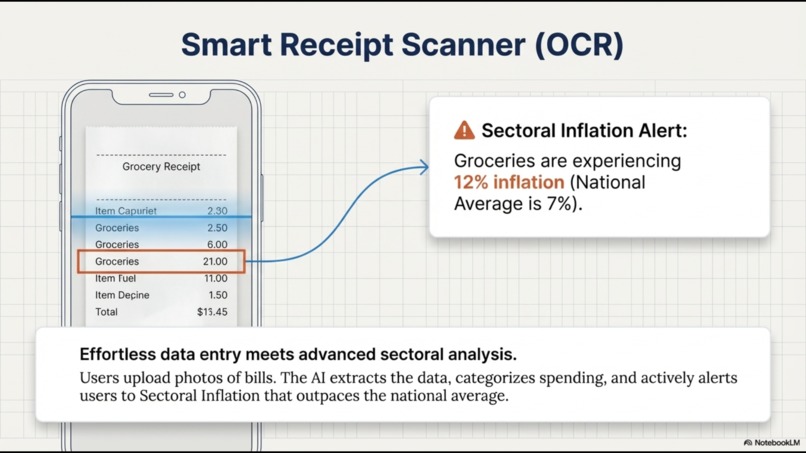
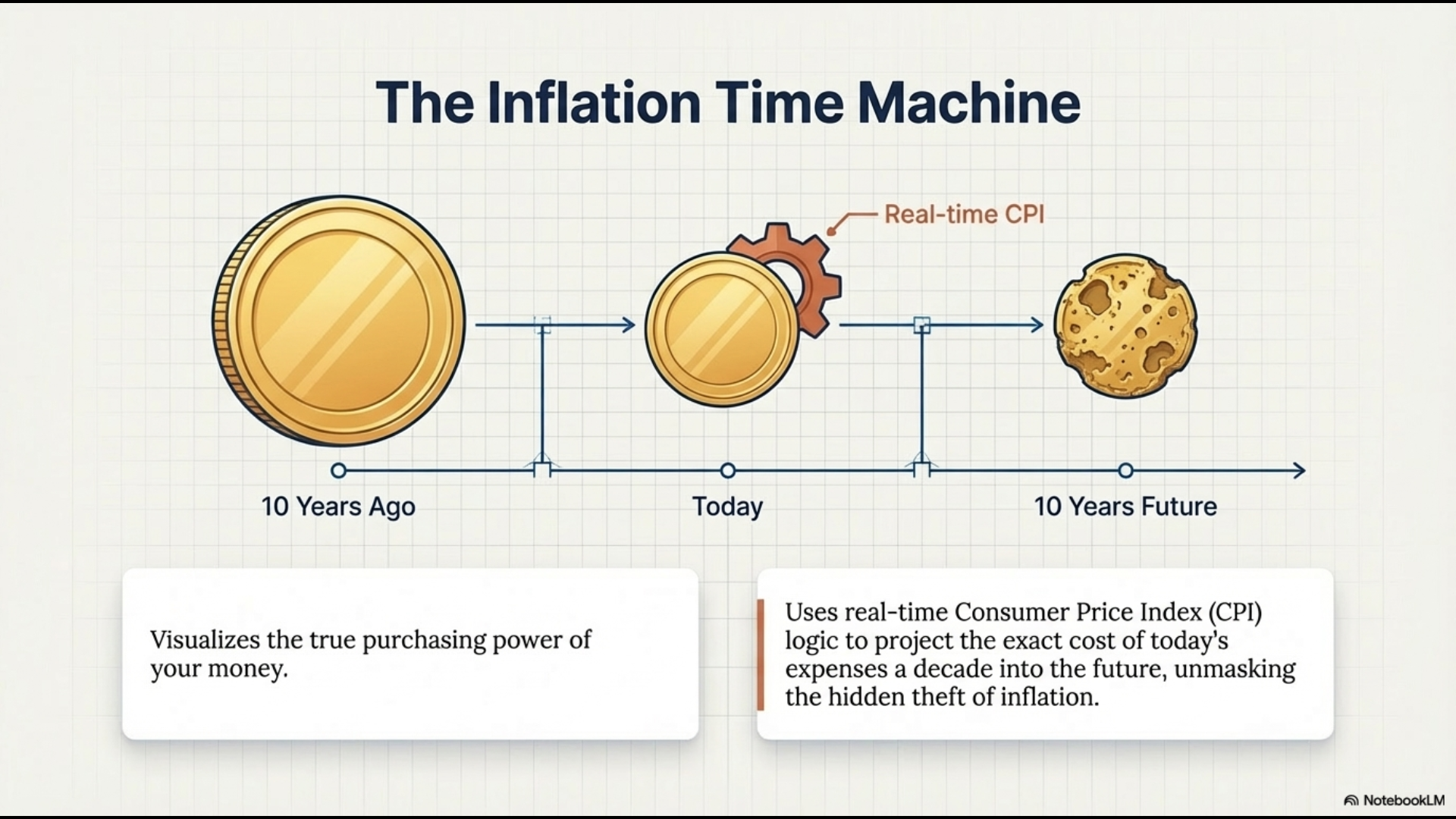
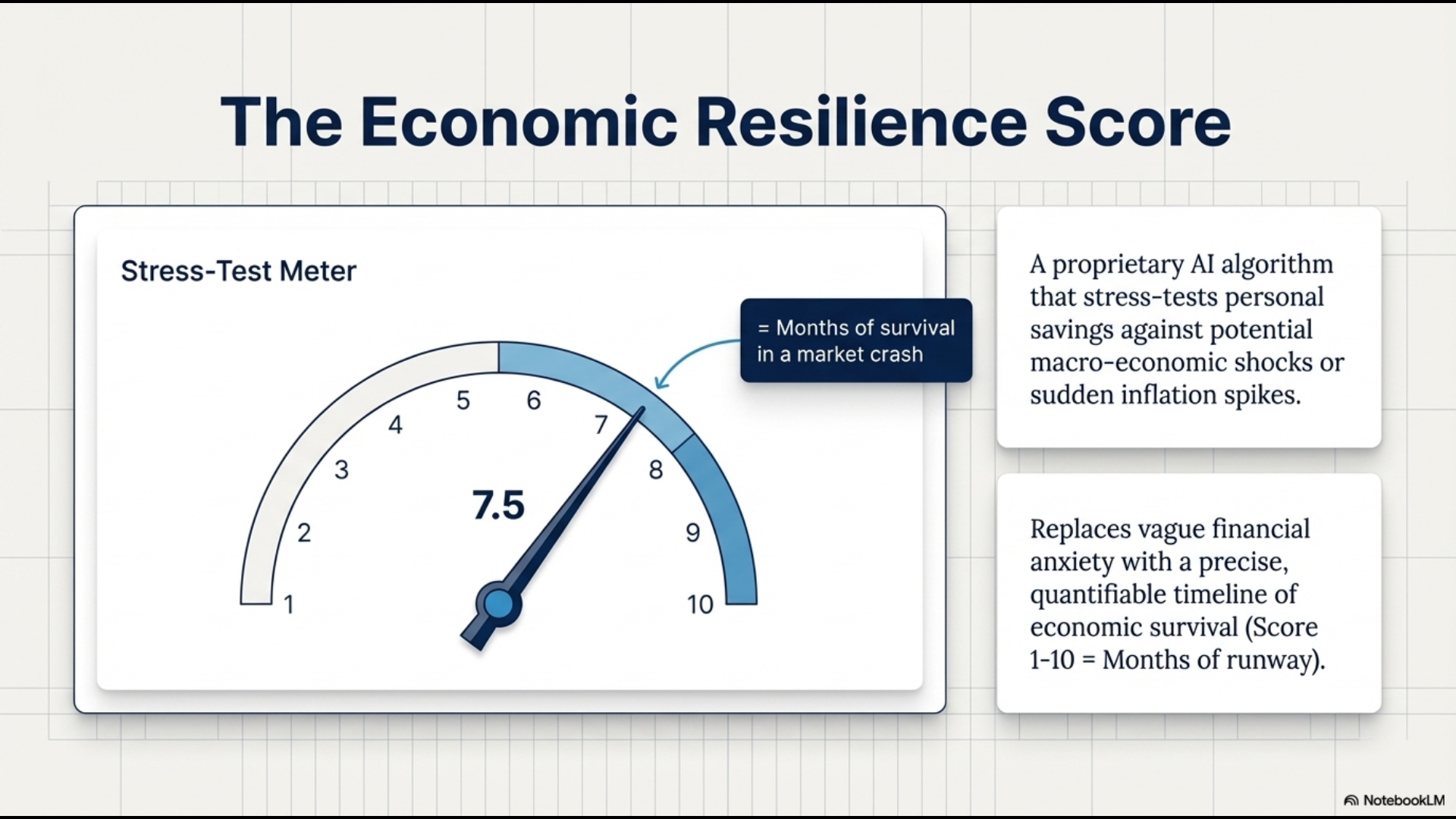
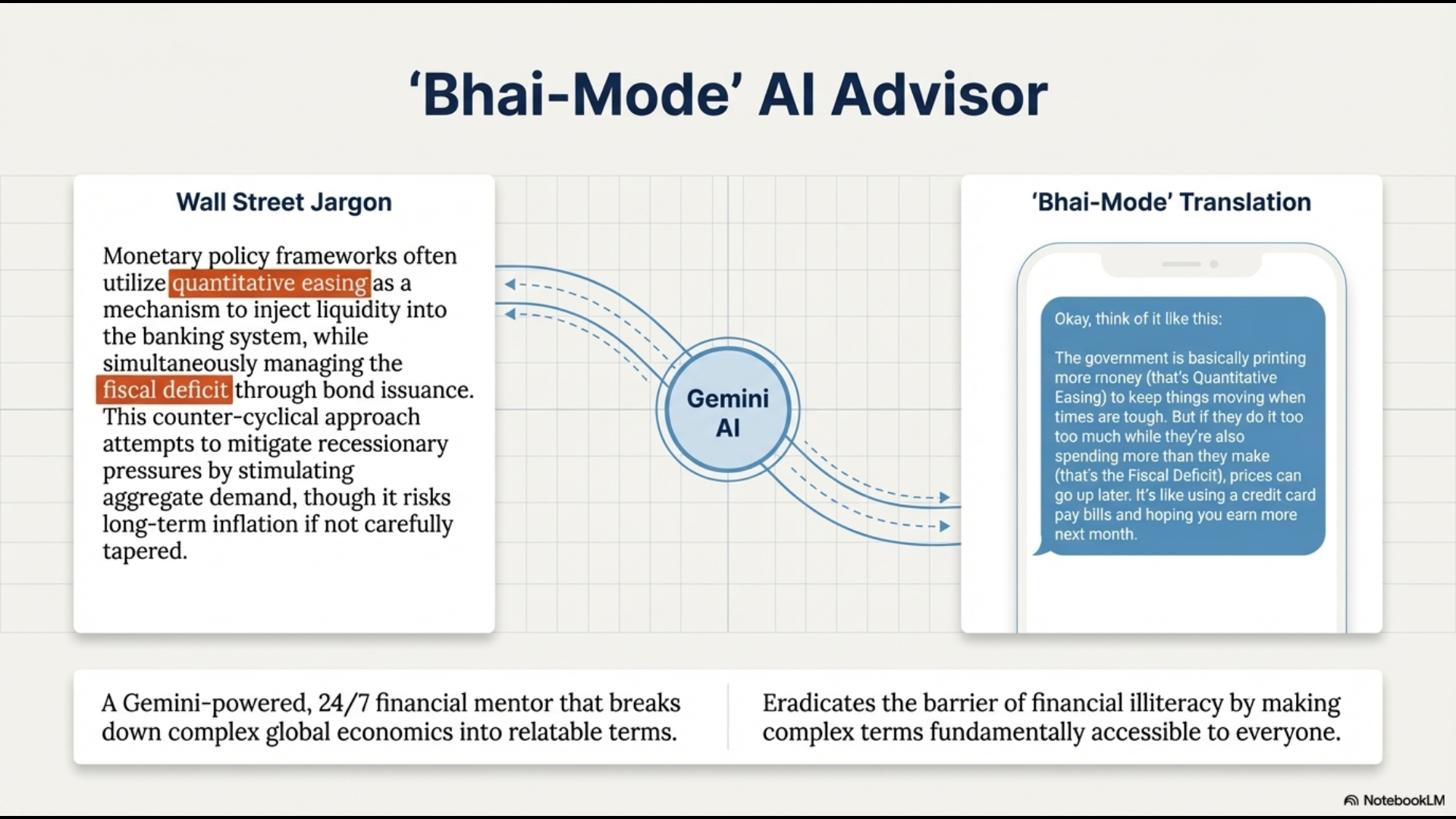
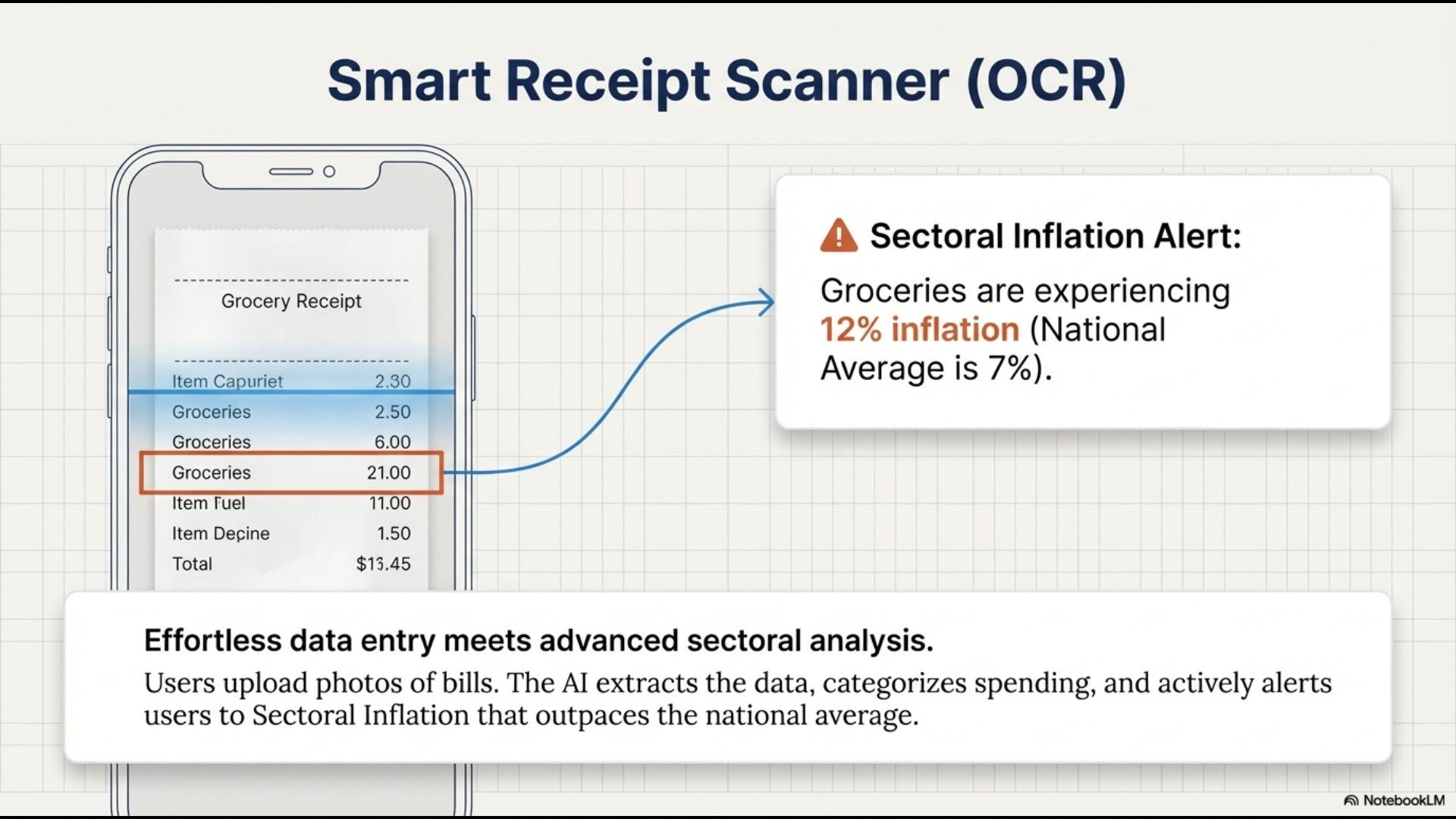
Inflation Time Machine: It calculates what a user’s current expense would have cost 10 years ago and projects its cost in 2036, illustrating the erosion of wealth. Economic Stress Test: It simulates how a user’s savings would hold up against a sudden 2% inflation spike or a market crash, providing a "Resilience Score." AI Economic Mentor: Using a custom-tuned Gemini engine, it explains complex terms like "CPI" or "Fiscal Deficit" in simple, conversational English. Contextual Insights: It connects a user's specific purchase (e.g., electronics) to real-world economic factors like import tariffs or chip shortages.
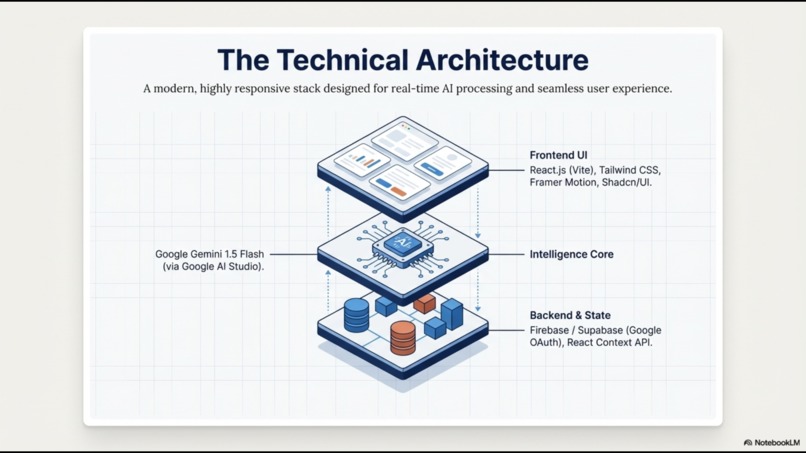
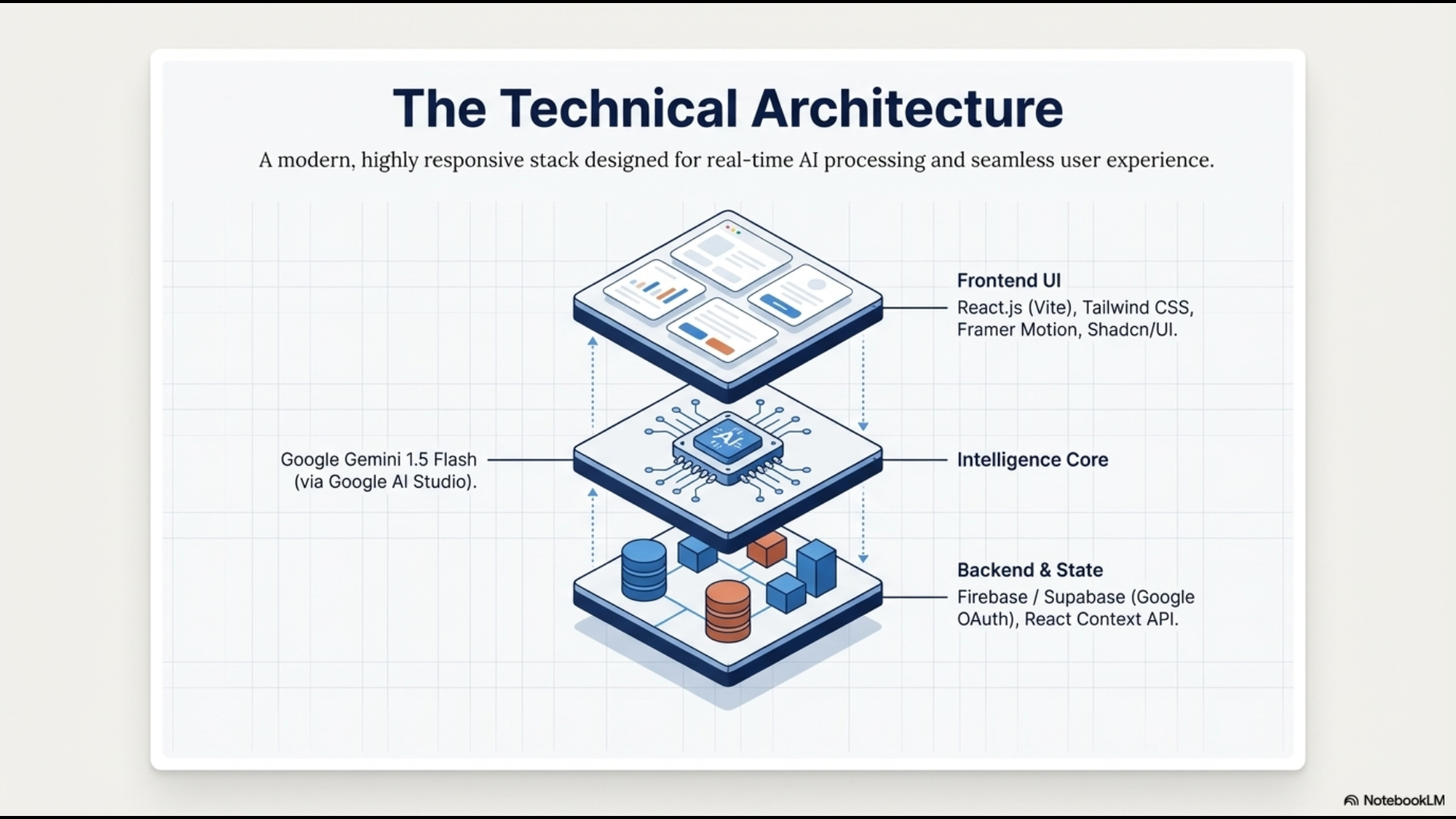
How we built it We built the application using a modern, high-performance tech stack.
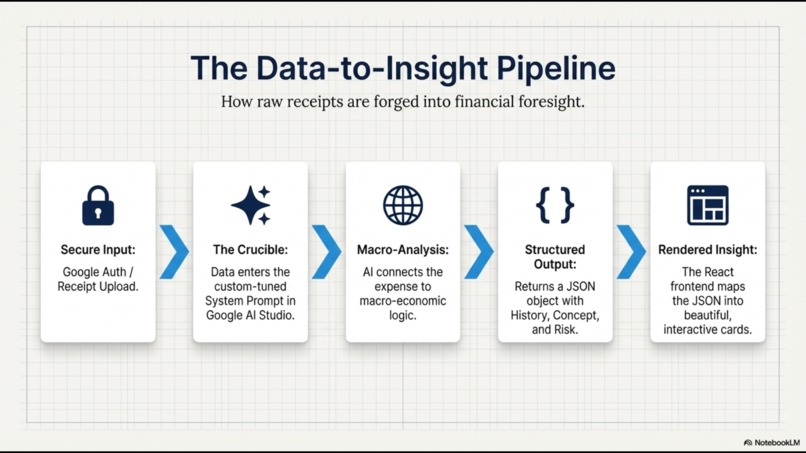
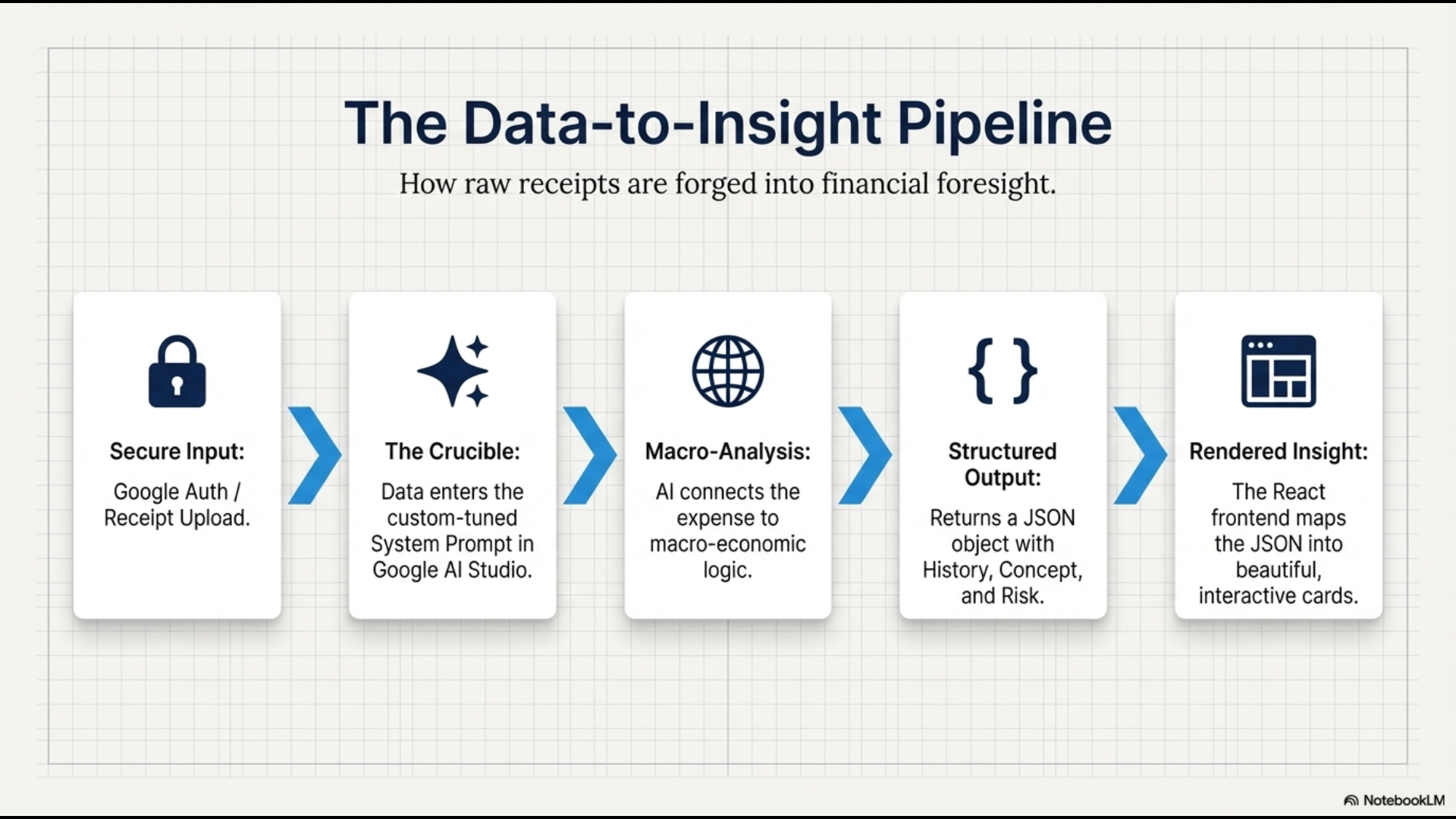
Frontend: React.js with Vite for lightning-fast speeds and Tailwind CSS for a professional, responsive dark-themed UI. Intelligence: Google Gemini 1.5 Flash (via Google AI Studio) serves as the "brain," processing natural language inputs and returning structured JSON data. Backend & Auth: Firebase was integrated for secure Google OAuth 2.0 authentication and real-time data storage. Animations: Framer Motion was used to make the "Time Machine" and "Stress Test" visualizations feel immersive and high-end.
Challenges we ran into The biggest technical hurdle for us was Prompt Engineering. Ensuring the AI consistently returned perfectly formatted JSON was critical; otherwise, the React frontend would crash. We had to implement strict system instructions and error-handling logic to manage the AI's output. Another challenge was simulating realistic historical and future economic data without relying on expensive, heavy financial APIs, which we solved by creating a mathematical model within the AI’s system prompt.
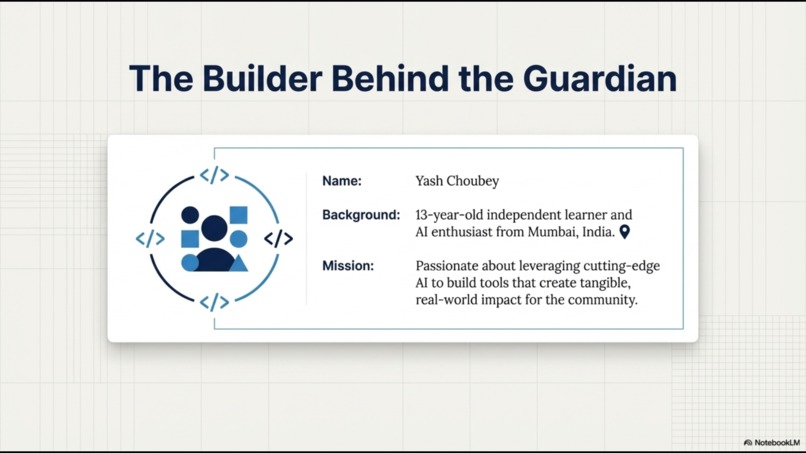
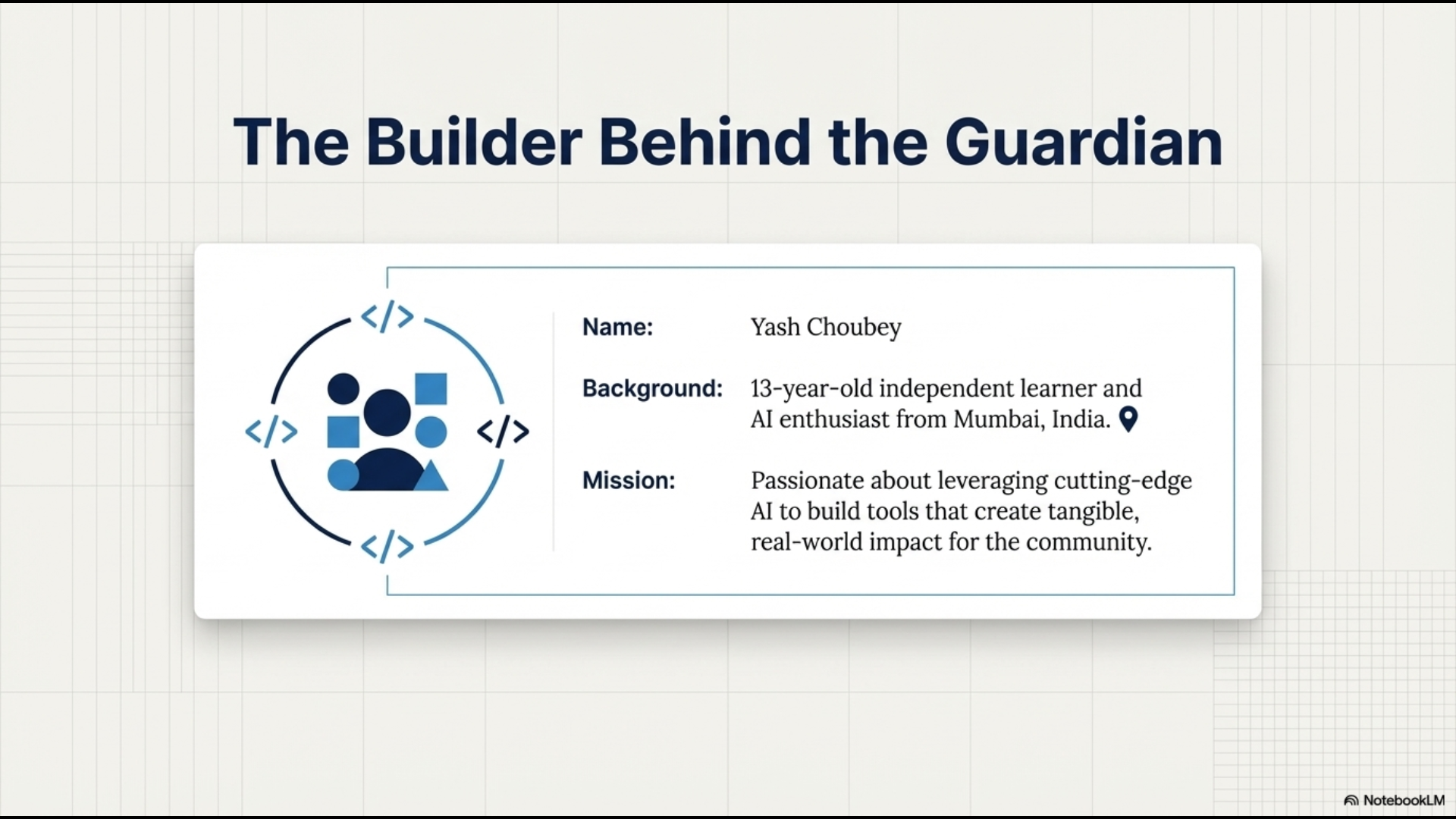
Accomplishments that we're proud of As teenagers, we are incredibly proud of building a functional full-stack AI application as a two-person team. We moved beyond basic chatbots to create a tool that performs complex financial analysis and risk assessment. Designing a dashboard that looks like a professional FinTech startup product—clean, intuitive, and data-driven—was a major milestone for us as independent learners.
What we learned This project taught us the true power of Generative AI as an educational tool, not just a text generator. We had to deep-dive into macro-economic concepts to "teach" the AI correctly. Technically, we mastered API integration, JSON parsing in React, and the importance of state management when dealing with real-time AI responses.
What's next for Arth-AI: The Economic Guardian Our roadmap for Arth-AI includes a "Community Benchmark" feature, allowing users to compare their spending resilience against local averages. We also plan to integrate a "Predictive Investment Engine" that suggests inflation-beating assets (like index funds or gold) based on a user’s specific risk profile. Our goal is to make Arth-AI an essential tool for every student and young professional starting their financial journey
Built With
- api
- framer
- gemini
- javascript
- key
- motion
- react.js
- tailwindcss
- vite

Log in or sign up for Devpost to join the conversation.