-
-
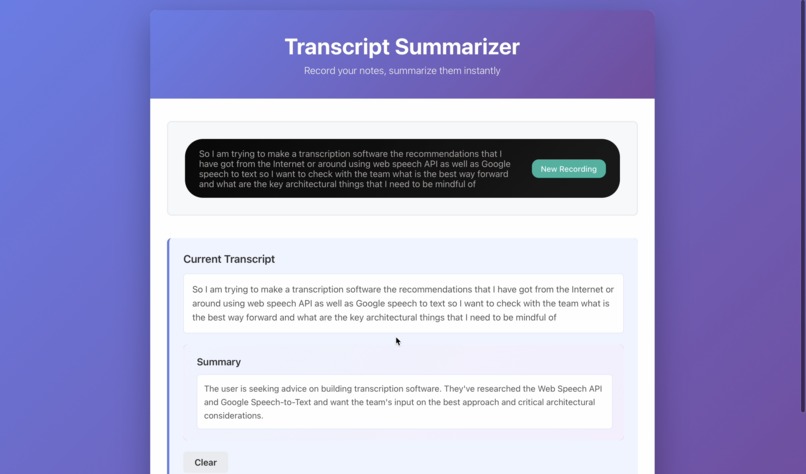
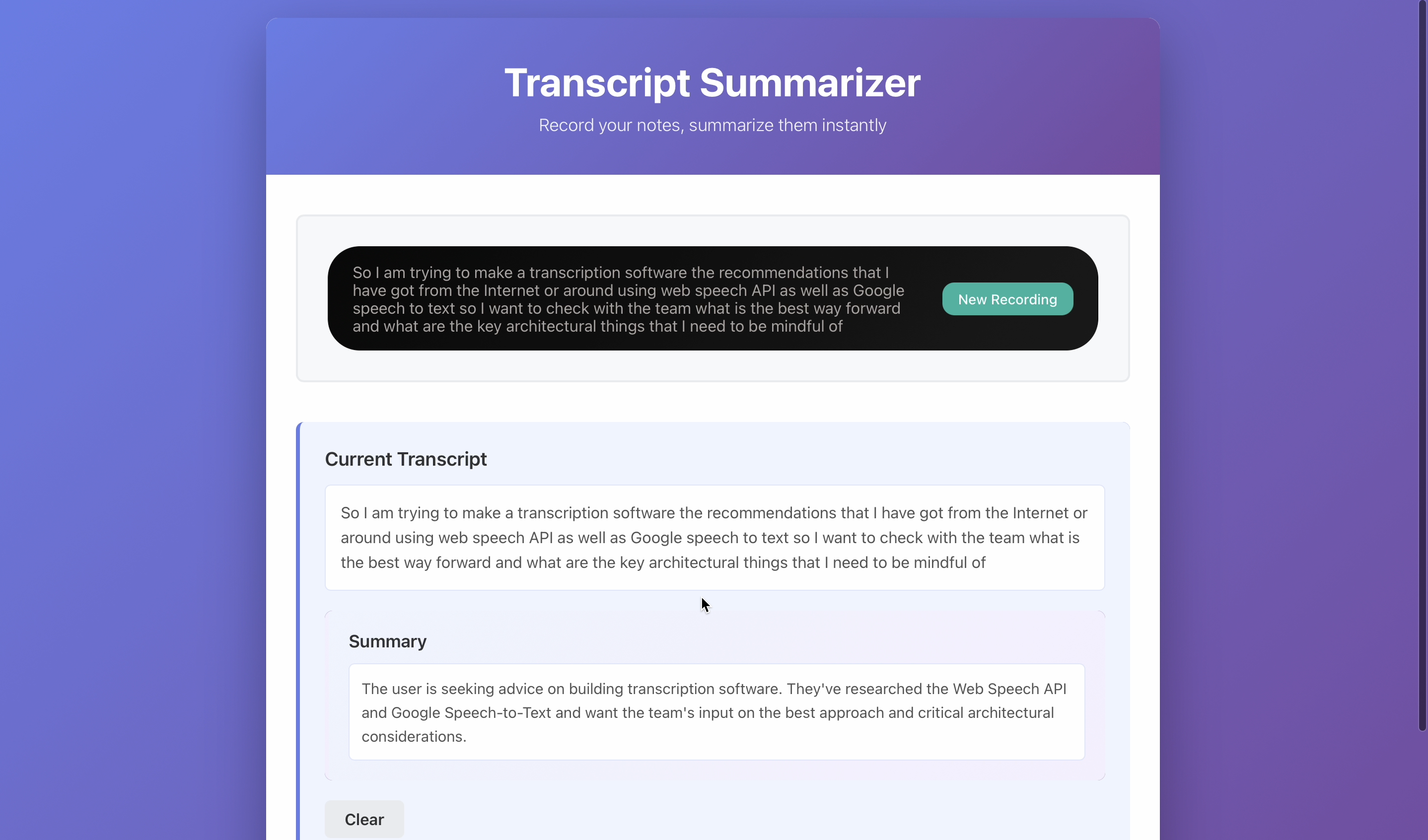
Transcripted speech to text -> to LLM Summarization
-
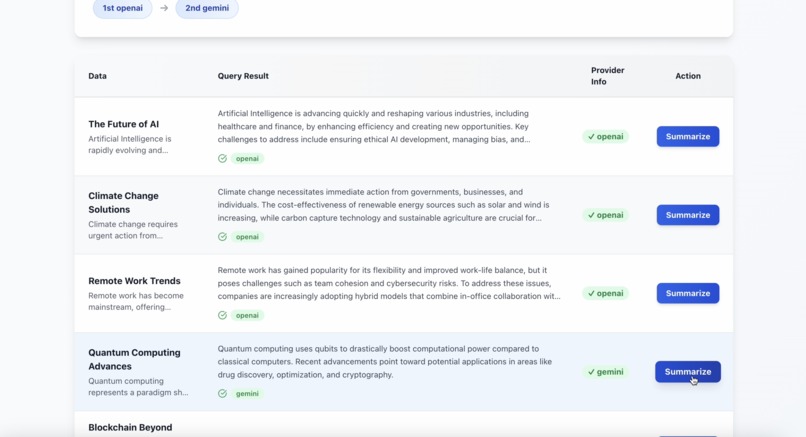
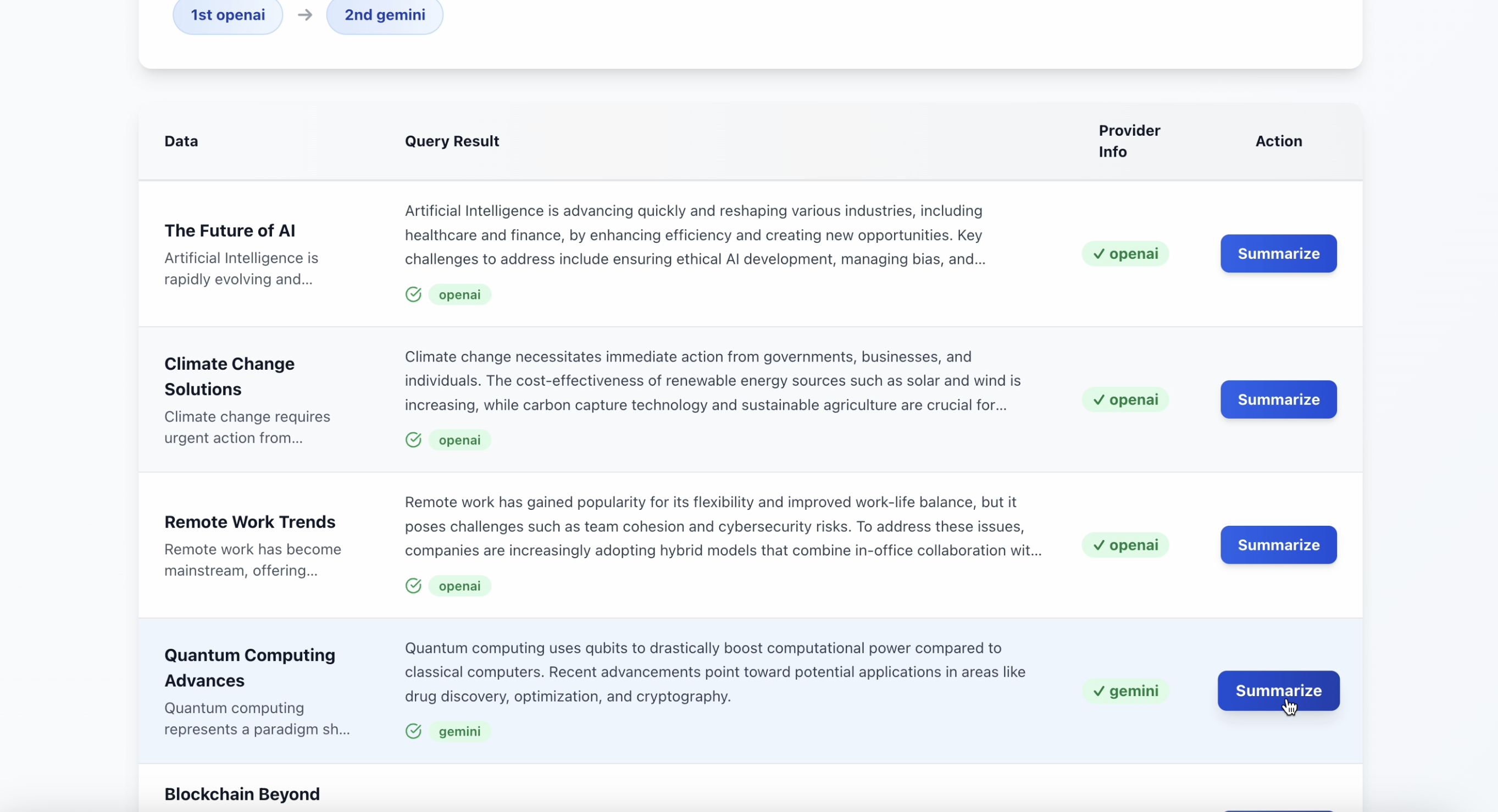
llm-abstraction-layer in action with fallback to other providers
The LLM Abstraction Layer: Building a Unified Bridge to Multiple LLM Providers
Inspiration
As a backend engineer diving into AI-assisted development for the first time with Kiro, I wanted to solve a real problem I'd encountered: the fragmentation of LLM provider APIs. Each provider (OpenAI, Anthropic, etc.) has different interfaces, authentication patterns, and response formats. The idea was to create a unified builder pattern that would abstract away these differences, letting developers switch between providers without rewriting their integration code. This was not only limited to basic completion responses but also having a unified way to handle errors which are very provider specific.
The Challenge
The biggest hurdle wasn't the architecture—it was the specifics of integrating with each provider's API. While Kiro's spec-driven approach gave me incredible clarity on design patterns and segregation strategies, the nuanced details of each provider's SDK required me to step outside Kiro and do some manual research and integration work. That was the one place where I had to break flow.
What I Built
A flexible abstraction layer using design patterns that allowed for clean segregation of provider-specific logic. The architecture was modular enough that adding a new provider didn't require touching existing code—just implementing a new adapter.
The Learning
This is where I first experimented with i18n (internationalization) in the codebase. Kiro's steering guidelines feature was instrumental here—I could define how strings should be managed and accessed across the system, and Kiro picked up on those patterns seamlessly. The vibe-coding mode worked exceptionally well for this component, and I was intentional about using Claude Haiku to keep costs down while maintaining quality.
Key Takeaway
The spec-driven approach in Kiro gave me a transparency and flexibility I hadn't experienced before. I could review design decisions at each step, adjust course easily, and execute with confidence. It was a stark contrast to my previous experience with other AI IDEs—the structured review-and-execute workflow just hit different.
Built With
- kiro
- openai
- typescript

Log in or sign up for Devpost to join the conversation.