-
-
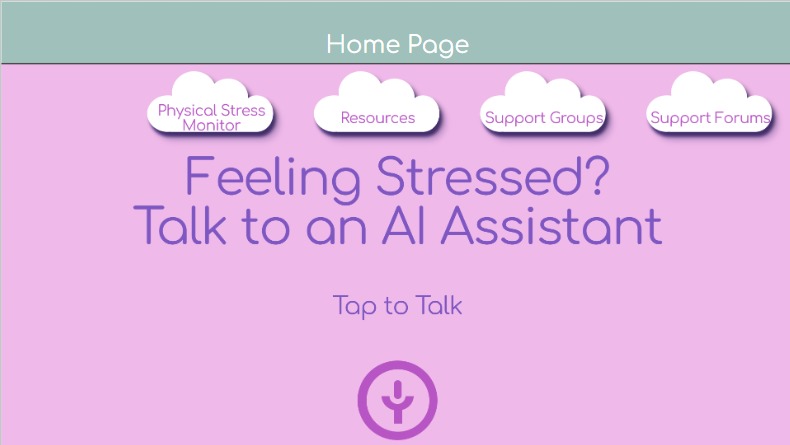
Home Page
-
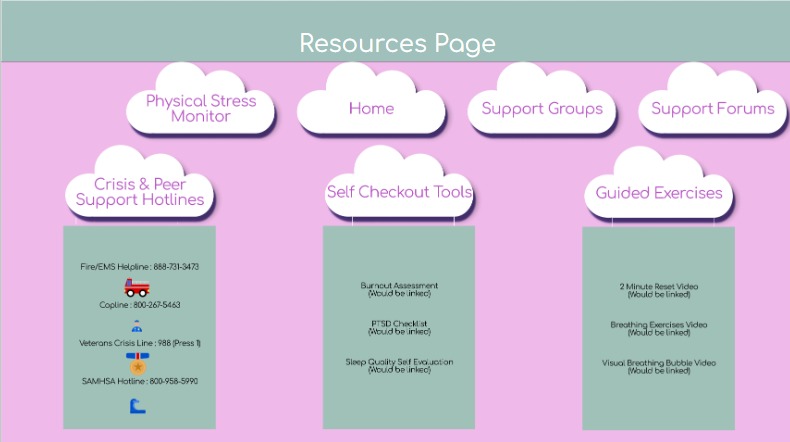
Resources Page
-
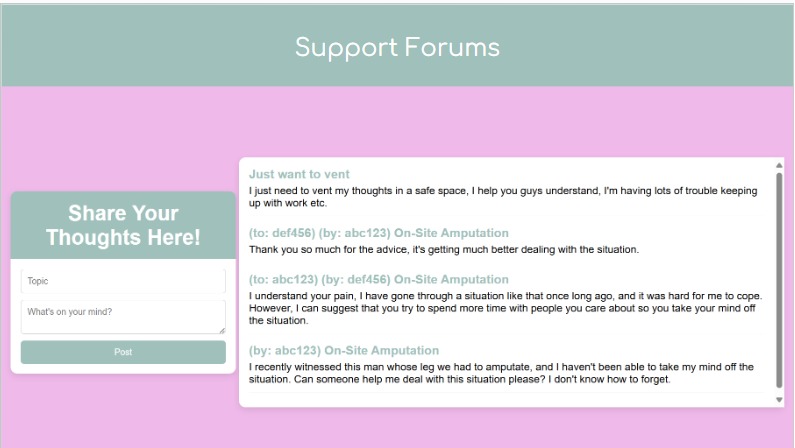
Discussion Forums
-
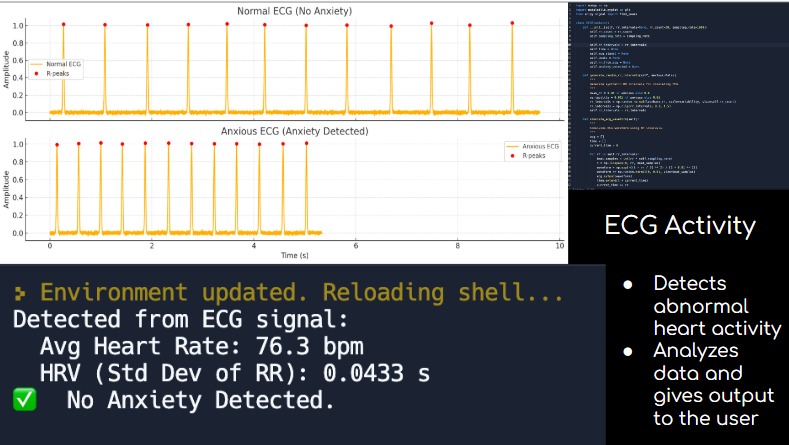
ECG monitoring/anxiety detection
-
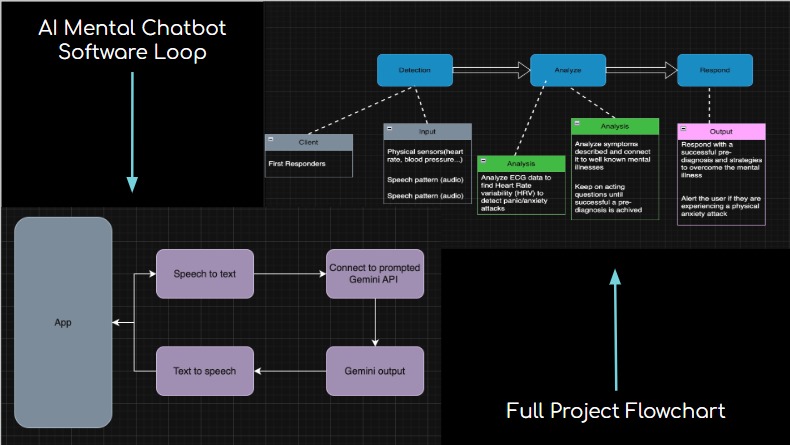
Project Flowchart
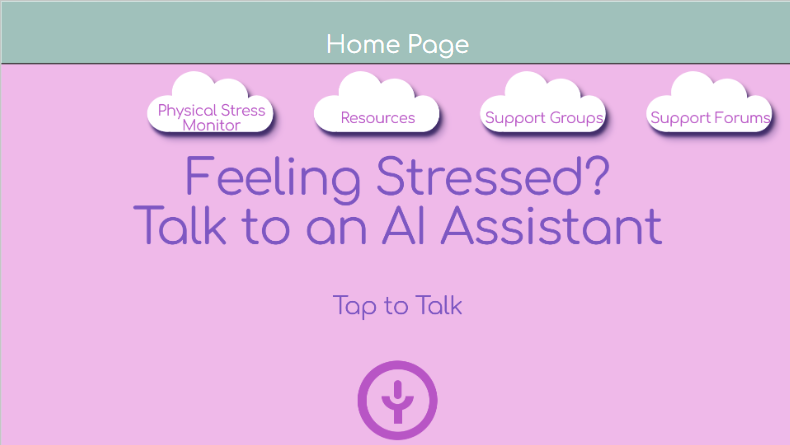
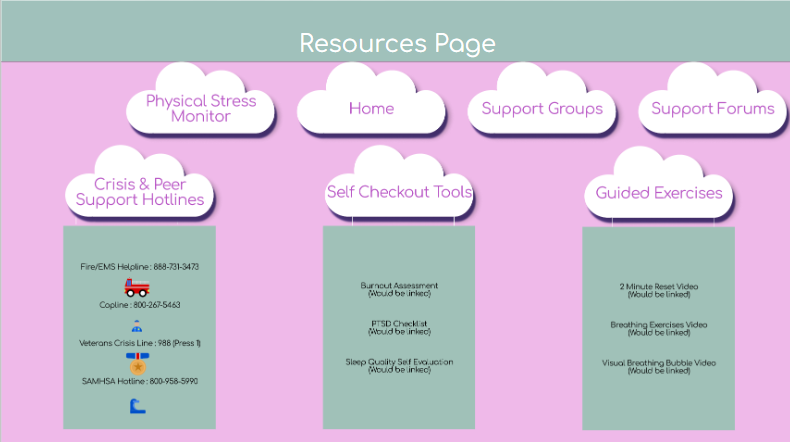
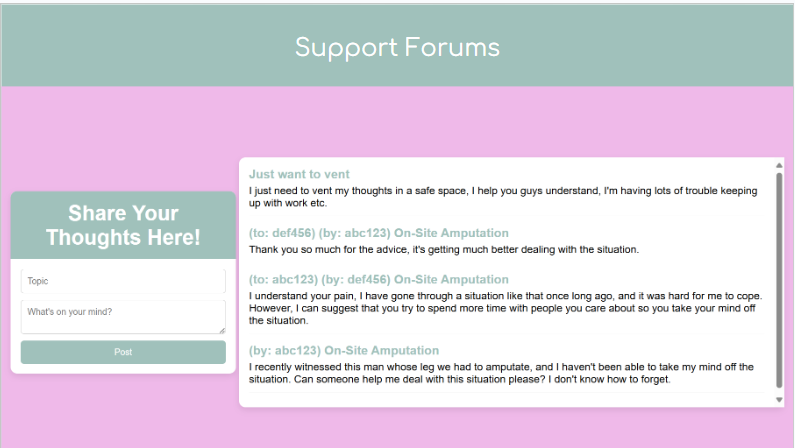
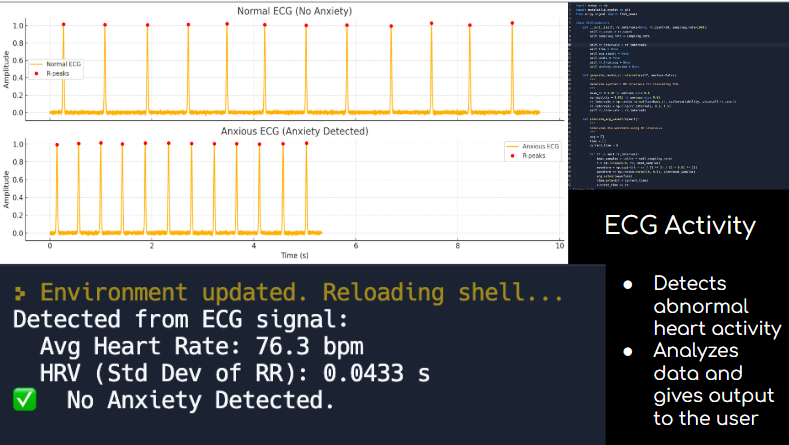

We were inspired to create this project after researching and getting to know about the struggles that many medical professionals and EMT specialists face while on the job. According to the Mental Health Services Administration, first responders experience behavioral health conditions like depression and PTSD at significantly higher rates—30% compared to 20% in the general population. Despite these alarming statistics, many first responders are hesitant to seek help due to the stigma surrounding mental health in high-pressure, service-oriented fields. To address this, we designed our platform to include an AI interface that allows users to interact without fear of human judgment, along with an anonymous community where first responders can connect with others facing similar struggles. Our website strives to address mental health issues by working on giving mental health support in multiple different ways. Our main feature is an AI Chatbot specifically trained and conditioned to talk with the user using speech and ask them how they feel to help diagnose them and provide suggestions for them (NOTE: this is NOT an official diagnosis; this is what the AI concludes from the input). In addition, we have an ECG monitor that tracks heart rate, and when the overall frequency of heart rate goes up, the website lets the user know that anxiety may be detected, and the user needs to calm down. We also have an anonymous discussion forum that people can use if they prefer social support, so people can get advice from other EMTs or medical professionals. We built the discussion forum using HTML, CSS, and JS, as well as the rest of the user interface (including the home screen and other screens). We used Python for the backend, the chatbot, and the ECG monitor. Some challenges that we ran into were things such as formatting the front end in terms of navigating all of the pages, creating and manipulating the discussion forum, integrating the front and back end, optimizing latency, as well as working on the accuracy of the response the AI gave off the prompt. Some accomplishments that we are proud of are being able to build a pipeline for an audio chatbot to pre-diagnose somebody, being able to learn and implement graphic design using Figma, being able to simulate ECG data and get conclusive results from already existing technology (such as smartwatches), and for the beginner programmers, being able to learn how to format using HTML and CSS to build the front end. One of our biggest challenges—and most valuable learning experiences—came when Anika Agarwal taught us how to use Git and terminal commands to push our code to GitHub. We also learned how to integrate the front end and back end of our project using a MongoDB database to store user information. At the pitch workshop, we gained insights into how to effectively communicate our ideas by focusing first on the problem statement before diving into technical details. Additionally, the AI workshop exposed us to the real-world process of fine-tuning models and deploying them in practical applications. The next step for Responder Relief is to integrate the frontend with the backend to create a fully functional and interactive experience. We'll focus on optimizing the backend to improve response speed, ensuring users receive timely support. Additionally, we plan to fine-tune our AI using a specialized mental health dataset to provide more empathetic, accurate, and supportive responses. Ultimately, these improvements will help us better support frontline responders and bring greater awareness to the importance of mental health.
Built With
- css
- elevenlab-api
- figma
- google-gemini-api
- html
- javascript
- python


Log in or sign up for Devpost to join the conversation.