-
-
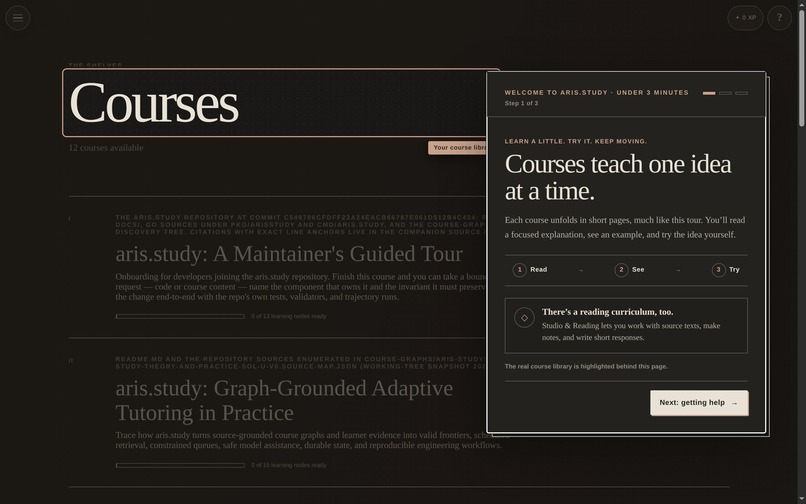
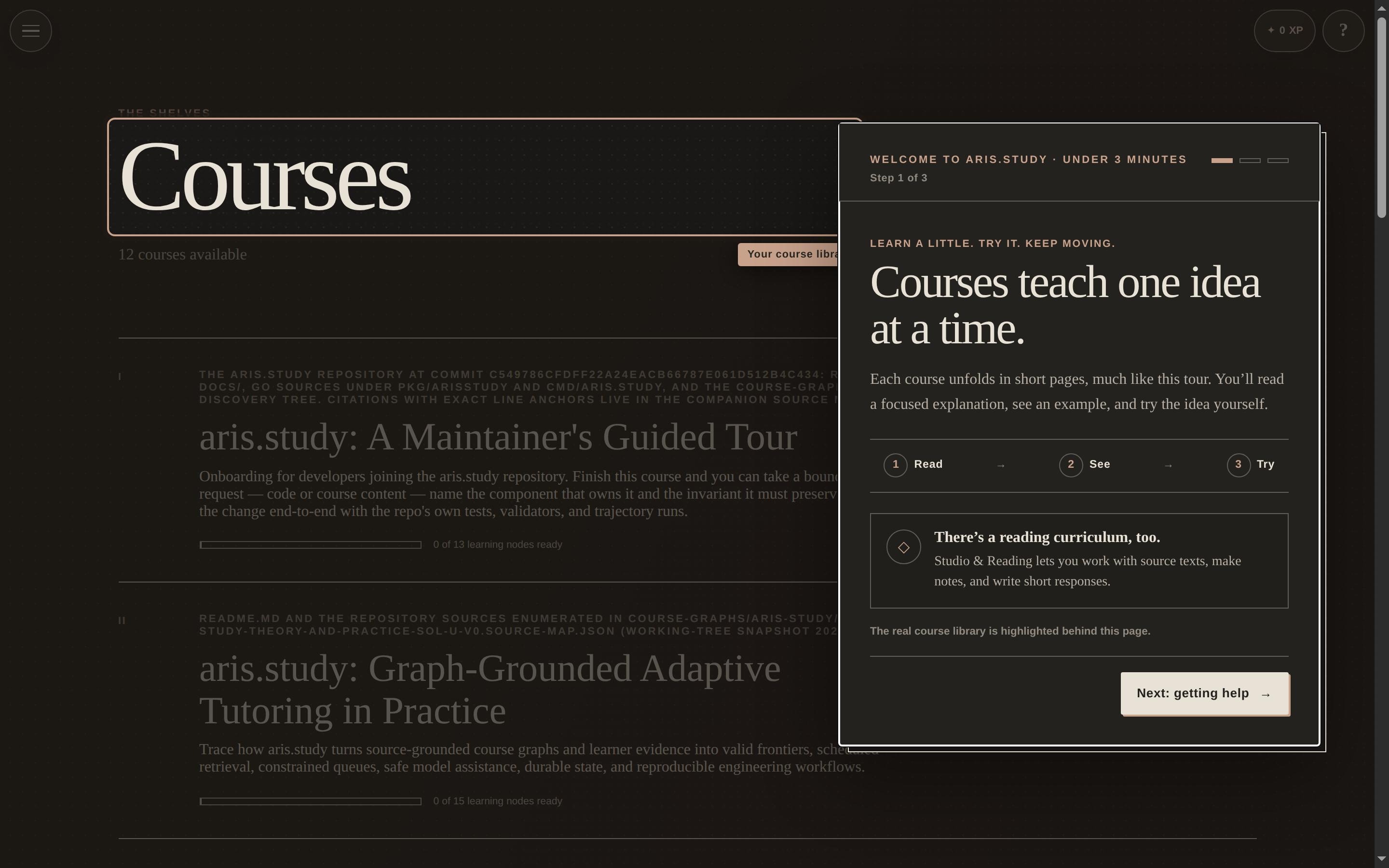
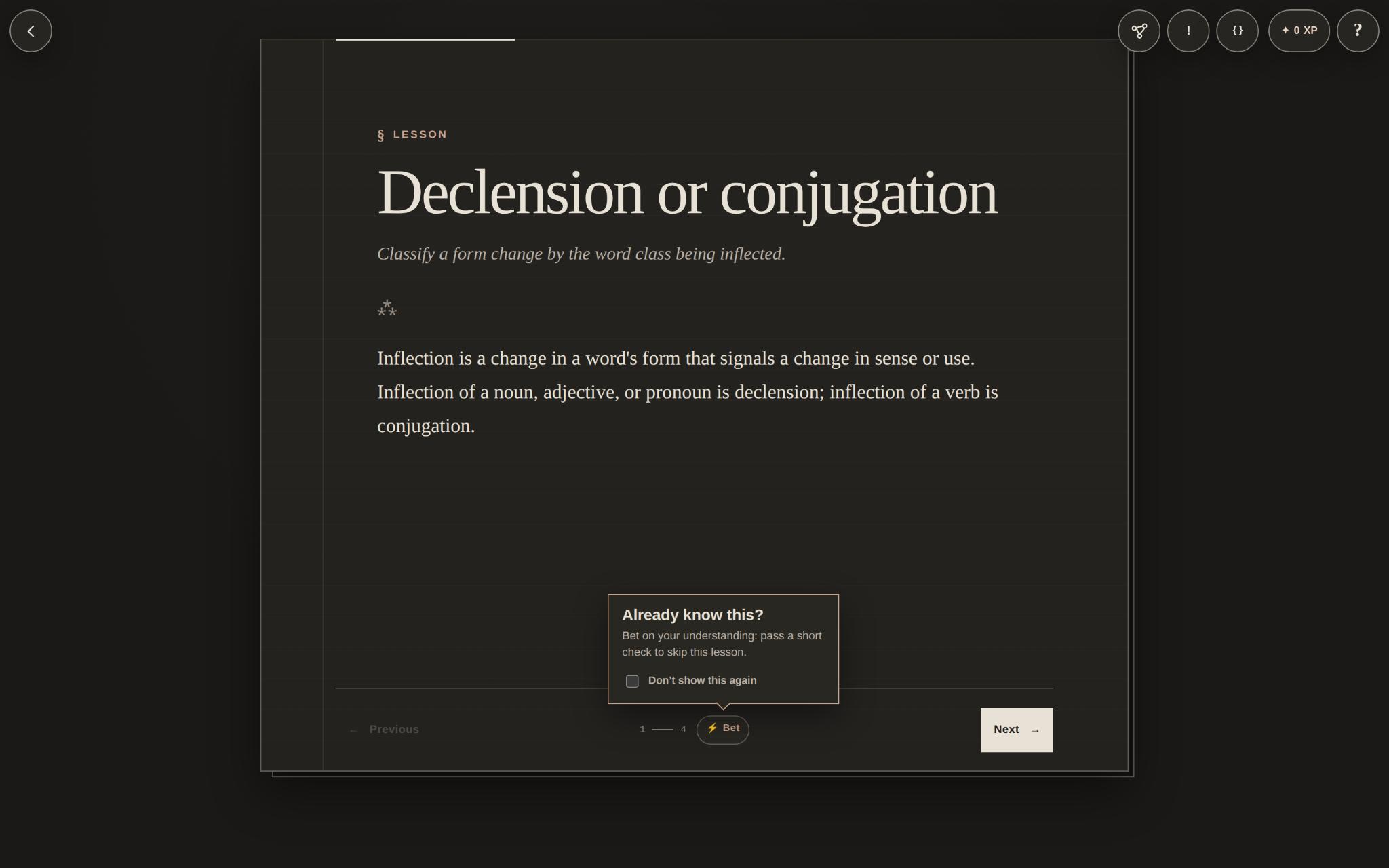
Courses divide content into bite-sized chunks: exposition, examples, worked problems
-
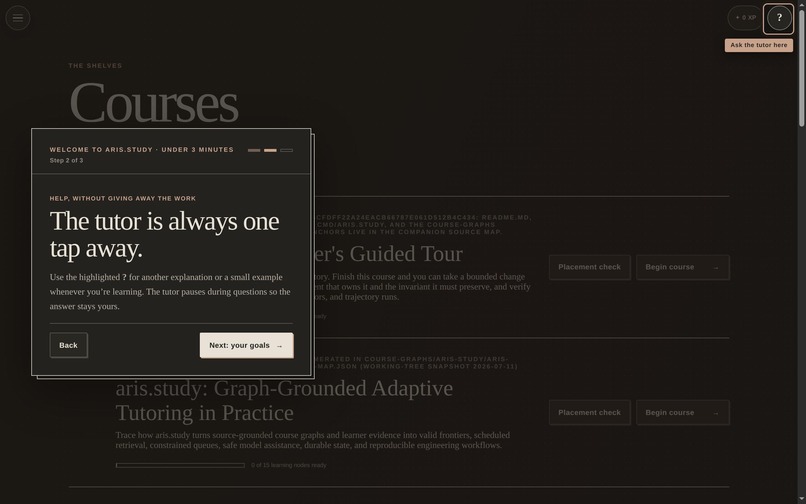
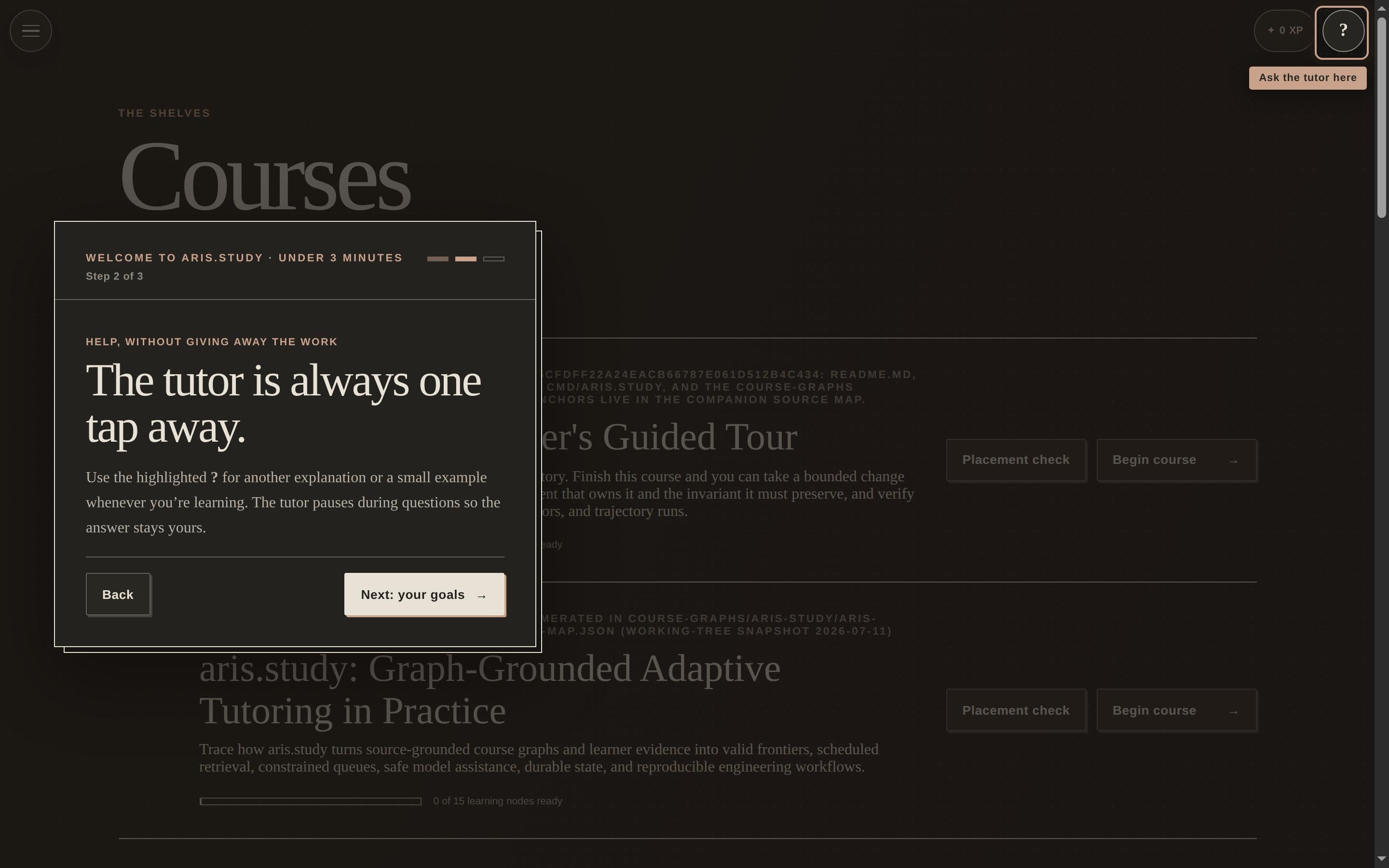
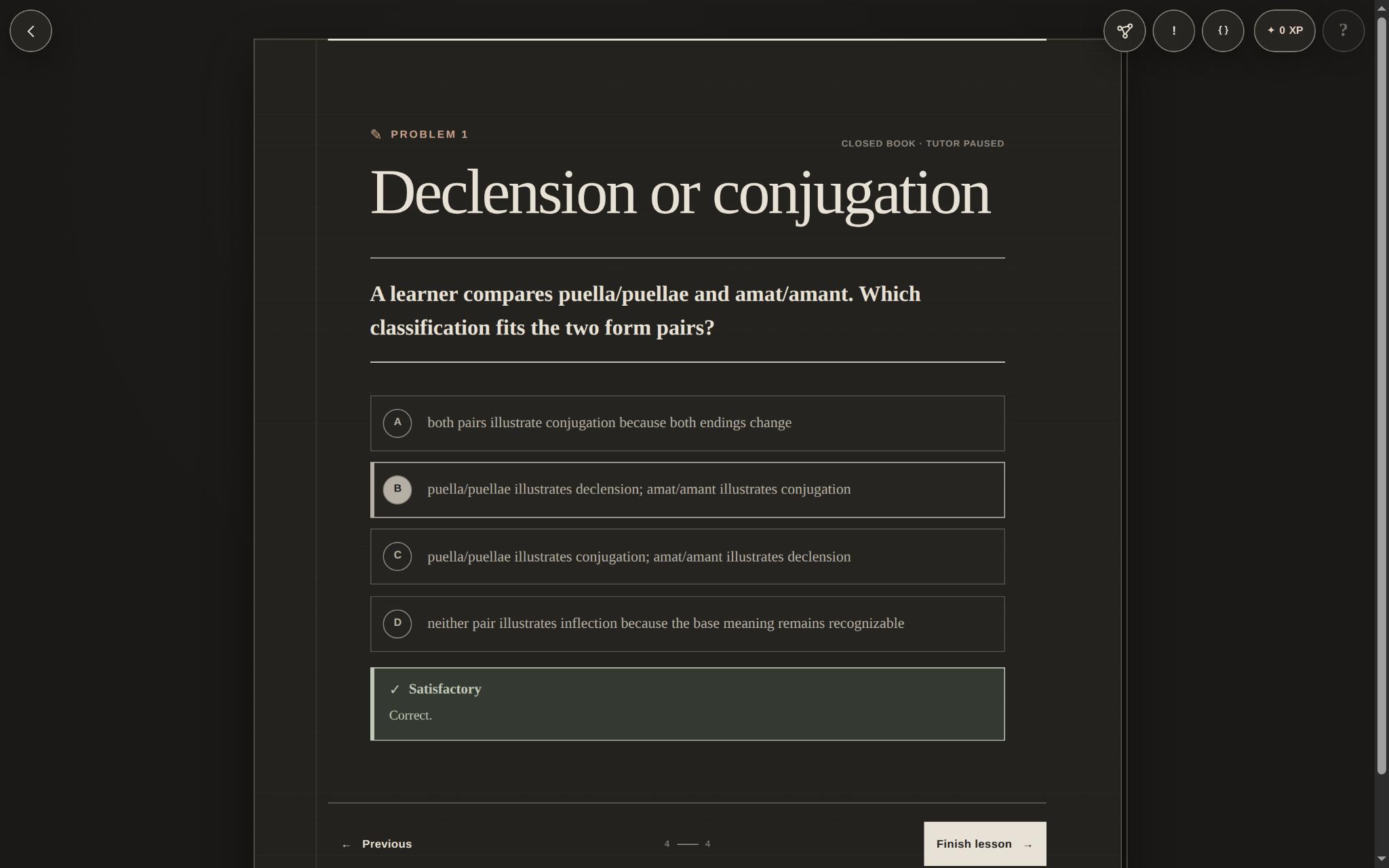
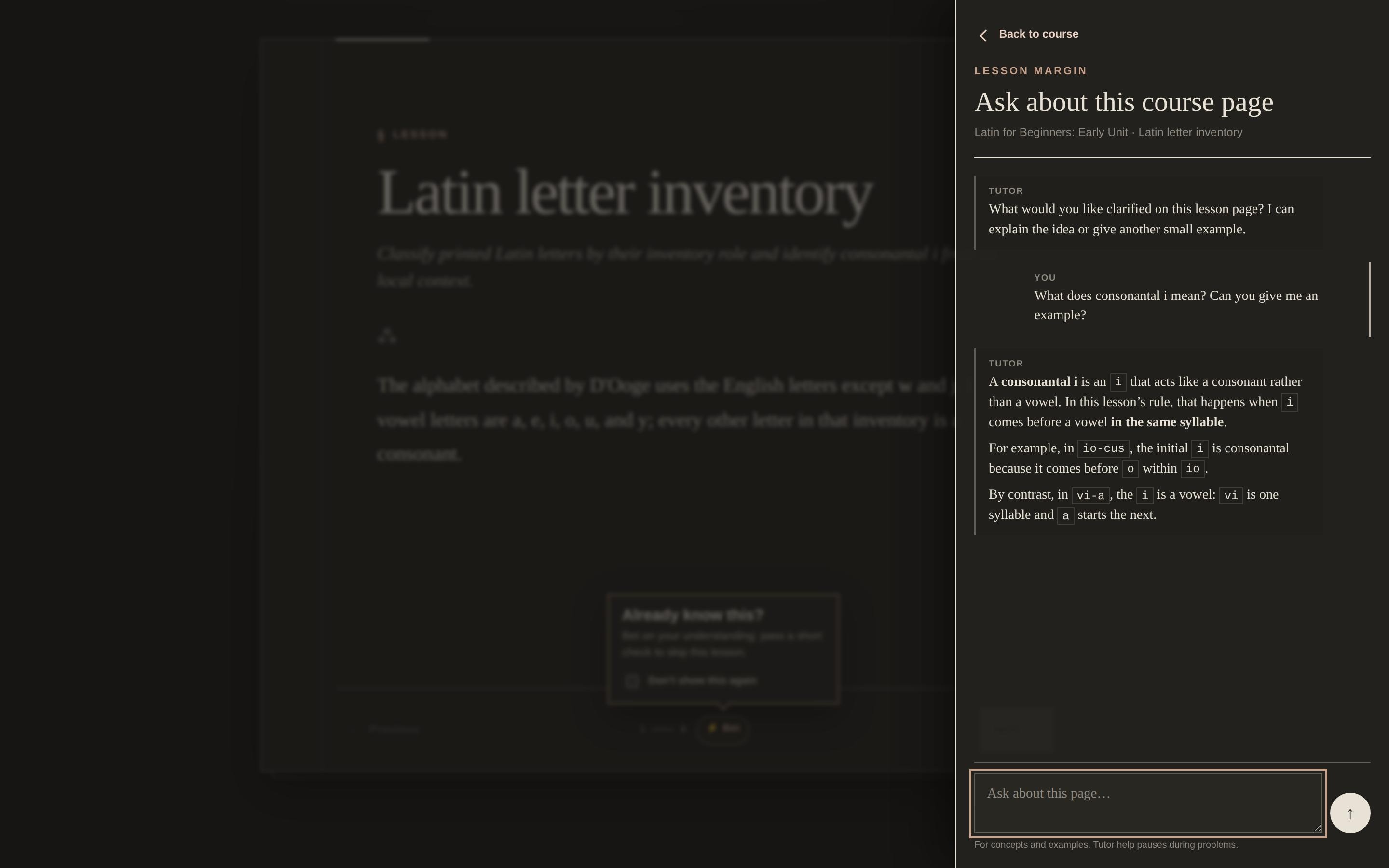
A tutor is always easily accessible...except during worked problems!
-
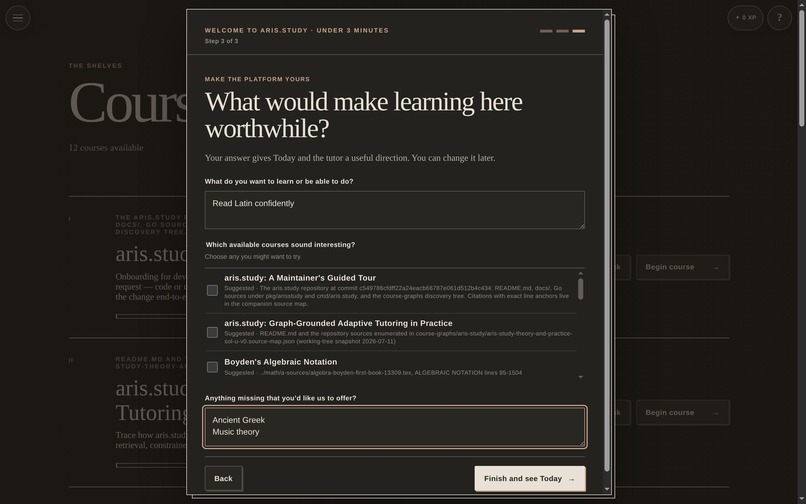
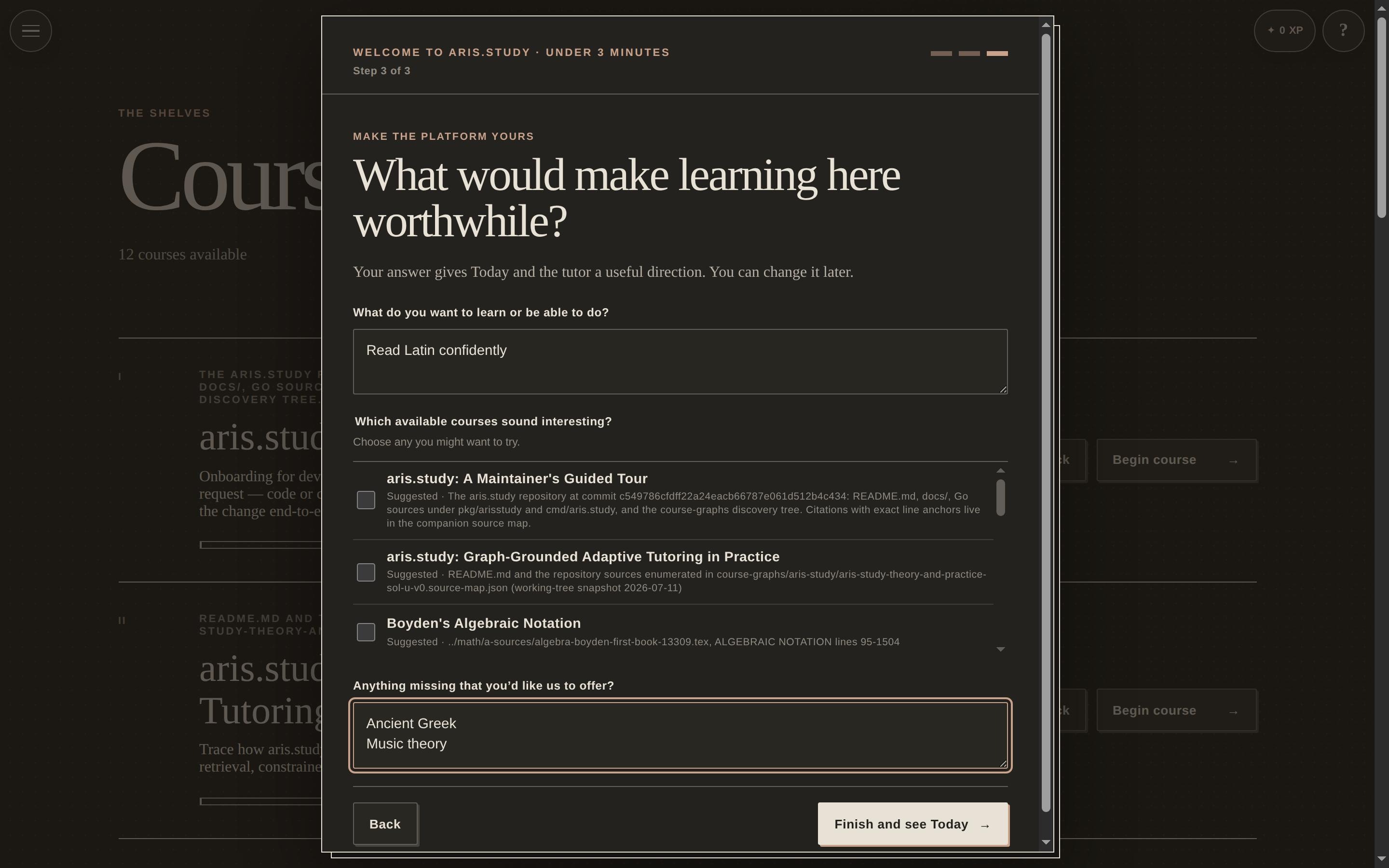
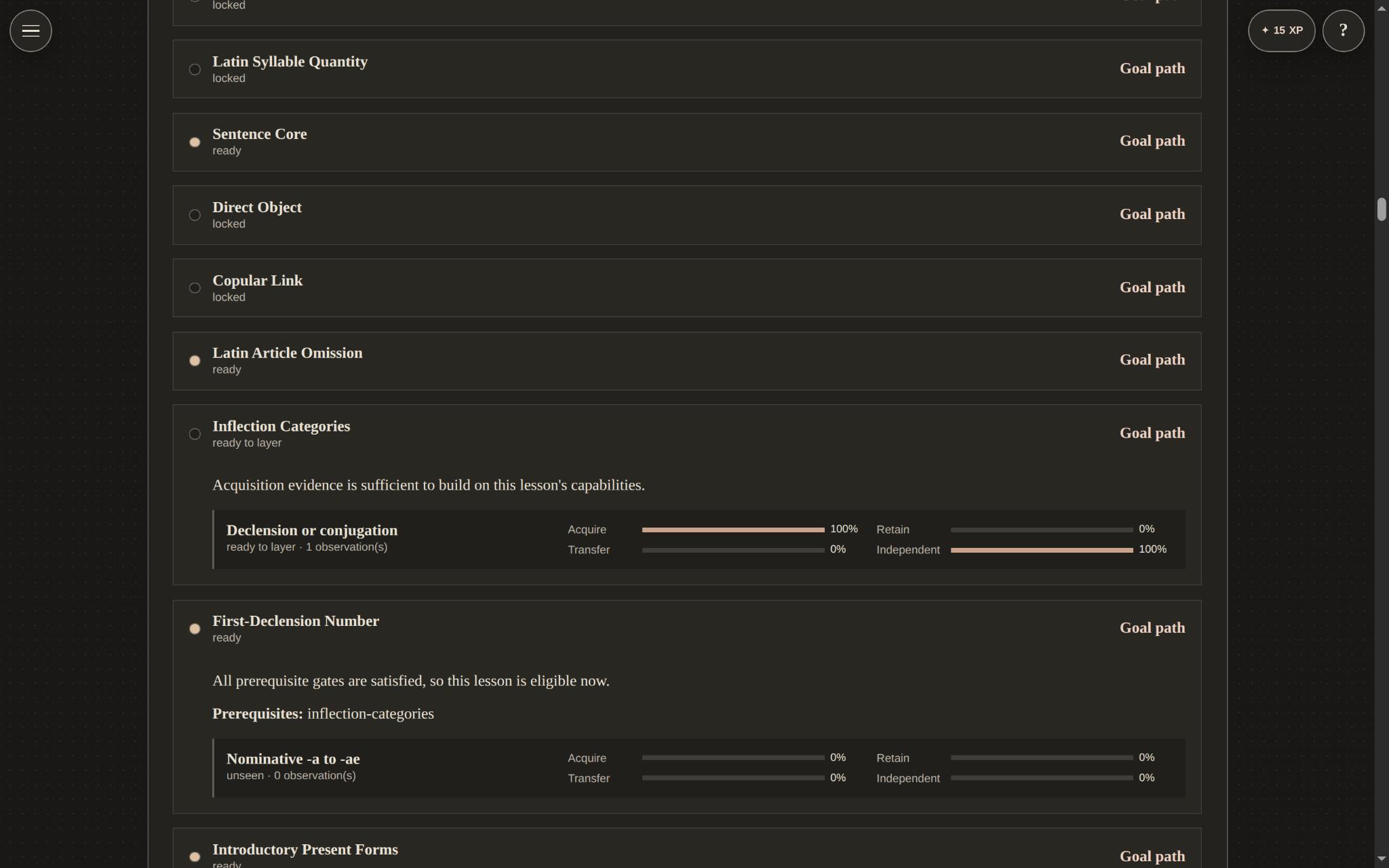
Set goals and select from a variety of courses
-
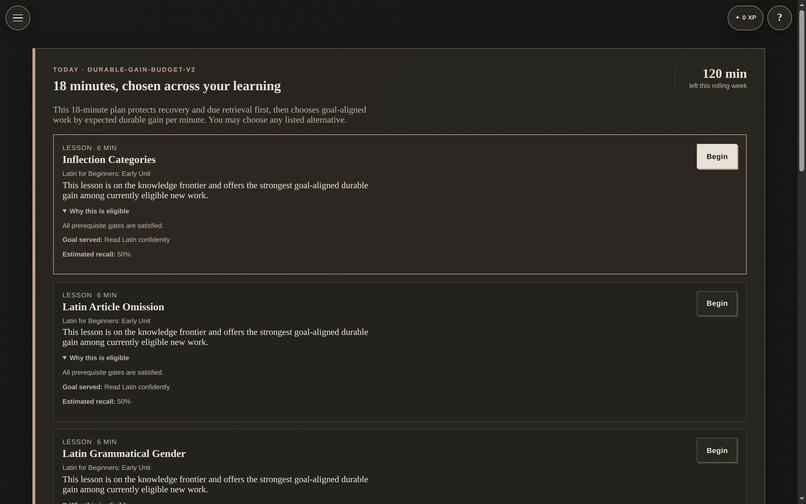
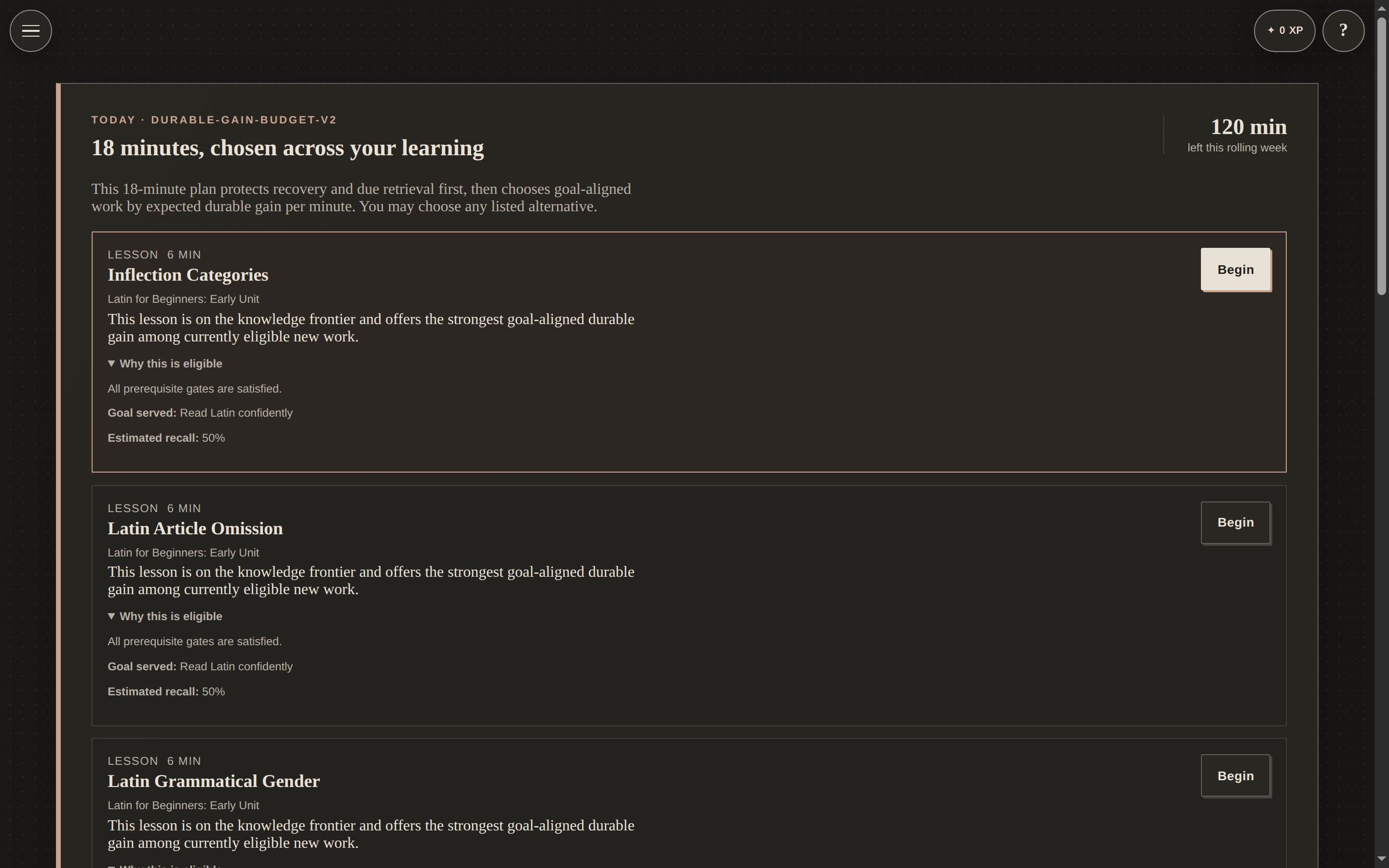
aris.study uses learning science to propose an optimal path for learners through a course, while still allowing choice
-
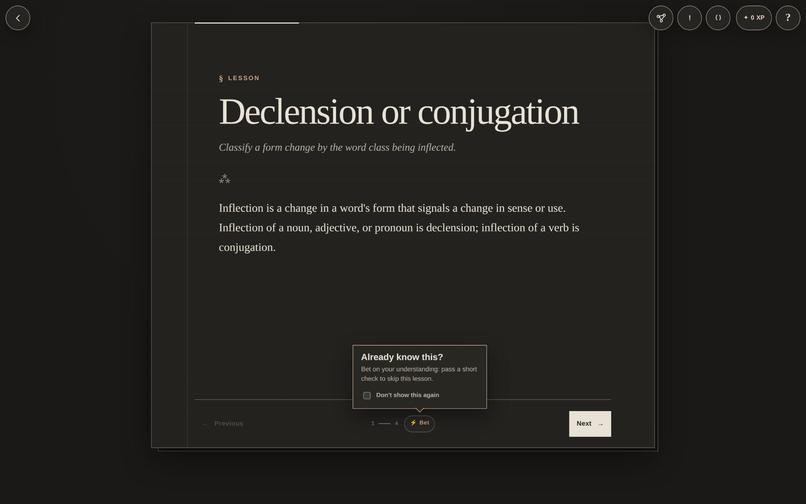
An example of exposition
-
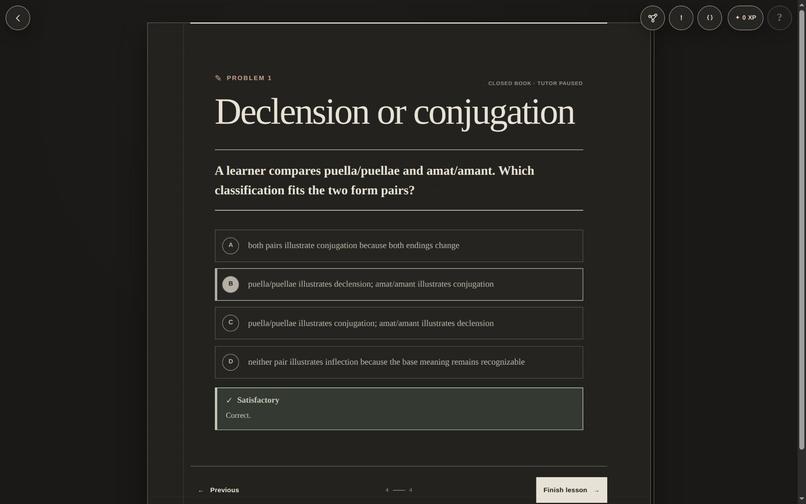
Problems are multiple choice or free-response
-
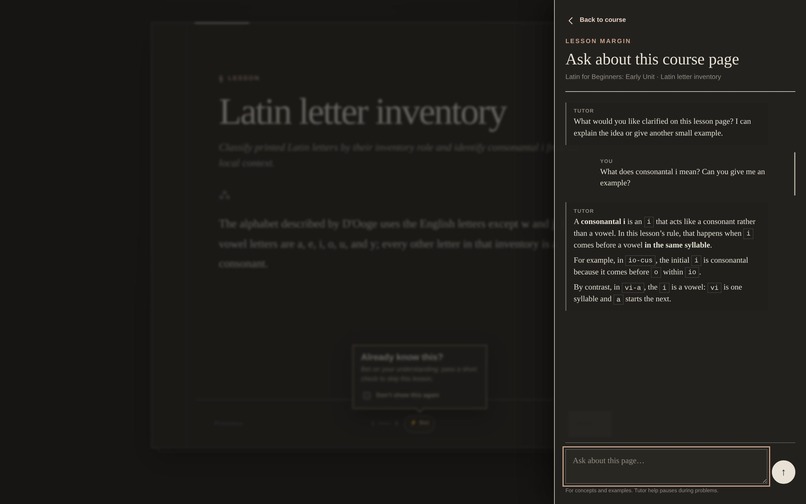
The tutor has context and so can help you (without hallucinating!) even with detailed questions
-
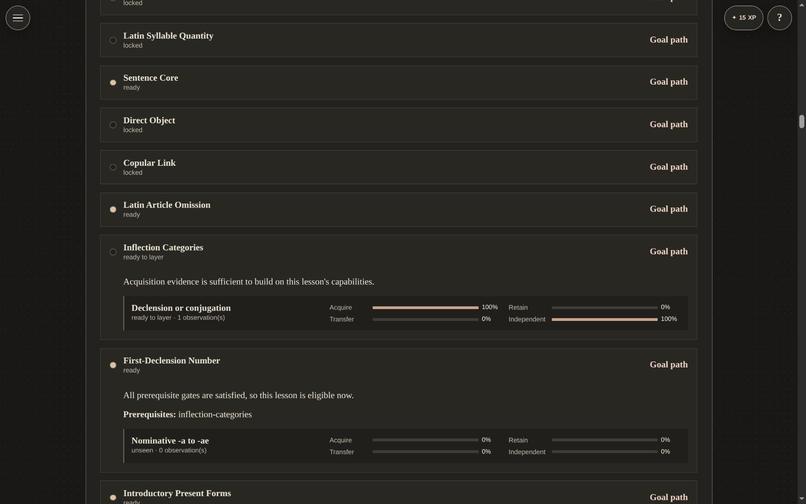
aris.study records not just what problems are solved, but how they are solved so that review can be optimally spaced for maximal retention
-
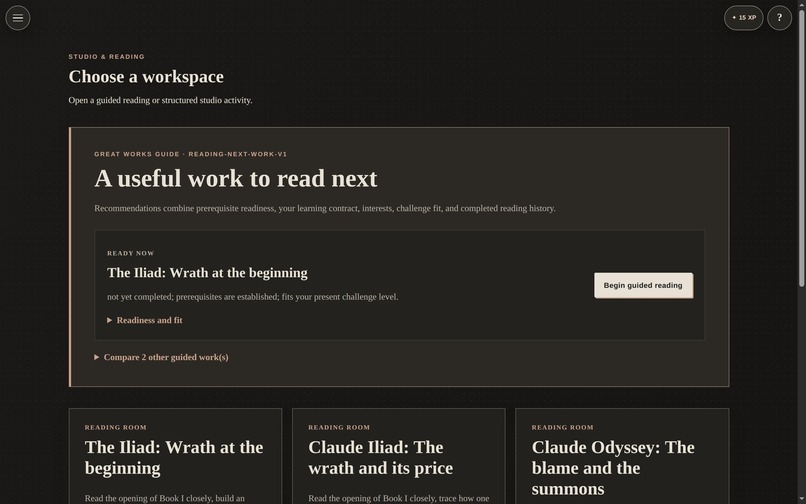
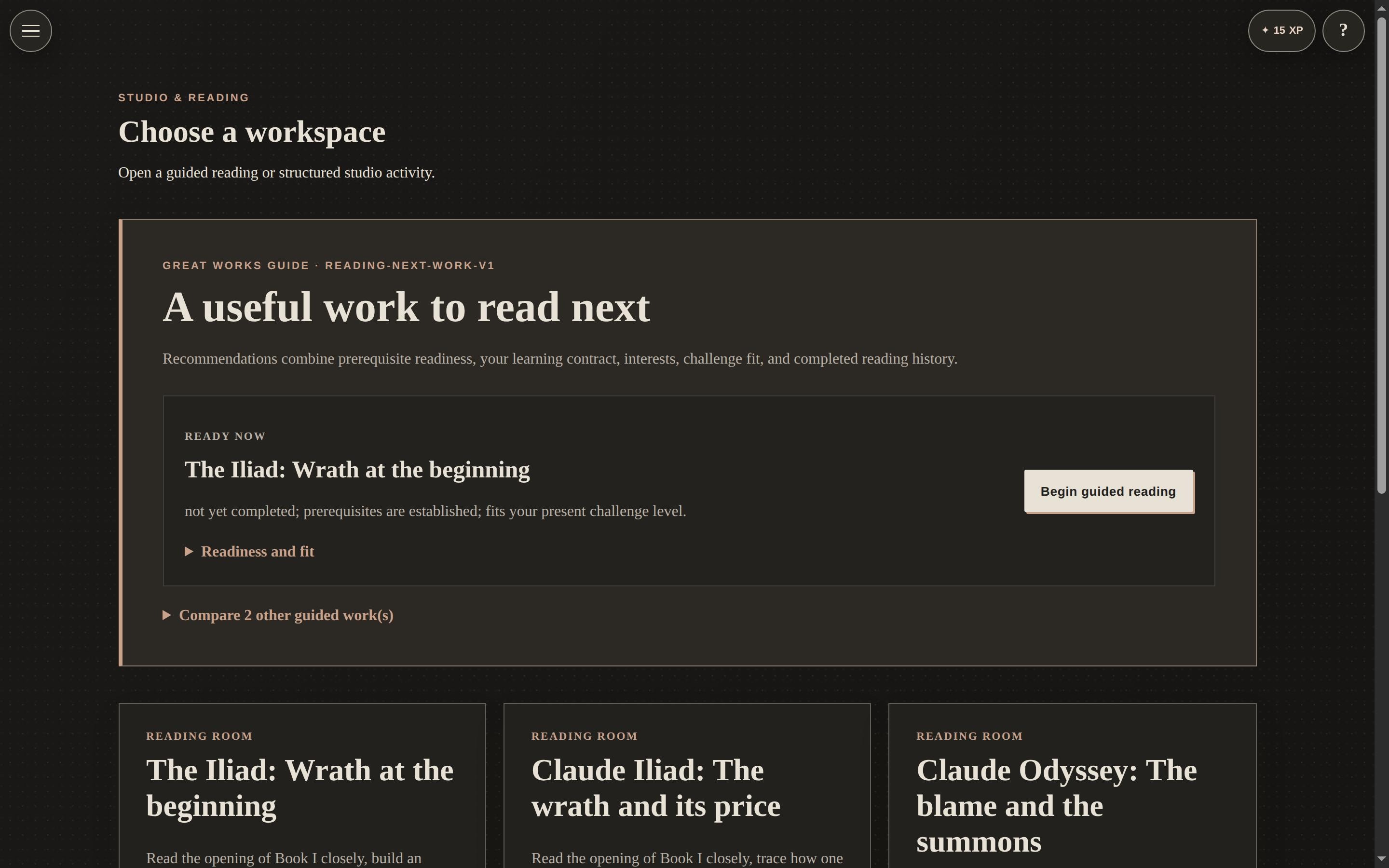
Read Great Works
-
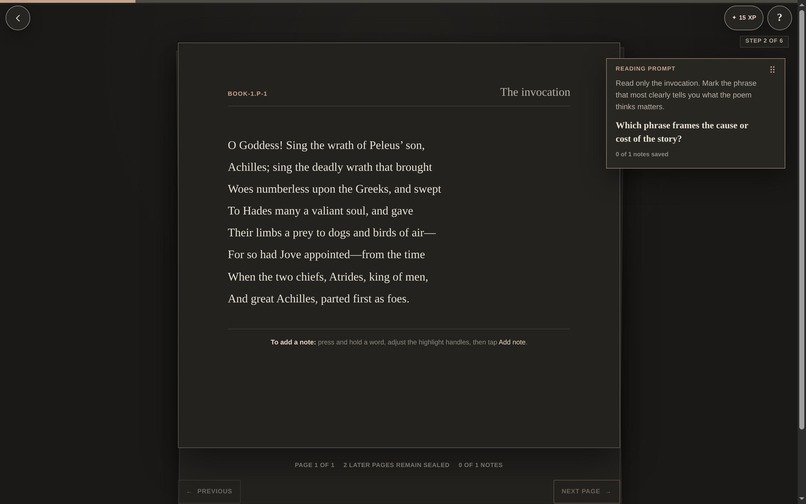
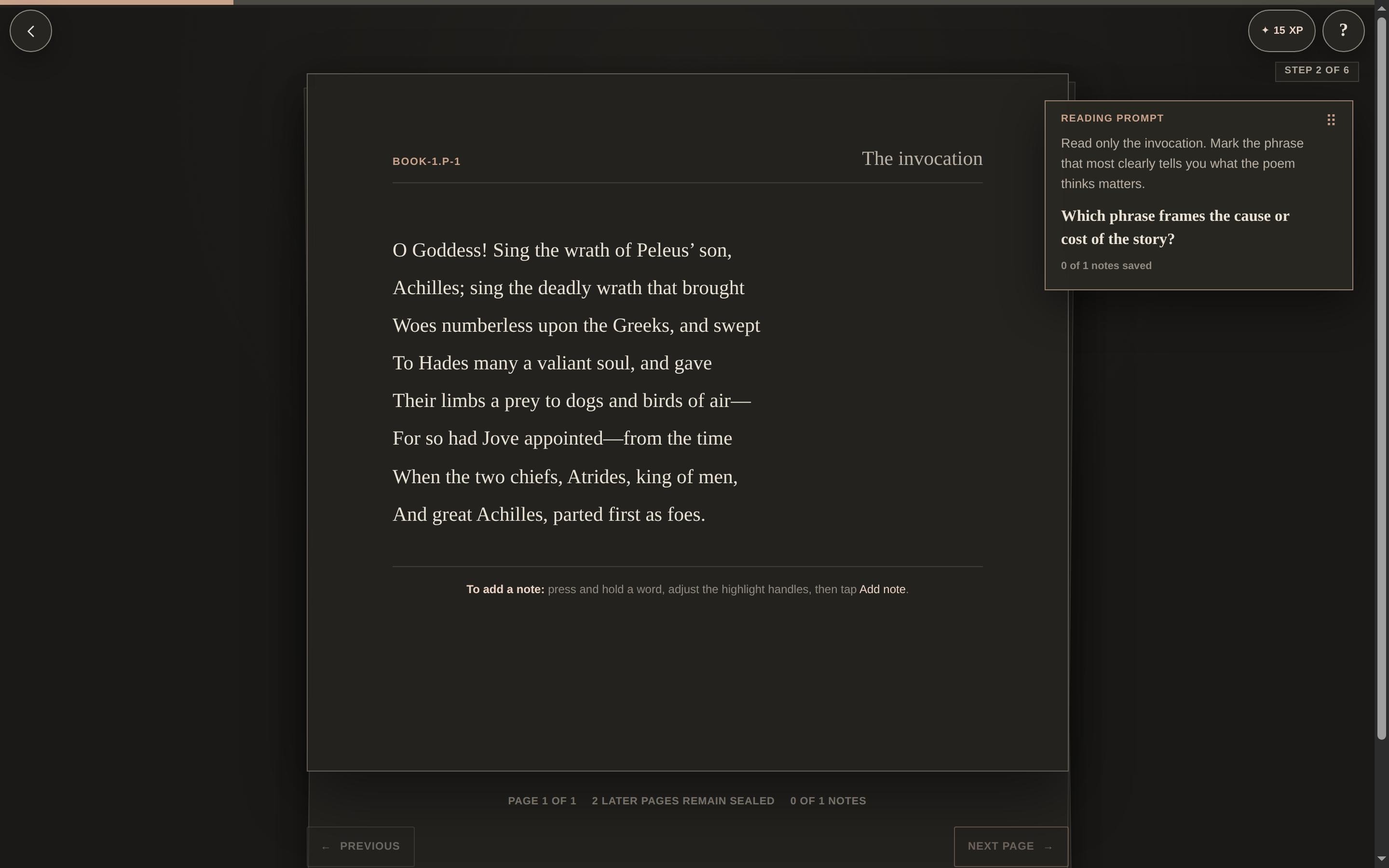
aris.study pushes learners to engage deeply with the text, improving comprehension and retention
-
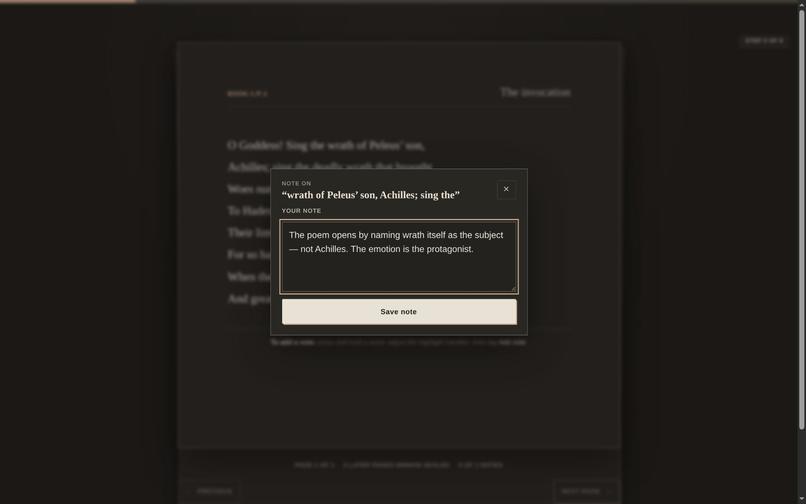
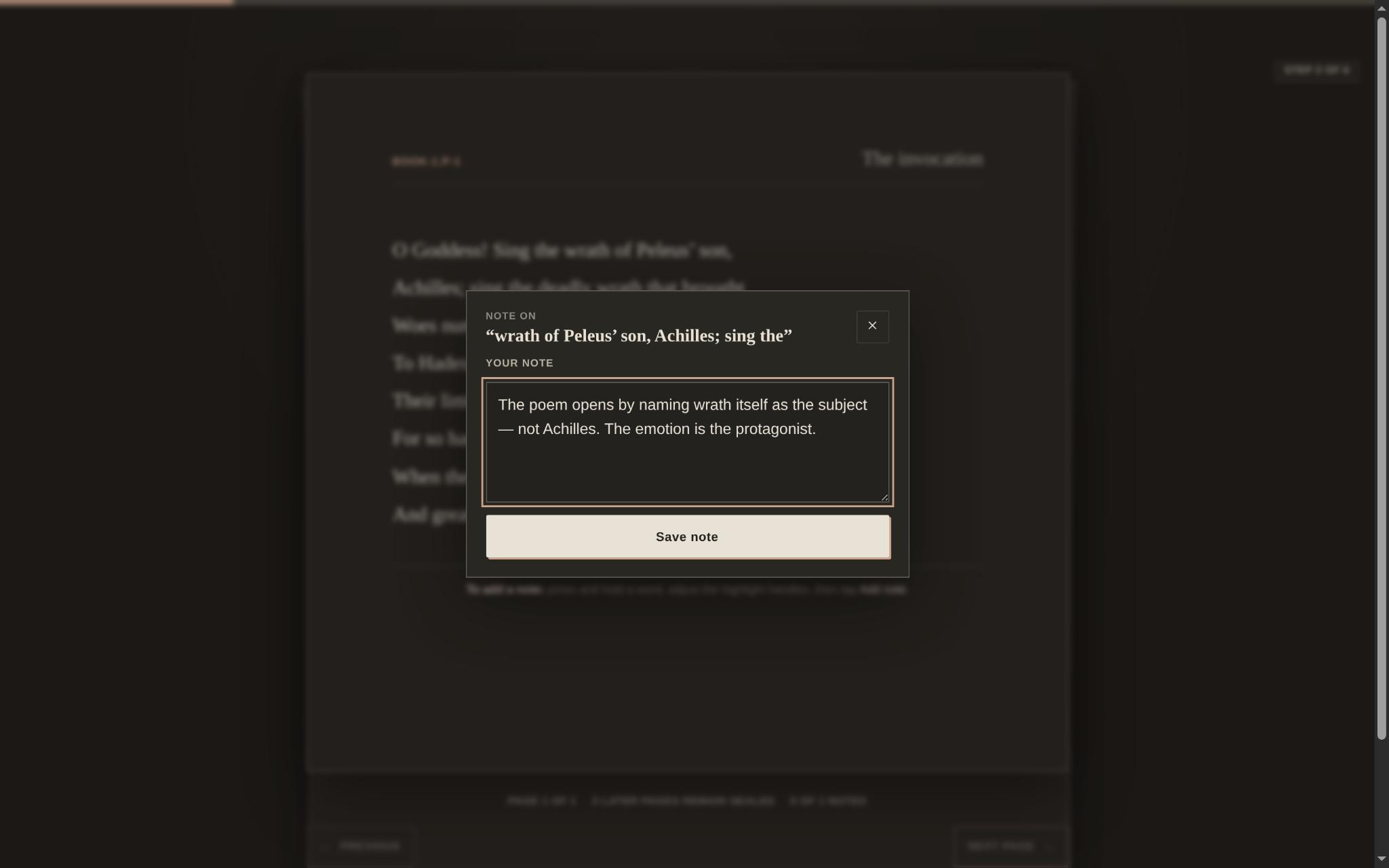
Highlight and annotate, then cite your sources to make your case
-
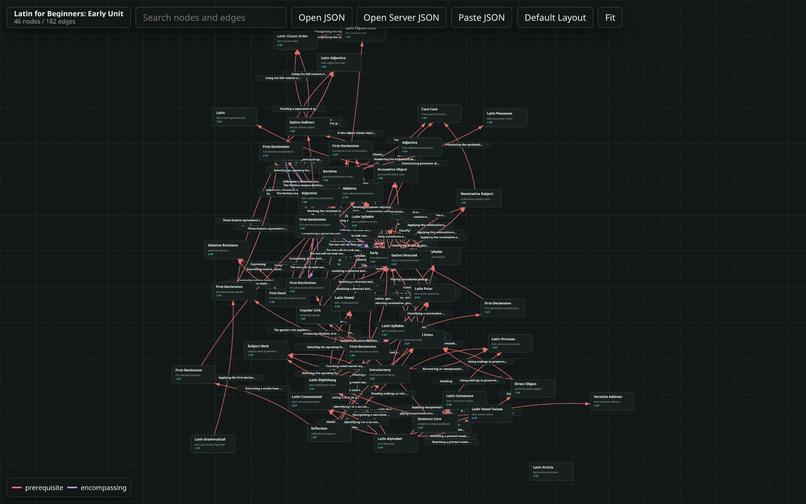
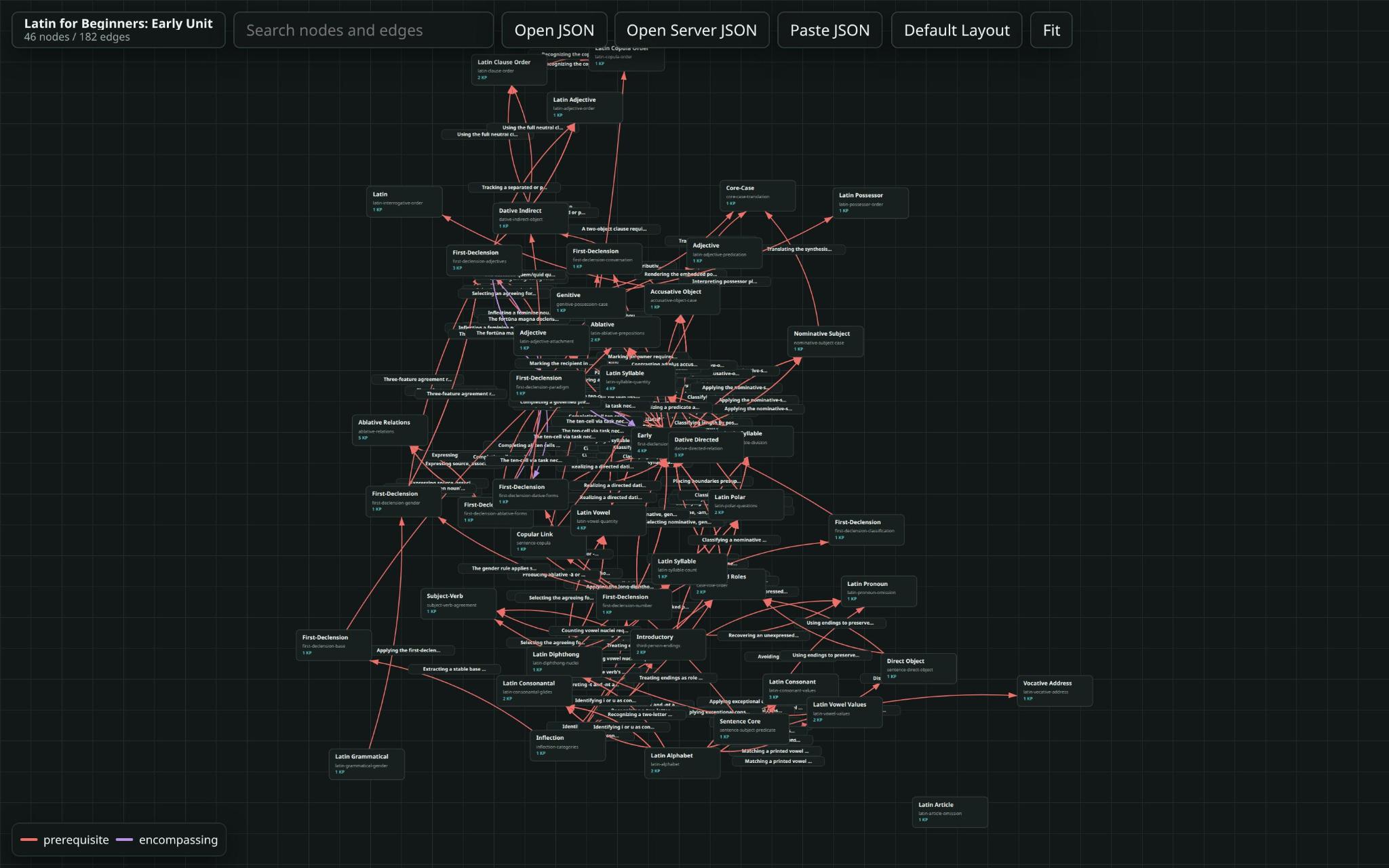
Courses are graphs: lessons are nodes and edges indicate prerequisites and more
aris.study
Geniuses can be made, and we know how. Alexander the Great, JS Mill, and the Polgar sisters are just a few examples. Each was taught from a young age with one-on-one tutoring. Bloom famously showed that average students can be boosted academically by two standard deviations ("Bloom's two-sigma").
Aristotle tutored Alexander. aris.study tutors everyone.
What?
- Learning-science grounded, LLM to scale.
- Deterministic learning kernel in Go.
- LLM tutor can't do work for you.
- Pipeline to ingest public domain source material -> course or reading programme.
Why?
I have kids and want to give them the most opportunity possible to grow and flourish -- and that involves learning.
When? Where?
Alpha out now at aris.study.
Built With
- codex
- go
- sqlite
- typescript

Log in or sign up for Devpost to join the conversation.