-
-
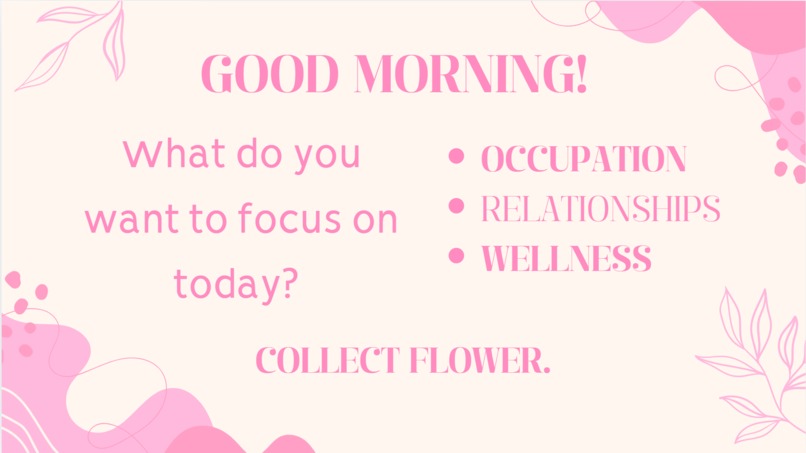
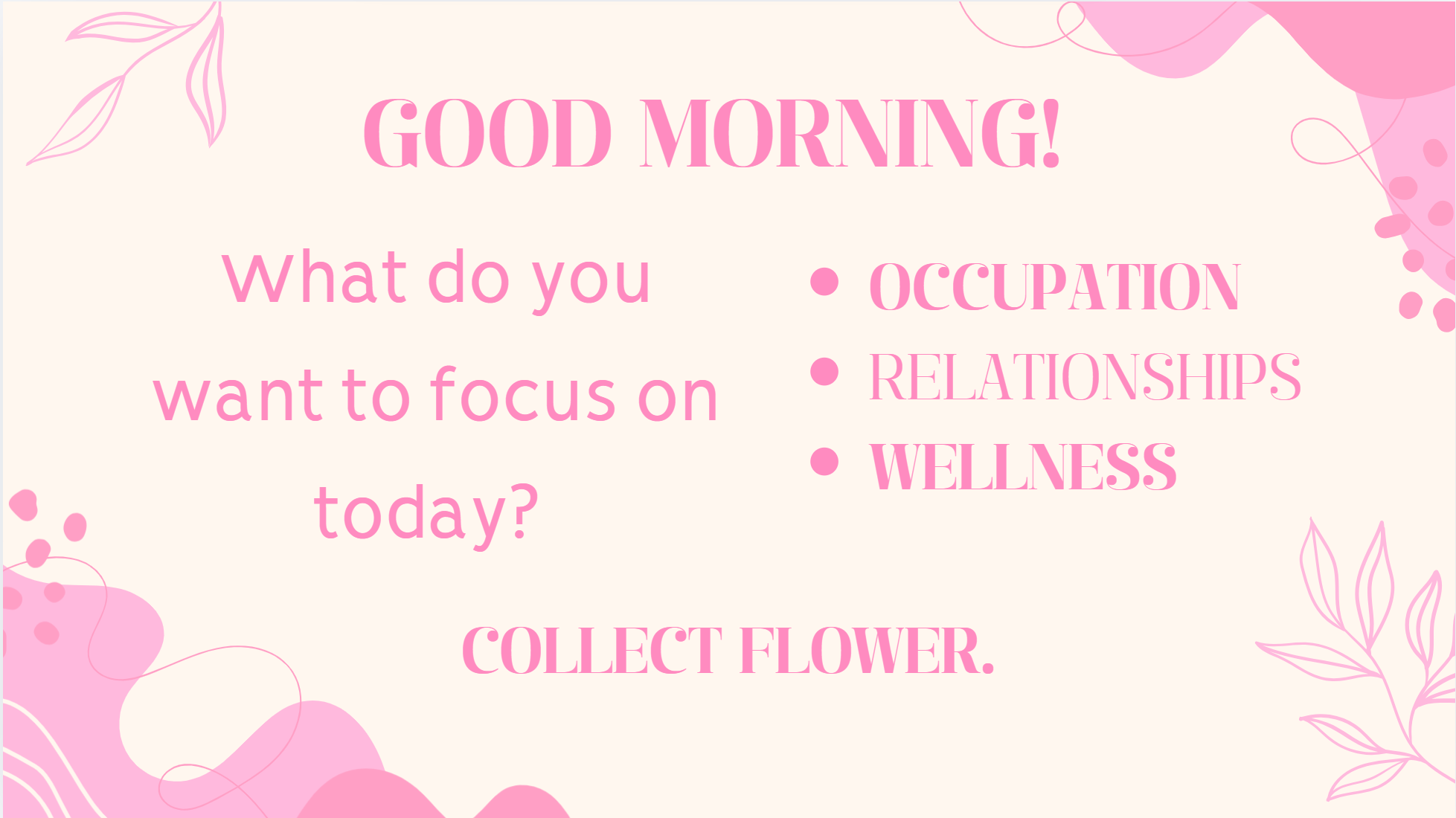
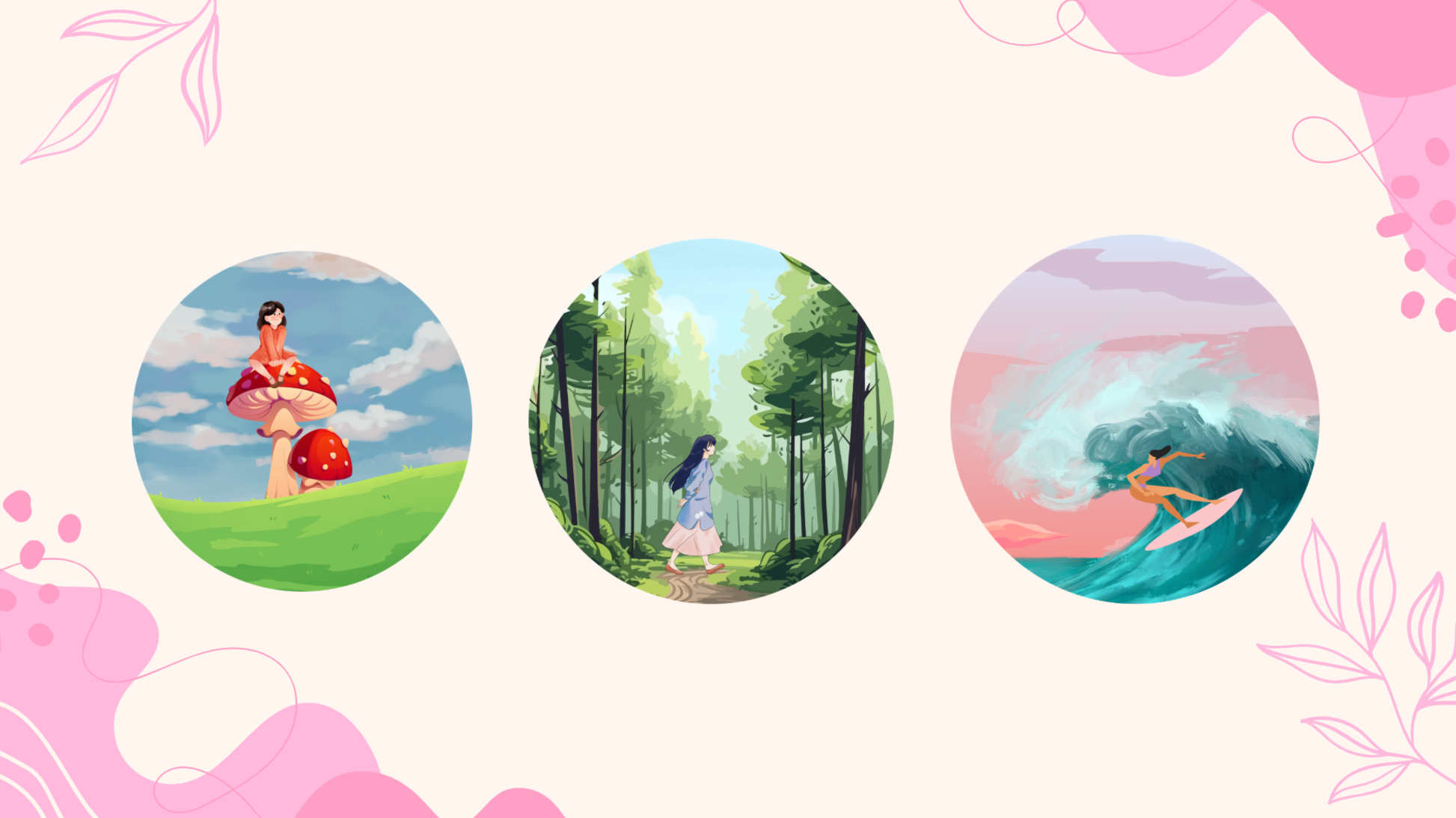
The user is prompted to set their intention at the first checkpoint.
-
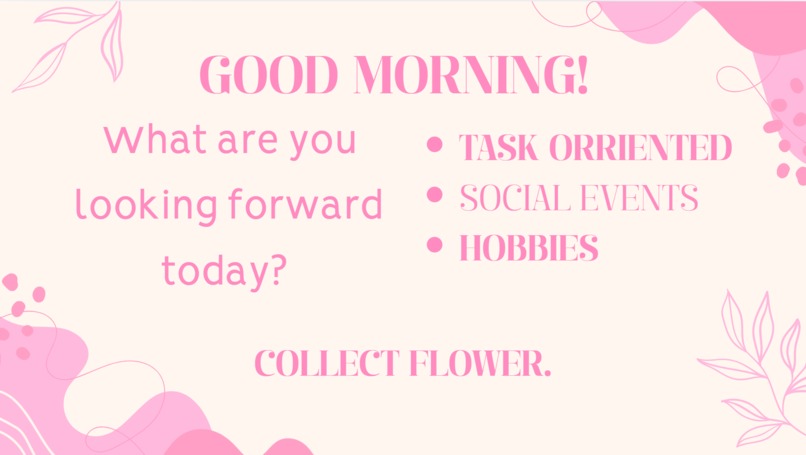
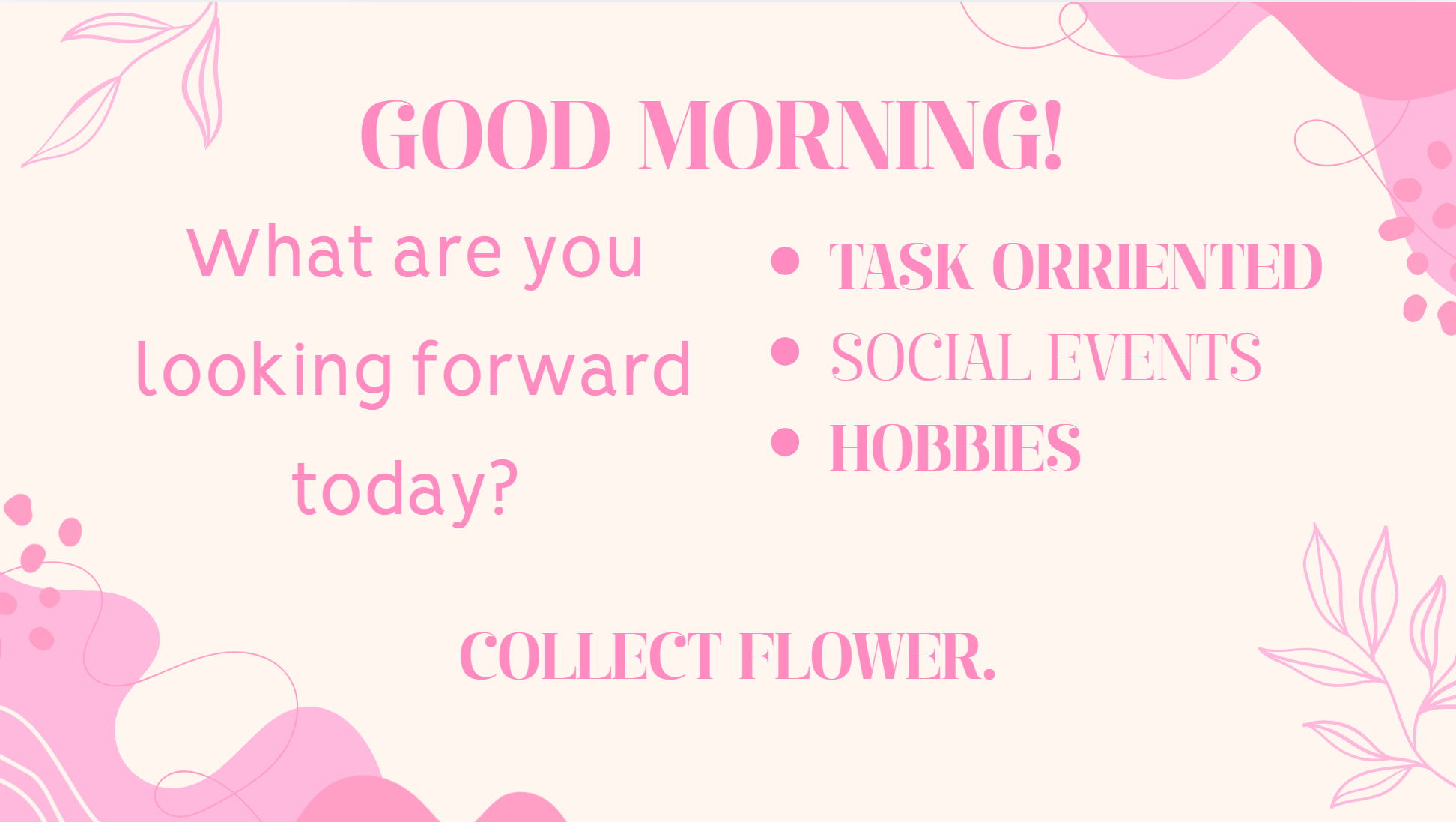
The user sets their heart on what they'll do and collects a flower specific to their choice.
-
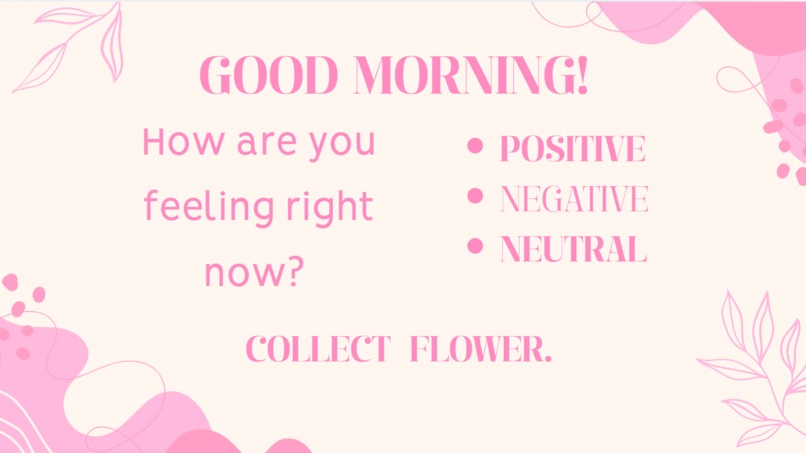
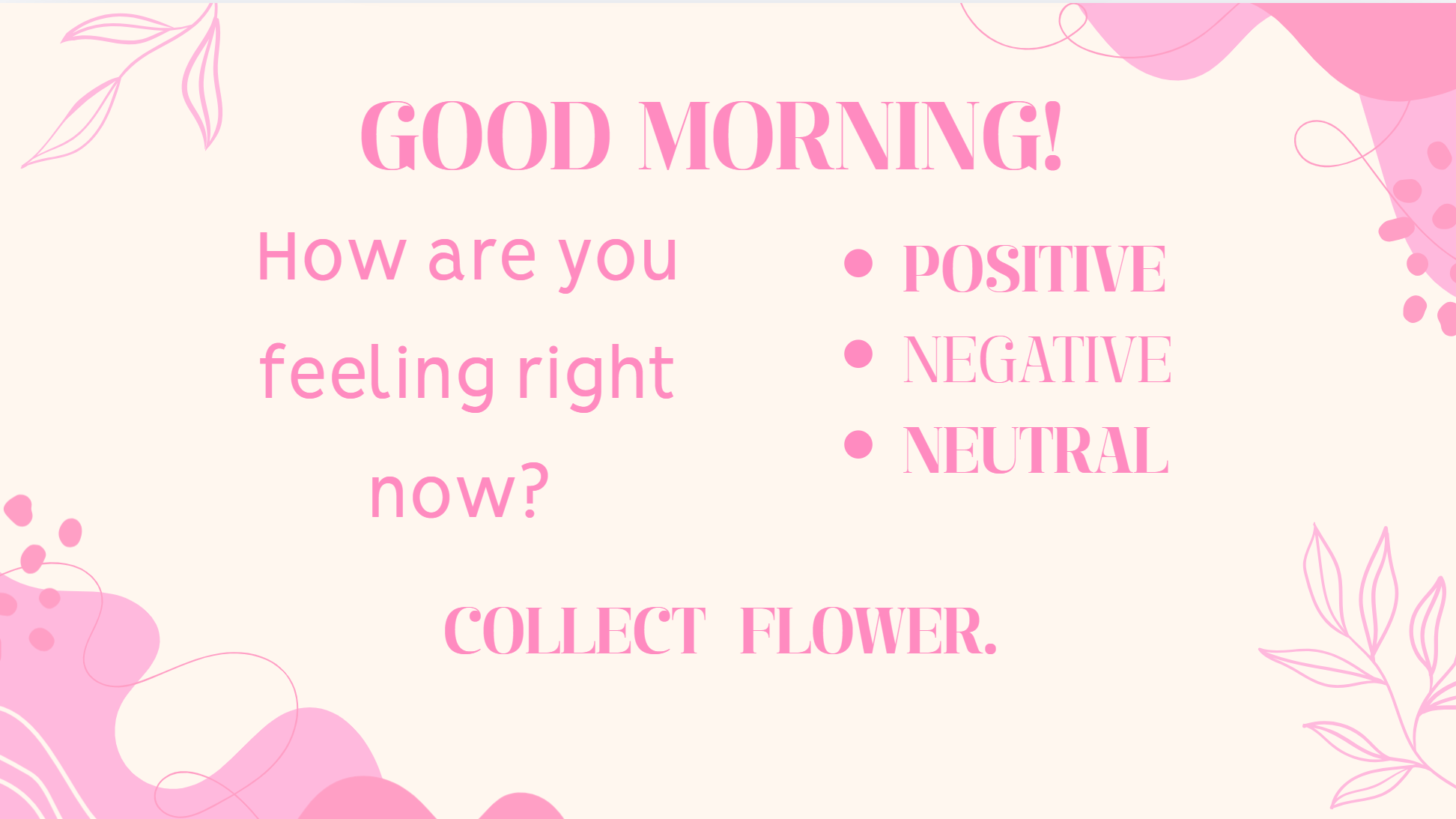
The user grounds themselves in the moment and reflects on their emotions.
-

The user collects a bouquet of their intentions for the day and sets out to do what they envision.
-
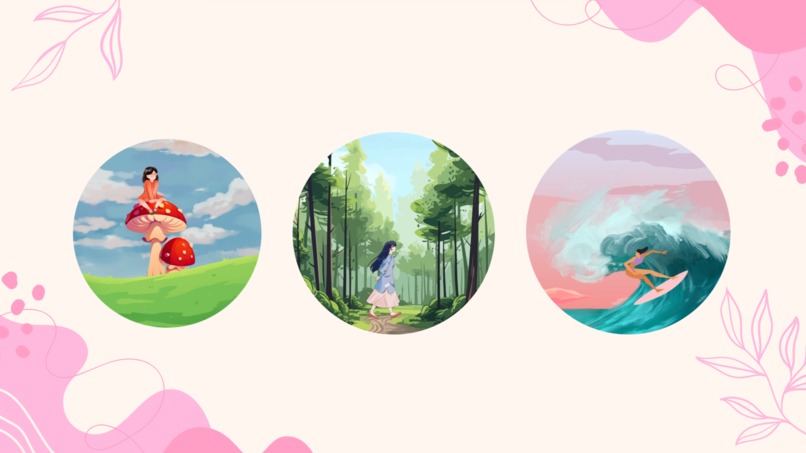
Decorative stickers the user places around their room. They scan it in the morning to get them out of bed and moving!
-
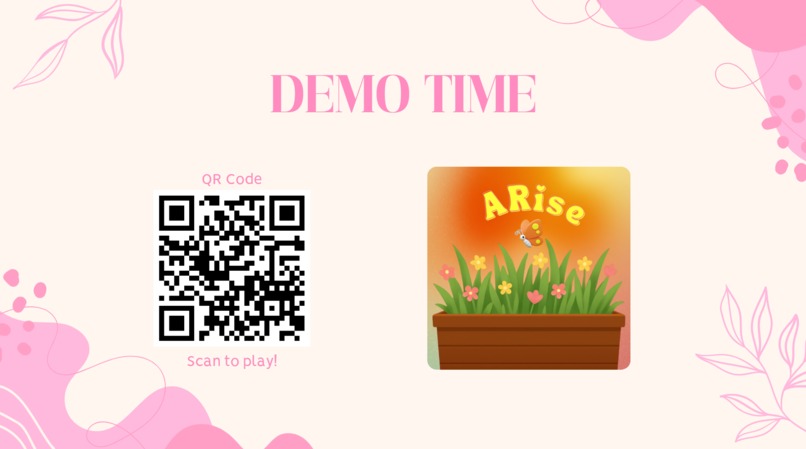
Try it out to beat that sleep inertia!

Inspiration
We were inspired by the challenge of executive dysfunction. When knowing what you need to do doesn’t translate into actually doing it. Mornings are where this gap is most visible. Even with clear intentions, people can feel stuck in bed, overwhelmed by the effort of starting. Over time, these missed starts can compound into stress, guilt, and even a loss of belonging in spaces like school or work. We wanted to design something that gently bridges the gap between intention and action.
What it does
ARise is an augmented reality experience that helps users overcome executive dysfunction in the morning by breaking the start of the day into small, guided steps. Instead of facing one overwhelming task: get up and start your day, users follow simple, physical checkpoints in their space. Each step includes a short reflective prompt, and completing them rewards users with virtual flowers that grow into a personal field, reinforcing consistency and progress.
How we built it
We built ARise using Scenery AR, which allowed us to anchor interactive elements directly into the user’s physical environment. We designed spatial checkpoints that guide users through their room, pairing each location with a simple prompt or action. By leveraging Scenery AR’s ability to place persistent, location-based objects, we created a flow where users move, reflect, and collect flowers in real space. The experience combines AR interaction design with behavioral strategies: reducing friction, guiding attention, and providing immediate visual feedback.
Challenges we ran into
Designing for executive dysfunction meant we had to be especially careful not to create friction. Too many steps or overly complex prompts could cause users to disengage entirely. We also had to work within the constraints of Scenery AR: ensuring that objects were consistently placed and intuitive to interact with across different room layouts and lighting conditions.
Accomplishments that we're proud of
We’re proud of creating an experience that directly addresses the stuck feeling of executive dysfunction in a gentle, non-judgmental way. Using Scenery AR, we turned abstract intentions into physical actions, making it easier for users to begin their day. The growing flower garden provides a calm, visual representation of progress that encourages consistency without pressure.
What we learned
We learned that starting is often the hardest part, and that reducing the size of the first step can make a meaningful difference. We also learned how powerful spatial computing can be when paired with behavioral design: placing tasks in the physical world makes them feel more tangible and easier to act on. Designing within Scenery AR also taught us how to think about user movement, space, and interaction in new ways.
What’s next for ARise
Next, we want to expand personalization, adapting checkpoints, prompts, and pacing to different user needs and levels of executive dysfunction. We’re also interested in adding a sense of shared experience, where users can feel connected through their growth. Long-term, we hope to expand ARise beyond mornings, using AR to support people in any moment where getting started feels difficult.
Built With
- canva
- figma
- photoshop
- scenery


Log in or sign up for Devpost to join the conversation.