-
-
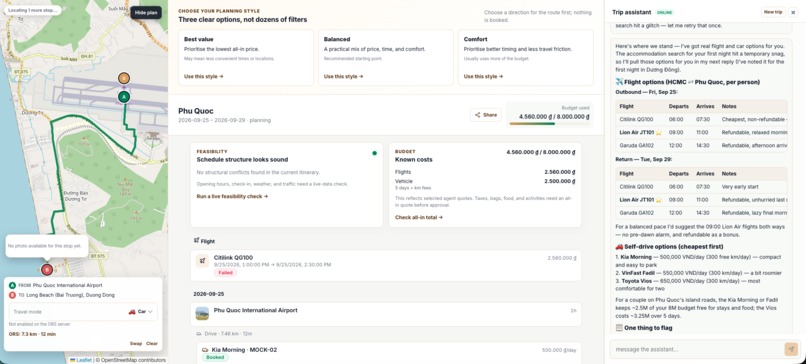
Result
-

Home
-
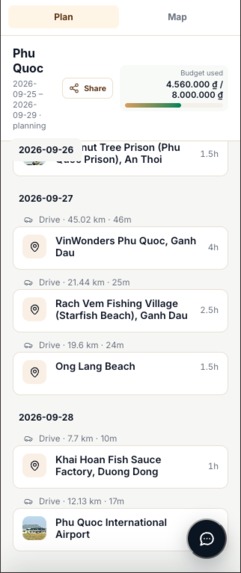
Mobile Result
-
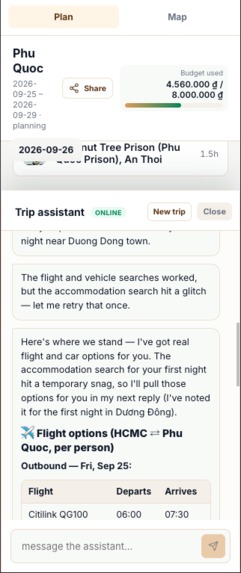
Mobile Chat
-
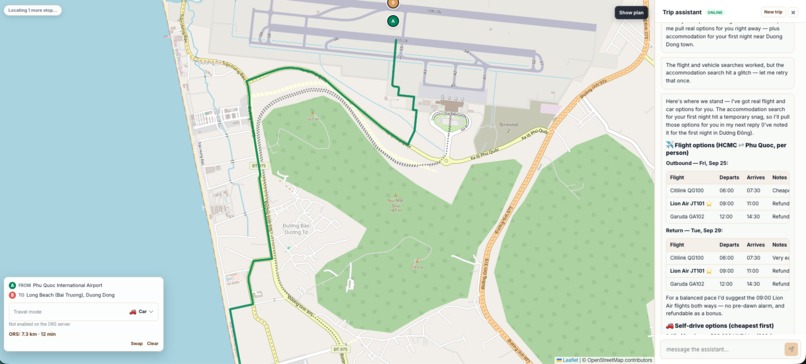
Map
-
Mobile Map

Inspiration
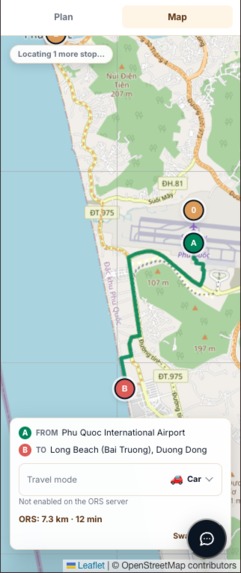
Travel planning is fragmented: people jump among sites to research, compare, schedule, and book. We imagined an agent that can help with the full planning loop while keeping people in control of every important decision.
What it does
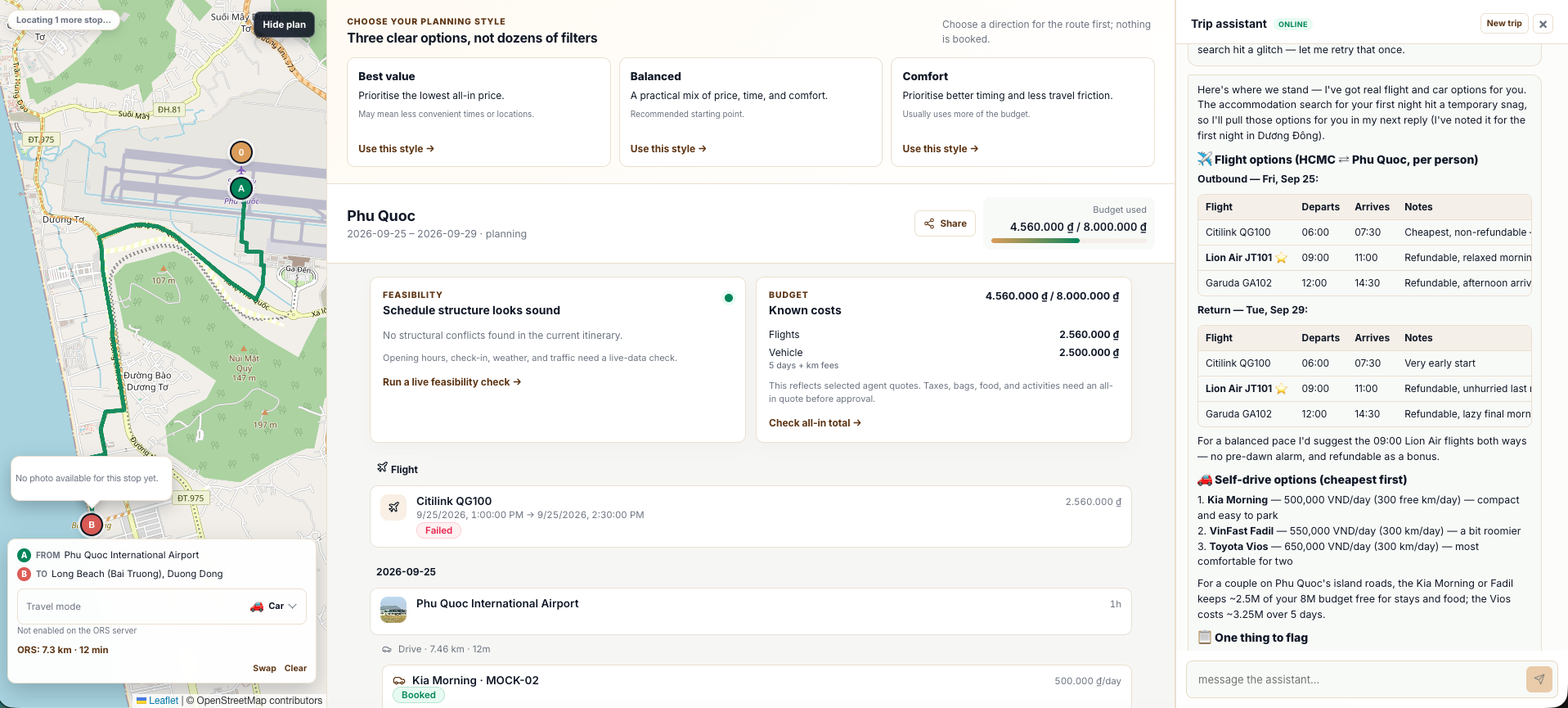
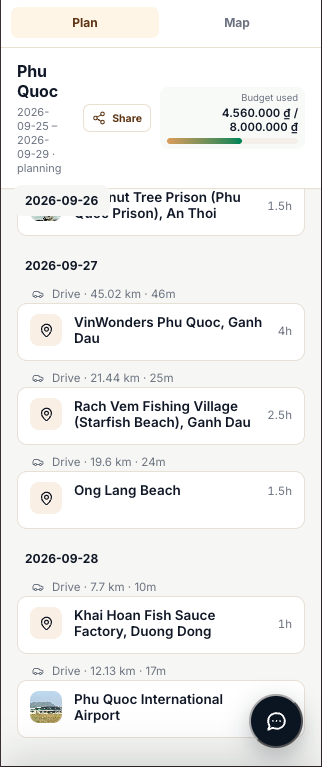
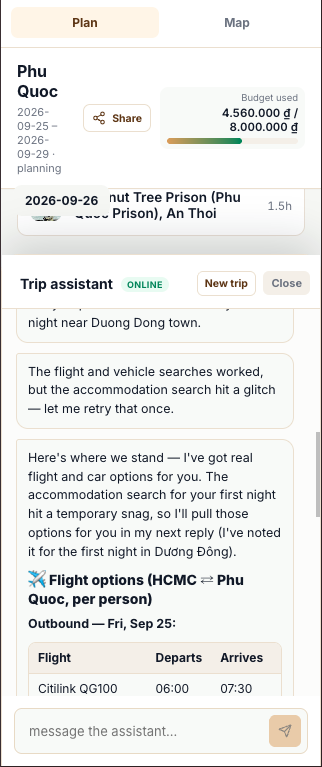
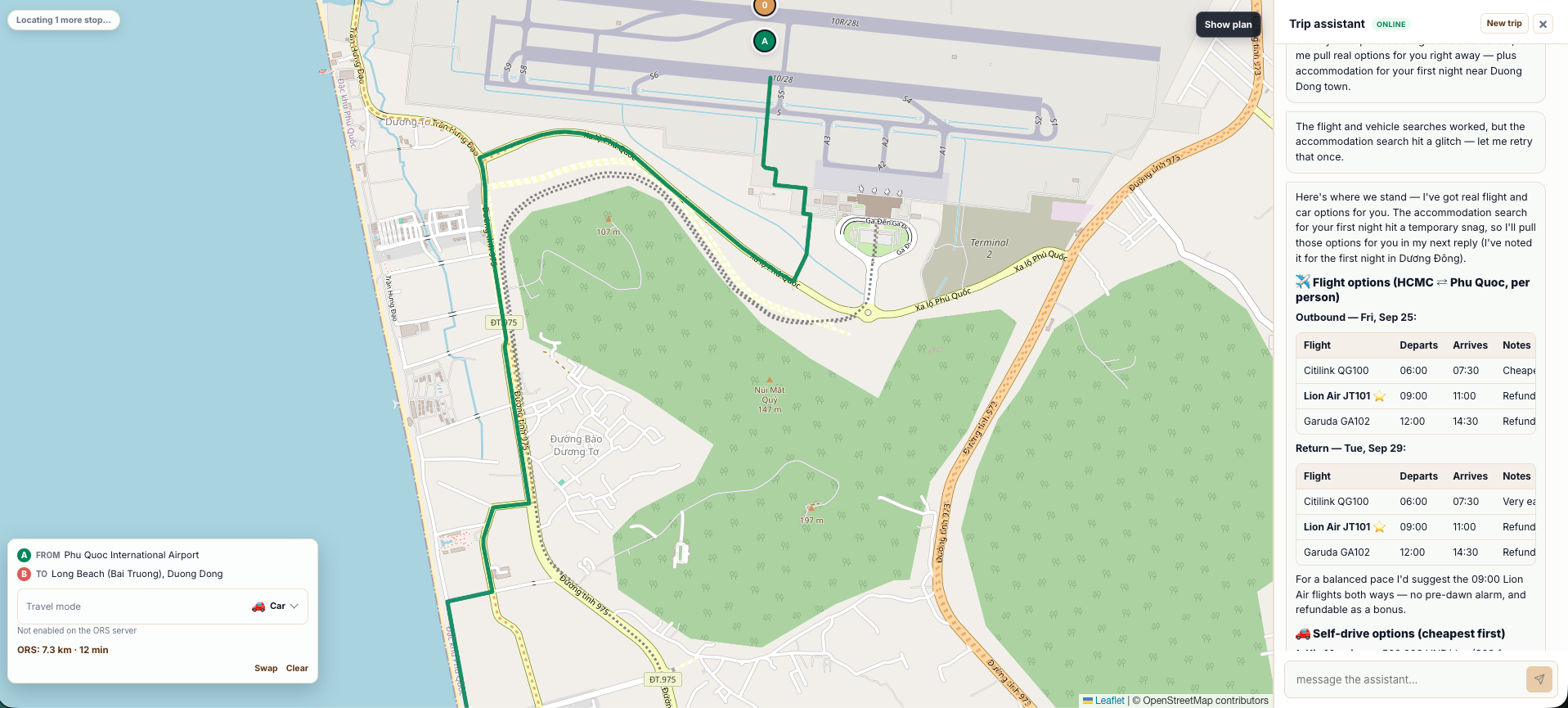
Arion Trip Planner turns a natural-language request into a flexible itinerary. It searches stays and activities, compares options against budget and preferences, builds day-by-day plans, and replans when constraints change. The traveler approves any booking or payment step.
How we built it
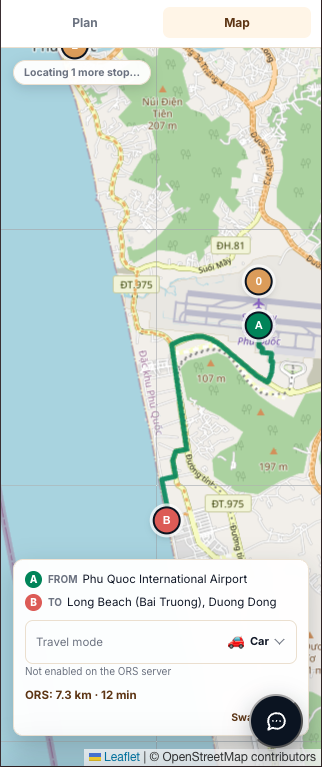
We built Arion as a WebMCP-enabled web app. It exposes structured tools for searching travel options, creating itineraries, saving shortlists, checking budgets, and replanning. Provider adapters normalize external travel data into one planning experience, while WebMCP lets an agent use these tools directly in the browser.
Challenges we ran into
The hardest problem was making recommendations useful without letting the agent take irreversible actions. We designed explicit approval points for booking and payment, and kept search, comparison, and planning separate from confirmation.
Accomplishments that we're proud of
We created a planning experience where an agent can do more than suggest links: it can assemble, update, and explain a realistic trip plan. We are especially proud that the user remains the final decision-maker throughout.
What we learned
Agent-native products need clear tool boundaries, structured data, and transparent state. WebMCP makes these interactions more reliable than asking an agent to navigate a traditional website visually.
What's next for Arion Trip Planner
Next, we plan to add more live provider integrations, collaborative trip planning for groups, richer availability data, and secure, user-approved checkout flows.
Built With
- chatgpt
- node.js
- ors
- react
- typescript
- webmcp


Log in or sign up for Devpost to join the conversation.