Inspiration
Debate and mock trial rounds move incredibly fast, and judges are expected to take notes while tracking evidence, disclosures, and timing simultaneously. Important arguments can get lost in rushed note-taking, and verifying whether a speaker is following their submitted case is really hard to do. We noticed that judges rely heavily on manual tracking, which can lead to inconsistencies and missed details. We wanted to create a system that makes judging more organized, fair, and efficient by integrating technology into these competitions.
What it does
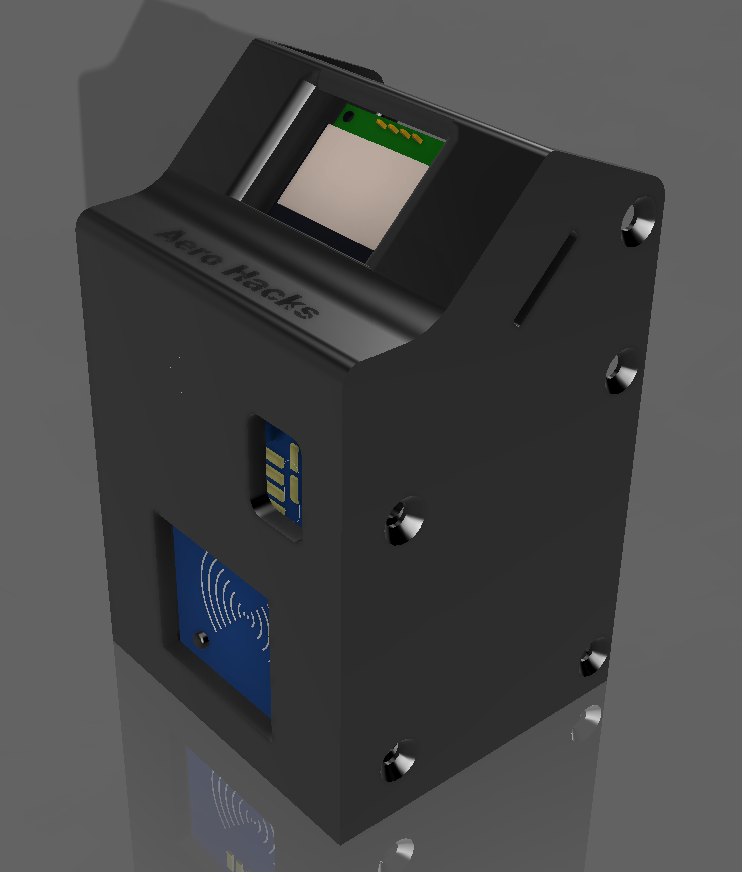
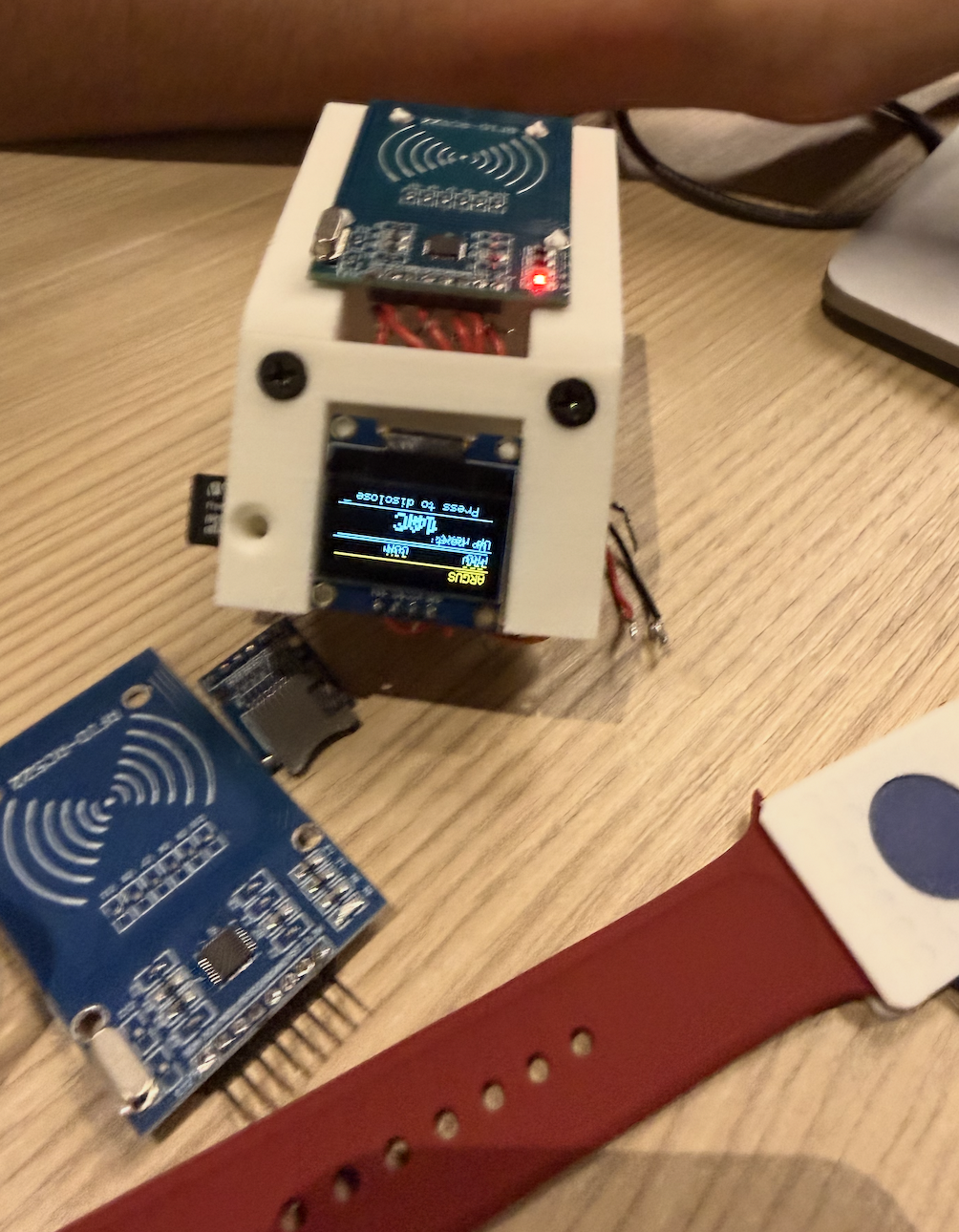
Argus is a smart debate assistant that helps judges manage rounds in real time. Each competitor wears a wristband with an RFID tag inside, linked to their case files. When they approach the judge's device, they can scan in, and their documents will appear on the judge's screen. The judge can start speech times, view disclosures, compare the written cases with the live speeches, and take proper notes directly on the device. Argus keeps all competitor information organized and accessible so judges can focus on evaluating arguments instead of managing paperwork.
How we built it
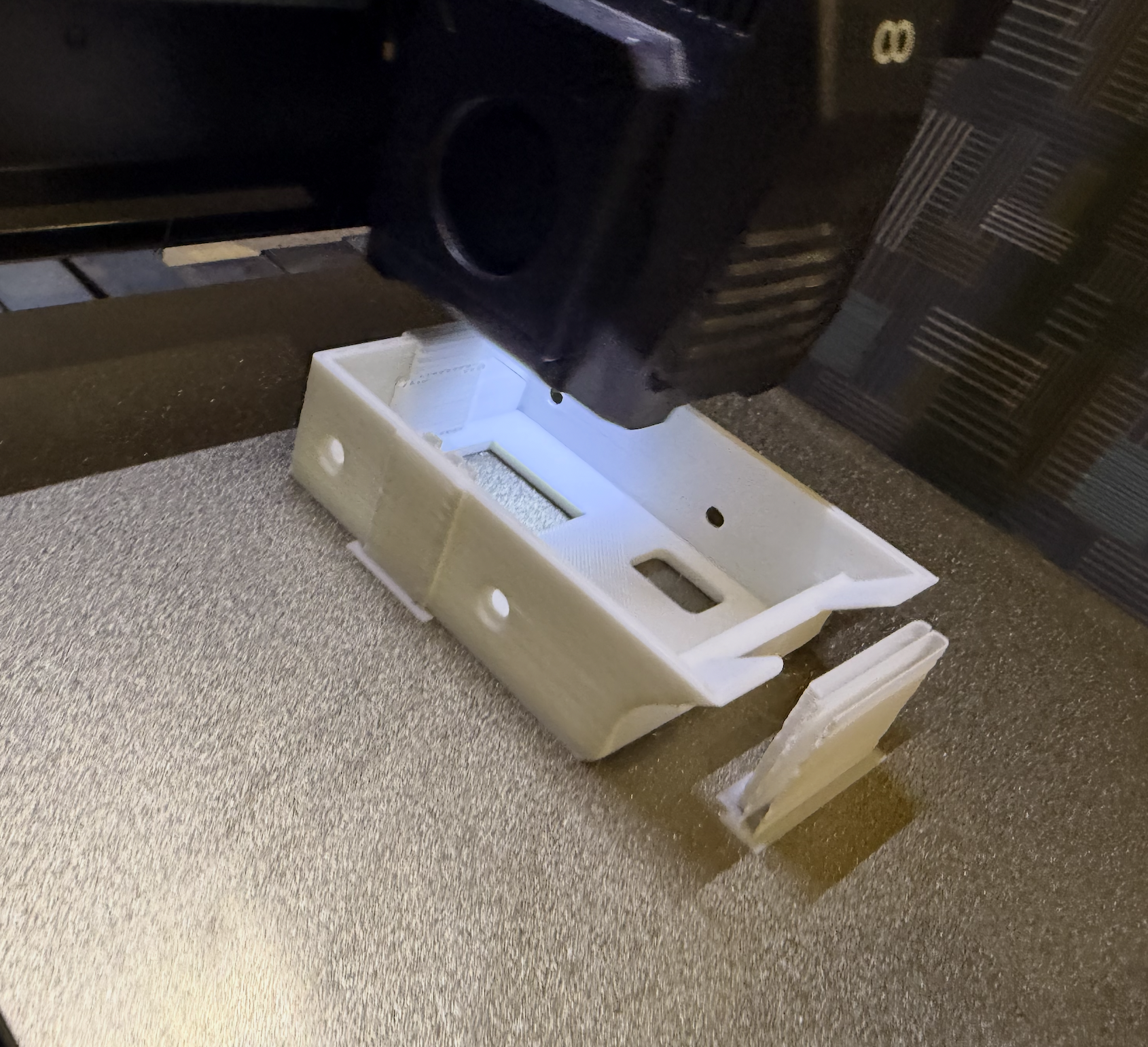
We built Argus to be a software system with compact hardware integration. Compeitior use RFID wristbands that store their ID and link to a database with stored case files. A portable device equipped with an RFID reader scans participants in and pulls their data from the database. The device has a built-in screen for timing and a button to control time, rounds, and speeches. The software is an interface that syncs competitor data, displays speech information, and organizes notes properly. The system combines embedded electronics, wireless communication, and a responsive UI to create a seamless judging tool.
Challenges we ran into
One of the major challenges that we had was ensuring that the mic was able to pick up all of the sound. Another challenge that we had was designing a user interface that would be easy for judges to use, even when under pressure. Optimizing the syncing of the device with stored case files in real time is also a challenge. Designing a device that is portable, easy to use, and also has all the features required is also a challenge.
Accomplishments that we're proud of
We are proud of the fact that we were able to create a device that is able to check in competitors in an instant. It also has the ability to help judges organize the debate in terms of time and also keep notes in an orderly fashion. It is also important to note that the device does not add complexity but rather simplifies the process. This is a major accomplishment because it is able to make the process easier for judges.
What we learned
One of the major things that we were able to learn is the importance of intuitive hardware. It is also important to note that designing a device in real time is very important. It is also important to highlight the fact that even simple technology is important in simplifying processes.
What's next for Argus
We plan on adding speech transcription and automated comparison between what's said and what's submitted. We want to expand the judge interface with better note organization and include summaries. Future versions would include wirelessly syncing across multiple judge devices and cloud storage for post-round review. Our goal is to make Argus an intelligent judging assistant for debate tournaments and mock trials.

Log in or sign up for Devpost to join the conversation.