Inspiration
A typical ski day for the average skier involves fighting the bitter cold at the thousand-foot altitude of the peak of ski slopes, the sun glaring in your eye as you attempt to avoid the icy patches on their attempted memorization of the layout of slopes of a completely new mountain, hoping that they are in fact going down the beginner green circle slop and not the potentially frightening and advanced black diamond hills. In the course of a normal ski day, skiers are bound to take a wrong turn or lose control and fall while all of their friends are already waiting at the bottom of the slope, all resulting in losing members of their ski group. That phone call, the phone buzzing in your pocket could be your wife urgently calling to tell you about the flash hot chocolate sale happening in the ski lodge that you have to get to immediately or it could be a work call that you definitely plan on ignoring. Either way, skiers must do the balancing act of ensuring their poles don’t fall off the lift while removing their glove, battling a now frozen hand, all just to see who’s calling or even to do an act as simple as checking the time.
What it does
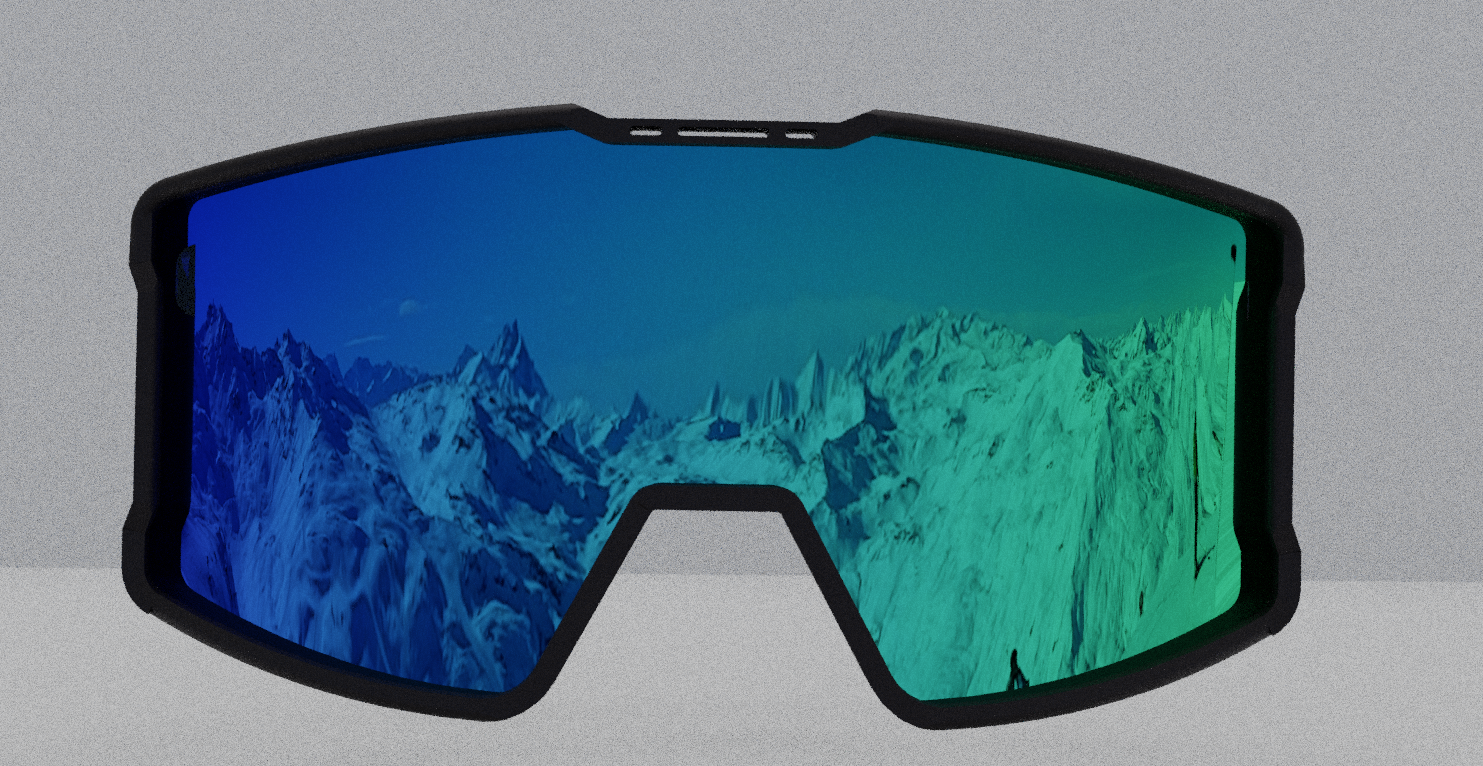
By using the Arctic Vision AR Lenses, the typical day for the average skier is transformed. Crystal clear vision in the face of the elements, easy communication just like using a phone without having to dig through layers of ski clothing, and an influx of statistics about skiers skiing habits to review at the end of a perfect day all available on a fun cutting edge technology that is completely customizable.
How we built it
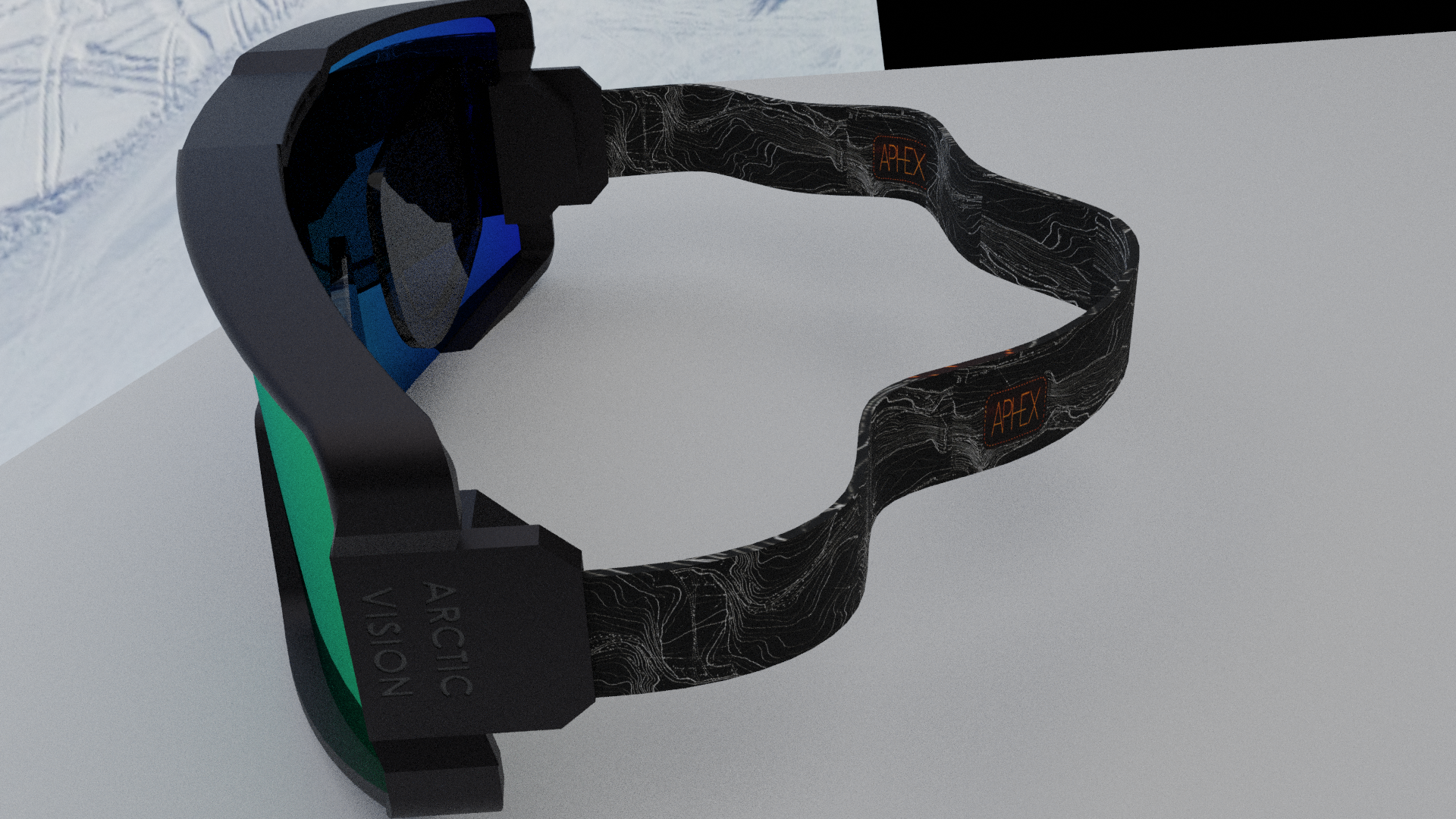
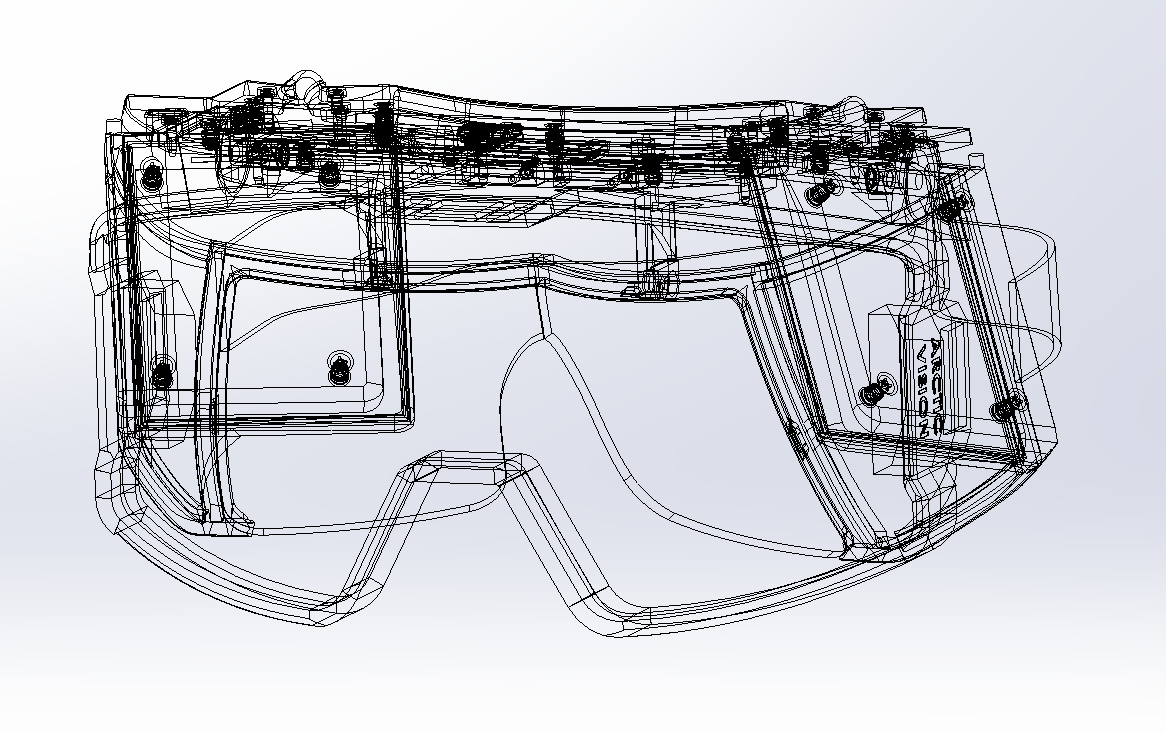
We are planning to build the Arctic Lens prototype by purchasing the AR development kit from the company Combine Reality and incorporating it with our custom designed 3D printed ski goggle. The Combine Reality AR development kit comes with two 3.5 inch 1440x1600 resolution LCD display module, a low power dual display driver circuit board and an optical waveguide. We are planning to print the ski goggle model with a 3D printer and attach the display, the display driver, an optical waveguide and a micro-processor onto the 3D printed ski goggle. For the micro-processor, we are planning on using a Raspberry Pi zero as its physical size is small enough (65mm by 30mm) to attach to a pair of ski goggle and consume low power. We are planning on to run an AR graphic program on the Raspberry Pi. The driver board will convert the output from the Raspberry Pi onto the two LCD displays. The image will be reflected by the optical waveguide and into the user's eyes.
Challenges we ran into
Accomplishments that we're proud of
We learned something new
What we learned
AR is expensive Unity is harder than we thought


Log in or sign up for Devpost to join the conversation.