-
-
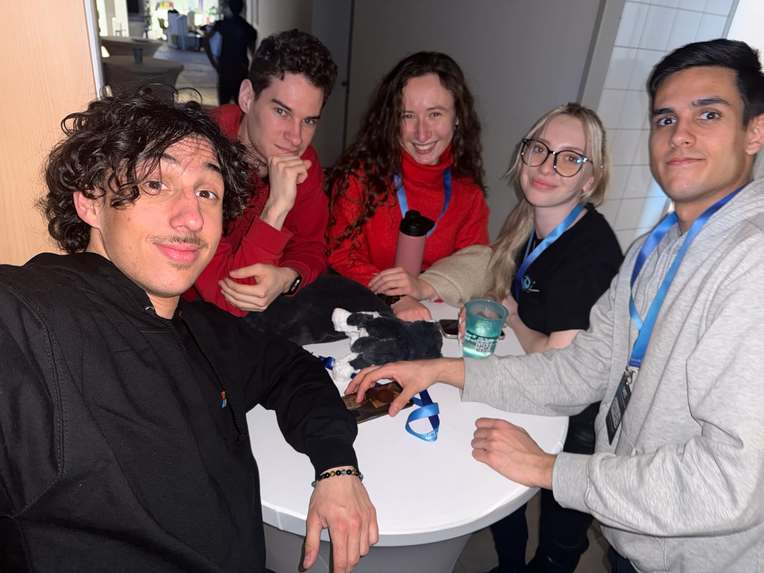
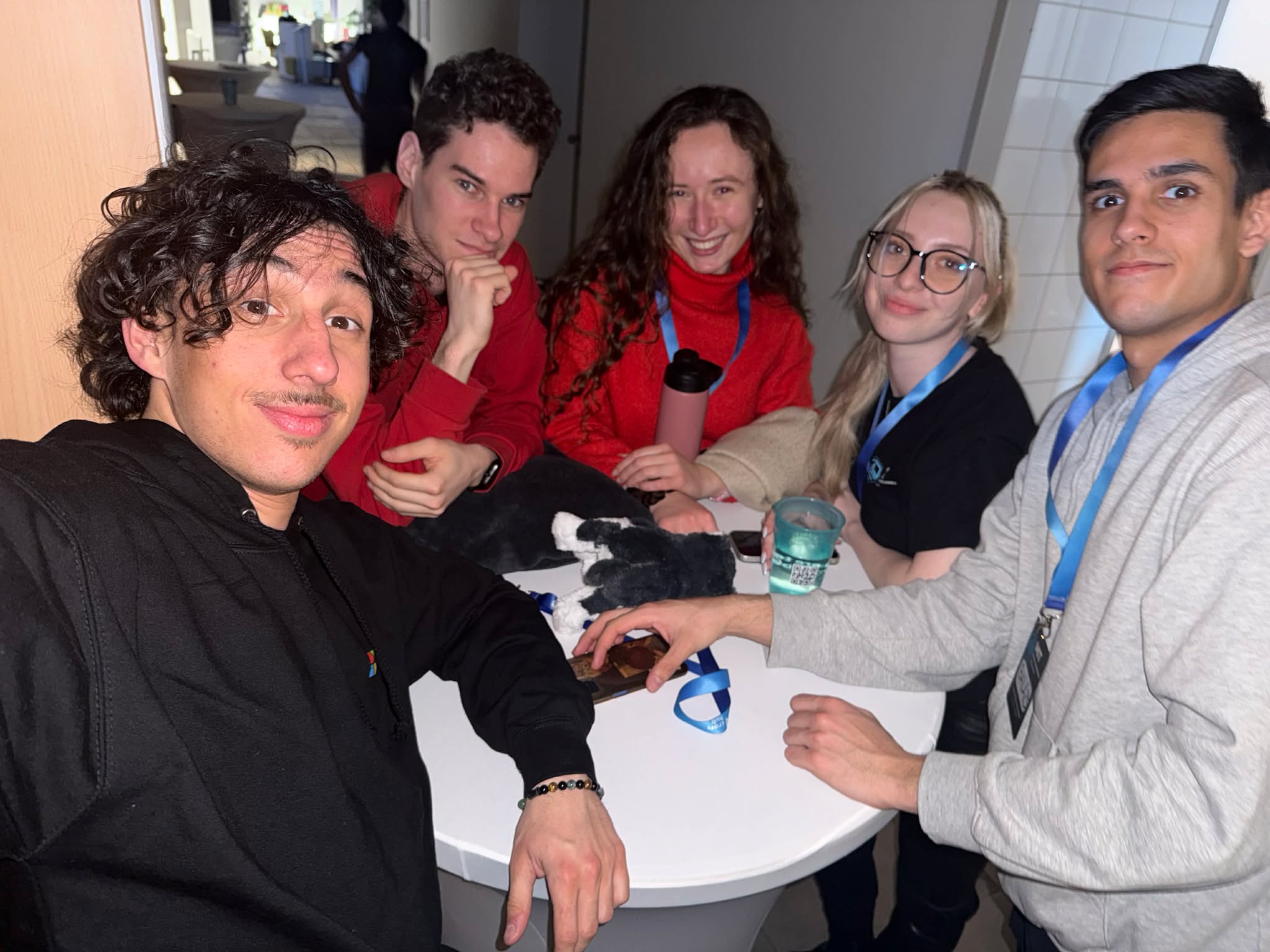
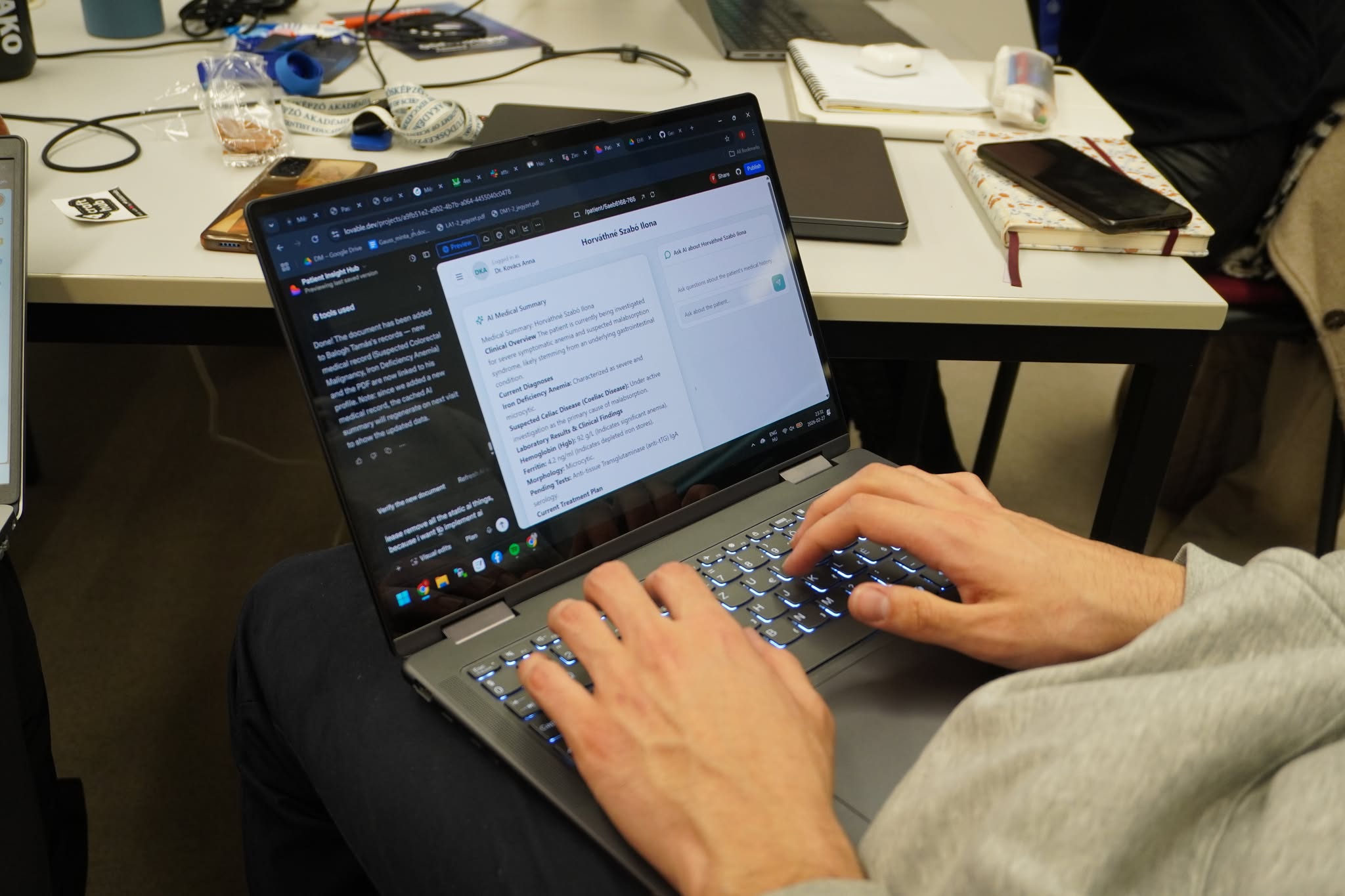
THE Team ^^
-
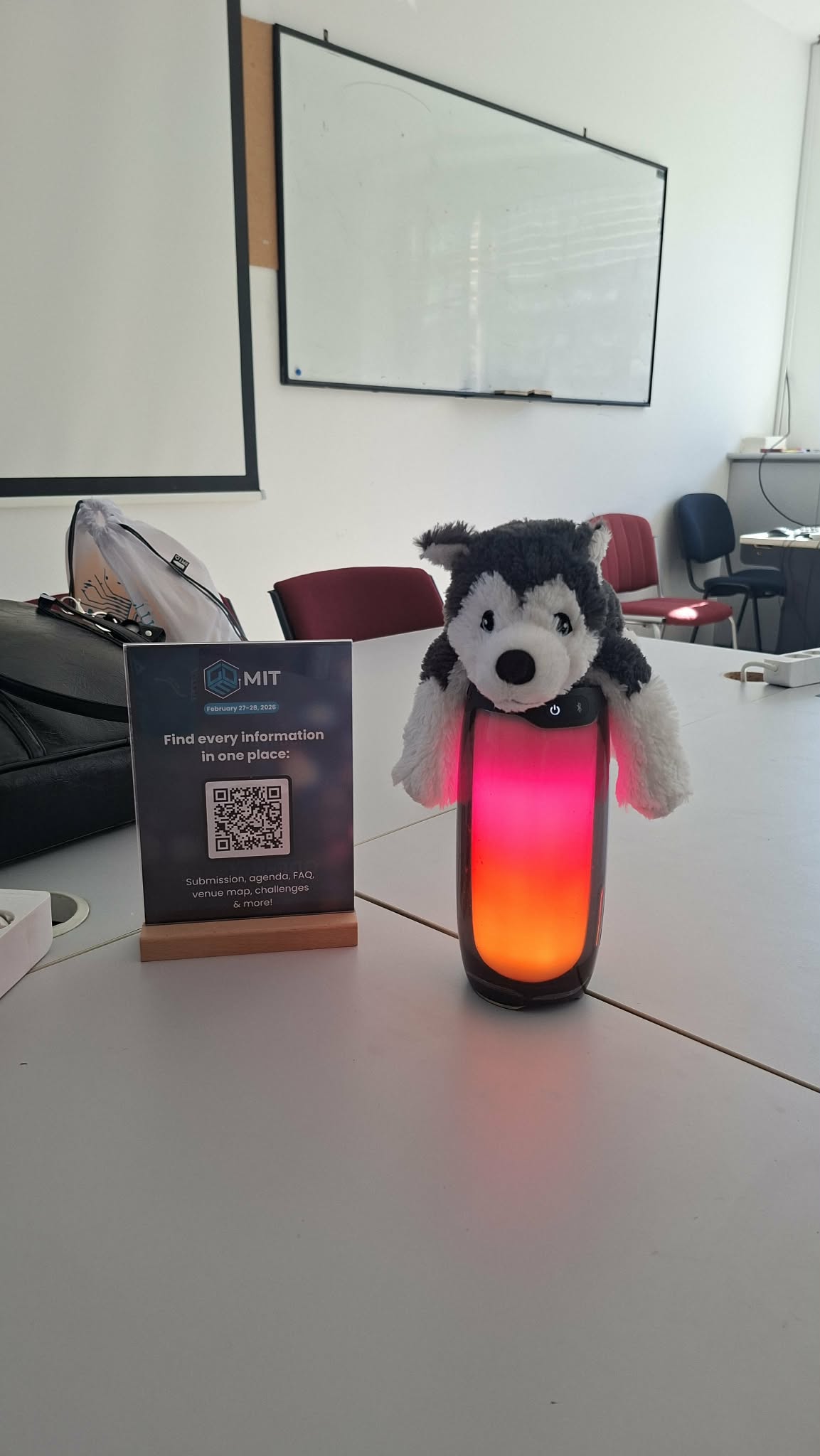
Our Cute Doggie
-

-

-

-
-
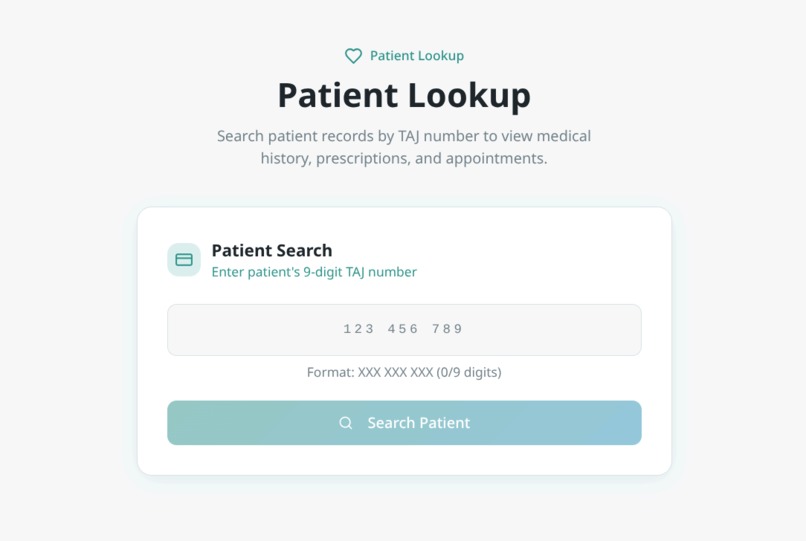
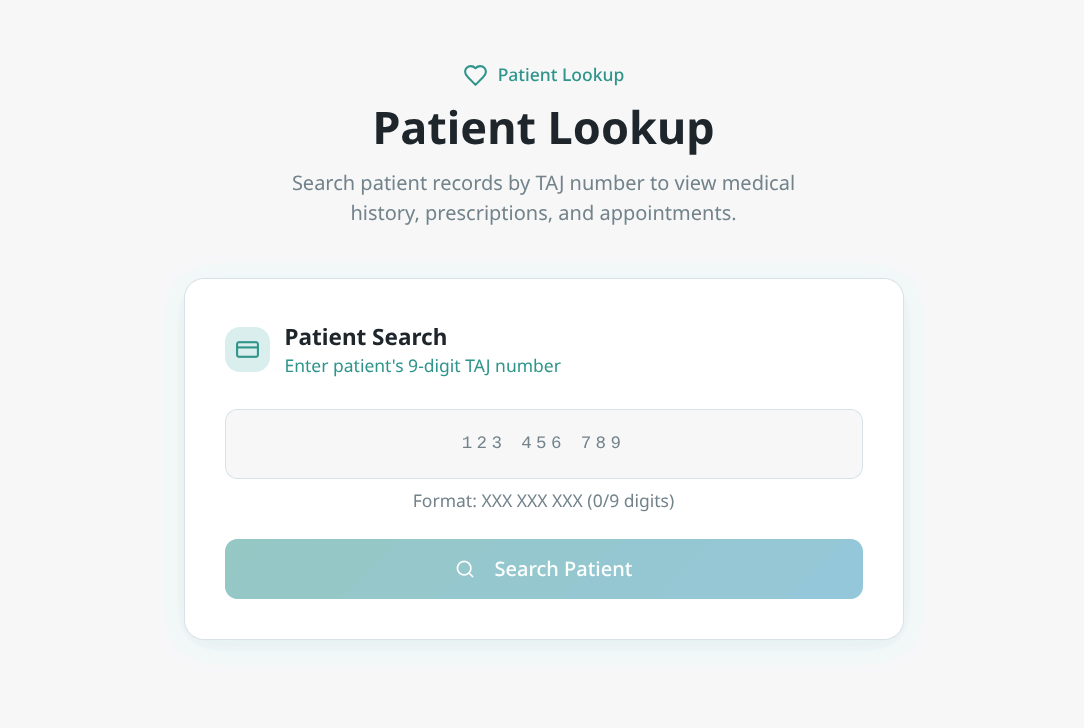
Patient Lookup Panel
-
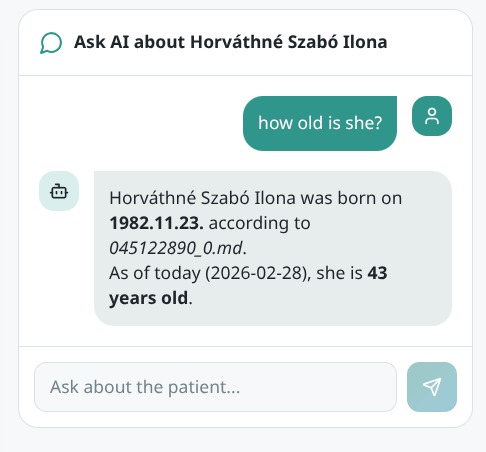
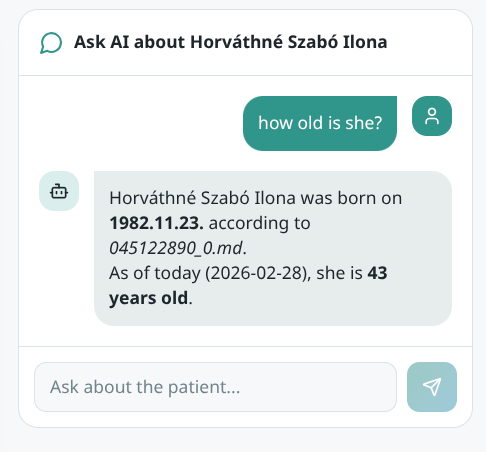
Clinical Copilot - Chat With the Documents
-
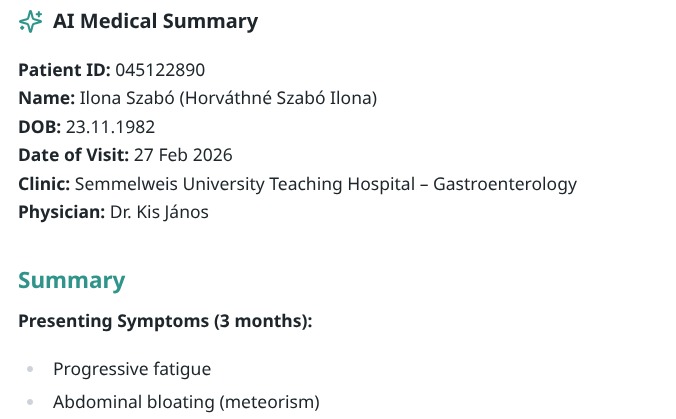
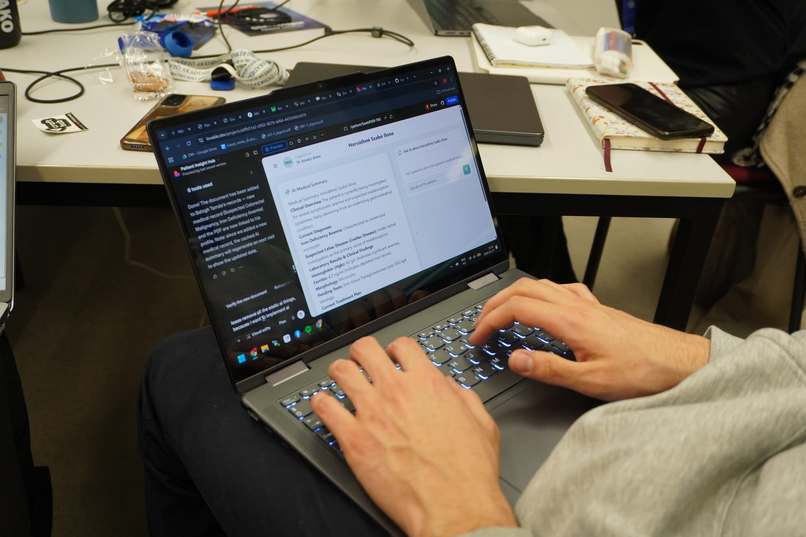
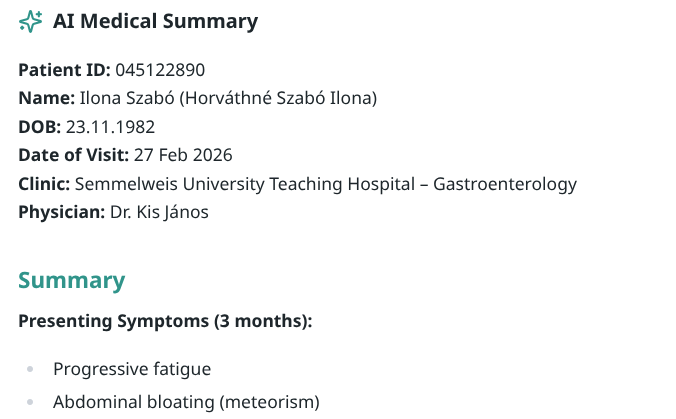
AI Medical Summary of Patient Data



Inspiration
Modern medicine moves fast, but reviewing dozens of fragmented medical records slows doctors down. We realized a critical problem: doctors are spending hours opening 9-10 separate PDFs, or better yet skimming through physical papers per patient. They are forced to manually piece together anamnesis, lab results, and prescriptions from isolated local clinic systems and national databases.
Crucial information gets buried, leading to repetitive administrative tasks, massive waiting lists, and an increased risk of medical errors. We wanted to eliminate the burnout of manual data extraction so doctors can spend less time staring at screens and more time treating patients.
What it does
MedPortal is an AI-powered healthcare platform acting as an intelligent Clinical Copilot. It automatically aggregates and standardizes fragmented patient data into a highly structured, interactive dashboard.
- Dual-Pane Interface: On one side, doctors get a high-level, comprehensive AI summary of the patient's entire history. On the other, a powerful chatbot is ready for specific contextual queries.
- "Talk" to Medical Records: Doctors can run advanced queries across a patient's lifetime of records (e.g., "Is the patient allergic to penicillin?") and find the needle in the haystack instantly.
- Source Verification: Because accuracy is non-negotiable in healthcare, every AI claim links directly back to the original source document. Doctors can verify everything with a single click.
How we built it
Fueled by zero sleep, sheer coordination, and a lot of Maté tea, our cross-disciplinary team of bionics and computer science students built a functional prototype from the ground up. We utilized Lovable to rapidly deploy a clean, responsive user interface and built a robust custom Python API backend using a Flask server.
We integrated Docling to parse complex, unstructured patient PDFs. It reliably extracts raw text and complex medical tables with high fidelity, ensuring no data is left behind.
The summarization and conversational engine is driven by Azure OpenAI, ensuring fast and context-aware responses.
Challenges we ran into
We knew AI in healthcare could be dangerous if it makes up facts. Forcing the LLM to strictly cite original PDFs and allowing doctors to click through to the exact paragraph was technically challenging but absolutely necessary to build trust.
Healthcare data is incredibly sensitive. We thought about building a GDPR-compliant framework for PHI data, by utilizing local anonymization, local models and patient consent mechanisms.
We are targeting a global market, but every country handles e-healthcare differently. We visioned Hungary's national systems (like EESZT for data, and DÁP/eSzemélyi for secure authentication) into our proof-of-concept.
Accomplishments that we're proud of
The seamless communication between our bionics and computer science team members allowed us to bridge the gap between clinical needs and technical execution, designing a tool that solves a real medical pain point.
We successfully proved that we can turn messy, unstructured medical PDFs into a clean, highly structured, and queryable database in seconds.
We built a powerful natural language search capability that allows a doctor to ask a specific question and instantly pull precise data - even from a 10-year-old scanned lab result.
What's next for MedPortal
We have a roadmap to take MedPortal from a hackathon prototype to a fully integrated clinical standard:
- 1 Month: Finalize core prototype workflows, record comprehensive demo/tutorial videos focusing on the user experience, and estimate seed funding requirements.
- 2 Months: Initiate formal communication with government health sectors for integration testing, and map out the migration from our JSON demo to a highly scalable Vector Database (for advanced Retrieval-Augmented Generation).
- 6 Months: Deploy a fully market-ready Minimum Viable Product (MVP) for beta testing in select private clinics. This will include the rollout of Azure-powered Voice Notes for automated, dictation-based SOAP structured note-taking. Our plan also includes the release of a Patient-Facing PWA, allowing patients to securely upload their own documents and chat with their health history.
- Long-Term Vision (1-2 Years):
- Standardization: Map all processed, anonymized data directly to the FHIR standard to ensure true global interoperability.


Log in or sign up for Devpost to join the conversation.