-
-
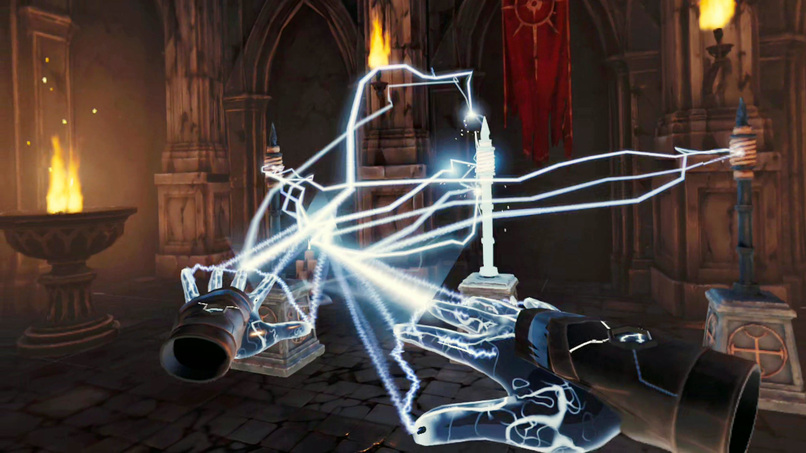
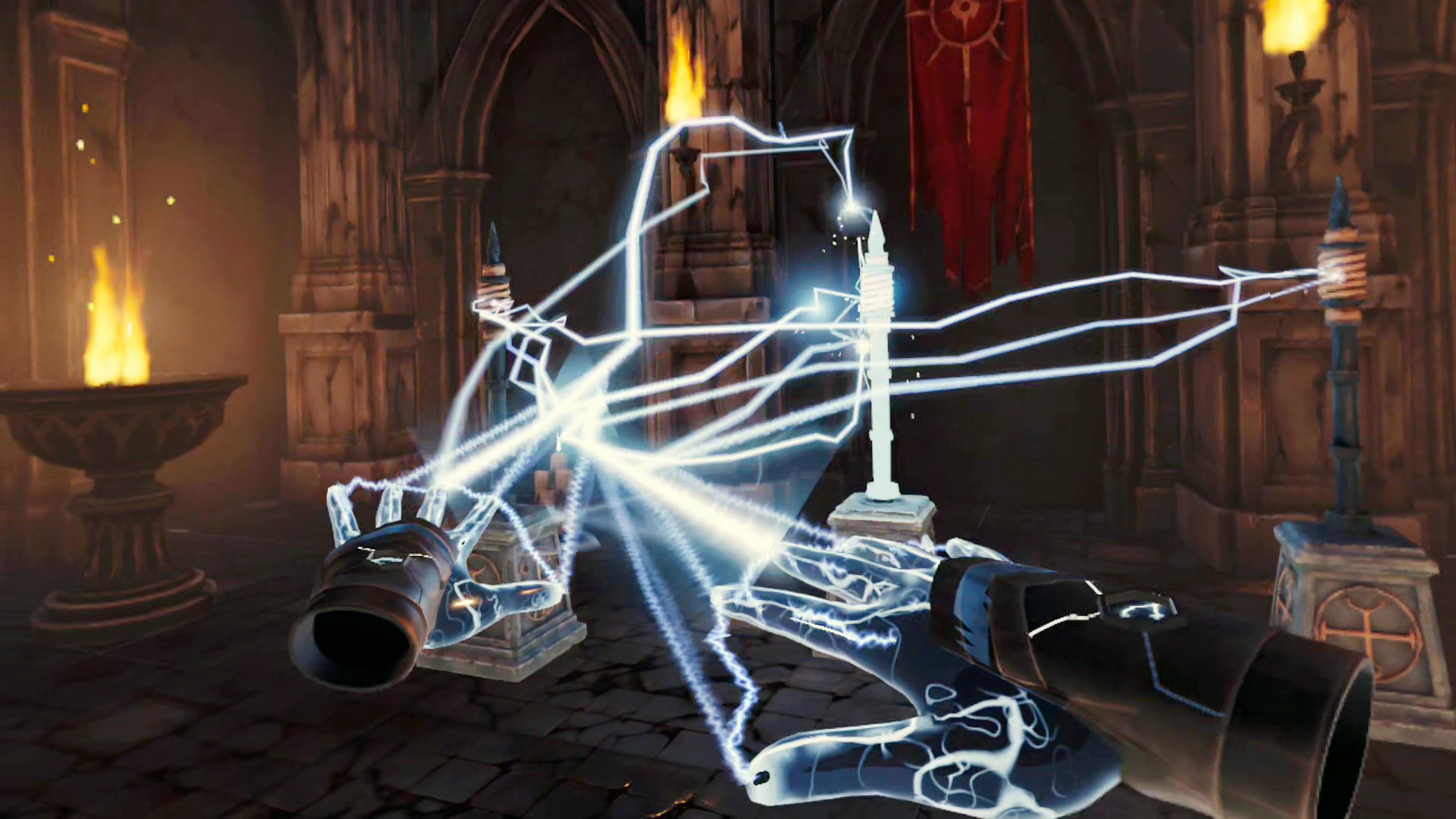
Lightning: both open hands pour it into the rods. Captured on Meta Quest.
-
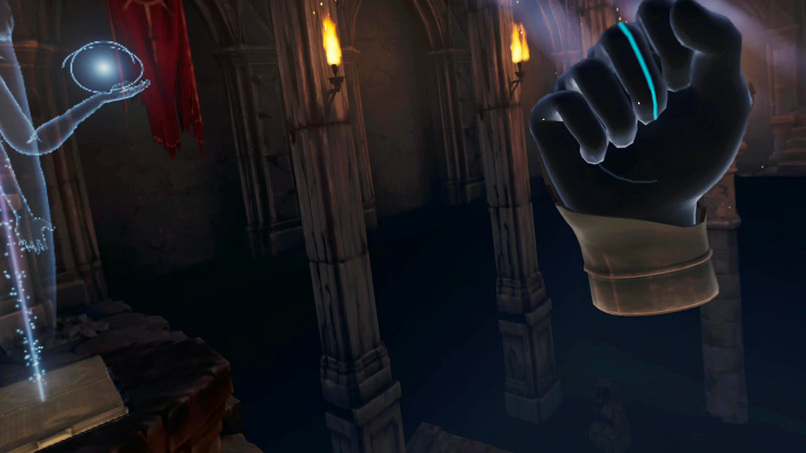
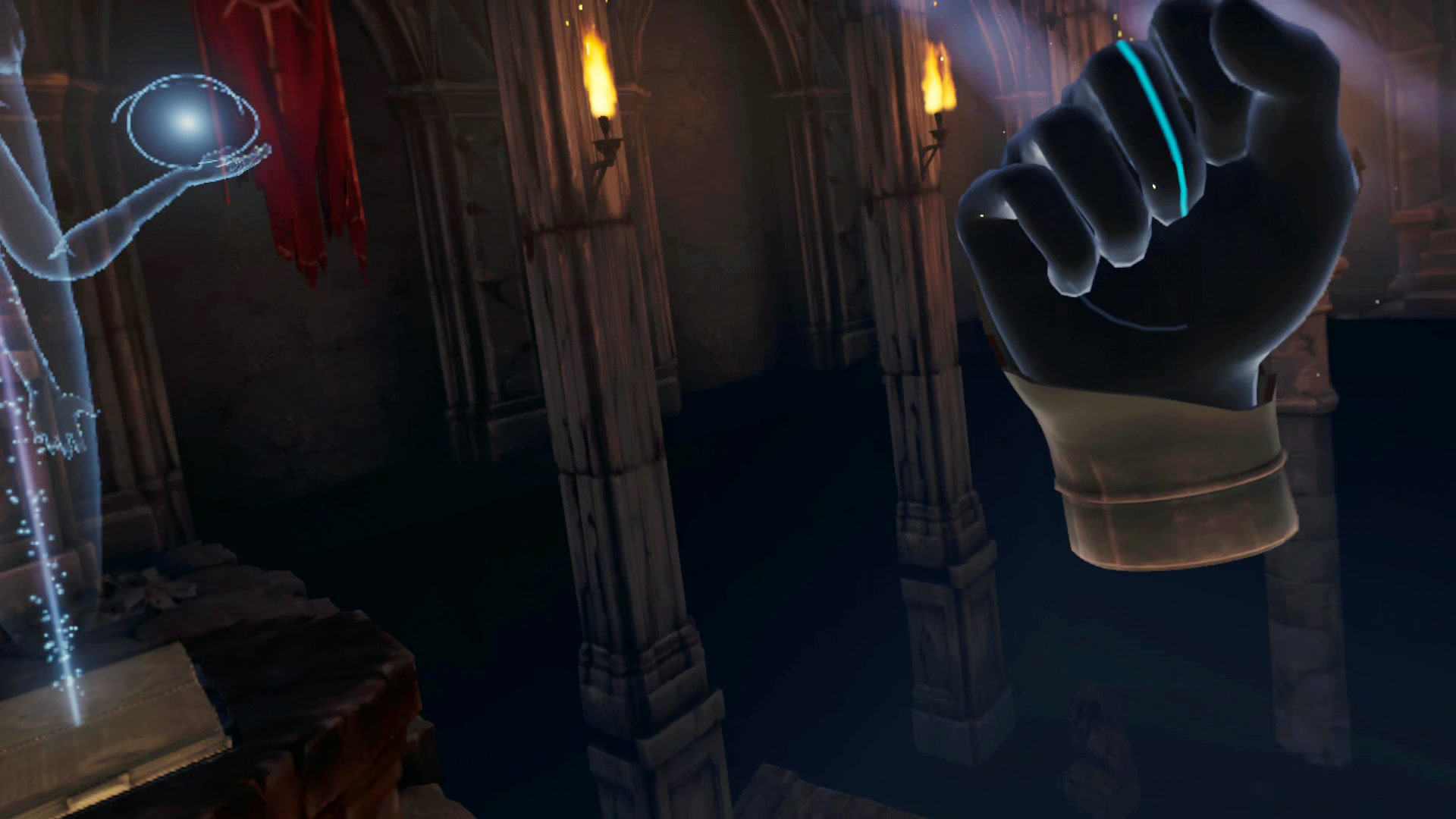
A tome's ghost shows a gesture and the player's fist mirrors it. Captured on Meta Quest.
-
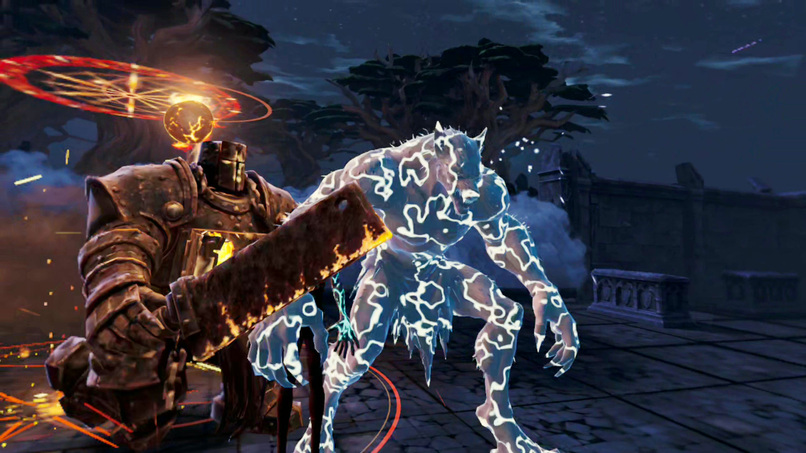
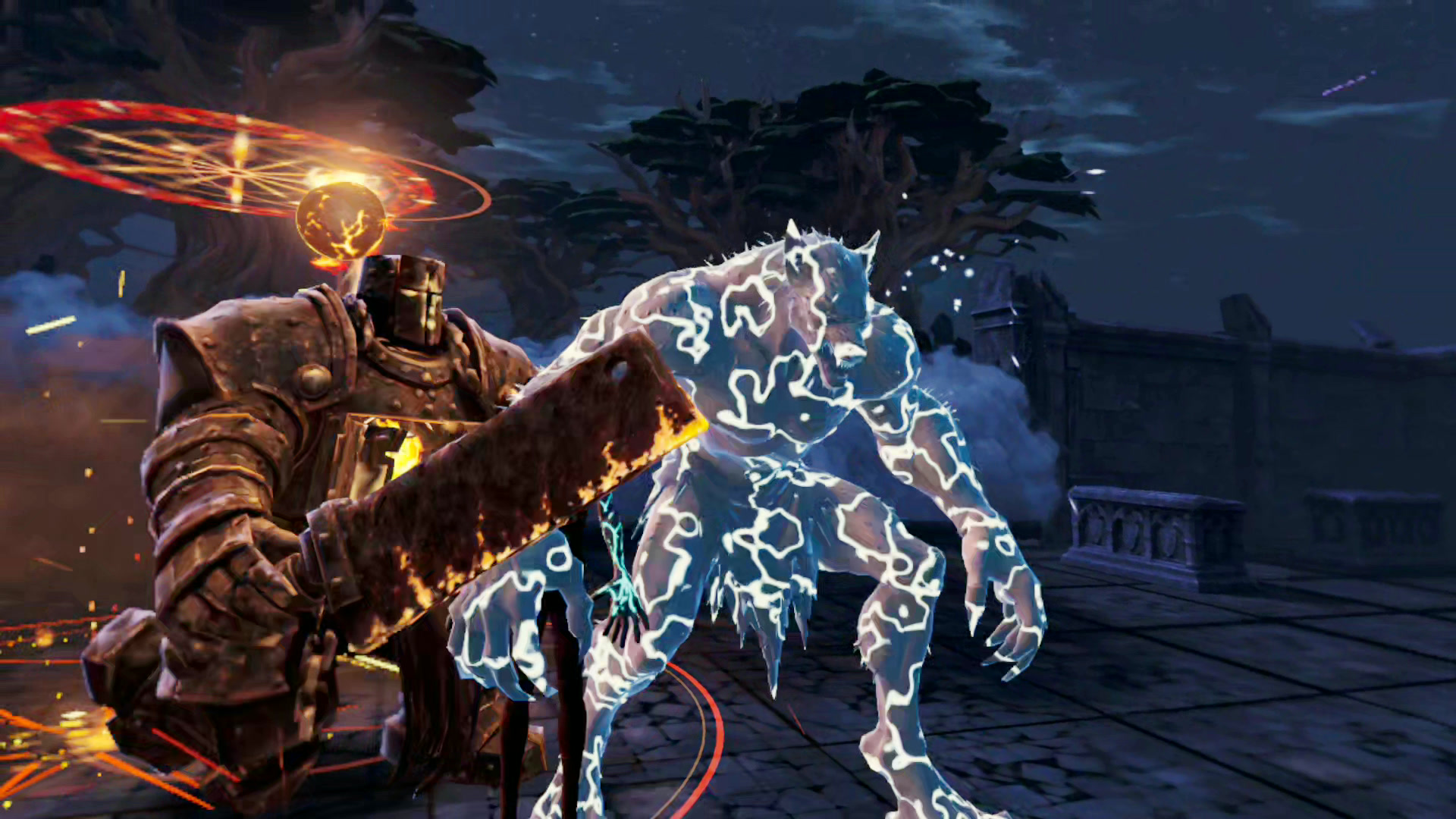
Endless, wave 10: the armoured boss, a werewolf frozen by Lightning, the Meteor's sigil overhead. Captured on Meta Quest.
-
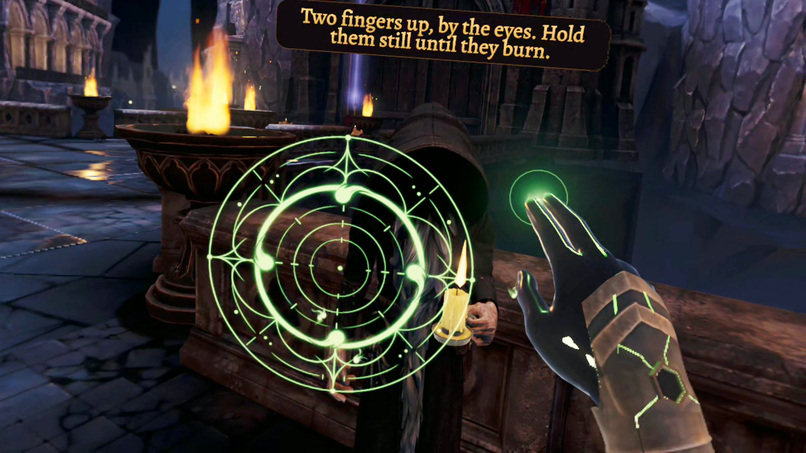
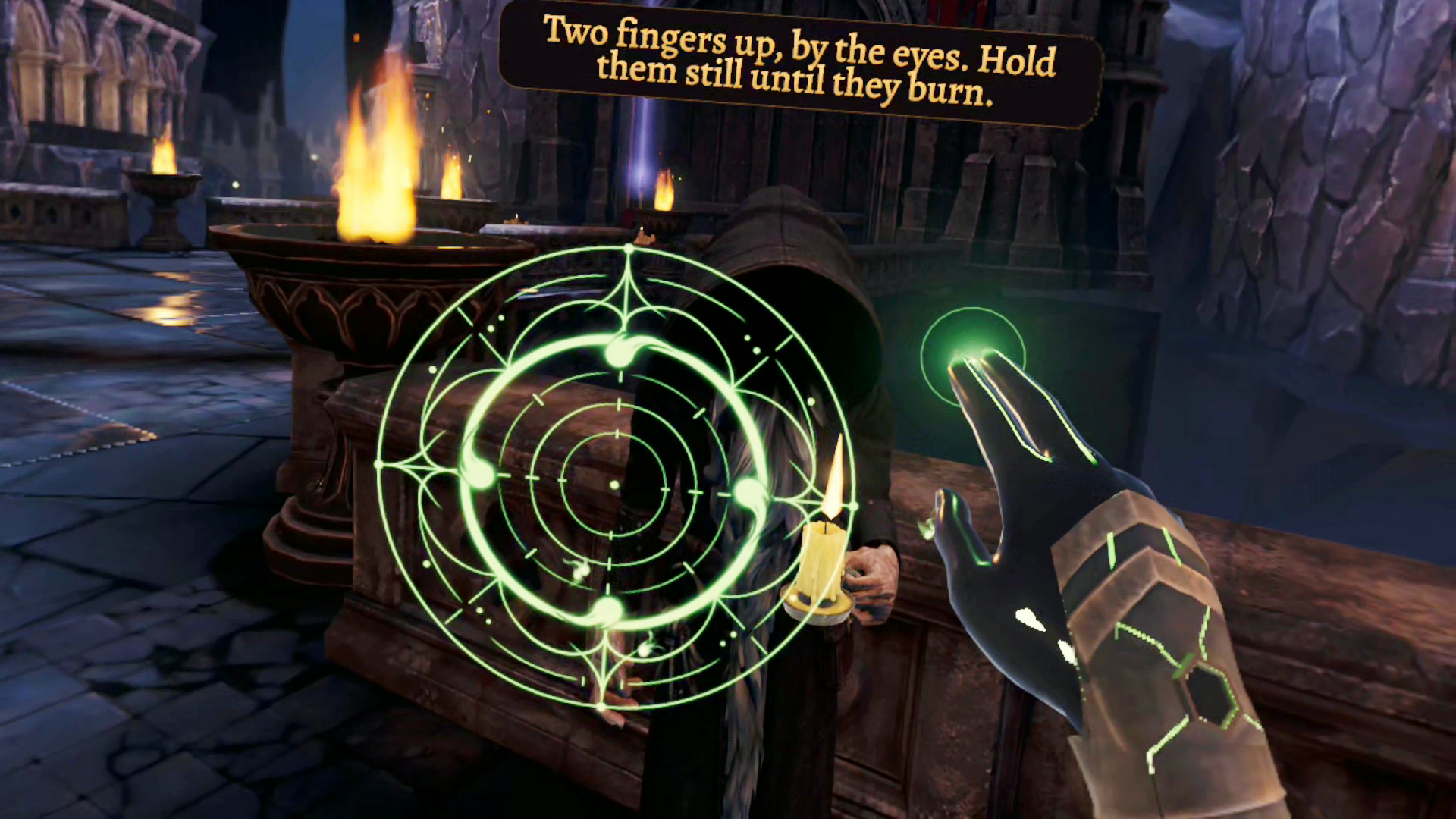
The Keeper teaches a glyph: two fingers up, then draw. Captured on Meta Quest.
-
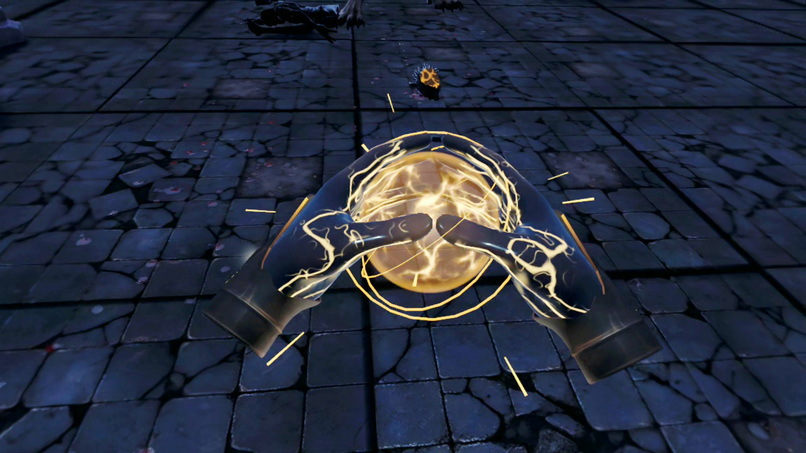
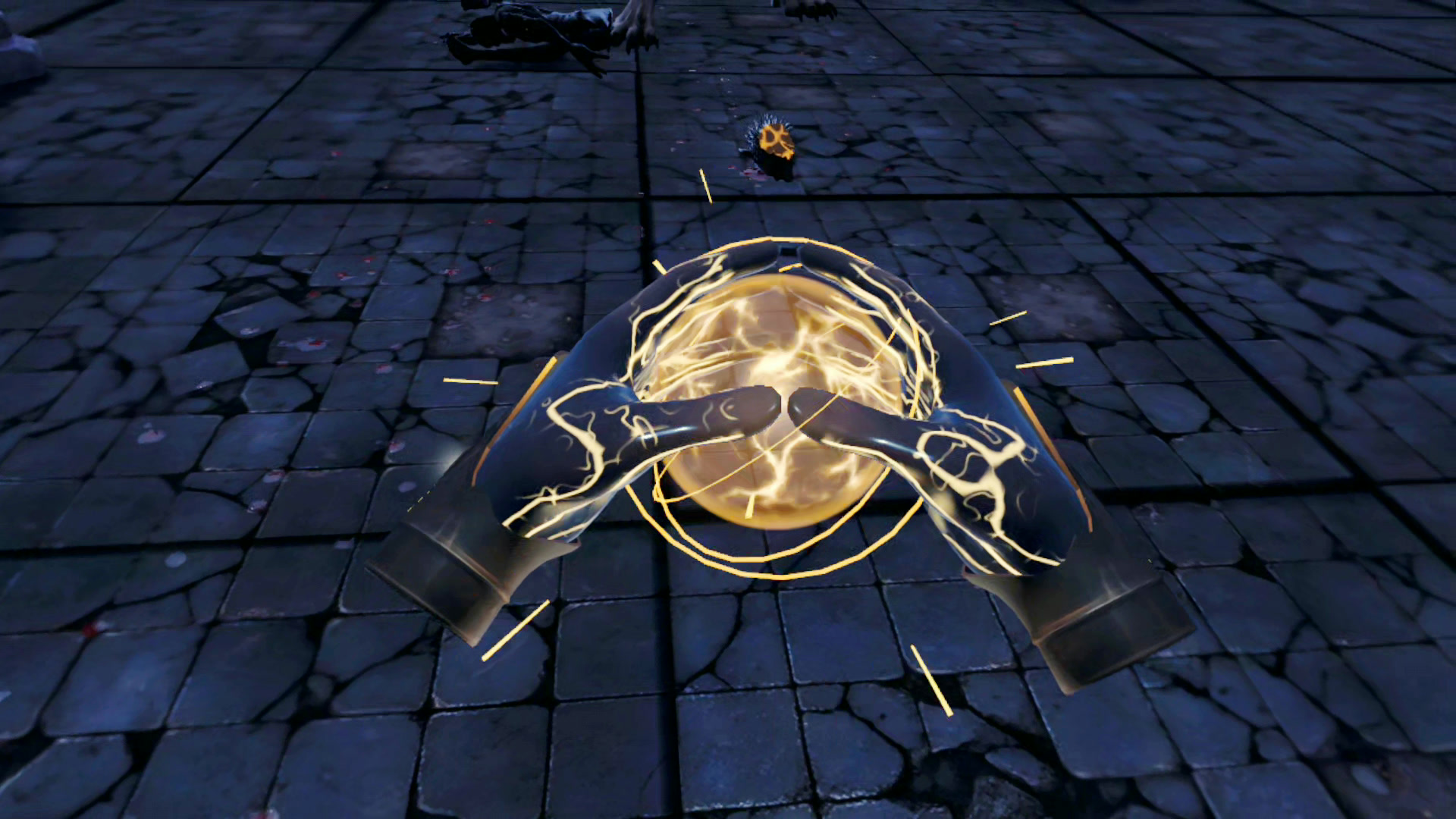
The Energy Orb charging between both hands. Captured on Meta Quest.
-
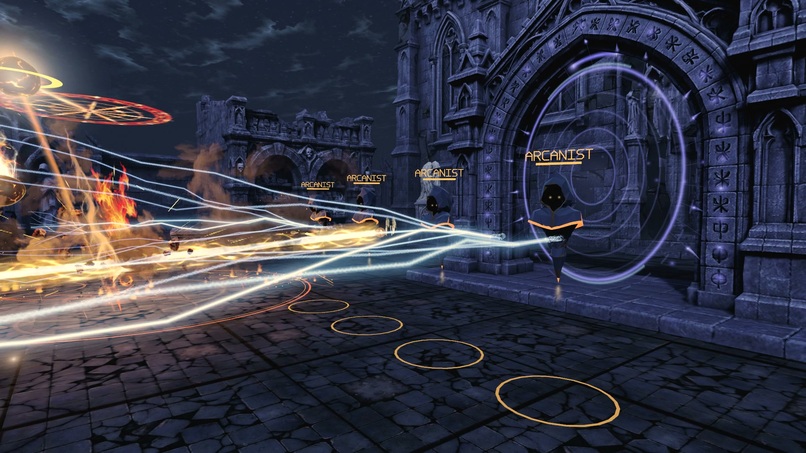
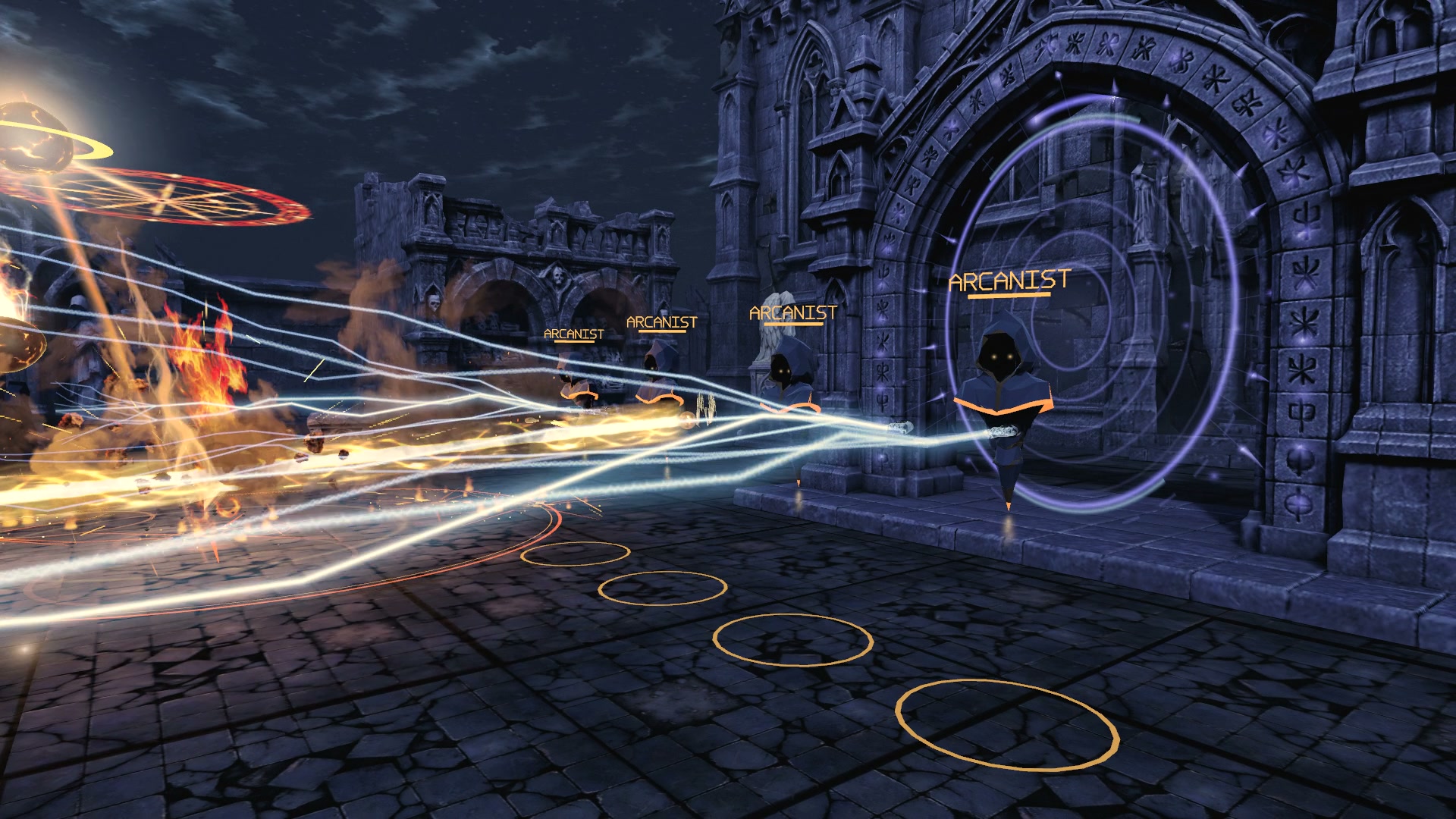
Four Arcanists casting together in Endless. In-engine camera.
-
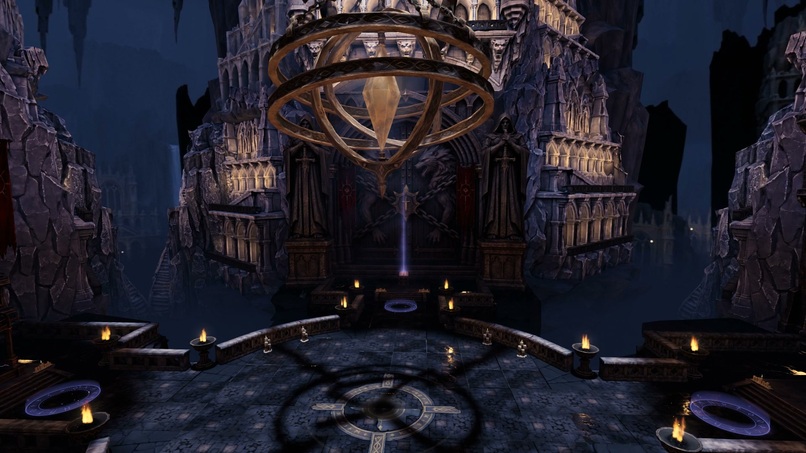
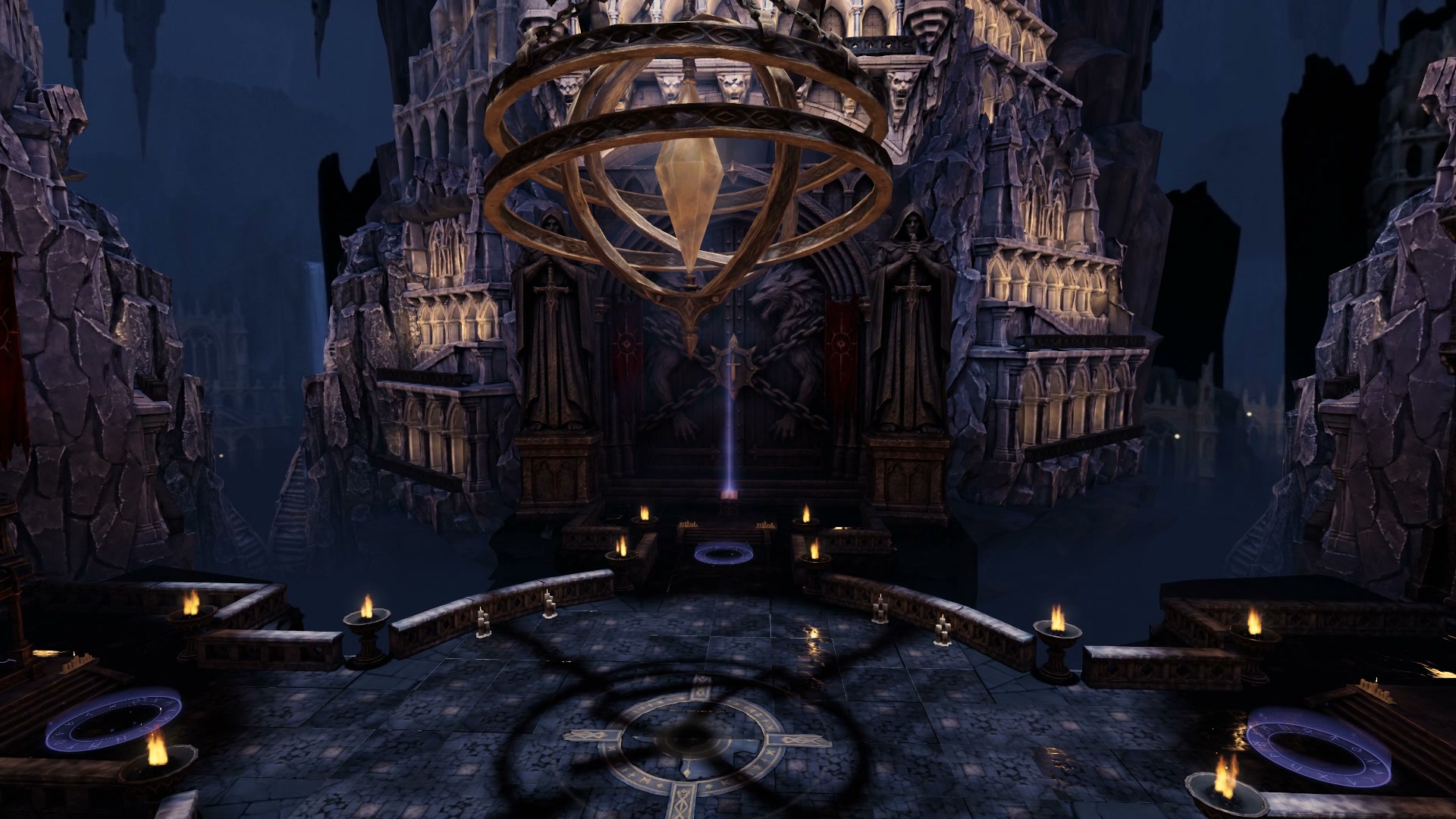
The hub: the Undermaw's doors and the armillary. In-engine camera.
-
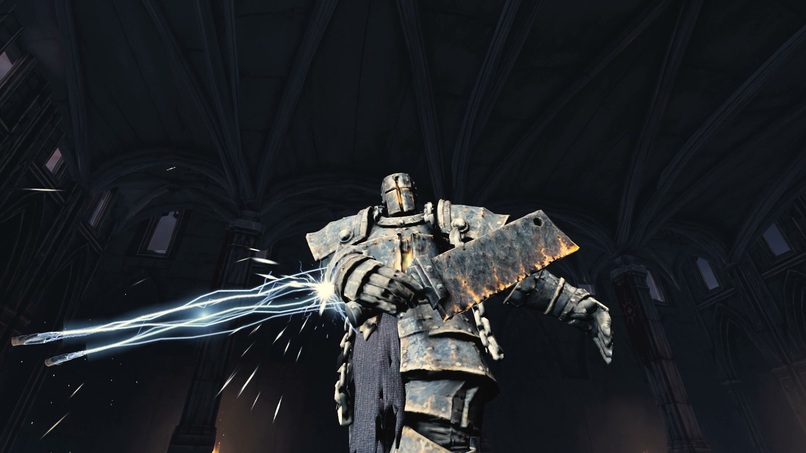
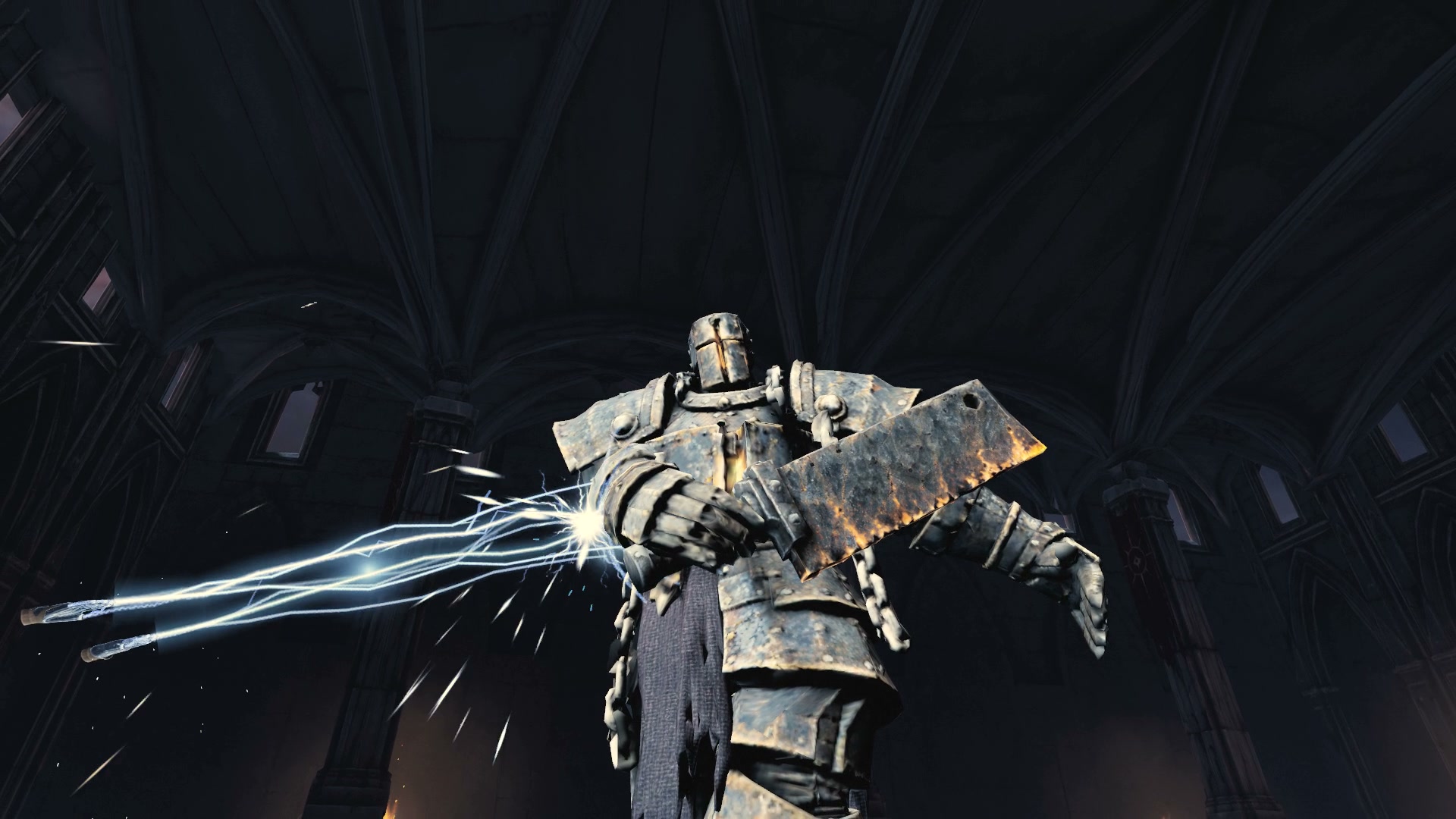
The Cinder Warden under Lightning. In-engine camera.
Inspiration
I've wanted to make this game since I put on my first VR headset, an Oculus Quest 2. Its influences include bending in Avatar: The Last Airbender, the Force in Star Wars, the hand-drawn spells of Doctor Strange, the hand seals in Naruto and Neo stopping bullets with a raised hand in The Matrix. Really, anything where someone has supernatural powers. Hand tracking made it possible to do that with nothing in your hands. I dabbled with it in my free time for years, but it wasn't until AI, and Opus 5.5 in particular, that I could make real progress.
What it does
Arcanistry turns your bare hands into a spellbook. There are no controllers and no buttons: you cast by gesture. Clap for a shockwave, raise your hands to call down a meteor, or grip the air to lift a monster and hurl it across the room. Every gesture is yours from the first minute, and playing grows what each one can do. Team up with up to three friends to fight through the dungeon and its bosses or hold out against endless waves, or turn your spells on each other in free-for-all PvP.
How I built it
Arcanistry is written from scratch in C++17, with no game engine. It uses OpenXR for the headset and hand tracking, and Vulkan for rendering. A small realm server (SQLite on AWS) runs co-op/multiplayer. The gesture recognition is custom, and I tuned it from my own playtests in the headset.
AI is my team:
- Claude Code (Opus 5.5) wrote the code, the renderer and the tools, and did most of the Blender finishing and asset reviews.
- Codex made the concept art.
- Tripo turned the concept art into 3D models.
- ElevenLabs made the audio.
- fal, with the MiniMax video model, drives the animation (more below).
- Blender is where every model is finished.
GPT-6.2-Astra came in only at the very end. I didn't use it until the day before submission, when it took over the last round of asset work.
Challenges I ran into
Deciding what to make. With so little time, the main challenge was figuring out what I wanted to do. I had to narrow an idea that could be anything down to something you can pick up and enjoy in ten minutes.
Building my own engine. I chose not to use Unity or Unreal, and that cut both ways.
What I've found personally is that a commercial engine brings a lot of bloat you have to work around: long loading times, and built-in shaders and assets that create challenges of their own. Without one, everything is built for this one game and this one headset:
- The renderer is cut to fit. It's designed around the Quest's GPU (more below) and draws only what the game needs.
- It suits AI. With no editor, the whole game is source code and text files, which AI can read and change directly.
The downside is that everything an engine gives you for free, I had to build:
- the renderer and the character animation;
- the physics, the audio and the networking, plus the realm server behind co-op;
- the gesture recognition and every menu;
- the texture compression and packaging;
- the crash reports and telemetry;
- the connection to Meta's platform features.
There's no visual editor either, and that led to my main innovation: the "holodeck". Instead of an editor, I play the game and talk. I dictate what I notice while I'm in the headset, and Claude on my computer hears it, changes the game and pushes the change into the headset while I'm still playing, with a room restart at most. The game gets edited from inside it.
Animation. This is still where AI struggles most. I spent a long time experimenting before landing on a technique built on a video model, one a lot of people have been trying lately:
- The video model films the rigged character from the front and the side in a single frame. Each limb is painted its own colour, so left and right never swap.
- A joint reader, trained on that one character, finds every joint in both views.
- Each joint is placed in 3D where the two views meet.
- The rig is fitted to those joints frame by frame.
Performance. I wanted a healthy frame rate: 90 Hz on the Quest 3, and never below 72 even in the busiest fight. That's a different world from rendering on a PC or a console. The Quest is a phone-class chip running on a battery, drawing a separate image for each eye, with a fraction of the power and memory bandwidth. Its GPU is also built differently. It's a tile-based renderer: it draws the screen in small tiles held in fast on-chip memory, and anything that has to leave that memory is expensive. I'd never worked with that architecture before. Many techniques that are standard on PC and console turn into real costs here, like separate full-screen post-processing passes or a depth pre-pass. So the renderer works the other way round. As much of each frame as possible stays on the chip until it's finished, and every pixel carries as little data as it can. The edges of your view are drawn at lower detail, where your eyes don't notice.
Accomplishments that I'm proud of
- Three modes, when I thought I'd have to choose just one: Endless, a dungeon crawl with bosses, and free-for-all PvP, all supporting multiplayer.
- A complete hands-only spell game, with its own engine, built in under two months by one person working with AI.
- Spells that feel physical: you clap, raise your hands or grip, and the world answers.
- The "holodeck": I edit the game by voice, from inside it. While I play, I say what I notice out loud: a spell that feels sluggish, a sound that's too loud, a room that's too dark. Claude on my computer hears it, makes the change and pushes it into the headset while I'm still playing, so I don't have to take the headset off to see it. The game is the editor.
- A renderer designed around the Quest's own hardware.
What I learned
- How tile-based GPUs think.
- AI can build an enormous amount when it's given clear direction. Animation is still the place where you have to get creative.
What's next for Arcanistry
- Procedural dungeon generation, so every run through the dungeon is a new one.
- More progression systems.
- More spells and creatures.
- A launch on the Meta Horizon Store, targeted for Q1 2027.

