-
-
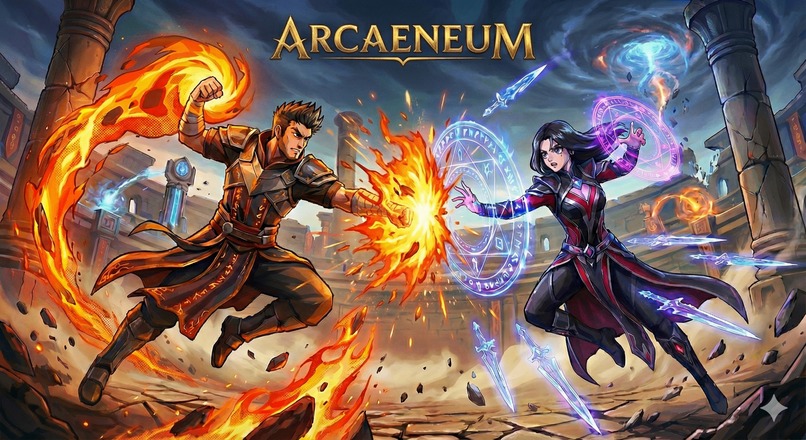
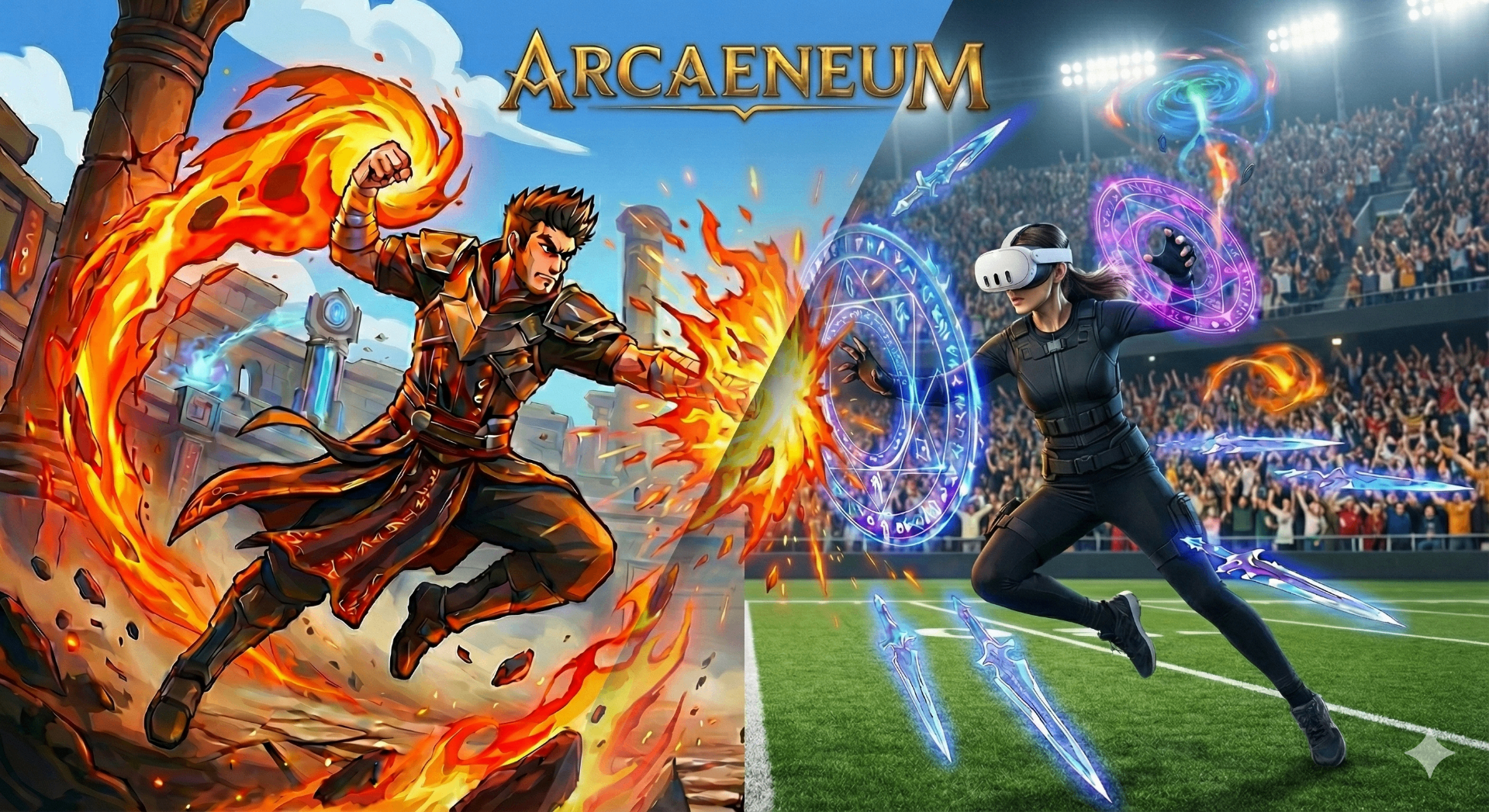
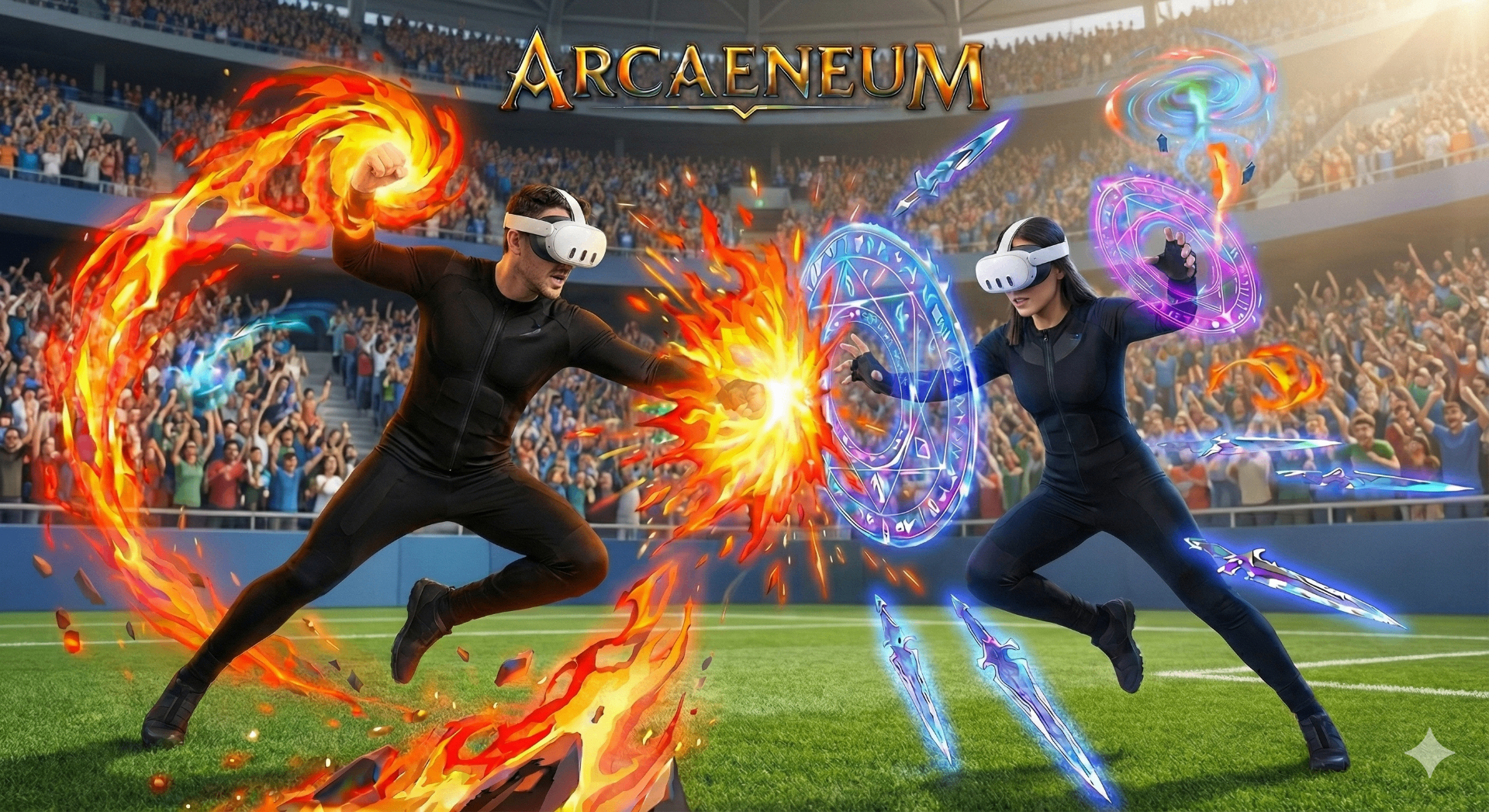
Join the first generation of real life sorcerers
-
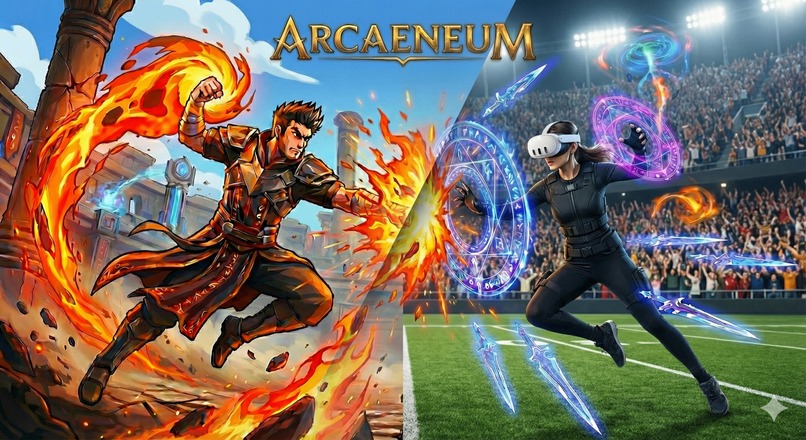
Where reality and magic collides
-
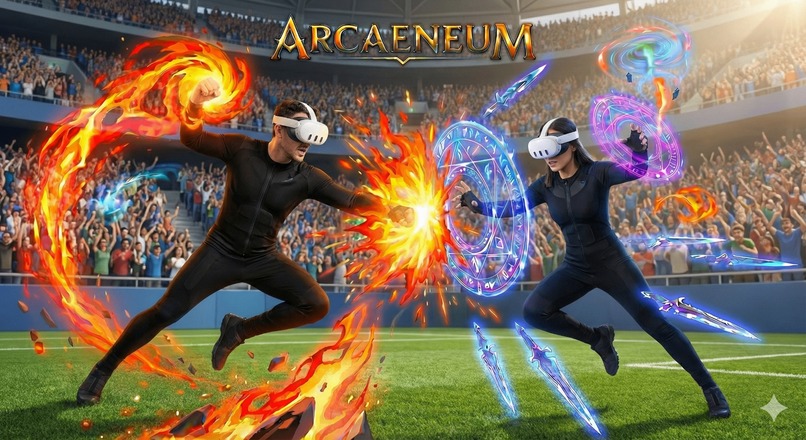
See you on the field soon.
-
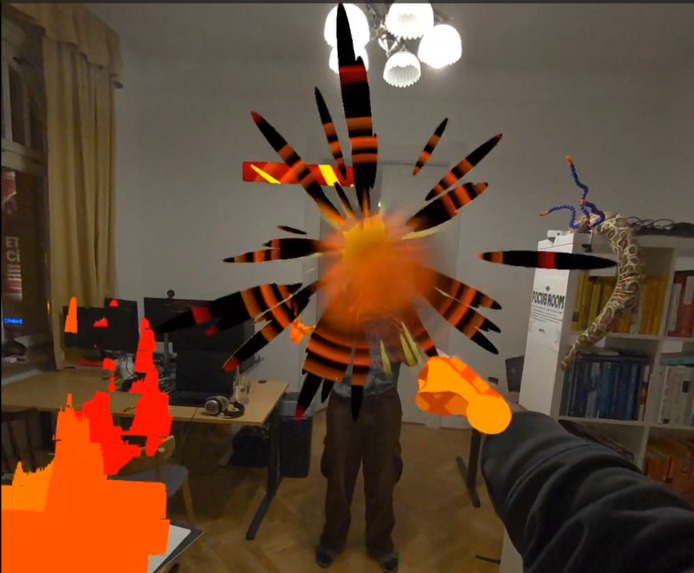
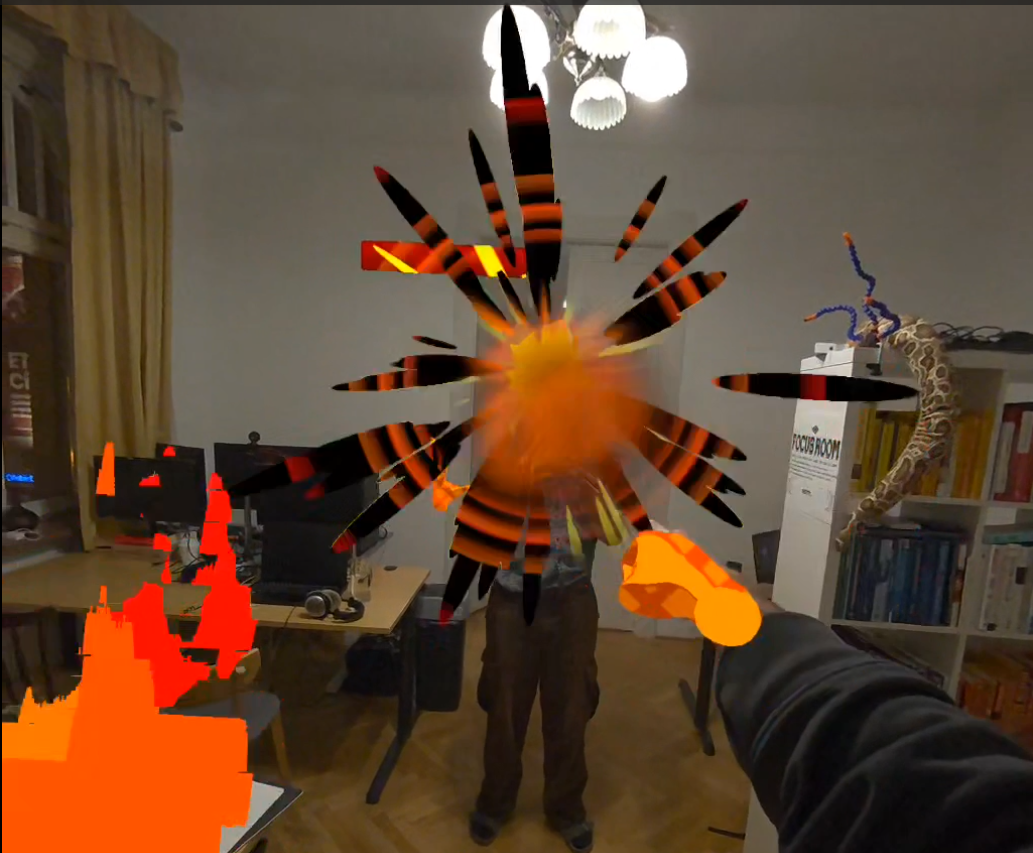
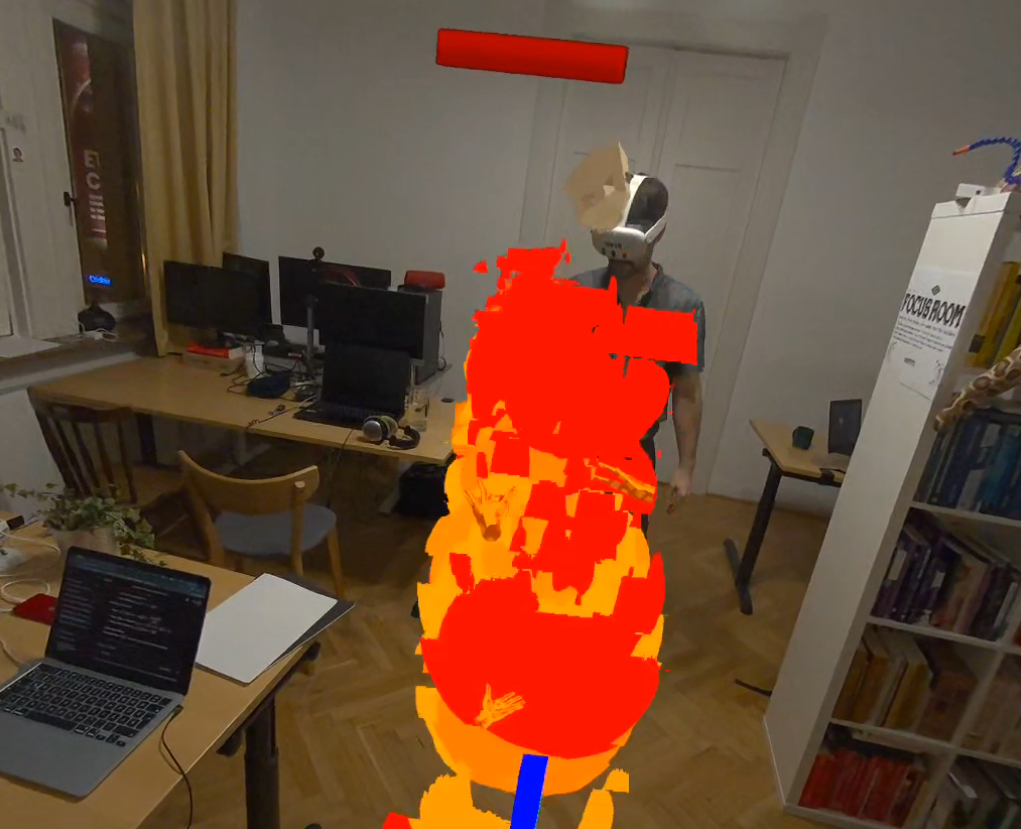
Throw a fireball in other people's face!
-
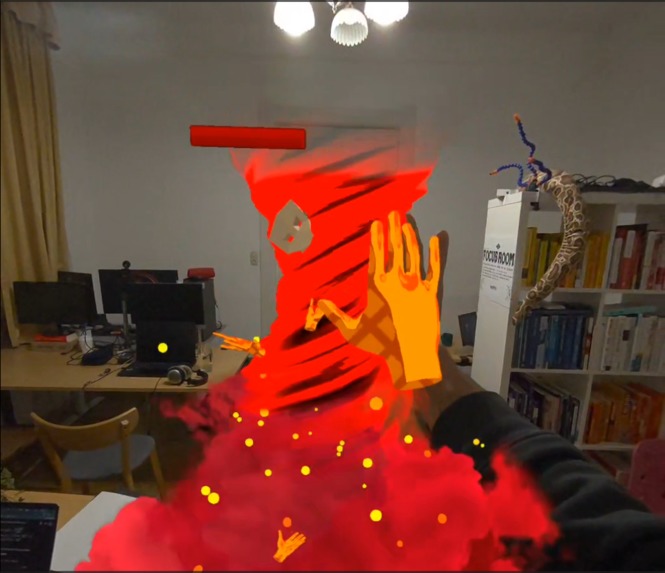
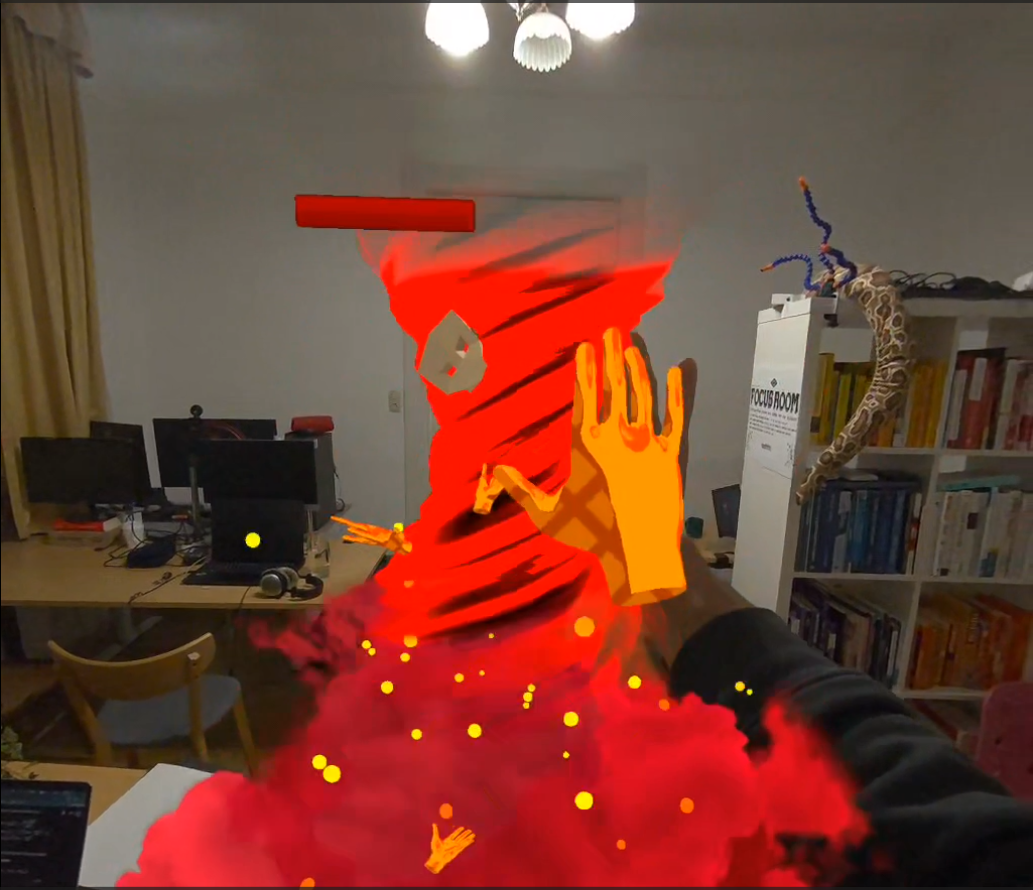
or a firenado
-
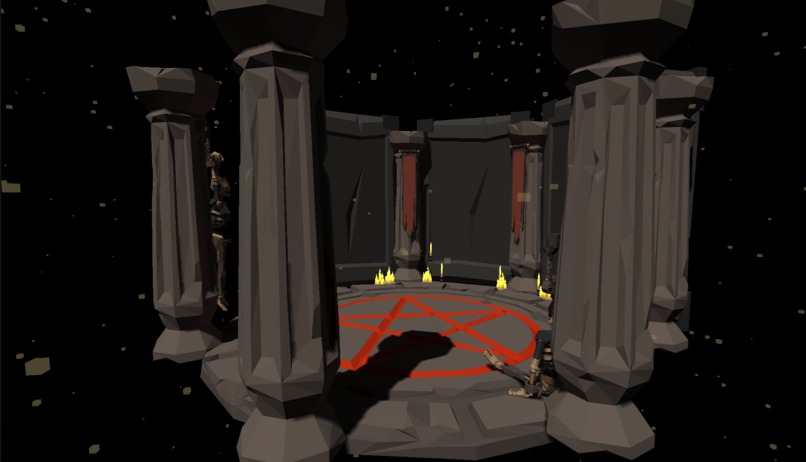
-
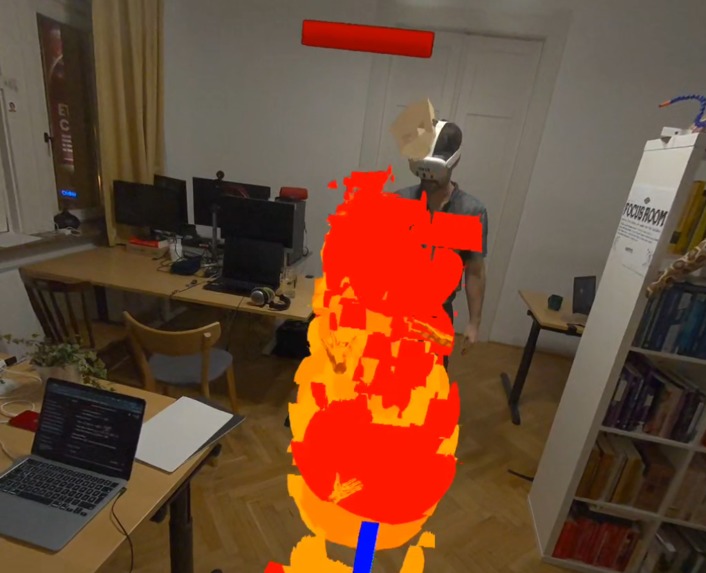
Conjure a firewall underneath your friends!
Inspiration
Arcaeneum was inspired by the belief that VR can become a completely new category of competitive sport. Traditional games limit players to screens, controllers, and pre-scripted interactions—while real sports rely on physical skill, spatial awareness, and creativity. With the arrival of Meta Quest 3’s mixed-reality, hand-tracking, and colocation capabilities, we saw the opportunity to merge these worlds. The goal was simple: create a fast, expressive, physical spell-casting game that feels like a real sport, where players move, dodge, aim, and cast abilities with their entire bodies. Arcaeneum is the first step toward a new genre: full-body VR arena sports.
What it does
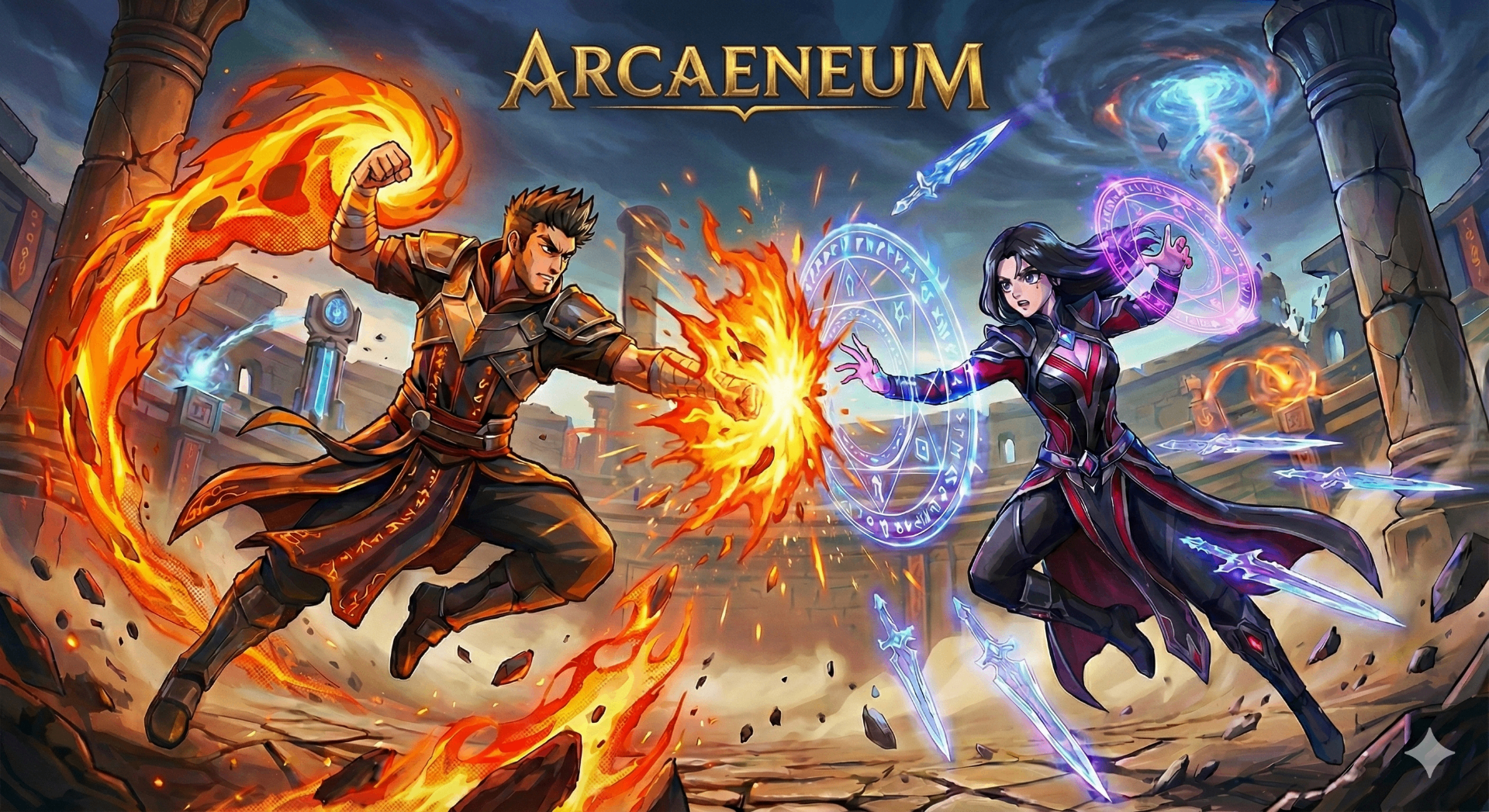
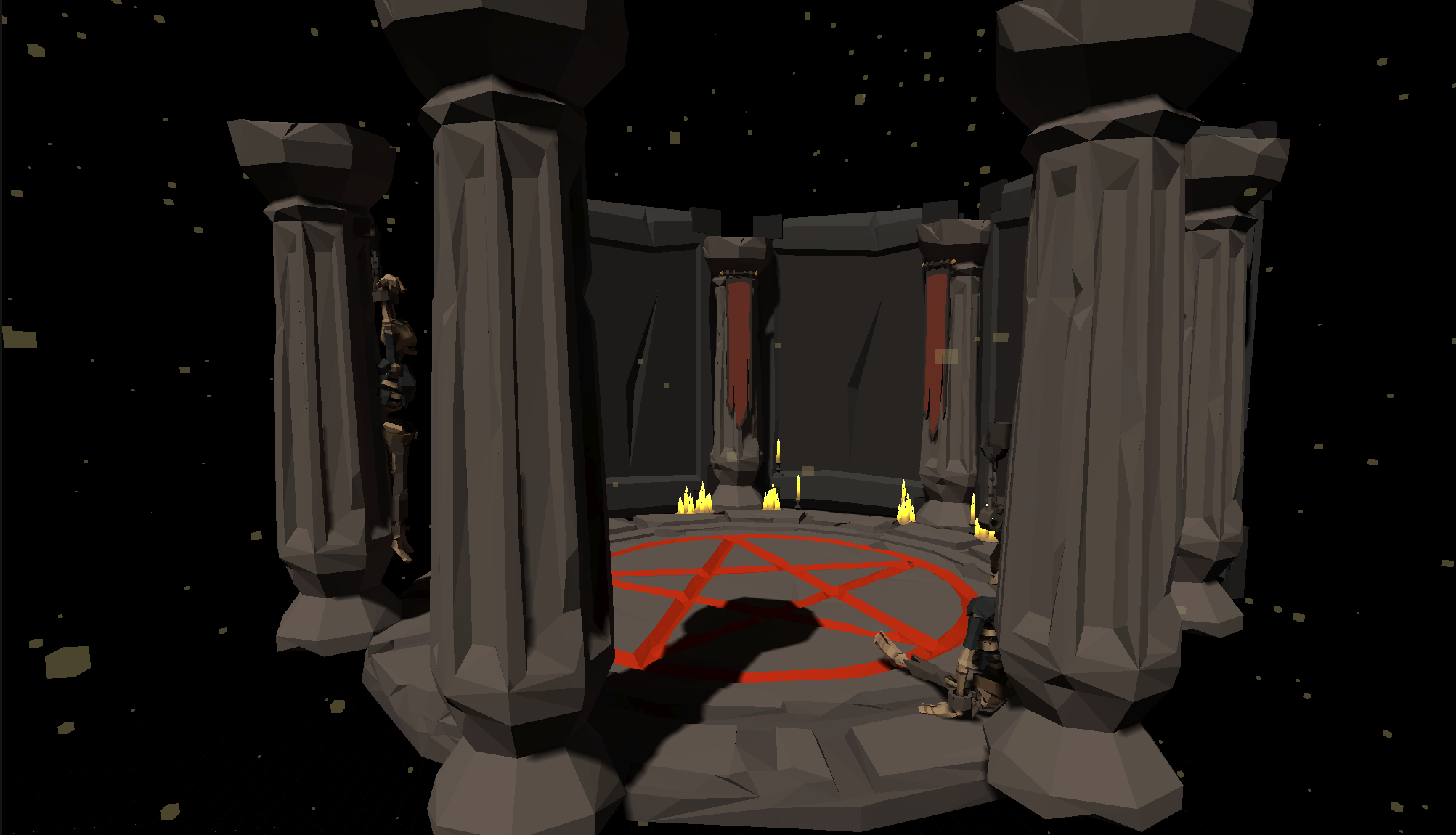
Arcaeneum is a competitive VR spell-fighting game built for Meta Quest 3 with both single-player and multiplayer colocation modes. Players cast elemental spells using actual hand poses and gestures, battle enemies or each other, and build custom arenas using placeable objects. The core experience includes:
- Real spellcasting through gesture recognition and pose-based triggers.
- Fast-paced 1v1 duels, co-op horde defense, and PvE combat.
- A fully modular system of placeable objects allowing players to design their own arenas and game modes.
- Colocation multiplayer, letting multiple players share the same physical arena with precise spatial alignment.
- Arena-based mobility, dodging, shielding, deflecting, and controlling space like a real sport. The result is an experience that feels physical, intuitive, and competitive—something you can train for, not just play.
How we built it
Arcaeneum is built using Unreal Engine 5.5, the Meta XR SDK, and custom gameplay systems developed from scratch:
- A hand-tracking spellcasting system using custom gesture detection, pose filters, and Unreal’s Gameplay Ability System (GAS).
- A colocation-ready multiplayer framework, combining Meta’s Shared Spatial Anchors with custom replication logic for poses, locomotion, and abilities.
- A modular “game object” architecture (fireballs, shields, placeable arena objects) built to scale into a MOBA-like ruleset.
- Fully optimized Niagara VFX, custom shaders, and mobile-friendly materials for clean performance on Quest 3.
- A flexible VR player controller supporting seamless switching between tracked controllers and full hand tracking.
- A dynamic level building tool, enabling players to create their own modes using spawners, objectives, and obstacles. Everything—from networking to animation replication—was engineered to feel responsive, physical, and fair within low-latency multiplayer.
Challenges we ran into
Building Arcaeneum required solving multiple deep technical challenges:
- Colocation networking: synchronizing multiple players in the same physical space with millimeter-accurate anchors.
- Hand tracking reliability: designing gestures that feel natural and consistent across different lighting and play areas.
- Mobile VFX performance: converting traditionally expensive effects into Quest-optimized masked Niagara systems.
- GAS in VR: adapting the ability system for high-speed, physics-based gameplay with instant feedback and extending it to Listen server type multipalyer game architecture.
- Replicating poses and animation: ensuring consistent character states across server and clients while keeping latency low.
- Designing intuitive controls: making spellcasting feel natural for complete beginners and rewarding for players who train. Every piece of the project pushed the boundaries of VR gameplay systems—in the best way possible.
Accomplishments that we're proud of:
- Achieving fully functional 1:1 gesture-based spellcasting that feels fast, accurate, and fun.
- Building a working colocation multiplayer prototype on Quest 3—one of the hardest problems in modern VR.
- Creating an arena system where players can place objects and essentially build custom game modes inside VR.
- Developing a complete ability system with spells, shields, projectiles, and interactables.
- Hitting smooth real-time performance with mobile-optimized VFX and advanced replication logic.
- Establishing the foundation for a new VR sport that blends fitness, eSports, and mixed reality creativity.
- Arcaeneum now feels like a real game with real competitive depth—something that can grow into a full ecosystem.
What we learned:
- Build reliable gesture and hand-tracking systems that players understand fast.
- Design low-latency VR multiplayer that works in a shared real-world space.
- Use Meta XR Core APIs for anchors, tracking, permissions, and colocation logic.
- Architect VR gameplay using GAS, replication frameworks, and modular actor systems.
- Optimize rendering and VFX for mobile VR hardware without sacrificing visual identity.
- Iterate quickly using rapid prototyping, testing with non-gamers, and simplifying gestures for better UX.
- Ultimately, we learned how to design something that feels alive, physical, and competitive.
What’s next for Arcaeneum: We’re preparing to grow Arcaeneum into a full VR arena sport:
- Ranked 1v1 and team-based modes including MOBA-lite arena battles.
- A full creator mode where players can design and share their own arenas.
- More spells, abilities, and roles, creating deeper competitive strategies.
- Cross-play colocation + online multiplayer for hybrid tournaments.
- A spectator + streaming camera system inspired by professional eSports broadcasts.
- Physical arena kits that allow gyms, VR arcades, and events to host Arcaeneum tournaments.
Our long-term vision is to build a global VR sport—fast, expressive, spectator-friendly, and powered by Meta’s spatial computing ecosystem... ...and we are just getting started.
Built With
- gesturerecognition
- metaxrplugin
- unrealengine5


Log in or sign up for Devpost to join the conversation.