-
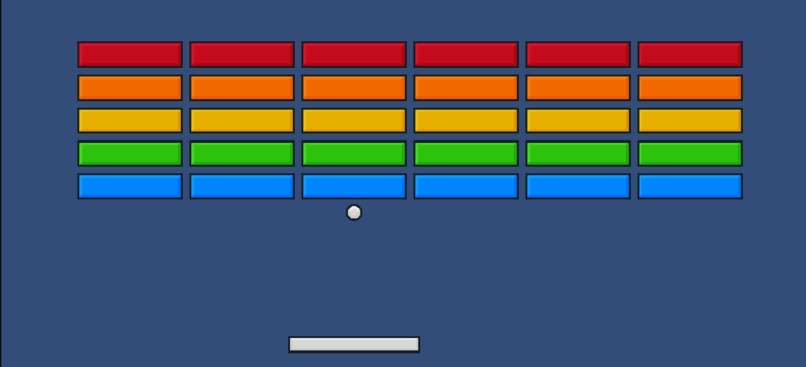
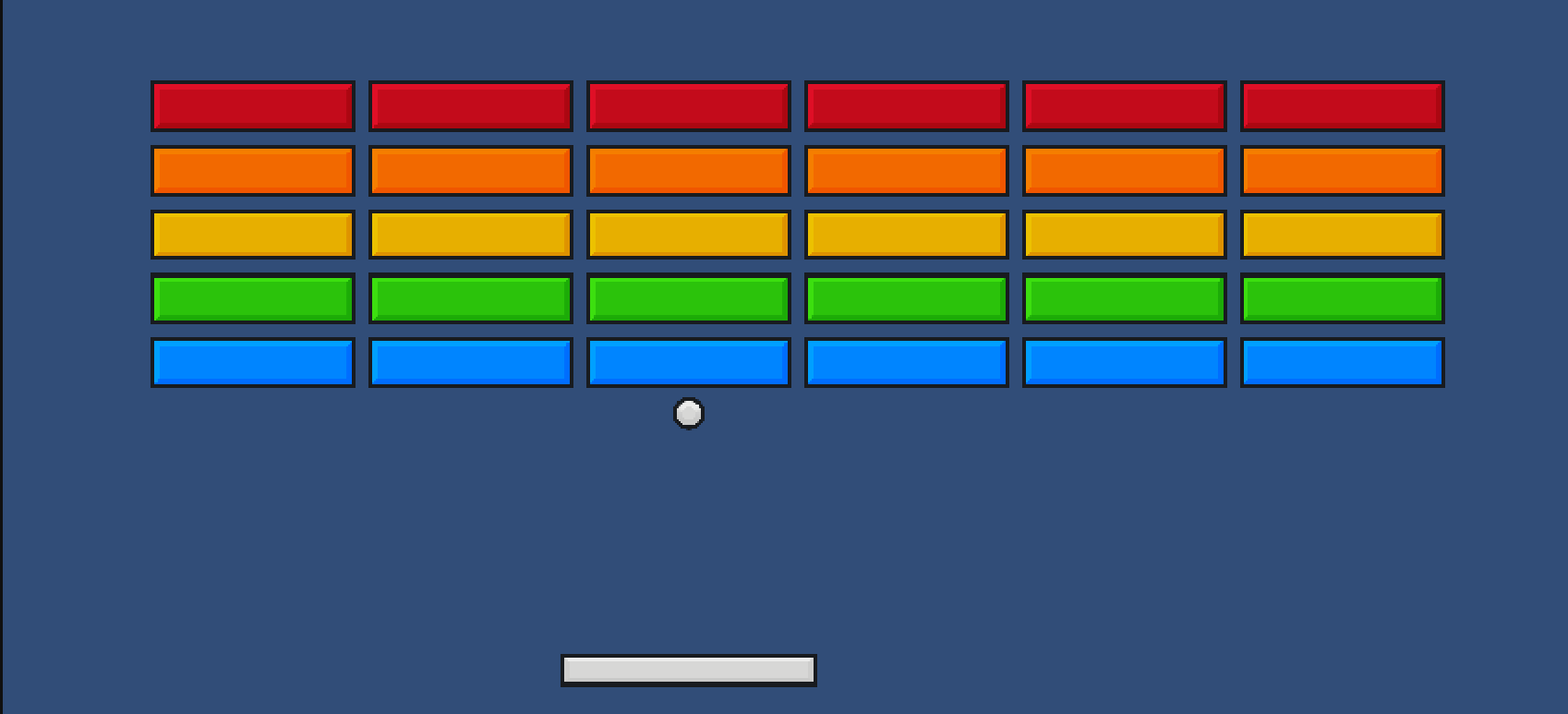
Brick Breakers minigame
-
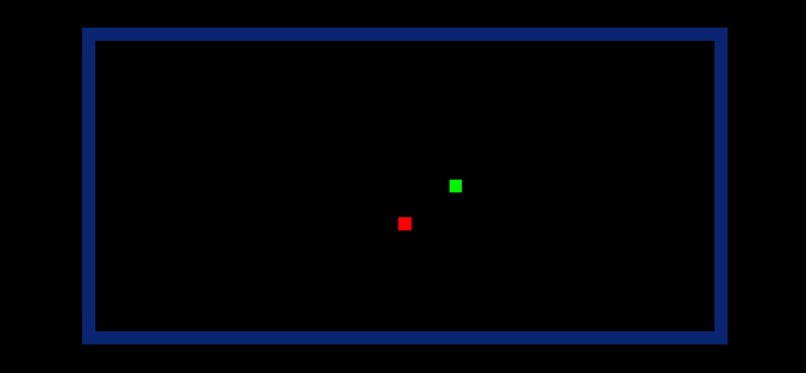
Snake minigame
-
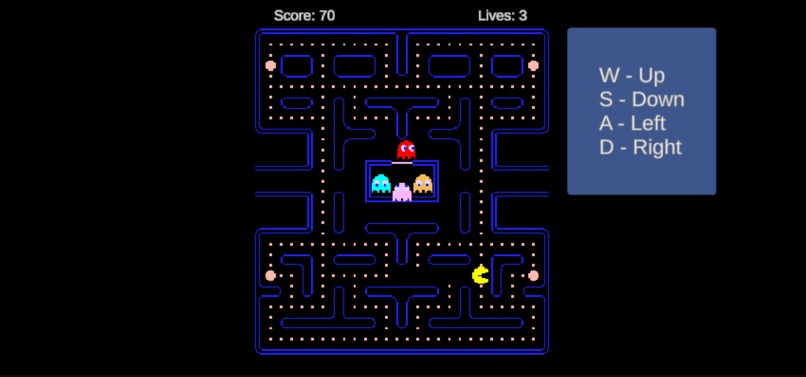
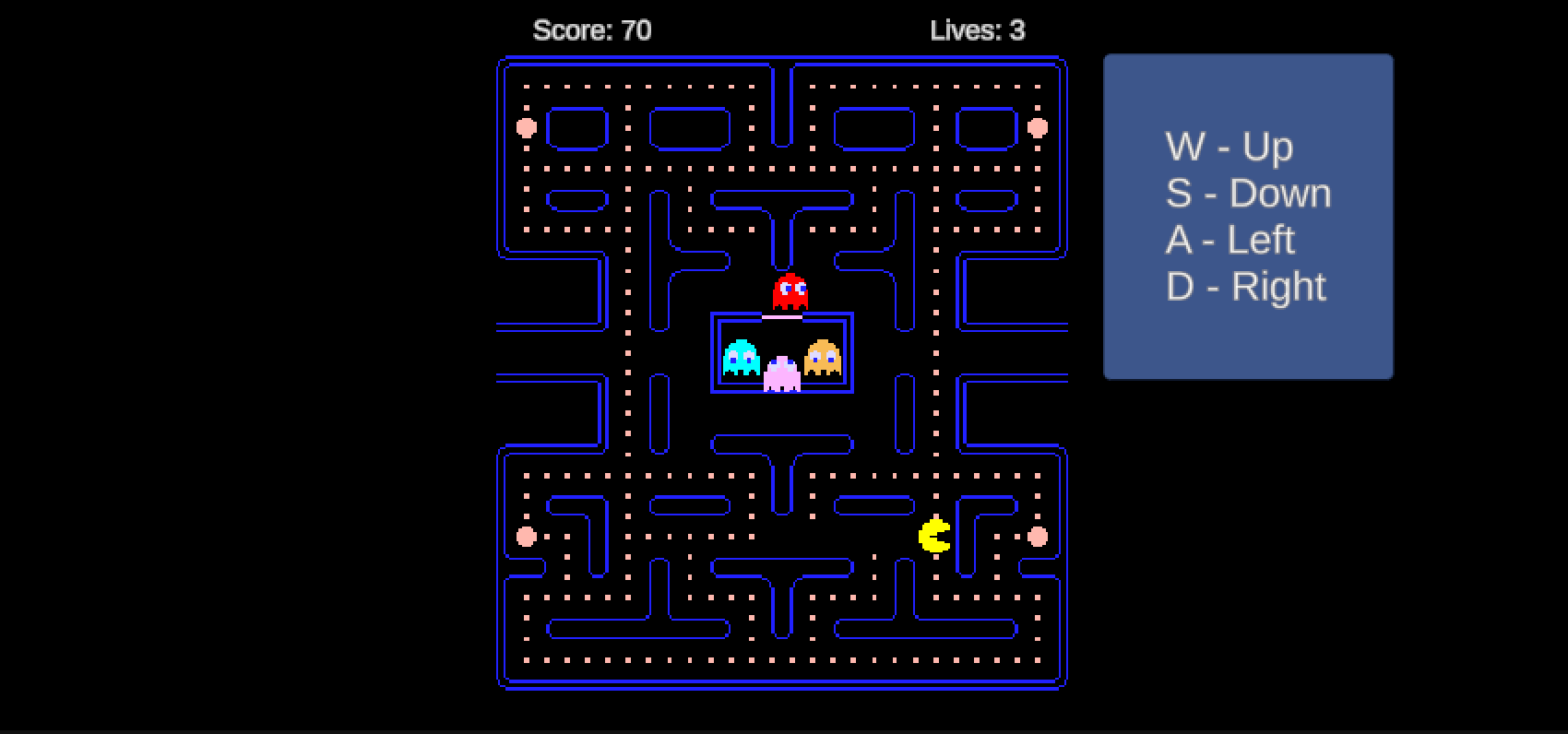
PacMan minigame
-
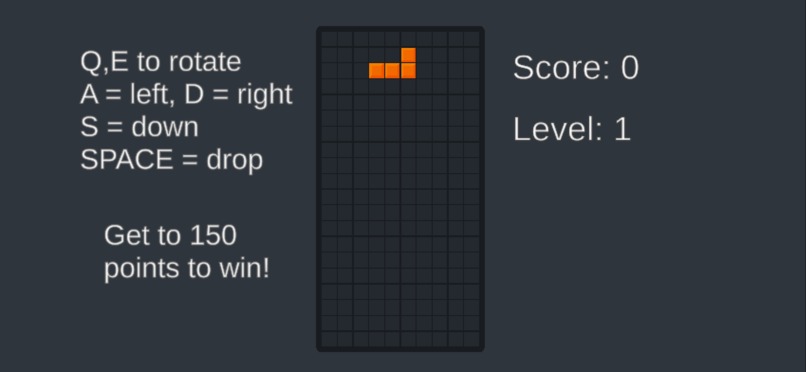
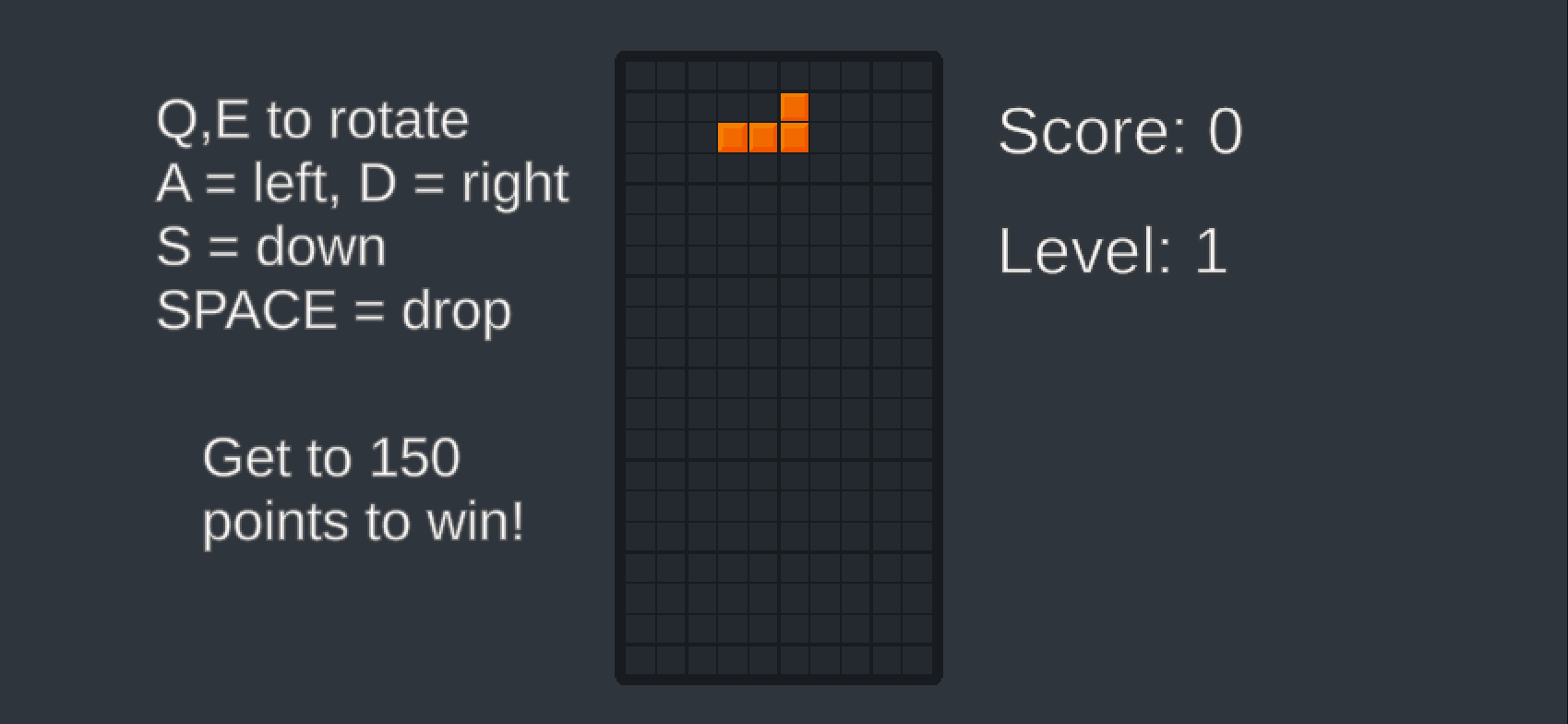
Tetris minigame
-
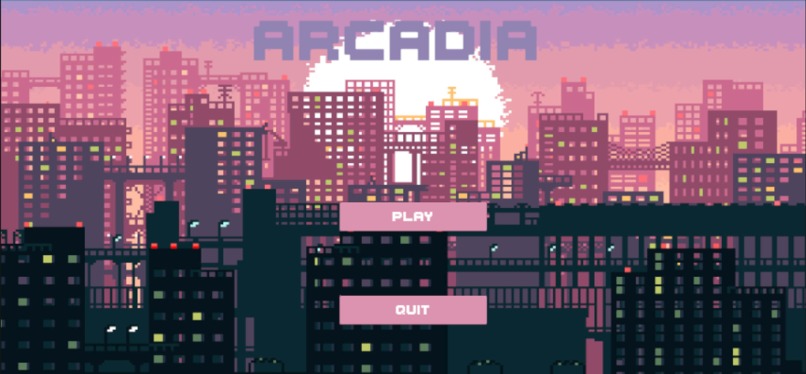
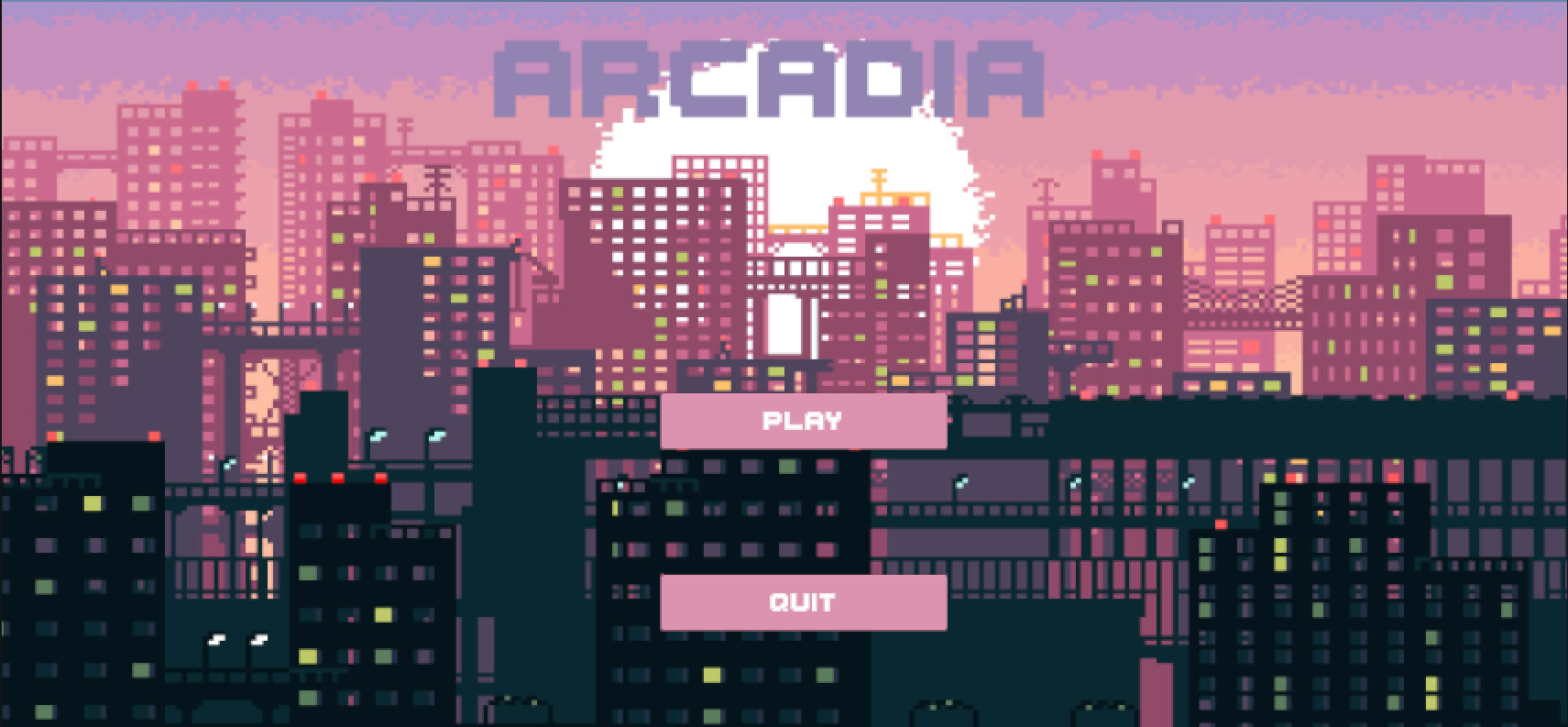
Title screen
-
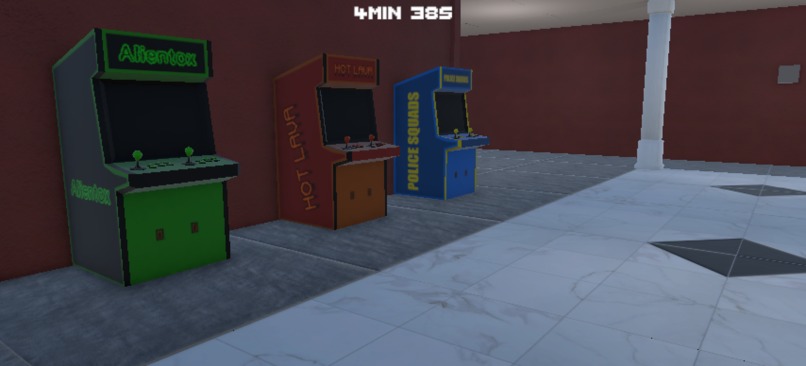
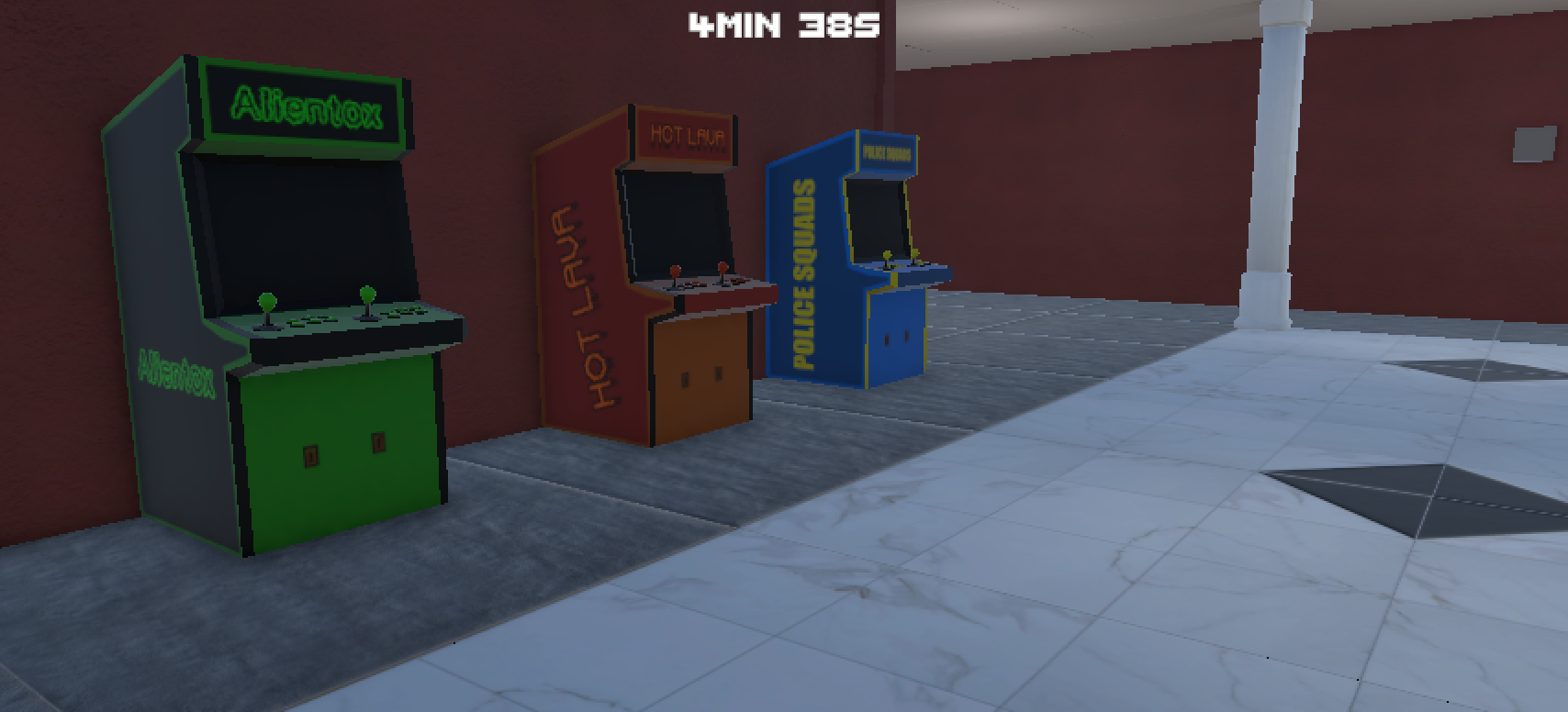
Arcade room 3d view

Inspiration
Our inspiration for Arcadia came from a love for classic arcade games and the challenge of creating an immersive digital escape room. We wanted to combine the nostalgia of iconic arcade mechanics with the thrill of solving puzzles, delivering an experience that's both entertaining and challenging. By merging these two concepts, we hoped to create a unique adventure that would transport players back to the golden age of arcades, all while testing their problem-solving skills.
What it does
Arcadia is a digital escape room where players progress through different rooms by completed arcade-inspired mini games. Each mini game serves as a unique puzzle and solving it gives you another key to unlock the final door. Players can explore levels filled with retro graphics and aim for high scores, blending the fun of old school arcade games with the excitement of an escape room.
How we built it
We build Arcadia using the Unity Game Engine and C# to create the game mechanics, levels, and transitions between mini games. The retro aesthetic was achieved through pixel art giving the game a nostalgic feel, while the classical sound effects and music helped capture the arcade atmosphere. Each mini game required its own custom scripting and logic to ensure a cohesive experience. We organized the project into manageable segments with each team member focusing on specific mini games.
Challenges we ran into
One major challenge was balancing the difficulty of each mini to keep it engaging, but not frustrating. Designing multiple mini games also meant we had to work efficiently to ensure all components were completed in time. Another challenge was integrating each mini game into the final arcade area while maintaining an intuitive interface. Debugging and optimizing performance were ongoing efforts especially in animations and sound effects.
Accomplishments that we're proud of
We are proud to have built an engaging arcade-inspired game that's packed with unique mini games and puzzle elements. Achieving a cohesive retro style across different mini games while ensuring smooth game play was no small feat. We are also proud of everything that we have learned and applied within the span of 24 hrs (everyone on our team has pretty limited experience in Unity, C#, version control).
What we learned
Throughout this project we learned a lot about game development and the intricacies of designing for user experience in an interactive environment. Creating cohesive mini games taught us how to organize complex code, optimize game performance, and ensure smooth game play. Working with pixel art and sound design gave us insights into to how aesthetic choices can impact user engagement.
What's next for Arcadia
Moving forward, we'd like to add more mini-games and expand the levels to make Arcadia an even richer experience. We're also interested in adding multiplayer options, allowing players to team up to solve puzzles or compete for high scores. Additionally, we'd like to release Arcadia on different platforms making it accessible to a broader audience while maintaining the nostalgic arcade vibe.


Log in or sign up for Devpost to join the conversation.