-
-
logo
-
-
-
Inspiration
We see a major gap in the drone market. As demand for drones rapidly increases, there is still a lack of scalable, innovative solutions coming out of the U.S. This is an emerging space that has evolved quickly, but accessibility remains limited to only the largest organizations.
We saw an opening. A real opportunity to build something that lowers the barrier to entry and brings powerful drone capabilities to companies of all sizes. Arbiter is driven by the belief that this technology should not be exclusive — it should be deployable, scalable, and accessible.
What it does
Arbiter is not just a drone — it is a platform.
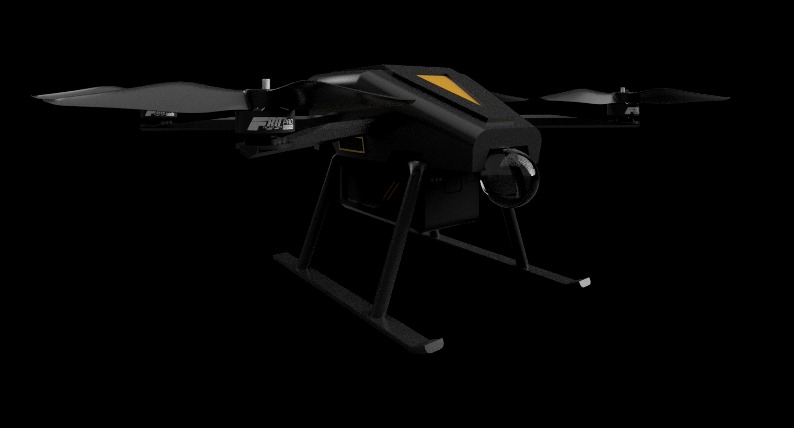
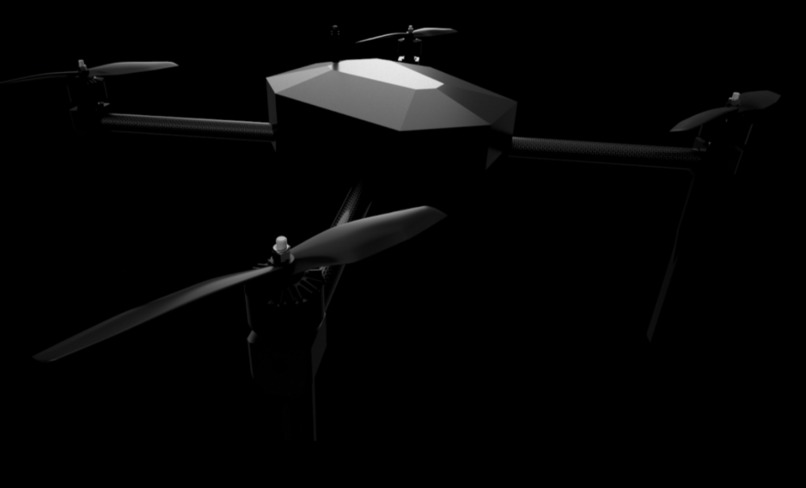
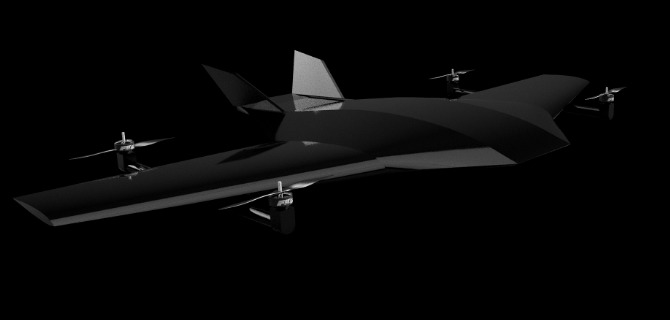
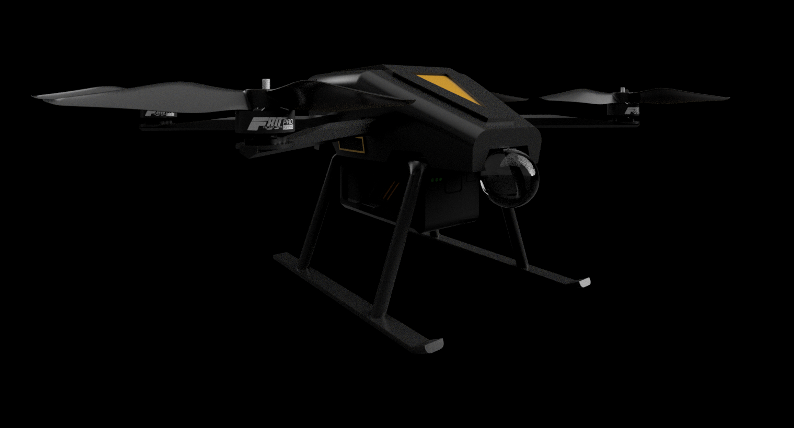
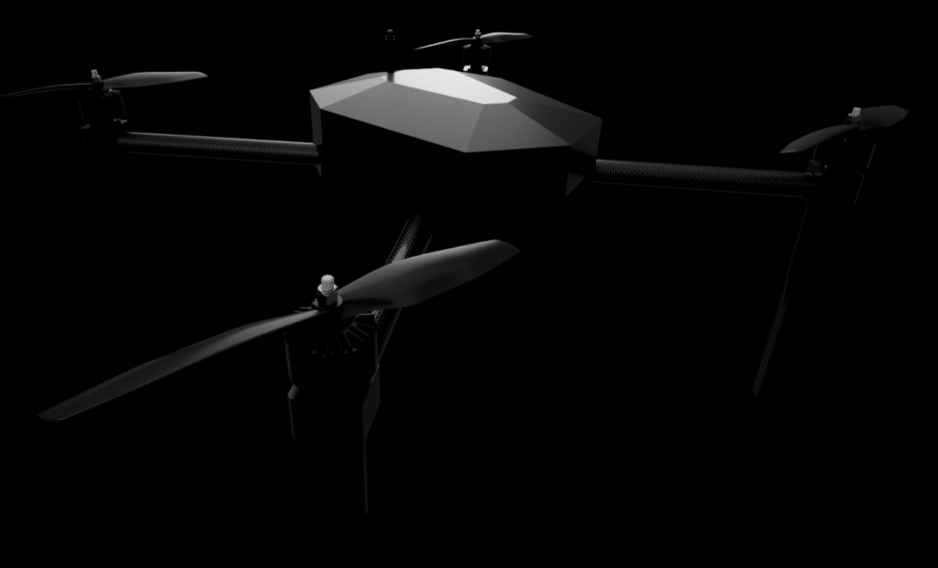
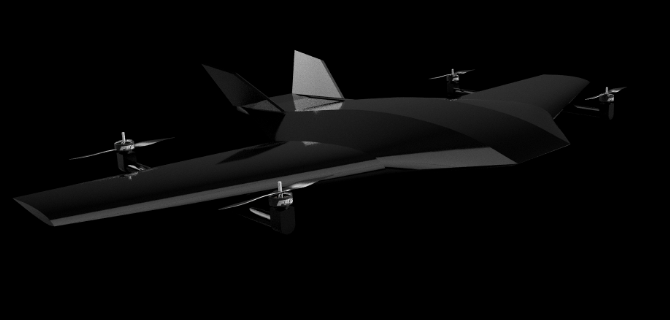
We provide three tiers of drone systems, each designed to meet different operational needs:
- Recon (lightweight, agile deployment)
- Operator (balanced capability and payload flexibility)
- Heavy (high payload, industrial-scale operations)
Each tier supports modular attachments tailored to specific industry use cases, allowing businesses to deploy solutions without needing to design hardware from scratch.
How we built it
Arbiter was built by a team of three engineers:
- An aerospace engineer who designed all drone models in CAD
- A computer scientist who developed LiDAR-based perception and SLAM mapping
- A computer engineer who handled avionics architecture and business strategy
Our perception system integrates LiDAR, IMU fusion, and frequency-based communication to generate real-time SLAM maps. We also developed efficient data handling techniques to compress large point clouds into map deltas, enabling scalable communication across a distributed system.
Challenges we ran into
We started from zero in terms of building full, industry-ready drone systems. None of us had previously designed complete, use-case-driven drones at this scale.
On the technical side, handling large LiDAR datasets and transmitting only meaningful changes required careful optimization to avoid overwhelming the network.
From a business perspective, we entered a space with existing competitors. But like many breakthrough companies before us, we recognized that existing solutions leave gaps- and those gaps are where innovation happens.
Accomplishments that we're proud of
We went from concept to a fully realized platform. Not just a drone, but a scalable system designed for real-world deployment.
We are proud of:
- Our fully designed drone models
- A clear and viable business strategy
- High-quality animations and cinematics
- A platform approach that extends across multiple industries
What we learned
We gained deep experience across multiple disciplines:
- Computer Science: SLAM, perception systems, and handling large-scale sensor data
- Aerospace Engineering: Designing drones across multiple sizes and constraints
- Computer Engineering / Business: System architecture, supply chain considerations, and competitive positioning
Most importantly, we learned how to take an idea and turn it into something that could realistically exist.
What’s next for Arbiter
This is just the beginning.
We plan to take Arbiter beyond a hackathon project and turn it into a real startup. Our goal is to build a platform that redefines how drones are deployed across industries.
We are focused on moving toward real-world implementation, refining our systems, and continuing to push toward making scalable drone solutions accessible to everyone.
Arbiter is not just an idea- it is the foundation of something much bigger.

Log in or sign up for Devpost to join the conversation.