-
-
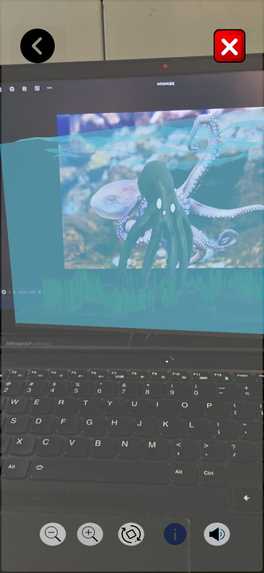
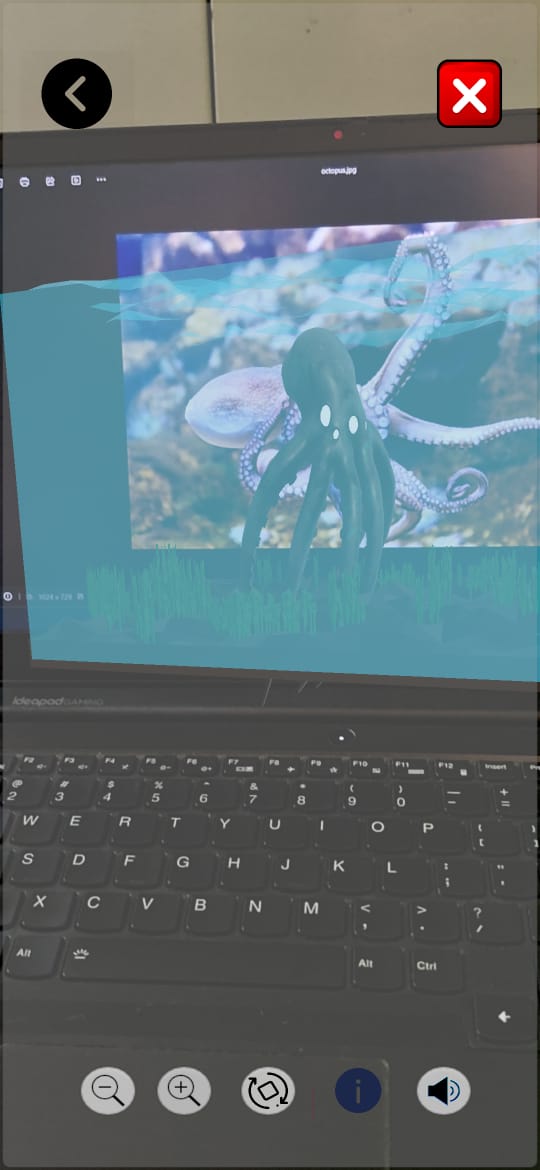
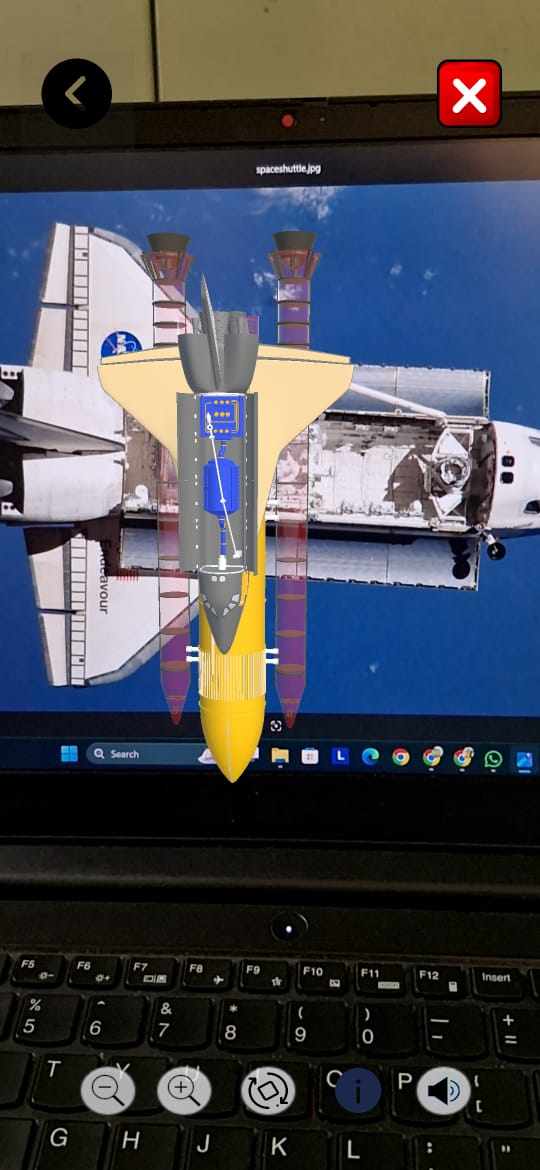
Leviathon in AR
-
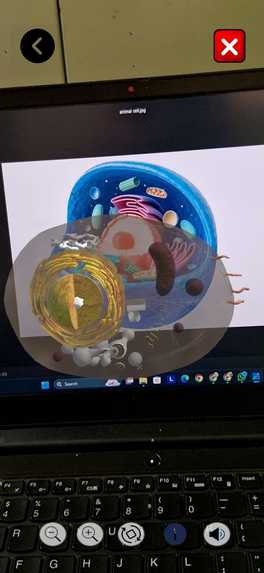
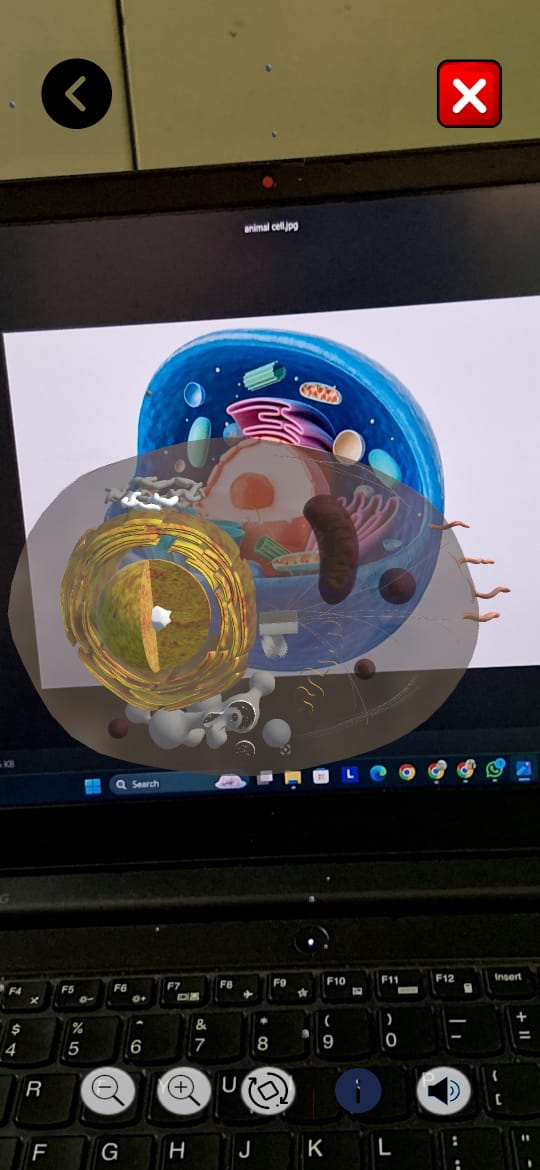
Human cell
-
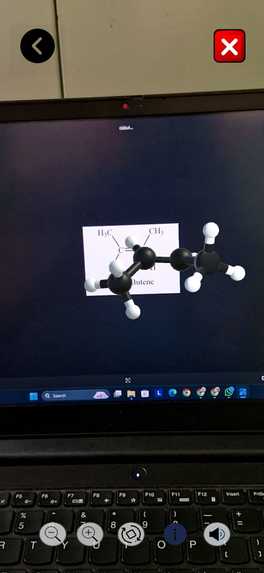
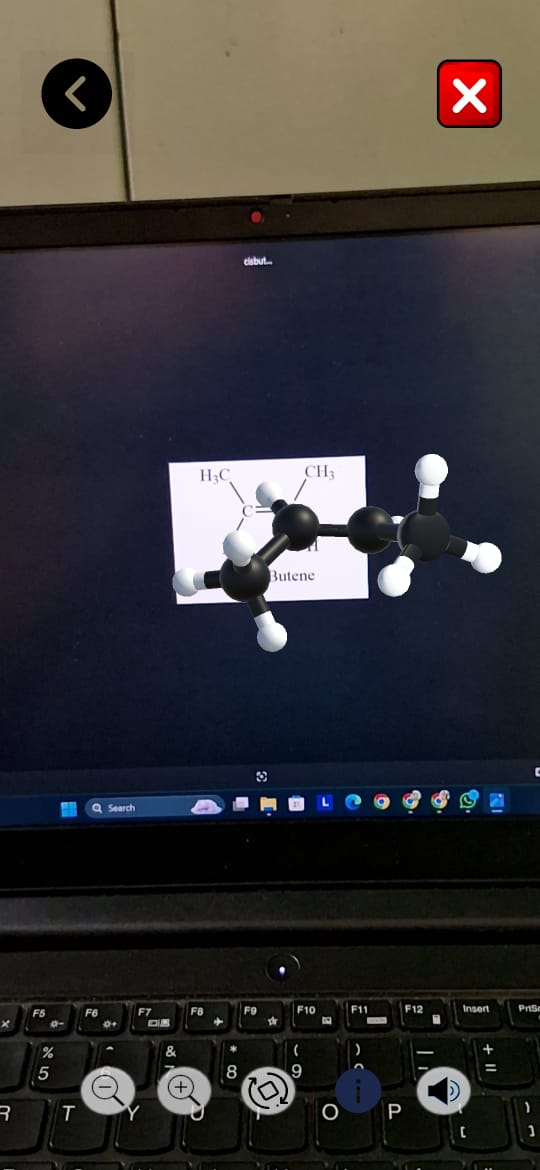
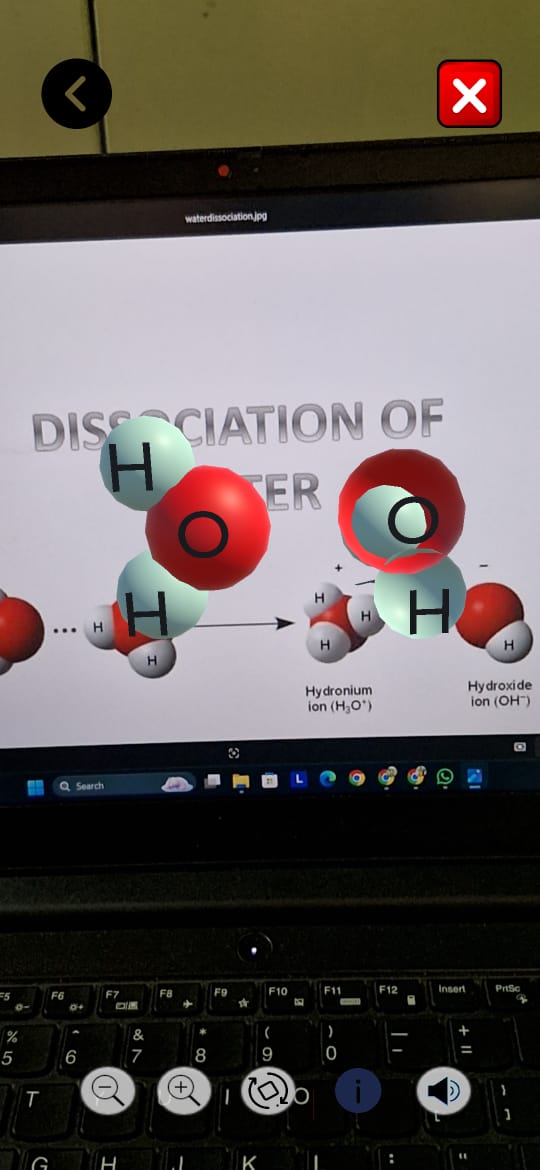
Chemical molecules
-
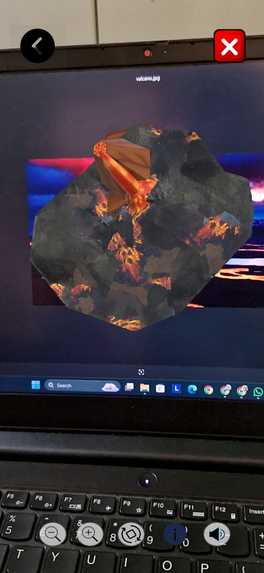
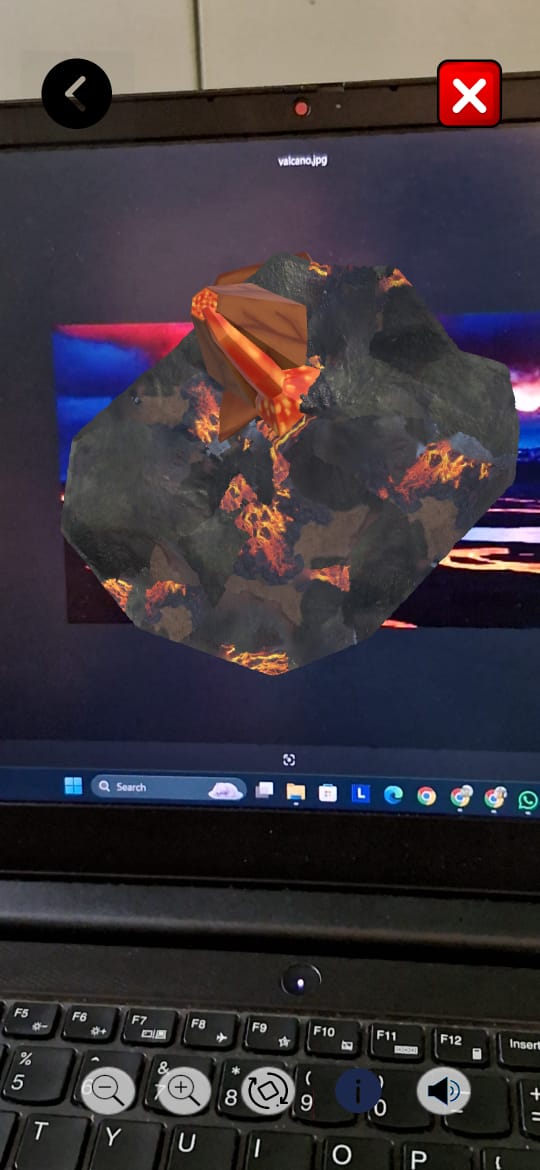
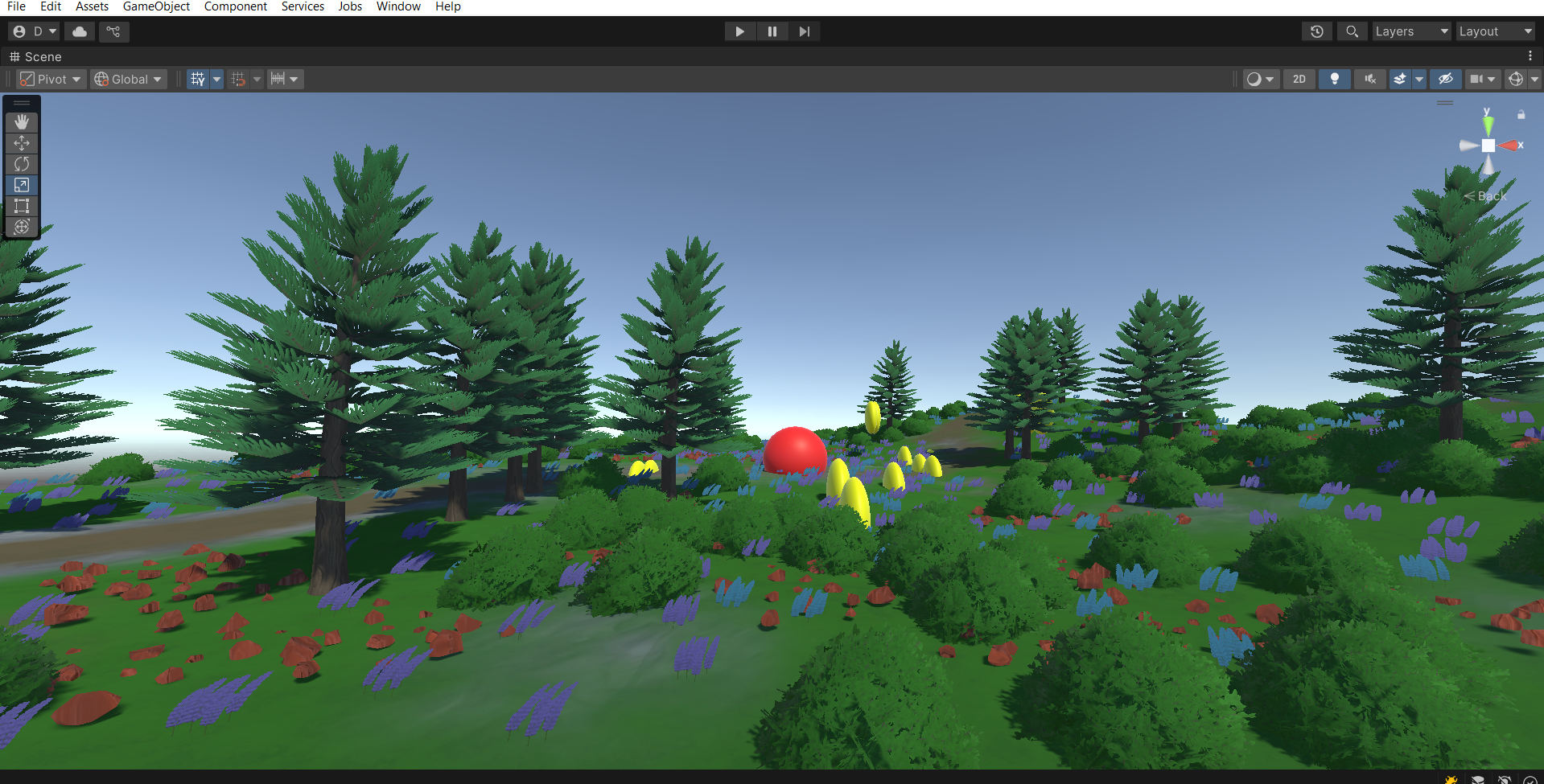
Valcano
-
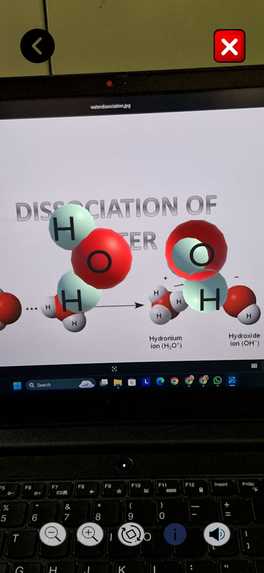
Chemical Reaction
-
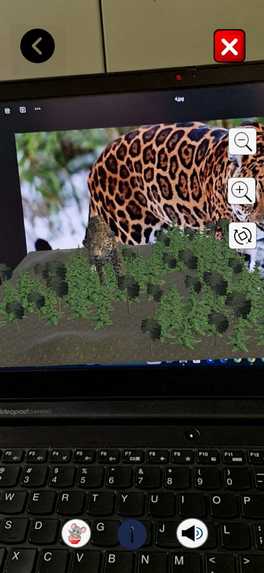
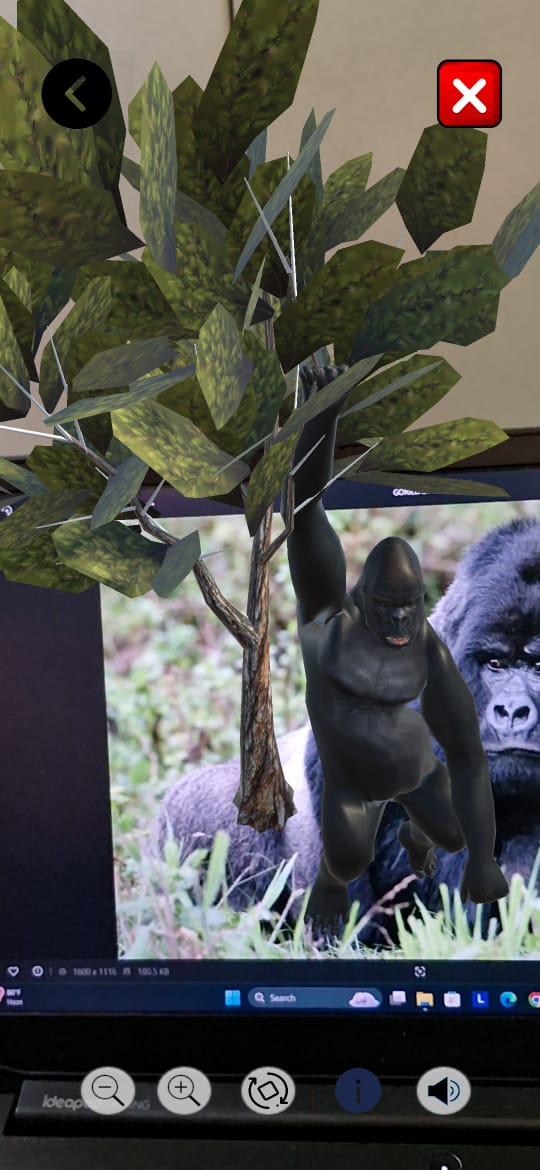
Cheetah in its environment
-
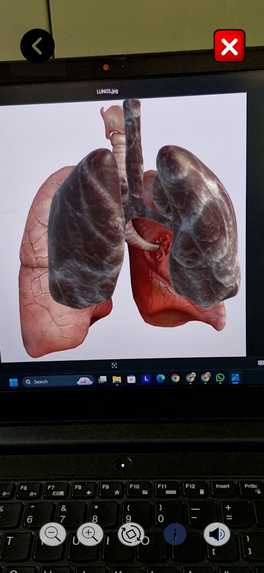
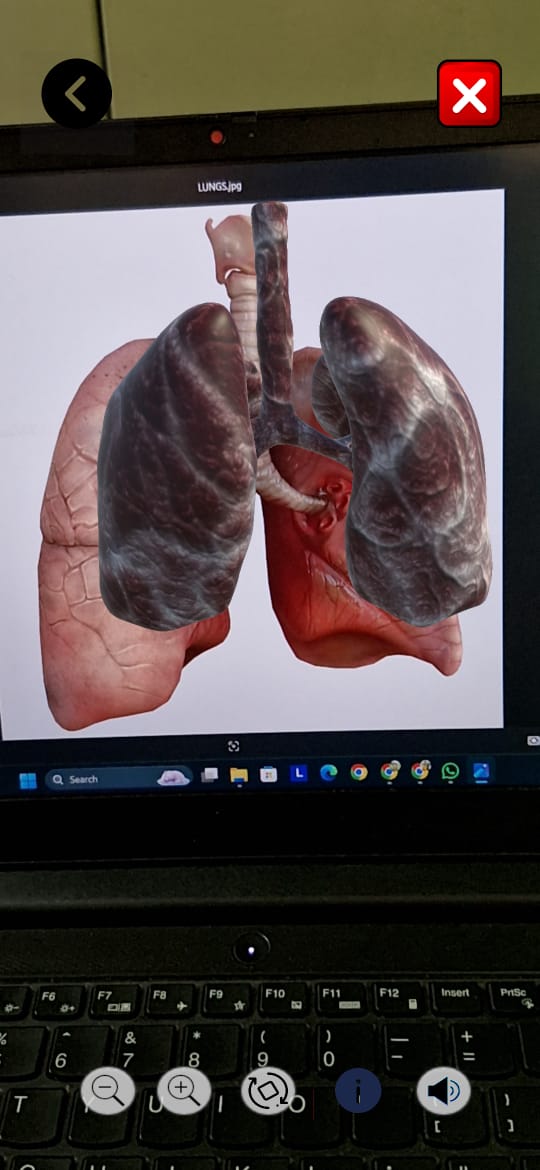
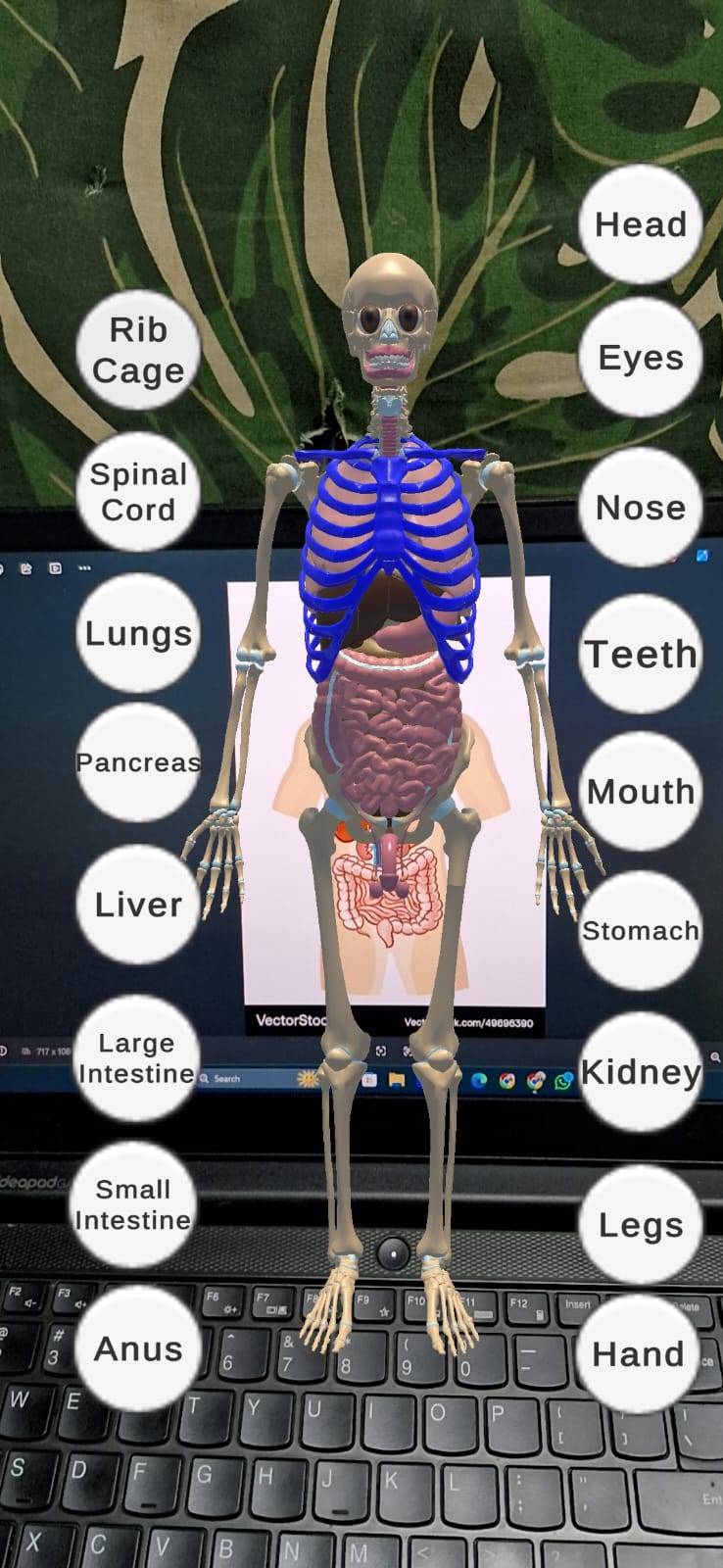
Lungs in AR
-
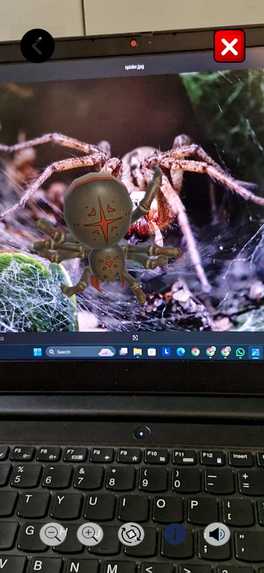
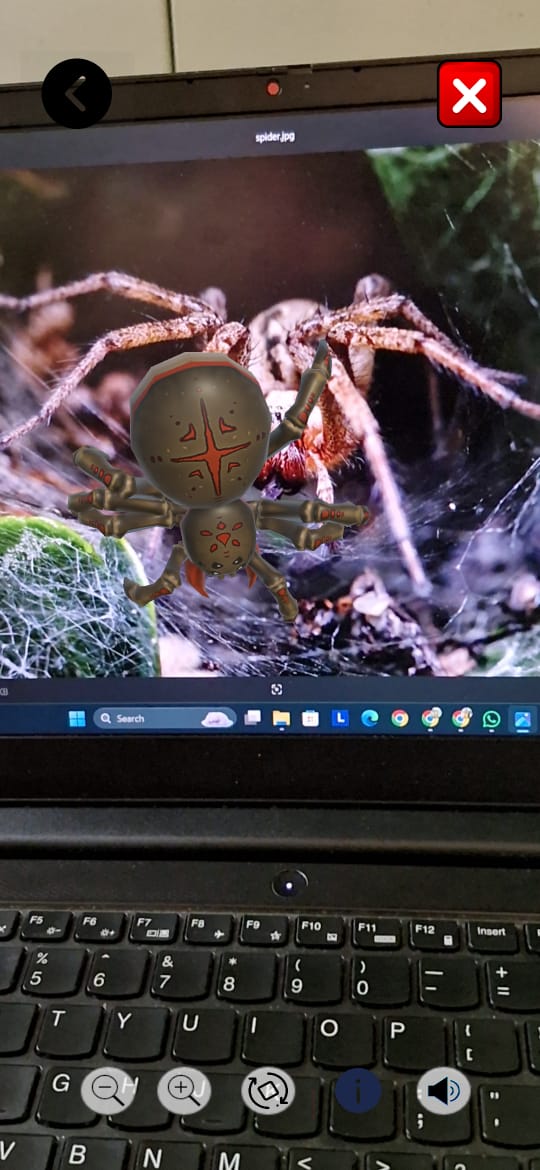
Insects
-
-
-
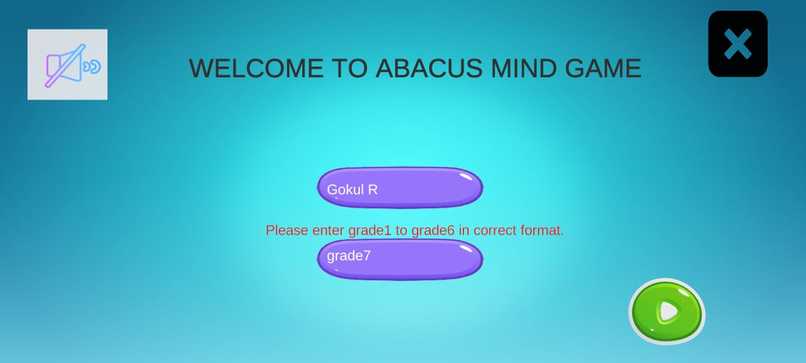
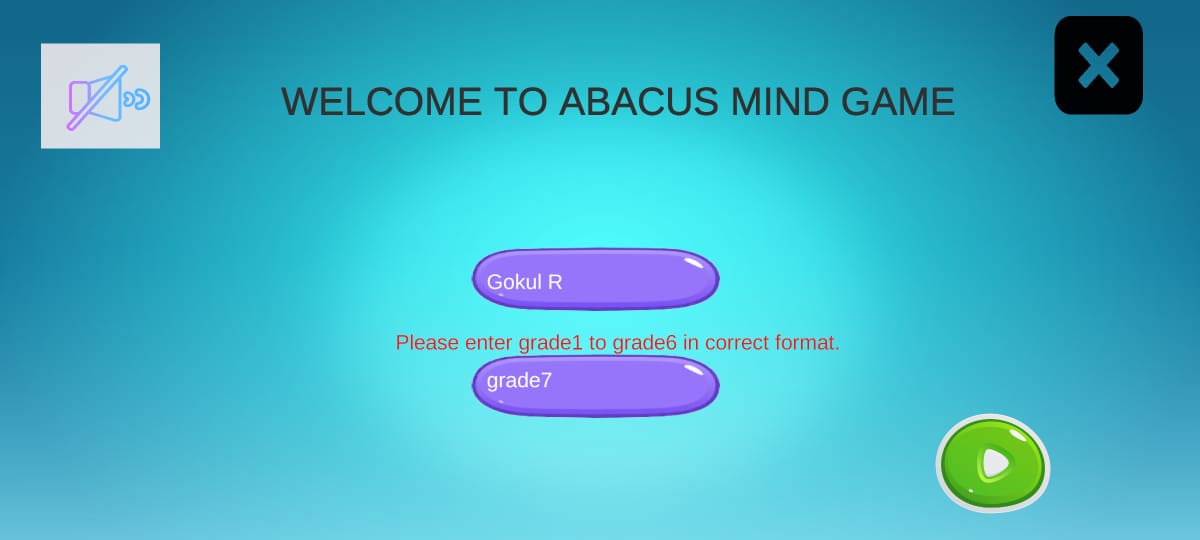
Miniature Game
-
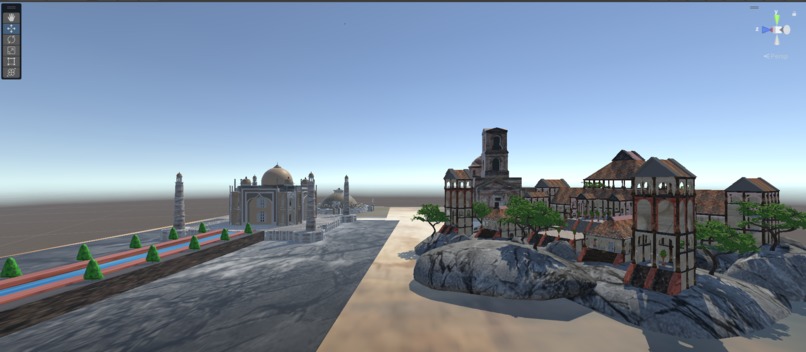
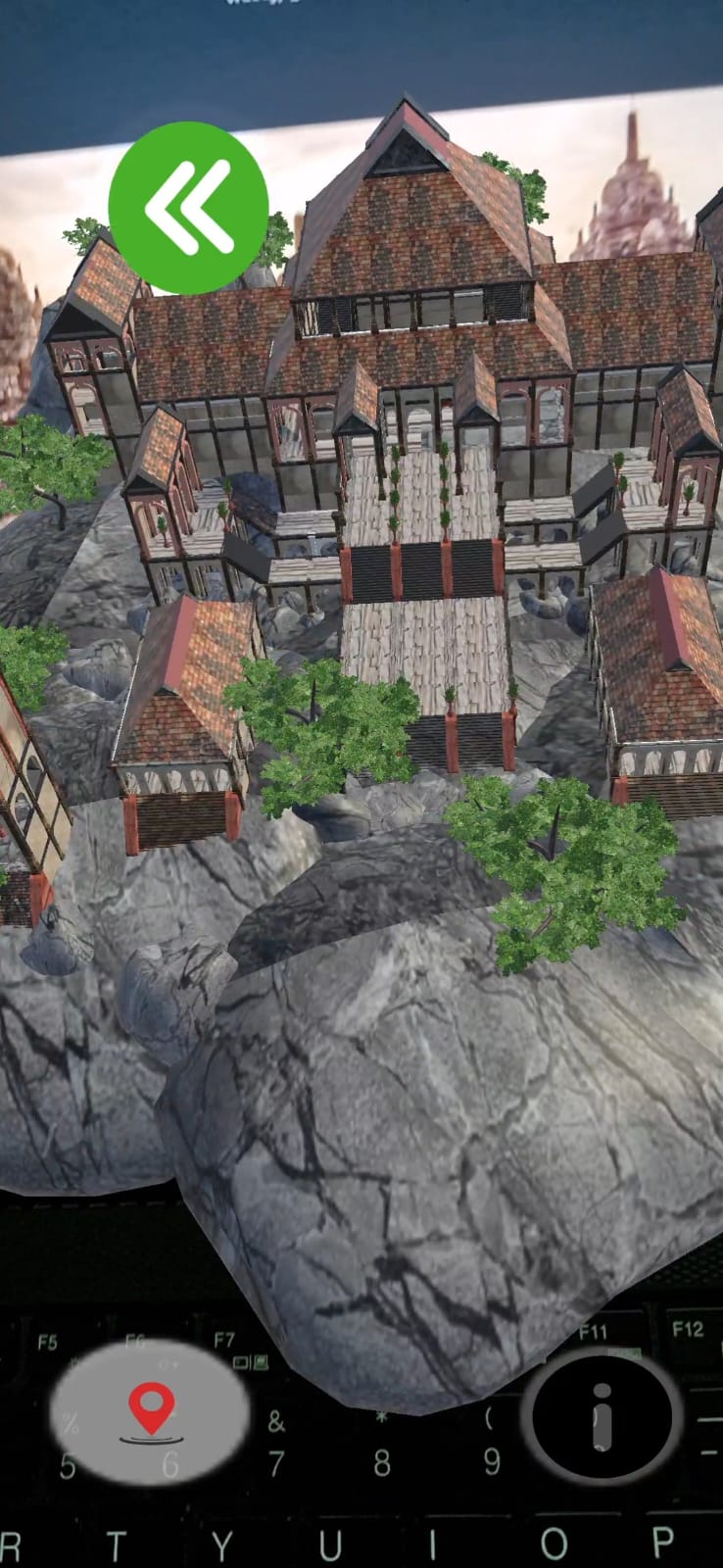
VR Historical Monuments
-
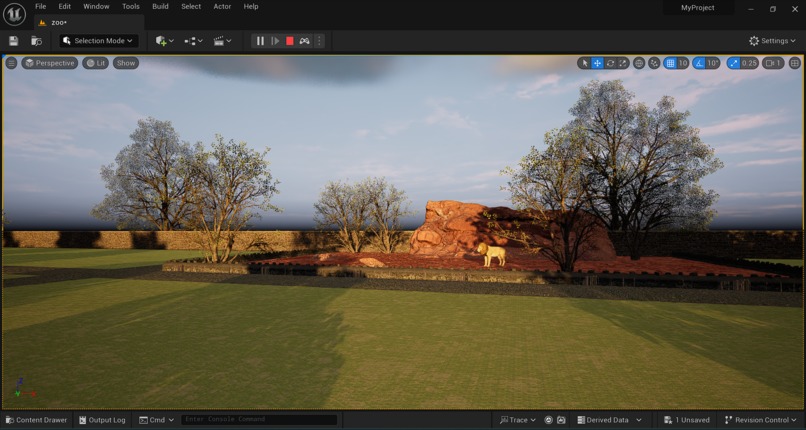
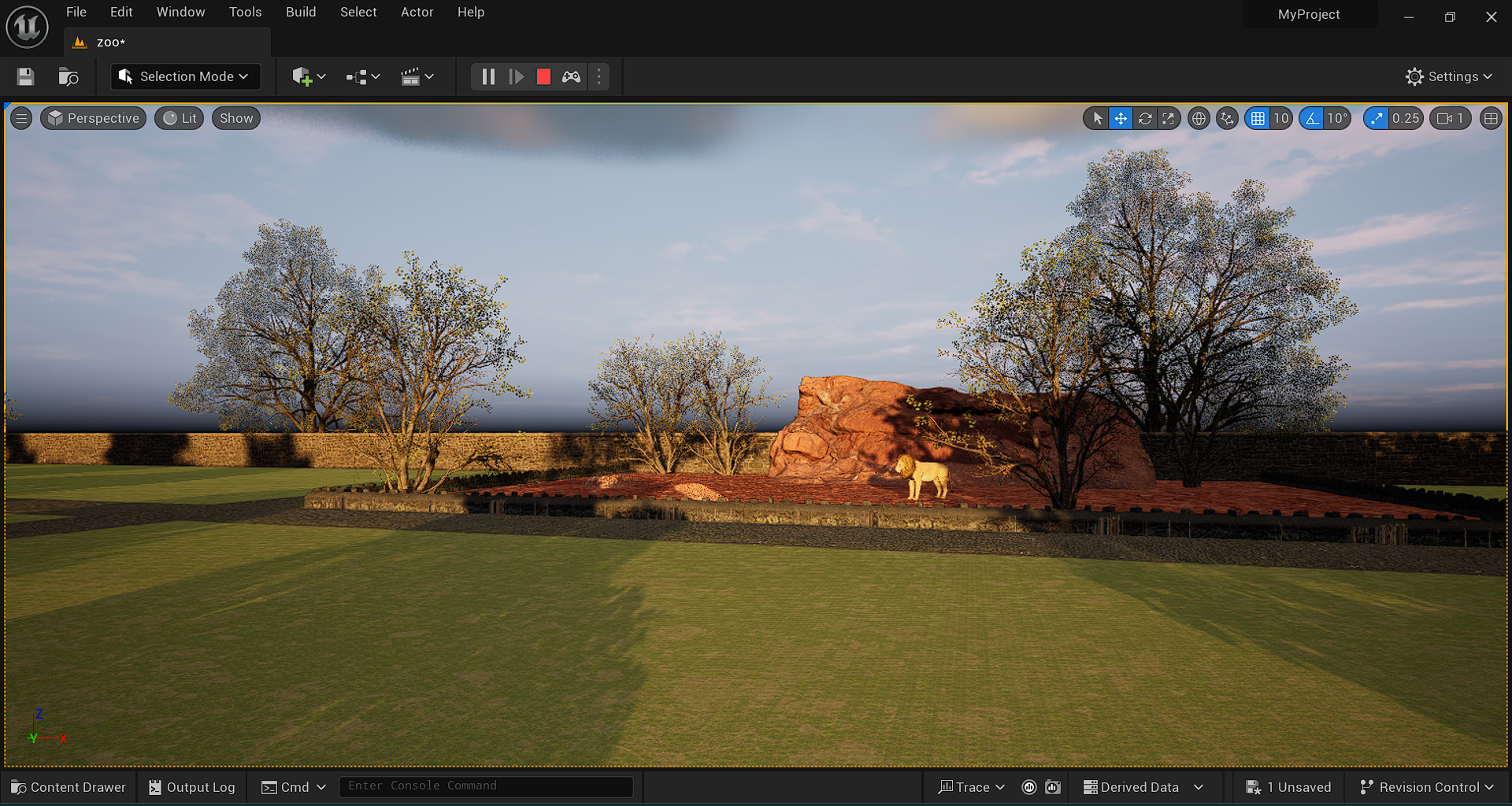
Lion in the virtual zoo
-
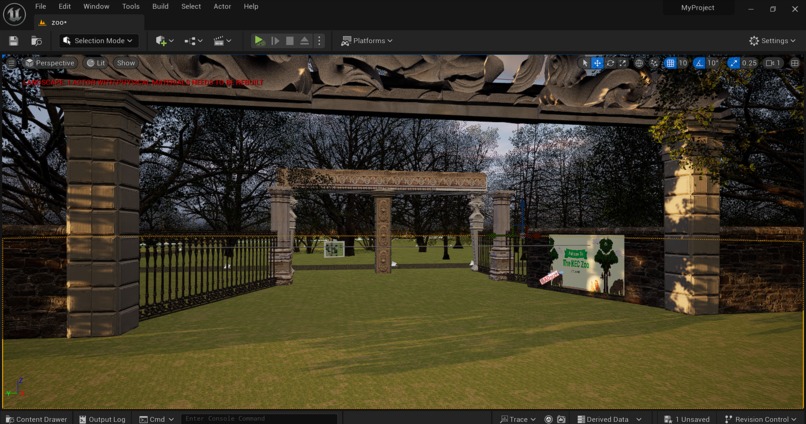
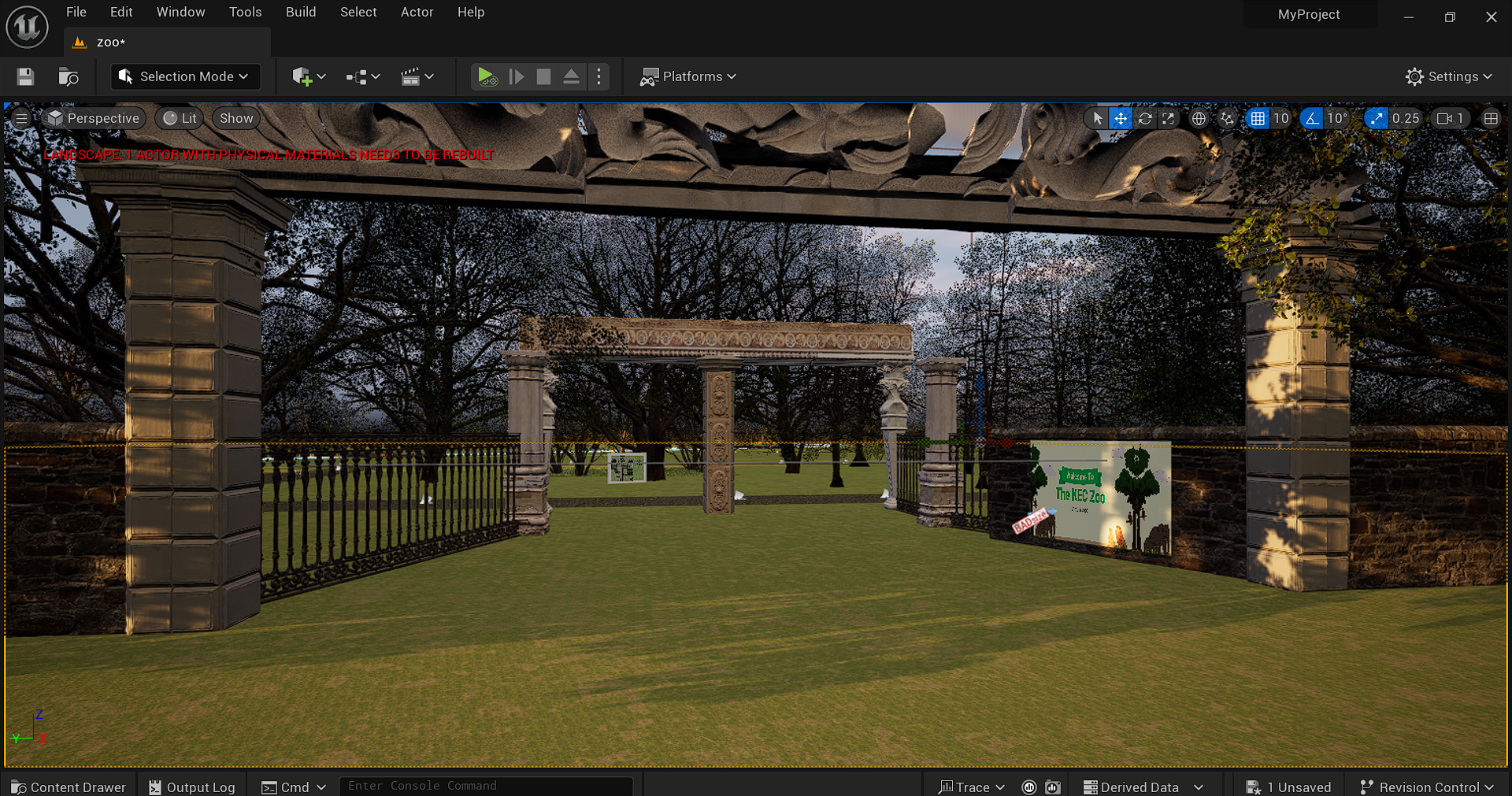
Entrance of the virtual zoo
-
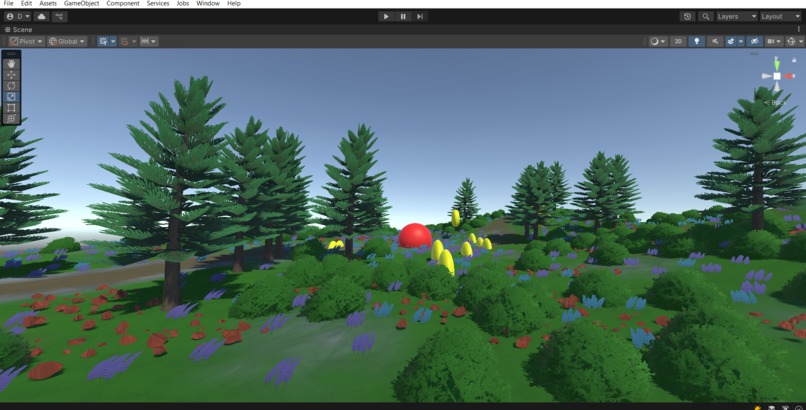
Ball game in VR
-
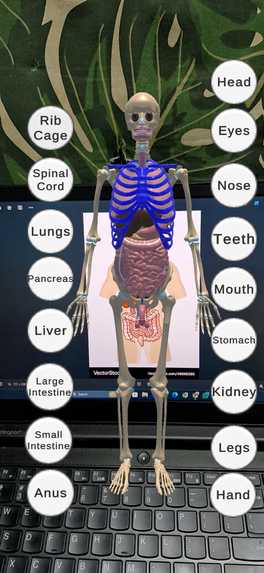
Human anatomy in AR
-
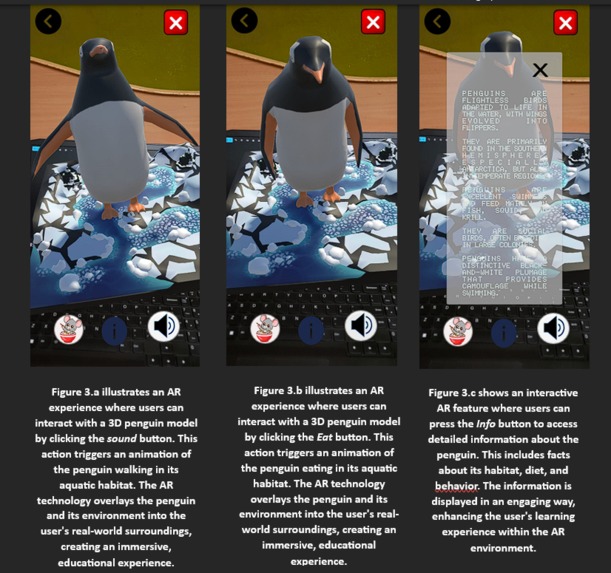
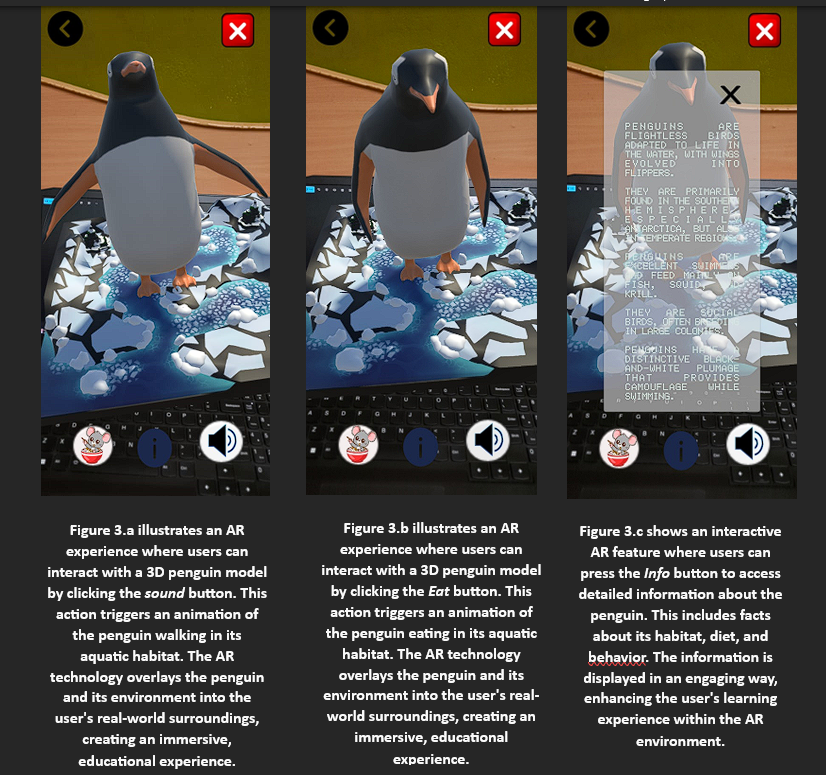
Penguin
-
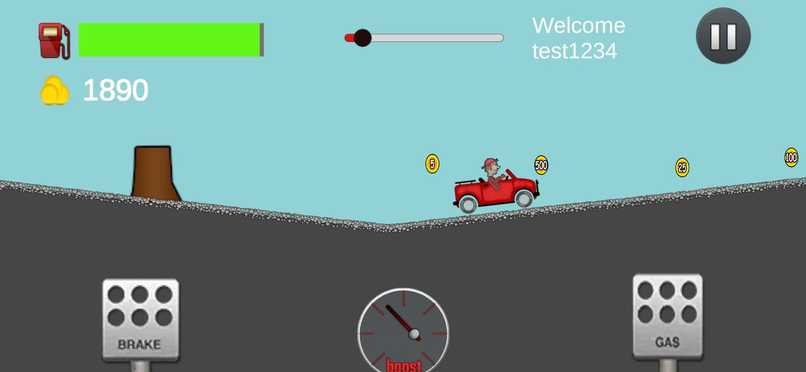
Hill climb level 2
-
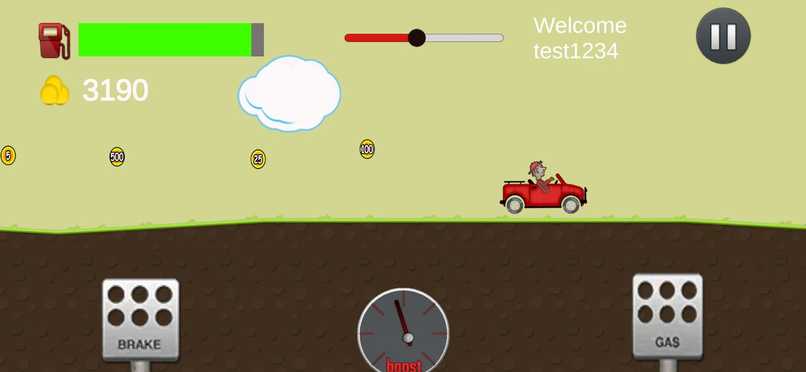
Hill climb level 1
-
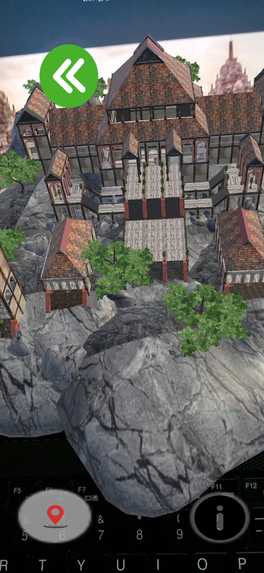
Monuments in India




Inspiration
The inspiration behind this project arose from the desire to make learning immersive, visual, and interactive. Traditional classrooms often limit students to textbook-based knowledge, which can be abstract and hard to imagine. By integrating Augmented Reality (AR) and Virtual Reality (VR), we wanted to transform the way students see, understand, and engage with educational content — turning imagination into experience.
What it does
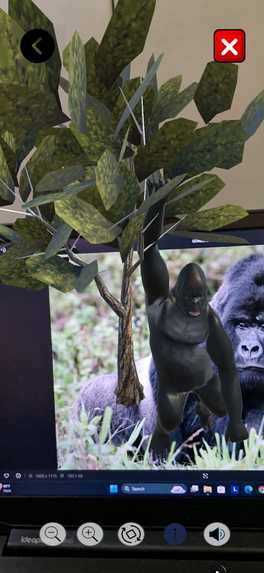
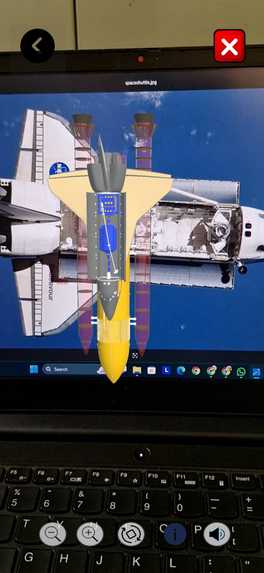
Our AR/VR educational system creates a multi-sensory learning experience where students can: Scan images to visualize lifelike 3D models of animals, organs, and environments. Interact with models using on-screen buttons for actions like “Eat,” “Sound,” and “Move.” Explore habitats and environmental setups in VR-based scenes. Listen to audio explanations and natural sounds to reinforce understanding. Learn complex topics like anatomy, wildlife, and science concepts through interactive storytelling. The platform bridges visual learning and conceptual clarity, making education more engaging and accessible. Added the miniature game like mathemetical games respective to their grade (1 to 6) and hill climb and bounce ball game for fun. Face filter for 3 different festival themes. Integrate the chatbot in the application for the students assistants.
How we built it
Developed using Unity 3D Engine for creating immersive AR and VR environments. Integrated Vuforia SDK for image recognition and tracking. Designed 3D animal and organ models in Blender, complete with animations. Used C# scripting in Unity for object interactions, movement, and sound triggers. Added UI controls for easy navigation and user-friendly experiences. Optimized for Android devices for portability and classroom deployment.
Challenges we ran into
Maintaining stable image tracking under varying lighting and camera angles. Synchronizing animations, audio, and user interactions without lag. Designing an intuitive UI suitable for all age groups. Achieving smooth VR navigation while minimizing motion sickness. Balancing realism and performance optimization in Unity to ensure smooth playback on mobile devices.
Accomplishments that we're proud of
Successfully built an interactive learning platform that combines both Augmented Reality (AR) and Virtual Reality (VR) for immersive education. Enabled real-time image recognition with 3D visualization and sound integration, enhancing engagement and understanding. Designed custom 3D assets and animations in Blender to deliver a realistic and visually appealing learning experience. Demonstrated how immersive technologies can transform traditional education into an interactive, experiential model. Recognized as a Semi-Finalist in BharatXR, showcasing innovation in immersive learning technology. Winner in two National Tech Expos for outstanding project implementation and presentation. Achieved first place in three college-level competitions, highlighting creativity, technical execution, and educational impact.
What we learned
Practical understanding of Unity, Vuforia, and Blender integration. Importance of user experience (UX) in educational design. Techniques for AR target recognition, VR environment setup, and animation control. Strategies for performance optimization in mobile-based AR/VR apps. How immersive technologies can increase engagement and retention in learning.
What's next for AR/VR application for Education
Integrating cloud-based image recognition (Vuforia Cloud Reco) for scalability — enabling remote updates and recognition of thousands of images in real time.


Log in or sign up for Devpost to join the conversation.