-
-
1
-
4
-
3
-
2
Inspiration
Marker-based augmented reality (AR) applications are becoming increasingly popular as a way to enhance real-world experiences with digital content. These applications rely on markers to track the position and orientation of AR objects in the real world, allowing them to appear as if they are actually present in the environment.
What it does
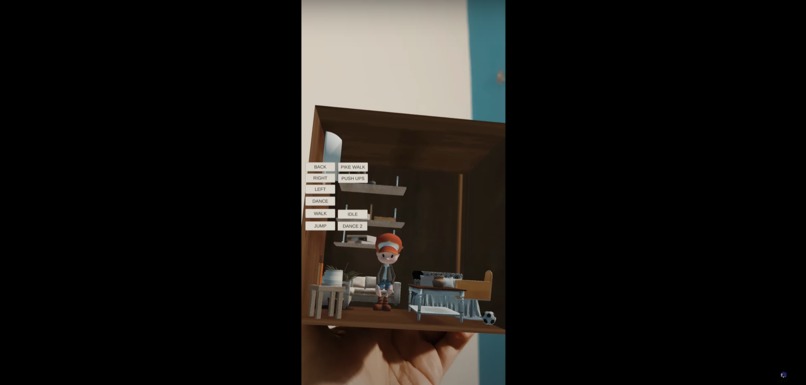
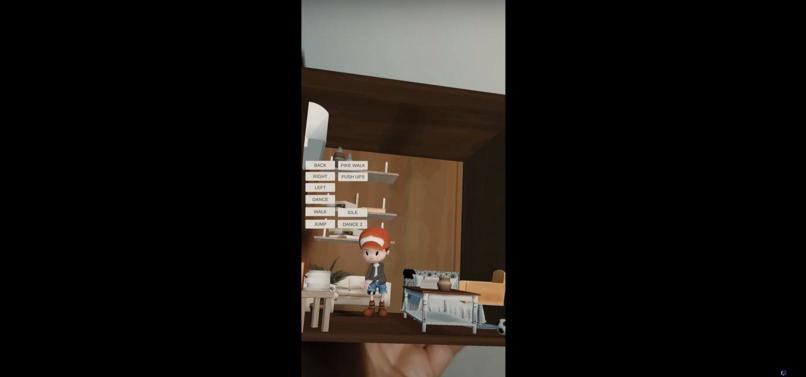
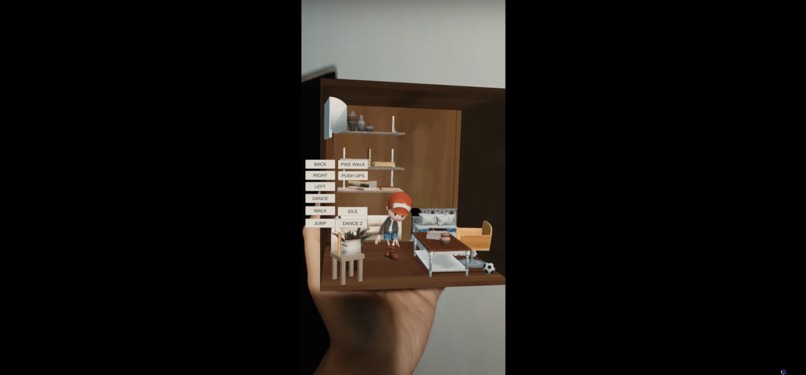
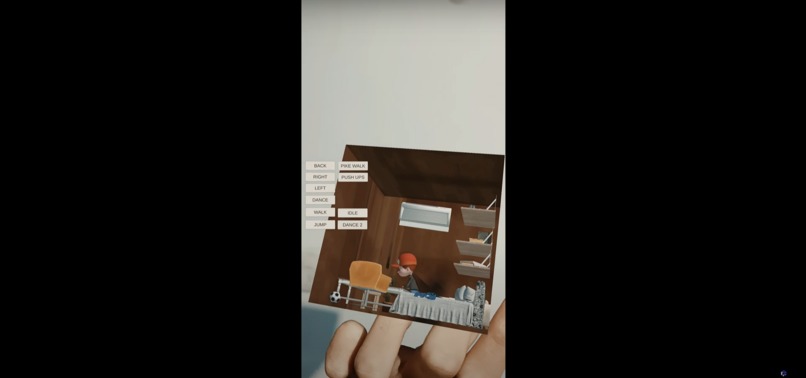
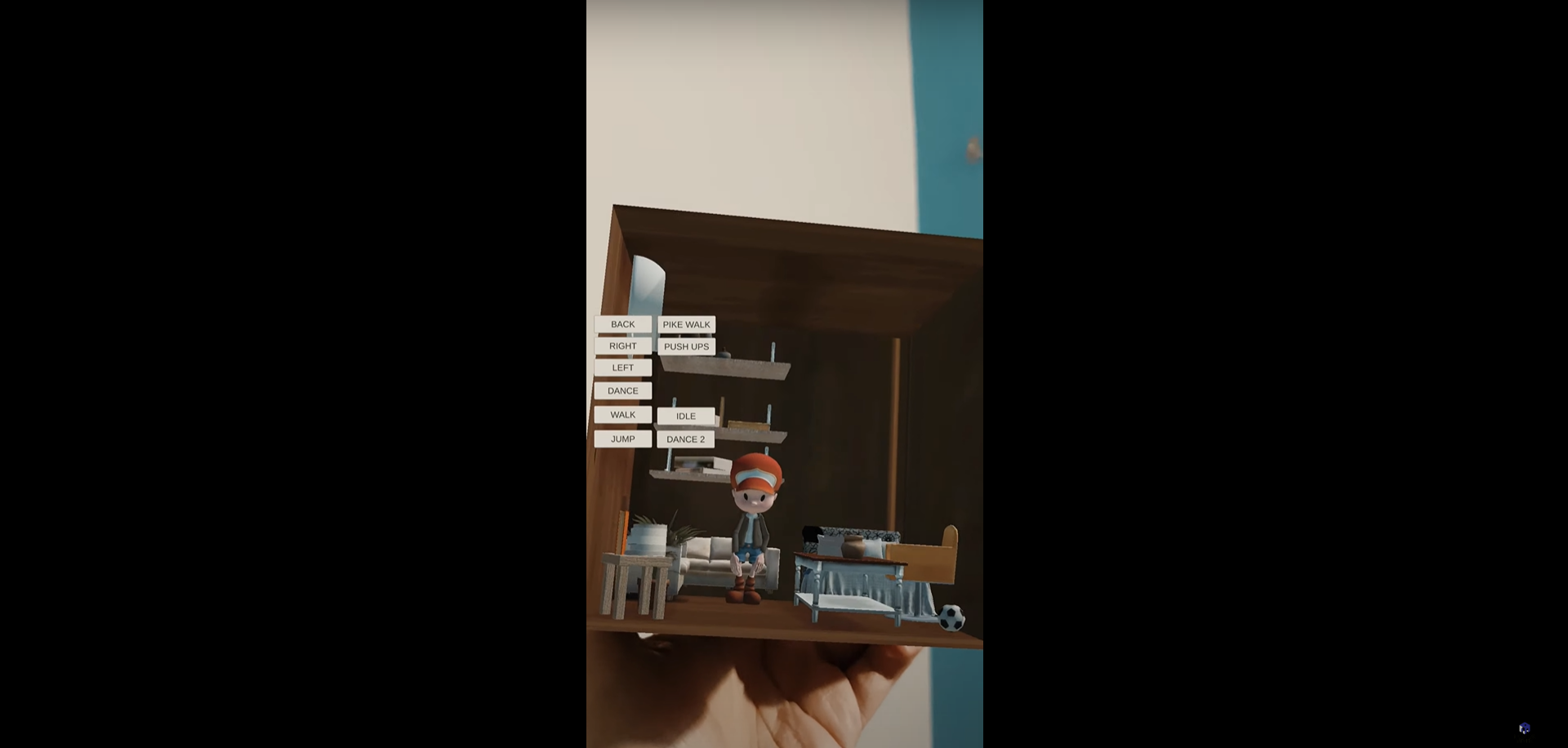
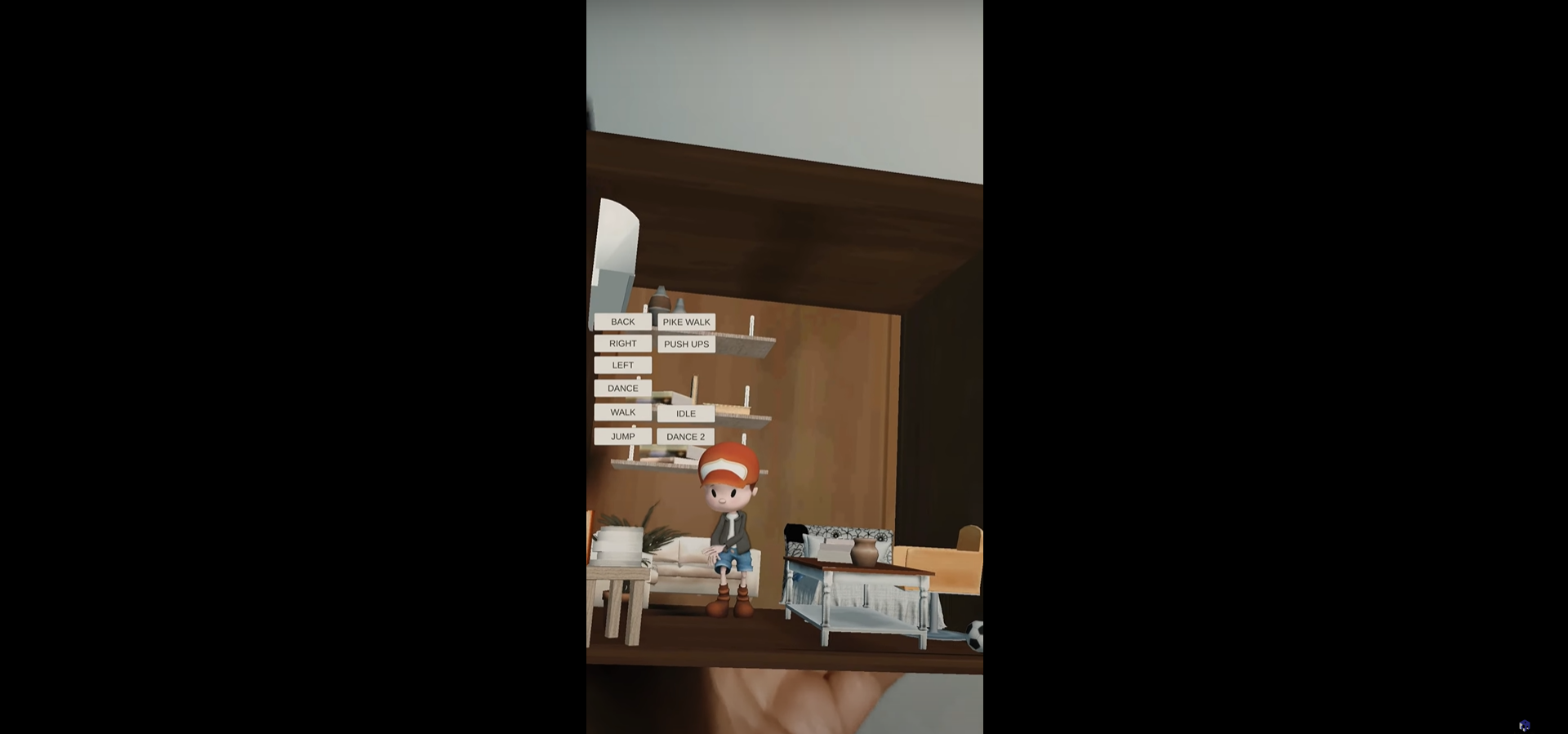
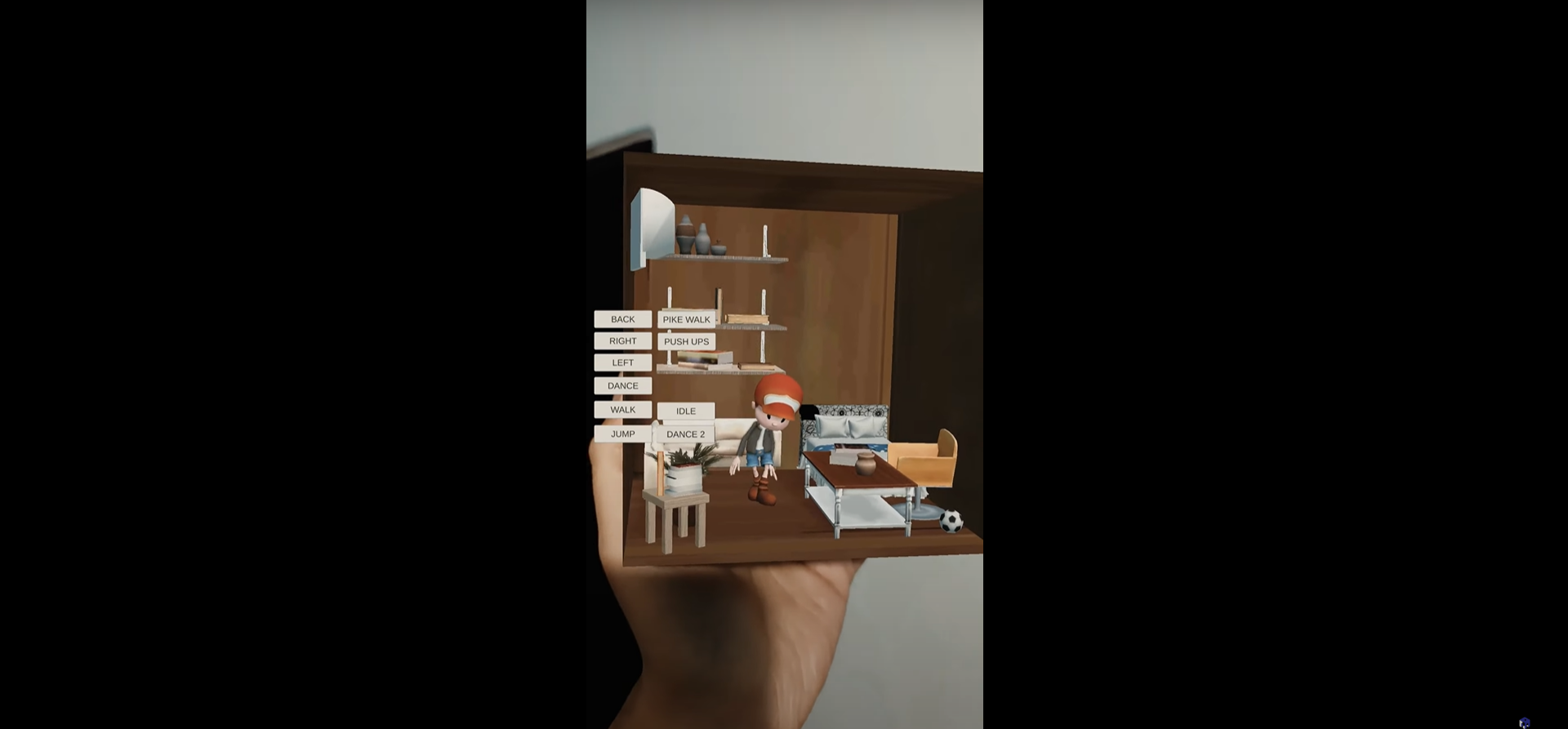
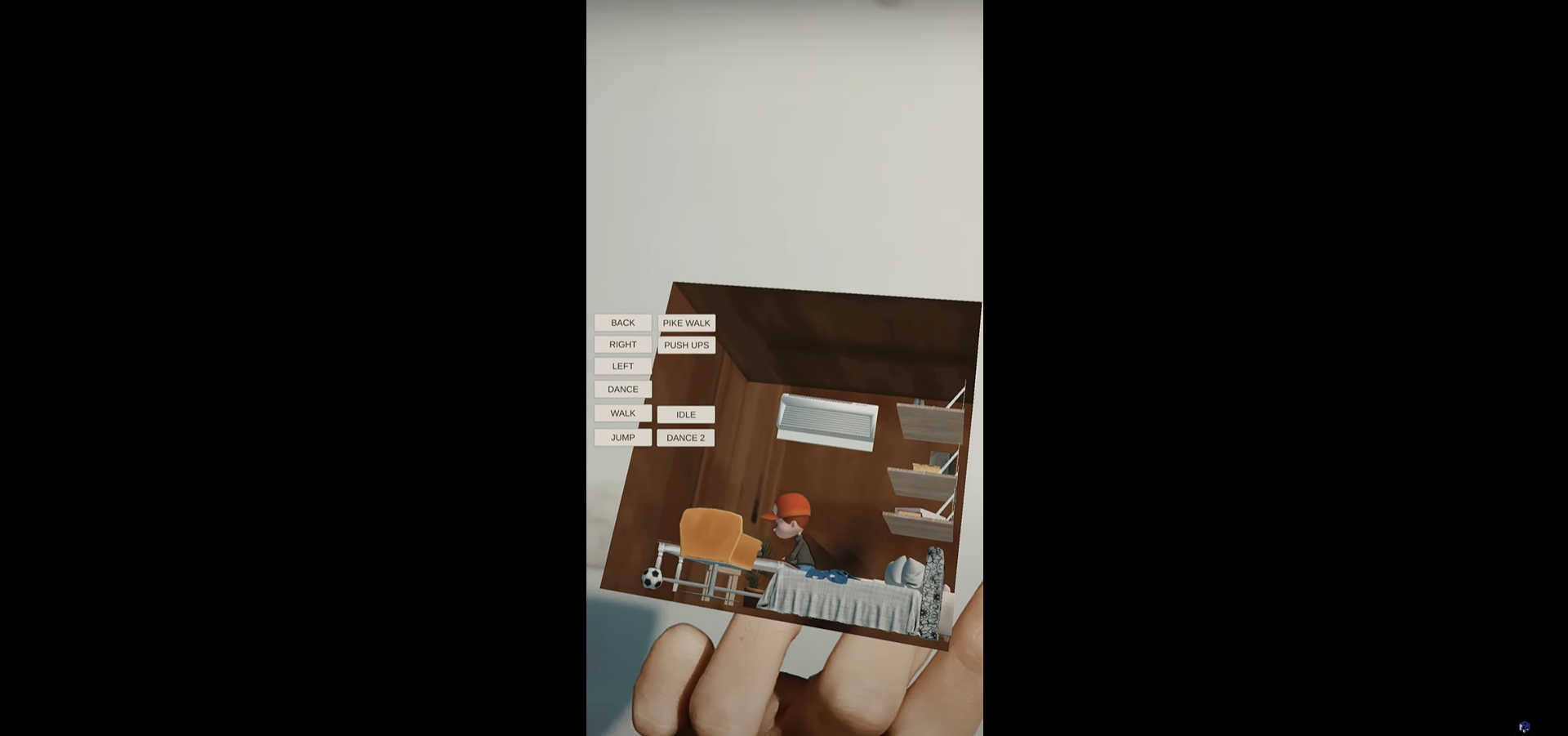
In a recent project, we developed a marker-based AR application using 6 DOF to create an interactive character to dance, jump, walk, etc. They could use their smartphones to scan a marker and bring to life a digital reconstruction of a historical artifact. The AR object was able to move and rotate in a realistic way, as if it were actually present in the exhibit.
How we built it
One way to make these AR experiences even more immersive is to use 6 degrees of freedom (DOF). This technology allows AR objects to move and rotate in all three dimensions (x, y, and z) as well as around all three axes (pitch, roll, and yaw).
Challenges we ran into
Developing the AR application was not without its challenges. One of the biggest hurdles we faced was achieving high-precision tracking of the marker. In order for the AR object to appear believable, it was important that it remained perfectly aligned with the marker at all times. We were able to solve this problem by using a combination of advanced tracking algorithms and high-quality markers.
Accomplishments that we're proud of
Looking to the future, we hope to expand the project by adding more AR objects and markers to the exhibit. We also plan to explore other potential applications of marker-based AR using 6 DOF, such as training simulations and interactive advertising. Overall, our project demonstrated the potential of marker-based AR to create truly immersive and interactive experiences. We are excited to see where this technology takes us in the future.
What we learned
We have successfully integrated the image tracking system with the Unity game engine and Vuforia software, allowing us to create a rich, immersive experience for our users. We can now use features like object recognition, image recognition, and object tracking, to create a more interactive gaming experience. Additionally, we can use Vuforia’s advanced SDK to create 3D images and objects to enhance the user experience. With the integration of these two powerful platforms, we can create an engaging and immersive user experience for our customers.
What's next for AR Core
The finished product was a success, with visitors to the museum praising the immersive and educational experience. The AR exhibit was also a hit with educators, who saw it as a unique and engaging way to teach students about history. and we move with this vision to make such kind of application with the immerging technology.

Log in or sign up for Devpost to join the conversation.