
Inspiration
Developing AR-based interior designing can be an exciting and innovative venture. Interactive Design Platforms: Look at existing AR platforms and applications in the interior design space. Analyze their strengths and weaknesses to identify areas for improvement or untapped opportunities. Innovative Technologies: Stay updated on the latest advancements in augmented reality, computer vision, and spatial computing. Explore how these technologies can be leveraged to create more immersive and realistic AR experiences for interior design enthusiasts.
What it does
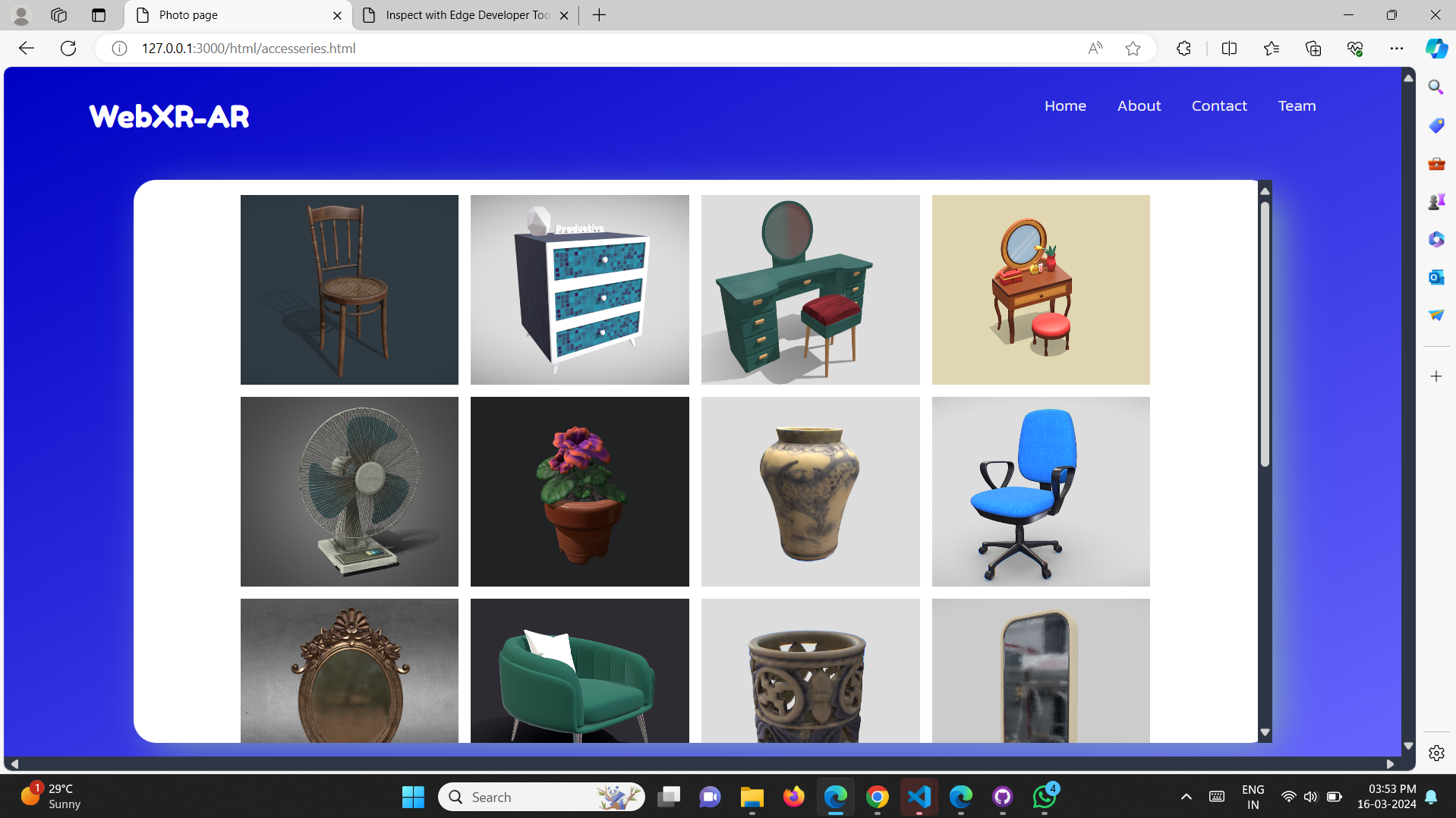
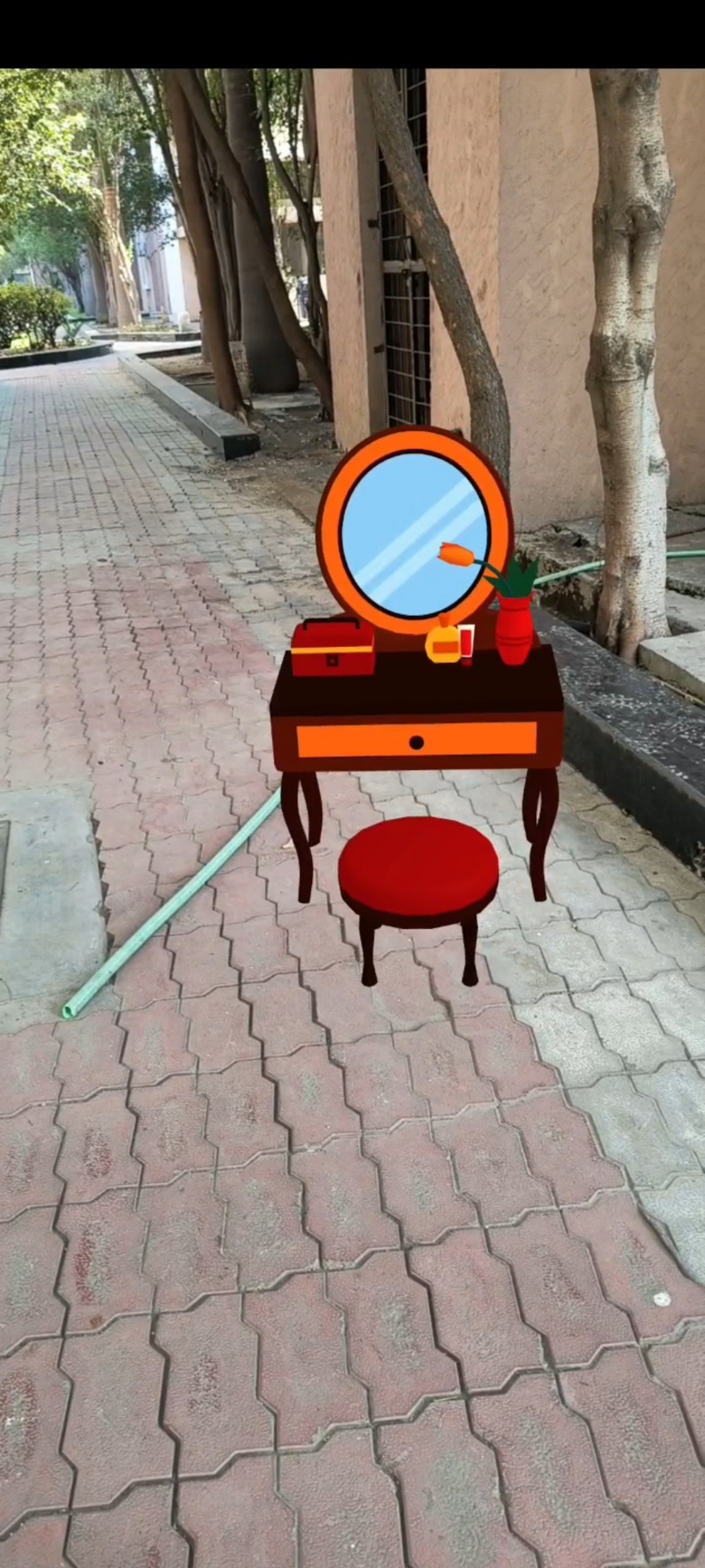
The AR-based interior design application allows users to visualize and customize their living spaces in real-time using augmented reality technology. Users can virtually place furniture, decor, and other design elements within their room to see how they would look before making any physical changes. The application provides a user-friendly interface for browsing through a catalog of virtual furniture and decor items, as well as tools for adjusting placement, scale, and orientation. Additionally, users can save their designs, share them with others, and even purchase items directly from within the app
How we built it
We built the AR-based interior design application using a combination of augmented reality SDKs (such as ARKit or ARCore), 3D modeling software, and mobile app development frameworks (such as Unity or Unreal Engine for AR development, and platforms like Android Studio or Xcode for mobile app development). The process involved creating 3D models of furniture and decor items, integrating them into the AR environment, implementing user interface elements for browsing and customization, and optimizing performance for a seamless AR experience on mobile devices.
Challenges we ran into
Some of the challenges we encountered during development included:
Optimizing performance: Ensuring smooth performance and stability while rendering 3D models in real-time within the AR environment. Real-world scale: Accurately scaling virtual objects to match the dimensions of real-world spaces for a realistic visualization experience. User interaction: Designing intuitive user interactions for placing, moving, and customizing virtual furniture and decor items within the AR environment. Catalog management: Managing a large catalog of 3D models and textures, and implementing efficient loading and rendering techniques to minimize load times and memory usage.
Accomplishments that we're proud of
Some of the accomplishments we're proud of include:
Creating a user-friendly and intuitive interface for designing and customizing interior spaces in AR. Building a diverse catalog of high-quality 3D models representing a wide range of furniture and decor items. Optimizing performance to deliver a smooth and immersive AR experience on mobile devices. Implementing features such as real-time collaboration, sharing designs, and seamless e-commerce integration to enhance the user experience. Throughout the development process, we learned valuable lessons about:
The capabilities and limitations of augmented reality technology. Best practices for designing user interfaces in AR applications. Techniques for optimizing performance and minimizing memory usage in AR environments. Strategies for managing and organizing large datasets of 3D models and textures.
What we learned
Throughout the development process, we learned valuable lessons about:
The capabilities and limitations of augmented reality technology. Best practices for designing user interfaces in AR applications. Techniques for optimizing performance and minimizing memory usage in AR environments. Strategies for managing and organizing large datasets of 3D models and textures.
What's next for AR based interior design
In the future, we plan to:
Expand the catalog of virtual furniture and decor items to offer users even more options for customization. Enhance collaboration features to enable multiple users to design and visualize spaces together in real-time. Integrate machine learning algorithms to provide personalized design recommendations based on user preferences and style preferences. Explore opportunities for integrating AR-based interior design solutions into other industries, such as architecture, real estate, and home improvement. Continuously iterate and improve the application based on user feedback and technological advancements in augmented reality.

Log in or sign up for Devpost to join the conversation.