-
-
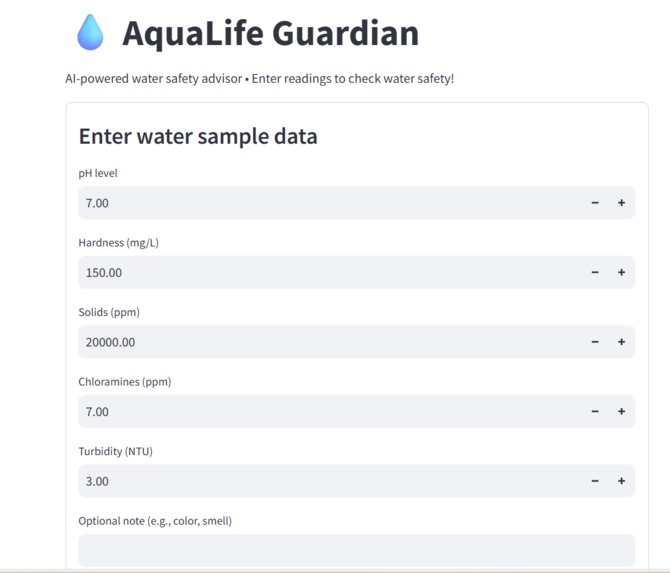
User entering water sample readings such as pH, hardness, solids, chloramines, and turbidity into the AquaLife Guardian app
-
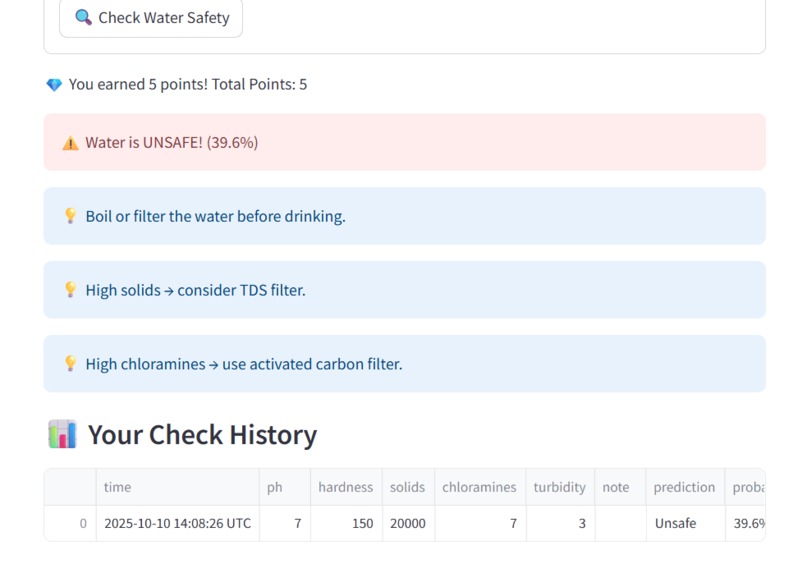
Detailed table showing water safety prediction, probability percentage, points earned, and AI-generated advice based on sample parameters.
-
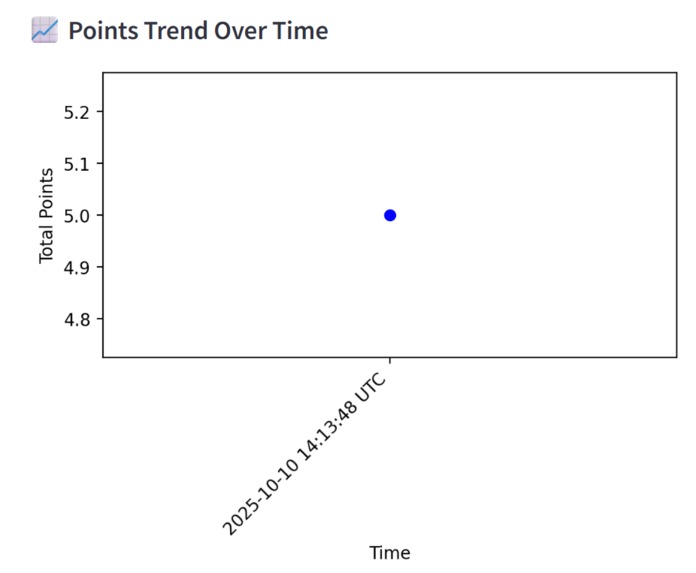
Line chart visualizing the user’s points trend over time, showing engagement and repeated water checks.”
-
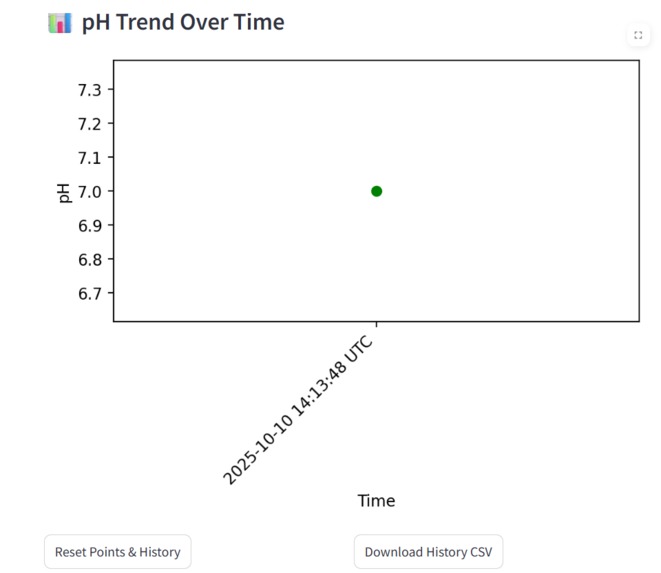
Line chart tracking pH levels of submitted water samples over time to monitor water quality trends.”


Inspiration
Every year, millions of people unknowingly consume unsafe water — especially in rural and developing areas where lab testing is slow, costly, or simply unavailable. I wanted to build a simple AI tool that anyone can use to instantly check water safety without any lab or technical knowledge.
What it does
AquaLife Guardian is an AI-powered water safety advisor. Users just enter basic water readings (like pH, hardness, solids, etc.), and the app instantly predicts if the water is SAFE or UNSAFE, gives personalized health advice, tracks past tests, and even motivates users with a points/reward system.
How we built it
I trained a Machine Learning classification model using real water quality dataset, with feature scaling for accuracy. The app is built using Python, Streamlit, Scikit-learn, and deployed as a lightweight AI dashboard with history tracking, graph visualizations, and CSV export support.
Challenges we ran into
Designing a clean UI for non-technical users, ensuring accurate predictions with limited dataset, and optimizing the model for instant response time were my key challenges.
Accomplishments that we're proud of
The app is fast, beginner-friendly, and provides real-time advice with health-awareness impact — making it usable for homes, schools, rural workers, and NGOs.
What we learned
I learned how real-world AI solutions must focus on usability — not just accuracy. Building this project taught me how to train ML models with real datasets, deploy them with Streamlit, design user-friendly UI, and think like a problem solver rather than just a developer. Most importantly, I understood the impact AI can create when technology meets public health needs.
What's next for AquaLife Guardian – AI Water Safety Advisor
The future roadmap includes: IoT integration with live TDS/pH sensor Voice assistant & multi-language support (English, Telugu, Hindi) Mobile offline mode for rural access Community water monitoring dashboard with alerts and data sharing My goal is to make AquaLife Guardian a real-life public health assistant.
Built With
- machine-learning
- matplotlib
- numpy
- pandas
- python
- scikit-learn
- streamlit

