-
-
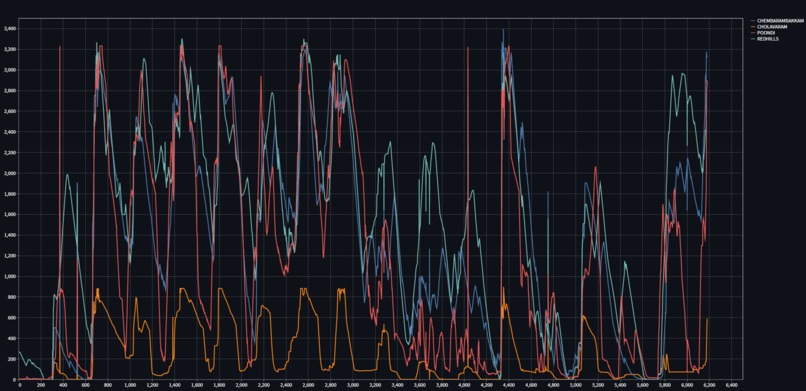
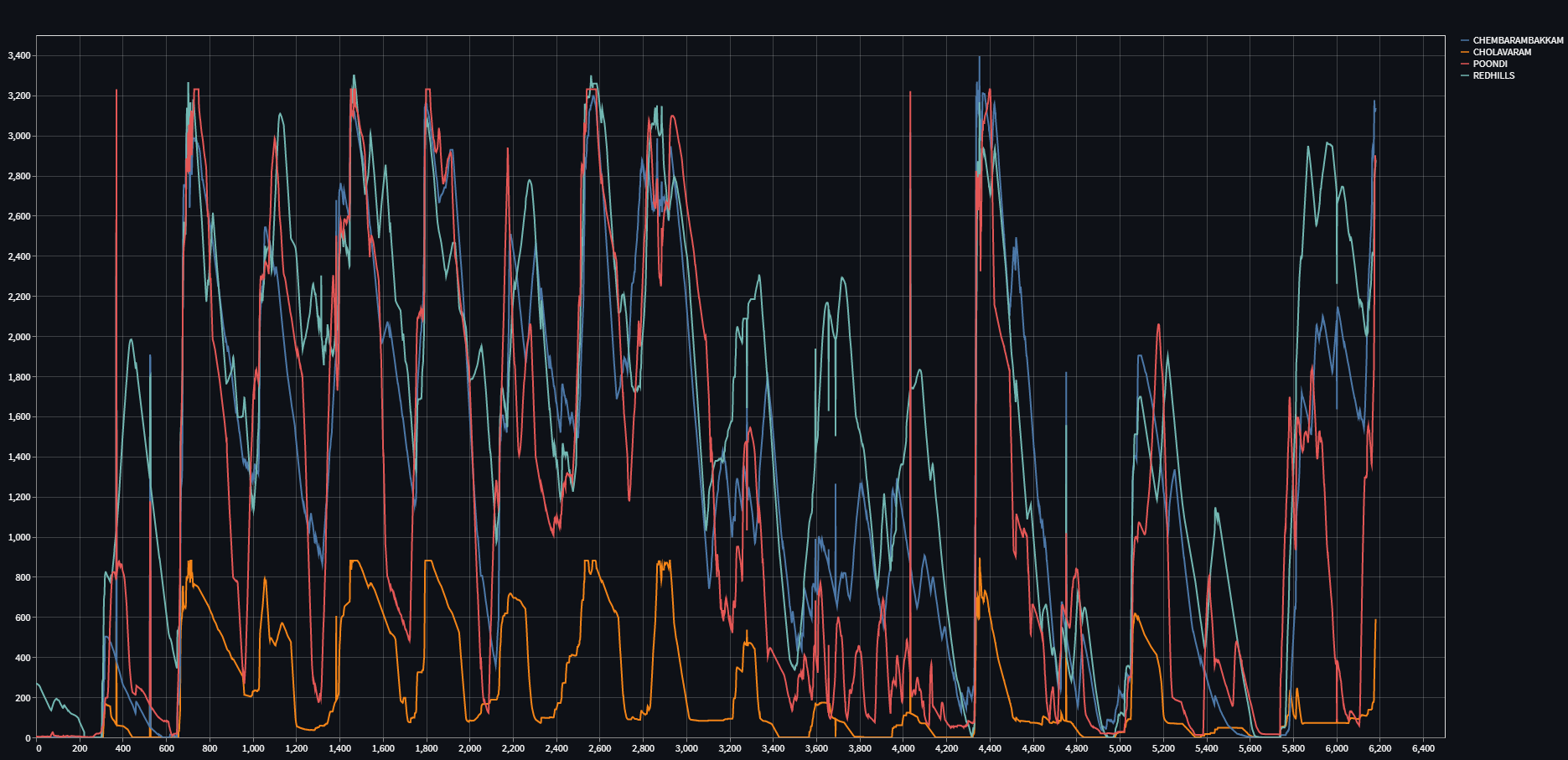
Data Visualization
-
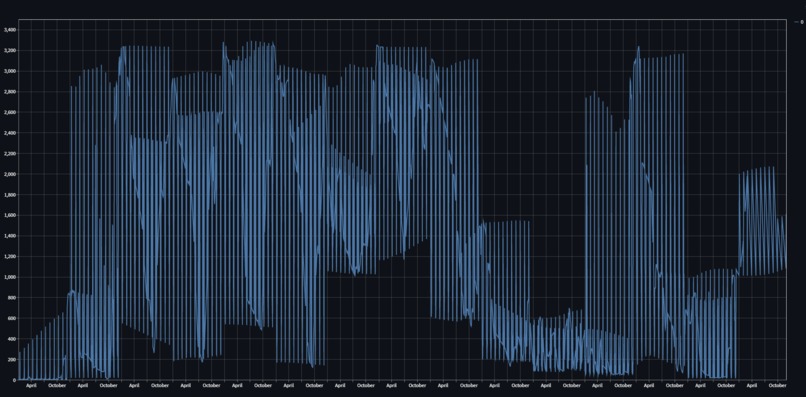
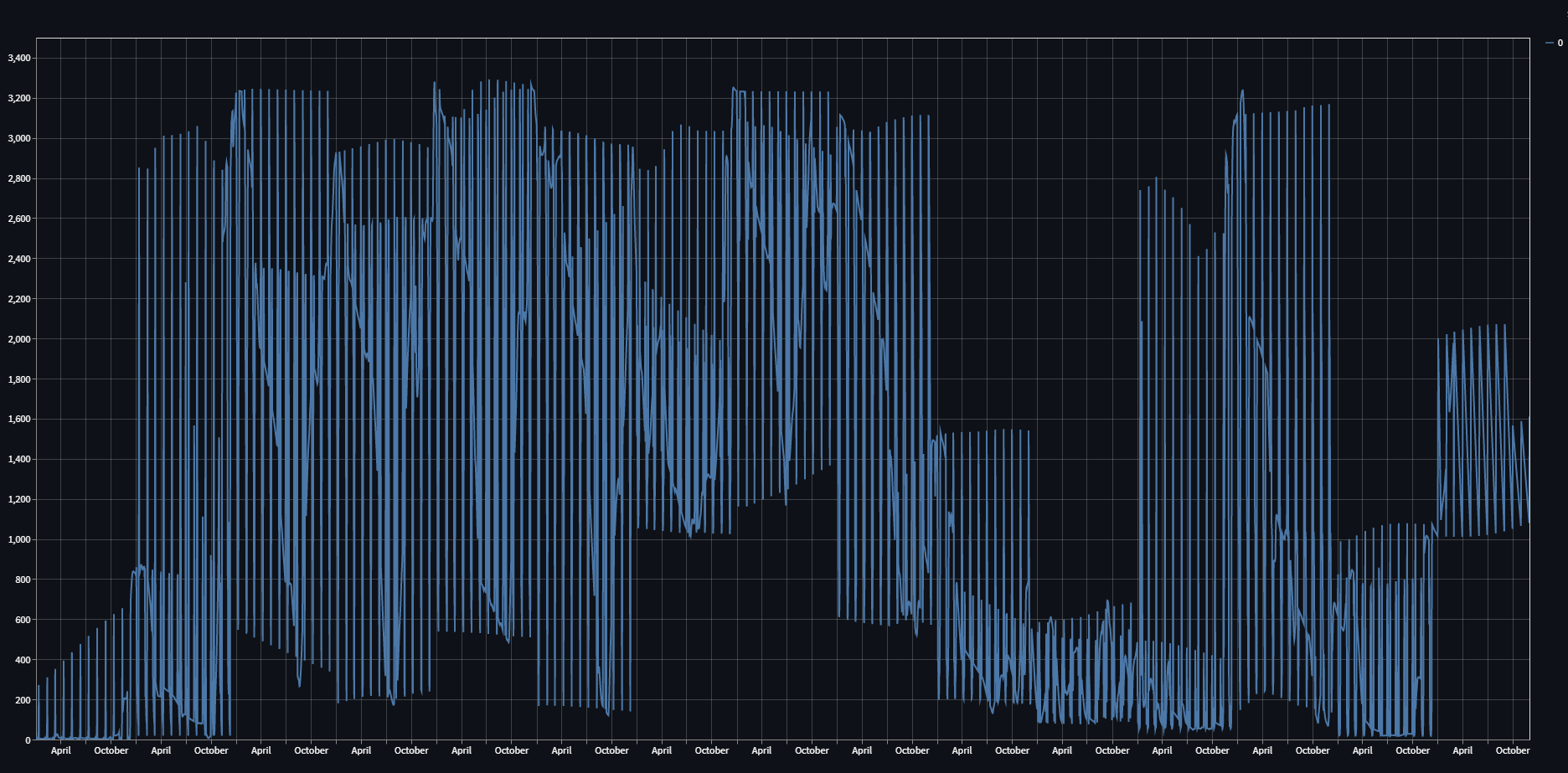
Predictions
Inspiration - We just read an article on Bengaluru's water shortage, and because many people are attempting to find a solution, we decided to use Machine Learning to address the problem. A platform that forecasts water levels so that users may arrange their tactics accordingly.
What it does - This platform forecasts the water levels in a city's water reservoirs based on previously collected data, allowing local governments to plan ahead of time for a water crisis.
How we built it - The prediction model was created using Machine Learning (Python), and the predictions were made using time series analysis (ARIMA Model). We utilized streamlit for the front end, as it is the ideal framework for Machine Learning and Data Science projects.
Challenges we ran into - Our first challenge was gathering datasets; such datasets are difficult to come by, and it took us a long time to locate one. Next, we ran into challenges with improving the model's accuracy. We tried all of the time series models and ultimately picked the one with the highest accuracy.
Accomplishments that we're proud of - This project taught us how to use streamlit for data visualization and introduced us to a new framework.
What we learned - We had no idea we were capable of learning new things so quickly until the hackathon revealed our talents. We were challenged at each stage of the project, and we pushed our limits, learning numerous new technologies such as streamlit, predictive models such as arima, and others in such a short period of time. Also, because our project focuses on efficient water usage and management, it gave us an extra incentive to work hard on it. To bring the idea to life, we learnt time management and teamwork skills.
What's next for Aqualarm - More data visualization options will be added, allowing local governments to visualize the issue more effectively. We'll also include a feature where the model, based on the projections, might advise some steps to address the water scarcity situation.
Built With
- python
- streamlit

Log in or sign up for Devpost to join the conversation.