-
-
Logo
-
Login Page
-
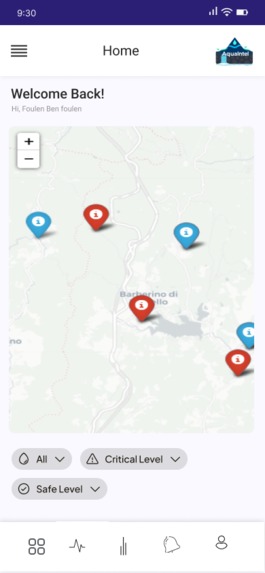
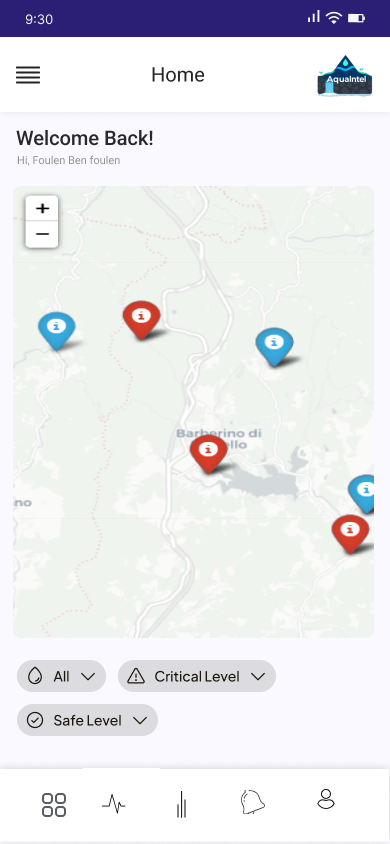
Home Page
-
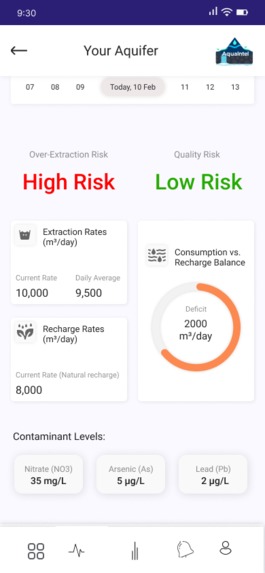
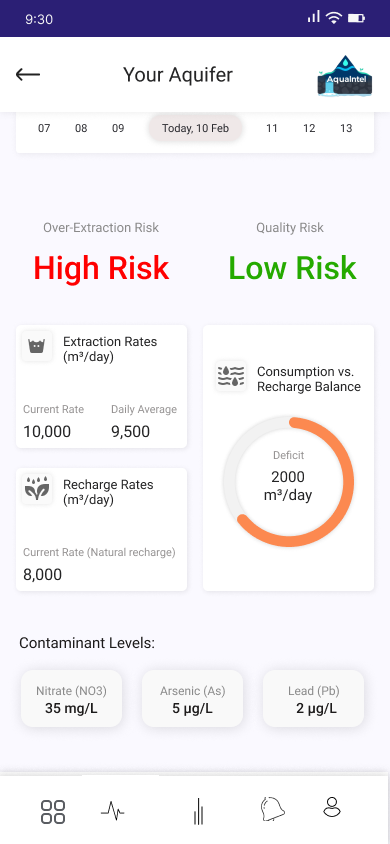
AI Model Interface
-
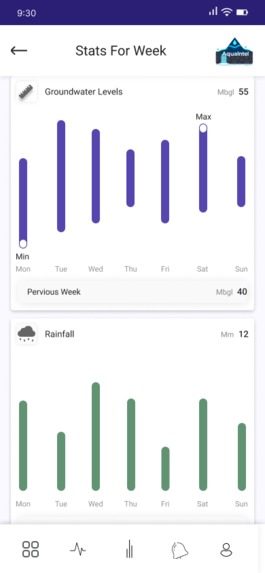
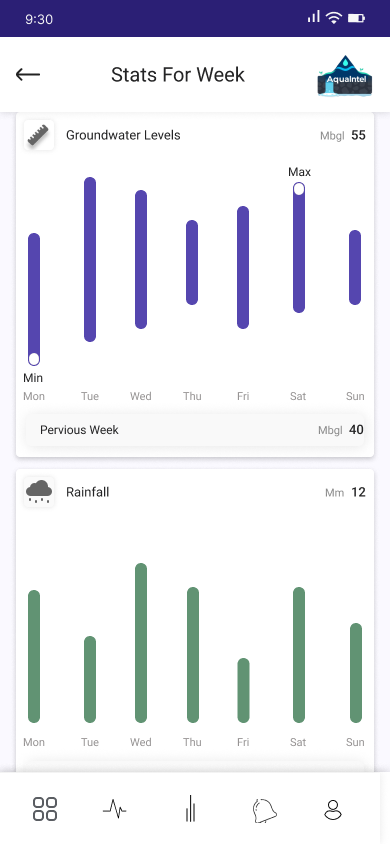
Statistics Page
-
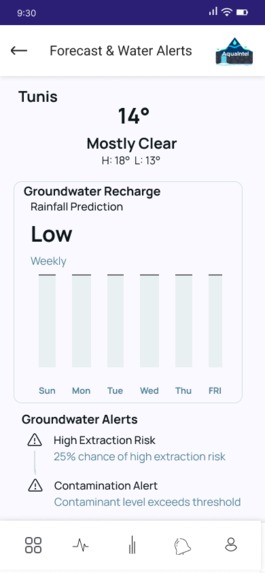
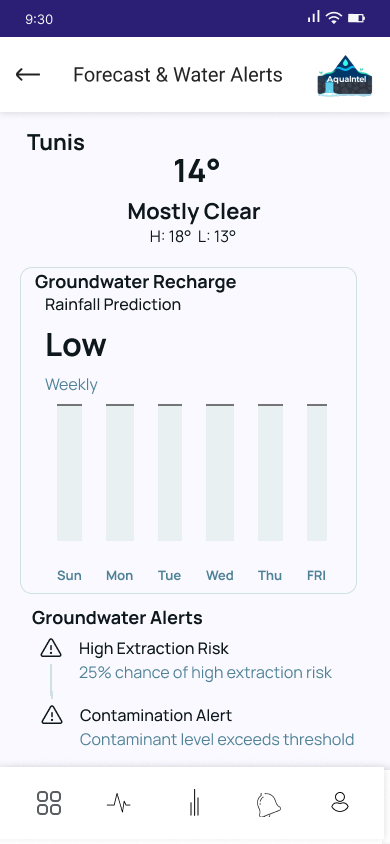
Alerts Page
-
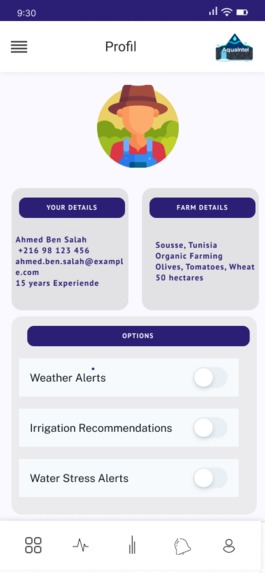
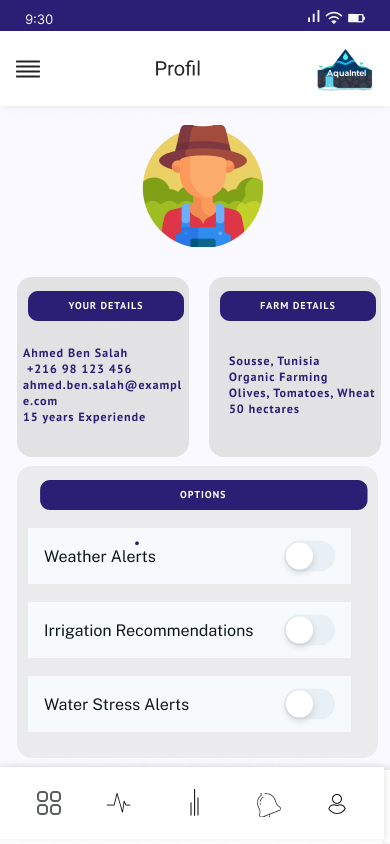
Profile Settings Page

** AquaIntel: AI-Powered Groundwater Recharge Optimization and Monitoring **
Working on the future of environment sub-challenge.
Inspiration
The increasing pressure on water resources due to climate change, over-extraction of groundwater, and expanding agricultural demands inspired us to develop AquaIntel. Sustainable water management is critical, especially in regions prone to droughts or where agriculture relies heavily on groundwater. We envisioned using AI to tackle these challenges by optimizing groundwater recharge and ensuring sustainable practices to protect this vital resource for future generations. Our goal was to empower communities and farmers to use water responsibly while preserving the environment.
What it does
AquaIntel uses artificial intelligence to optimize groundwater recharge by finding ideal locations for aquifer recharge and providing data-driven insights to prevent over-extraction. Our platform helps stakeholders, from farmers to water resource managers, make informed decisions about water usage and recharge potential. By ensuring efficient groundwater management, AquaIntel supports sustainable agriculture practices and long-term environmental protection.
How we built it
We built AquaIntel using a combination of AI algorithms and predictive models. Here's how:
- Data Collection: We gathered datasets on groundwater levels, soil characteristics, climate patterns, and land use.
- AI Integration: We implemented machine learning models to analyze underground water levels, recharge potential and identify the most suitable aquifer sites.
- Dashboard: The platform provides an intuitive interface that displays predicted risks of over-extraction real-time water data and recharge recommendations,
Challenges we ran into
One of the major challenges we faced was obtaining accurate, real-time data for groundwater levels and environmental factors, as much of the data was either from different resources or incomplete. Integrating different datasets from various sources and formats posed another difficulty. Additionally, training the AI models to account for diverse regional factors, such as soil type, weather conditions, and agricultural practices, required significant time and experimentation.
Accomplishments that we're proud of
We’re proud of developing a model that can make a meaningful impact on water conservation and sustainability through over extraction prevention. AquaIntel not only helps identify recharge sites but also empowers communities and farmers to adopt sustainable water practices.
What we learned
Through the development of AquaIntel, we learned about the complexity of water management and the importance of precise data in environmental conservation efforts. We also deepened our understanding of how AI and machine learning can be applied to real-world problems in a way that drives tangible, sustainable outcomes.
What's next for AquaIntel
In the future, we plan to expand AquaIntel’s capabilities by integrating IoT sensors for real-time monitoring of groundwater levels and aquifer health. We’re also looking to enhance our AI models by incorporating more localized data and improving prediction accuracy. Another goal is to collaborate with government bodies and NGOs to scale the solution and provide training for farmers and communities to make better water management decisions. AquaIntel’s mission will continue to evolve as we work towards ensuring water security and sustainable agriculture practices worldwide.
Built With
- collab
- figma
- matplotlib
- numpy
- pandas
- python
- scikit-learn
- seaborn
- xgboost


Log in or sign up for Devpost to join the conversation.