Inspiration
Over 2 billion people worldwide live in water-stressed regions without immediate access to laboratory-grade water testing facilities. While physical field test strips and portable colorimeters provide basic parameter data (pH, turbidity, dissolved solids), local community health workers and rural populations frequently lack the clinical and chemical expertise required to interpret these multidimensional readings accurately.
We built AquaGuard AI to bridge this last-mile diagnostic gap: an accessible, real-time diagnostic engine that translates field water telemetry into WHO-standard safety scores, pathogen risk profiles, and immediate field-deployable purification protocols.
What it does
AquaGuard AI evaluates real-time chemical and clarity readings against empirical World Health Organization (WHO) Guidelines for Drinking-water Quality:
- Multi-Parameter Telemetry Analysis: Evaluates pH, turbidity (NTU), total dissolved solids (TDS), chloramines, and sulfates against empirical safe thresholds.
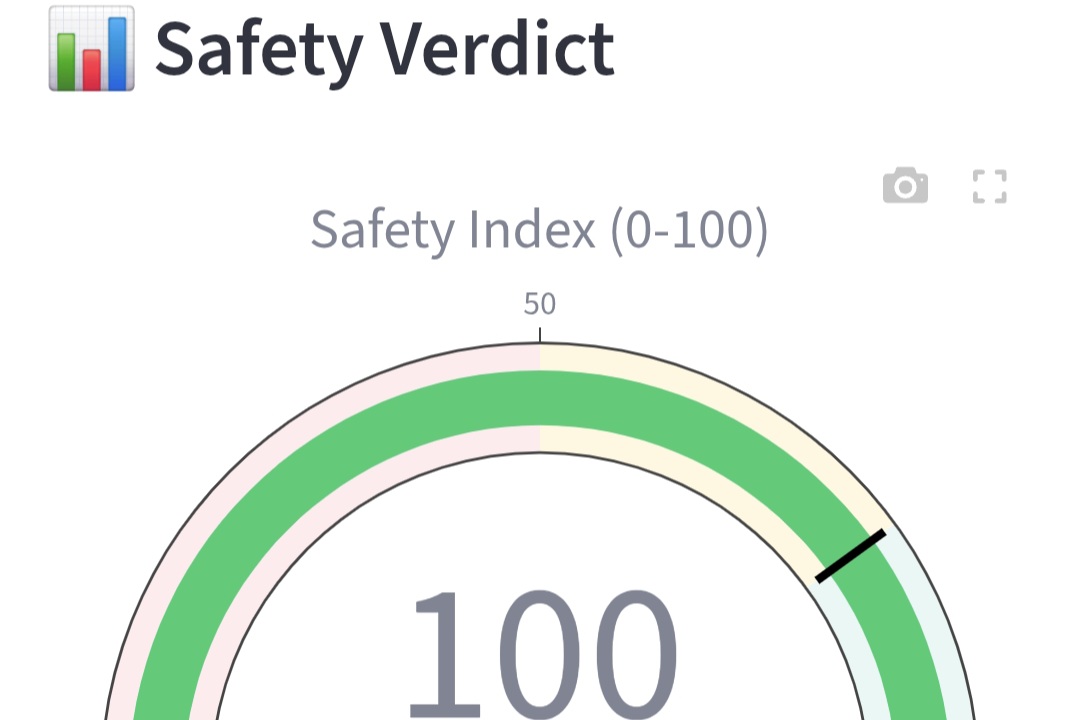
- Dynamic Safety Scoring: Calculates an instant 0–100 Safety Index with visual hazard classification (Safe, Potential Hazard, Contaminated/Critical Risk).
- Public Health Threat Diagnostic: Identifies biological vector vulnerability (pathogen sheltering due to turbidity) and chemical hazard risks (heavy metal pipe leaching, mineral stress).
- Decentralized Mitigation Protocols: Automatically prescribes step-by-step low-cost countermeasures, including multi-layer cloth/sand micro-filtration, boiling standards, and SODIS (solar disinfection) dosage rules.
How we built it
- Frontend & Engine: Python with Streamlit for a zero-install, responsive web application that runs seamlessly on mobile devices in low-bandwidth rural settings.
- Visual Analytics: Interactive gauges and indicators engineered using Plotly Graph Objects.
- Scientific Foundation: Structured diagnostic rules configured according to the WHO Guidelines for Drinking-water Quality (4th Edition).
- Cloud Deployment: Streamlit Community Cloud with public version control on GitHub.
Challenges we ran into
Balancing clinical-grade accuracy with simplicity was the primary engineering challenge. We had to ensure the scoring engine accurately weights acute biological risks (such as pathogen proliferation from depleted residual disinfectant) alongside chronic chemical risks, without overwhelming frontline community health workers with confusing jargon.
Accomplishments that we're proud of
- Deployed a fully functional, zero-install diagnostic tool that anyone with a mobile browser can use in seconds.
- Created an interface that doesn't just display numbers, but provides immediate, low-cost physical purification methods tailored to field conditions.
What we learned
We gained practical insights into environmental health telemetry, international drinking water quality standards, and the critical importance of human-centered UI design when building public health technology for rural communities.
What's next for AquaGuard AI
- Integrating automated computer-vision strip scanning using phone cameras.
- Adding localized regional language support (Hindi, Swahili, Spanish, etc.) for frontline healthcare volunteers.
- Implementing offline Progressive Web App (PWA) caching for zero-connectivity field zones.

Log in or sign up for Devpost to join the conversation.